product-development
(69)
The Most Expensive Ingredient Is the Experiment
Turing Labs has a peculiar proposition for the people who invent detergent, cheese and salad dressing: before you make another batch, ask the old batches what they know.
The Food Group Knows Why the Mayonnaise Matters
A 58-year-old agency built a business around an easily missed truth: food is sold twice - first to the people who serve it, then to the people who eat it.
The Publicist Who Learned PR on the Factory Floor
Most publicists meet a product when the press release is ready. Media Maison wants to meet it when the sketch is still on a napkin - then argue about the factory, the packaging and whether the story is worth telling at all.
Lifestyledesign Has Put 500 Products on Shelves. Its Trick Is Starting Before the Sketch.
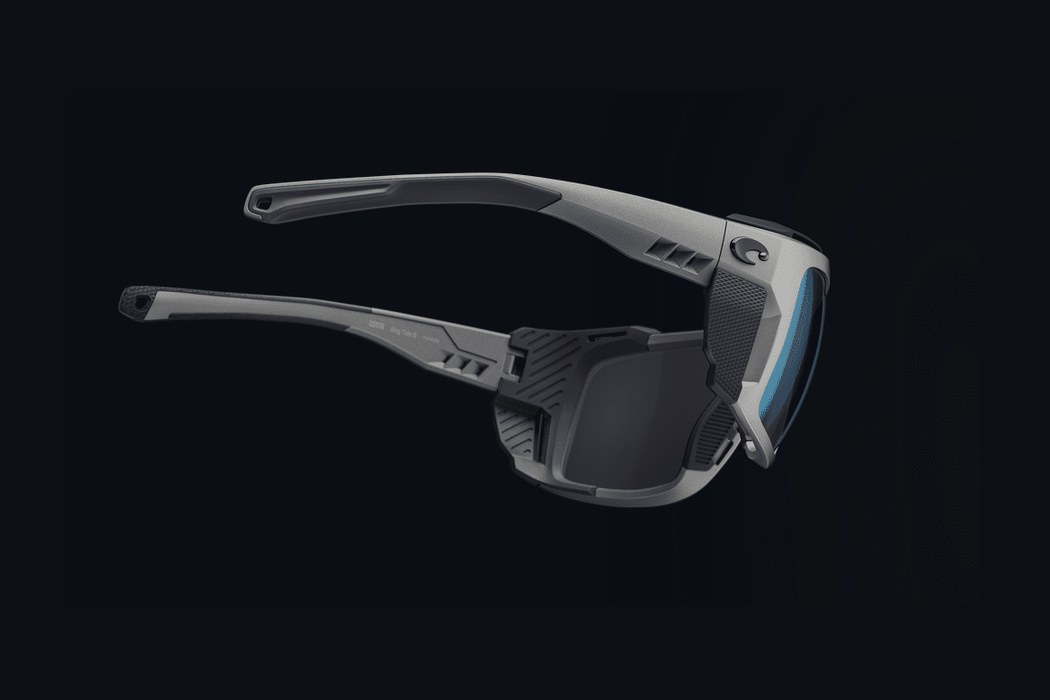
The Santa Barbara studio has spent two decades turning fuzzy business questions into sunglasses, speakers, smart glasses and hard cases. Its advantage is less about drawing a beautiful object than refusing to hand the idea off halfway through.
ERNST knows a brand is only as good as its next product
A ski bag, a driving shoe, a motocross boot. The Los Angeles design studio works where brand promises have to survive contact with the things people actually use.
ATEAM wants the sketch, the sample, and the storefront to agree
A fashion brand has to make sense on a mood board, in a factory, and on a phone. ATEAM puts creative design, business consulting, and production support inside the same brief.
KEYDESIGN Makes the Case for Fewer Parts
A two-piece wallet case. A thermometer without a charging sled. Three generations of checkout hardware. Inside the industrial design studio that treats everyday friction as a design brief.
Design Catapult takes the sketch all the way to the shipping box
A hospital cart, a contamination scanner and a cold-brew machine have something in common: Design Catapult. The California firm makes a business of the difficult distance between a clever idea and a product someone can actually use.
Winter Design Studio makes the packaging part of the plot
From Florence by Mills to a lipstick designed to be kept, the Los Angeles studio gives consumer brands a physical point of view. Its work connects the story on the label with the object in your hand.
BrahmVeda’s AI bet runs from horoscopes to hotel bookings
The Surat venture studio acquired VedVaani, then backed hotel technology startup Apycue. Its connecting idea: put software builders, business operators and capital around a specific customer problem.
Kerala’s startup club puts a price on better conversation
Kerala Product Hunt grew from a college WhatsApp group into a community of more than 1,000 builders. Its wager: people will pay for a room where someone actually reads the product link.
Cambridge Design Partnership gets past “almost works”
A prototype can impress a room and still be impossible to manufacture. Cambridge Design Partnership has built a business in that awkward gap, fixing everything from diagnostic instruments to the feel of a kitchen knife.
Vypr wants your bad idea caught before it hits the shelf
From bread bags to birthday cards, Vypr lets brands test the small decisions that shape a launch. Its bet: consumer research earns its keep when there is still time to change the product.
The 70-Day Hardware Sprint: Motivo Built a Company for the Projects Everyone Else Calls Impossible
Motivo puts mechanical engineers, coders and fabricators under one roof, then hands them the sort of brief that makes a normal vendor ask for another quarter. Its real product is not a robot, tractor or aircraft part - it is a faster way to make hard technology real.
Detroit Engineered Products Built a Shortcut Through Engineering’s Slowest Loop
Every design change can send an engineer back through CAD, meshing and simulation. DEP built MeshWorks to break that loop - then turned the same playbook into a global engineering business.
The $9.6 Billion Engineering Shop Behind Products You Already Use
GlobalLogic does not sell the shiny app. It sells the people, process and increasingly the AI that get the app shipped - a quiet model that survived a brutal first shock and ended in Hitachi's $9.6 billion bet.

Michael Sharon Turned Coffee Into a Product You Can Text
The former Facebook mobile product leader brought software habits to the beverage aisle: ship early, listen closely, fix the strange taste, and put a phone number where the logo usually goes.

Paul Harmon Makes the Invisible Materials Economy Legible
From software support to the C-suite, Paul Harmon's career is a study in translating complexity - turning fibers, films, customer needs and sustainability targets into decisions people can act on.

Brett Allcorn Built a Business by Asking Better Questions
From a street-side rock stand to a New York speaker series, Brett Allcorn’s career is a study in turning curiosity, copy, and repeated experiments into a durable company.
Adam Smithline Built a Smart Door. The Hard Part Was Learning When to Listen.
A ski-trip complaint became a smart pet door, then a long lesson in hardware, humility, and the expensive distance between a clean idea and a dependable product.

Tim Willis Keeps Betting on the Space Between Blinks
He built TearScience from a treatment idea into a company acquired by Johnson & Johnson. Then the engineer returned to the same tiny surface with a new question: can an eye drop learn to stay put?

Hal Eason Spent a Career Starting Companies. Then He Waited 12 Years for a Bottle
The Harvard MBA and former Bain consultant built a career around acceleration. At Momtech, his useful trick has been knowing what not to rush.
Lenny Vainberg Builds the Beautiful Thing - Then Builds the System Behind It
From a patented garage wall to a Baja factory, a public-company deal and a detergent capsule, Lenny Vainberg keeps returning to the same hard problem: making physical products scale without sanding away their character.
Peter Arn Learned to Make Growth Wait
The ROMTech co-founder built his playbook around unglamorous things: listening closely, testing early, raising patiently and knowing when more revenue is the wrong answer.
Brad Kifferstein Bet on the Mug You Already Reach For
Before VitaPerk became a stickpack, Brad Kifferstein sold carpet to college students, syndicated real estate and learned product development at Crypton. His enduring idea is equally practical: the easiest routine to build may be the one that borrows a ritual people already keep.

Thomas Bishop Wants the Humble Battery to Earn Its Keep
After building snowboards, headphones and connected hardware, the Paleblue founder chose a product people tend to notice only when it fails - and made reuse the convenient option.
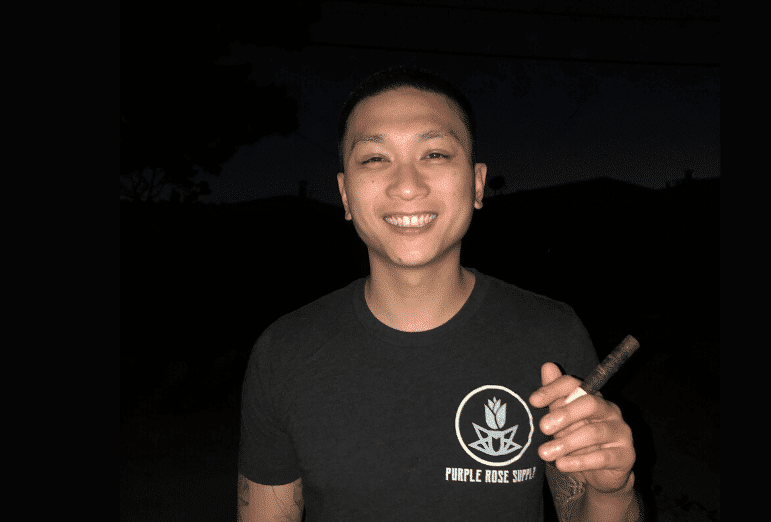
Sidney Quitorio Left Software to Make a Better Smoke - One Difficult Leaf at a Time
A $400 cannagar sent a software engineer to his workbench. The mold became Purple Rose Supply; a customer request for the missing wrap became Native Leaf Co - and a lesson in following the awkward problem next door.
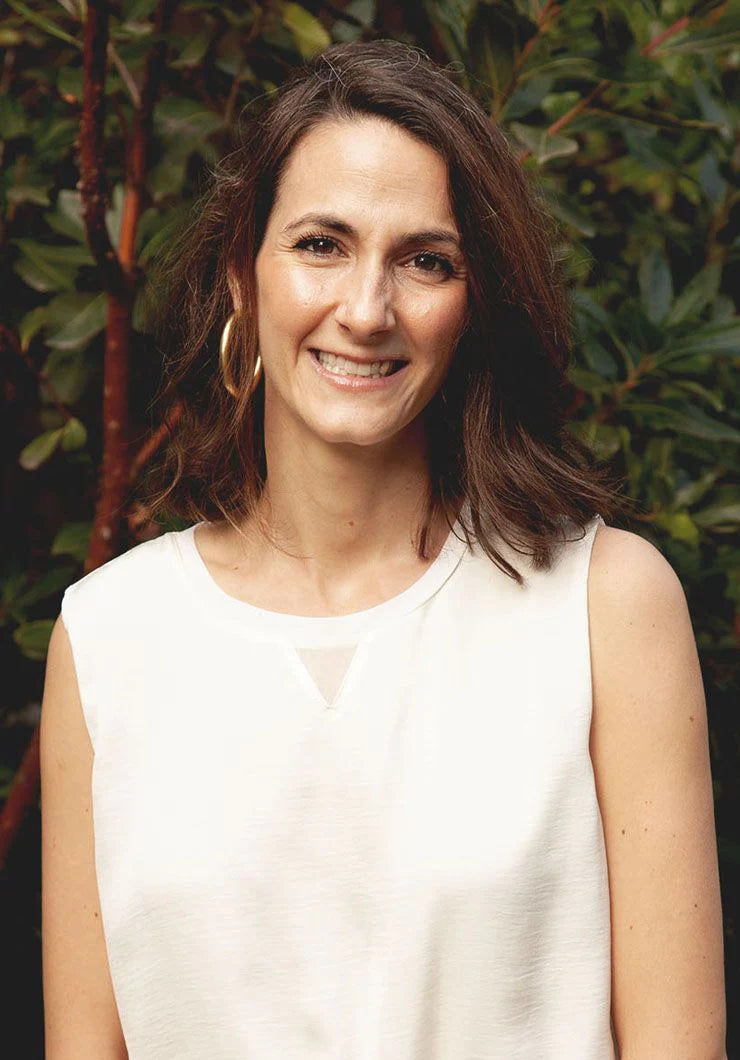
Laurel Myers Built the Grown-Up Version of CBD - Then the Market Grew Up Too
She helped turn a chaotic ingredient boom into a lesson in trust, standards, and the stubbornly unglamorous work of building a consumer brand.
Janet Conning Makes the Business Case for Better Bread
At Bäckerhaus Veit, Janet Conning works where old-world baking meets the modern deli case. Her public comments reveal a marketer focused on the small product decisions - from slice size to half-loaf formats - that turn craft into a useful customer proposition.
The Accelerator That Bets on Atoms, Not Apps
Everyone wanted to fund the next app. N15 built a workshop for the people who make things you can hold - and turned Korea's biggest electronics market into a startup factory.