In most startup mythology, the founder codes through the night, ships an app, and watches the graph go up and to the right. Hardware Accelerator N15 was built for the other kind of founder - the one holding a circuit board, a 3D-printed shell, and a supplier quote that does not add up. Since 2015, the Seoul company has done something unusual: it planted a 24-hour workshop inside the largest electronics market in Korea and dared physical-product startups to actually build.
The premise is simple to say and hard to do. Software scales for close to nothing; hardware does not. Before a physical product earns a single won, a founder needs prototypes, molds, suppliers, certifications, and cash. N15's answer was to turn each of those painful steps into a service, then stack them under one roof. It calls itself Korea's first accelerator built specifically for hardware - and the location is not an accident.
A workshop inside a marketplace
N15's headquarters sits in Seoul's Yongsan Electronics Market, a dense warren of component sellers, repair benches, and parts bins. For a hardware founder, that address is a cheat code: almost any connector, sensor, or motor you need is a short walk away. Inside, the facility runs a hardware tech shop, coworking space, a 3D printing lab, a general makerspace, an H/W lab, and an education space - open around the clock, which happens to match the real rhythm of prototyping.
The company's focus areas read like a tour of the physical internet: IoT devices, wearables, drones, robotics, electric mobility, and 3D printing. These are exactly the categories that generalist accelerators tend to wave through - and then quietly avoid, because a mold does not respond to a growth-hacking sprint.
What N15 actually does
Strip away the labels and N15 runs on two engines. The first is manufacturing. N15 offers what it describes as one-stop production: product consulting, prototyping, industrial design, circuit and firmware development, tooling, injection molding, assembly, certification, and a network of domestic and international factories to make the thing at volume. A founder can walk in with a sketch and, in principle, walk a pipeline all the way to a shippable unit.
The N15 pipeline - the unglamorous middle that kills most hardware startups.
The second engine is open innovation. Here N15 sits between scrappy startups and Korea's biggest conglomerates. It helps large corporations set strategy, scouts startups for them, runs proofs-of-concept, accelerates the promising ones, stages demo days, and runs global expansion programs. In other words, N15 gets paid to translate between garage inventors and corporate procurement - two groups that rarely speak the same language.
Who shows up at the door
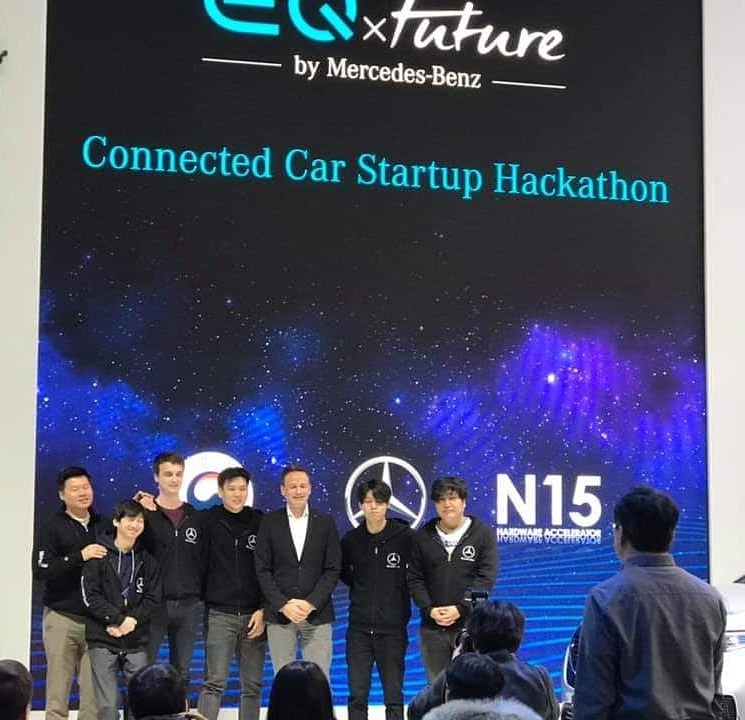
Two very different crowds. On one side are early-stage hardware founders in IoT, wearables, drones, robotics, mobility, and 3D printing. On the other are the corporations - Samsung, LG, Hyundai, SK, GS, Mercedes-Benz, Volkswagen and more - that hire N15 to run their startup-facing programs. By the company's count, 96 startups have produced products through N15, backed by a network of 140 partner factories at home and abroad.
What a founder can actually get here
- Free office and project space during the accelerating program.
- A working prototype, then tooling and a factory that can make it at volume.
- Product certification handled inside the pipeline, not outsourced blind.
- Introductions to corporate buyers through open-innovation programs and demo days.
- A 24/7 makerspace steps from Korea's biggest parts market.
Why it is different from the accelerator down the street
Most accelerators are, at heart, a check and a network. N15 is vertically integrated. It does not just invest and cheer; it builds prototypes, sources molds, runs certification, and hands founders real corporate buyers. Compared with global hardware programs such as HAX or Highway1, or generalist accelerators that treat hardware as a footnote, N15's edge is that it owns the unglamorous middle - the part between the idea and the shelf where most hardware startups quietly die.
The business model, in plain terms
N15 makes money three ways that reinforce each other. It takes equity in - or invests directly in - the hardware startups it accelerates. It earns fees on one-stop manufacturing services. And it runs paid open-innovation programs for large corporations that want a structured way to work with startups. Each engine feeds the others: manufacturing work surfaces promising startups, accelerated startups need manufacturing, and corporate programs create demand for both.
Cumulative figures reported by N15; bars are scaled for comparison, not to a single unit.
The math of making things
To understand why N15 exists, it helps to sit with the arithmetic that scares software people. An app can be rewritten overnight; a plastic housing cannot. Cut a steel mold wrong and you have spent tens of thousands of dollars and weeks of lead time to learn it. Miss a certification and you cannot legally sell. Order too few units and your per-piece cost balloons; order too many and unsold inventory sits in a warehouse eating cash. Every one of those failure points arrives before a customer has paid a cent. N15's pitch is that it has walked that gauntlet enough times to steer founders around the potholes - and that its factory network turns terrifying one-off decisions into repeatable ones.
That is also the honest limit of the model. This is not a fit for a founder who wants to raise a seed round on a landing page and iterate toward product-market fit in public. It rewards people who already have a physical concept worth tooling, the patience to work through prototype revisions, and a willingness to lean on someone else's supply chain. And because so much of the value is bound up in Yongsan's stalls and Korea's conglomerates, the advantage is strongest for teams that can plug into that specific ecosystem. Copy the org chart to a city without the parts market next door, and the magic thins out.
The people and the track record
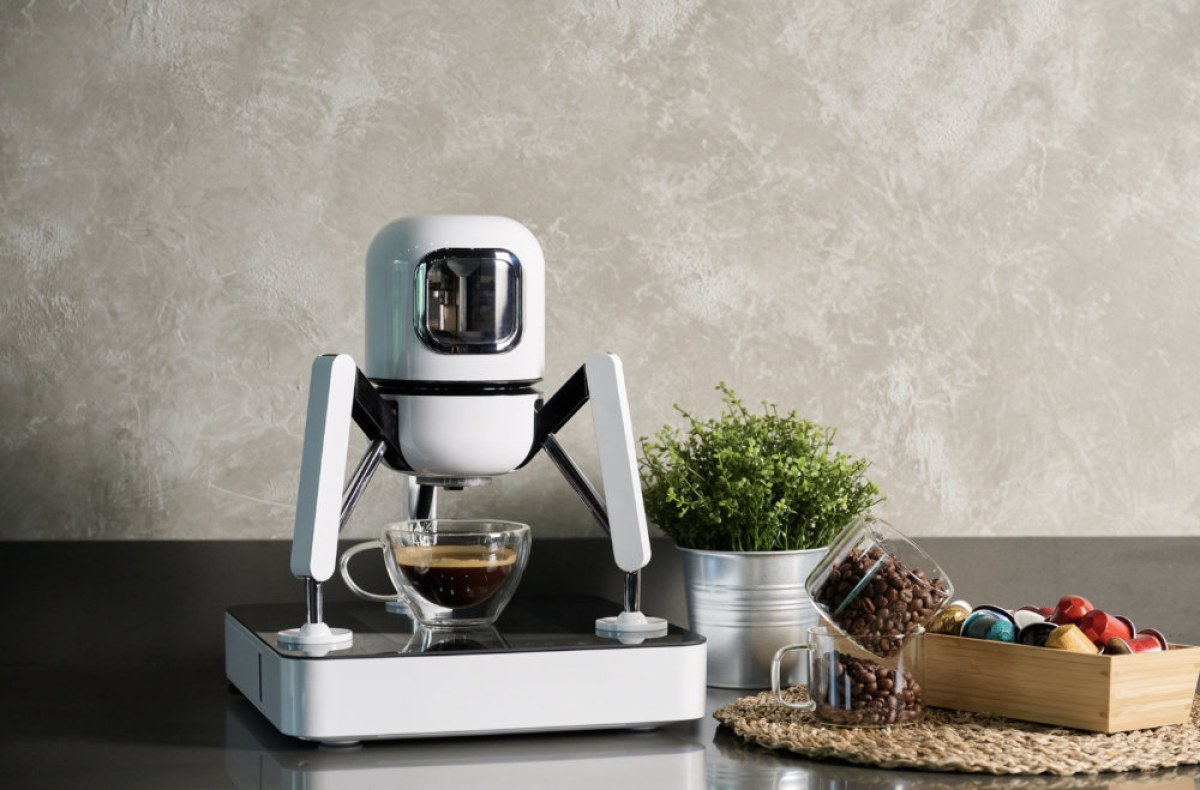
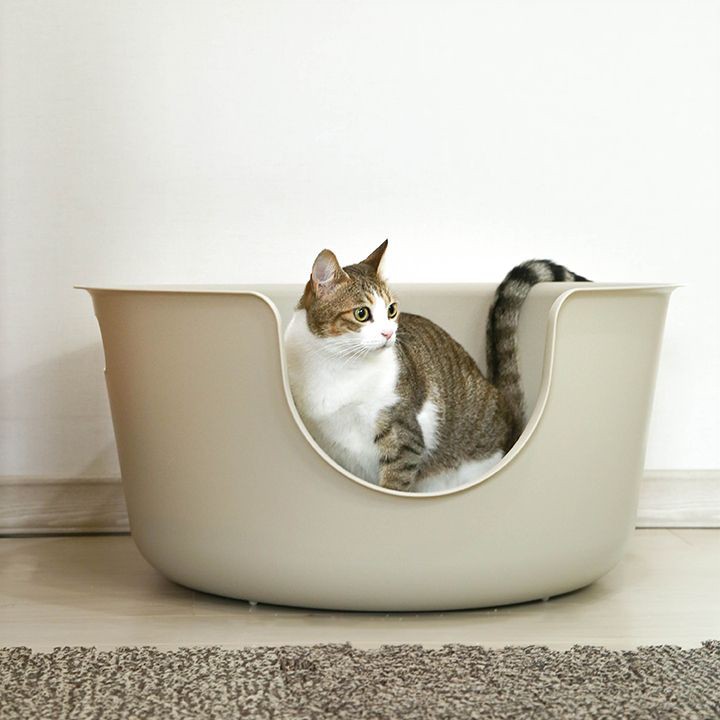
N15 is led by CEO and co-founder Sunjong Ryu, who also goes by Joseph, and who bridges two hardware capitals - operating from Seoul while based in the Greater Seattle area. The company reports a Series A round with total funding around $2.52 million, last raised in 2020. Its portfolio and program work has been recognized at CES, the iF Design Award, and Korea's Good Design Award, and its reference projects span a dual-capsule coffee machine, hidden-door systems, and smart pet products for brands like Pet Friends.
Where it fits in the market
Zoom out and N15 occupies a specific, defensible corner. Software accelerators are crowded; hardware is hard, capital-intensive, and unfashionable - which is precisely why fewer players fight for it. By anchoring inside Korea's manufacturing base and wiring itself into the country's largest companies, N15 turned a hard category into a moat. The open question, the one worth watching, is whether a model this rooted in Yongsan's parts stalls and Korea's conglomerates can be exported - or whether the location that makes it work is also what keeps it home.
The competitive set makes the position clearer. A founder weighing options might look at HAX, which built its name shepherding hardware startups through manufacturing in Shenzhen, or at corporate venture arms that write checks but leave the building to you. N15's answer is to be both the workshop and the matchmaker in one place, close to a manufacturing base and a set of buyers that most Western programs can only reach by plane. For a Korean hardware founder, that proximity is not a nice-to-have; it is the whole point.
For now, the bet looks sound. While much of the tech world chased screens, N15 quietly built the infrastructure to make things you can pick up. It is a reminder that someone still has to manufacture the plate the software is served on - and that, in Seoul, there is a workshop open at 3 a.m. to help you do it.