electric-mobility
(10)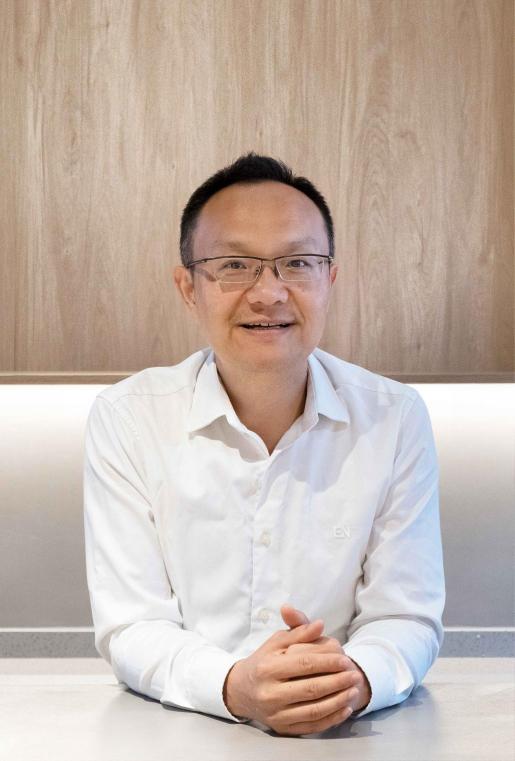
Tony Jin and the art of making charging ordinary
The EN Plus CEO has a background in cost control and a name on award-winning charger designs. His next challenge is less photogenic: making the pieces of electric mobility work together.
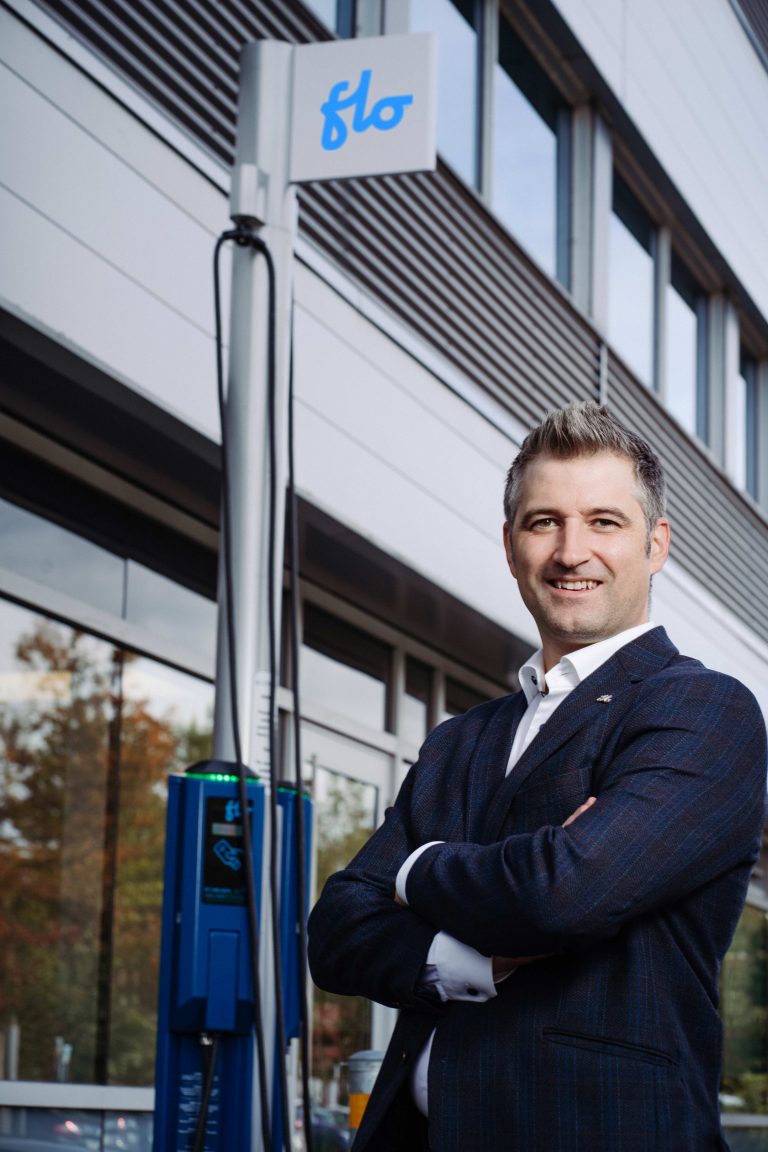
Louis Tremblay and the problem at the end of the road
A childhood entrepreneur with a taste for cars, the FLO co-founder built his career around a question every electric driver eventually asks: where will I charge? The answer has taken him from Université Laval to a North American network - and through the harder business of keeping it running.

The Car of Tomorrow Has a Payroll Department
INSTART group brings battery engineers, vehicle-testing software, data specialists, brand experiences, and shared administration into one network. Its most revealing innovation may be the way those businesses connect.
The Indian Incubator Where Founders Have to Build the Thing
On a 40-acre campus outside Ahmedabad, iCreate gives deep-tech founders what pitch decks cannot: tools, technical scrutiny, patient mentors and a route from prototype to paying market.

India Accelerator Wants a Seat at the Workbench
The Gurugram firm has built a business around the work that follows a funding announcement. Its bet: founders need help finding customers, testing assumptions and opening industry doors as much as they need capital.
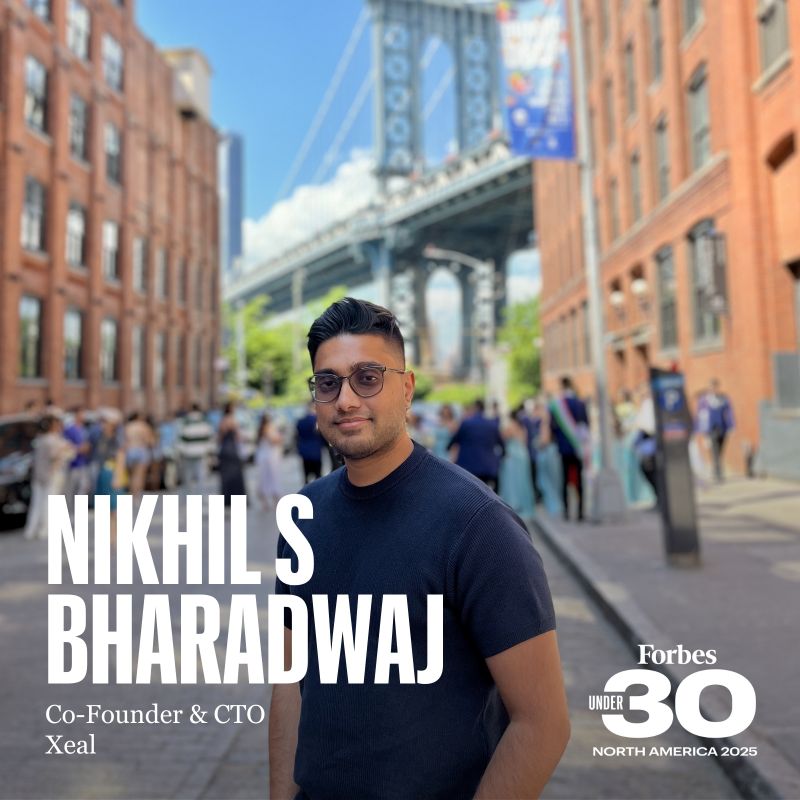
Nikhil Bharadwaj Put the Cloud on Notice
The Xeal co-founder learned EV charging’s least glamorous lesson in concrete garages: if the network disappears, the product cannot. His answer was to move the essential work closer to the plug.

CAA-Québec Turned a Tow-Truck Membership Into Quebec’s Trust Department
Nearly 1.4 million members buy more than roadside rescue. They buy one familiar number for the messy moments of driving, travelling, insuring a home and keeping daily life moving.
The Accelerator That Bets on Atoms, Not Apps
Everyone wanted to fund the next app. N15 built a workshop for the people who make things you can hold - and turned Korea's biggest electronics market into a startup factory.
Sam Dai
Sam Dai is the co-founder and CEO of Enpower Greentech, a battery cell maker building semi-solid-state, lithium-metal, and silicon-rich cells. Trained as a physicist at Tsinghua and a materials scientist at UT Austin under Nobel laureate John B. Goodenough, he started the company in 2012 with fellow post-doc Che Yong. The company has shipped over 3 million solid-state cells, holds more than 100 patents, and runs facilities across the US, China, Japan, and Germany. Dai was selected for Unreasonable Impact Asia Pacific 2024.

Scalvy
Scalvy is an Austin-based power electronics company building a modular, software-defined platform called the Power Neuron that distributes power conversion and control to the edge of each battery pack instead of routing it through a single centralized block. The approach targets three power-hungry markets - AI data centers, grid-scale energy storage, and electric mobility - promising higher usable energy, ultra-high efficiency, and faster development cycles. Founded in 2022 by Mohamed Badawy, the company raised a $13.9M Series A in March 2026, bringing total funding to roughly $17M.