prototyping
(28)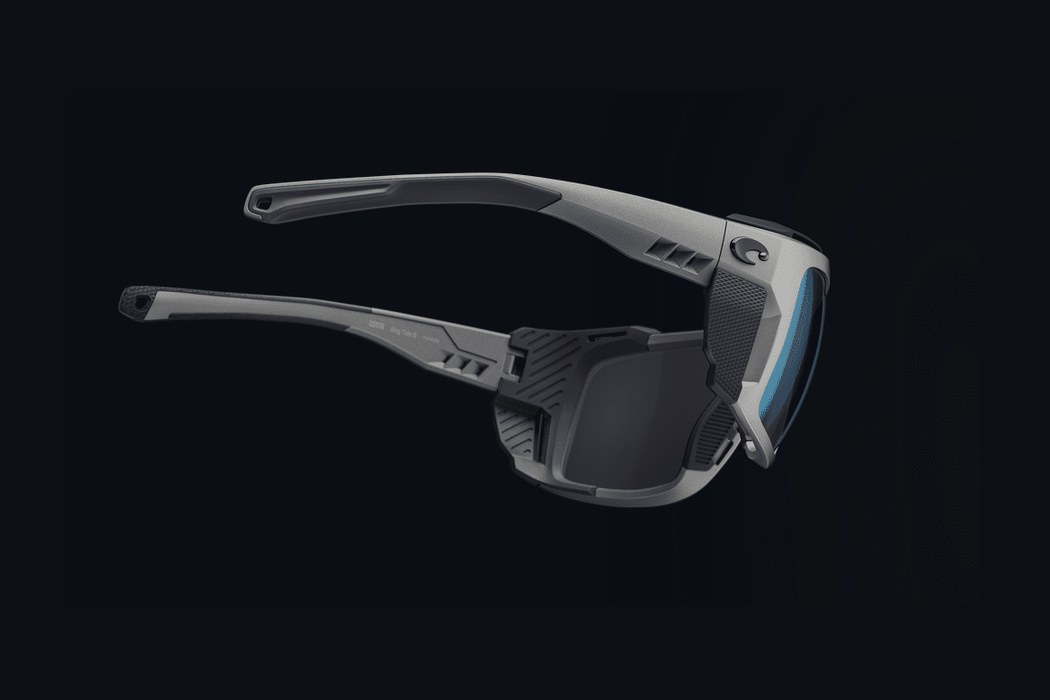
Lifestyledesign Has Put 500 Products on Shelves. Its Trick Is Starting Before the Sketch.
The Santa Barbara studio has spent two decades turning fuzzy business questions into sunglasses, speakers, smart glasses and hard cases. Its advantage is less about drawing a beautiful object than refusing to hand the idea off halfway through.

Product Design: the first version is a question
LaSoft’s product design practice turns business processes into web and mobile software. Its work for OutSail shows why a working first version can be the beginning of the argument.
West Woods and the value of a rough first draft
A coupon app, a solar boat, and a design agency with an unusually broad toolkit. West Woods makes more sense when you look at what its designers learned before the polished version.
Womp wants your next design to leave the screen
An artist’s frustration became a browser-based 3D tool. Now Womp is following its users into the less forgiving business of making things you can hold.
KEYDESIGN Makes the Case for Fewer Parts
A two-piece wallet case. A thermometer without a charging sled. Three generations of checkout hardware. Inside the industrial design studio that treats everyday friction as a design brief.

DGDA and the expensive art of making things people want
Dave Getchel can turn an idea into a website, a prototype or a tool for his own workbench. His more revealing design lessons come from the things he made before finding anyone to buy them.
Design Catapult takes the sketch all the way to the shipping box
A hospital cart, a contamination scanner and a cold-brew machine have something in common: Design Catapult. The California firm makes a business of the difficult distance between a clever idea and a product someone can actually use.
Startup Incubator Berlin Makes Room for the Wrong First Idea
At HWR Berlin’s founding center, free coaching, public scholarships and evenings of user testing give early ideas a practical education. The point is to learn what customers need before the money runs out.
DERBI Foundation and the hard part after the prototype
A medical device can work on a lab bench and still struggle to reach a hospital. Bengaluru’s DERBI Foundation helps founders tackle the testing, clinical connections and commercial decisions in between.
MotionLab.Berlin gives hardware startups room to make a mess
A €1,500 double-decker bus helped give this Berlin workshop its personality. Shared machinery, paid memberships and publicly backed programs explain how it helps hardware founders get to work.
Erciyes Teknopark Starts Before the Startup
In Kayseri, a university-linked technology park helps founders find an idea, build a prototype and meet investors. Its most revealing feature is how much work happens before there is a company to rent an office.
Zagreb Has a Workshop for Startups. The City Helps Pay the Bill.
At ZICER, founders can move from a subsidized office to a prototype, a pitch and a shot at public funding. The revealing detail is how much of the machinery sits under one roof.
Trentino Sviluppo Gives Old Factories a New Job
In northern Italy, a publicly owned company puts workshops, research and business coaching under one roof. Its bet: the next industrial chapter needs somewhere to build.
Femto designs for the person who has to make it work
A classroom game, a payment terminal and a mining cost program have more in common than they seem. The Brazilian consultancy works on the decisions and processes that make an idea usable.
Triathlon puts university research to work
At Saarland University, a startup can begin with a laser experiment or a round of speed dating. Triathlon connects the people, patents and practical help needed to turn either into a business.
Castres-Mazamet Technopole gets down to the business of first customers
A lamp, a wool-washing venture and a vehicle between a bicycle and a car: this French technopole helps unusual ideas face the ordinary tests of a business. Its offer combines patient preparation, industrial contacts and a reason to build locally.
Cambridge Design Partnership gets past “almost works”
A prototype can impress a room and still be impossible to manufacture. Cambridge Design Partnership has built a business in that awkward gap, fixing everything from diagnostic instruments to the feel of a kitchen knife.
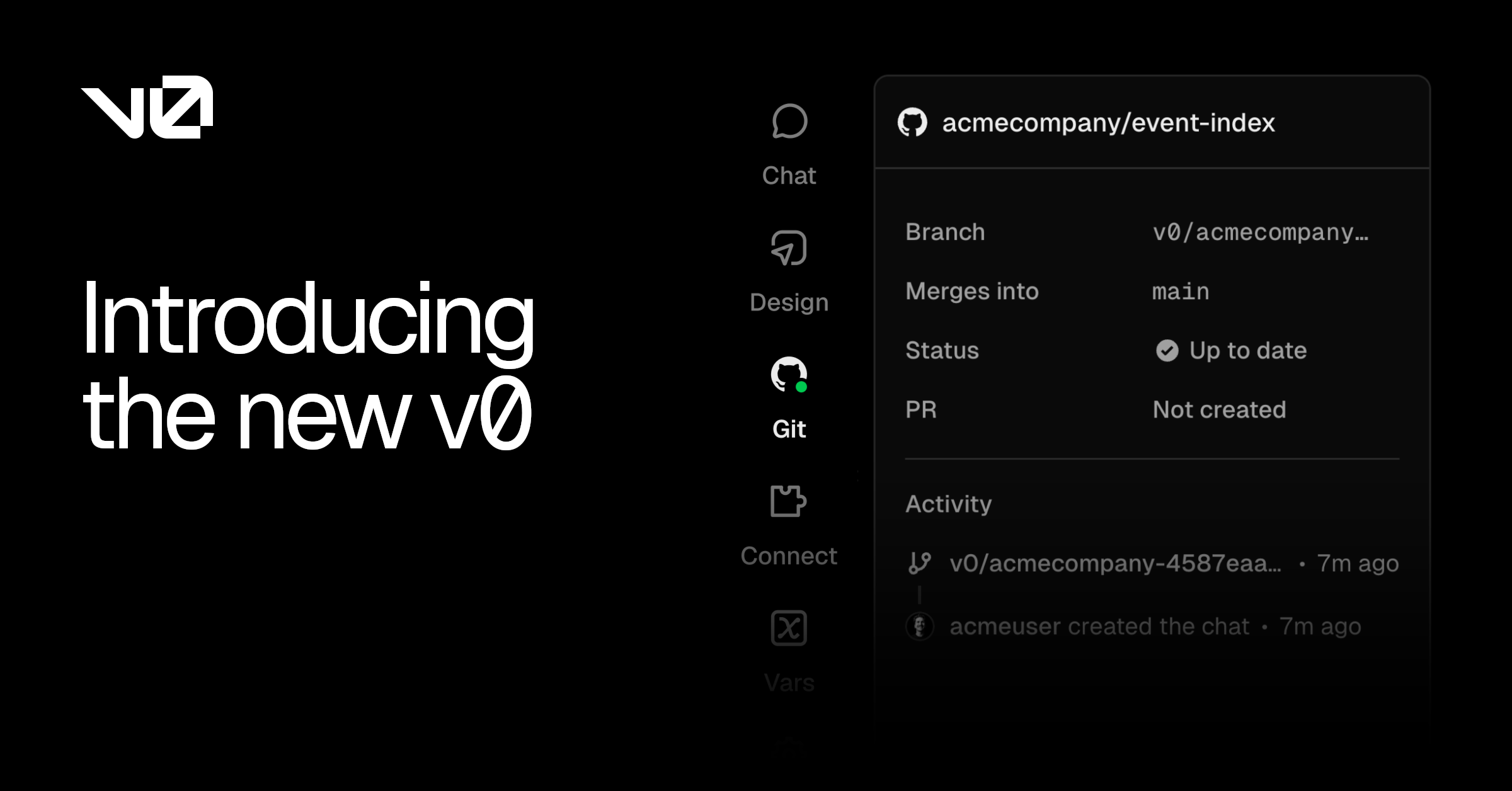
v0 Turned the Blank Page Into a Working App
Vercel's app-building agent is particularly useful when a rough idea needs to become something clickable before the meeting ends. The catch is equally modern: every ambitious conversation has a meter running.
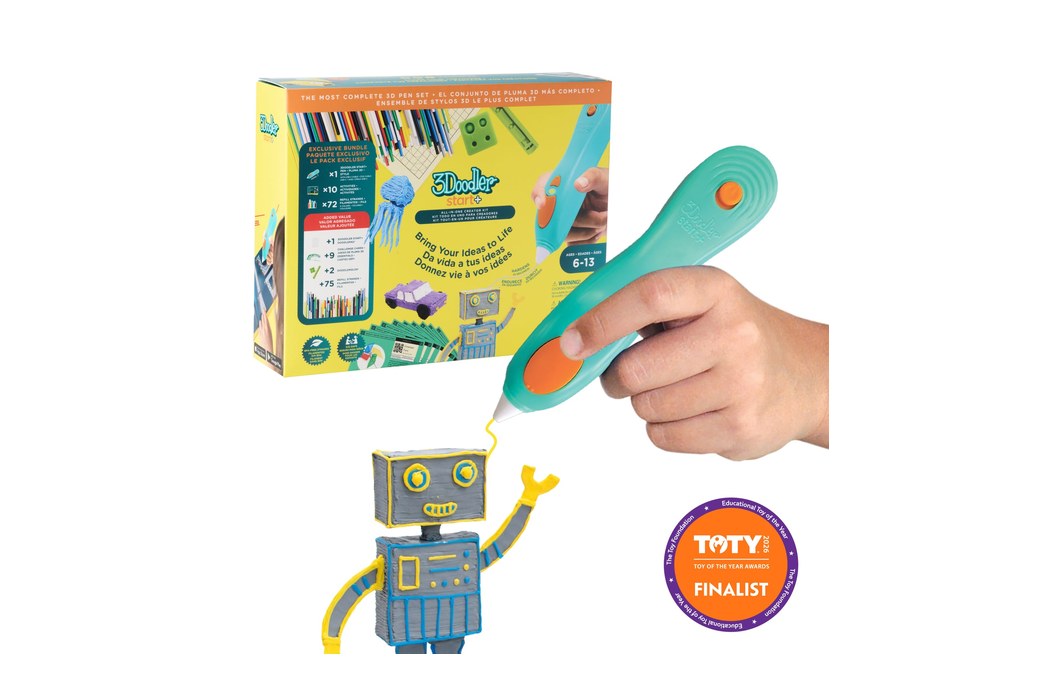
The Printer Jammed. So They Ripped Off the Nozzle and Started a Company.
A jammed 3D printer, a $30,000 Kickstarter ask, and $2.3 million later - how three toymakers turned a mistake into the pen that draws in mid-air.
The Accelerator That Bets on Atoms, Not Apps
Everyone wanted to fund the next app. N15 built a workshop for the people who make things you can hold - and turned Korea's biggest electronics market into a startup factory.

Figma
Figma won by turning interface design into a shared room. Now the public company is trying to make that room the place where ideas, code, AI and the people with opinions about all three finally meet.

Tempo
Tempo is a Toronto-based, Y Combinator-backed (S23) AI development environment for React. It pairs a drag-and-drop visual editor with AI code and reasoning agents so founders, product managers, designers, and engineers can build and ship production-grade React apps from the same canvas. Optimized for Vite and Tailwind, it works on real production codebases rather than throwaway prototypes, and connects to backends like Supabase and payment tools like Stripe through its MCP App Store.
Gembah
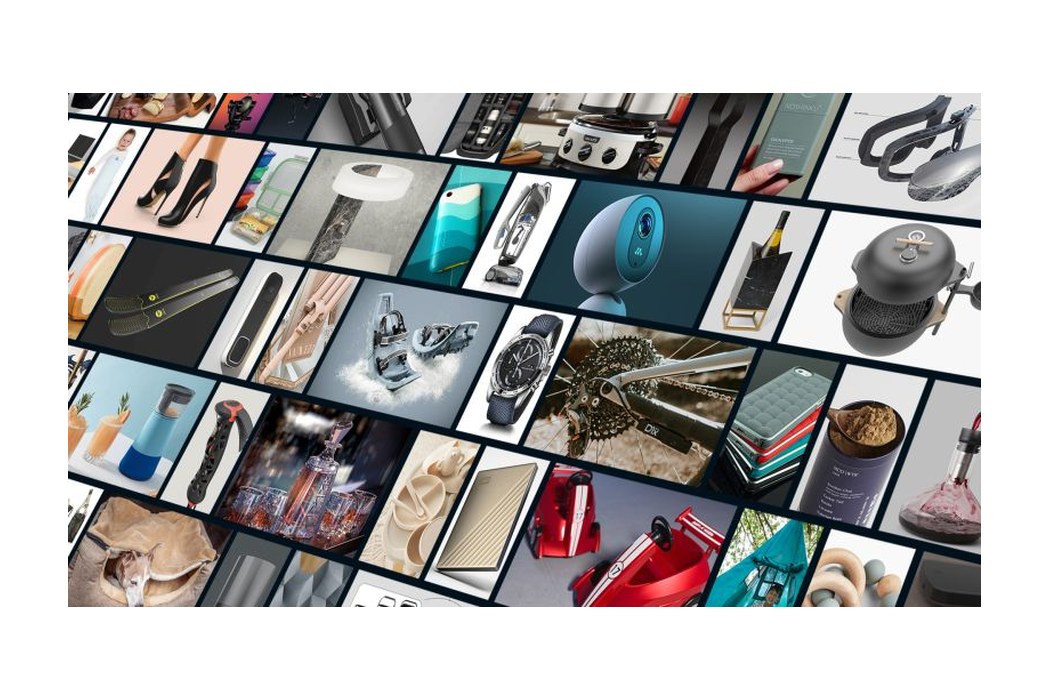
Gembah is an Austin-based product development platform and marketplace that helps entrepreneurs, e-commerce sellers, and small-to-midsize businesses take physical products from idea to shelf. It connects creators with a global network of vetted designers, engineers, and supply chain specialists, and manages design, prototyping, factory sourcing, and production across regions including China, Vietnam, India, Mexico, and Eastern Europe - aiming to demystify and democratize the process of bringing new consumer products to market.

Supernova
Supernova is an AI-powered platform that turns a company's design system into structured context that both people and AI coding agents can use. Founded in Prague and now building a U.S. headquarters in San Francisco, it centralizes design tokens, component APIs, documentation and rules as a single source of truth, then feeds that context into tools like Figma, Storybook, Cursor, GitHub Copilot and Claude Code so product teams can prototype, hand off and ship features faster. A Y Combinator alum, it is used by hundreds of organizations including Air France, KLM, Kraft Heinz, Paramount, Mozilla, LaunchDarkly and Skyscanner.

ProductNow
ProductNow is a Palo Alto AI-native platform that closes the gap between AI-generated prototypes and engineering-ready specifications. Founded in 2025 by two-decade product veteran Tript Singh Lamba, it snapshots prototypes from tools like Claude, Lovable, and Figma, collects ranked customer feedback within hours, and hands engineering a single source of truth of validated context, decisions, and requirements. The company raised a $6M seed round led by Sierra Ventures in July 2025.
Bezi
Bezi is a San Francisco software company building an AI assistant that lives inside the Unity game engine. It indexes a developer's entire project in real time - scripts, scenes, assets, packages - so it can debug, generate code and shaders, build editor tools, and automate repetitive work with full project context. Founded in 2021 as a collaborative 3D design tool by ex-Oculus designers, Bezi raised $13M led by Benchmark and later pivoted to focus on AI for game makers, positioning itself as 'AI for building real games, not generating them.'

Alexandra Zhang
Alexandra Zhang is the co-founder and CEO of Factorem, an AI-native, on-demand manufacturing platform born in Singapore that connects hardware and photonics teams with a vetted network of factories across Southeast Asia. After hitting sourcing walls as an engineer building EV transmissions in Toronto, she built the platform she wished she'd had: instant quotes, no minimum order quantities, and lead times cut from months to days. A Forbes 30 Under 30 honoree, she relocated from Singapore to Colorado to open the U.S. market, which now drives nearly half of company sales.

COR Medical Ventures
COR Medical Ventures is a San Diego-area medical device development company that acts as the center of rotation for medtech innovation. Through three branches - consulting services, a venture studio, and distribution services - it partners with surgeon-inventors and corporations to take orthopedic, spine, and other devices from clinical idea to FDA clearance and market launch. Founded by engineer Ben Arnold, the firm has stood up a portfolio of more than a dozen independent companies spanning robotics, wearables, spinal fusion, and soft-tissue fixation.