A brand team arrives with a brief, a deadline, and a presentation on Friday. Somewhere between the sketch and the meeting, somebody has to make an object. That was the kind of customer Gabriela Trueba began noticing inside Womp, a company whose apparent assignment was to make 3D design easier. These people wanted something they could put on a table.
Trueba describes the discovery in a public account of Womp’s evolution. Students and hobbyists had been using the browser tool. Then came creative directors and event production companies. The company expanded its materials offering and integrated AI tools. Her advice afterward was unusually practical: Follow the people doing the most with your product.
The intriguing part is where those people were going. Software can end at an export button. Their work continued through quoting, production, and delivery. Womp began stretching to meet it.
The artist who resented the entrance exam
Trueba’s interest in accessibility came from experience. Originally from Quito, Ecuador, she worked as an artist and designer in New York. Learning 3D exposed her to several kinds of expense: the software, the computer needed to run it, and the time required to become useful with either. Female Founders Fund’s account of her background makes that last cost particularly clear. She taught herself the tools before deciding to rebuild the experience.
There is a familiar assumption buried in difficult creative software: serious people will learn it. But a graphic designer with an idea for a small sculpture is already serious about something. Demanding a second apprenticeship before letting that person experiment is a peculiar admission policy.
Womp’s answer was a cloud-based environment built by artists and engineers. The demanding computation happens remotely. The creator arrives through a browser. Removing the hardware hurdle gives the company a chance to tackle the more interesting obstacle: what the user has to understand before making a useful mark.
Goop is a technical decision
Womp calls its approach Liquid 3D. Shapes can blend, merge, and carve into one another. Beneath the playful vocabulary sit signed distance fields and constructive solid geometry. For the person working on the canvas, the appeal is more immediate: start with simple forms and keep changing them.
Imagine building a little creature. A body, a head, a pair of feet. The pleasure comes from adjusting their relationship without treating every experiment as a commitment. Womp’s emphasis on editable geometry makes the interface feel closer to arranging and blending material. That is the product’s central design argument.
That positioning matters when comparing tools. Blender offers an extensive environment for modeling, animation, rigging, and rendering. Its mesh-editing and texturing controls serve people who need those particular capabilities. Womp makes a different bargain around an approachable modeling experience and a connected production service. Choosing between them starts with the deliverable: an animated character, a product image, and a printed desk toy are three different assignments.
The customer brought a shipping address
The physical examples on Womp’s site are helpfully small: custom awards, nametags, keycaps, shoe charms. These objects make the proposition easier to understand than an abstract promise about the future of creativity. A team can have a specific occasion, a modest quantity, and an object that needs to exist for that occasion.
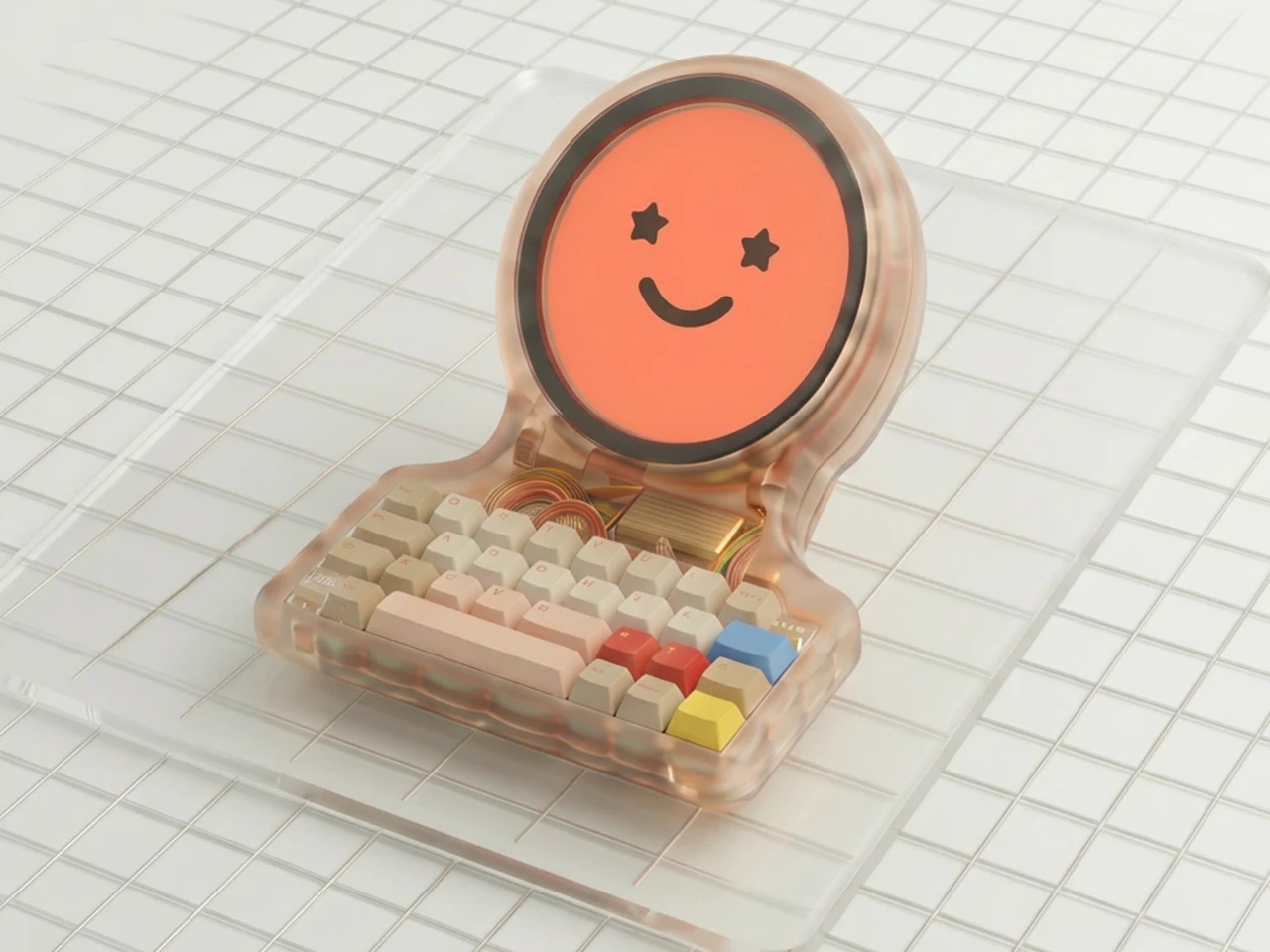
Womp publishes a testimonial from Magical Toys co-founder Fateen Anam Rafid about moving toy concepts toward manufacturable models. Its public company feed also describes a Doodles Toy Factory collaboration around personalized toys. Those examples suggest a useful market position: designers and brands that want a physical result but would rather spend their attention on the object than on coordinating separate tools and suppliers.
The production workflow starts with a design made, generated, or uploaded into Womp. Print-readiness checks run before ordering. The customer chooses size and material; self-service options have live pricing. Womp then handles preparation, printing, checking, packing, and shipping. The offer includes no minimum order quantity.
The lesson a reader can copy is to examine the handoff immediately after their own product works. What must the customer do next? Who must they call? Which file must they send? In Womp’s case, the adjacent job was substantial enough to change the company’s proposition.
The revealing customer is the one who keeps working after your software says “done.”
An observation from Womp’s move into production
Free to begin. Objects cost extra.
Womp’s business combines subscriptions with physical orders. Its free Starter tier provides core tools, collaboration, and an allowance of AI use. Pro adds advanced tools and output options; Team adds shared resources and administration. Enterprise introduces custom arrangements and additional production capabilities.
*Pro billed at $119.88 annually; Team at $239.88 per seat annually. Print orders are separate. Check current terms before buying.
The paid tier connects digital perks with manufacturing economics: Pro includes a ten-percent print discount and hollow-printing tools. That creates two reasons to subscribe. Someone might want better creative controls, or might be ordering enough physical work for the production benefits to matter. The sensible calculation depends on actual usage, rather than on how impressive the feature list looks.
Building the company required capital, too. In April 2022, Womp announced a $4.7 million seed round led by Female Founders Fund and Haystack. Participants included NEO Investment Partners, director Ari Aster, and A24 executive Daniel Katz. The announcement earmarked investment for refining the core technology and described an initial private beta of about 1,000 people. That was a planned test audience, not evidence of today’s customer count.
A render has never had to survive the mail
A beautiful digital object can still make an awkward physical one. Womp’s own clear-resin guidance supplies a wonderfully concrete example. Hollowing can save material, yet transparent prints expose the interior: supports, walls, and drain holes may become visible. Internal surfaces also change how light passes through the object. Womp recommends solid printing for clear resin.
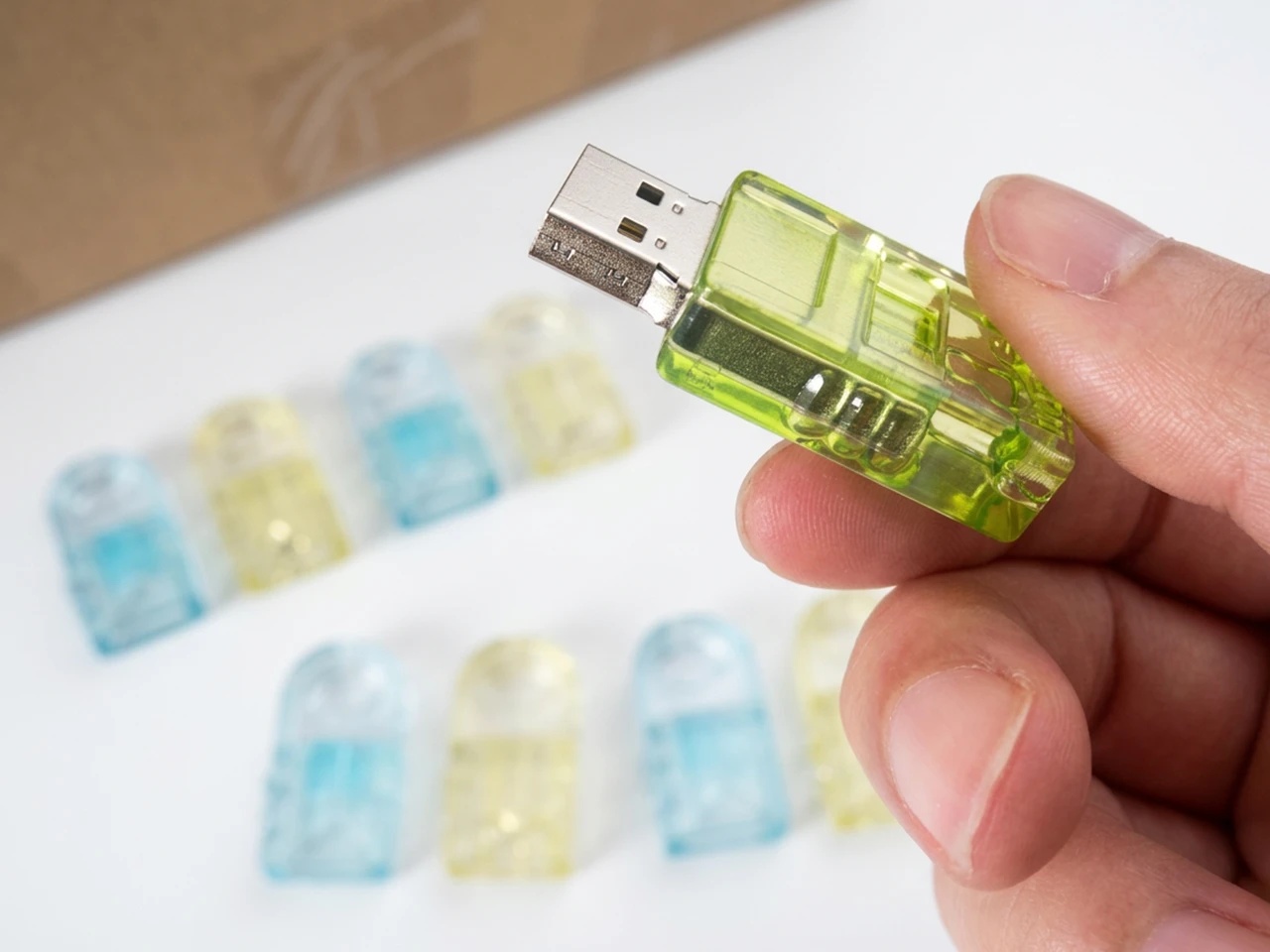
The same material page notes that screen previews and final colors can differ, while UV exposure can change appearance over time. These details are useful constraints for a display piece. They also explain why a convincing preview cannot settle every production decision.
For someone trying the service, a small first order is a reasonable experiment: choose one object, check the material guidance, and judge the result at its intended size. The approach is less persuasive when the job requires a specialist workflow or physical properties that have not been established for the chosen material. Ease of ordering does not decide whether an object is fit for its purpose.
After the prompt, the edit
Womp’s recent releases extend the same interest in keeping work connected. Smart Templates arrived in August 2025, followed by lattice patterns in September. An October Spark update added image and mesh generation. In May 2026, Womp introduced Flow, a canvas connecting prompts, images, and 3D meshes so users could iterate and bring results into their projects.
Primfusion reaches further into the underlying geometry. The public V0 preview proposes converting inputs such as images, meshes, and point clouds into editable, parametric Liquid 3D. It reconstructs forms using primitives such as spheres, cylinders, and cubes. Access is through a waitlist, so the ambition should be read as a preview.
The attraction is clear even without assuming the preview will fulfill every claim. Generating a plausible object is one step. Changing one part while preserving the rest is another. Womp’s research direction puts that second step near the center of the problem.
For a company born from the difficulty of learning creative tools, it is a fitting preoccupation. Give someone a way to make a first version. Let them revise it. Then see whether the person on the other side of the browser wants a picture, a prototype, or something to put on the table on Friday.