product-development
(37)
The Most Expensive Ingredient Is the Experiment
Turing Labs has a peculiar proposition for the people who invent detergent, cheese and salad dressing: before you make another batch, ask the old batches what they know.
The Food Group Knows Why the Mayonnaise Matters
A 58-year-old agency built a business around an easily missed truth: food is sold twice - first to the people who serve it, then to the people who eat it.
The Publicist Who Learned PR on the Factory Floor
Most publicists meet a product when the press release is ready. Media Maison wants to meet it when the sketch is still on a napkin - then argue about the factory, the packaging and whether the story is worth telling at all.
Lifestyledesign Has Put 500 Products on Shelves. Its Trick Is Starting Before the Sketch.
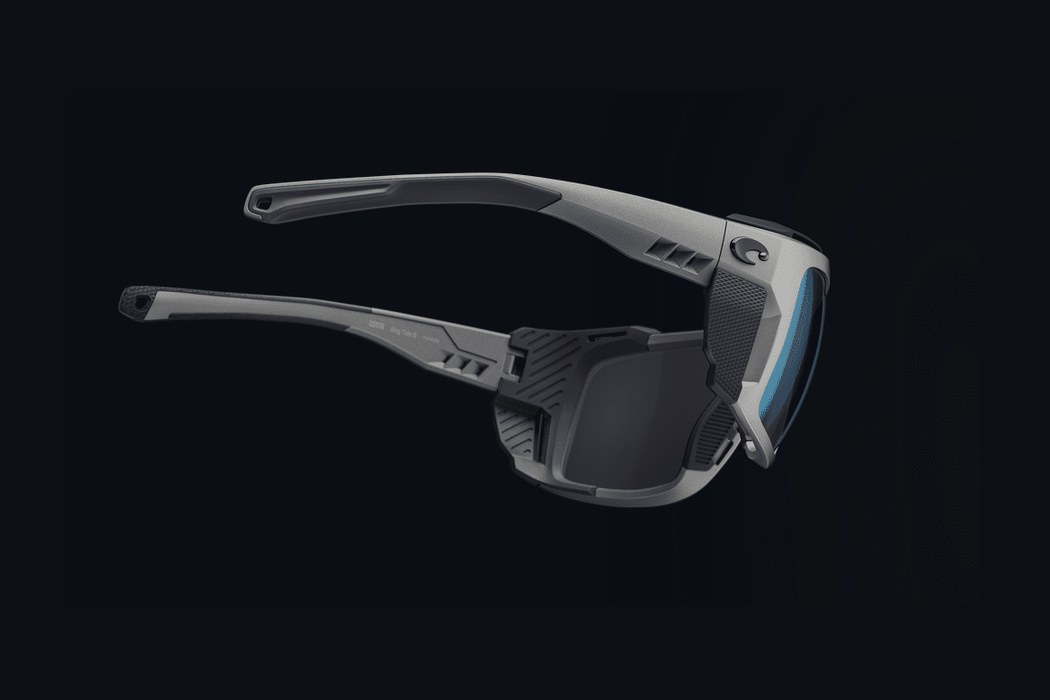
The Santa Barbara studio has spent two decades turning fuzzy business questions into sunglasses, speakers, smart glasses and hard cases. Its advantage is less about drawing a beautiful object than refusing to hand the idea off halfway through.
ERNST knows a brand is only as good as its next product
A ski bag, a driving shoe, a motocross boot. The Los Angeles design studio works where brand promises have to survive contact with the things people actually use.
ATEAM wants the sketch, the sample, and the storefront to agree
A fashion brand has to make sense on a mood board, in a factory, and on a phone. ATEAM puts creative design, business consulting, and production support inside the same brief.
KEYDESIGN Makes the Case for Fewer Parts
A two-piece wallet case. A thermometer without a charging sled. Three generations of checkout hardware. Inside the industrial design studio that treats everyday friction as a design brief.
Design Catapult takes the sketch all the way to the shipping box
A hospital cart, a contamination scanner and a cold-brew machine have something in common: Design Catapult. The California firm makes a business of the difficult distance between a clever idea and a product someone can actually use.
Winter Design Studio makes the packaging part of the plot
From Florence by Mills to a lipstick designed to be kept, the Los Angeles studio gives consumer brands a physical point of view. Its work connects the story on the label with the object in your hand.
BrahmVeda’s AI bet runs from horoscopes to hotel bookings
The Surat venture studio acquired VedVaani, then backed hotel technology startup Apycue. Its connecting idea: put software builders, business operators and capital around a specific customer problem.
Kerala’s startup club puts a price on better conversation
Kerala Product Hunt grew from a college WhatsApp group into a community of more than 1,000 builders. Its wager: people will pay for a room where someone actually reads the product link.
Cambridge Design Partnership gets past “almost works”
A prototype can impress a room and still be impossible to manufacture. Cambridge Design Partnership has built a business in that awkward gap, fixing everything from diagnostic instruments to the feel of a kitchen knife.
Vypr wants your bad idea caught before it hits the shelf
From bread bags to birthday cards, Vypr lets brands test the small decisions that shape a launch. Its bet: consumer research earns its keep when there is still time to change the product.
The 70-Day Hardware Sprint: Motivo Built a Company for the Projects Everyone Else Calls Impossible
Motivo puts mechanical engineers, coders and fabricators under one roof, then hands them the sort of brief that makes a normal vendor ask for another quarter. Its real product is not a robot, tractor or aircraft part - it is a faster way to make hard technology real.
Detroit Engineered Products Built a Shortcut Through Engineering’s Slowest Loop
Every design change can send an engineer back through CAD, meshing and simulation. DEP built MeshWorks to break that loop - then turned the same playbook into a global engineering business.
The $9.6 Billion Engineering Shop Behind Products You Already Use
GlobalLogic does not sell the shiny app. It sells the people, process and increasingly the AI that get the app shipped - a quiet model that survived a brutal first shock and ended in Hitachi's $9.6 billion bet.
The Accelerator That Bets on Atoms, Not Apps
Everyone wanted to fund the next app. N15 built a workshop for the people who make things you can hold - and turned Korea's biggest electronics market into a startup factory.
The Beauty Industry Still Runs on Spreadsheets. Good Face Project Is Selling the Exit.
Good Face Project began by helping shoppers decode ingredient labels. Then its founders found a larger problem upstream: cosmetic chemists were still building global products in spreadsheets while regulations multiplied around them.

York IE Wants to Be the Startup Department You Forgot to Hire
The New Hampshire firm has turned a familiar founder complaint - too many advisers, not enough doers - into a business spanning investment funds, market intelligence and embedded operating teams.
Doxxa Wants to Build the Company Before the Company Exists
The Bellevue studio sells no tidy accelerator syllabus. It offers a pipeline, a workshop and flexible capital - the unglamorous machinery between a promising software idea and a company that can stand up on its own.
The 6,000-Engineer Firm That Bet Its Whole Business on Treating People Like People
For nearly three decades DataArt has quietly engineered the software behind trading floors, booking engines, and clinical trials - and it did it by building the company around retaining people, not just billing hours.

Figma
Figma won by turning interface design into a shared room. Now the public company is trying to make that room the place where ideas, code, AI and the people with opinions about all three finally meet.
Agama Solutions Inc
Agama Solutions has spent two decades selling the least glamorous - and often most necessary - layer of digital transformation: the people, testing discipline and delivery capacity that turn a technology plan into working software.
Advanced Engineering Services
AES is the engineering firm behind the engineering firm - simulating heat, stress and flow, then building the automation that makes a design work on the factory floor.
Kellwood Company
Kellwood Company is an American apparel design, sourcing, manufacturing and marketing firm founded in 1961. It builds and operates women's, juniors' and girls' fashion brands - including Democracy, Jolt, Briggs New York, Rewind, My Michelle and Wit & Wisdom - and provides private-label and full-package product development, sourcing, quality assurance and distribution services for major retailers such as Nordstrom, Macy's, Kohl's, Dillard's, Target and Costco.

Q4 Designs LLC
Q4 Designs LLC is a New York-based apparel company that designs, sources, produces and manages branded outerwear and sportswear on behalf of well-known brand partners. Founded in 2011 by Harry Tawil and built on more than five decades of combined industry experience, Q4 handles the full product life cycle - design, sourcing and production, planning and sales, and operations - across four Centers of Excellence. Its licensed portfolio spans brands including DKNY, Reebok, Jessica Simpson, Steve Madden, Free Country, Bebe, Canada Weathergear, Snozu and Spyder, covering men's, women's and children's outerwear, sportswear, swimwear and accessories.
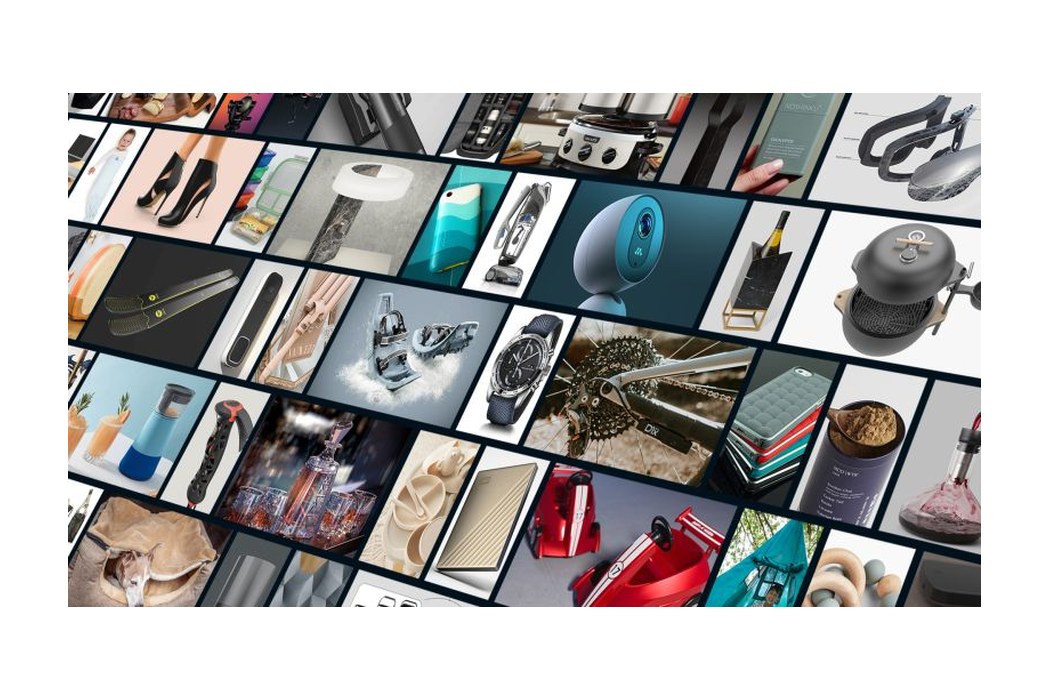
Gembah
Gembah is an Austin-based product development platform and marketplace that helps entrepreneurs, e-commerce sellers, and small-to-midsize businesses take physical products from idea to shelf. It connects creators with a global network of vetted designers, engineers, and supply chain specialists, and manages design, prototyping, factory sourcing, and production across regions including China, Vietnam, India, Mexico, and Eastern Europe - aiming to demystify and democratize the process of bringing new consumer products to market.

Empat
Empat is a Ukrainian custom software and product development company headquartered in Kyiv. Operating since 2013, it delivers full-cycle software development - system architecture, engineering, UI/UX design and go-to-market - to startups, scaleups and enterprises. Over 10+ years it has shipped 300+ digital products across 17 countries for clients including Porsche, Panasonic, Heinemann, CBRE and Transparency International, with a growing focus on AI, cloud and enterprise systems.
Haltian
Haltian is a Finnish IoT company from Oulu that turns physical spaces into smart, sustainable environments. Founded in 2012 by former Nokia product engineers, it pairs its Thingsee wireless sensor hardware with the Empathic Building digital twin software to help offices, hospitals, warehouses and logistics sites measure occupancy, air quality and asset location - and act on the data. Having earned early fame designing the Oura smart ring, Haltian now runs one of Europe's largest IoT deployments and serves roughly 400 customers across 36 countries.

Supernova
Supernova is an AI-powered platform that turns a company's design system into structured context that both people and AI coding agents can use. Founded in Prague and now building a U.S. headquarters in San Francisco, it centralizes design tokens, component APIs, documentation and rules as a single source of truth, then feeds that context into tools like Figma, Storybook, Cursor, GitHub Copilot and Claude Code so product teams can prototype, hand off and ship features faster. A Y Combinator alum, it is used by hundreds of organizations including Air France, KLM, Kraft Heinz, Paramount, Mozilla, LaunchDarkly and Skyscanner.