The most revealing rule at Kerala Product Hunt concerns the least ambitious message on the internet: good morning. KPH’s membership explainer specifically tells people not to send it. Sales pitches get similar treatment. Members are expected to show what they are making, ask useful questions and help someone else. Even a friendly WhatsApp group, it turns out, needs an editorial policy.
For founders, the appeal is easy to understand. Posting a product link is simple. Finding someone willing to open it, understand the problem and explain what is wrong takes more work. KPH has built a paid, invite-only community around that second activity. It reports more than 1,000 members, with founders, developers and other product people connected by Kerala and an interest in making things people use.
A college chat gets a door policy
Felix Josemon started KPH in 2017 while studying at Government Engineering College, Thrissur. His account on the company’s LinkedIn profile connects its ambition to a Google Venkat Panchapakesan Memorial Scholarship and a visit to Silicon Valley. The attraction was the technology culture: people building things within reach of other people doing the same. He wanted to encourage that kind of contact back home.
The original equipment was modest: a WhatsApp group and college peers. Members discussed their projects, swapped Product Hunt and Hacker News updates, and gave feedback. That was enough for several years, Josemon later wrote. The difficulty emerged as participation became less reciprocal. His description of open groups includes an economical diagnosis: “People who post and never read.”
Charging for access was a deliberate response. In his account of the decision, some people objected and others encouraged it. What changed his mind was the gap between admitting people and getting them to contribute. The price was meant to help select for commitment. His argument rests on members having useful experience and being willing to share it.
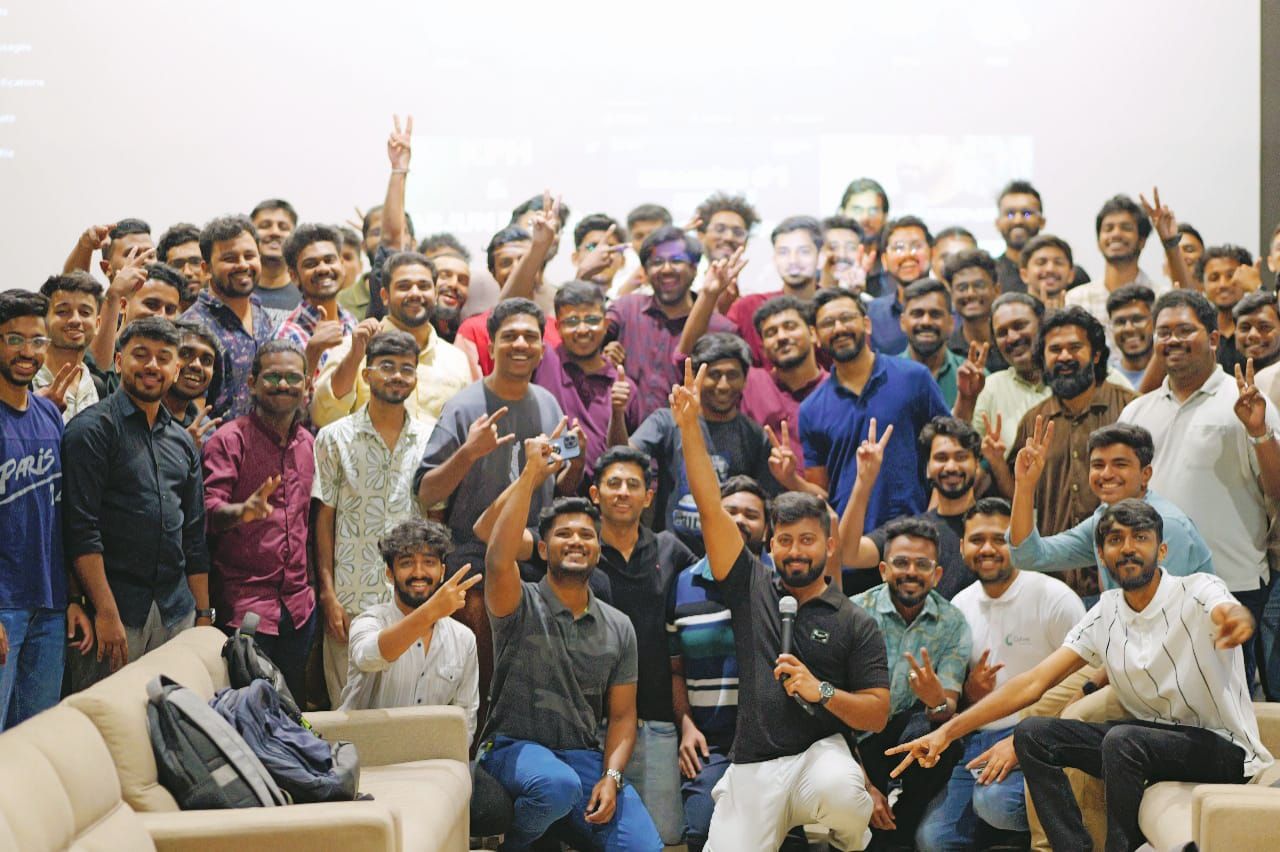
The fee buys access. The members supply the value.
KPH’s published membership rules add another filter after registration: manual selection. Applicants who are not chosen are promised a full refund. The same explainer offers membership waivers to students who have already launched a product, and mentions annual and team discounts. The student exception is particularly telling. Evidence of making something can matter more than the ability to pay.
Membership supports a familiar collection of activities: conversation, product demonstrations, panels and meetups. What gives that collection a particular character is the expectation of reciprocity. The explainer encourages people to discuss failures as well as cheerful milestones. It also gives newcomers a fairly accurate warning about the desired tone: “Get ready to be grilled!”
“People who post and never read.”
Felix Josemon, on what goes wrong in open groups
The commercial offer extends beyond membership. KPH’s hackathon page solicits sponsors, while its Masterclass site advertises premium content with lifetime access. These offers have different audiences: builders want help and useful peers; sponsors want contact with builders. Keeping those interests compatible is an ongoing editorial job. Too much sponsor messaging would compete with the very conversations members are paying to join.
What happens after someone asks a question?
KPH’s blog offers a more revealing view of its work than the usual parade of startup logos. A March 2026 account of a member discussion starts with an unresolved question: should a founder validate an idea before building it? Participants favored different approaches. Some emphasized talking to prospective users; another preferred releasing a small version and watching what happened.
The discussion then turned toward distribution. A product might be sensible, but could its maker reach the people who needed it? The resulting approach was iterative: talk to users, build something small, return with a tangible version and improve it. A useful community can put competing judgments beside one another before a founder commits weeks to a single assumption.
Another March discussion concerned early hiring. Members distinguished technical competence from comfort with startup work: ownership, ambiguity and rapid revision. The account describes founders watching how people contribute, getting to know them through conversation and testing collaboration informally. For a small team, those observations can reveal qualities a résumé barely touches.
These are editorial accounts of group conversations, rather than transcripts of every exchange. Still, their subjects explain the intended customer well. KPH serves people encountering the awkward middle of product building: after enthusiasm, before a repeatable business. A developer may need feedback on positioning. A founder may need someone who has already made a hiring mistake. The expertise resides across the membership.
- 01DiscussBring a specific problem.
- 02BuildMake a small version.
- 03ShowLet users try it.
- 04ReviseUse what you learn.
An illustration of the approach discussed on KPH’s blog, March 2026.
A launch board with room for the wonderfully specific
The public launch directory gives that activity a visible record. It lists products with makers, descriptions, dates and votes. July 2026 entries include BHKScanner, which sends rental-property leads for Kochi and Trivandrum to Telegram, and Dev Cleaner, a command-line tool for recovering disk space from repositories and generated files. Movie Globe offers film discovery. Swaram focuses on regional speech, including Malayalam voices.
That assortment is part of KPH’s appeal. A local rental problem can sit beside a developer utility and a language tool. The common qualification is having something to show. The directory also includes works in progress, making it a place to encounter experiments as well as polished businesses.
Josemon reported 43 launches in May 2026. His highlights included a tool for watching nine news channels simultaneously and a public complaint box operating through WhatsApp. KPH’s August update reported 25 launches, with Lucidly, TwinMind and Clear among the community’s top-voted entries. These numbers describe submissions and activity; a vote is an invitation to inspect a product, not a purchase order.
Reported by Felix Josemon for the KPH directory. A measure of shipping activity, not sales.
A maker can use this public surface to get a project out of private circulation. A reader can browse for tools or find someone working on a related problem. The practical advantage comes when discovery leads to a useful exchange: a bug report, a sharper description or a conversation with a prospective user. That is the work a launch count cannot capture.
Malayalam conversation, international problems
KPH’s geographic identity does not confine its activities to Kerala. Its website lists Kochi, San Francisco and Toronto meetups in 2024. The wider membership description names New York, Bangalore, Trivandrum and Calicut too. In that arrangement, Kerala is a shared connection among people who may be working in very different markets.
The Malayalam podcast gives the network another public entrance. KPH links to interviews on Felix Josemon’s YouTube channel with guests including Zerodha technology chief Kailash Nadh and Winfunc founder Mufeed VH. Prospective members can listen before applying; builders outside the private group can hear extended accounts from people working on products and companies.
Its wiki addresses practical concerns that follow an international ambition, including payment options and company formation. The Delaware incorporation page, for example, compares routes with different circumstances and costs. The editorial significance is the subject itself: builders need to think about how a product gets sold and operated across borders, alongside how it gets built.
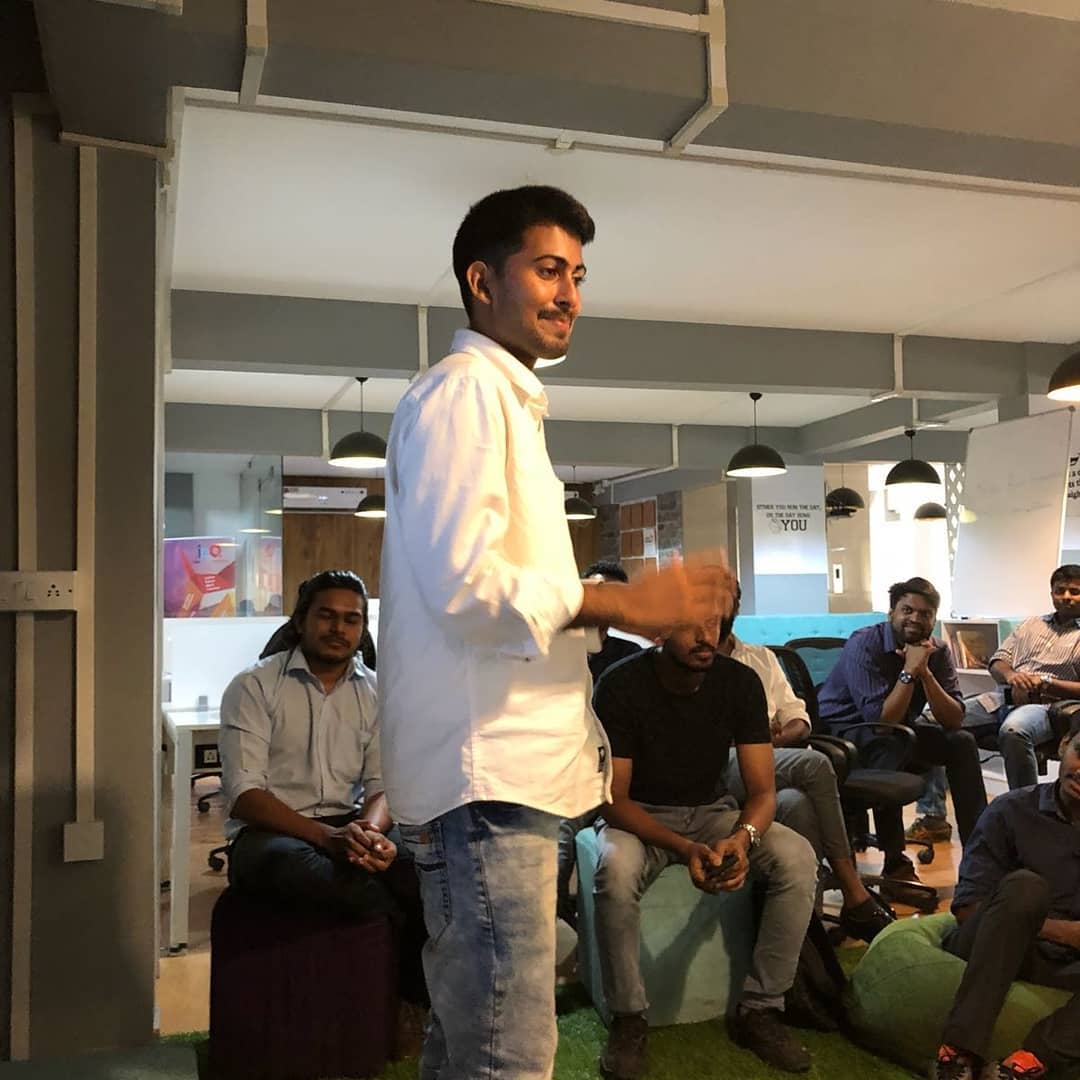
The next room asks for a working product
KPH’s Builder Accelerator makes its target unusually explicit. Applicants should have a live product and early users or customers. The advertised help covers product refinement, operations, positioning, sales, hiring and funding strategy. Someone still exploring an unbuilt idea falls outside its stated criteria. That boundary matters: a founder with users has different questions from someone deciding what to make.
The associated KPH VC website advertises an invitation-based investor network, with deal opportunities, introductions and roundtables. Its place in the wider offering is clear: founders may eventually need financial connections as well as peer advice. An investor-network invitation should be read as access to conversations, rather than a commitment to invest in an applicant’s company.
Next on the calendar is the October 3-4, 2026 hackathon. KPH advertises mentorship, prizes, help reaching users and support for winners. The event remains upcoming as of September 9. A founder retrospective describes the previous edition producing revenue-generating projects, employment opportunities and some pivots or acquisitions; those are the organizer’s reported outcomes.
As a practical choice, KPH sits among several alternatives: an open founder chat, a public product directory, a local meetup or a structured accelerator. Its particular offer combines recurring peer contact with places to publish and discuss work. Someone choosing among those options should consider the immediate task. A broad launch needs reach; a difficult product decision may benefit from a smaller conversation with people who understand the context.
Copy the rules, then earn the conversation
For another community organizer, several choices are readily transferable. Define what belongs in the main discussion. Give hiring posts a separate destination. Ask members to bring actual work. Make the admission criteria intelligible, and preserve a route for students who can contribute. KPH’s own public materials show each of those decisions.
The harder part is assembling people whose experience is useful to one another. Charging cannot manufacture that experience, and a launch board cannot substitute for conversations with likely customers. A founder seeking unrestricted promotion will find KPH’s rules constraining. A builder seeking attentive peers may find the same constraints attractive. The company’s wager lives in that difference: a smaller, purposeful exchange can be worth returning to.