innovation
(57)LYRICS and the art of getting in the room
Study tours, training, consulting, incubation. LYRICS puts four familiar services around one interesting problem: how to get closer to the people building something new.
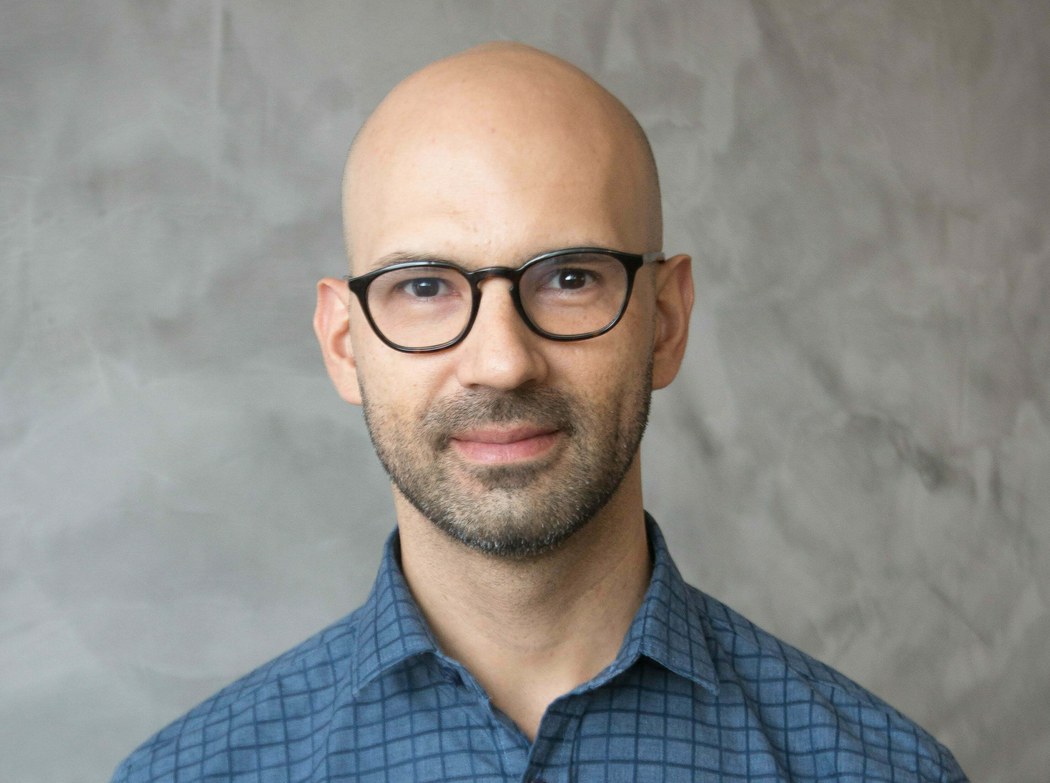
Pedro Waengertner keeps changing his mind. His business depends on it.
The ACE Ventures co-founder wanted to write advertisements. Instead, he built a career around technology, awkward questions and the conviction that Brazil belongs on the innovation map.
AEI opens doors. Entrepreneurs do the rest.
A supermarket shelf. A bank loan. A university lab. Ecuador’s AEI connects the people behind them - and makes a practical case for building businesses together.

SmartEdge makes the classroom a workshop
For women, students and small businesses, the hard part is often putting knowledge to work. SmartEdge connects learning with real problems, mentors and routes to market.

A spark before the startup
Programa Centelha gives Brazilian ideas an early shot at becoming businesses. Its revealing move is letting people apply before they have a company.

Bosun Tijani and the problem of the missing connections
He helped give Lagos’s startup community a place to gather. Now Nigeria’s digital minister is working on the cables, skills and public systems that let more people join in.
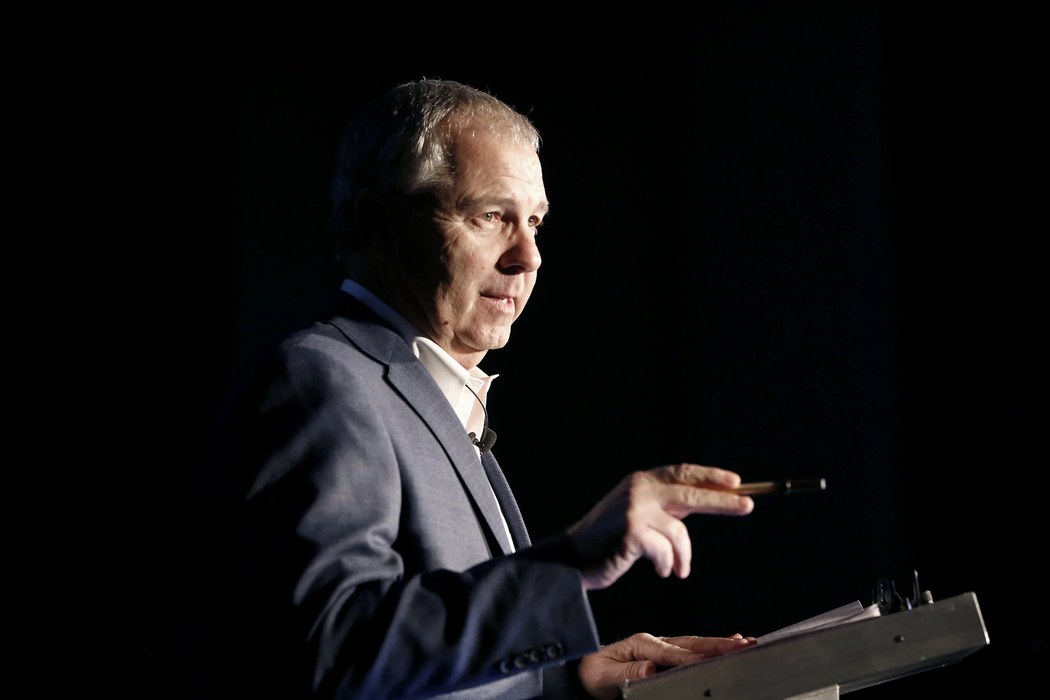
Mark King and the Case for a White Golf Club
From selling golf clubs to running Taco Bell, Mark King has made a career of giving other people’s unlikely ideas a hearing. At Jack in the Box, that habit meets a new turnaround and a planned handover.
Lon Safko’s big idea starts with a lamp
Before the keynotes and marketing books, Lon Safko built computer controls for people who could not use a keyboard. His training business carries a practical question into the boardroom: who can actually use the tool?
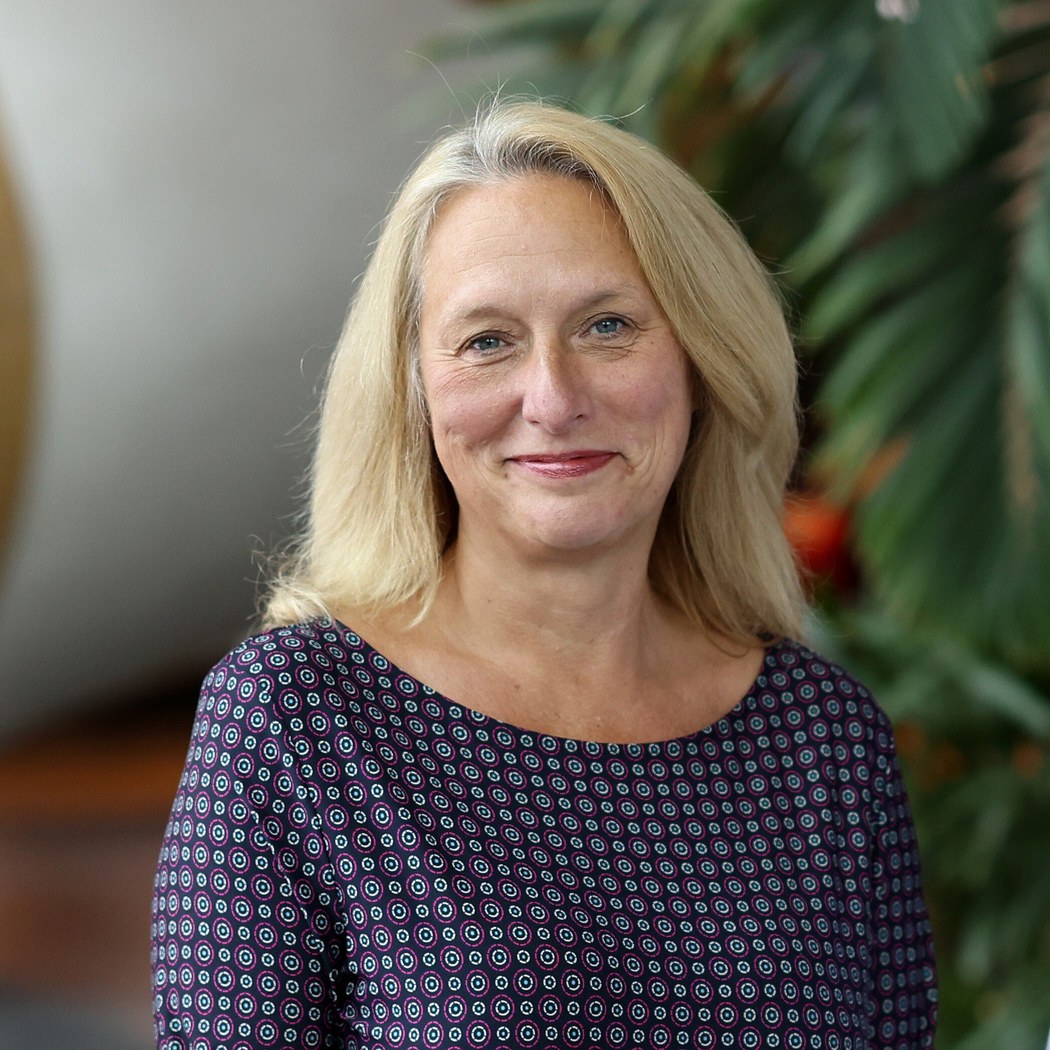
Lorna Green and the long way back to Liverpool
She graduated in Liverpool, built a career in business and investment, then co-founded LYVA Labs. Now Lorna Green is helping more founders find the money, connections and practical support to build in the region.
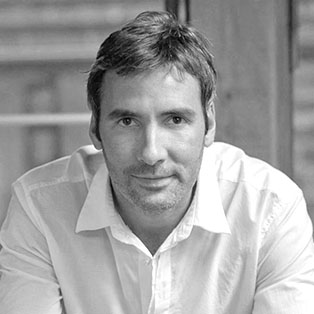
Xavier Verdaguer and the biscuit-tin theory of invention
Before he founded Imagine Creativity Center, Xavier Verdaguer built a rain recorder from an alarm clock and a biscuit tin. He has spent his career finding new ways to turn an unlikely collection of parts into something that works.
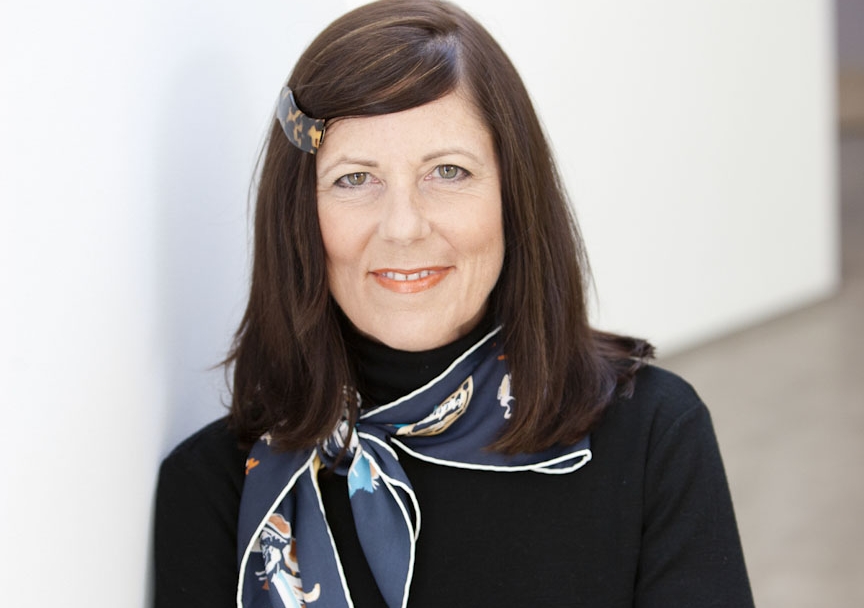
Elizabeth Eastland and the art of leaving room
She founded iAccelerate to give ideas somewhere to grow. Her own life has made room for telecoms, scientific discovery, four years at sea and a second act in art and theatre.
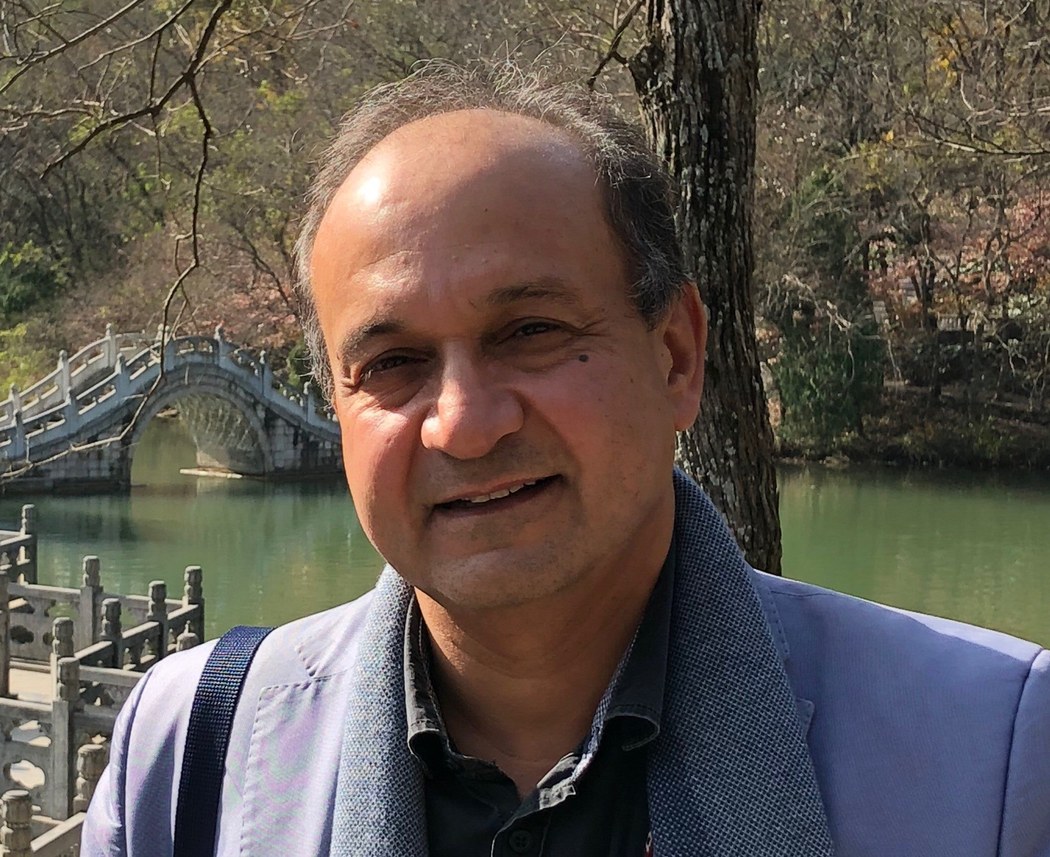
Hugh Rashid and the art of asking again
He founded Xavor in 1995, then kept returning to the classroom. For Dr. Humayun (Hugh) Rashid, each new technology brings an old question back into focus: what are people actually trying to do?

Derek Bang and the business of the second act
Before Kodiak Solutions became an independent company, Derek Bang spent eighteen years building inside Crowe. His story runs through product development, the price of experimentation and a band that still needs him on keys.

Ryan Van Wert and the work before the breakthrough
Before Vynca had investors and a national footprint, Ryan Van Wert had a fellowship, a co-founder and a problem to understand. His career keeps returning to that first piece of work: deciding what deserves to be built.
Mohammed Bin Rashid Innovation Fund helps founders grow without giving up a share
A free accelerator and government-backed credit guarantees tackle two different startup problems. The interesting part is knowing which door to knock on.

Digital Den: A small country learns to export big ideas
A Podgorica venture studio connects Balkan founders with local capital and overseas markets. Its most useful lesson is what has to happen before anyone boards the plane.

The Future Has a Tuition Fee
Singularity University once asked students to solve problems affecting a billion people. Now it sells executives five days to rethink the future - and its own history shows how hard prediction can be.

i-Hub Gujarat puts a price on getting started
A ₹3,000 desk. Seed grants of ₹2.5–10 lakh. Gujarat’s public startup hub tackles the awkward stretch between a student’s prototype and a business somebody will pay for.

La French Tech La Réunion wants the next meeting to become a customer
France’s first overseas French Tech Capital is tackling a practical island problem: getting founders in front of the people who can buy, fund or unblock their work.
FONGIT Takes Care of the Company Behind the Invention
The Geneva nonprofit pairs technical founders with business help, workspace and financing. Its history with Proton shows why the work between a promising idea and a working company matters.
SA Innovation Week wants the deal after the demo
South Africa’s new national innovation platform puts founders, funders and buyers in the same room. Its real test begins when the exhibition stands come down.

Connect wants Bogotá’s next big idea to find a buyer
The Colombian nonprofit brings universities, companies and entrepreneurs into the same room. Its real test comes afterward: turning introductions into technologies that businesses will actually use.

The Quiet Fund That Turned Tennessee Into a Startup State
For more than a decade, a small Nashville nonprofit has been doing the unglamorous work of turning Tennessee ideas into fundable companies. Here is how LaunchTN built a statewide engine out of capital, connections, and commercialization.

unDavos Crashes the World's Most Exclusive Party
The largest independent gathering in Davos runs parallel to the World Economic Forum with 3,000 delegates, 300 speakers and a promise to trade the velvet rope for a spirit of action.
Step
Step is a new-media and events company that runs one of the largest technology festivals in the Middle East and North Africa. Founded by Ray Dargham in 2011, it stages the annual Step Conference in Dubai and Saudi Arabia, publishes tech newsletters and social platforms like StepFeed, and connects founders, investors and builders. From a first edition of roughly 100 people, it has grown to draw more than 8,000 attendees, with startups featured on its stages collectively raising billions in funding. In 2026 the company extended its model to San Francisco with an AI-focused edition.
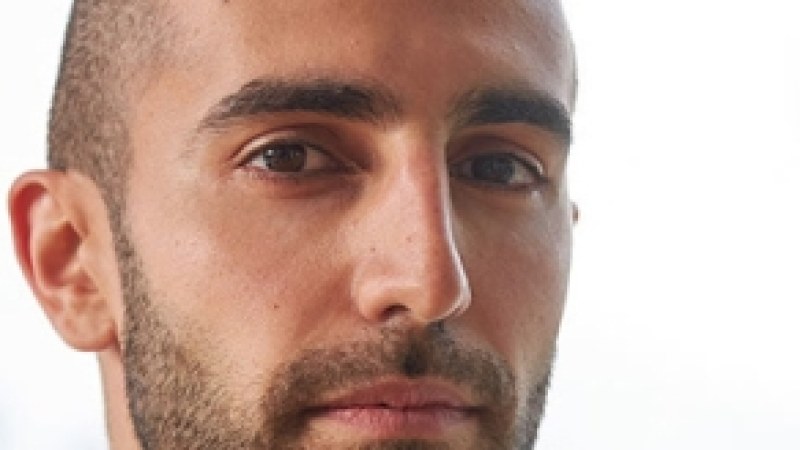
Niosha Kayhani
Niosha Kayhani is Chief of Staff to the CEO at Muon Space, a Mountain View based end-to-end space systems company building LEO satellite constellations for climate, earth observation, and national security missions. A chartered mechanical engineer trained at the University of Portsmouth with an executive MBA from Warwick, he arrived in Silicon Valley after building innovation programs at Cubic in London and San Diego, a detour through Google in Dublin, and a first job tuning fiber-optic lasers at SPI. He holds ten-plus U.S. patents and, on the side, has founded Taurus Space, a company working on standards-aligned command-and-control for coalition defense networks.

Biotechnology Innovation Organization
The Biotechnology Innovation Organization (BIO) is the world's largest trade association for the biotech industry, representing more than 1,000 companies, research institutions and state and regional bio centers across the United States and 30-plus countries. Founded in 1993 and headquartered in Washington, D.C., BIO lobbies on drug pricing, intellectual property, regulation and biosecurity, and runs the BIO International Convention - the industry's flagship annual dealmaking and networking event. Led since 2024 by President and CEO John F. Crowley, a rare-disease entrepreneur whose own children have Pompe disease, BIO's stated mission is to advance a 'bio revolution' that cures patients, protects the climate and nourishes humanity.
Hanz Panther
Hanz Panther is listed as Co-Founder and CEO of NewCo, a business-event production company built around an 'inside-out' festival format that swaps the convention-hall stage for the open doors of working companies. Operating at the intersection of media, publishing, and live events, NewCo turns cities into temporary campuses where the public walks into real offices instead of watching keynotes. Panther's public footprint is thin, but the role places him inside one of the more distinctive experiments in how modern business gatherings are produced.
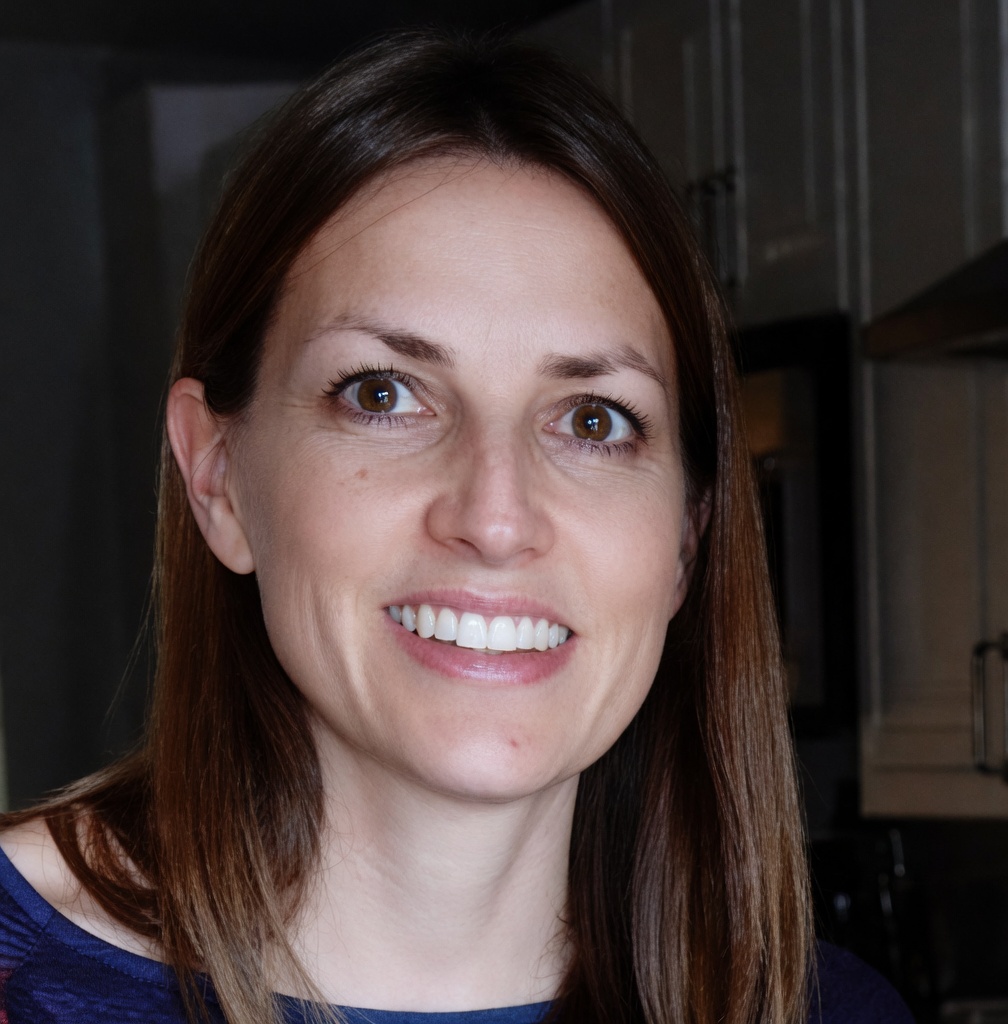
Amanda Luke
Amanda Luke is the CEO of Bonafide Provisions, the family-founded California maker of organic, traditionally-prepared bone broth. A UC Berkeley and Columbia-trained marketer, she spent years building health-and-wellness brands at Safeway and Luvo before joining the small Carlsbad broth company in 2018, rising from VP of Marketing to CEO within roughly a year. Under her leadership the women-led brand pushed beyond frozen broth into keto cups, cooking broths, and shelf-stable pantry products, positioning Bonafide as one of the most recognizable clean-label bone broth names in the United States.
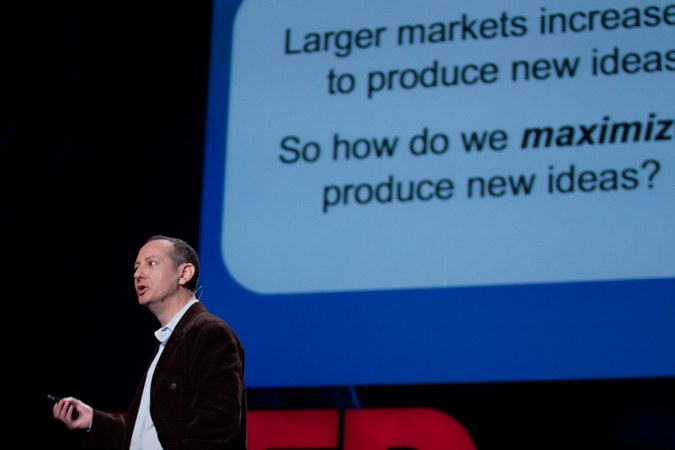
Alex Tabarrok
Alex Tabarrok is a Canadian-American economist, the Bartley J. Madden Chair in Economics at the Mercatus Center and a professor of economics at George Mason University. With Tyler Cowen he co-writes the influential blog Marginal Revolution and co-founded Marginal Revolution University, one of the largest free online libraries of economics education. His work spans patent reform, the economics of innovation, high-skilled immigration, bounty hunters, and voting theory, and he became a prominent public voice during the COVID-19 pandemic advising the US government on incentives to accelerate vaccine production.