A marketer who took the broth seriously
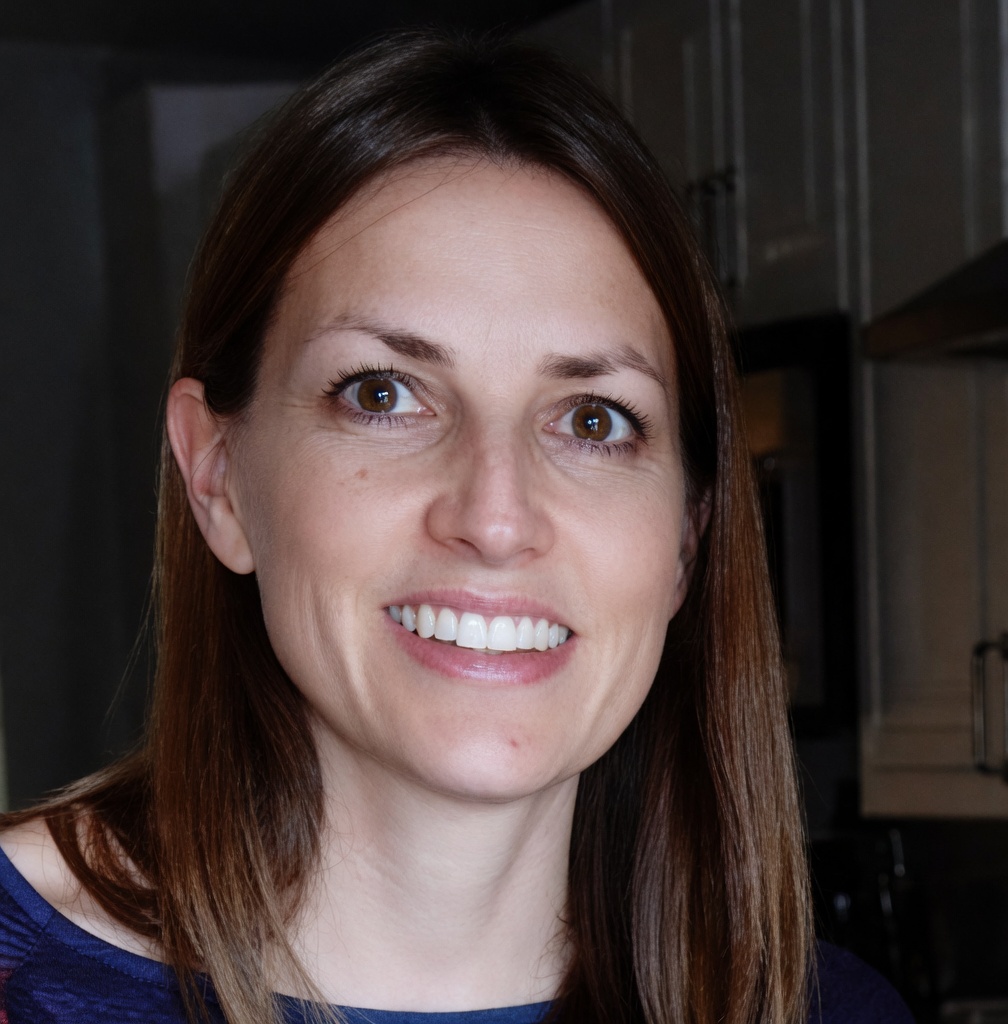
Amanda Luke runs Bonafide Provisions, the California company that sells bone broth made the slow way - bones, water, time, and very little else. It is a small brand with an outsized claim: that broth should taste like something you would have made yourself, and that the label should not require a chemistry degree to decode. Luke is the executive who turned that conviction into a business that sits in freezers and on pantry shelves across the country.
She did not start the company. That credit belongs to Sharon Brown, a clinical nutritionist who began simmering bones in her own kitchen around 2011 to help her son through a run of chronic infections. The broth worked its way into the family's daily meals, and the family recipe became a company. Brown remains President and Founder. What Luke brought, years later, was the apparatus that turns a kitchen remedy into a brand: positioning, packaging, distribution, and the discipline to say no to the cheap ingredients that would have made the margins easier.
Luke joined Bonafide Provisions in March 2018 as VP of Marketing. By June 2019 she was CEO. That is a fast climb, and it tells you something about both the size of the company and the scope of what she was already doing. In a business this lean, the head of marketing and the head of the company are often arguing about the same things: which products to make, which shelves to chase, and how to explain a $9 carton of broth to a shopper who can buy a bouillon cube for pennies.
The long road to a bone broth pot
Luke's resume reads like a tour of how American food actually gets made and sold. She started in product, not food - as a Senior Product Manager at OXO, the housewares company whose ergonomic peelers and measuring cups are a quiet design legend. From there she moved to Safeway, one of the largest grocery chains in the country, where she spent roughly four years climbing from Senior Product Manager to Director of Innovation to Brand Director for the Health & Wellness portfolio. That is the inside view of grocery - the part of the business that decides what a private-label brand stands for and how it earns its place on the shelf.
Then came Luvo, the better-for-you frozen meals company, where she ran brand strategy and later marketing and innovation as an SVP. After a stint of independent consulting in late 2017, she landed at Bonafide. The throroughline is consistent: better-for-you food, sold at scale, with marketing built on what is actually inside the package rather than what is printed on the front of it.
An unlikely academic detour
Here is the strange specific. Before the broth, before Luvo, before Safeway, Luke studied development economics. She earned a BS in Business Administration from UC Berkeley, then an MBA in Marketing and Entrepreneurship from Columbia Business School, and on top of that a Master of International Affairs in Development Economics and International Development from Columbia's School of International and Public Affairs. The second graduate degree is the surprising one. It is the kind of training that points toward policy work or international development, not toward selling cartons of chicken broth in California. Somewhere along the way, the tools of economics got pointed at a more domestic question: how do you build a food brand that does not cut corners and still survives?
What she actually builds
Under Luke, Bonafide Provisions has refused to sit still as a single-product company. In 2019, the year she took the top job, the brand rebranded and launched keto broth cups - a portable, on-trend format aimed at the wellness shopper who counts macros. In 2020 it pushed into cooking broths, the everyday workhorse product, framed around a complaint about the competition: that too many broths on the shelf carried what the company calls toxic oils, added sugar, and preservatives. In 2023 it took on the hardest format of all, shelf-stable bone broth for the pantry aisle, where the convenience expectations are high and the temptation to compromise on ingredients is higher.
Each move is a marketer's decision dressed as an operations one. Frozen broth is a believer's product - you have to want it. Cooking broth is a habit product - you reach for it without thinking. Shelf-stable broth is a scale product - it goes where the frozen aisle cannot. Walking a brand up that ladder, without losing the clean-label promise that made it distinctive, is the central problem of Luke's tenure.
A women-led, family-rooted company
Bonafide Provisions is certified as a Women-Led Business by the Universal Women's Network, and the structure at the top reflects it: Sharon Brown as President and Founder, Amanda Luke as CEO. It is a small company - the kind where the leadership team is a handful of people and the founder's origin story is still the brand's beating heart. Luke's job is to protect that story while making the numbers work, which is a harder balancing act in food than almost anywhere else. The category is crowded. Bone broth went from fringe wellness trend to mainstream grocery staple in a decade, and that popularity brought competitors willing to print the same buzzwords on cheaper products.
That is the context for everything Luke does. The clean-label promise is not a marketing flourish; it is the entire reason the brand can charge what it charges. Her career - product design at OXO, private-label strategy at Safeway, better-for-you marketing at Luvo - is almost custom-built for defending that kind of premium. She knows what shoppers actually read on a package, how retailers decide what to stock, and how quickly a differentiated product becomes a commodity once everyone copies the front of the box.
The quiet part
Luke keeps a low public profile. She is not a podcast circuit fixture or a LinkedIn influencer; the public record is mostly the trail of a serious operator - the roles, the dates, the product launches. What it adds up to is a clear picture: a deeply credentialed marketer who chose, of all the things she could have done with two Columbia degrees, to go run a family bone broth company in Carlsbad and make sure it never started lying about what was in the carton.
In a grocery aisle engineered around shortcuts, that is the bet. Real ingredients, slow methods, a label you can actually read - and an executive who spent a career learning exactly how hard that is to sell, and decided to sell it anyway.