mobility
(69)
Sahas Katta and the car that needed a translator
A teenage technology blogger wanted to write an app for a car. The difficulty of that small request became Smartcar, a company built with his brother - and now part of a larger experiment in household energy.

Ahu Serter and the art of leaving the room
A family-company disagreement sent Ahu Büyükkuşoğlu Serter into the art-hotel business. Her work at Fark Labs and Arya follows a related instinct: look for possibility beyond the familiar circle.

Abdulkader Almkinzy and the journey before the journey
Before a rental car could take you anywhere, you had to go and find it. Telgani co-founder Abdulkader Almkinzy built a business around bringing it to you.
Mark Lawrence and the art of staying put
A pile of Chicago parking tickets gave Mark Lawrence a problem to solve. Building SpotHero meant learning when to move, when to wait, and whose advice to leave at the curb.

Mark Morelli and the art of getting things running
An old Triumph helped spark Mark Morelli’s interest in engineering. Decades later, Vontier’s founding CEO is working on a larger assembly: the technology behind fuel stops, repair shops, and the journey between them.
Peter Dames and the art of keeping time
A bassist, a former Toyota “Chief Dreamer,” and the first CEO outside Servco’s founding family. Peter Dames is carrying a Hawaiʻi business into its next chapter, with one ear on its past.

Atsushi Tsukigata and the distance between a good idea and a working partnership
Before leading Honda’s Silicon Valley innovation operation, Atsushi “Ash” Tsukigata spent years working on the organization itself. Now Honda Innovations’ COO, he brings that experience to the delicate business of getting a large manufacturer and young technology companies to build together.
Ro Gupta and the trouble with a finished map
Ro Gupta built CARMERA around a simple problem: streets change faster than maps. Now the New York founder leads Woven Capital, bringing the habits of a startup builder to Toyota’s $1.6 billion venture platform.
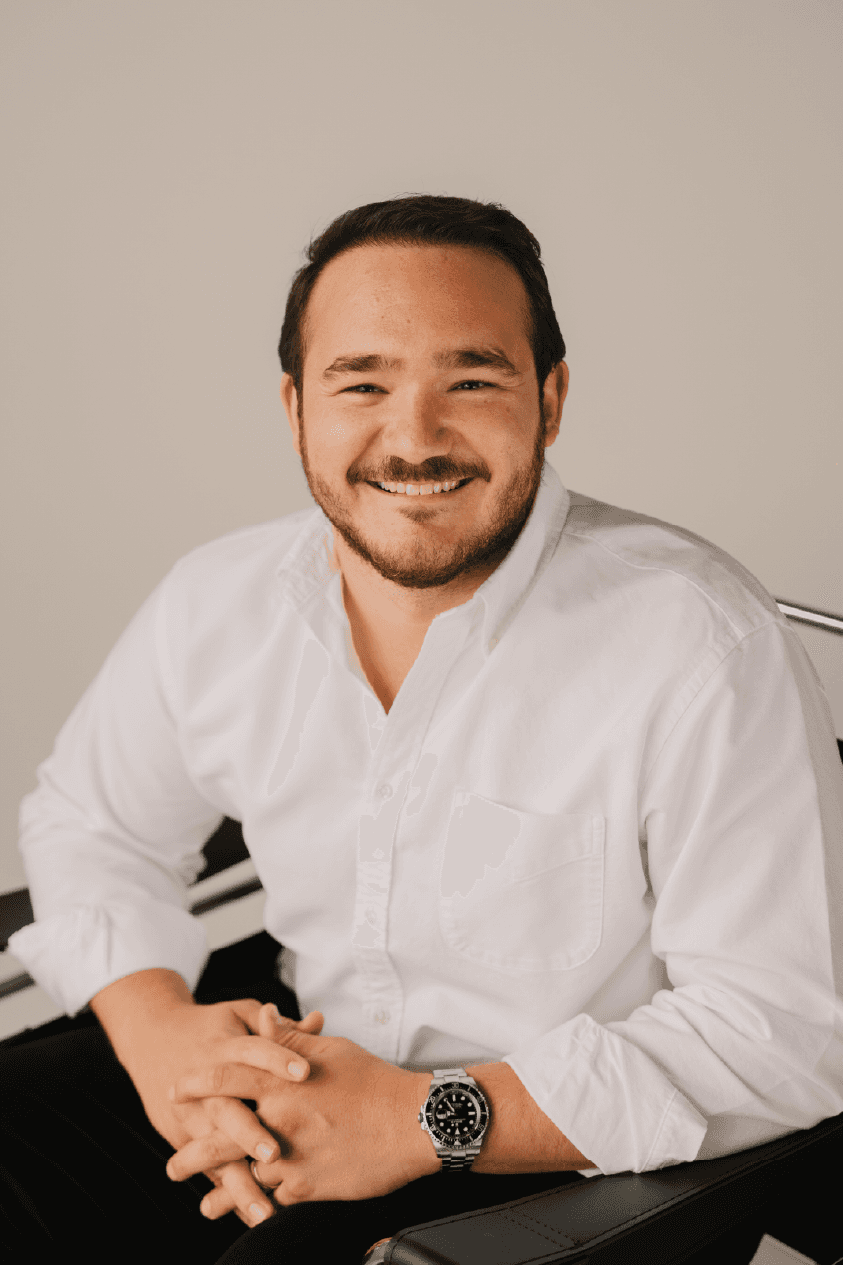
Rodrigo Volio and the value of keeping the founder in the picture
At Nacascolo Holdings, Rodrigo Volio is backing businesses whose founders already know their customers. His next task is to help them grow without losing what made people care in the first place.

Audi on demand made car rental predictable. Then the pickup moved.
One silver Audi, one app, fewer surprises. The company that began as Silvercar discovered how much a promise of convenience depends on where the car is parked.

CIONIC and the art of taking the next step
A father went looking for better mobility tools for his daughter. CIONIC’s answer is a leg sleeve that reads movement, activates muscles and makes the everyday business of walking its engineering problem.

The Car Was the Easy Part
Togg sold Türkiye an electric car, then discovered the harder business: making the app, chargers, batteries and service network arrive on the same day as the driver.
Skyya and the Seven-Day Story Machine
A small communications agency found its lane where machines, markets and public policy collide. Its trick is to turn difficult technology into a story people can repeat - then concentrate attention into a very short window.

At Newlab, the Pitch Has to Survive the Street
A Brooklyn shipyard became a home for hardware startups. Now Newlab is taking their inventions into ports, city streets and factories - where a working demo meets a much tougher audience.

The 70-Day Hardware Sprint: Motivo Built a Company for the Projects Everyone Else Calls Impossible
Motivo puts mechanical engineers, coders and fabricators under one roof, then hands them the sort of brief that makes a normal vendor ask for another quarter. Its real product is not a robot, tractor or aircraft part - it is a faster way to make hard technology real.
Barsi Luna Put the Airport Ride on the Itinerary
The Cancun founder spent years watching a polished travel industry fumble its final mile. His answer was an operations company dressed as an API - built for the local transport businesses global booking sites could not easily reach.
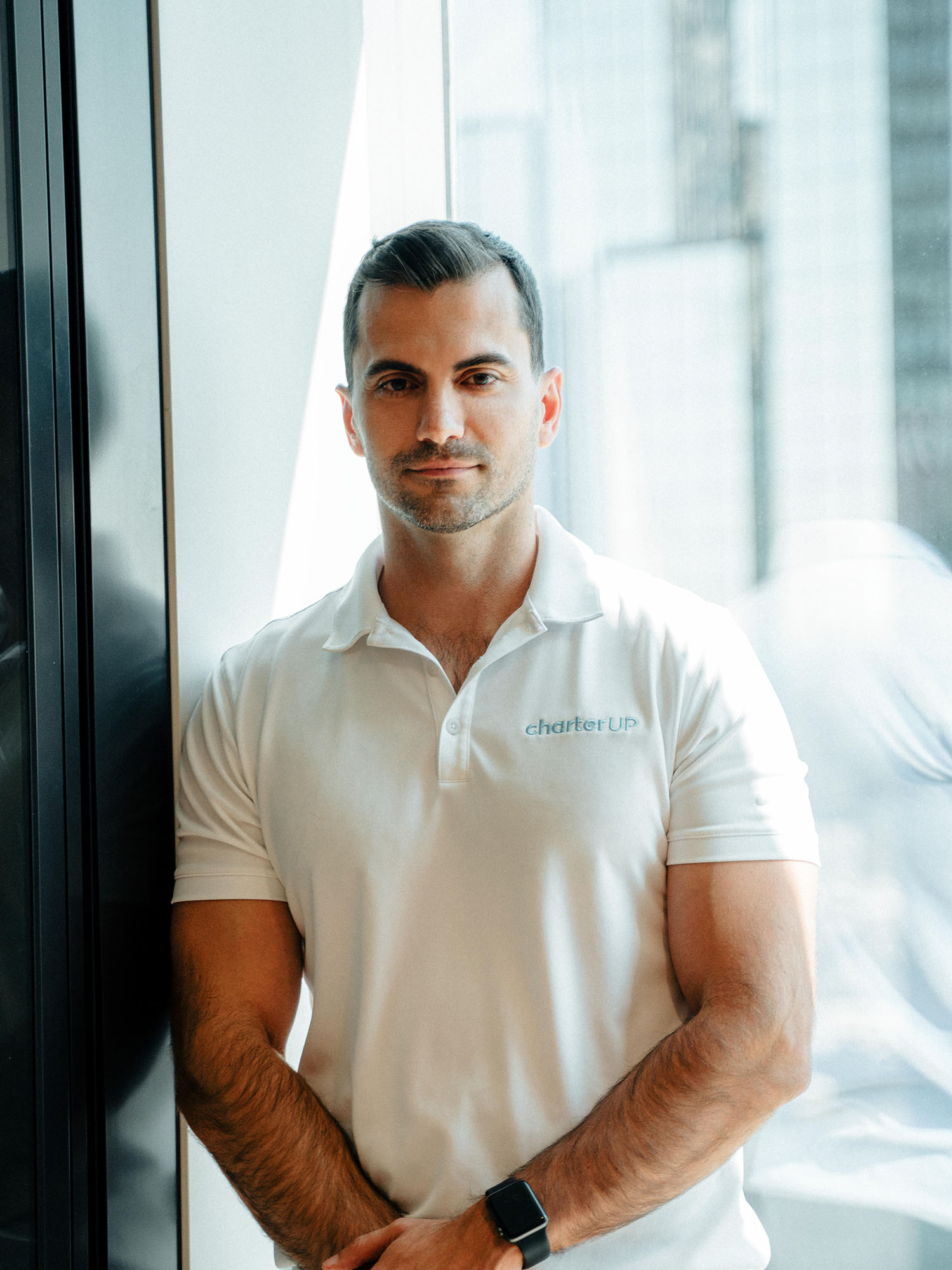
Armir Harris Is Turning the Humble Bus Into a Software Business
A frantic request for 60 buses showed Armir Harris what the industry lacked. He has spent the years since turning phone calls, paper schedules and idle vehicles into a real-time transportation network.

The Yellow Bus Is Breaking. This Founder Turned Parents Into the Fleet.
Kimberly Moore spent 14 years climbing at Verizon, then bet at 53 that the safest ride to school isn't a yellow bus or an app-hailed stranger - it's the family three doors down. Go Together now runs school carpools in 27 states.

Paul Li Wants to Turn the Car Into Two Pieces
After two decades inside the auto industry, the U POWER founder is betting that the next useful car company will help other brands build - and leave the badge to them.
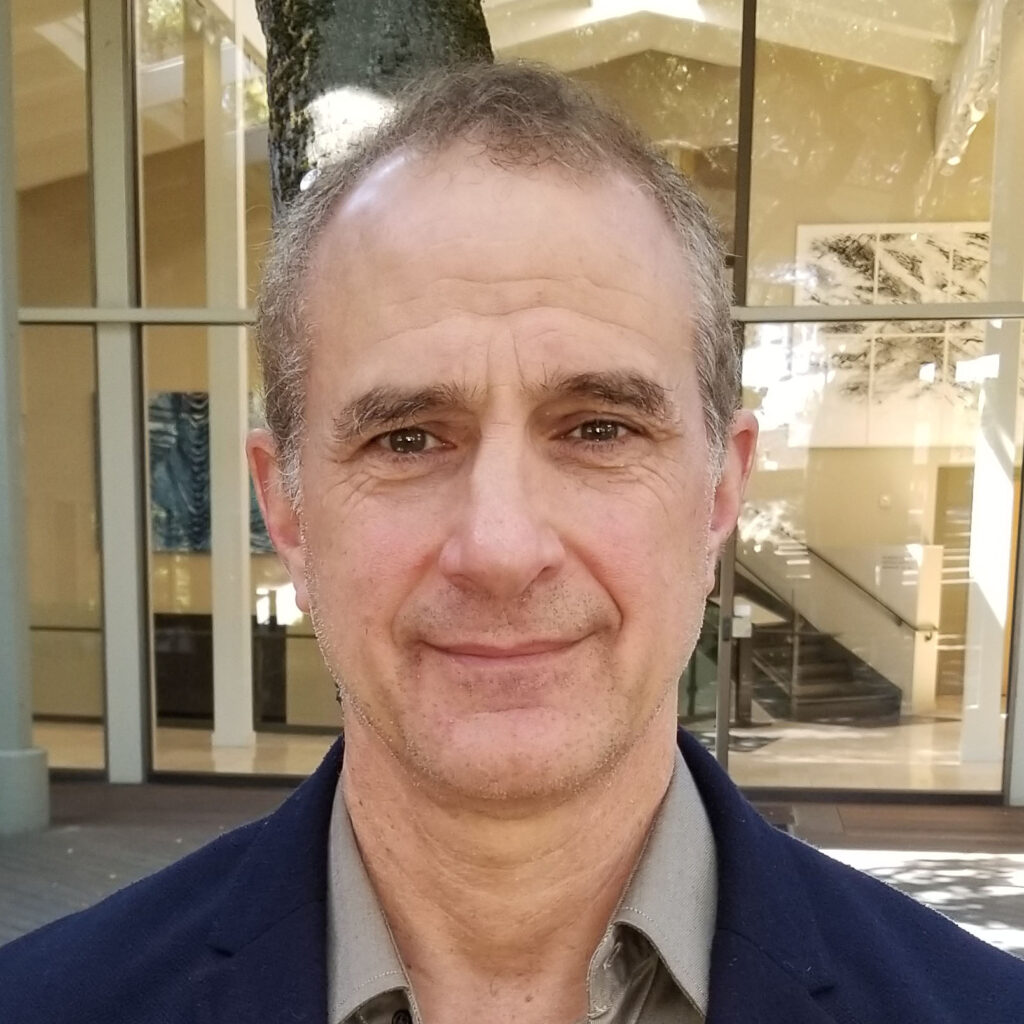
Jim DiSanto Has Spent Three Decades Finding the Next Machine That Moves
Before maps lived in every pocket, Jim DiSanto helped put location on the web. His next act has been a long bet on the physical world - trucks, sensors, robots, energy systems and the stubborn infrastructure beneath the software.

The Invisible Tech Company Behind the Beep, Scan and Tap
BlueStar rarely meets the shopper, nurse or warehouse worker who uses its technology. Its business is making sure the scanners, screens, printers and software behind those moments arrive as one workable system.

The Wheelchair Isn't the Product. The Fit Is.
Numotion builds roughly half of America's complex wheelchairs one measurement at a time - then spends the next decade keeping them rolling.

Volkswagen Built an American Car Company Inside a German Icon
Volkswagen of America sells more than cars. It translates a global industrial system into an American ownership experience - from Chattanooga assembly and dealer financing to the ID. Buzz, myVW and a second-generation Atlas.

Stellantis
Fourteen car brands, one Dutch holding company, and a bet that a constellation beats a single star. Inside the automaker stitched together from Jeep, Peugeot, Fiat and Maserati - and the reset now under way.

Clupp
Clupp is a Mexico City insurtech offering pay-per-kilometer insurance for cars, motorcycles, bicycles, scooters, and gadgets. Its app prices policies on how much and how well you drive, rewarding low-mileage and low-risk customers with lower premiums. Founded in 2021 and backed by Y Combinator (W22), Clupp partners with established carriers and reinsurers to cover claims, and has expanded into B2B SaaS tools for brokers and insurance products tied to startup financing.

Flott HQ
Flott HQ is an AI-native operating system for transport and logistics fleets. It pulls a fleet's scattered operational data (planning, GPS, fuel, mileage) and financial data (revenue, orders, invoices) into one control center, then lets AI agents handle the repetitive busywork - dispatch, billing, payment tracking - so operators can see their whole business in one place and run leaner. Founded in 2025 by high school friends Sylvanus Mahe and Kanvaly Fadiga, the company went through Y Combinator's Spring 2025 (X25) batch.

Shuttle Central
Shuttle Central is a Cancun-based travel-tech company (YC W22) that helps travel companies sell ground transportation online. Its API and booking platform let agencies, OTAs, and mobility businesses offer airport shuttles, private transfers, hourly drivers, and car rental across 100+ destinations in Mexico, the Caribbean, the USA, and Latin America - without building their own supplier network or dispatch infrastructure.

Global Mobility Service Inc.
Global Mobility Service Inc. (GMS) is a Tokyo-based FinTech and mobility company that gives people locked out of traditional credit a path to vehicle ownership. By pairing its proprietary IoT device, MCCS, with a cloud platform called MSPF, GMS lets lenders remotely manage and, if payments stop, safely disable a financed vehicle - turning driving behavior and payment data into a new form of creditworthiness. The model has extended auto loans to gig drivers, taxi operators and delivery workers across Japan, the Philippines, Cambodia and Indonesia who would otherwise be rejected by conventional screening.

Telgani | Rent a car
Telgani is a Riyadh-based digital car-rental marketplace that lets people in Saudi Arabia book a vehicle from their phone and have it delivered to their door - or waiting at the airport - in about an hour. Founded in 2018, the platform aggregates 75+ rental brands and tens of thousands of cars into a single app, offering daily, monthly and yearly plans plus flexible subscriptions. Backed by strategic investors including Toyota distributor Hala Auto and Elm Company, Telgani has raised more than $9 million to modernize a fragmented car-rental sector across the Kingdom.
Tomer Kashi
Tomer Kashi is the co-founder and CEO of VOOM Insurance (and its drone brand SkyWatch), an insurtech company building usage-based, on-demand insurance for underserved mobility segments such as drones, motorcycles, e-bikes, and rideshare drivers. A graduate of Israel's elite Talpiot program with a background in computer science and physics, Kashi led technology projects inside the Israeli Prime Minister's Office cyber unit before entering insurance. He frames VOOM as 'insurtech 2.0' and the 'Lemonade for Mobility,' using new sources of data to rebuild insurance products for episodic, high-risk vehicle use.