brooklyn
(54)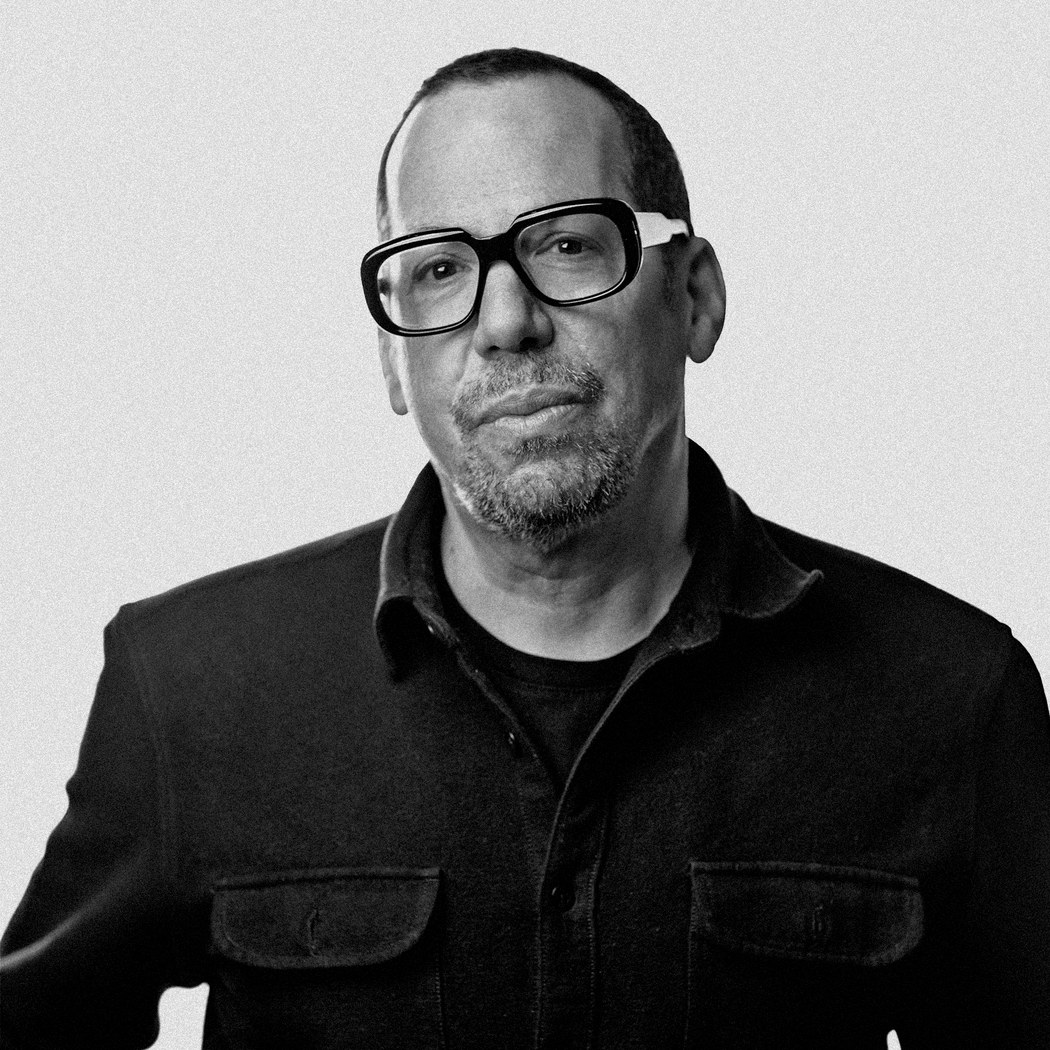
What David Belt Saw in a Dumpster
Before Newlab, there were swimming pools in a Brooklyn junkyard. David Belt’s career has been an extended argument for giving overlooked places something interesting to do.

Nick West took the stairs
He helped build e-commerce businesses before joining his brother’s running brand. At Bandit, Nick West is testing how far a company can go when it keeps coming back to the people outside its door.
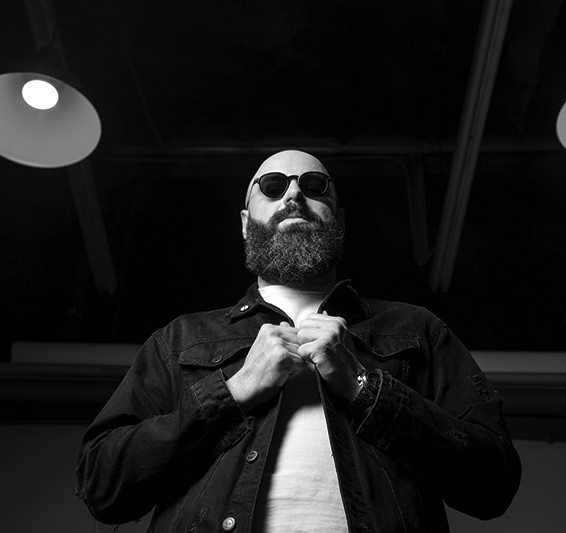
Roger Volodarsky and the trouble with being satisfied
Puffco began with a customer who kept breaking his vape pens. Roger Volodarsky built a company around his own exacting taste, then had to learn when to trust everyone else’s.
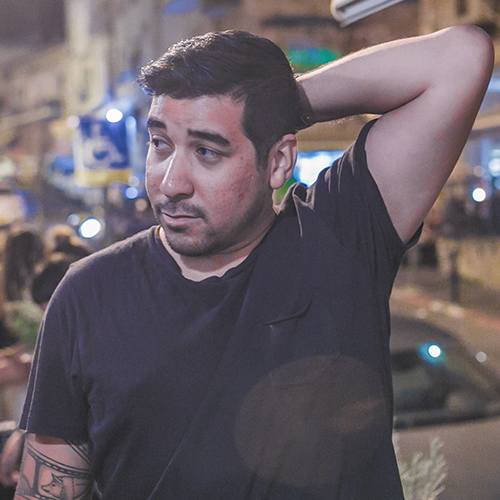
Brandon Martinez and the business behind a 30-second joke
When “Harlem Shake” took over YouTube, Brandon Martinez helped turn the dancing into income for music rights holders. His path from INDMUSIC to sneakers and pickleball keeps returning to the people who make a culture worth joining.

Jen Liu and the grandmother who became an English tutor
Jen Liu and Erica Du built an AI grandma to practice Mandarin. The detour became Toko - and a career spent finding ways to make learning easier to begin.
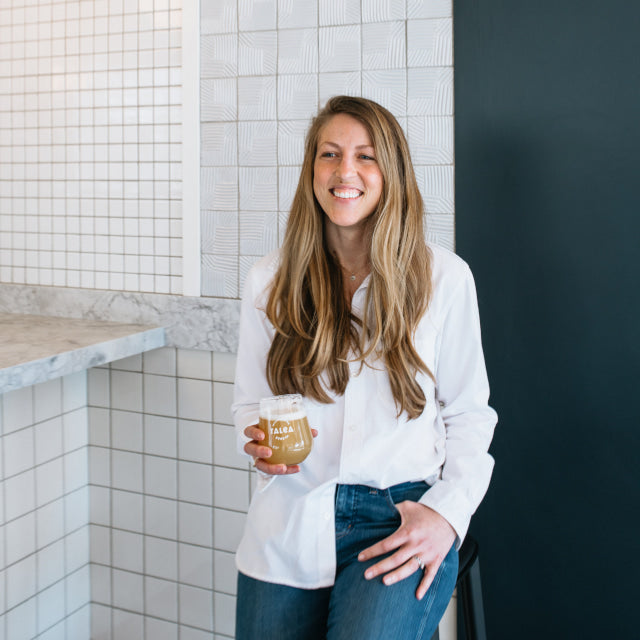
LeAnn Darland and the beer drinkers hiding in plain sight
A Navy intelligence officer turned Google finance manager, LeAnn Darland loved craft beer. With TALEA, she set out to make room for the friends who didn’t.
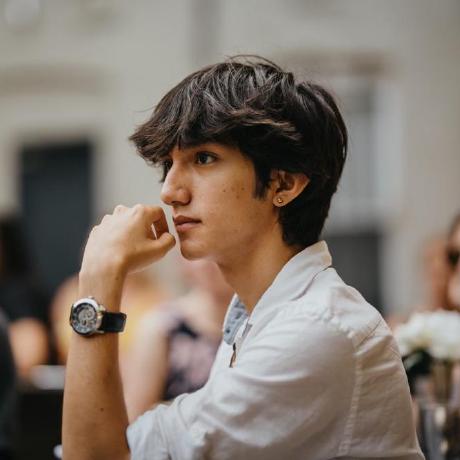
Maceo Cardinale Kwik and the Trouble With a Good Idea
Datost was finding customers. Maceo Cardinale Kwik was still looking for the computer he wanted to build. His route from a Brooklyn coding blog to camera-free AI glasses includes one profitable detour and two coolers on a sidewalk.
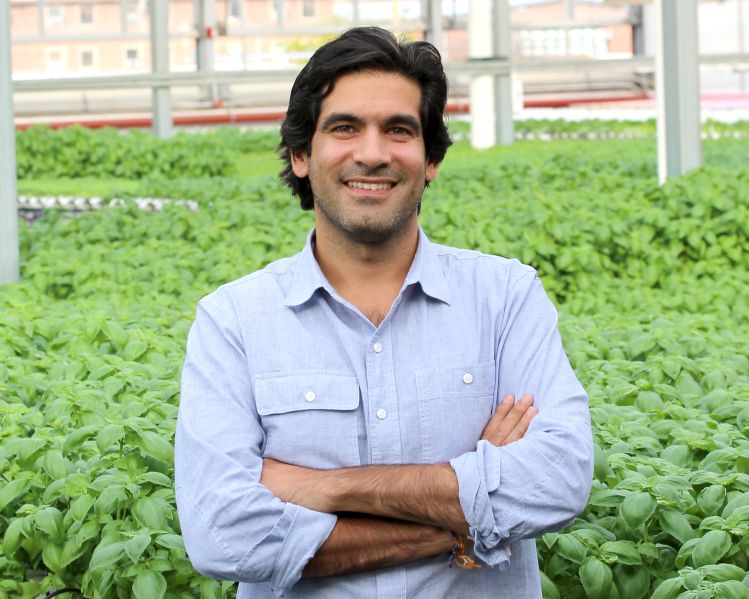
Viraj Puri and the Shorter Journey of a Basil Leaf
A dinner in Brooklyn helped send Viraj Puri into rooftop farming. After building Gotham Greens into a national food business, he now guides the company from a different seat.
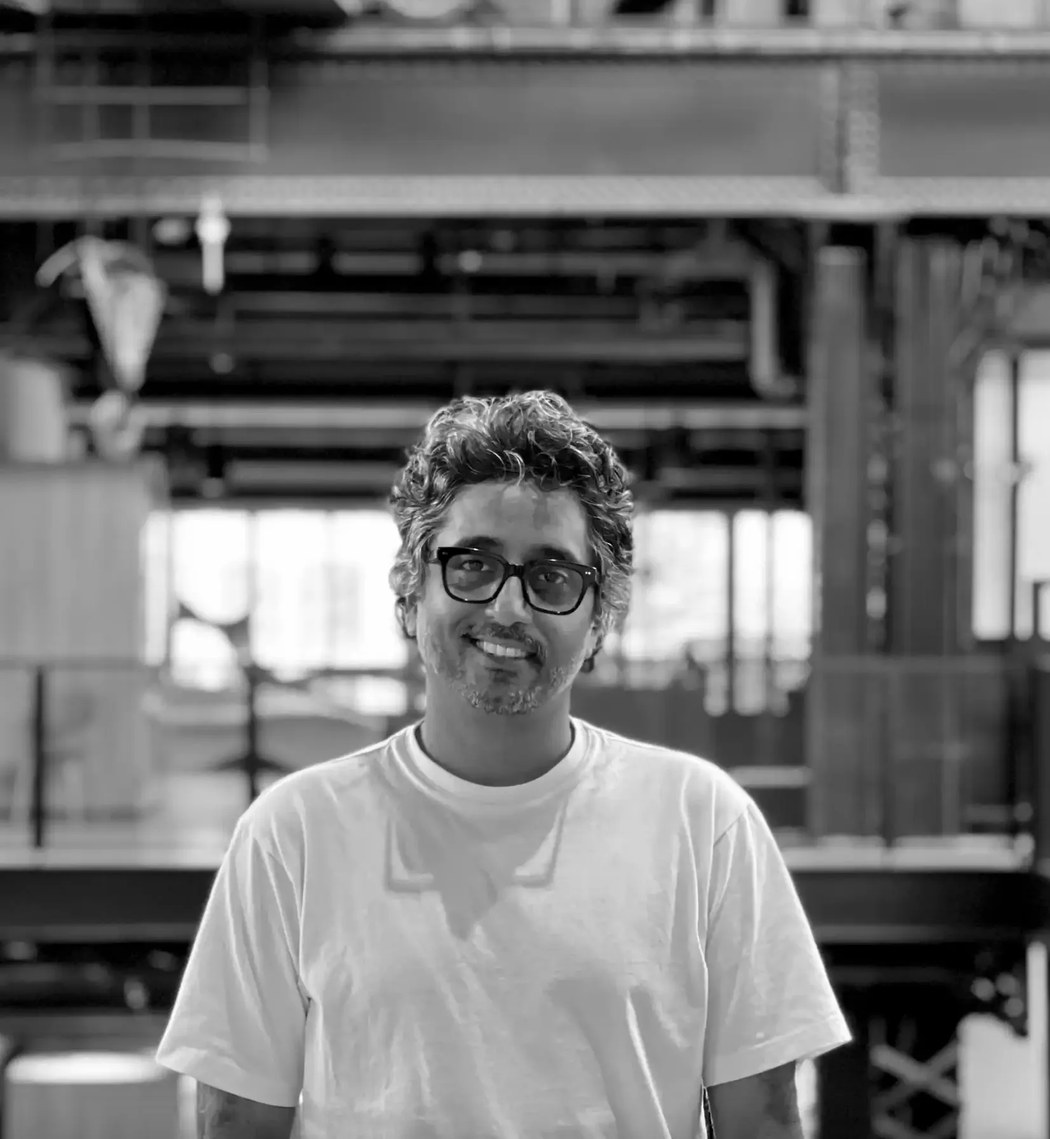
Som Ray and the bicycle that was already there
An architect trained to rethink cities found his next design problem on the ride home. At CLIP, Somnath "Som" Ray is building electric assistance for the bicycles people already own.
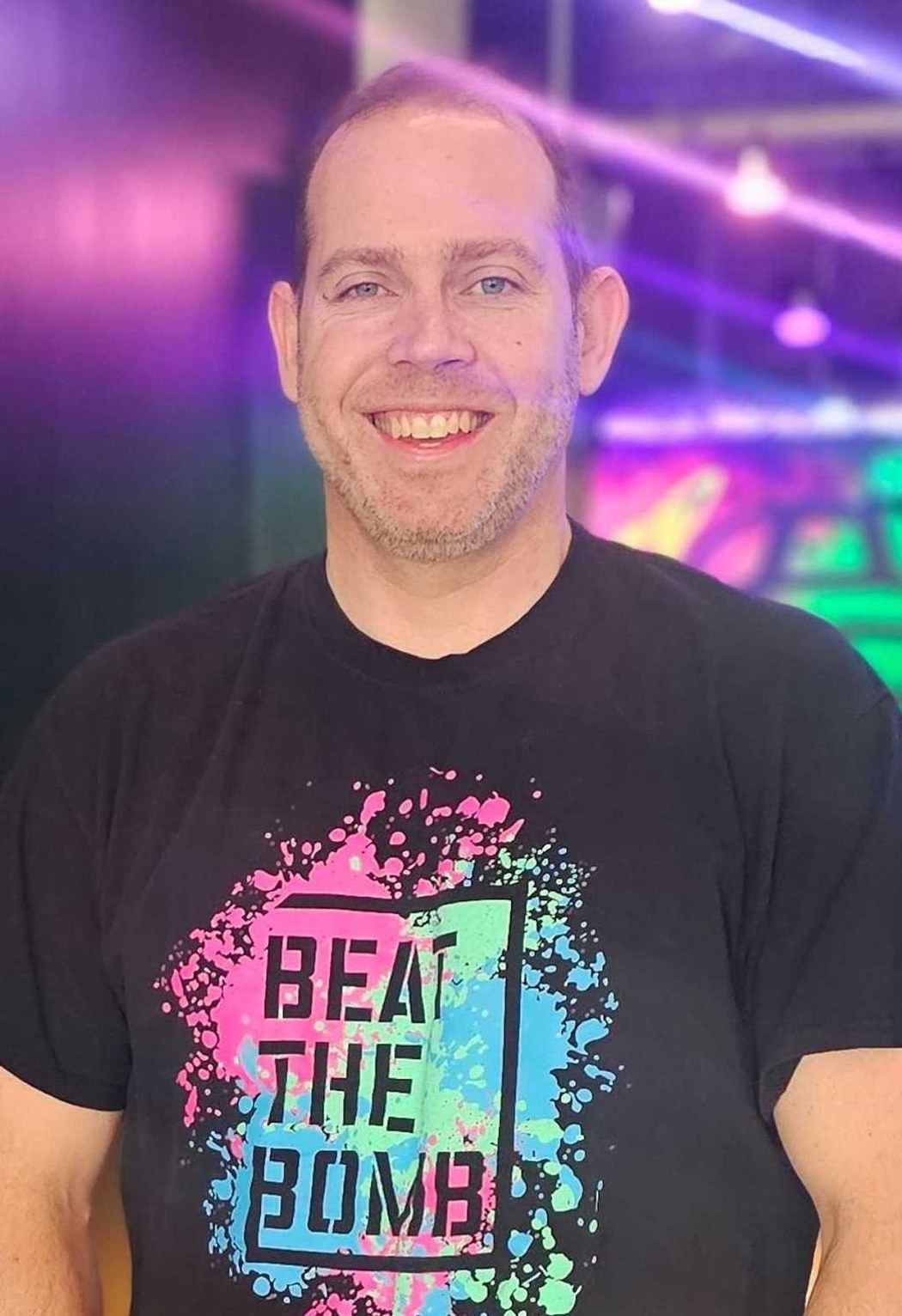
Alex Patterson and the pleasure of losing
A Brooklyn tax lawyer found his next career in obstacle courses. At BEAT THE BOMB, Alex Patterson turned a lesson about working together into a business with a very colorful penalty.
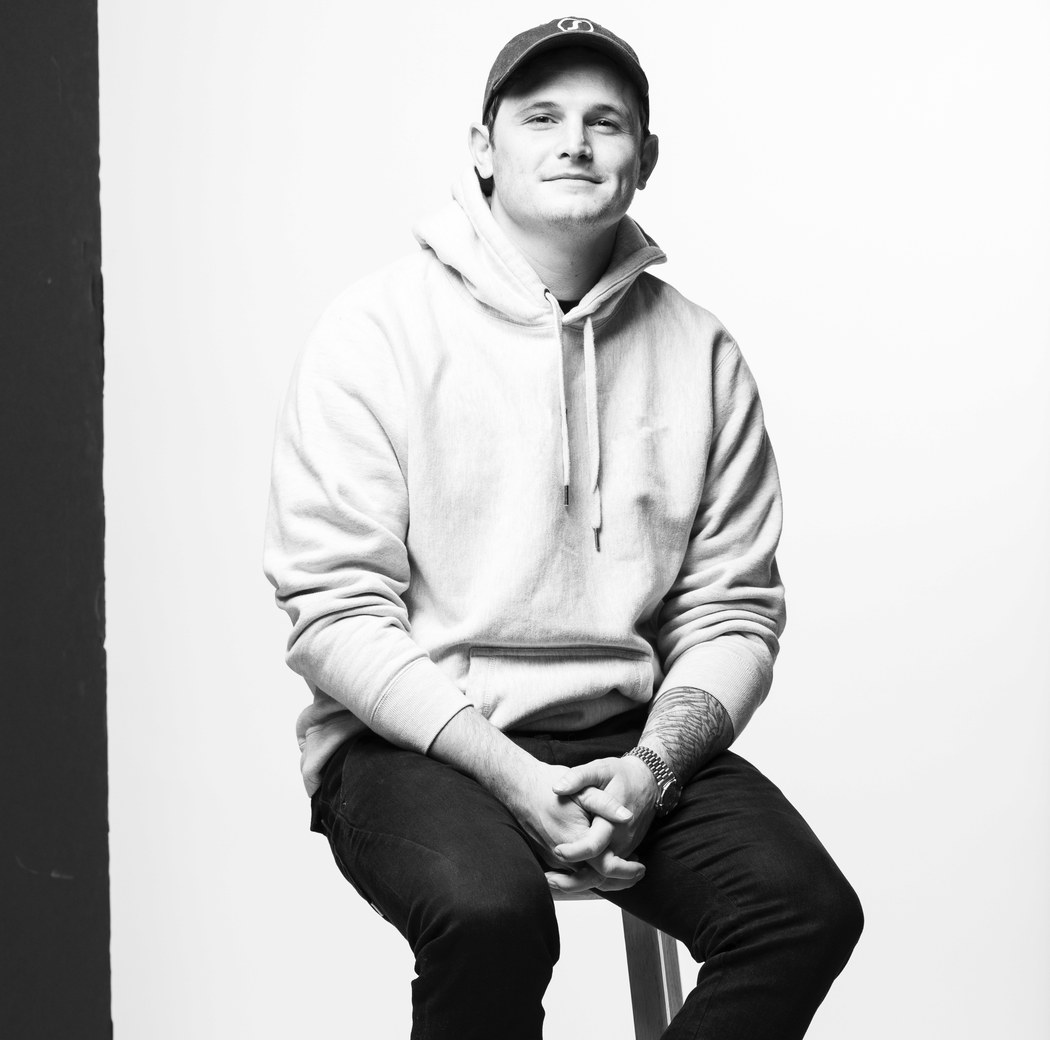
Zack Holland’s unfinished business
From a neighborhood directory to SelectFew and Averi, Zack Holland has spent his career connecting people with the work they want to do. His next chapter includes Talvi, a writing habit, and a $100 laptop with very few distractions.
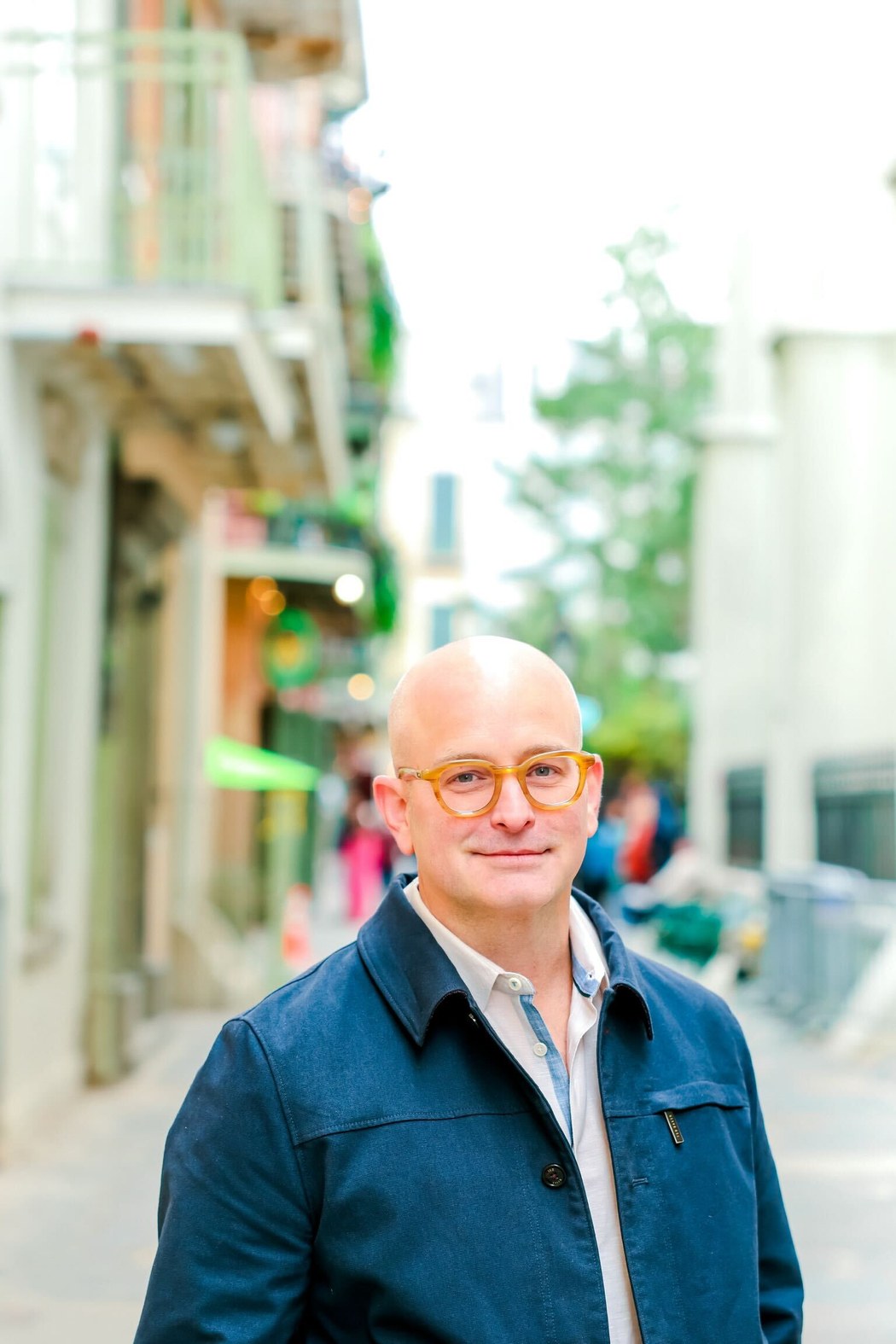
Colin Barnhart and the business behind the business
A Wall Street start, a detour through nightclubs, and a recurring question: who keeps a growing business in order? Colin Barnhart built Black Ink Business Services around the work founders kept asking him to do.
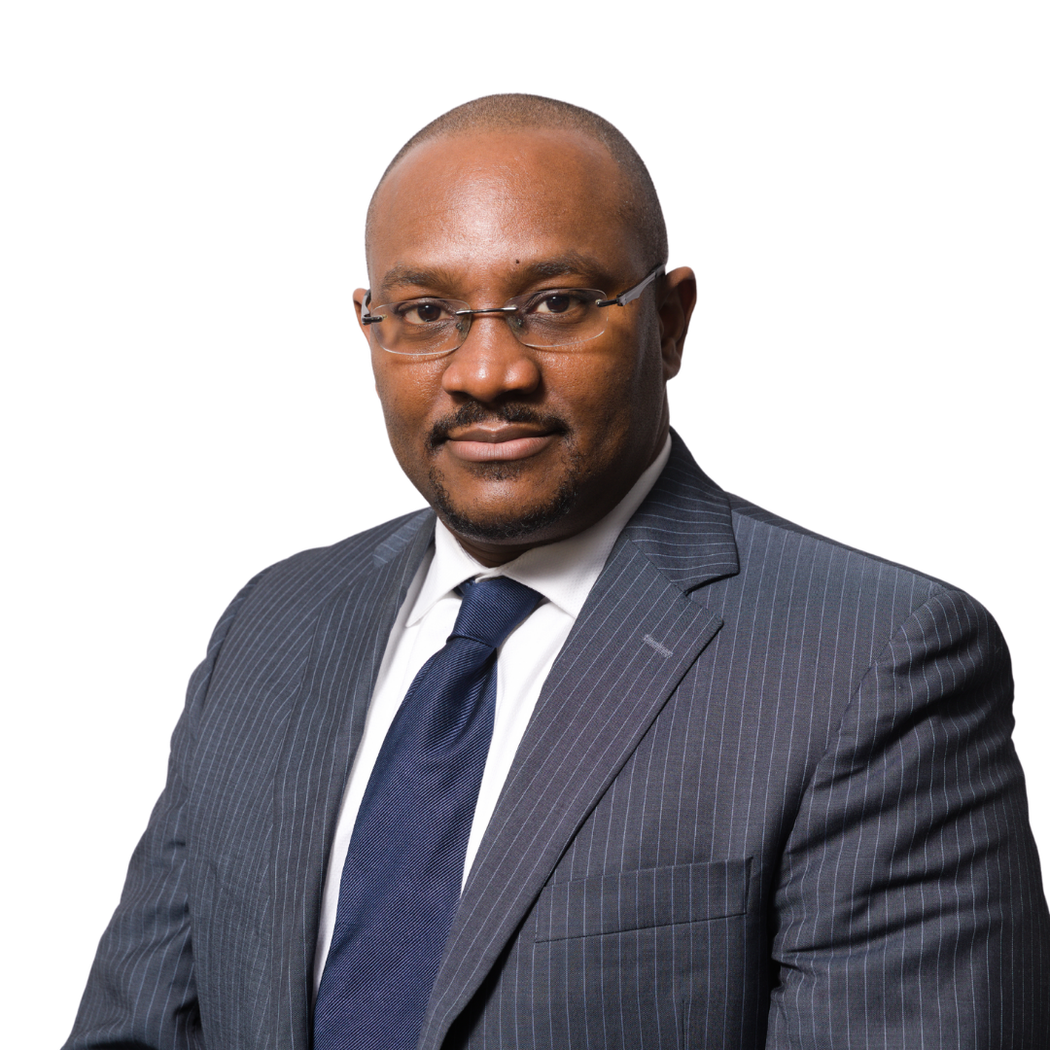
Schelton Assoumou and the price of staying put
A former J.P. Morgan banker brings the machinery of real estate finance to a neighborhood question: can a home become more valuable while its owner keeps a place in the community?
Jamie Niu Serota and the art of making other people wait less
After Tesla, Blue Origin and Bowery Farming, Jamie Niu Serota co-founded Podium Automation to tackle a less glamorous obstacle to hardware progress: the wait for a control panel. Her Brooklyn company is built around a supplier’s most useful promise - getting the work done sooner.
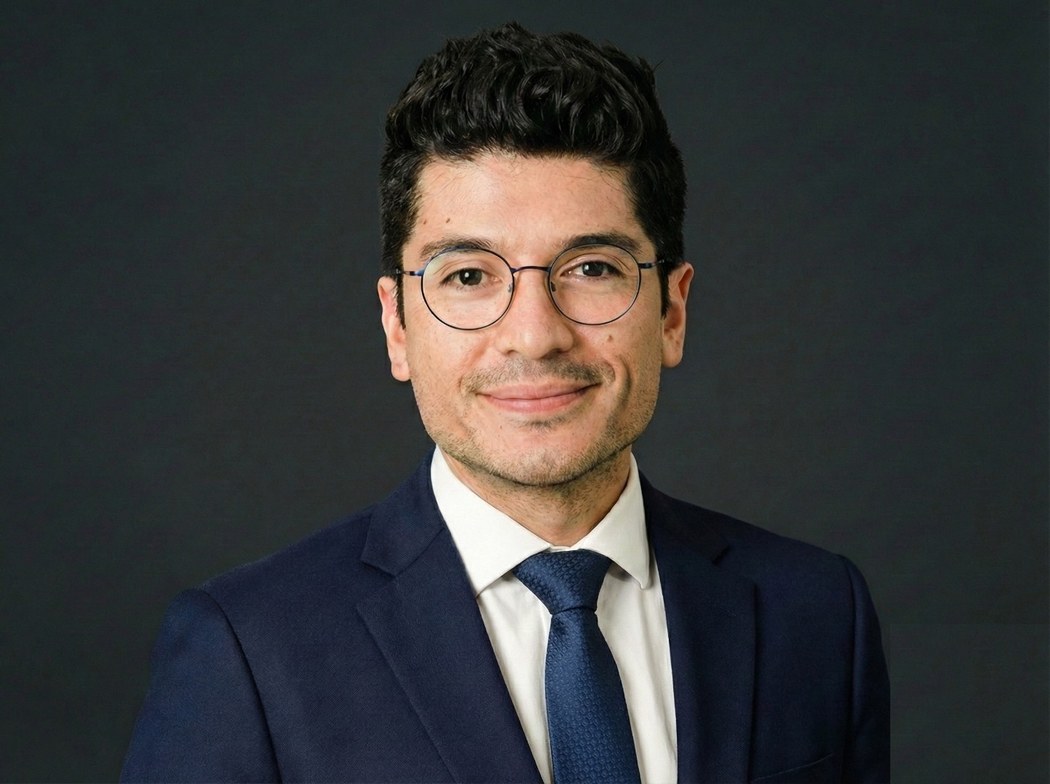
Alexander Torrey and the trouble with the empty bottle
A box of hand soap sent Alexander Torrey looking for a better supply chain. After children’s art and reusable deliveries, the AIC co-founder is taking his argument about wasted potential to America’s factory floors.

PENSA and the art of removing the awkward bit
A hospital curtain, a razor, an inflatable dog kennel. The Brooklyn design firm finds its opportunities where everyday objects make people work too hard.

Vermeer taught drones to frame a shot. Then to find their way.
A Hollywood drone business became a supplier of GPS-free navigation. The revealing part is how a tool for getting the picture right found a customer who needed to get the aircraft home.

Fridge No More delivered in 15 minutes. Survival took longer.
Free delivery, no minimum order, and a warehouse around the corner: Fridge No More made forgetting the milk remarkably painless. Then the money stopped arriving.

Easy Aerial’s bright idea: keep the drone on a leash
Easy Aerial builds autonomous drones that can draw power through a tether, launch from a box, and watch over sites or moving vehicles. Its wager is that security teams often need a longer look more than a longer flight.

Looking Glass put depth on a screen. Then it made the work disappear.
A Brooklyn display company spent years teaching screens to show several sides of the same object. Its next bet is more practical: let people make a little spectacle with the video tools they already know.
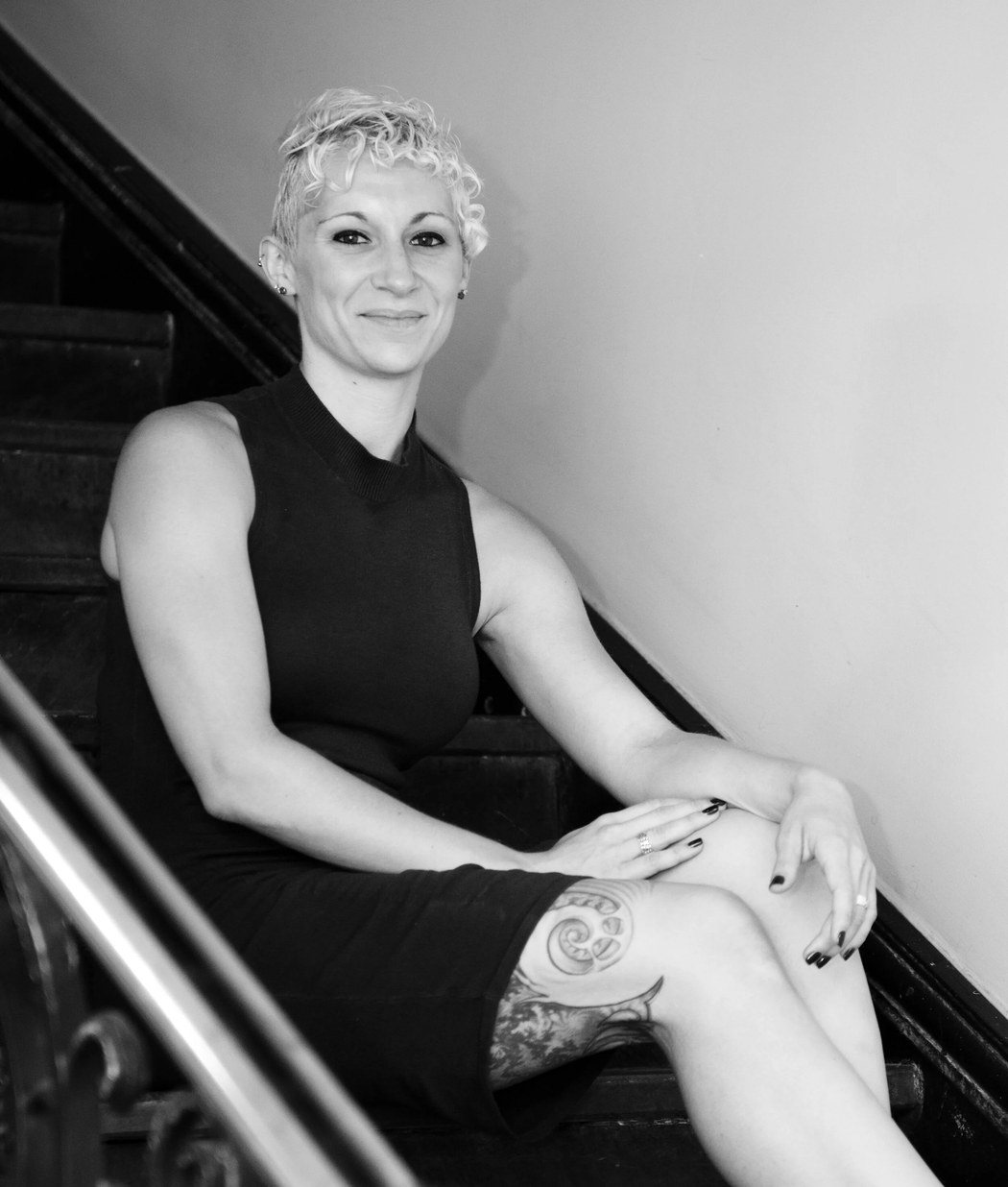
Lily Ray and the Rhythm of a Changing Search Engine
A drummer who learned search the hard way now studies what happens when the rules change. In 2026, Lily Ray gave that work a second address: her own consultancy, Algorythmic.

The Name Went Back. The Griffin Stayed.
Gretel makes identities built to travel from a museum wall to a phone screen. In Philadelphia, its most revealing design lesson arrived after the launch.
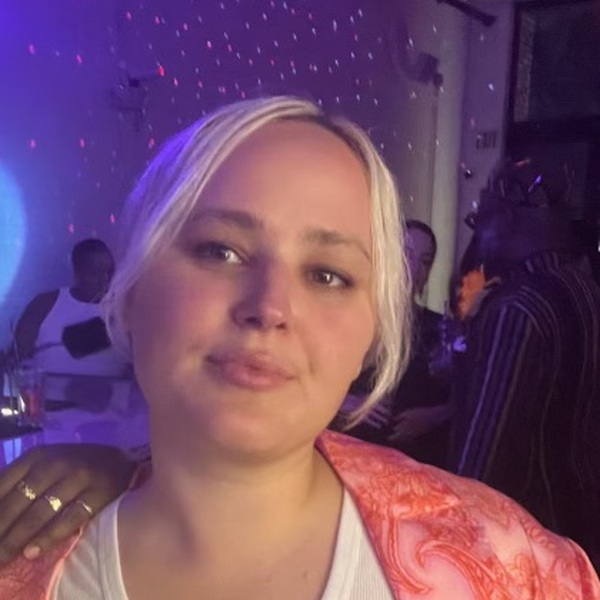
Justine LaViolette and the Night That Refused to End
A failed date introduced a filmmaker to her future business partner. Six years, several refusals and one astonishing opening-night queue later, Justine LaViolette had helped turn a familiar queer daydream into a permanent Brooklyn address.

Daniel Kraft Learned to Play the Long Game
Before Daniel Kraft began opening conversations for Clay, he learned to recover a round, carry a team and make a story land. His route from a California golf course to Brooklyn sales is a study in useful range.

What Else makes brands earn their keep
A Brooklyn design studio connects the logo to the work that follows: packaging, websites, templates, and the daily business of being useful. Its projects run from sparkling verjus to fraud protection.
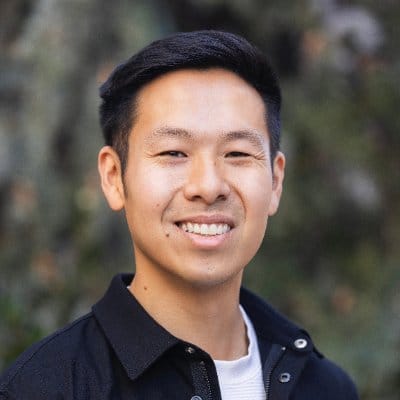
Jay Kurahashi-Sofue Wants Money to Move Like Music
An art-history graduate turned crypto marketer has spent a decade translating difficult systems into stories people can use. At Eco and SONARA Records, his two worlds now run on the same principle: remove friction, then let the work travel.

Anthony Vigilante Built a Modern Business Around a 1927 Brooklyn Name
The Brooklyn operator inherited nearly a century of family history. His real work has been turning that inheritance into a system that can still answer when the boiler quits.
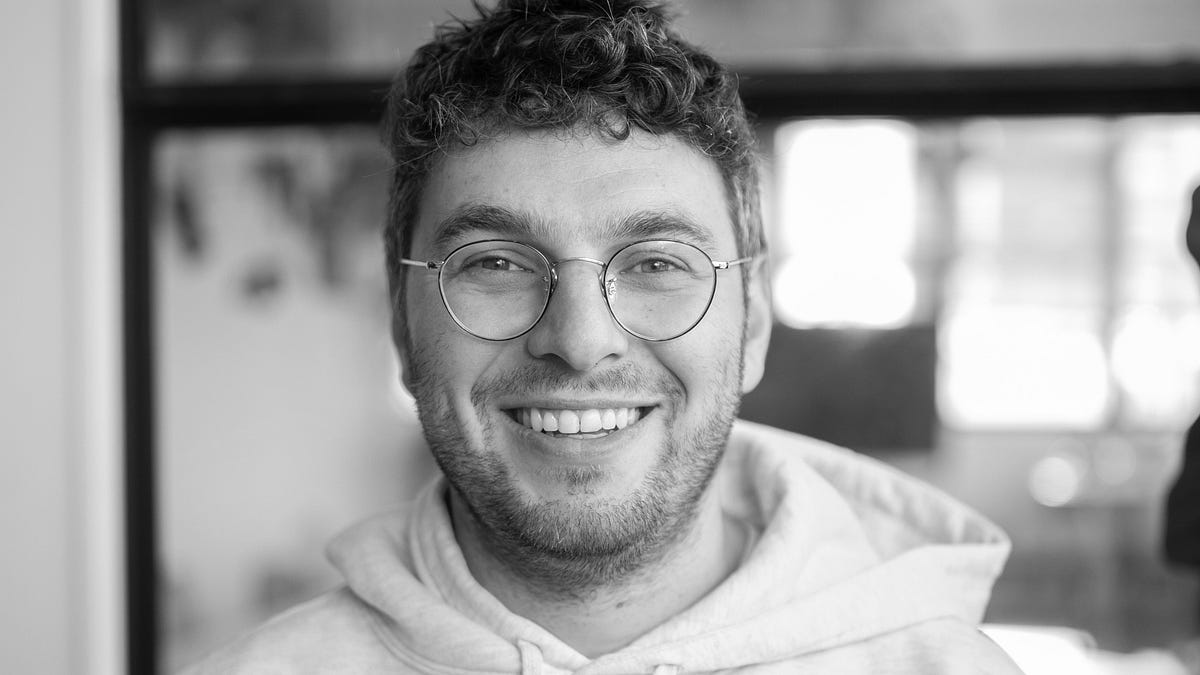
Andrew Benin Put Olive Oil in a Squeeze Bottle - Then Built for the Grocery Aisle
A trip through Andalusia supplied the obsession. A chef supplied the constraint. Andrew Benin turned both into Graza - and learned that a playful bottle still has to survive the hard arithmetic of retail.

Attack Capital
Attack Capital is a New York based, Y Combinator alumni founded AI venture studio and seed-stage fund. It builds vertical AI companies from scratch on a 30-day build cycle - spinning out products like OpenMic (AI phone agents), PowerDialer, and HealOS - while also giving accredited investors direct, diversified access to vetted YC startups. Founded by Thiel Fellow Kaushik Tiwari and Saumik Tiwari, it pairs a company factory with a fund.

Bandit Running
Bandit Running is a Brooklyn-born, community-first performance running brand founded in 2020 by Tim and Nick West with designer Ardith Singh. Starting with a single pair of cushioned running socks packed by hand, Bandit grew through New York run clubs into a full head-to-toe running apparel line - shorts, tights, singlets, sports bras, socks and lifestyle wear - sold direct-to-consumer. The brand is known for co-designing product with its running community, high social engagement, and The Unsponsored Project, which backs professional runners without shoe deals. Bandit raised a $14.25M Series A in 2023.