ex-google
(25)
Bin Fan Has Spent a Career Shortening the Distance Between Data and Work
Before AI teams worried about feeding GPUs, Bin Fan was making key-value systems waste fewer bytes. His career follows one stubborn question across two technological eras: how do you keep expensive machines from waiting on data?

Vsevolod Leonov Has Spent a Career Moving Toward the Machine Room
He learned the internet through portals, games and partnerships. Now the former Google executive is testing the economics and infrastructure of open-source AI with his own hands.
Adhityaa Chandrasekar
Adhityaa Chandrasekar is the founder and CEO of Subtrace (YC W25), a zero-code network tracer that acts like an inspect-element button for backend infrastructure. Using eBPF, Subtrace surfaces every HTTP request a process sends and receives in real time, with no root privileges or code changes. Before Subtrace, Adhityaa was a software engineer at Google working on Kubernetes internals and GKE infrastructure monitoring, and he built Commento, a popular open-source, privacy-first comments platform. He studied at IIT Madras and the University of Waterloo, and co-founded Subtrace with Sachin Sridhar, a friend of more than a decade.
Tallat Shafaat
Tallat Shafaat is the founder and CEO of Vectara, a Palo Alto based enterprise AI company that pioneered retrieval-augmented generation (RAG) as a service. A former core engineer on Google's Knowledge Graph indexing team, he holds a PhD in distributed systems from KTH Royal Institute of Technology in Stockholm. He co-founded Vectara in 2020 with Amr Awadallah and Amin Ahmad, led the engineering behind the company's Boomerang retrieval model and the open-source HHEM hallucination detection model, and stepped up from chief architect to CEO as the company entered its next growth phase.
Tianyin Zhang
Tianyin Zhang is the founder and CEO of DreamCraft Entertainment, a Redwood City-based startup building a code-free platform that lets anyone create, publish, and monetize video games without programming or art skills. A former Google engineer and game programmer, he co-founded DreamCraft in 2018 with Veronica Yao out of Y Combinator's Summer 2018 batch. The company has raised more than $15 million, including a $10 million Series A in November 2021 led by March Capital, with backing from Makers Fund, Tencent, and Hiro Capital. DreamCraft's mission is to make game creation roughly ten times easier and to open game development to hobbyists, modders, and first-time creators.
Daniel Blackman
Daniel Blackman is the founder and CEO of Smashcut, a next-generation online learning platform built for real-time, media-based education in the visual and media arts. An NYU Tisch film school graduate, he spent years in executive roles at Google, YouTube, The Daily Beast, Barnes & Noble.com and HarperCollins before co-founding the instructional video company Howcast and, later, Smashcut. Backed by a $7M Series A from Pearson Ventures, Smashcut partners with universities like NYU Tisch to bring collaborative filmmaking and documentary education online.
Gaurav Baheti
Gaurav Baheti is the founder and CEO of Procol, a procurement and sourcing software company he started in 2018. A designer and engineer by training who once built user experiences at Google in New York, he now leads a roughly 120-person team building tools for intake, RFx, negotiations, supplier management and spend reporting. Procol powers procurement for enterprises across India, the Middle East and Southeast Asia, cumulatively managing billions of dollars in B2B spend, and is backed by Peak XV Surge, Blume Ventures, Beenext and others. A Forbes 30 Under 30 honoree, Baheti wants to move procurement from a cost-cutting function into a source of strategic advantage.
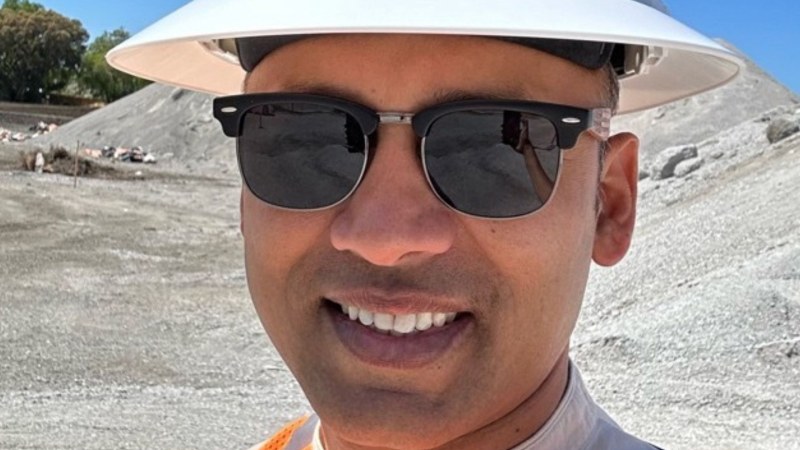
Amar Amte
Amar Amte is the founder and CEO of Pegbo, a Menlo Park construction-tech company that helps general contractors and public agencies find, vet, and track small, local, and diverse trade partners. After roughly a decade at Google and five years at Yahoo in engineering and program-management roles, he left big tech in 2023 to attack one of construction's oldest headaches: the 'spray and pray' bid invitation. Pegbo runs a searchable directory of more than a million verified trade partners and automates outreach, bid coverage, and Good Faith Effort compliance reporting. The company raised $1.4 million in a 2024 pre-seed round led by Nirman Ventures and is a pre-qualified supplier to contractors including Skanska, Webcor, Swinerton, and Hathaway Dinwiddie.
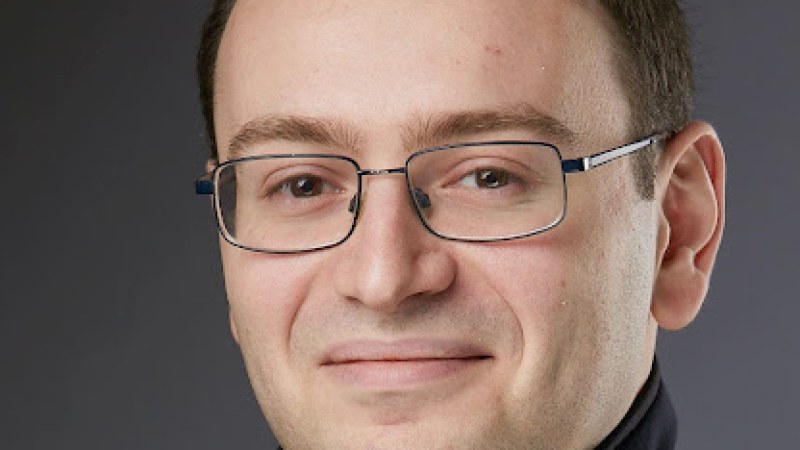
Ben Lerner
Ben Lerner is the co-founder and CEO of Espresso AI, a New York startup building what it calls the first neural compute optimizer - software that uses large language models to rewrite SQL and reallocate compute so companies cut their Snowflake and Databricks bills by up to 70%. A former Google and DeepMind engineer who worked on search, storage infrastructure, and early code-LLM research, Lerner left Big Tech to merge the two halves of his career - machine learning and systems performance - into a single product. Espresso launched from stealth in May 2024 with over $11 million in seed funding from Nat Friedman, Daniel Gross, and FirstMark's Matt Turck.
Drishan Arora
Drishan Arora is the co-founder and CEO of Deep Cogito, a San Francisco AI lab building toward general superintelligence through openly released reasoning models. A former senior engineer at Google who led large language model work for its generative search, Arora left to chase a contrarian bet: that intelligence improves not by searching harder but by building better intuition. His team trained the Cogito family of hybrid reasoning models - which can answer instantly or stop to think - in roughly 75 days, then scaled to a 671-billion-parameter model his company calls the strongest open-weight LLM from a US firm. The method underneath it all, iterated distillation and amplification, lets the models internalize their own reasoning paths and self-improve.
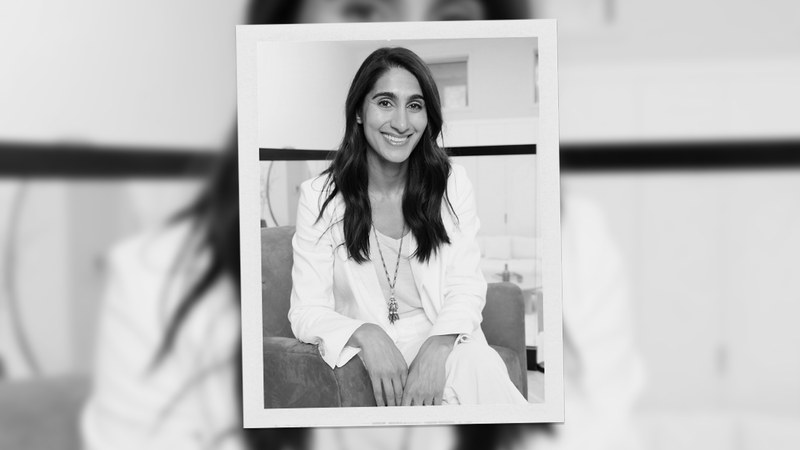
Nidhi Kapur
Nidhi Kapur is the founder and CEO of Maiden Home, a New York-based custom furniture company she launched in 2017 after stints at McKinsey, Google, and Birchbox. Frustrated by the gap between generic big-box stores and unreachable designer boutiques while furnishing her first apartment, she built a direct-to-consumer brand that links shoppers straight to artisanal workshops in North Carolina. Maiden Home has grown profitably since day one, opened a New York flagship in 2023 and a 4,000-square-foot Miami Design District flagship in 2025, all under Kapur's discipline of restraint, permanence, and craft.
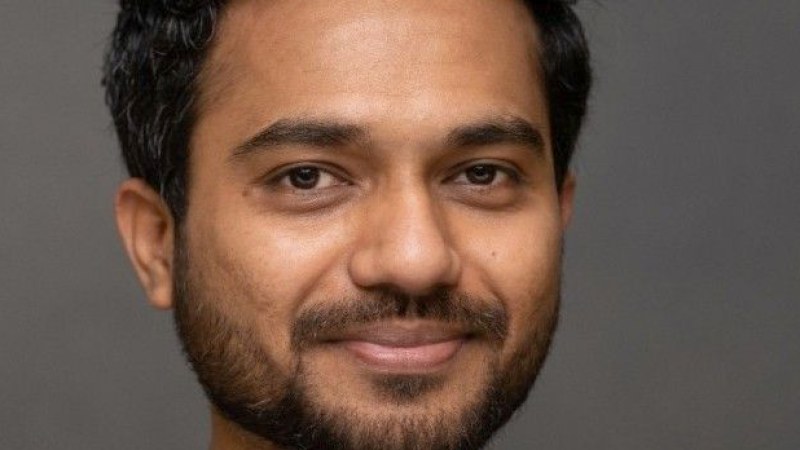
Rakesh Goyal
Rakesh Goyal is the co-founder and CEO of Velt, a Y Combinator (W22) startup building the collaboration layer for the internet. Velt ships a full-stack SDK that lets product teams drop contextual comments, notifications, presence, huddles, async recordings and CRDT-based multiplayer editing into their apps in days instead of months. Before Velt he spent roughly nine years as a product manager at Google, where he helped launch augmented reality in Google Maps and Search and worked across Payments, Access and the Next Billion Users initiative. He frames Velt's ambition simply: what Okta is to auth and Algolia is to search, Velt wants to be to collaboration.

Rani Mavram
Rani Mavram is the co-founder and CEO of Complete, a San Francisco compensation platform that turns the awkward salary conversation into an interactive offer letter. A UC Berkeley dual-degree grad and former Google product manager, she launched Complete through Y Combinator's Winter 2022 batch, raised a $4M seed led by Accel, and was named to the Forbes 30 Under 30 list for enterprise technology. Her pitch is simple: every company should know what it means to pay people, and no candidate should have to guess.
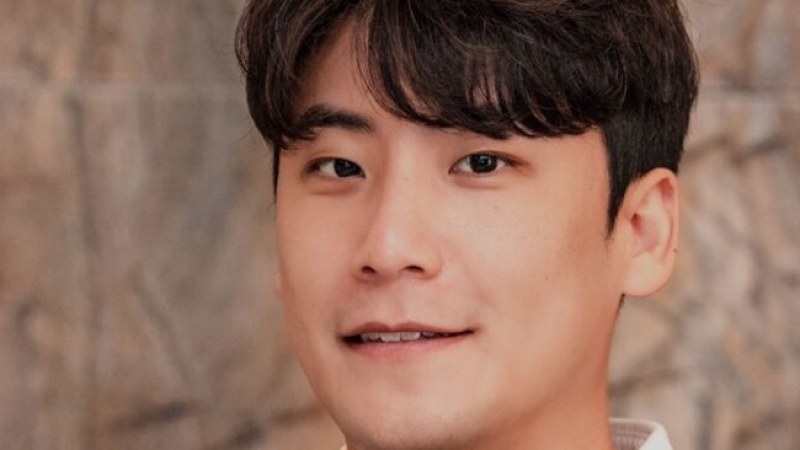
Sang Lee
Sang Lee is the co-founder and CEO of Vibranium Labs, a New York startup building Vibe AI, billed as the first 24/7 AI site reliability engineer. A former Google and AWS engineer who lived through too many 2 a.m. outage firefights, Lee is building an agentic AI teammate that detects, triages, and resolves IT incidents before a human ever wakes up. In September 2025 the company raised $4.6M in seed funding led by Calibrate Ventures and Mirae Asset, with backing from a16z, Franklin Templeton, and others, claiming up to an 85% cut in mean time to resolution and counting Shutterstock among its clients.
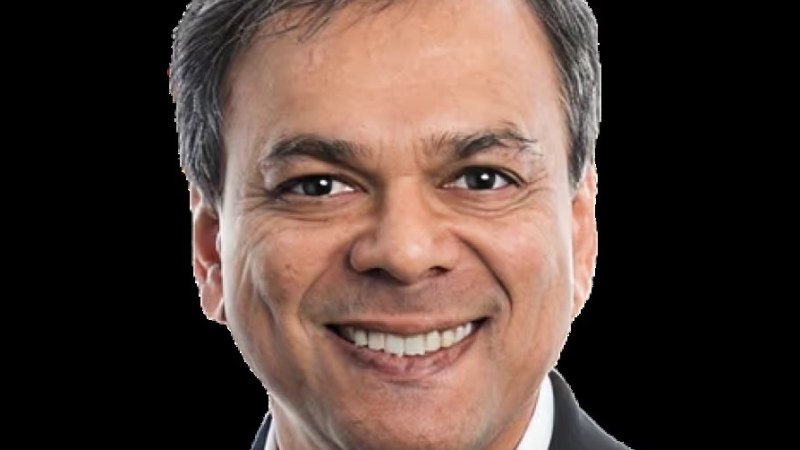
Vinay Goel
Vinay Goel is the CEO and co-founder of Wald.ai, a Palo Alto startup building contextual data-loss protection for the age of generative AI. After more than 30 years in product and technology - a decade at Google leading Maps and Local, then top product roles at JLL, Kiavi, Check Point and Webroot - he co-founded Wald.ai in 2024 to solve the 'shadow AI' problem: employees feeding sensitive company data into ChatGPT, Claude and Gemini. Wald.ai redacts sensitive data inline, lets the AI answer, then restores the original context before the user sees it. He raised a $4M seed round in December 2024 and sits on the Forbes Technology Council.
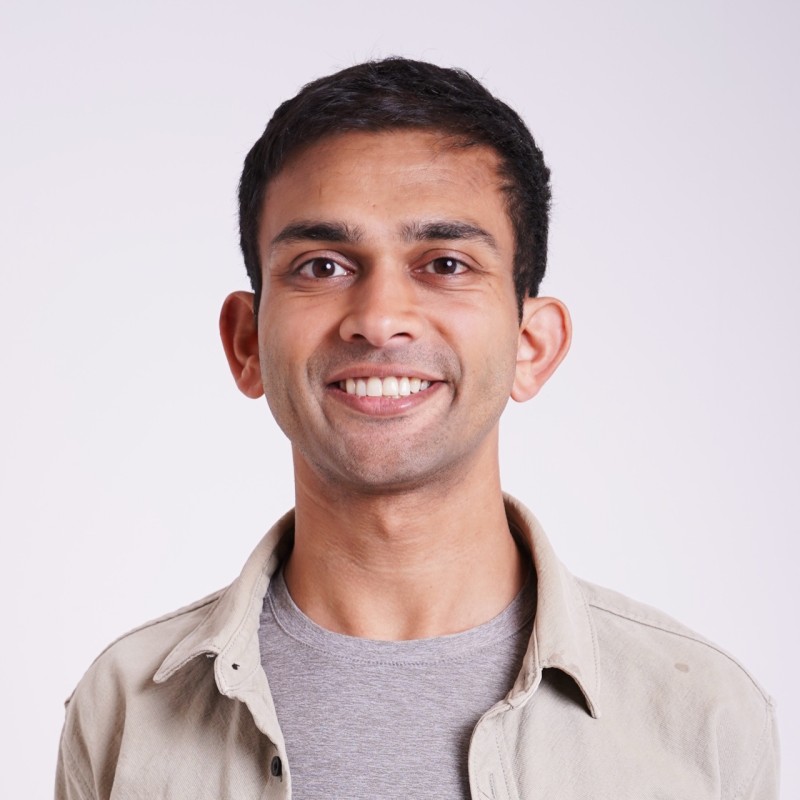
Dhruv Amin
Dhruv Amin is the co-founder and co-CEO of Anything (formerly Create), a San Francisco AI app-building platform that turns plain English into working software, complete with databases, payments, and App Store submission. A Stanford computer scientist and former early YouTube product manager, he and co-founder Marcus Lowe shut down a profitable $2M-a-year freelance-developer marketplace in 2023 because they believed AI would make it obsolete, then rebuilt from scratch. The bet paid off: Anything hit a $2M annual revenue run rate within two weeks of its 2025 relaunch and raised an $11M Series A at a $100M valuation.
Eunjoon Cho
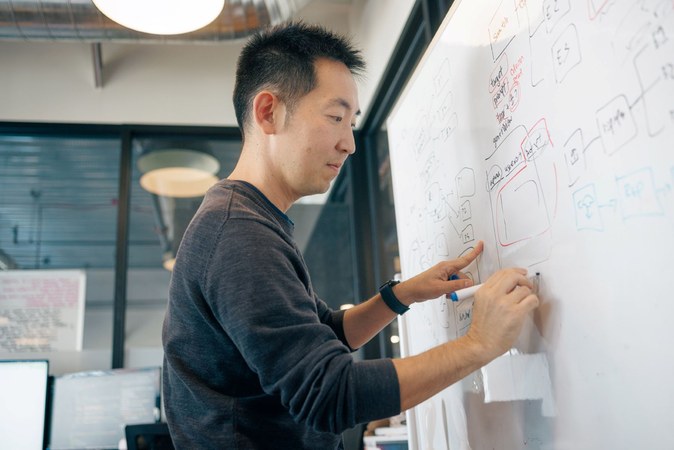
Eunjoon (EJ) Cho is the co-founder and CEO of Tofu, a San Mateo AI platform that automates personalized, multichannel B2B marketing at scale. A Stanford PhD who trained speech-recognition neural networks at Google and worked at Meta, Affirm and Fast, Cho spent years mapping the generative-AI landscape before ChatGPT opened the door. He started Tofu with Honglei Liu and Elaine Zelby in 2023, raised about $17M from SignalFire, Index Ventures and HubSpot Ventures, and grew revenue 12x in roughly a year by replacing the bloated stack of point tools marketers juggle with one platform that ships finished assets.
Max Ruderman
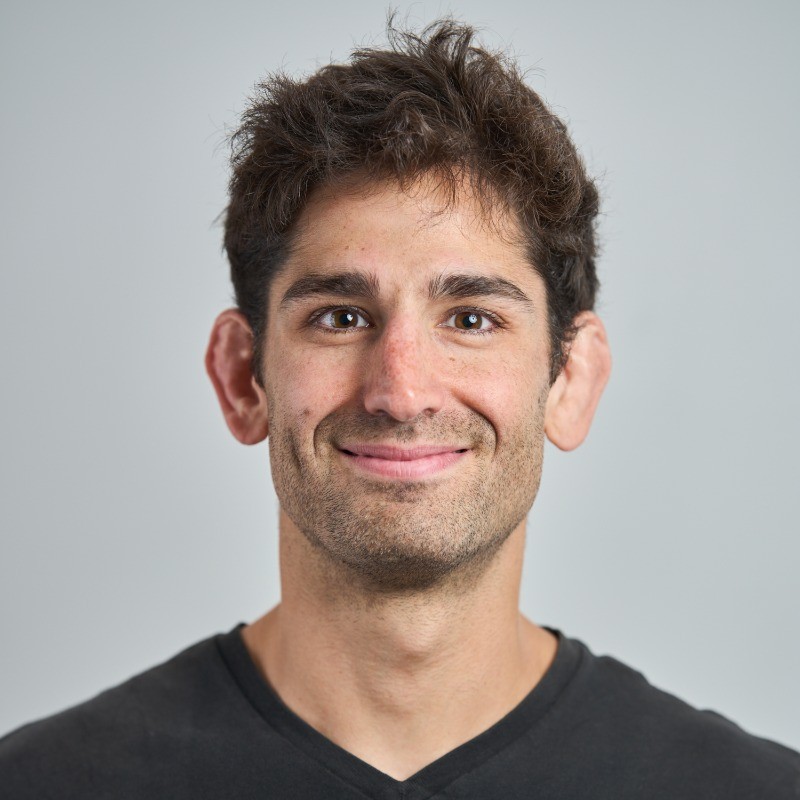
Max Ruderman is the CEO of Harmonic, a New York-based data company building what he calls 'the source of truth for startups.' A former Google engineer who turned to entrepreneurship after a jiu-jitsu injury sidelined him, Ruderman helped grow Harmonic from a tool that scraped Delaware corporate filings into a real-time startup database used by investors at Floodgate, Craft Ventures, a16z, Accel, and companies like Brex, Notion, and Carta. He started as COO and became CEO, steering the company toward AI-driven sourcing with an investment agent built on LangGraph.
Nhon Ma
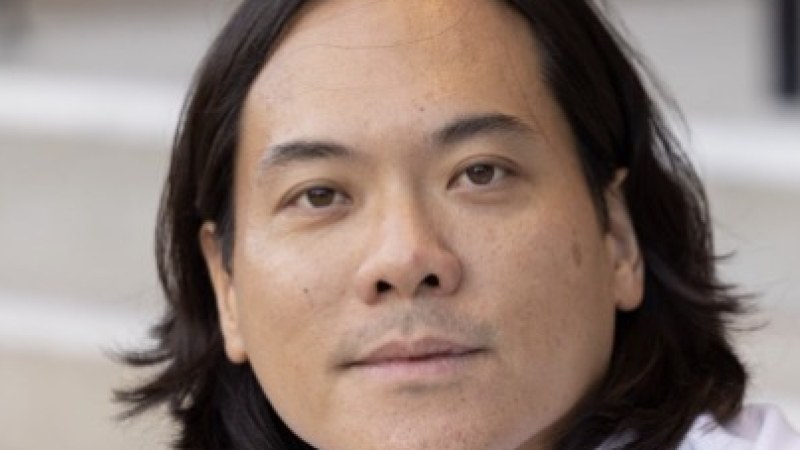
Nhon Ma is the CEO and co-founder of Numerade, a Los Angeles-based education technology company building AI-powered STEM tutoring at scale. The son of Vietnamese refugees who grew up in south-central LA, he turned a full-scholarship private-school education and a two-tour stint at Google into a mission to close the educational opportunity gap. Numerade hosts one of the largest STEM video libraries online and an AI tutor named Ace, and raised a $26M Series A at a roughly $100M valuation.

Tom Siegel
Tom Siegel is the co-founder and CEO of TrustLab, a San Mateo company building independent technology to detect and measure harmful online content. He spent roughly 15 years at Google, where he founded and scaled the company's first Trust & Safety team into the industry's leading abuse-fighting organization, protecting billions of users. In 2020 he left to build the external referee he felt the internet was missing - a third party that measures disinformation, hate speech, and AI-generated harm without a platform's conflict of interest. TrustLab was chosen by the European Commission to run the first independent measurement of disinformation under its Code of Practice.
Nate Okonkwo
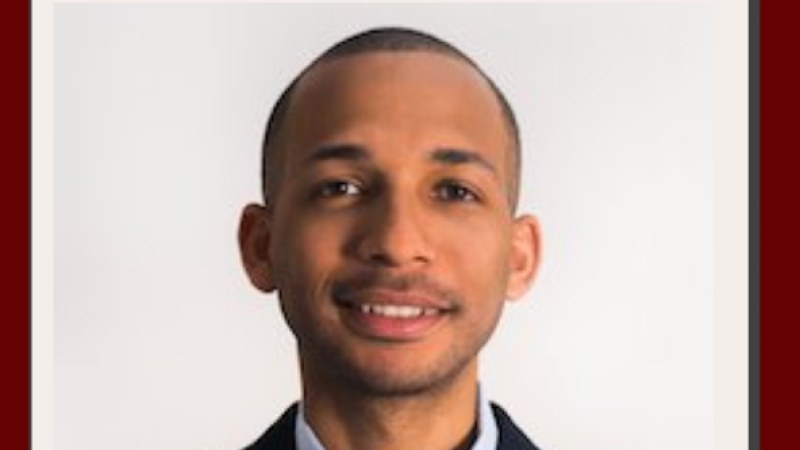
Nate Okonkwo (also known as Aneto Okonkwo) is the co-founder and CEO of Remarkable AI, the New York software company formerly called Chatdesk. After 7+ years at Google building Voice Search and the Google Assistant, he left to apply machine learning to customer service - an industry that employs millions and, in his view, was ripe for both better software and better jobs. His platform now helps more than 1,000 brands grow revenue through personalized messaging across email, social, and SMS, blending AI with human agents to hit 90%+ customer satisfaction.
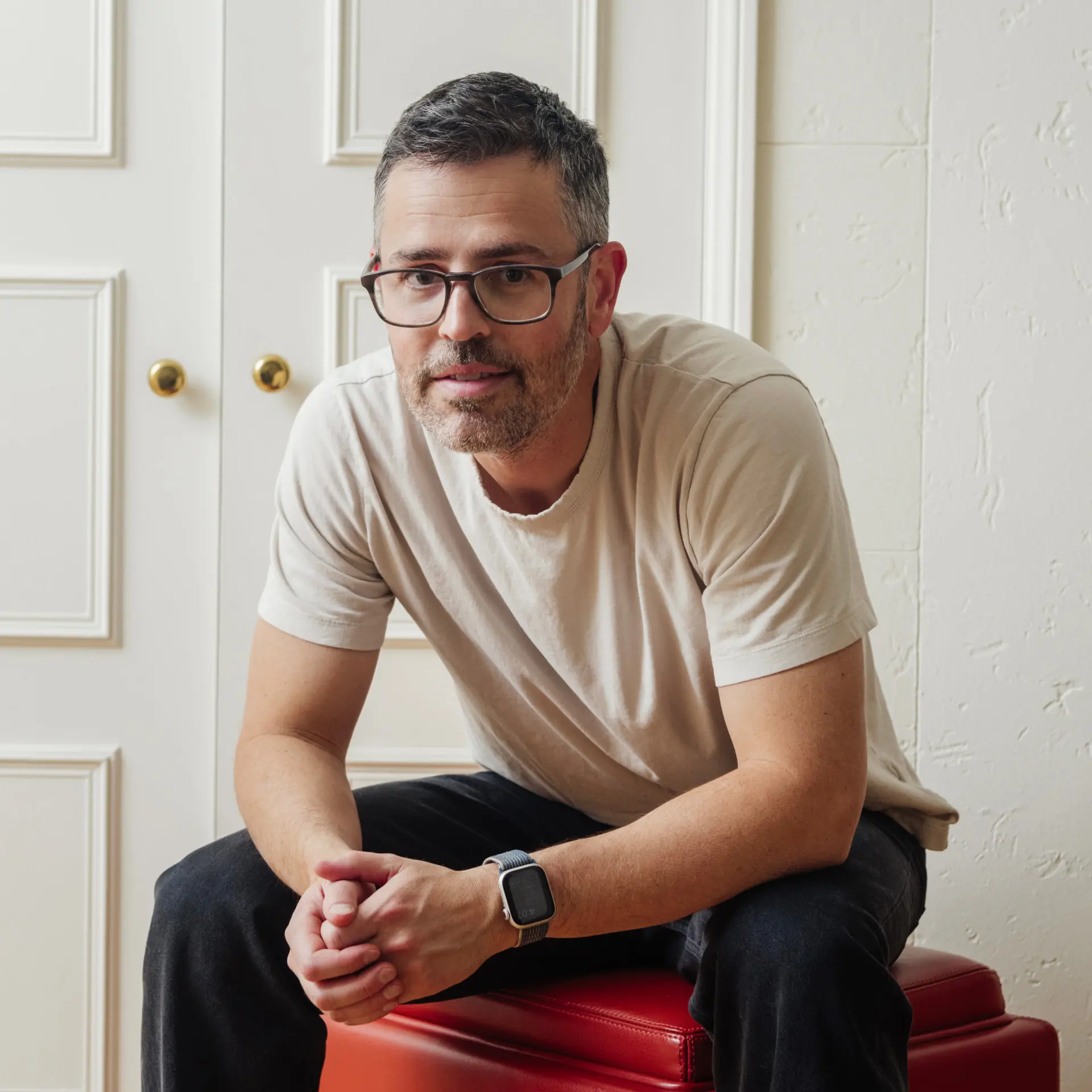
Zach Lloyd
Zach Lloyd is the founder and CEO of Warp, the Rust-based terminal that grew up into an agentic development environment. A former Google principal engineer who led the Docs and Sheets teams, he looked at the one tool every programmer touches and noticed it had barely changed in 40 years. Warp's answer: a command line that reads natural language, runs AI agents, and as of 2025 codes by prompt. The company has raised roughly $73-75M from Sequoia, GV, Dylan Field and Elad Gil, and went from its first $1M of ARR in 300-plus days to adding $1M every few days.
Yi Wang
Yi Wang is the co-founder and CEO of Liulishuo (LingoChamp / LAIX), the Shanghai-based company that built one of the world's first AI-powered English teachers. A Princeton PhD and ex-Google product manager, he returned to China in 2011 and shipped an app that climbed to the top of China's App Store within months, eventually serving tens of millions of learners and taking the company public on the NYSE in 2018.

MatX
MatX is a Mountain View semiconductor company building chips designed exclusively for large language models. Founded in 2022 by ex-Google TPU engineers Reiner Pope and Mike Gunter, it aims to deliver an order-of-magnitude more performance-per-dollar for frontier model training and inference than current GPUs.
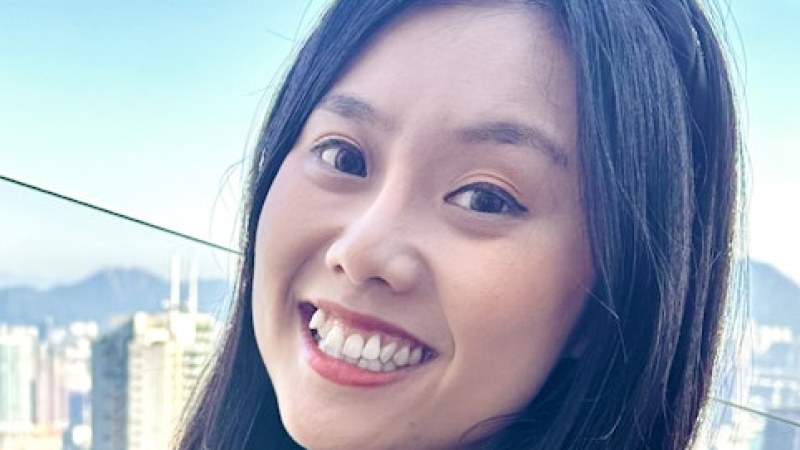
Coco Mao
Coco Mao is the CEO and co-founder of OpenArt AI, the creative platform that grew from a viral Hacker News post about AI image prompts to $70M+ ARR with just 20 people. A Carnegie Mellon computer scientist who spent seven years at Google building search products and the Tangi short-form video app, she left in 2022 to co-found OpenArt with CTO John Qiao. Under her leadership, OpenArt scaled 7x in 2025, reached 8 million monthly active users, raised a $30M Series A from Canaan Partners, and launched One-Click Story — a feature that lets anyone turn a single sentence into a complete video with persistent characters.