precision-oncology
(67)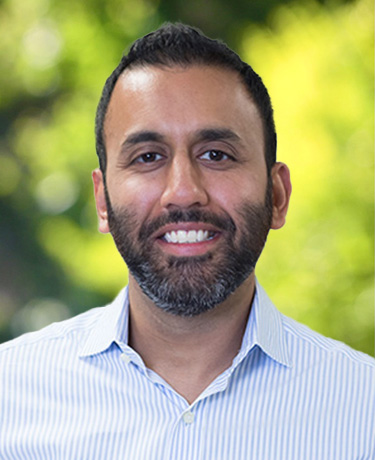
Vikram Joshi and the Business of Knowing What to Spare
A materials engineer learned to value experiments that fail. Two decades later, that habit sits at the commercial edge of a cell-therapy platform built to make an exquisitely difficult distinction: tumor from normal tissue.
The Cancer Clue That DNA Leaves Behind
Lucence built a blood test around a small but consequential idea: tumors speak in RNA as well as DNA. The difficult part was not only hearing the signal - it was making doctors, labs and Medicare listen.
The $90 Million Shortcut That Couldn’t Find a Payer
Driver built the whole road from a tumor sample to a treatment appointment. The missing piece was the one part no laboratory could manufacture: someone willing to pay.
Rezo Is Betting the Best Drug Targets Hide Between Proteins
Drug discovery usually isolates a culprit. Rezo maps the whole criminal network - then asks which handshake can be broken with a small molecule.
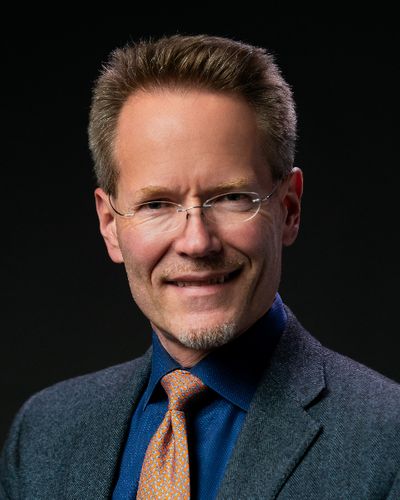
Axel Hoos Keeps Choosing the Empty Blueprint
He helped give immuno-oncology a working language, rebuilt an oncology operation after its cupboard was cleared, and turned a young biotech into a clinical-stage company. Now Axel Hoos is starting again.
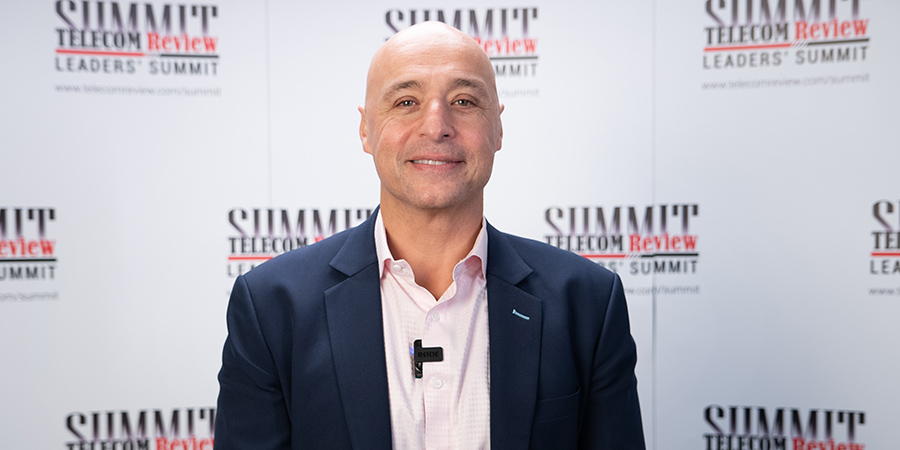
Andrew Feinberg Built a Career Turning Data Chaos Into Decisions
For nearly three decades, Andrew Feinberg has worked on the same stubborn problem in two very different rooms: how to turn overwhelming complexity into a useful next move.
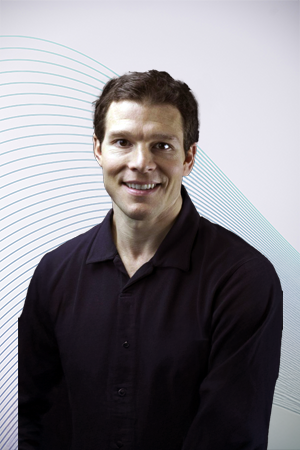
Brian Slingerland's Long Game Started With a Craigslist Ad
A finance graduate answered a housing problem with a classified ad and found a scientist instead. Two decades later, Brian Slingerland is still building companies where business discipline meets difficult biology.
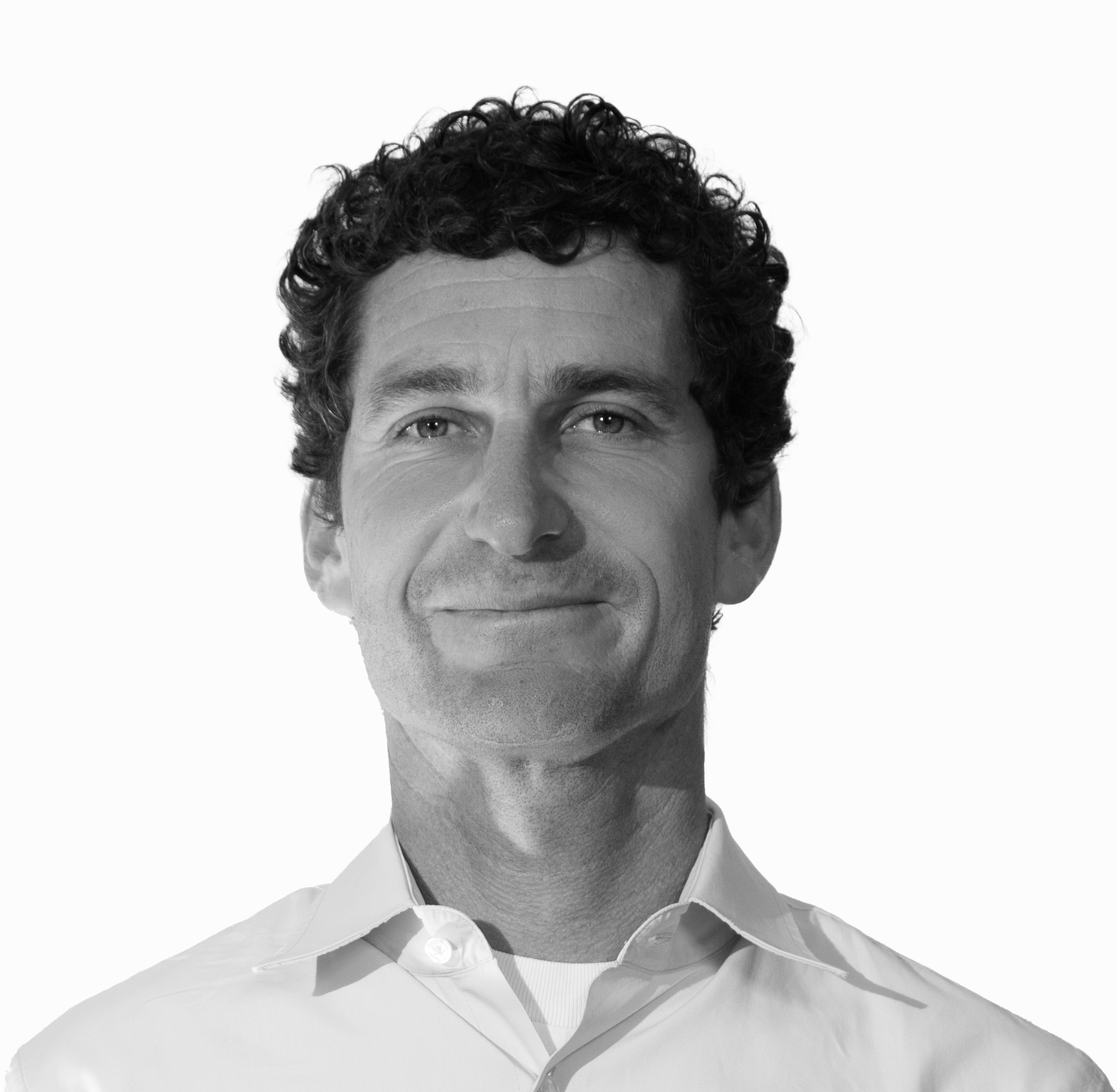
Pilgrim Jackson Is Teaching Cancer Drugs to Find Their People
After 13 years inside Celgene, the biochemist left to chase a stubborn question: what if a drug fails because its trial never found the patients whose proteins say yes?

The Urine Test That Reads Cancer's Mail Twelve Years Early
No scope, no needle - just a cup of urine and 60 genes worth of warning. Convergent Genomics is betting that bladder cancer leaves a paper trail years before a doctor can see it.
The Minneapolis Shop That Turns Lab IP Into Real Companies
Most venture firms write checks and wait. Invenshure hires the scientists, licenses the patents, and builds the company itself - one hard problem at a time.
Inside the Atlanta Startup Rewiring How Cancer Gets Decided
OncoLens turned the tumor board - medicine's oldest committee - into AI-backed software now running inside 225-plus cancer centers. It started with a daughter watching her father get conflicting advice.

Christian Apfel Is Betting on the Tumor, Not the Spreadsheet
The physician-scientist behind SageMedic built his career turning clinical uncertainty into compact decisions. Now he is applying the same habit to functional precision oncology, angel investing and the slow work of changing a standard.

Chris Apfel Is Building a Second Opinion for the Tumor Itself
The physician-scientist behind a globally used clinical score is now betting that live tumor evidence can make cancer treatment decisions less abstract, one microtumor at a time.
The Person Selling Certainty in a Business Built on Doubt
A marketing job at a company whose products live or die on trust, sold to buyers who read the footnotes. Here is what that work looks like from the inside.
The Quiet Machine Behind One in Three American Adults
Quest Diagnostics is easy to mistake for a chain of blood-draw centers. Its real product is a national system that moves specimens, data and decisions through American healthcare at unusual scale.
Adam Friedman
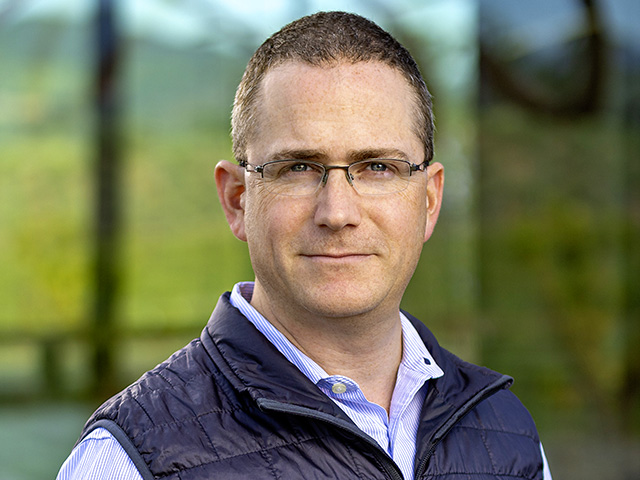
He took the name from the brightest star in the Scorpius constellation. Now Adam Friedman is betting a Boston biotech, and up to $1.9 billion in deals, on drugging the targets everyone else called impossible.
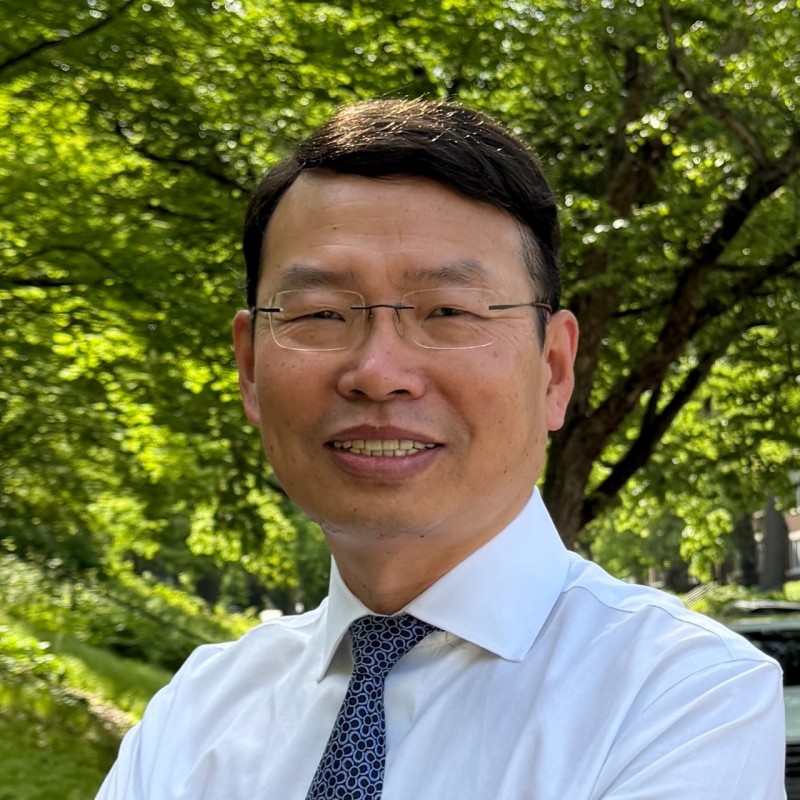
Shidong Jia
Shidong Jia, MD, PhD, is the founder and global CEO of Predicine, a Silicon Valley precision-oncology company building multi-omic liquid biopsy tests that read cancer from blood and urine. Trained as a physician-scientist at Harbin Medical University, Peking Union Medical College, Dana-Farber and Harvard, he ran oncology biomarker strategy at Genentech before leaving to start Predicine in 2015. His pitch is simple: precision diagnostics to enable precision medicine, built 'From Pharma, For Pharma.'
Ataraxis AI
Ataraxis AI is a New York-based precision-oncology company building AI-native cancer diagnostics. Founded in 2022 by physician-scientist Jan Witowski and AI researcher Krzysztof Geras, it developed Kestrel, a digital-pathology foundation model trained on hundreds of millions of tissue images. Its flagship platform, Ataraxis Breast, reads standard pathology slides to predict recurrence risk and estimate whether an individual patient will benefit from chemotherapy - reported to be roughly 30% more accurate than the current standard of care - returning results within about an hour and without additional tissue procedures.

BostonGene
BostonGene is a Waltham, Massachusetts biotechnology company that applies AI-driven multiomics to cancer. Its Tumor Portrait platform integrates DNA and RNA sequencing with immune and tumor-microenvironment analysis into a single test, producing molecular profiles that help oncologists select therapies and help pharmaceutical partners design trials, identify biomarkers, and accelerate drug development. Founded in 2015 and led by CEO Andrew Feinberg, the company reached unicorn status in 2022.
Ensem Therapeutics
Ensem Therapeutics is a Waltham, Massachusetts clinical-stage biotech using its Kinetic Ensemble platform - a blend of AI/ML, molecular simulation, and experimental biophysics - to find cryptic and allosteric pockets in proteins that are otherwise considered difficult to drug. The company designs small-molecule precision medicines for cancer, with two lead programs: ETX-636, an allosteric pan-mutant-selective PI3Kalpha inhibitor and degrader for breast cancer (FDA Fast Track), and ETX-197/BG-68501, a selective CDK2 inhibitor partnered with BeiGene.
K36 Therapeutics, Inc.
K36 Therapeutics is a Cambridge, Massachusetts clinical-stage biotech developing first-in-class oral small-molecule inhibitors of NSD2/MMSET, an epigenetic enzyme that drives hard-to-treat cancers. Its lead candidate, gintemetostat (KTX-1001), is in Phase 1 for relapsed/refractory multiple myeloma carrying the t(4;14) translocation, and a second program, KTX-2001, targets metastatic castration-resistant prostate cancer. Backed by Atlas Venture, F-Prime Capital, Eight Roads Ventures, Nextech Invest and Bristol Myers Squibb, K36 has raised roughly $100M+ to translate chromatin biology into precision cancer medicines.
PAQ Therapeutics
PAQ Therapeutics is a clinical-stage biotechnology company in Burlington, Massachusetts developing a new class of small-molecule degraders that harness autophagy, the body's natural cellular recycling system, to destroy disease-causing proteins. Its proprietary ATTEC (autophagosome-tethering compound) platform aims to eliminate targets that traditional inhibitors cannot reach. The company's lead programs are KRAS degraders - PT0253, a selective KRAS G12D degrader, and PT0511, a pan-KRAS degrader - both in Phase 1 clinical trials for lung, colorectal and pancreatic cancers driven by KRAS mutations.

Pathos AI
Pathos AI is an AI-driven biotech company building what it describes as one of the largest multimodal foundation models in oncology. By combining millions of clinical, molecular, and imaging records with proprietary AI, Pathos aims to identify the right patients for a given therapy, design smarter adaptive clinical trials, and de-risk cancer drug development. Founded in 2020 by Eric Lefkofsky and Ryan Fukushima and led since 2025 by CEO Iker Huerga, the company raised a $365 million Series D that valued it at roughly $1.6 billion.
Scorpion Therapeutics
Scorpion Therapeutics was a Boston-based, clinical-stage precision oncology company built to advance what it called "Precision Oncology 2.0" - pairing cancer biology, computational chemistry, medicinal chemistry and genomics to design small-molecule drugs against cancer targets that had resisted earlier approaches. Founded in 2020 by a group of prominent scientists and biotech operators, it raised more than $440 million and built a pipeline of mutant-selective inhibitors, most notably the PI3K-alpha inhibitor STX-478 and a franchise of fourth-generation EGFR inhibitors. In January 2025 Eli Lilly agreed to acquire the company and its PI3K-alpha program in a deal worth up to $2.5 billion, while Scorpion's remaining pipeline and staff were spun into a new independent company, Antares Therapeutics.
Triomics
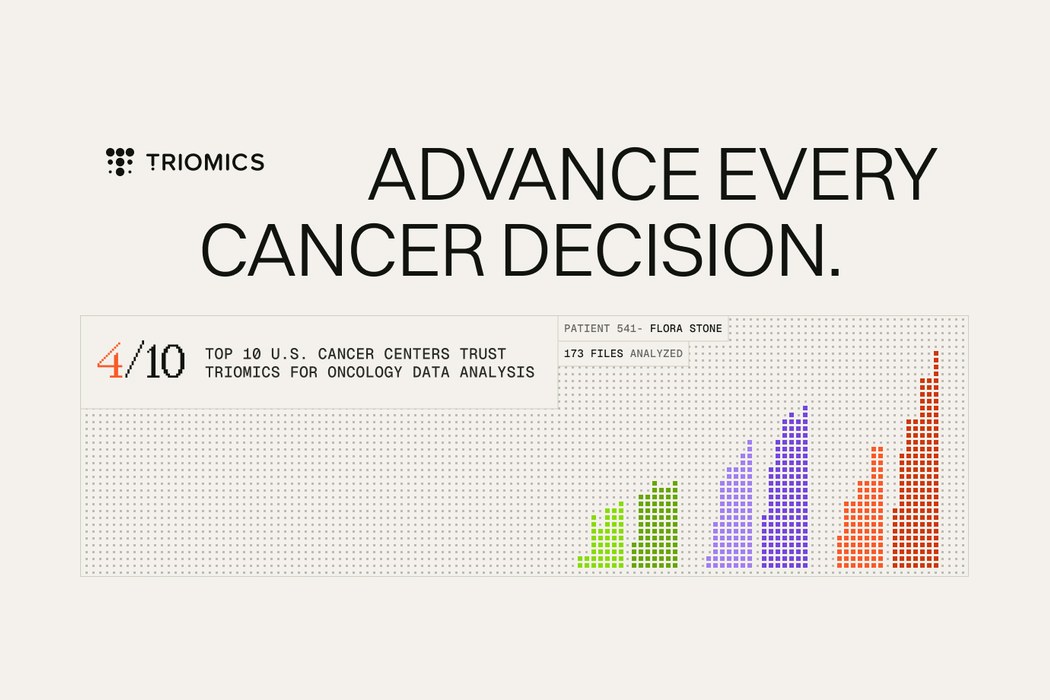
Triomics builds oncology-specific AI infrastructure that turns messy, unstructured cancer patient records into structured, cited, actionable data. Its OncoLLM engine and workflow agents automate clinical trial matching, visit preparation, and cancer registry reporting for leading cancer centers, cutting manual chart review time while increasing trial enrollment. Founded in 2021 and headquartered in New York, the company is used by 4 of the top 10 U.S. cancer hospitals and raised a $22M Series B led by Battery Ventures in May 2026.
Katherine Bowdish
Katherine (Kathy) Bowdish is a molecular geneticist and biopharmaceutical leader who serves as President and CEO of PIC Therapeutics, a Natick, Massachusetts biotech developing cancer drugs that work by modulating RNA translation - targeting the eIF4E 'master switch' that tumors use to overproduce oncogene proteins. Over more than two decades she has founded and led a string of early-stage life science companies including Prolifaron (acquired by Alexion), Anaphore and Permeon Biologics, and she built and ran Sanofi Sunrise, the pharma giant's early-stage venture and partnering arm. She holds a PhD in molecular genetics from Columbia and led PIC through a $35 million Series A to push its lead program toward the clinic in drug-resistant breast cancer.

AmMax Bio., Inc.
AmMax Bio is a clinical-stage biotechnology company in Redwood City, California, developing first-in-class cancer therapeutics built on a CSF1R-targeting antibody platform. Founded in 2020 by pharmaceutical veteran Larry Hsu, PhD, in partnership with Amgen, the company advances a pipeline that spans a monoclonal antibody for tenosynovial giant cell tumor (TGCT), a therapy for colorectal cancer minimal residual disease (in partnership with MD Anderson), and a lead antibody-drug conjugate, AMB-104, for acute myeloid leukemia. AmMax's strategy is to de-risk development by combining clinically validated antibodies with established linker-payload technology.
NEOK Bio
NEOK Bio is a Palo Alto-based clinical-stage biotechnology company developing bispecific antibody drug conjugates (ADCs) for solid tumors. Founded and led by physician-executive Mayank Gandhi and backed by Korean antibody specialist ABL Bio, NEOK launched from stealth in November 2025 with a $75 million Series A. Its dual-targeting approach binds two complementary tumor antigens at once, aiming to widen the therapeutic window and overcome the resistance and toxicity limits of conventional single-target ADCs. The company's two lead programs, NEOK001 (ROR1/B7-H3) and NEOK002 (EGFR/MUC1), both cleared FDA IND review in early 2026 and are headed into Phase 1 studies.
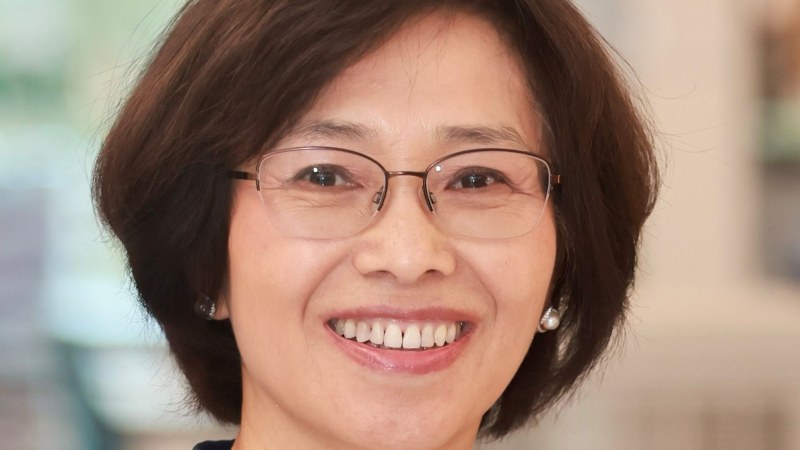
Shengfang Jin
Shengfang Jin is a co-founder and the President and CEO of Ensem Therapeutics, a Waltham, Massachusetts biotech developing small-molecule cancer drugs by targeting protein pockets that only exist while the protein is in motion. Under Jin, Ensem built its Kinetic Ensemble platform, took its first CDK2 inhibitor into the clinic, and its ETX-636 breast cancer program earned FDA Fast Track designation. She trained at Tufts and Harvard, spent years at Agios helping deliver first-in-class cancer metabolism drugs, and then ran discovery biology at Editas before starting Ensem.

Terrence Connolly
Terrence (Terry) Connolly is a chemist-turned-dealmaker who runs K36 Therapeutics, a Cambridge, Massachusetts biotech chasing a single target: NSD2/MMSET, an epigenetic switch that drives hard-to-treat cancers. A Ph.D. organic chemist who started at the lab bench making molecules at Roche, Wyeth and Celgene, he crossed over into business development at Celgene, closed more than two dozen deals, then ran the business side at Skyhawk and Dragonfly. In 2021 he took the top job at K36, and now steers its lead compounds KTX-1001 (for t(4;14) multiple myeloma) and KTX-2001 (for treatment-resistant prostate cancer) through early clinical trials, backed by a $70 million Series B led by Nextech Invest with Bristol Myers Squibb participating.