precision-oncology
(30)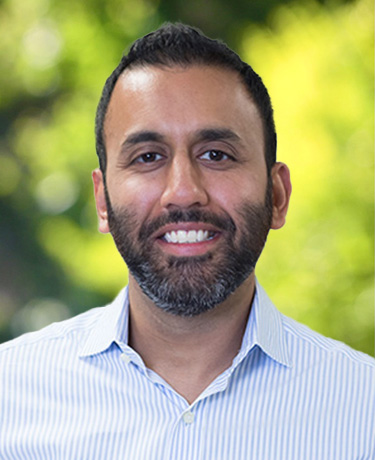
Vikram Joshi and the Business of Knowing What to Spare
A materials engineer learned to value experiments that fail. Two decades later, that habit sits at the commercial edge of a cell-therapy platform built to make an exquisitely difficult distinction: tumor from normal tissue.
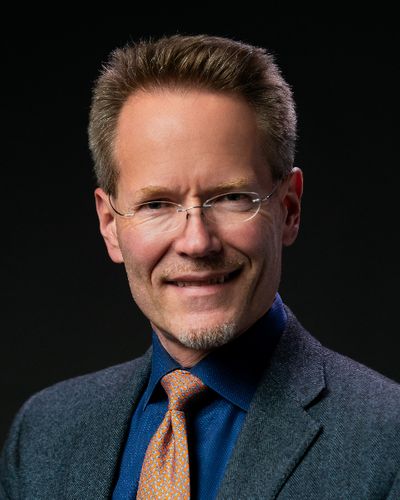
Axel Hoos Keeps Choosing the Empty Blueprint
He helped give immuno-oncology a working language, rebuilt an oncology operation after its cupboard was cleared, and turned a young biotech into a clinical-stage company. Now Axel Hoos is starting again.
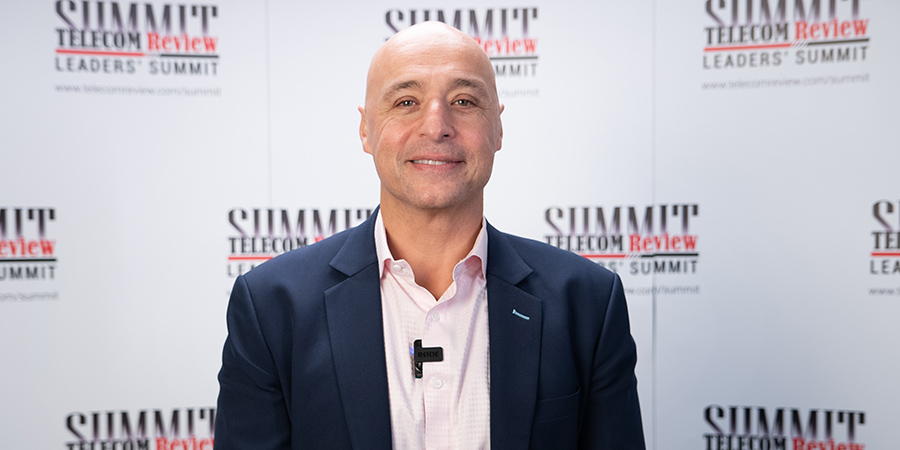
Andrew Feinberg Built a Career Turning Data Chaos Into Decisions
For nearly three decades, Andrew Feinberg has worked on the same stubborn problem in two very different rooms: how to turn overwhelming complexity into a useful next move.
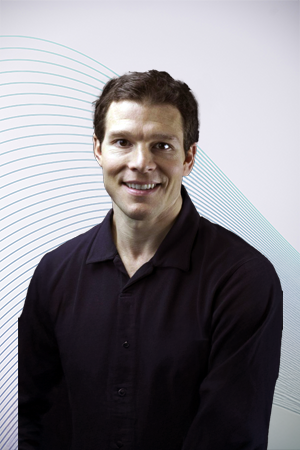
Brian Slingerland's Long Game Started With a Craigslist Ad
A finance graduate answered a housing problem with a classified ad and found a scientist instead. Two decades later, Brian Slingerland is still building companies where business discipline meets difficult biology.
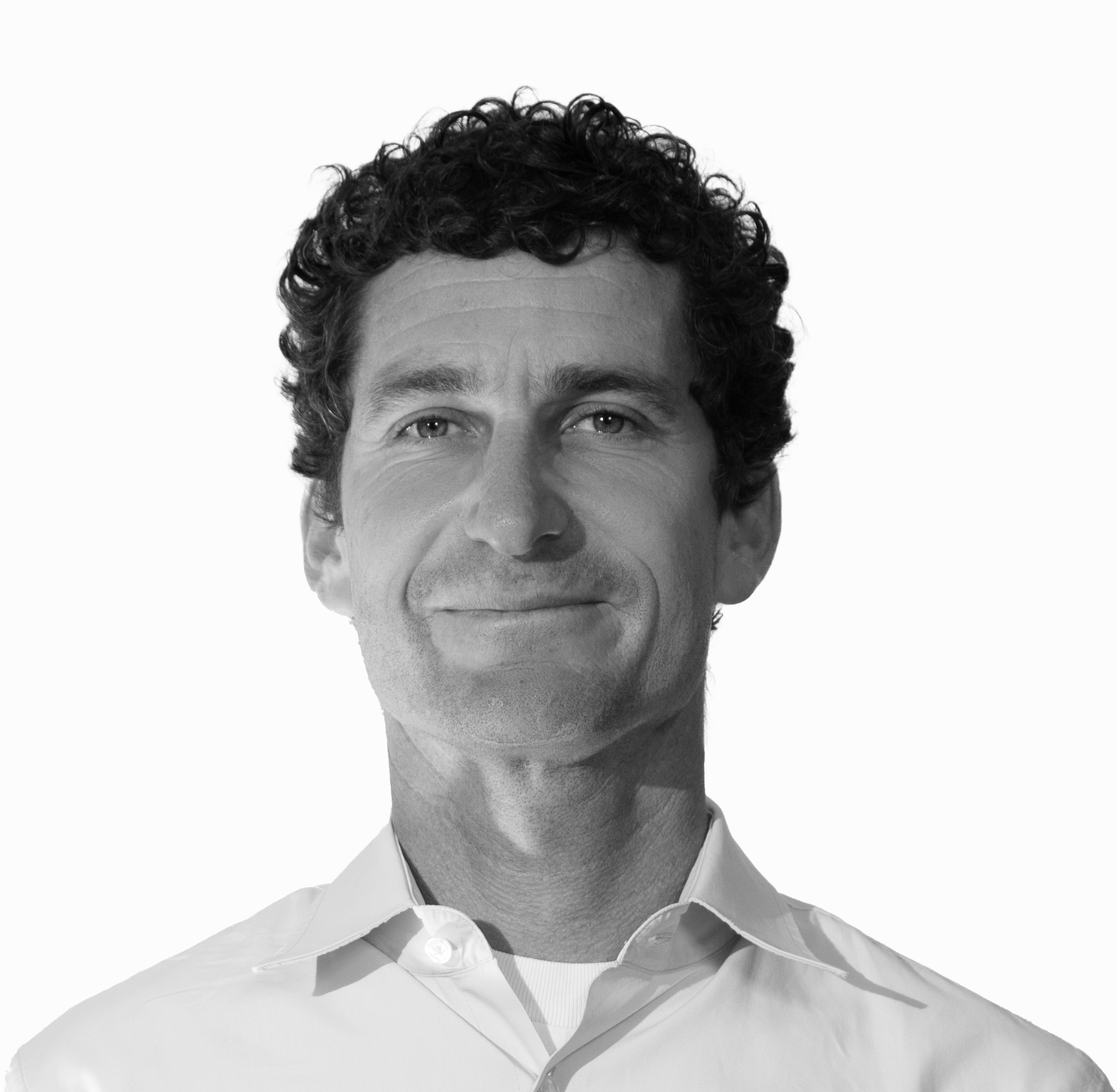
Pilgrim Jackson Is Teaching Cancer Drugs to Find Their People
After 13 years inside Celgene, the biochemist left to chase a stubborn question: what if a drug fails because its trial never found the patients whose proteins say yes?
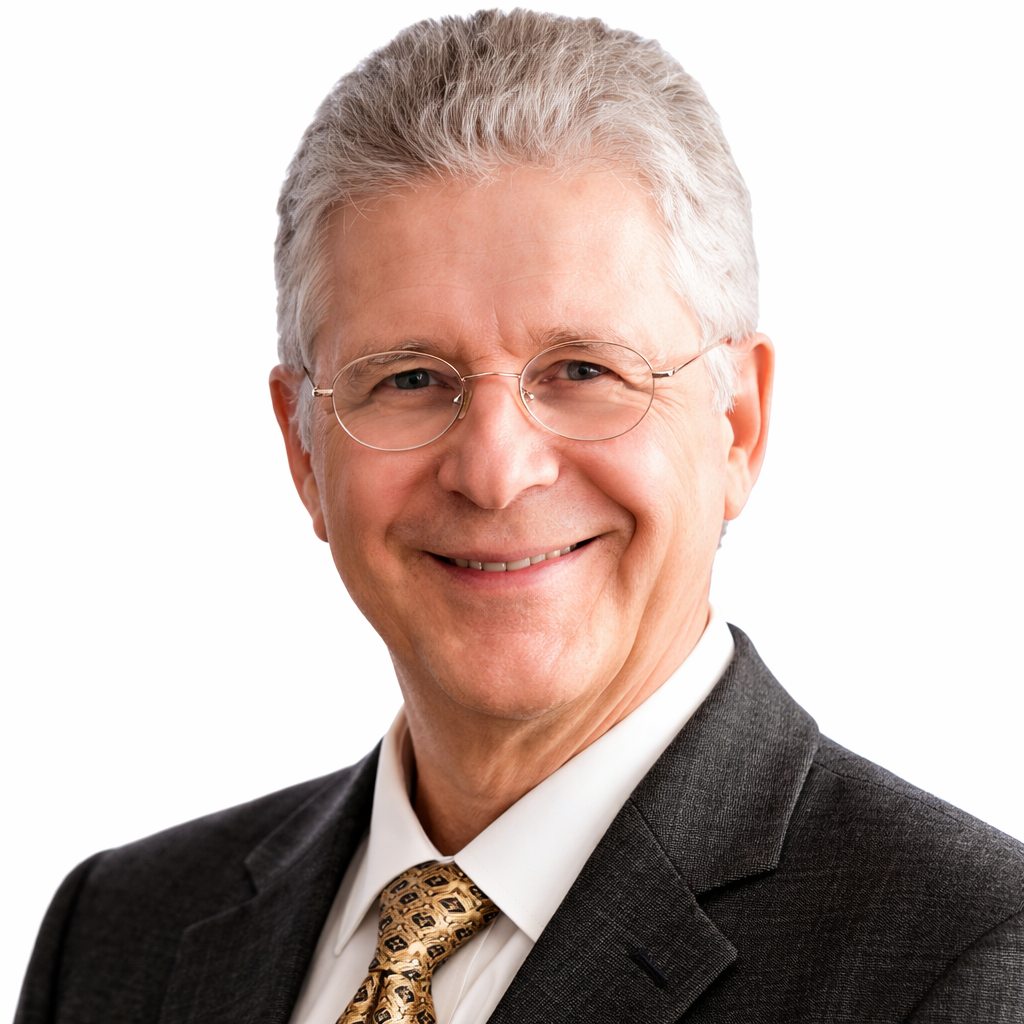
Christian Apfel Is Betting on the Tumor, Not the Spreadsheet
The physician-scientist behind SageMedic built his career turning clinical uncertainty into compact decisions. Now he is applying the same habit to functional precision oncology, angel investing and the slow work of changing a standard.
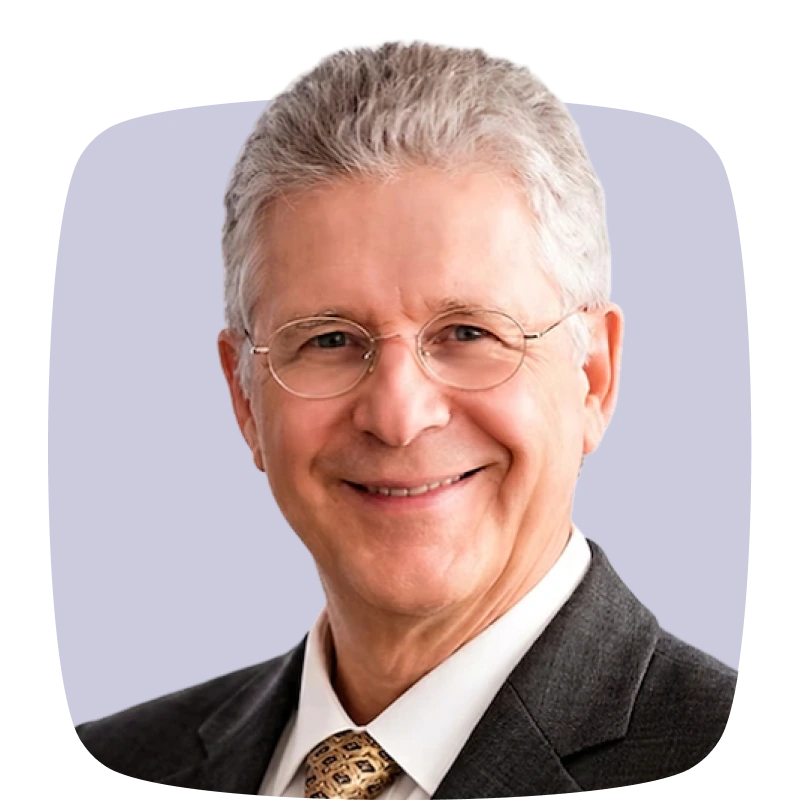
Chris Apfel Is Building a Second Opinion for the Tumor Itself
The physician-scientist behind a globally used clinical score is now betting that live tumor evidence can make cancer treatment decisions less abstract, one microtumor at a time.
The Person Selling Certainty in a Business Built on Doubt
A marketing job at a company whose products live or die on trust, sold to buyers who read the footnotes. Here is what that work looks like from the inside.
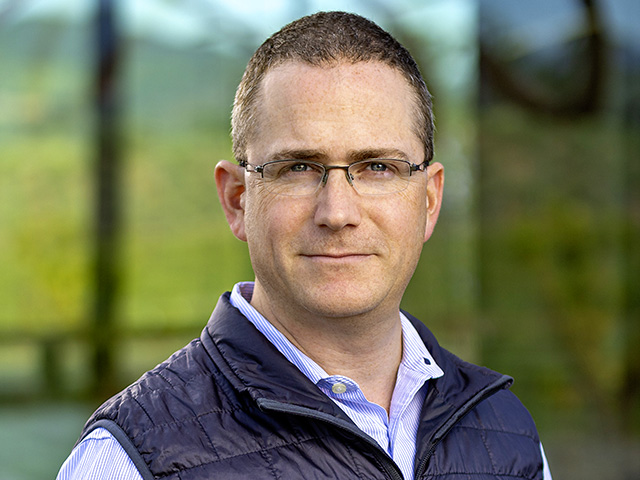
Adam Friedman
He took the name from the brightest star in the Scorpius constellation. Now Adam Friedman is betting a Boston biotech, and up to $1.9 billion in deals, on drugging the targets everyone else called impossible.
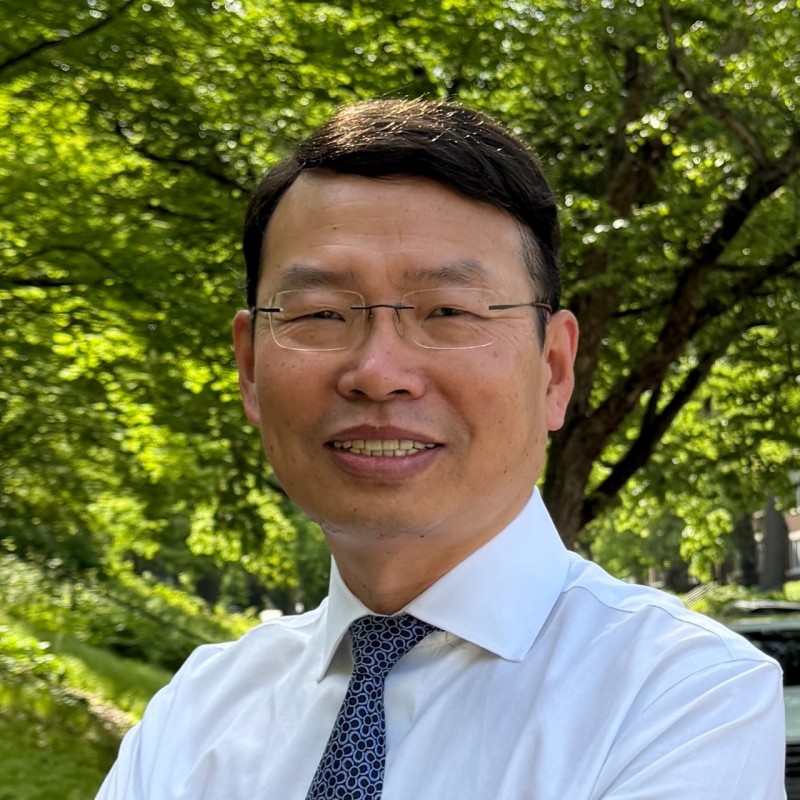
Shidong Jia
Shidong Jia, MD, PhD, is the founder and global CEO of Predicine, a Silicon Valley precision-oncology company building multi-omic liquid biopsy tests that read cancer from blood and urine. Trained as a physician-scientist at Harbin Medical University, Peking Union Medical College, Dana-Farber and Harvard, he ran oncology biomarker strategy at Genentech before leaving to start Predicine in 2015. His pitch is simple: precision diagnostics to enable precision medicine, built 'From Pharma, For Pharma.'
Katherine Bowdish
Katherine (Kathy) Bowdish is a molecular geneticist and biopharmaceutical leader who serves as President and CEO of PIC Therapeutics, a Natick, Massachusetts biotech developing cancer drugs that work by modulating RNA translation - targeting the eIF4E 'master switch' that tumors use to overproduce oncogene proteins. Over more than two decades she has founded and led a string of early-stage life science companies including Prolifaron (acquired by Alexion), Anaphore and Permeon Biologics, and she built and ran Sanofi Sunrise, the pharma giant's early-stage venture and partnering arm. She holds a PhD in molecular genetics from Columbia and led PIC through a $35 million Series A to push its lead program toward the clinic in drug-resistant breast cancer.
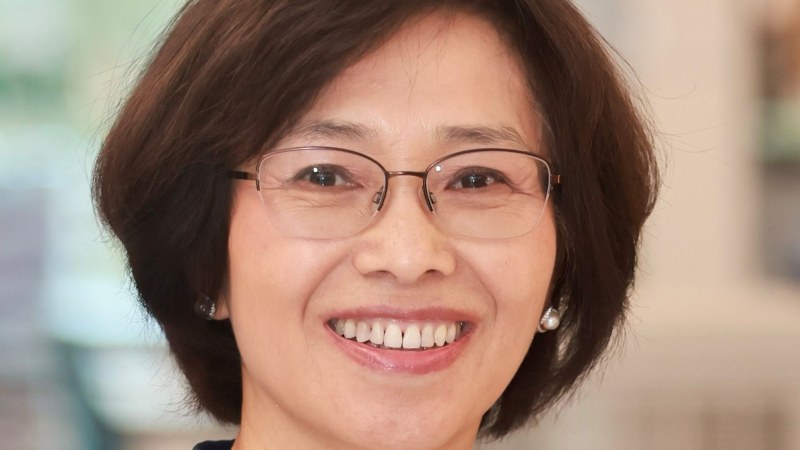
Shengfang Jin
Shengfang Jin is a co-founder and the President and CEO of Ensem Therapeutics, a Waltham, Massachusetts biotech developing small-molecule cancer drugs by targeting protein pockets that only exist while the protein is in motion. Under Jin, Ensem built its Kinetic Ensemble platform, took its first CDK2 inhibitor into the clinic, and its ETX-636 breast cancer program earned FDA Fast Track designation. She trained at Tufts and Harvard, spent years at Agios helping deliver first-in-class cancer metabolism drugs, and then ran discovery biology at Editas before starting Ensem.
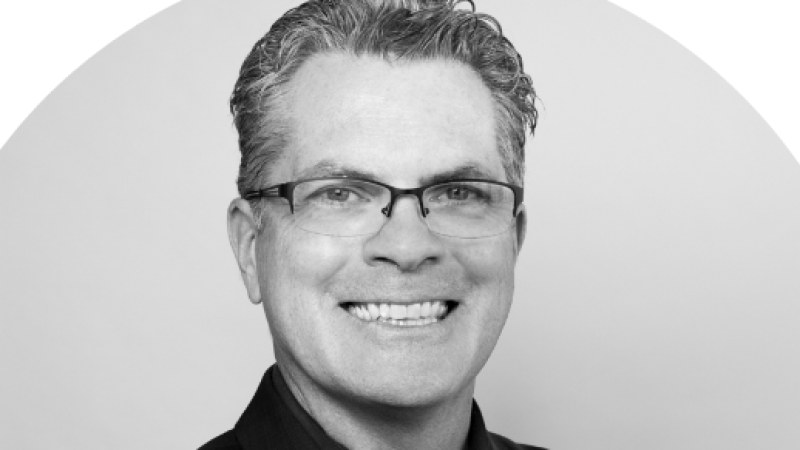
Terrence Connolly
Terrence (Terry) Connolly is a chemist-turned-dealmaker who runs K36 Therapeutics, a Cambridge, Massachusetts biotech chasing a single target: NSD2/MMSET, an epigenetic switch that drives hard-to-treat cancers. A Ph.D. organic chemist who started at the lab bench making molecules at Roche, Wyeth and Celgene, he crossed over into business development at Celgene, closed more than two dozen deals, then ran the business side at Skyhawk and Dragonfly. In 2021 he took the top job at K36, and now steers its lead compounds KTX-1001 (for t(4;14) multiple myeloma) and KTX-2001 (for treatment-resistant prostate cancer) through early clinical trials, backed by a $70 million Series B led by Nextech Invest with Bristol Myers Squibb participating.
Gene Dolgoff
Gene Dolgoff is the founder, CEO, CTO, and Chairman of Holobeam Technologies, a Long Island biotech building holographic tools to detect and treat cancer. He has been making holograms since 1964, holds over 65 patents worldwide, built the world's first LCD projector, and consulted with Gene Roddenberry on the concept that became the Star Trek Holodeck. Today his company is developing Holographic Energy Teleportation (HET), advanced nanoparticles, and a new class of MRI imaging - aiming, in his words, to teleport energy through the body to kill cancer cells.
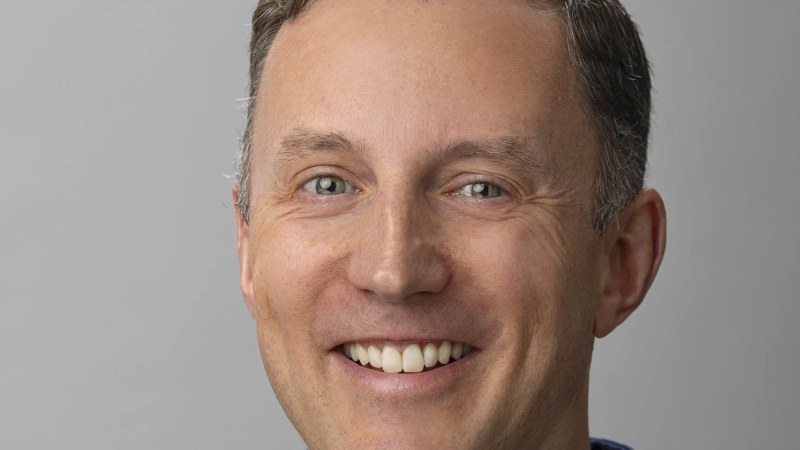
Andy Kidd
Andy Kidd is the chief executive officer of Tentarix Biotherapeutics, a San Diego company building conditionally active multispecific biologics for oncology and autoimmune disease through its Tentacles platform. A physician turned operator, he carries an unusual pairing of credentials - an M.D. from Oxford and a CFA - and spent over two decades crossing from the consulting room into the boardroom, from Boston Consulting Group to Baxter International to the helm of Nasdaq-listed Aptinyx, which he took public. He stepped into the Tentarix CEO seat in April 2024 to scale a science-heavy startup backed by partnerships with Gilead and AbbVie.
Asit Parikh
Asit Parikh is a physician-scientist turned biotech chief executive who runs MOMA Therapeutics, a Cambridge, Massachusetts company built around the idea of systematically drugging molecular machines - the highly dynamic, shape-shifting proteins that most drug hunters avoid. An MD-PhD trained at Vanderbilt with clinical roots in gastroenterology, he spent two decades at Millennium and Takeda, where he helped steer the inflammatory bowel disease drug vedolizumab (Entyvio) from research to global blockbuster, before taking the CEO seat at MOMA in 2021. He has since raised a $150 million Series B and signed a roughly $2 billion partnership with Roche to push precision cancer medicines toward the clinic.
Darrin Miles
Darrin Miles is the President and CEO of Nested Therapeutics, a Cambridge, Massachusetts precision oncology company that launched in 2022 with $125 million in financing to hunt for cancer-driving mutations hiding in plain sight. A commercialization leader with more than two decades in healthcare, Miles spent 14 years at Genentech shepherding landmark cancer brands and later served as Chief Commercial Officer at Agios Pharmaceuticals, where he helped bring the first mutant-IDH therapies to acute myeloid leukemia patients. At Nested, he is translating computational biophysics, genomics, and chemical biology into drugs aimed at targets the rest of the field calls undruggable.
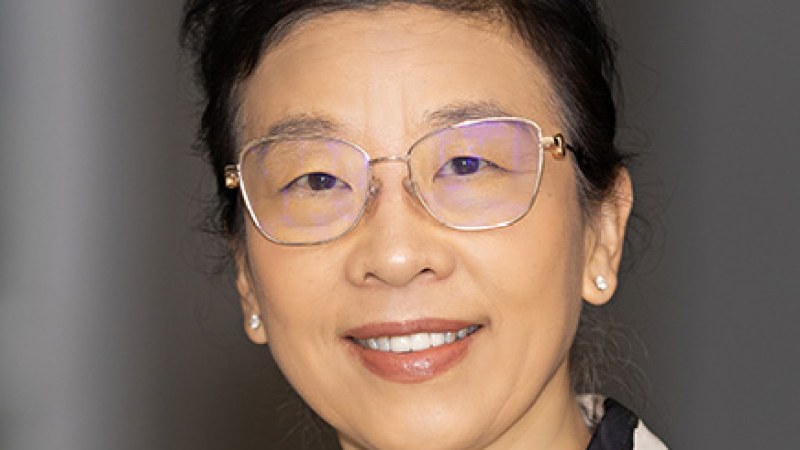
Jean Cui
J. Jean Cui is a medicinal chemist who has invented three FDA-approved cancer medicines and now runs the biotech she founded to do it again. As scientific founder, President and CEO of BlossomHill Therapeutics in San Diego, she designs small molecules built to outmaneuver the resistance mutations that defeat earlier drugs. Her crizotinib, lorlatinib and repotrectinib all began as chemistry problems she solved at the molecular level. In 2024 she was elected to the National Academy of Engineering. Her track record includes co-founding Turning Point Therapeutics, which Bristol Myers Squibb bought for $4.1 billion.
Jeff Elton
Jeff Elton, Ph.D., is the founding CEO and now Vice Chairman of ConcertAI, a Cambridge-based company building generative and predictive AI on the world's largest multi-modal oncology dataset. He grew the company from a 2017 startup into a roughly $1.9 billion business with about 1,300 employees, acquiring TeraRecon's imaging technology and ASCO's CancerLinQ network along the way. A former Accenture managing director, Novartis research COO, and McKinsey partner, he co-authored the widely cited book Healthcare Disrupted and chairs the MassBio board.

Michael Vidne
Michael Vidne is a Columbia-trained applied mathematician turned biotech founder who has spent the last decade moving cancer medicine from the lab bench to the clinic. He led the diagnostics company NovellusDx as CEO, steered its pivot into the precision-oncology drug developer Fore Biotherapeutics, and now builds at the intersection of AI, data, and healthcare as founder and CEO of the stealth-mode Baobab Therapeutics. His through-line: using rigorous models of complex systems - first neurons firing in the retina, later signaling pathways inside a tumor cell - to make treatment decisions that actually fit the patient in front of you.
Michael Milburn
Michael V. Milburn is the CEO and President of GeneCentric Therapeutics, a Durham, North Carolina biotech building RNA-based liquid biopsy tools that read a tumor's behavior from a single tube of blood. A structural biologist by training, he helped solve the first crystal structures of the Ras cancer protein at Berkeley in the late 1980s, then spent decades building research engines at Sirtris, Plexxikon, and Metabolon before taking the top job at GeneCentric in 2019. His current bet: that the fragments of DNA shed by tumors carry enough information to infer gene expression, not just mutations, turning a blood draw into a near-complete molecular portrait of cancer.
Perry Nisen
Perry Nisen is a physician-scientist and CEO of Quanta Therapeutics, a South San Francisco biotech building next-generation oral KRAS inhibitors for RAS-driven cancers. A former pediatric oncologist turned pharma executive, he ran the GSK oncology portfolio later acquired by Novartis for over $16 billion, led the Sanford Burnham Prebys research institute, and serves on Teva's board. He now chases the 'undruggable' mutations that drive a quarter of all human cancers.
Philip Kantoff
Philip Kantoff is a medical oncologist who spent three decades shaping how the world treats prostate cancer, then walked away from running medicine at one of the country's largest cancer hospitals to start a company. As co-founder and CEO of Convergent Therapeutics in Cambridge, Massachusetts, he is developing CONV01-alpha, an alpha-emitting radioantibody that hunts down prostate tumor cells and irradiates them at close range. He has published more than 500 papers, been cited over 85,000 times, mentored a generation of oncology leaders, and at an age when most peers retire, raised $90 million in Series A funding to bring a new class of cancer therapy into the clinic.
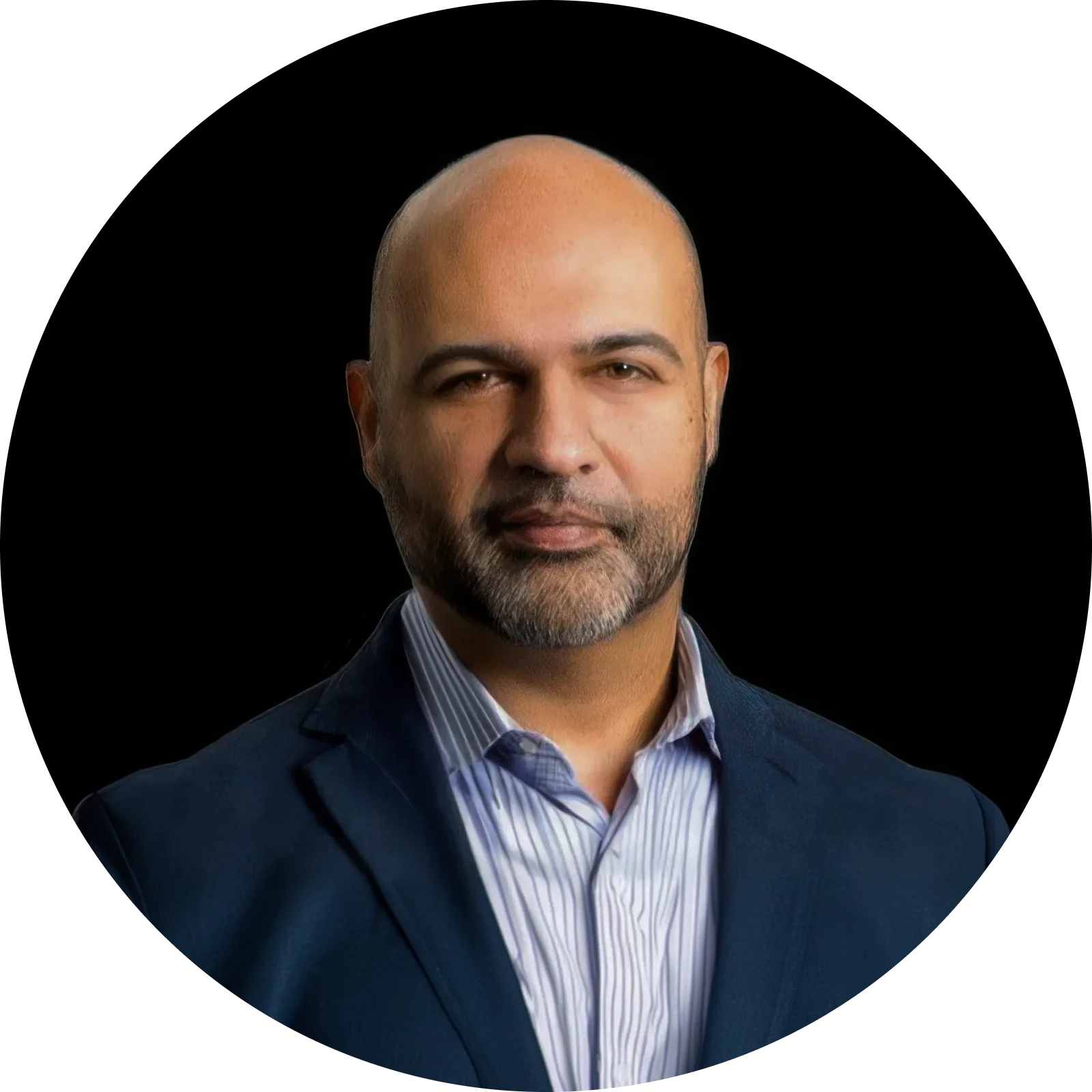
Shafique Virani
Shafique Virani is a neurosurgeon-turned-biotech dealmaker who serves as Chief Business Officer of Noetik, an AI-native cancer therapeutics company in South San Francisco. He has spent two decades turning early-stage science into landmark partnerships, including one of the largest drug discovery deals ever struck at Recursion, and earlier built a neuroscience and rare-disease portfolio at Roche/Genentech that produced approved medicines like Risdiplam and Enspryng. At Noetik he is selling a new idea to pharma: not AI services, but licensable AI infrastructure for biology.
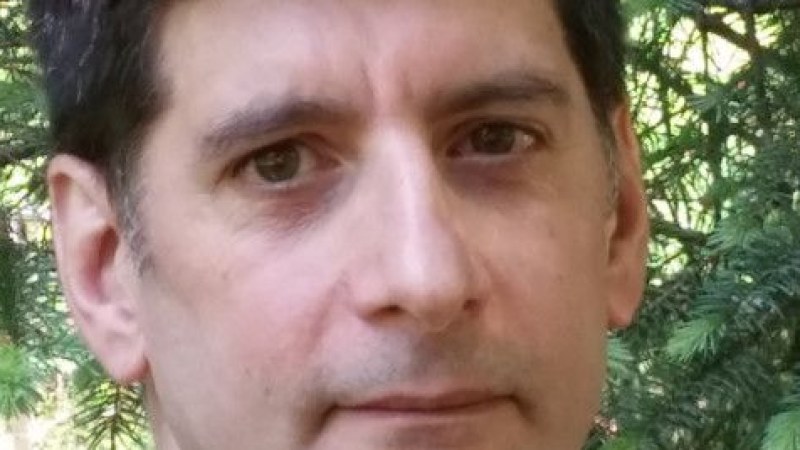
Stephen Rubino
Stephen Rubino is the CEO of Sporos Bioventures, a Houston-based biotech that runs cancer drug development as a portfolio rather than a single bet. A Cornell-trained virologist with a Baruch MBA, he spent three decades in business development and commercial roles at Schering-Plough, Novartis, Celyad Oncology and Fortress Biotech before taking the helm at Sporos in 2022, where the lead program is SPR1, a next-generation TEAD inhibitor aimed at hard-to-drug cancers.
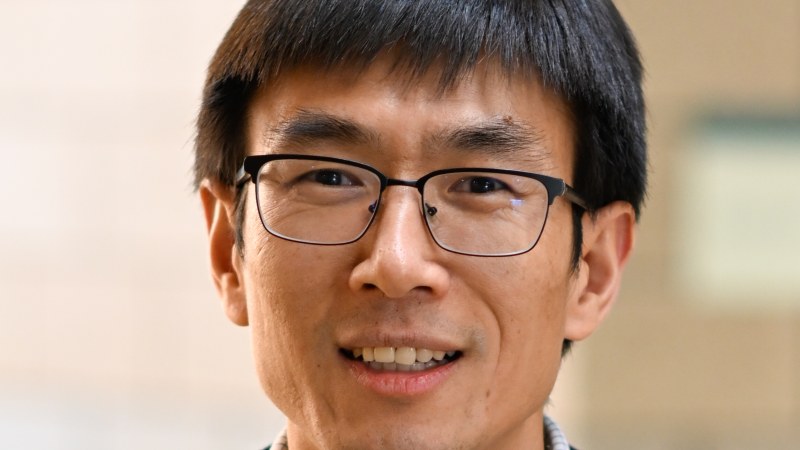
Wenqing Yao
Wenqing Yao is the founder and CEO of Synnovation Therapeutics, a precision-oncology biotech in Wilmington, Delaware. A medicinal chemist by training, he spent nearly two decades at Incyte building and leading its discovery chemistry engine, a stretch that produced five FDA-approved drugs including Jakafi. In 2021 he left to start Synnovation, which launched publicly in January 2024 with a $102 million Series A to advance best-in-class small molecules against highly validated targets, led by a CNS-penetrant, isoform-selective PARP1 inhibitor and a mutant-selective PI3K-alpha inhibitor.
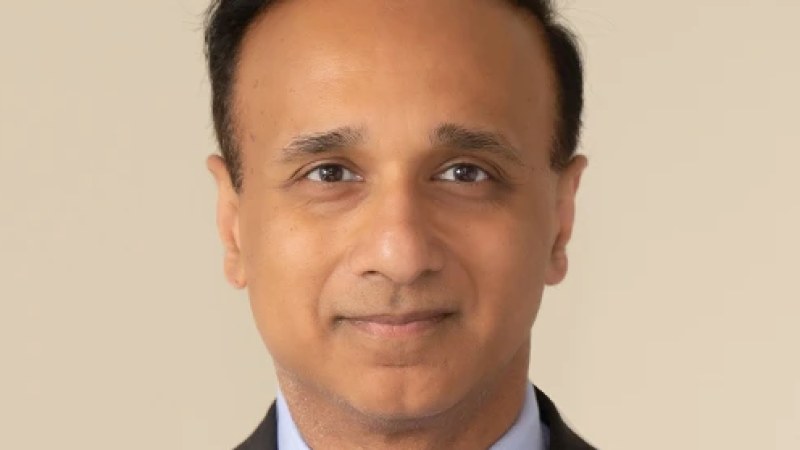
Mathai Mammen
Mathai Mammen is the Chairman, CEO and President of Parabilis Medicines (formerly FogPharma), a Cambridge biotech going after cancer targets long written off as undruggable. A trained physician-chemist who co-founded Theravance out of grad school and later ran R&D at Merck and Johnson & Johnson, he has had a hand in the discovery or development of roughly 19 approved medicines. At Parabilis he is betting on Helicon peptides - engineered molecules that slip inside cells to hit protein-protein interfaces small molecules and antibodies cannot reach.
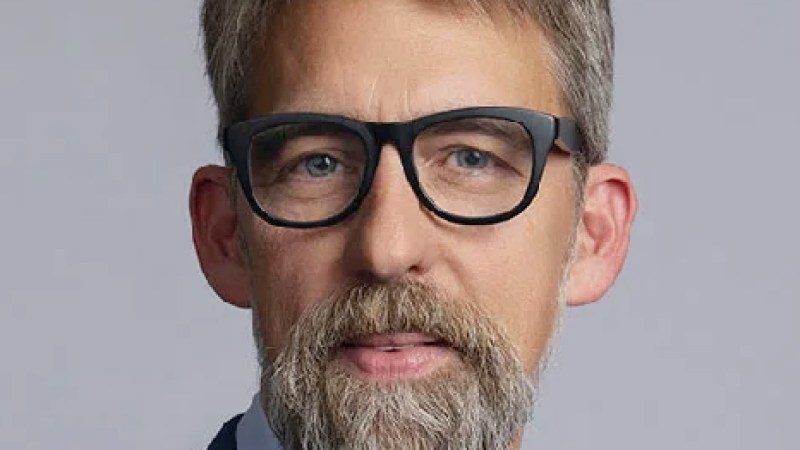
J. Seth Strattan
J. Seth Strattan, PhD is a General Partner at Two Bear Capital, a Whitefish, Montana-based venture capital firm investing at the crossroads of life sciences and technology. With a PhD in Structural Biology and a BA in Philosophy from Stanford University, Strattan spent years at Stanford building and leading the engineering and data science teams behind landmark genomics consortia - ENCODE, the Human Cell Atlas, and the International Human Epigenomics Consortium - before pivoting to back the founders tackling biology's hardest problems. He is based in Silicon Valley, leads Two Bear Capital's Menlo Park office, and splits his remaining time between Montana and a family farm in the Appalachian Mountains of Kentucky.
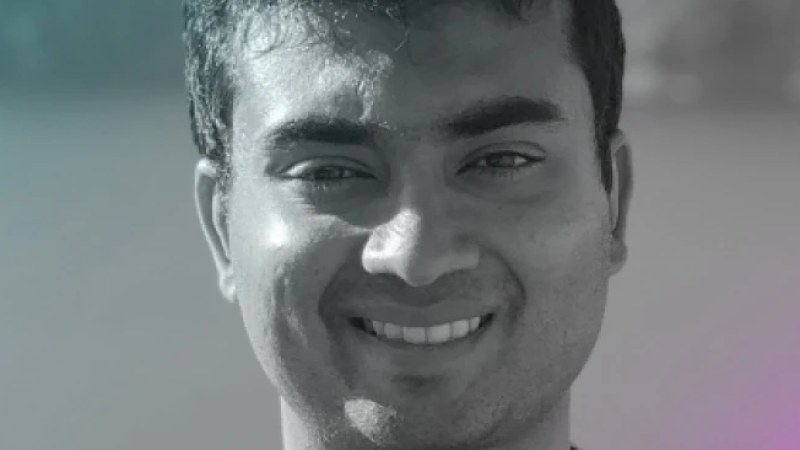
Anirudh Joshi
Anirudh Joshi is the co-founder and CEO of Valar Labs, a Palo Alto-based AI oncology company building tools that let doctors predict whether a specific cancer treatment will work before a patient wastes months on the wrong one. A biomedical engineer trained at Georgia Tech and Stanford, he previously built AI at Microsoft, PathAI, and Curai before co-founding Valar in 2021 with teammates from Stanford's AI in Medicine group. Valar raised $26M total, landing a $22M Series A from Andreessen Horowitz and DCVC in 2024, and its flagship test Vesta — predicting BCG therapy response in bladder cancer — is now live at 20 U.S. hospitals. Named to Forbes 30 Under 30 Healthcare 2025.
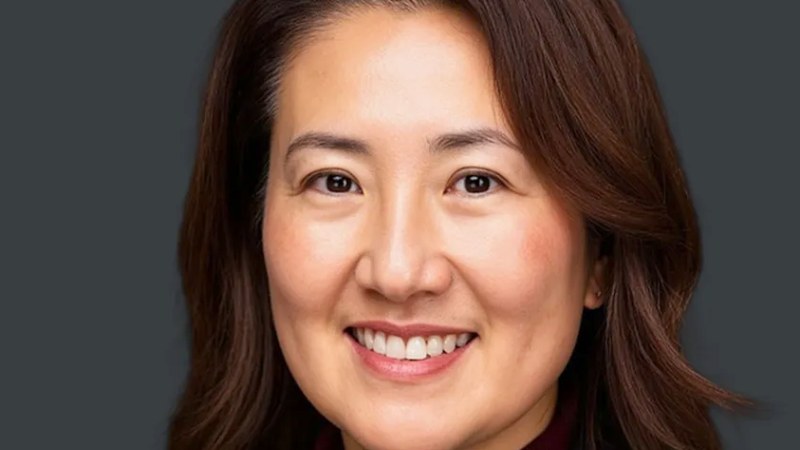
Jung Choi
Jung Choi is the President and CEO of Alterome Therapeutics, a clinical-stage precision oncology company pioneering mutation-specific cancer drugs. With over 20 years in biopharmaceutical leadership - spanning Gilead Sciences, InterMune, Chimerix, and Global Blood Therapeutics where he led a $5.4B Pfizer acquisition - Choi brought deal-making, strategy, and operational depth to Alterome when he was appointed CEO in April 2025. Under his leadership, Alterome has advanced two first-in-class inhibitors into Phase 1/1b trials targeting KRAS and AKT1 E17K oncogenic drivers, backed by $231M in total funding including a $132M Series B.