women-founded
(31)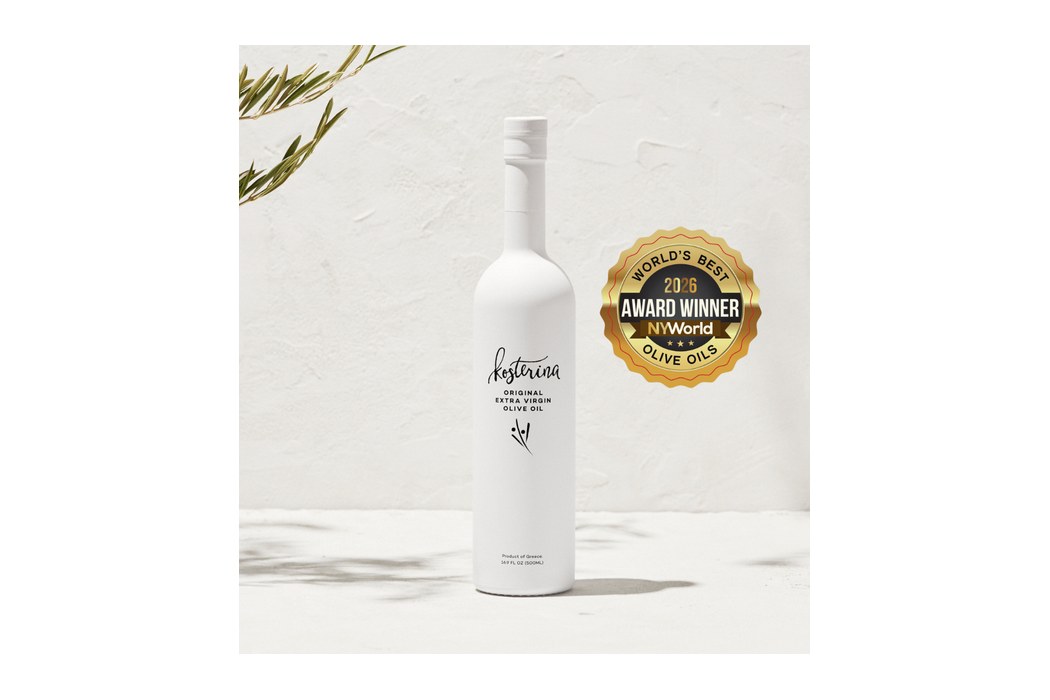
Kosterina made olive oil worth talking about
A Greek family staple became an American wellness brand. The revealing part is how Katina Mountanos learned when to grow - and when to say the order was too big.

Universal Standard made room for the customer fashion left upstairs
Two friends put $300,000 into eight pieces of clothing. Their wager: women wanted better clothes in their own size, rather than another invitation to change their bodies.

Aurate Found a Cheaper Way Into the Jewelry Store
The New York jewelry brand began with green fingers and a price complaint. Its sharper move came later: letting other retailers provide the glass cases.
The Tea Bag That Taught Cannabis to Behave
KIKOKO began with a dying friend's request and an unfashionably small dose. The tea was difficult to engineer, dispensaries laughed, and the founders kept pouring - until a strange little ritual became a serious cannabis business.
The Accidental Publicist Who Built an Agency Around Being Useful
R Public Relations began as a way for a single mother to make work fit her life. A decade later, its most useful idea is still disarmingly small: know the client, know the journalist, and never confuse sending a pitch with earning attention.

They Built a Gadget Brand. Then They Sold the Shortcut to the Shelf.
ChicExecs learned publicity and retail the expensive way - by building a product brand that outran its own supply. Now it sells consumer companies the coordinated playbook it once had to invent.

Fission Strategy Put Startup Logic to Work for the Good Guys
A two-woman consultancy began with roughly $20,000, learned that movements behave more like products than brochures, and built a digital agency whose best idea became a $3.9 million software exit.

Dotted Line Communications knows when to leave the press release at home
Free coffee. Pedicab rides. A few more Saturdays at the wading pool. Inside the boutique PR firm that helped Ask.com turn a useful gesture into a reason to come back.

Trailblaze and the 850-pound argument for better PR
A limited-release brownie became national news. Inside the agency that brings big-brand instincts to cannabis, consumer goods, and the art of giving people something to talk about.

RHMM and the art of arriving before the launch
Shire had a new eye drug and a small ophthalmics team. RHMM helped prepare the professional audience - a revealing assignment for a company built around science, relationships, and getting the work done.

The Lede Company knows what fame is for
A movie star, a fashion house and a fictional plumber can have the same communications problem. Lede built an agency around the connections between them.
Creator Deck found its next business in a favor
When Chictopia’s banner-ad business faltered, a small client request pointed toward a new livelihood. Creator Deck grew from that experiment into an agency that handles the unglamorous work behind public influence.
Bollare knows who gets the second look
A fashion PR firm born inside online retail has spent 20 years arranging introductions. Its real craft is making a product worth another look - and giving the right person a reason to take it.

Friends Everywhere and the art of making one shoot go further
Seven mini-campaigns. Two shoot days. Friends Everywhere’s Levi’s work reveals an agency built around a practical question: how much can a good idea do before you need another one?

Pulse Marketing Wants to Take Marketing Off Your To-Do List
The Temecula-born agency sells a shared team of strategists and creatives on a monthly retainer. Its work shows what that arrangement can buy, from a doughnut shop’s personality to a nonprofit’s new identity.
She Bet $25,000 on Period Underwear. Ruby Love Turned an Awkward Problem Into a $25 Million Business
Crystal Etienne’s first investor emails disappeared into silence. So she used her savings, found customers through search, and built a period-apparel brand around one useful idea: protection should fit into life, not interrupt it.
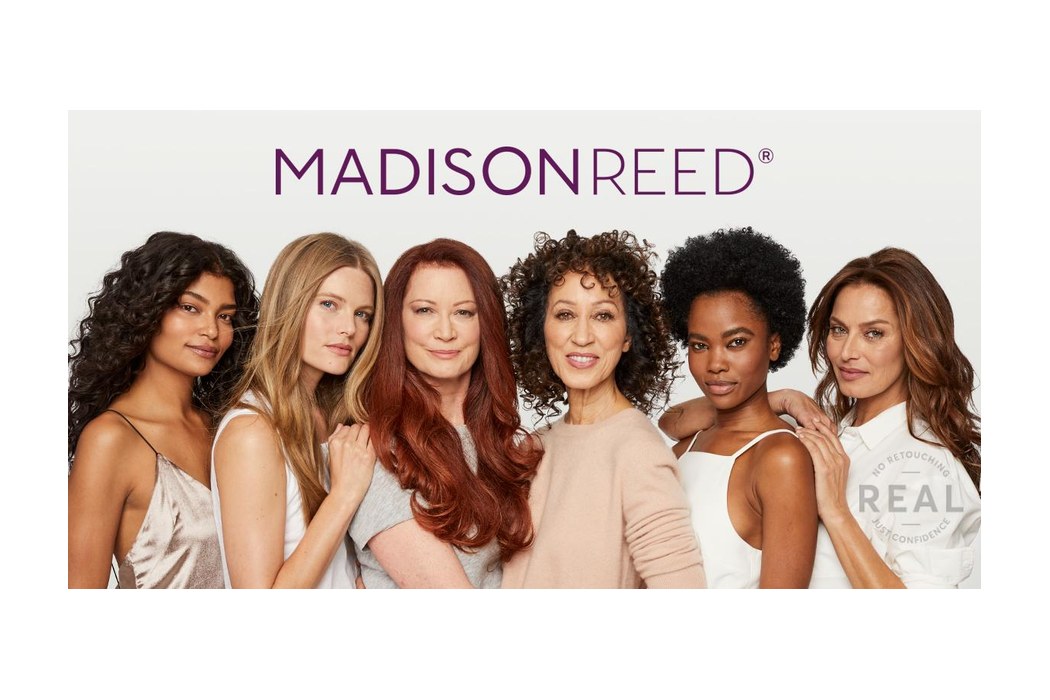
Madison Reed Gave Away 7,000 Boxes - Then Built a Hair-Color Habit People Would Pay For
Amy Errett spent heavily to make salon-grade color feel safe at home, discovered that free customers rarely return, and turned the lesson into an omnichannel beauty business built around guidance, repetition and trust.

The $5,000 Wedding Dress Mistake That Became Atlanta's Rental Bridal Bet
Lundyn Carter spent $5,000 altering a family wedding dress, then built the service she wished had existed. Laine London's sharper idea is not rental alone - it is treating fit as the product.

Wondermind Sold Mental Fitness for Everyone - Then the Startup Couldn't Make Its Own Numbers Work
Wondermind made mental health feel less like homework and more like a daily habit. Its free media reached millions - but a celebrity-sized launch could not protect a fragile business model from missed payroll, layoffs and an unresolved investor lawsuit.
Grön Turned a $50,000 Chocolate Bet Into the Edibles Brand Wyld Had to Buy
Christine Apple’s first cannabis chocolate was rough, Oregon’s rules kept moving, and every new state required a new production puzzle. Grön’s answer was to make dosage feel like product design - then scale the recipe without flattening the brand.
The Beauty Industry Still Runs on Spreadsheets. Good Face Project Is Selling the Exit.
Good Face Project began by helping shoppers decode ingredient labels. Then its founders found a larger problem upstream: cosmetic chemists were still building global products in spreadsheets while regulations multiplied around them.
Dagne Dover
Dagne Dover is a New York-based direct-to-consumer accessories brand founded in 2013 that designs hyper-functional bags - backpacks, totes, diaper bags, and luggage - engineered around organization and everyday problem-solving. Built by three women who bootstrapped rather than chasing venture capital, the brand is known for its signature neoprene 365 Collection, recycled Repreve linings, and an 'Almost Vintage' resale program that extends the life of its products.
TALEA Beer Co.
TALEA Beer Co. is a women-founded and women-owned craft brewery based in Brooklyn, New York, built to make beer approachable for people the craft category has historically overlooked. Founded in 2018 by Tara Hankinson and LeAnn Darland and opened as a brewery and taproom in 2021, TALEA brews fruit-forward, lower-alcohol reinventions of classic styles and runs a growing network of design-forward taprooms across New York City, alongside a direct-to-consumer online shop, retail distribution in 1,300+ New York stores, and events.
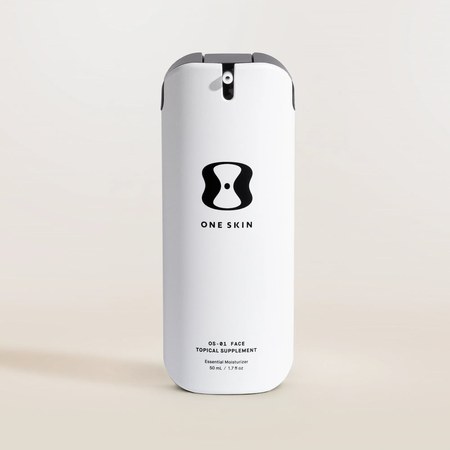
OneSkin
OneSkin is a San Francisco biotech and direct-to-consumer skincare company founded by four Brazilian women scientists who set out to slow skin aging at the molecular level. Its flagship OS-01 peptide - identified from a library of 900+ candidates using computational screening and tested on lab-grown human skin models - targets senescent 'zombie' cells that drive wrinkles, thinning and loss of firmness. The company sells topical 'supplements' for the face, eyes, body and sun protection, and frames skin not as a cosmetic surface but as the body's largest organ and a lever on overall healthspan.

JourneyTrack
JourneyTrack is a Miami-based enterprise SaaS platform for customer journey management. It gives CX, UX, product and leadership teams one governed place to build personas, map end-to-end customer journeys, score opportunities, and measure business impact - with a layer of AI (Journey AI, Insights AI, Persona AI, Storytelling AI) that turns qualitative research into board-ready decisions. Founded in 2021 by CX veteran Ania Rodriguez, the woman-founded company says more than 100 top brands, including Google, use it to find and recapture revenue lost to bad experiences.
Out of Office
Out of Office (OOO) is a Chicago-based travel technology company that helps people plan trips using recommendations from the people they actually trust - friends, family, and the influencers they follow - instead of anonymous review sites. Founded in 2020 by former Trunk Club executives Jan Seale and Coabi Kastan, the app lets travelers browse curated spots across thousands of cities, build and share itineraries, book hotels, and reserve restaurant tables in one place, and more recently generate full trip plans with an AI trip generator.
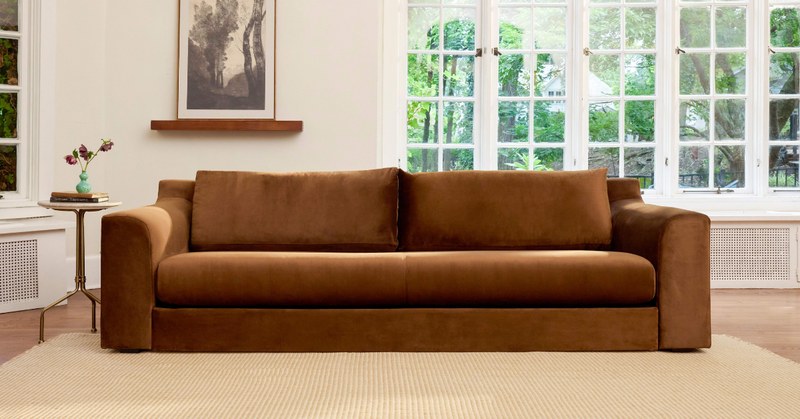
Sabai Design
Sabai Design is a New York-based direct-to-consumer furniture company making sustainable, non-toxic sofas that are actually affordable. Founded in 2019 by Phantila Phataraprasit and Caitlin Ellen, Sabai builds modular, repairable seating from recycled velvet, upcycled poly, recycled water bottles, hemp, and FSC-certified wood - manufactured in High Point, North Carolina. As a Certified B Corporation, Sabai pairs circular programs like 'Repair Don't Replace' and a first-of-its-kind US furniture buyback line (Sabai Revive) with a mission to keep couches out of landfills and make conscious living accessible to a generation that shops its values.
Soofa
Soofa builds solar-powered, network-connected digital signs that turn ordinary street corners into two-way community bulletin boards. Spun out of the MIT Media Lab in 2014, the women-founded company started with a phone-charging park bench and grew into a network of zero-carbon kiosks that broadcast hyperlocal news, transit updates, and events while giving advertisers and cities measurable pedestrian data - smart, social, and sustainable street furniture for the modern city.
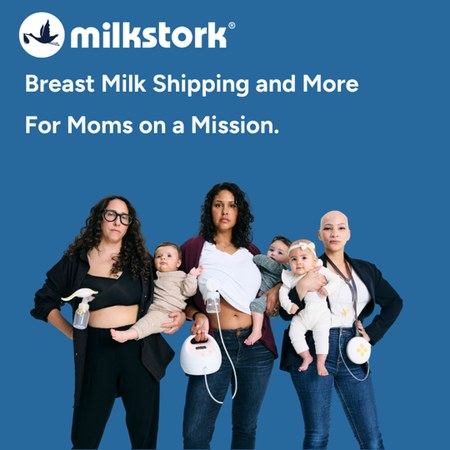
Milk Stork
Milk Stork is the first breast milk shipping and lactation logistics company, helping breastfeeding parents who travel for work or return to the office ship pumped milk home in pre-paid, refrigerated and shelf-stable kits. Offered as an employer benefit by hundreds of companies including Pinterest, Capital One, SpaceX and Nissan, it has shipped tens of thousands of kits across more than 100 countries.

M.M.LaFleur
M.M.LaFleur is a New York-based direct-to-consumer womenswear brand that coined the term 'Power Casual' and built its business around solving a single problem: getting ambitious women dressed for work without wasting their time. Founded in 2013 by Sarah LaFleur, designer Miyako Nakamura, and Narie Foster, the company pairs thoughtfully engineered professional clothing with a free personal-styling service called Bento that curates a box of pieces around each customer. After a near-collapse during the pandemic, the company was rescued by a syndicate of women investors and refocused on the wardrobe needs of a hybrid working world.