The wedding dress is an odd piece of consumer machinery. It carries more emotional weight than almost anything in a closet and gets less use than almost everything in it. Lundyn Carter learned the expensive version of that contradiction in 2014. Unhappy with the conventional shopping process, she wore her grandmother's gown. Altering it to fit cost $5,000. The family history was lovely. The bill was clarifying.
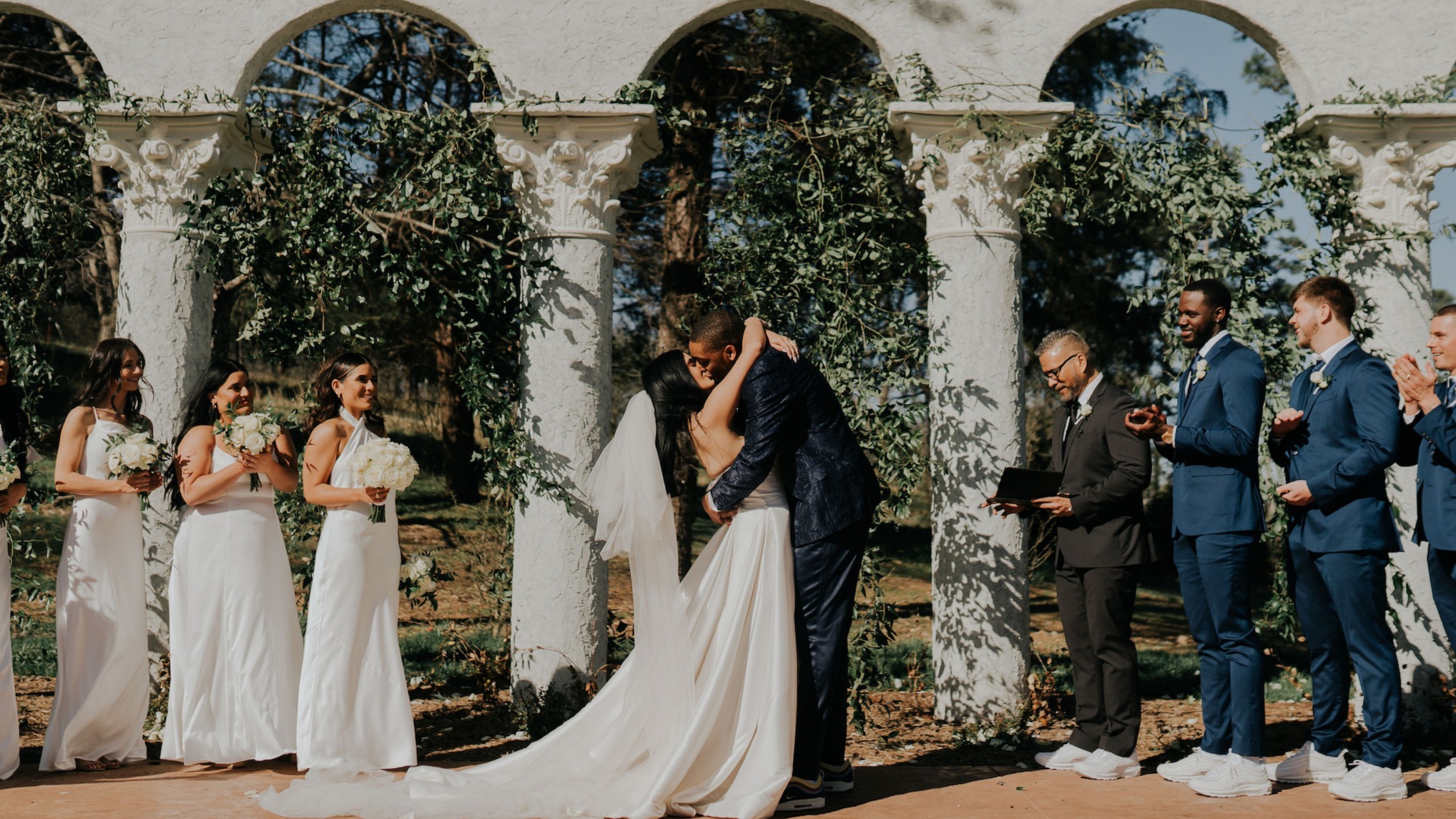
Four years later, Carter helped open Laine London in Atlanta around a blunt proposition: a bride could have the designer gown, the private appointment and the made-for-her fit without keeping the dress forever. Today the company advertises more than 200 gowns in sizes 0 through 32. Packages start at $1,500 and include a seven-day rental, cleaning, three fittings and standard alterations. Brides return the garment. They keep the photographs, the memory and, ideally, more of their wedding budget.
The rental is ordinary. The tailoring is the trick.
Clothing rental is not a novel behavior. Men have rented tuxedos for generations; occasionwear services ship dresses by the box. Bridal is harder because a wedding gown is architecture. A hem changes with heel height. A bodice must hold through vows, dinner and dancing. Straps, bustle and side seams need to cooperate with a specific body. An anonymous dress in a courier bag cannot answer all of that.
Laine London solves the problem in person. A customer completes a style quiz and sends inspiration before a one-on-one Atlanta showroom appointment. If she chooses a gown, a $500 deposit reserves it for her date. About a month before the wedding, fittings begin. Standard work can include the hem, bustle, straps and bodice or side seams. Paid customizations can add sleeves, modesty panels, embellishment, adjusted illusion mesh or a detachable train. The work has to feel personal while preserving the underlying gown for another trip down another aisle.
The borrowed-dress relay
That sequence explains where Laine London differs from a resale marketplace or a remote rental site. A marketplace transfers risk to the bride: inspect the listing, judge the measurements, find a seamstress, resell the dress later. Laine London keeps the risk inside the service. Inventory, stylist, alteration specialist, contract, cleaning and return live under one roof. The distinction is operational, not decorative.
What failed first was the old bargain
Carter did not enter bridal as a designer or lifelong shop owner. She spent a decade in corporate banking, retail and cable, earned an MBA at Emory and has said entrepreneurship courses changed her view of who could build a company. The immediate product failure was personal: conventional shopping felt pressurized and poorly representative, while the family gown she chose instead required a used-car-sized alterations budget. Ownership had not delivered simplicity, inclusion or value.

“So much time and energy is built into one dress. Why is only one person using this, and then it's gone?”Lundyn Carter
The early company had to earn trust, locate the right suppliers and convince brides that borrowed did not mean second-rate. Then weddings collided with the pandemic. The private, appointment-led format became more useful, particularly for customers who disliked crowded bridal salons. The experience did not abandon ceremony; it concentrated it. Reviews describe curated dresses, playlists, champagne, accessories and staff who studied inspiration boards before the customer arrived. Rental was the financial engine. Attention was the product customers talked about.
Leadership evolved too. Public records and earlier profiles identify Carter and Tiffany Gaines as the original 2018 co-founders, with Gaines leading styling. The current company site presents Carter alongside Miriam Williams, who joined in 2022 and built standardization, marketing strategy and technology before moving into an advisor role. That is less tidy than a two-name founding myth, but more instructive: service businesses often discover their scalable operating system after they discover demand.
The closet becomes a balance sheet
Laine London makes money mainly from direct-to-consumer rental packages, then adds customizations, accessories, external alterations and optional programs. Customers can receive 10 percent off by paying in full or put down $500 and pay the balance over 120 days at zero interest, according to the current payment page. A $95 Peace of Mind option allows one eligible dress change and one revisit appointment before a cutoff. External alterations begin at $499 after a $50 consultation. Each item turns a predictable bridal anxiety into a priced service.
One gown, more productive life
The company told Forbes that a dress averages five rentals. That is a company-reported average, not an audited utilization figure.
The economics improve when a gown rents repeatedly, but reuse is not free. Designer inventory consumes cash before a bride books it. Every cycle adds fitting labor, cleaning, repairs, scheduling risk and the possibility that fashion moves on before the garment earns back its cost. The company says it begins with well-made dresses capable of repeated alteration and uses techniques designed to preserve them. In this business, the seamstress protects both the bride's confidence and the asset.
Reported outside financing reflects that inventory-heavy reality. A 2020 IFundWomen campaign passed its $30,000 target. Funding databases report backing from Google for Startups, a $1 million early investment involving Atlanta's Collab Capital in 2022 and $700,000 in debt financing in 2023. Public databases disagree on some earlier grant totals, and the company does not disclose revenue or valuation. The useful conclusion is narrower: unlike a pure marketplace, a showroom full of gowns and an alterations team require working capital.
Four things another founder can steal
Bundle the objection
Customers fear that rental will fit poorly, so alterations are not an add-on. They are included in the core promise.
Keep the ritual
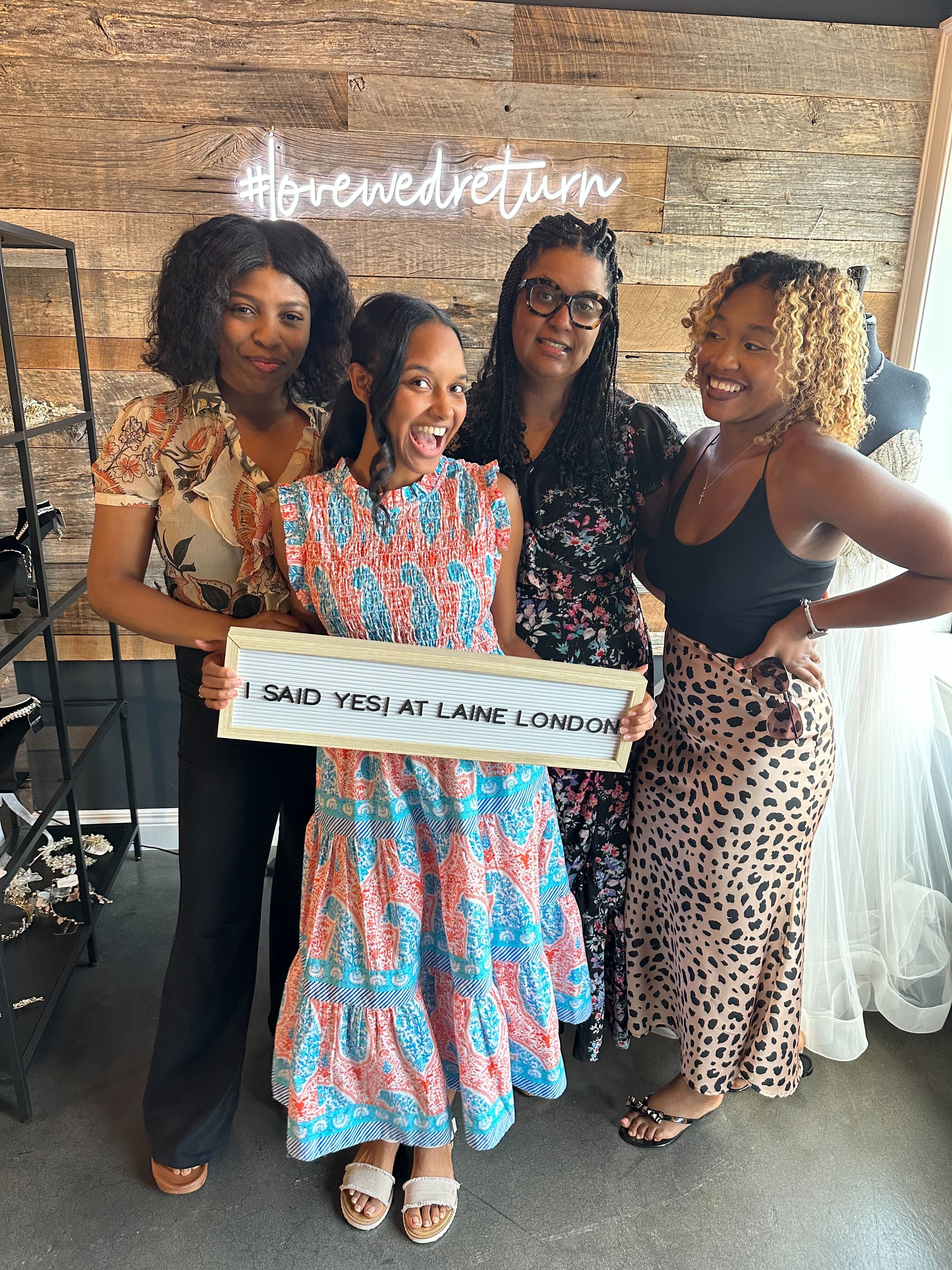
Laine London changes ownership while preserving the private appointment, stylist and celebratory “yes” moment.
Design for return
The gown, contract, fitting method and cleaning workflow all assume another customer comes next.
Price uncertainty
The $95 change program converts a common source of service chaos into explicit rules and optional revenue.
The most portable lesson is to avoid selling unfamiliar behavior naked. Pair it with the familiar service that makes the change safe. A tool library can bundle guidance. Refurbished electronics can bundle setup and a warranty. Refillable cosmetics can make the return effortless. Laine London does not ask a bride to become a circular-fashion activist on command. It asks her to show up for a good fitting and return a garment after the party.
Where the model pinches
High touch is both moat and ceiling. A bride is advised to book six to nine months ahead and must visit Atlanta for an appointment and fittings. A specific style can already be reserved for her wedding date. Irreversible customization fights the reuse model. A customer who wants to preserve the physical dress, expects a last-minute shipment, or cannot travel repeatedly is better served by buying, resale or a remote rental company. The model also depends on enough local weddings to keep each size and silhouette productive.
When this would not work
- The customer values permanent ownership more than service and savings.
- Fittings cannot happen locally or early enough.
- Inventory is too shallow to cover sizes, tastes and conflicting dates.
- Alterations damage reuse value or labor costs outrun repeat-rental margin.
- The operator treats cleaning, repair and returns as backstage details.
Within the market, Laine London sits between a bridal salon and a circular-fashion operator. Traditional boutiques win on ownership and limitless special orders. Resale sites win on national selection. Mail-order rental wins on convenience. Laine London wins when a customer wants designer choice, an inclusive size range and local tailoring without buying an object for the attic. Its competitors are not only other rental startups; they are family expectation, bridal habit and the sentence “I want to keep it.”
Carter told Axios in 2024 that the company intended to explore machine learning to better identify what shoppers want. No public launch has confirmed that plan. The more immediate intelligence is human: the quiz, inspiration images, stylist and fitting room. Software may improve the match, but the seam still has to land in the right place.
Laine London's bet is modest enough to be credible. It does not need every bride to renounce ownership. It needs enough brides to notice that what they actually want is a beautiful entrance, a dress that fits and no troublesome garment waiting after the honeymoon. The company found a way to rent the object while keeping the personal part stubbornly personal.