Twelve inches of shelf space is a peculiar ambition. It is about the width of a dinner plate. Yet, according to an Inc. account of INNBEAUTY PROJECT’s Sephora relationship, that was the brand’s early foothold before it earned a dedicated four-shelf unit. A skincare company can spend years imagining its customer. A shop reduces the exercise to something less romantic: a bottle, a price, and a stranger deciding whether to pick it up.
- Beauty veterans Alisa Metzger and Jen Shane launched the company in 2019.
- Its pitch pairs finished-formula testing with prices below much of prestige skincare.
- Extreme Cream helped broaden its audience; Sephora supplied reach and demanding feedback.
INNBEAUTY’s current full-size Extreme Cream costs $50. That puts it in an interesting neighborhood: expensive beside many drugstore moisturizers, modest beside some prestige creams. The company sells hydration, visible firming and smoother-looking skin. It also sells a proposition about spending: a customer should be able to buy a sophisticated formula again without treating the purchase as a special occasion.
01A price gap, with people in it
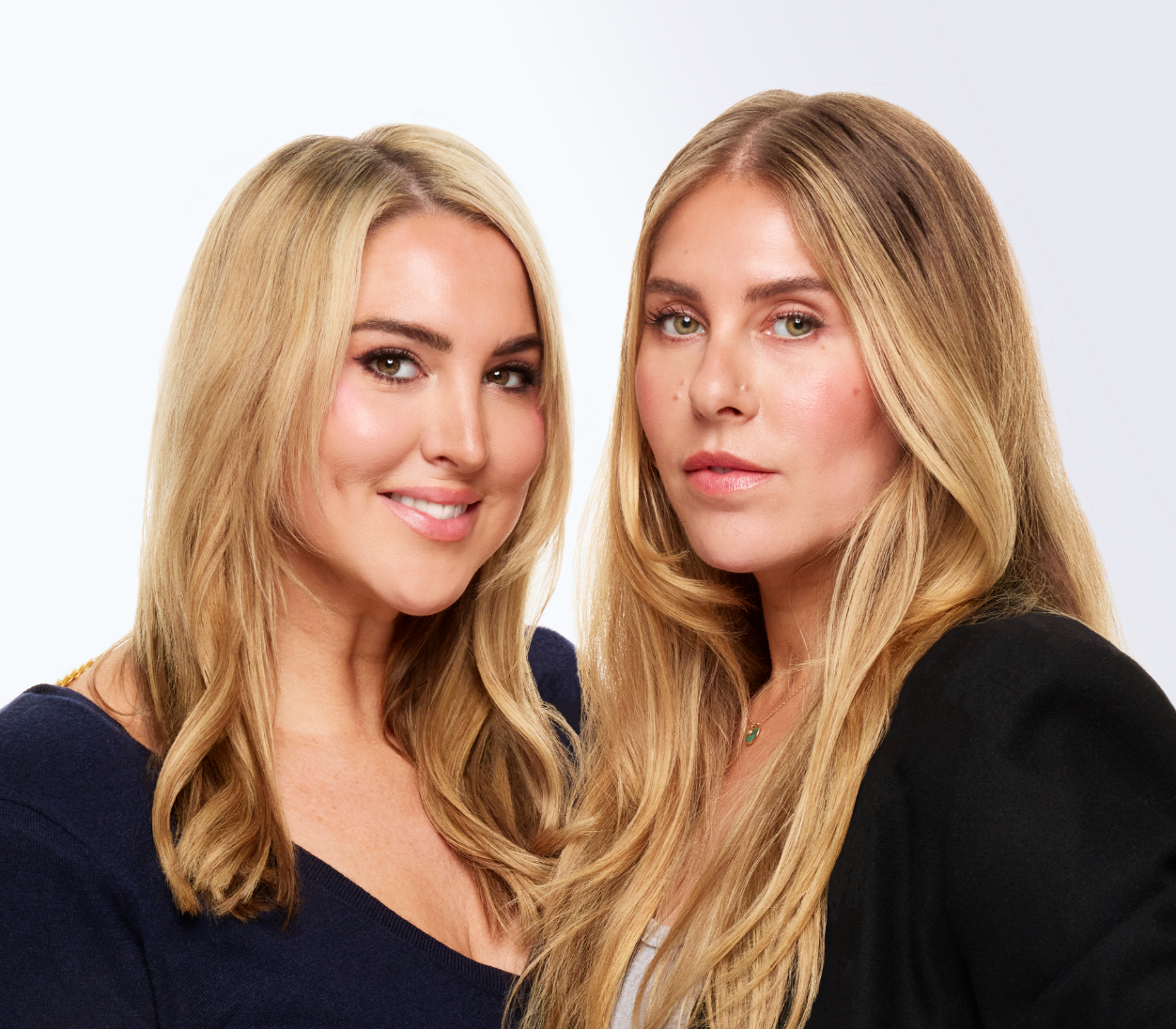
Metzger and Shane met at Tula. Between them, they knew the beauty business from both sides of the bottle. Metzger’s background included marketing at L’Oréal, Procter & Gamble and Coty. Shane had worked on product development at Tarte, Bare Minerals and Tatcha. They were insiders with an outsider’s complaint: the combination of effective skincare, appealing packaging and an approachable price was harder to find than it ought to be.
The founders’ pricing argument starts upstream. On its website, the company says it sources clinically supported ingredients itself and removes unnecessary middlemen. This describes a design choice, not a published margin calculation. For another business, the useful exercise is to ask which expenses improve the customer’s experience and which merely decorate the invoice. Keeping the price approachable while paying for testing makes that exercise demanding.
Their initial audience leaned young. A 2022 Glossy interview described a brand built with Gen Z in mind, responding to wellness-conscious shoppers who wanted accessible clean beauty. The bright colors made sense in that conversation. They also made an easy label stick. Packaging can tell a shopper that a product belongs to her; it can accidentally tell another shopper that it does not.
The company competes in the space between inexpensive ingredient-led skincare and prestige brands such as Drunk Elephant and Tatcha. Its claim to that space rests on combining ingredients around a concern, rather than making the customer assemble an entire chemistry set. The value argument depends on the resulting product being useful. A crowded ingredient list, by itself, is merely a crowded ingredient list.
02The whole bottle has to earn its keep
Extreme Cream arrived in early 2024, pairing peptides, a plant-derived retinol alternative and ceramides with a rich reverse-emulsion texture. Its job was to address hydration and the appearance of firmness and wrinkles in one moisturizer. The name is exuberant. The commercial question is ordinary: will someone finish the bottle and want another?
In third-party clinical testing for each final formula, according to its current About page.
INNBEAUTY says it tests finished formulas on people instead of relying only on research about individual ingredients. That distinction matters. An ingredient’s reputation cannot settle what happens after it is mixed, packaged and applied as part of a routine. The brand’s help center describes expert grading, scientific measurements and blinded testing. These are claims about its process; they do not make every promised result universal.
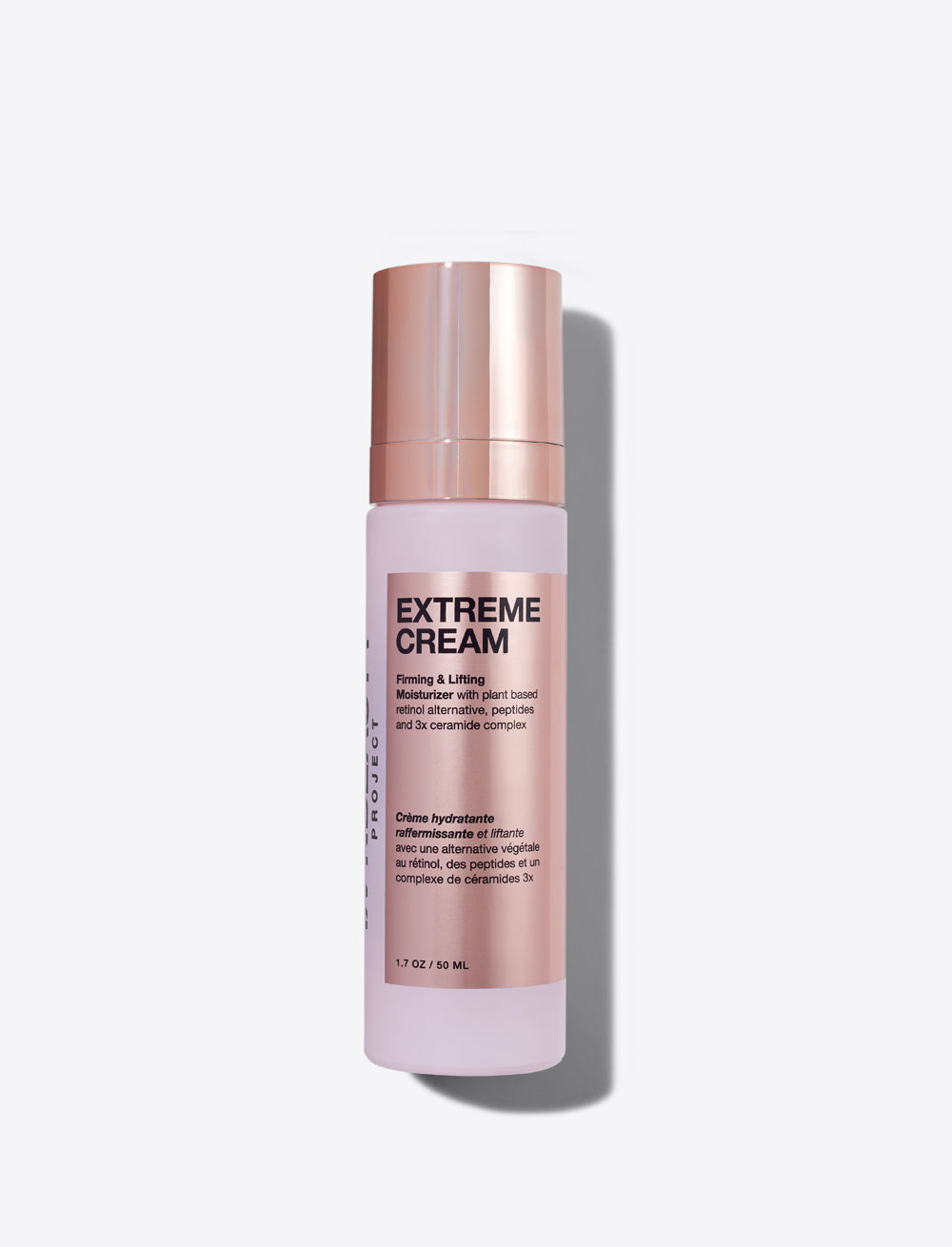
By February 2025, Glossy reported more than 600,000 Extreme Cream units sold. It also described a strategic narrowing: lip oils, once important to the assortment, were becoming less central as competition multiplied. The founders wanted to concentrate on facial moisturizers, eye creams and serums. A product can remain on sale while losing its place at the center of the company’s attention.
US list prices checked October 4, 2026. The refill requires the compatible reusable bottle.
03The shopping bag missing from the picture
Distribution required capital as well as formulas. In December 2022, INNBEAUTY announced a $12 million Series A led by Alliance Consumer Growth, with Strand Equity and Beechwood Capital participating. The stated uses included growth and expansion of the Sephora relationship into Canada. Retail gave the company access to shoppers it could not simply summon to its own website.
Then came a surprisingly basic oversight. In a 2025 Glossy session, Metzger recalled an Instagram feed full of attractive products and education that failed to make Sephora availability obvious. The team introduced a rule: put a Sephora shopping bag in at least every sixth tile. The lesson is wonderfully copyable. Tell people where to buy with the same persistence used to explain what to buy.
“But do you want to be right, or do you want to be successful?”
Alisa Metzger, on retailer feedback, Glossy, 2025
Metzger also described listening to criticism and putting people into stores to educate shoppers and beauty advisers. A wholesale account needs tending. More shelf space brings higher expectations, and a major retail partner becomes a powerful influence on the business. Founders borrowing this approach need the staff and patience to support it.
04Skin concerns do not check your birth certificate
“We really don’t formulate for an age group,” Metzger told Fashionista in 2024. Today the range includes cleansers, serums, eye care, moisturizers, SPF and lip products. Customers can browse by dryness, uneven tone, texture or visible aging. Choosing a concern is more useful than choosing an identity. It also avoids the assumption that every product suits every face.
There are distinctions within the range, too. Bright & Tight centers on dark circles, while Extreme Cream Eye is positioned around visible wrinkles, firming and puffiness. Buying by concern can prevent a familiar mistake: assuming two similar-looking bottles do the same job. The refill system has its own small practical condition. A replacement pod fits the brand’s compatible bottle; it is not a standalone substitute for the packaging.
The range keeps moving. Pro C Serum, launched in March 2026, combines 15% vitamin C with ferulic acid and peptides; its full-size price is $64. It appears among Allure’s September 2026 Best of Beauty winners. That price also complicates the early under-$50 story. Accessible is a comparison, and customers are entitled to choose their own comparison.
Someone seeking a rich moisturizer or a targeted serum can use INNBEAUTY to simplify a routine. Someone wanting the lowest possible bill has cheaper alternatives. Testing remains specific to a formula and its study, while individual tolerance still matters. The company’s most persuasive idea is therefore practical: put enough value into an everyday product that buying it again feels sensible. The second purchase is a quieter verdict than the first impression.
Follow the bottle
Explore, watch, listen