direct-to-consumer
(526)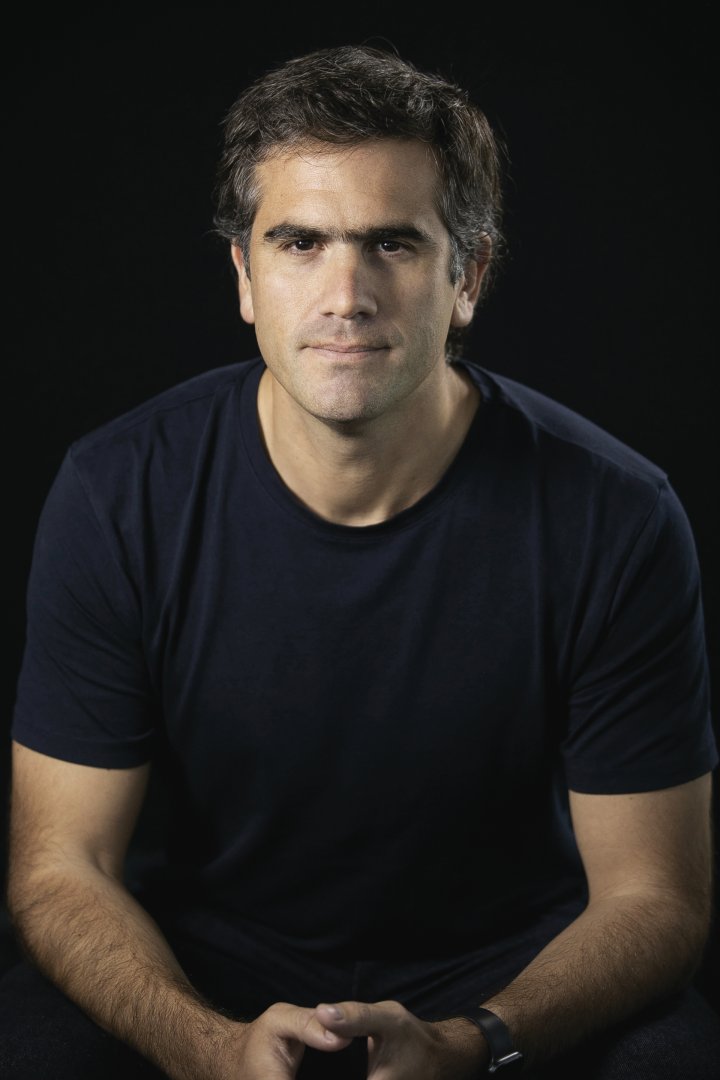
Santiago Zabala and the business he kept outgrowing
He went to Montevideo to study accounting and once imagined running a bank. Building Trafilea meant learning when to leave a working business behind.
Framebridge and the art of getting around to it
A $1,600 framing bill sent Susan Tynan looking for a better way. The company she built reveals how much work it takes to make a personal purchase feel simple.
Beachbody’s hardest workout was getting smaller.
The company that brought P90X into living rooms dismantled its multilevel sales network. Now BODi is testing whether familiar workouts can sell a very different business.

Cigars International made choice the product.
A sampler bag, a paper catalog, a room-sized humidor. The Pennsylvania retailer built its business by changing how much commitment a cigar purchase requires.

SelectQuote found its next business inside the pill box.
The insurance comparison company built a business around a phone call. Then it discovered how much happens after the call ends.

Caleres knows what is in your closet
Famous Footwear sells the shoes. Sam Edelman, Naturalizer and Allen Edmonds make the names worth asking for. Inside Caleres, the company working both sides of the shoebox.
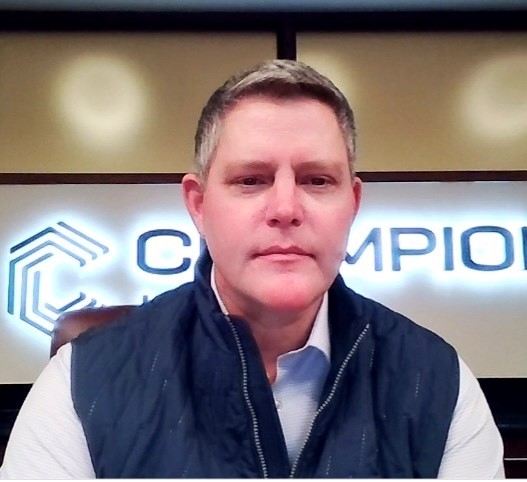
Tim Larson and the distance between a factory and a front door
From teaching students to make yearbooks to leading Champion Homes, Tim Larson has worked on the steps between a product and its buyer. His next test is helping a growing housing business bring those steps together.
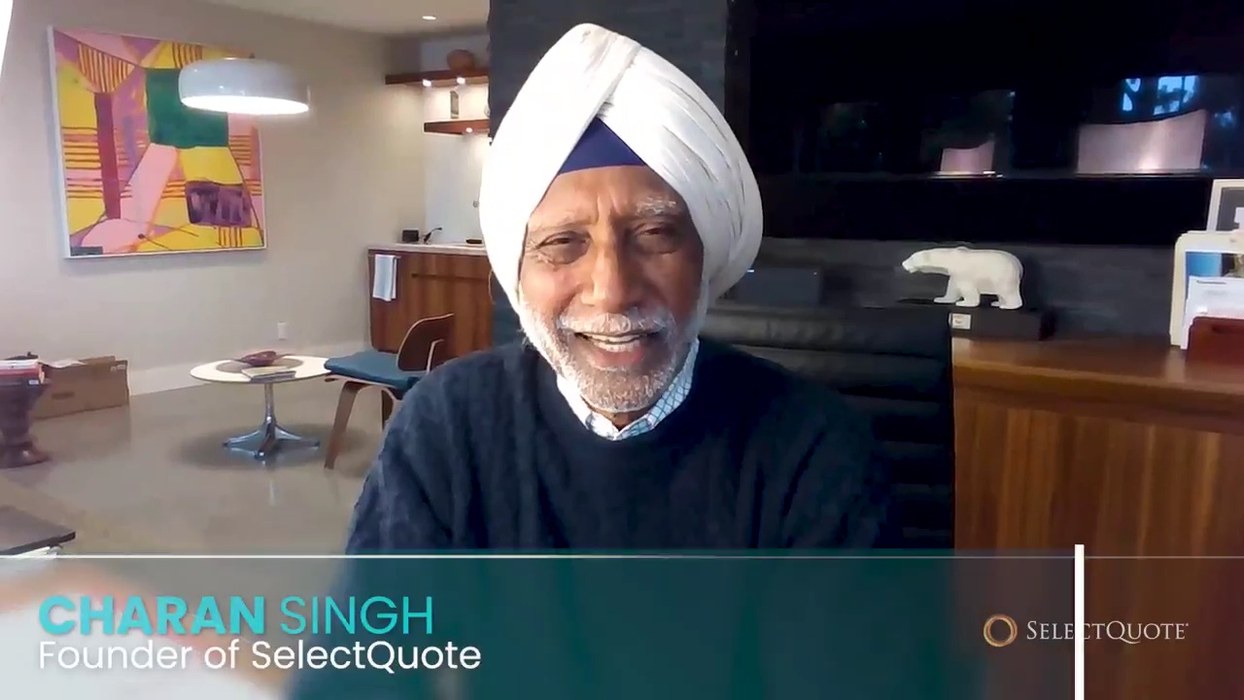
Charan Singh and the three hours before the phone rang
In 1985, Charan Singh bet that people would buy life insurance over the telephone. The SelectQuote founder’s story runs from a quiet San Francisco office to a public company and a new generation of insurance entrepreneurs.
Owning and the price of half a point
A mortgage lender turned a simpler process into a $23 billion year. Its next chapter shows what technology can change about borrowing - and what interest rates still control.

Oran Holtzman and the cost of choosing a shade
He mortgaged his apartment to buy into a struggling cosmetics business. Then Oran Holtzman built ODDITY around a question the beauty counter used to answer: which shade is yours?
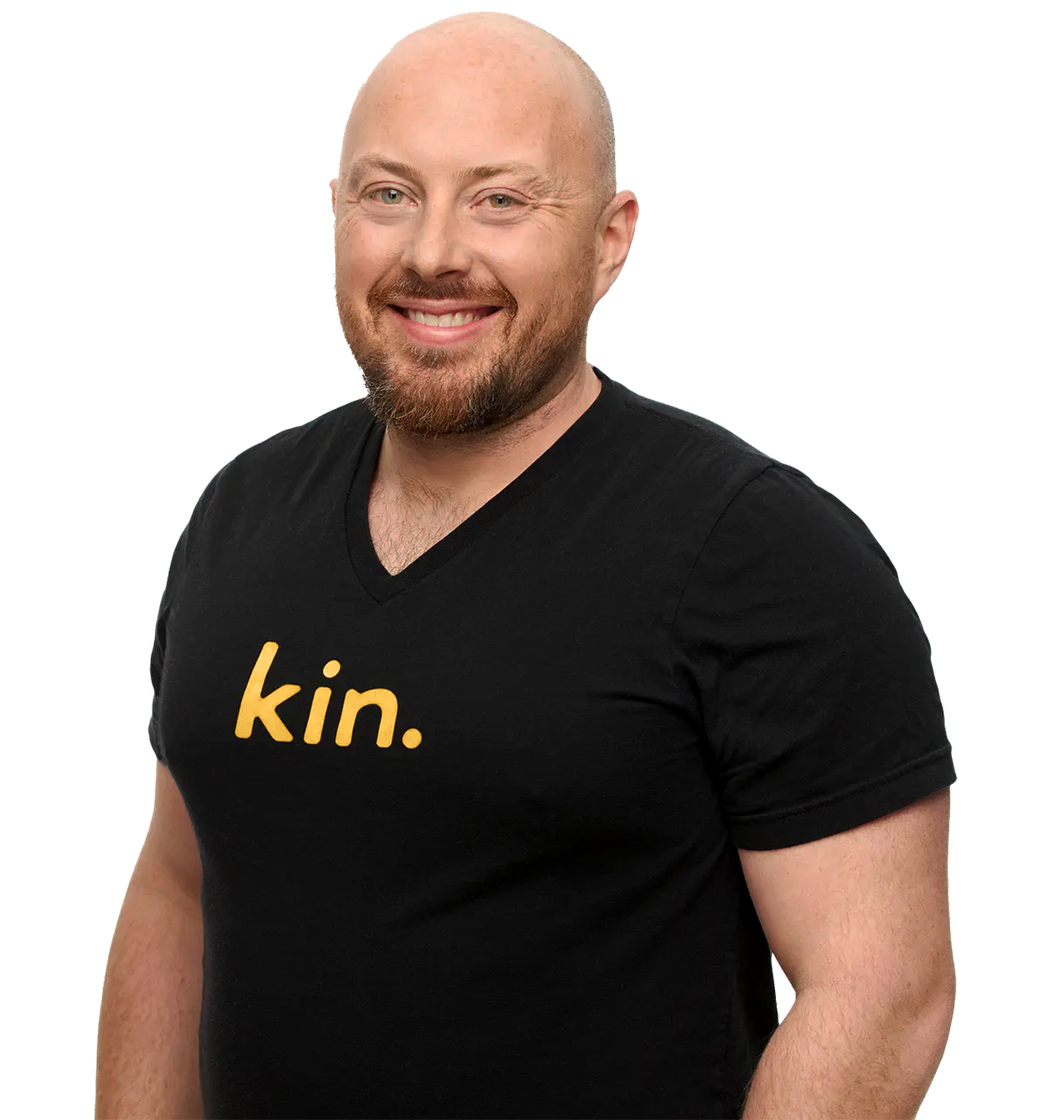
Sean Harper and the business of making things less difficult
Before co-founding Kin, Sean Harper sold satellite-radio gear and took on payment fees. His career keeps returning to a practical question: why is buying something useful so much work?

Mandala puts the price tag on trial.
A scrub top becomes a business argument when you show the arithmetic. Mandala sells medical workwear directly to clinicians, with a cost breakdown that invites customers to question what they pay.

Leap puts your name on the door. And does the work.
The company behind stores for Bombas, Malbon Golf and Frankies Bikinis sells something online brands rarely have: the machinery to run a shop.

ColdTrack puts its money on the right box.
A frozen-food order is a small wager against time, temperature, and human error. ColdTrack built a business around reducing all three - then started guaranteeing the packing.

Chris Faught and the Business of Being Let In
After years inside payments at Affirm and Apple, Chris Faught returned to a childhood interest with a different question: what would it take for game studios to own the relationship with their players? At Neon, the answer begins at checkout.
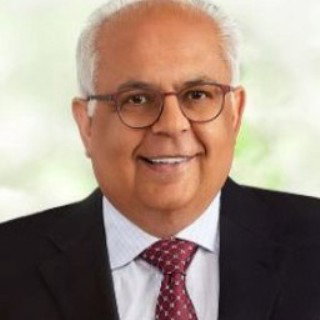
Keith Mirchandani and the case of the square pan
A microwave gadget, a television partnership, a pan with corners. Keith Mirchandani built Tristar by making ordinary household products worth watching - and then worth buying.
YETI made the cooler worth keeping.
Two brothers got tired of broken ice chests. Their answer became a $1.87 billion business - and a lesson in how a useful object earns a life beyond its original job.
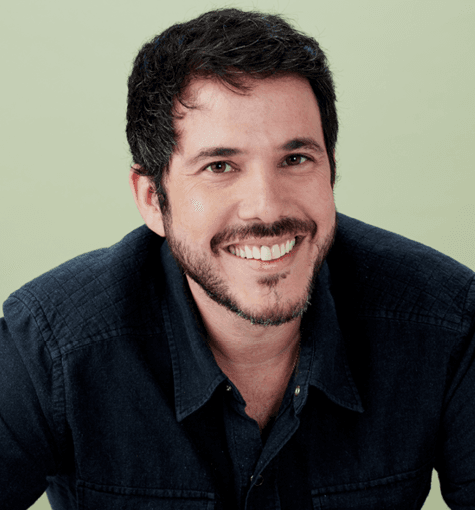
Daniel Wjuniski and the Business of Going Second
He helped build Sallve by listening before selling. Now, as executive chairman, Daniel Wjuniski is making room for the next person to lead the company he co-founded.
Globe Life: The business of showing up
A mailbox, a ballpark, an agent at the kitchen table. Globe Life has built its insurance business around finding working families where they already are - and knowing when a sale costs too much.
Deckers Brands made comfort a $5.5 billion business
A sheepskin boot and an oversized running shoe have more in common than you think. Inside the company that turned two niche ideas into UGG and HOKA at global scale.

Peter Spiegel and the Art of Getting a Response
Before he co-led Ideal Living, Peter Spiegel learned to count the calls coming in from television. His career traces the distance between a convincing demonstration and a company built to deliver on it.

Nicolas Faquet and the Art of Starting Again
He helped build DirectAsia, left after its sale, and started Roojai in Thailand. Ten years later, Nicolas Faquet is bringing the businesses together around a question he has spent his career answering: how much work should buying insurance require?
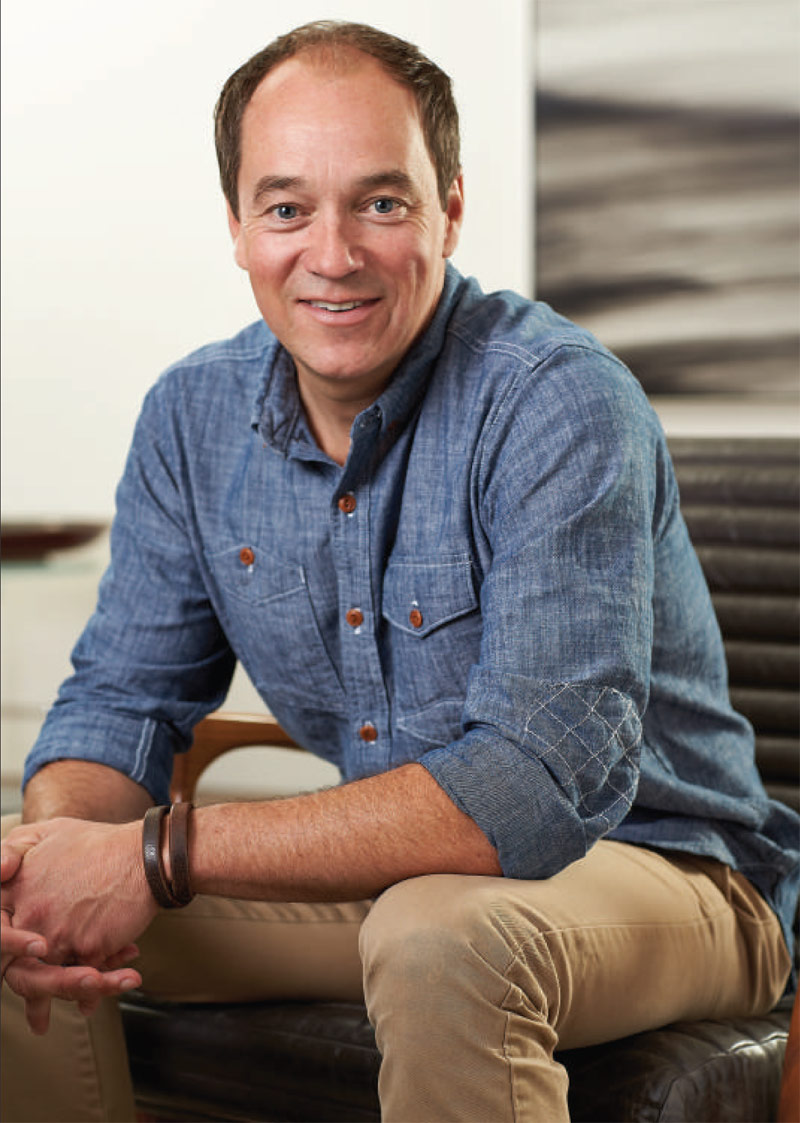
Dave Powers and the art of knowing when to leave
He led the owner of UGG and HOKA as annual sales reached $4.3 billion. Dave Powers’s route to the corner office began in retail, and his exit offers a lesson in leaving room for someone else.

Chaitanya Nallan and the business of asking first
Before SkinKraft and Vedix, Chaitanya Nallan was paying people to receive advertisements on their phones. Across two decades of building businesses, he has kept returning to the same question: what does the customer actually want?
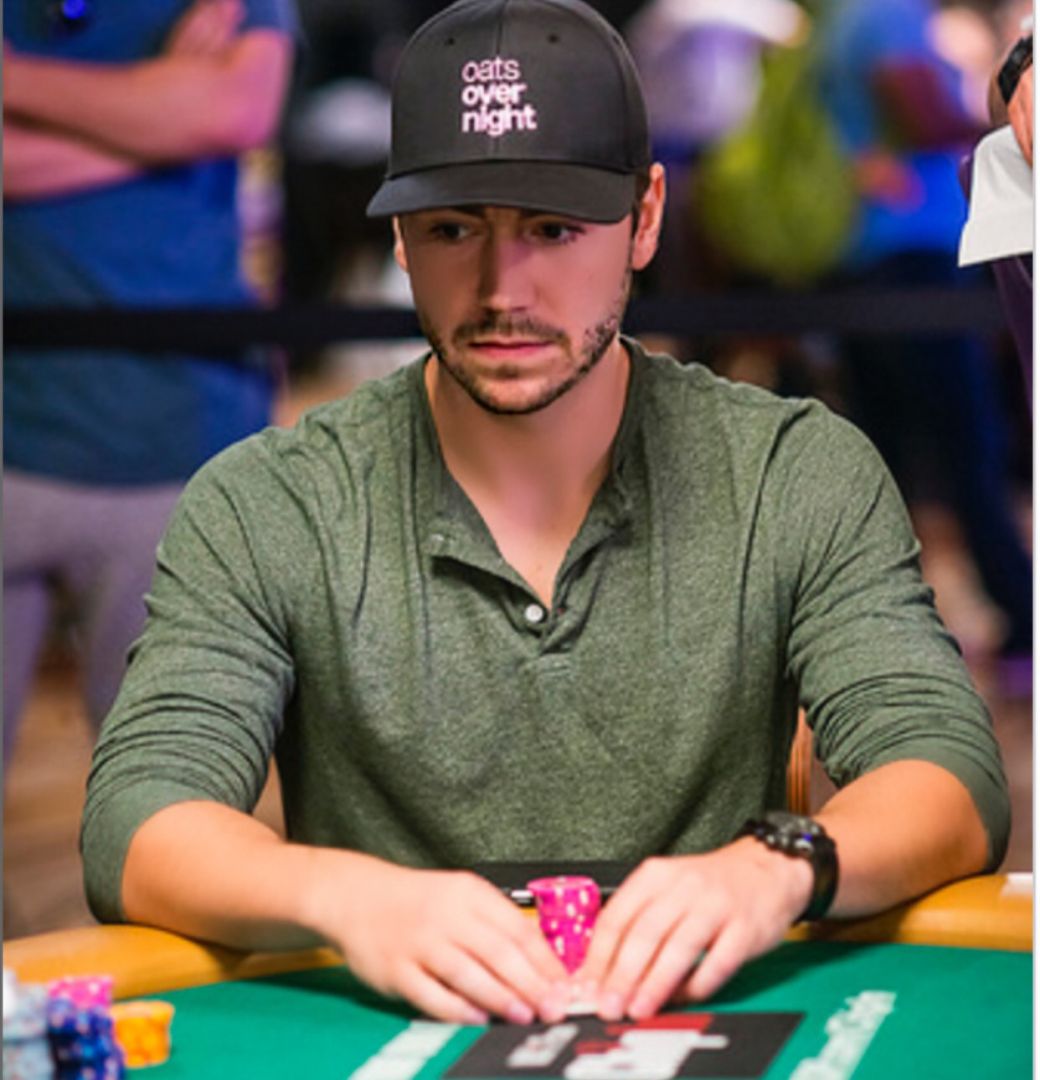
Brian Tate knew when to leave the table
After twelve years in professional poker, Brian Tate put his own money into a breakfast he kept making at home. Oats Overnight grew around a habit he had learned with cards: make a decision, study the response, and adjust.
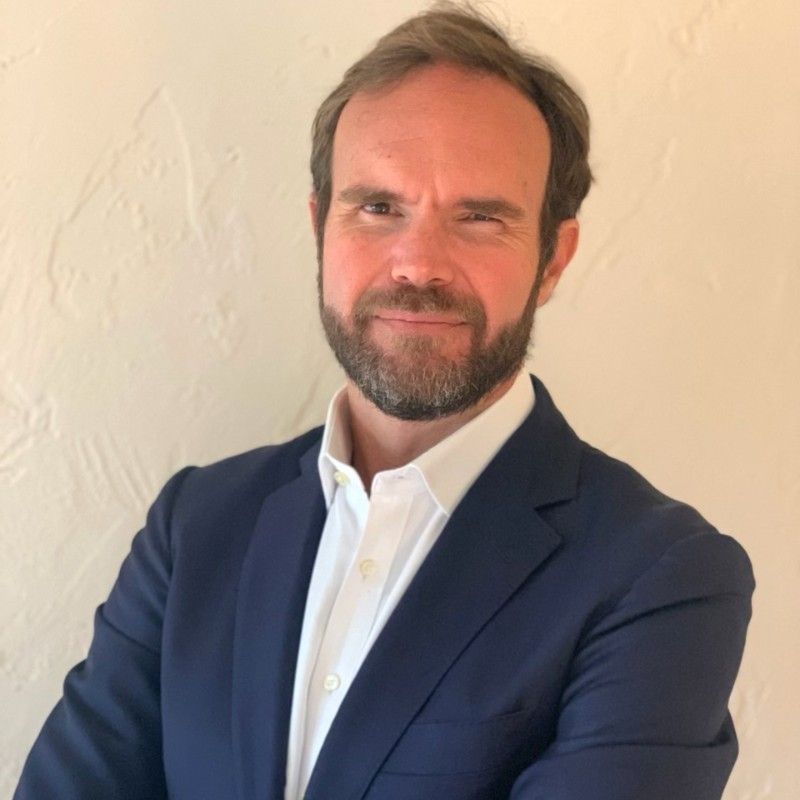
Ben Macpherson and the arithmetic of a beautiful sweater
Before D.LUXURY, Ben Macpherson helped take three cashmere styles from Bondi Beach into international stores. His next business put a familiar question at its center: what does all that growth leave behind?
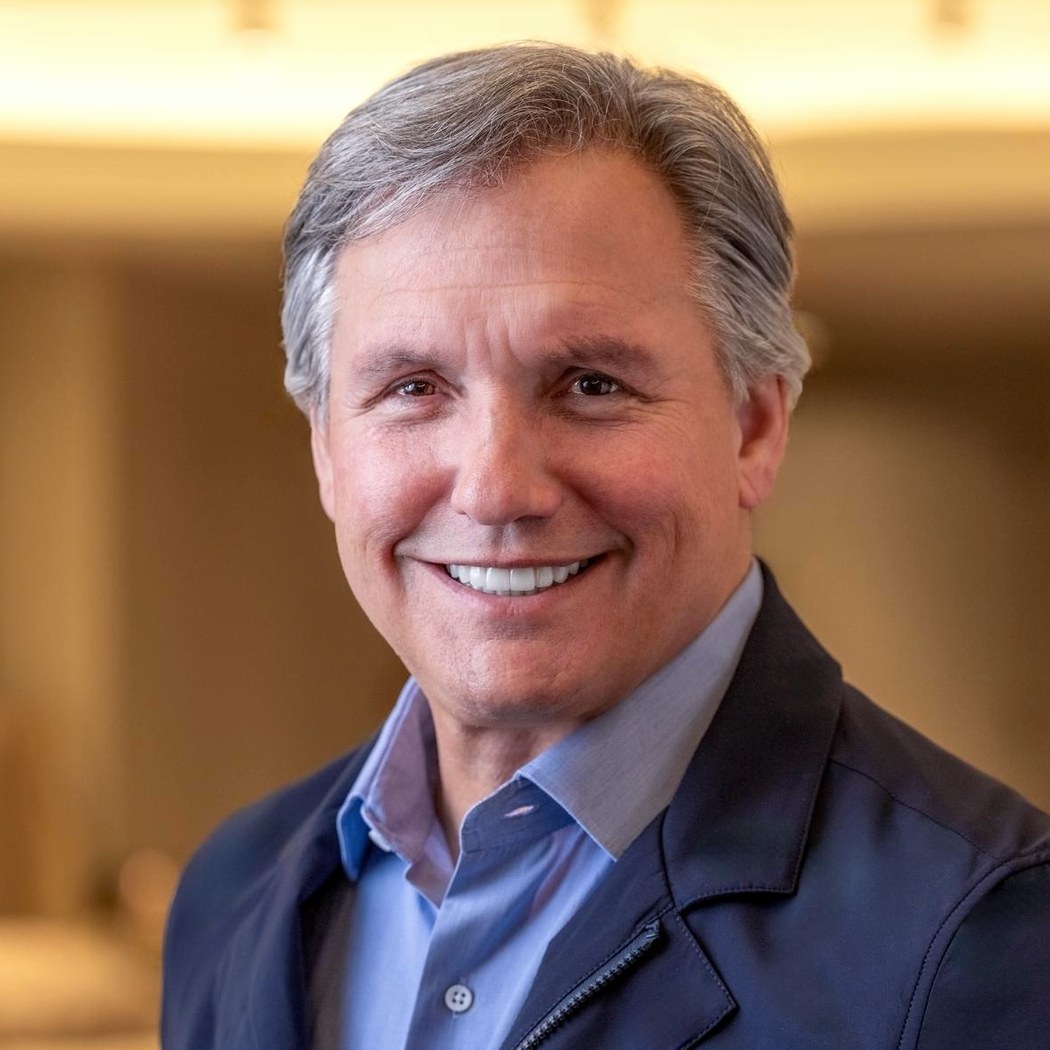
Ron Rudzin and the store that never quite closed
He helped build a 219-store furniture chain, then took the mattress business online. At Saatva, Ron Rudzin keeps finding new uses for an old retail skill: knowing when a customer needs a person.
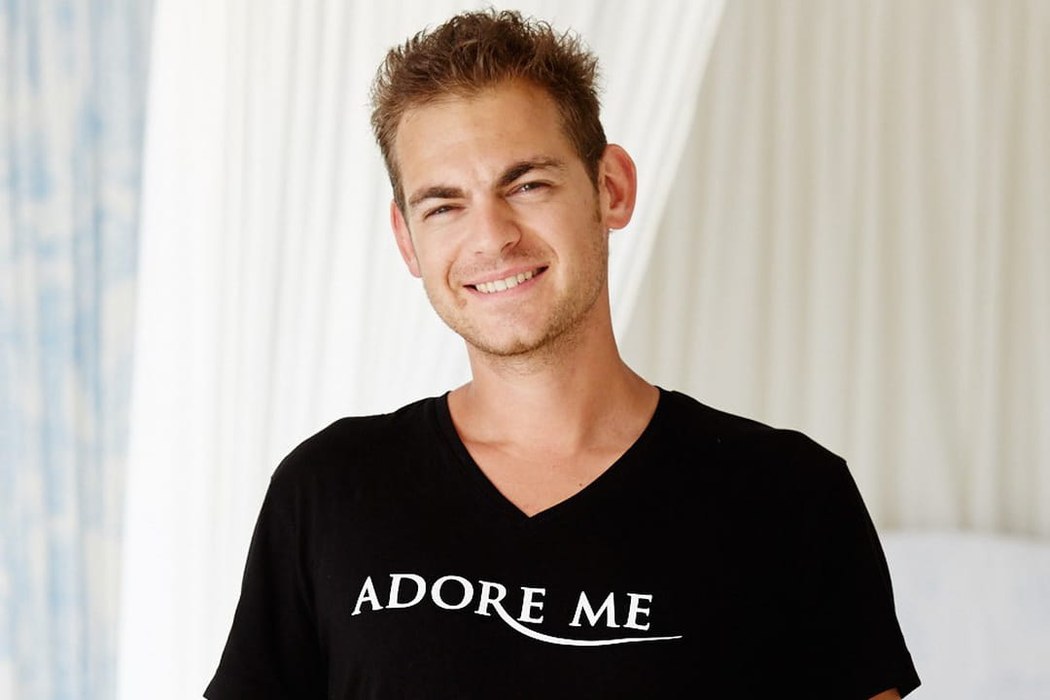
Morgan Hermand-Waiche and the rival that became the buyer
He set out to give Victoria’s Secret some competition. Along the way, the Adore Me founder discovered that selling lingerie meant learning to build almost everything around it.

Eric Mear and the trouble with an ordinary T-shirt
A complaint about black T-shirts sent Eric Mear into the apparel business. Ten years after founding BYLT, his next challenge is taking a company born online into the places people actually shop.

Michael Sirpilla and the art of staying after the sale
The Society Brands co-founder built his acquisition pitch around entrepreneurs who wanted to sell without saying goodbye. From Canton family businesses to a $204 million capital raise, his career keeps returning to the people on the other side of the deal.