sustainable-fashion
(60)
FashionOne: The runway was only half the show
A fashion channel helped put global 4K television on the air. Behind the clothes was a more revealing business: owning the pictures, rebuilding the workflow and finding someone to carry the signal.
The Jewelry Brand That Built a Factory Without Walls
SOKO began as a marketplace for Kenyan makers. The founders found that beautiful one-offs were hard to sell at scale, so they built repeatable jewelry collections and a mobile system that lets independent workshops act like one factory.
Eli Allen and the Art of Cutting the Right Corners
Curtsy began with crowded closets, college formals and a small Mississippi grant. Eli Allen supplied the code - and a lasting taste for the useful shortcut.
Patrick Collins Designs in Two Speeds: Campaign Scale and Slow-Built Fashion
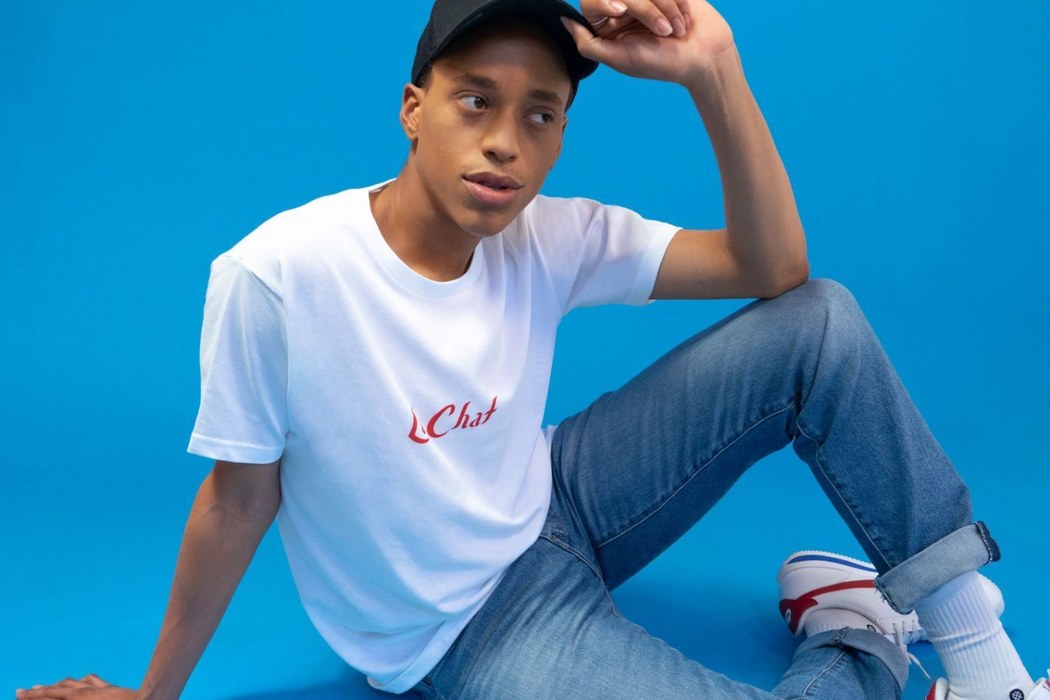
The Los Angeles designer moves between the deadlines of a global activewear company and the deliberate work of building Le Chat Couture - proof that a creative career can run on more than one clock.

Alix Coucardon Learned to Market Without Silos
After 14 years in consumer brands, Alix Coucardon arrived at Adore Me with a full marketing playbook. Four years later, her sharper lesson is that customers never see the org chart.

Holt Renfrew Bet $300 Million That the Future of Luxury Would Be Bigger, Fewer and More Personal
Canada’s old furrier survived by shrinking its map and enlarging the experience. Its useful lesson is not ‘be luxurious’ - it is to spend where digital cannot: trust, taste and human attention.

UNLESS Built a Sneaker That Turns Into Dirt - Then Sold the Idea to Under Armour for $10.3 Million
The Portland startup worked backward from the compost pile, replacing the glue, foam, thread and hidden plastic that make ordinary clothes linger. Its useful lesson is less about green marketing than designing the return route before the first product ships.

David Oates Built Curtsy by Listening to the Closet
A teenage web designer, a moped full of takeout, and a stubborn three-year pivot led David Oates to a useful idea: marketplaces grow when ordinary people can participate without becoming professionals.

Where Men's Brands Go to Grow Up Slowly
The Digital Stronghold quietly gathered five men's apparel labels under one roof - from Taylor Stitch to Boston Scally - on a single contrarian bet: the fastest way to kill a good brand is to grow it too fast.

The Fund Betting That Fashion Gets Fixed in the Factory, Not the Storefront
Karla Mora and Leslie Harwell don't fund T-shirts. They fund the recycling plants, the potato-waste cotton, and the software that reroutes a supply chain - the plumbing every brand quietly runs on.
PAIGE Built a Global Fashion Business One Millimeter at a Time
A former fit model turned the fitting room into a research lab. Two decades later, PAIGE sells denim, tailoring, footwear and wardrobe staples through more than 1,000 retailers in over 80 countries.

LUISAVIAROMA
A Florentine shop born in 1929 became an early luxury e-commerce operator, then opened a 1,000-square-meter New York flagship. LUISAVIAROMA's real product is not simply fashion - it is the edit, wrapped in service, spectacle and global logistics.

Retrofit
Retrofit is an AI-curated vintage marketplace that uses AI agents to sift through hundreds of thousands of secondhand listings, analyzing social media trends, sales data and personal style to surface pieces matched to a shopper's taste, size and budget. Founded in 2024 by Sandra Lifshits and Maddy Yip and backed by Y Combinator (W25), it standardizes photography and descriptions from partner vintage stores so shoppers get a clean, personalized feed instead of endless digging.

Jill Beraud
Jill Beraud is an American consumer brand executive who has spent more than three decades building and running some of the best-known names in retail, beauty, luxury and beverages. She began in brand management at Procter & Gamble, ran her own New York advertising agency, then spent 13 years at Limited Brands, where as Chief Marketing Officer of Victoria's Secret she helped grow the label into a multi-billion-dollar business and also led marketing across Bath & Body Works, Express, Henri Bendel, C.O. Bigelow and Limited Stores. In December 2008 PepsiCo created the role of worldwide Chief Marketing Officer for her, reporting to Indra Nooyi; there she pushed the company away from Super Bowl spending and into the $20 million Pepsi Refresh Project, and later ran the Starbucks and Lipton joint ventures. She went on to serve as CEO of Living Proof, EVP of Global Retail Operations at Tiffany & Co., and CEO of the luxury jewelry house IPPOLITA, before co-founding the plant-based functional beverage company Sh'nnong. Fast Company named her one of its 100 Most Creative People in Business in 2013. She has sat on the board of Levi Strauss & Co. since 2013, was re-elected in April 2026, chairs the Fashion for Good board, and has served on the World of Children Board of Governors since 2009.

Adore Me
Adore Me is a New York-based intimates brand that set out in 2011 to sell well-made bras and lingerie at prices a student could afford, and ended up rewriting how the category is merchandised. Founded by Harvard MBA Morgan Hermand-Waiche, the company paired a wide size range (30-46 bands, A-I cups) with a monthly membership, an at-home try-on box, and an unusually large in-house engineering group in New York and Bucharest that built roughly 15 internal tools for planning, sourcing, and personalization. It reached an estimated $250 million in sales and more than 1.2 million active customers before Victoria's Secret & Co. acquired it in a deal announced November 2022 at $400 million cash upfront plus earnouts, closing January 2023. Adore Me became the only US lingerie brand certified as a B Corporation in 2022. Under its parent it has since narrowed: the founder departed in August 2025, the VIP subscription that defined the model ended in February 2026, and Victoria's Secret recorded a $120 million impairment on the business that same quarter.

Ann Taylor
Ann Taylor is an American specialty retailer of women's clothing, shoes, and accessories, founded in 1954 and known for polished, tailored wardrobing aimed at professional women. Headquartered in New York's Times Square, the brand operates a network of stores and an e-commerce platform, and sits alongside sister label LOFT under KnitWell Group, a portfolio company of private-equity firm Sycamore Partners.

Beyond Yoga
Beyond Yoga is a Culver City, California activewear and athleisure brand founded in 2005 by Jodi Guber Brufsky and Michelle Wahler. Built around a body-positive, size-inclusive philosophy (XXS to 3X) and its signature buttery-soft Spacedye fabric, the female-founded label makes leggings, sports bras, loungewear, and lifestyle apparel designed to move from studio to street. Acquired by Levi Strauss & Co. in 2021 for roughly $400 million, Beyond Yoga has grown past $100 million in annual revenue and is expanding its physical retail footprint under CEO Nancy Green.

Brixton
Brixton is a California-based lifestyle apparel and headwear brand founded in a Oceanside garage in 2004. Named after The Clash song 'The Guns of Brixton,' it started with a single vintage-inspired newsboy cap and grew into a full line of hats, clothing and accessories inspired by heritage workwear - from mariners and aviators to cowboys and laborers. Distributed in more than 30 countries and backed by Altamont Capital Partners, Brixton blends classic silhouettes with modern function and a growing commitment to sustainable materials.

Buffalo Exchange
Buffalo Exchange is a family-owned resale fashion chain founded in Tucson, Arizona in 1974 that pioneered the buy-sell-trade model for secondhand clothing. Customers bring in gently used, on-trend clothing and accessories and receive cash or store trade on the spot, while shoppers browse a hand-picked mix of current styles, vintage finds and designer pieces at a fraction of retail. With roughly 40 stores across the United States and about 590 employees, Buffalo Exchange has built a business around affordable, sustainable style, keeping millions of garments in circulation each year and channeling small change into local charities through programs like Tokens for Bags.

Cupshe
Cupshe is a California-inspired, direct-to-consumer beachwear brand for women that sells trendy, affordable swimwear, bikinis, cover-ups, activewear and loungewear. Founded in 2015 by former Alibaba CEO David Wei, the internet-first label pairs a Shopify-powered DTC website and app with a strong Amazon presence, reaching millions of customers across more than 100 countries. Known for vibrant prints, size-inclusive fits and $15-$30 price points, Cupshe grew into a roughly $150M-plus swimwear business and has expanded into recycled, GRS-certified sustainable collections.
Dagne Dover
Dagne Dover is a New York-based direct-to-consumer accessories brand founded in 2013 that designs hyper-functional bags - backpacks, totes, diaper bags, and luggage - engineered around organization and everyday problem-solving. Built by three women who bootstrapped rather than chasing venture capital, the brand is known for its signature neoprene 365 Collection, recycled Repreve linings, and an 'Almost Vintage' resale program that extends the life of its products.

Fabletics
Fabletics is a membership-based activewear brand founded in 2013 and headquartered in El Segundo, California. Built on a VIP subscription model that pairs monthly credits with data-driven personalization, it sells women's and men's activewear, footwear, swimwear, loungewear, and medical scrubs across e-commerce and 120+ retail stores. In 2025 the company crossed $1 billion in annual revenue with more than 3 million active customers, roughly 2.7 million of them VIP members.

Frank & Eileen
Frank & Eileen is a Los Angeles-based apparel brand founded in 2009 by Audrey McLoghlin to reinvent the women's button-up shirt using premium Italian fabrics historically reserved for menswear. Named for the founder's Irish grandparents, the brand is 100% woman-owned, has never taken venture capital, and became a Certified B Corporation in 2020 with one of the highest impact scores of any U.S. apparel company. Its shirts are woven in Italy and its knitwear is made in California, and its work has been worn by figures including Oprah Winfrey, Meghan Markle and Angelina Jolie.

Knix
Knix is a Toronto-based direct-to-consumer intimate apparel company that pioneered the leakproof underwear category. Founded in 2013 by Joanna Griffiths, it designs machine-washable, reusable period and leakproof underwear, bras, activewear, swimwear and shapewear built for the realities of menstruation, bladder leaks, postpartum and body changes. Known for size-inclusive design and a mission to empower women to be 'unapologetically free,' Knix grew into the #1 leakproof brand in North America and was acquired by Swedish hygiene giant Essity in 2022 in what was reported as the largest exit by a Canadian female founder.
Lafayette 148 New York
Lafayette 148 New York is a privately held, vertically integrated luxury womenswear house founded in SoHo in 1996. Named for its original address at 148 Lafayette Street, the brand designs, produces, sells and fulfills clothing, footwear and accessories under one roof - from its Brooklyn Navy Yard headquarters to its owned atelier in Shantou, China. Known for intelligent, understated tailoring, luxurious fabrics and inclusive sizing across petite, missy and plus ranges, it serves professional and style-conscious women through its own boutiques, e-commerce site, AtelierDirect styling service and select luxury retailers.
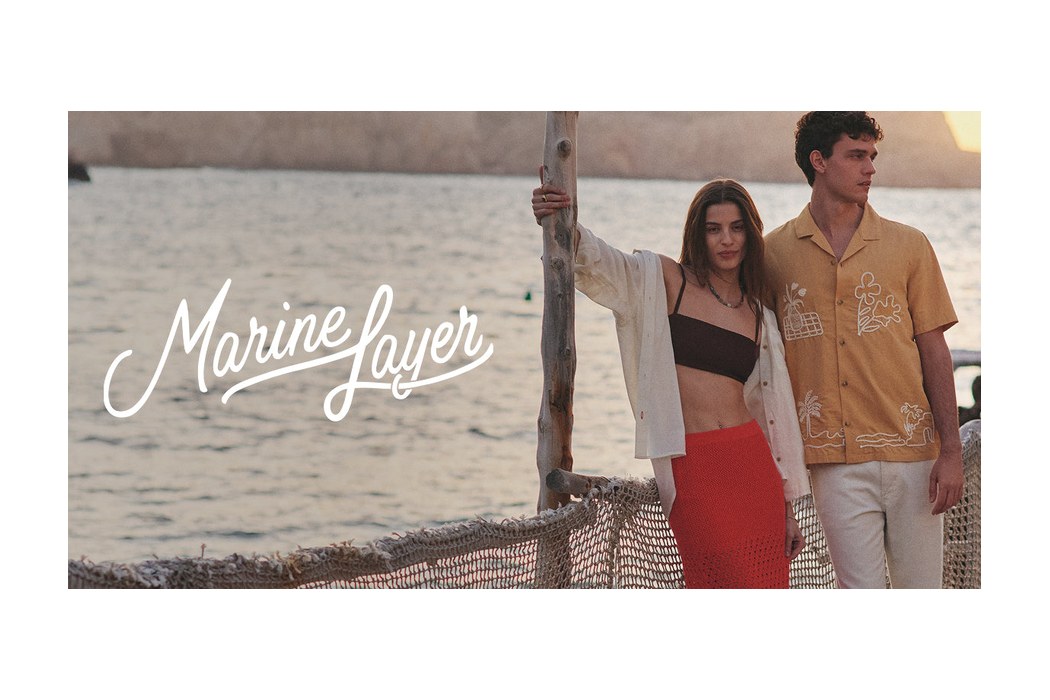
Marine Layer
Marine Layer is a San Francisco-based casual apparel brand built around one obsession: absurdly soft clothes. Founded in 2009 by Mike Natenshon and Adam Lynch, the company built its identity on proprietary fabrics - blends of Supima cotton, MicroModal spun from beechwood pulp, and recycled fibers - sold through a direct-to-consumer model spanning e-commerce and 55+ retail stores. A Certified B Corporation, Marine Layer runs a textile take-back program called Re-Spun that has collected over a million used T-shirts and turns them into new garments. The brand sits in the premium-casual, California-lifestyle segment, competing on comfort, sustainability credentials, and a laid-back aesthetic.

Max Mara Fashion Group
Max Mara Fashion Group is a privately held, family-owned Italian luxury house founded in 1951 in Reggio Emilia by Achille Maramotti. Credited with helping create Italian pret-a-porter, the group turned industrial precision toward high-quality women's ready-to-wear, becoming best known for its camel coats and outerwear. Today it operates a portfolio of brands - including Max Mara, Sportmax, Weekend Max Mara, Marella, Pennyblack, iBlues, MAX&Co. and Marina Rinaldi - across roughly 100 countries with about 6,000 employees and around 2,300 stores, while remaining wholly controlled by the Maramotti family.

Rhone
Rhone is a Stamford, Connecticut premium performance apparel brand founded in 2014, best known for pioneering men's activewear that bridges the gym, the office and everyday life. Built around proprietary technical fabrics and its signature Commuter collection, Rhone sells direct-to-consumer online and through a growing retail footprint while championing men's mental health through its Mind & Muscle events and partnerships with the NBA and LPGA.
Spell
Spell is a Byron Bay fashion label founded in 2009 by sisters Isabella Pennefather and Elizabeth Abegg. Beginning as a jewellery stall at Byron's artisan markets, it grew into a globally recognised 'elevated boho' womenswear brand known for hand-drawn signature prints, dreamy romantic silhouettes, and a large, loyal online community. The company - which retired its former name 'Spell & The Gypsy Collective' - is a certified B Corporation and carbon-neutral business that has moved much of its supply chain toward organic and recycled fibres.

Nicks Ericsson
Nicks Ericsson is the Chief Marketing Officer of KEEN Footwear, the Portland-based outdoor shoe company, a role he took on in 2024. A Swedish-trained brand marketer with more than 20 years across fashion, sport, and footwear, he spent over a decade at UGG, where he built the brand's first circular-economy program and pushed its regenerative-agriculture pledge across a million acres of farmland. Earlier he helped scale premium labels including J.Lindeberg and Justin Timberlake's William Rast, and he co-founded The AND Agency to advise companies on responsible brand and sustainability strategy. His stated aim at KEEN is to make it 'the most trusted brand in the world' through consistency and transparency rather than moonshot promises.