designer
(10)
Calvin Klein
Calvin Klein is an American global fashion house founded in 1968 by designer Calvin Klein and business partner Barry Schwartz. Known for minimalist design, denim, underwear, fragrances and provocative advertising, the brand elevates everyday essentials to iconic status. Now owned by PVH Corp., Calvin Klein products generate roughly $9 billion in global retail sales annually and are sold across apparel, underwear, fragrances, accessories and home through wholesale, retail and digital channels worldwide.

Michael Kors
Michael Kors is an American accessible-luxury fashion house founded in 1981 by designer Michael Kors. Known for jet-set American sportswear, its signature Saffiano-leather handbags, watches and ready-to-wear, the brand sells through hundreds of retail and outlet stores worldwide, wholesale partners and a growing e-commerce business. Now the anchor brand of parent Capri Holdings, Michael Kors accounts for roughly 70% of the group's revenue and targets style-conscious, aspirational consumers who want luxury design at a more attainable price point.
Jaspal Sandhu
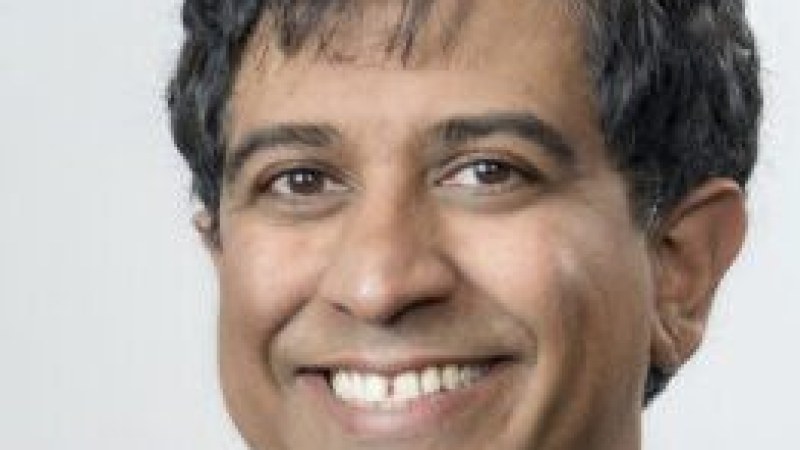
Jaspal Sandhu is a designer, educator, and social entrepreneur who became President and CEO of Hopelab, a social innovation lab and impact investor focused on the mental well-being of young people ages 10 to 25, on January 1, 2026. Trained as an engineer at MIT and as a designer at UC Berkeley, he built his career around human-centered design in global health, co-founding the pioneering social impact design firm Gobee Group and teaching public health innovation at Berkeley since 2010. At Hopelab he has led investments in youth-focused mental health startups, raised millions for youth-led technology work, and built research and fellowship programs centered on Black, Brown, and Queer young people.

Jutta Friedrichs
Jutta Friedrichs is a German-born designer and co-founder of Soofa, the Cambridge, MA company that makes solar-powered digital signs for city sidewalks. Before Soofa she ran the MÜ furniture studio in Shanghai, co-founded Xindao's in-house design team, won two Red Dot Awards, an iF Design Award and an Elle Decoration Award, and earned a Masters at the Harvard Graduate School of Design. She mentors at the Harvard Innovation Lab and works at the seam of hardware, human-centered design, and the civic public realm.
Abhay Agarwal
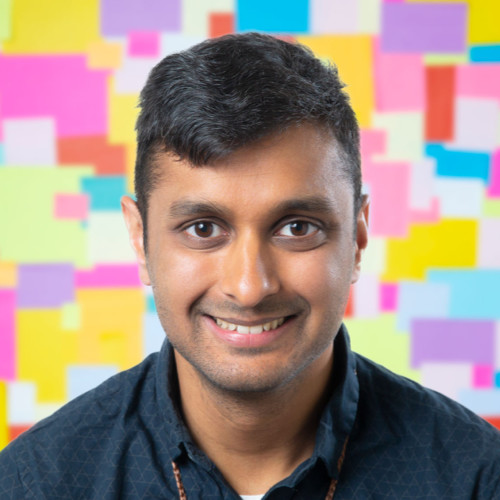
Abhay Agarwal is the founder and CEO of Poly, the intelligent cloud file browser built to replace Finder and File Explorer for the AI era. A former Microsoft Research AI fellow and Stanford d.school lecturer, he came up through engineering at UC Berkeley and design at Stanford, then founded the human-centered AI consultancy Polytopal before pivoting it into a Y Combinator-backed startup. In November 2025, Poly emerged from stealth with $8M in seed funding led by Felicis, powered by its own Polyembed-v1 embedding model. Agarwal describes the product as 'an LLM with infinite context from your life,' and frames his life's work around a theory he calls Post-Cognitive Design.

Ben Ho
Ben Ho is the Singapore-based founder of Hex (hex.sg), a web design and development studio, and the creator of Sendy - a widely-used self-hosted email newsletter application powered by Amazon SES. A self-taught designer and programmer, Ben co-founded Hex with Melly Fong in 2007, building websites and web applications for major brands like Sony, Nokia, Levi's, Changi Airport, and Tiger Beer. His best-known product, Sendy, launched in August 2012 and transformed the email marketing economics for thousands of businesses by offering a one-time $69 fee to send newsletters at a fraction of the cost of platforms like Campaign Monitor - roughly $1 versus $150 per 10,000 emails via Amazon SES.
Joe Garcia
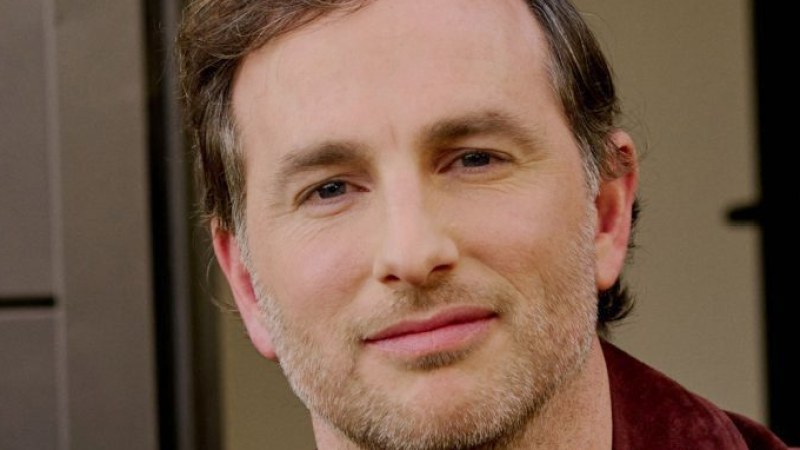
Joe Gebbia co-founded Airbnb in 2008 out of a San Francisco living room - air mattresses, breakfast included - and turned a half-crazy idea into an $85B company. His current venture, Samara, builds factory-assembled, solar-ready backyard homes (ADUs) that go from permit to move-in in under seven months. In early 2025 he became America's first Chief Design Officer, tasked with redesigning the federal government's 27,000 websites. A Rhode Island School of Design graduate with dual majors in graphic and industrial design, Gebbia approaches every problem - housing affordability, government UX, refugee shelter - through the lens of democratic, empathetic design.
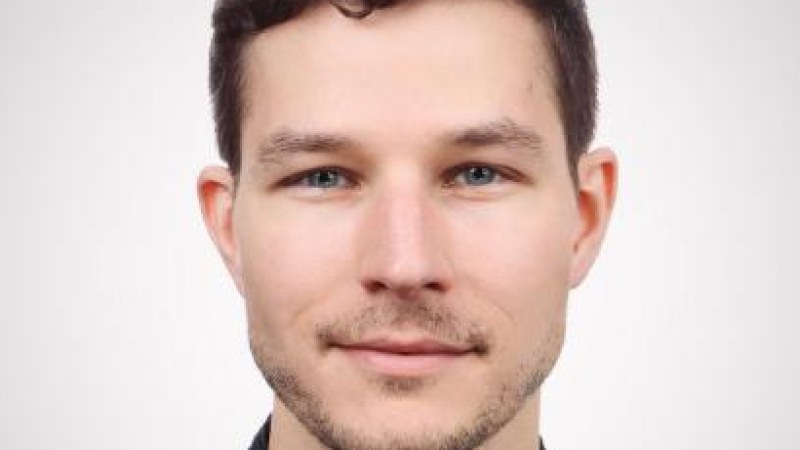
Raphael Schaad
Raphael Schaad is a Swiss designer-engineer and Visiting Partner at Y Combinator who built three generation-defining products: iA Writer (the minimalist writing app), Flipboard (the original social magazine), and Cron (acquired by Notion in 2022). Raised in the Swiss Alps, trained at MIT Media Lab, he brings a rare combination of technical depth and design taste that has made him a go-to mentor for founders navigating the AI era.
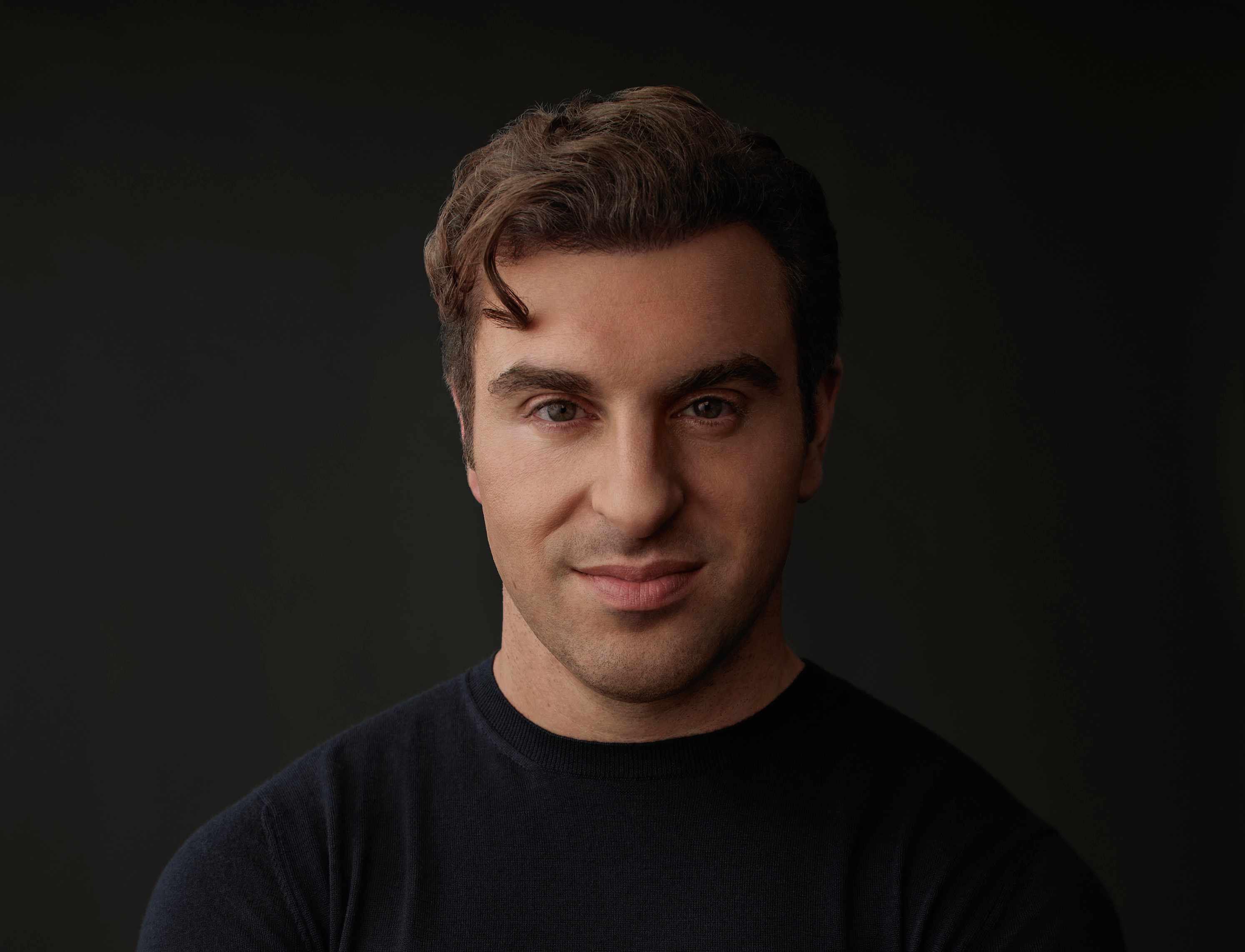
Brian Chesky
Brian Chesky is the co-founder and CEO of Airbnb, the global home-sharing and travel marketplace operating in 220+ countries. A Rhode Island School of Design-trained industrial designer, Chesky built Airbnb from a $80/night air mattress rental in his San Francisco apartment into a company that went public in December 2020 at an ~$86.5 billion market cap — just nine months after losing 80% of its business to COVID-19. In 2024, his hands-on leadership philosophy sparked a viral debate in Silicon Valley under the term 'founder mode,' coined by Y Combinator's Paul Graham after a Chesky talk. As of 2025, he is steering Airbnb's boldest pivot yet: from a home-rental platform to a full-service travel ecosystem.
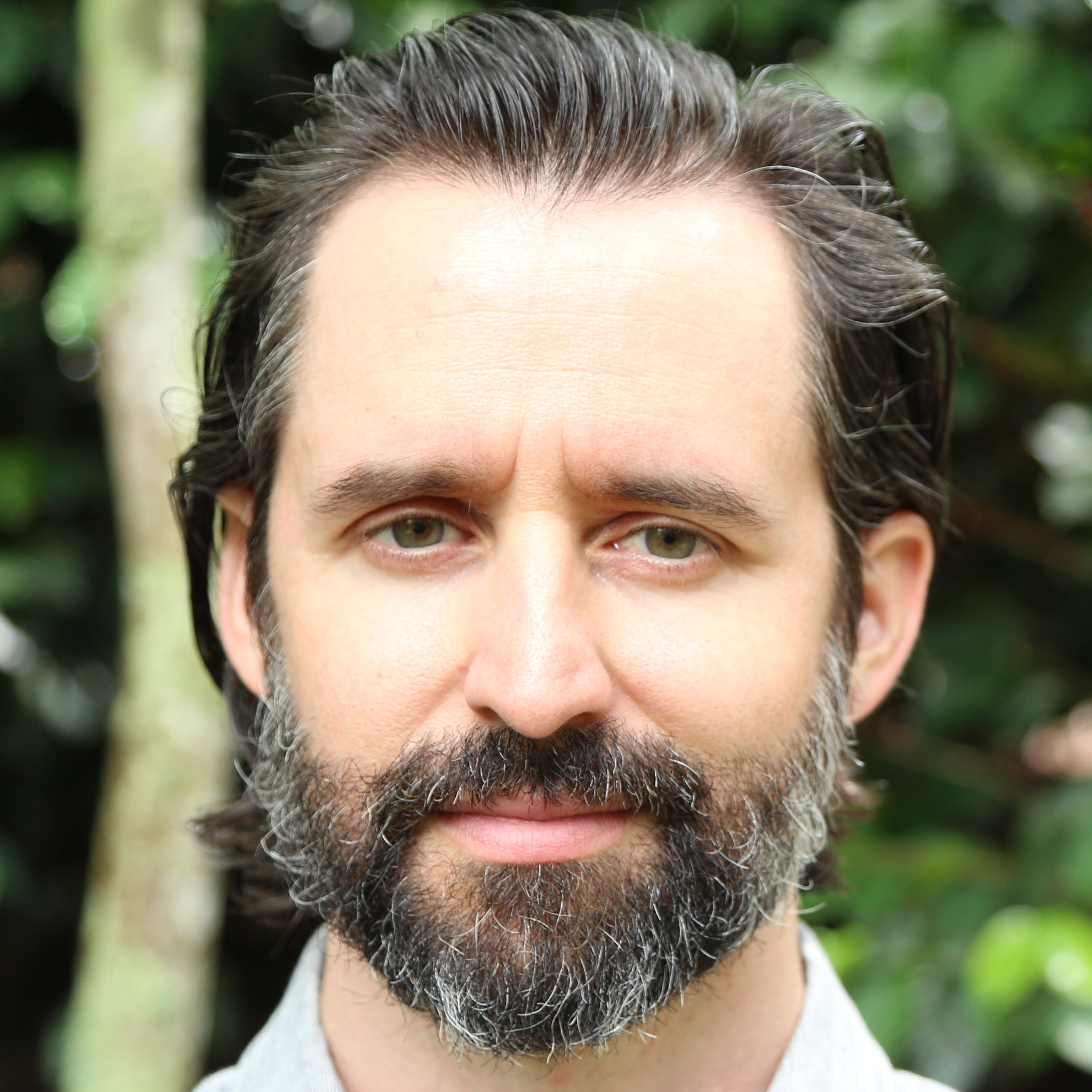
David Kadavy
David Kadavy is a bestselling author, designer, and creative productivity expert who reverse-engineered design principles for developers, advised a startup that Google acquired, and built a location-independent career from a Nebraska cubicle. His books - including Design for Hackers, Mind Management Not Time Management, and Digital Zettelkasten - have sold 100,000+ copies in 13 languages. He lives in a cabin outside Medellín, Colombia, publishes his income reports publicly, and argues that creativity is about managing your mind, not your calendar.