climate
(59)
Yishan Wong and the problem with planting a trillion trees
After PayPal, Facebook, and Reddit, Yishan Wong retired to Hawaiʻi. Then a patch of dry land pulled him into a new job: building the systems that help forests come back.
Peter Brooks Is Building a Water Company With No Exit Clock
A Marine deployment, a Fulbright year in India and a string of unglamorous water jobs led Peter Brooks to an unusual business idea: buy the companies that keep water moving, then keep them for decades.

The Brussels Nonprofit Growing 118 Million Trees
Founded in 2009 to stop global warming "in our lifetime," WeForest has restored more than 100,000 hectares across four continents — and it is quietly proving that planting trees was only ever half the job.

The 9,000-Person Firm That Runs the Government's Least Glamorous Machinery
It started in 1969 as a fund for inner-city businesses. Today ICF models the power grid, rebuilds towns after storms, and quietly runs some of the federal programs you have never heard of.
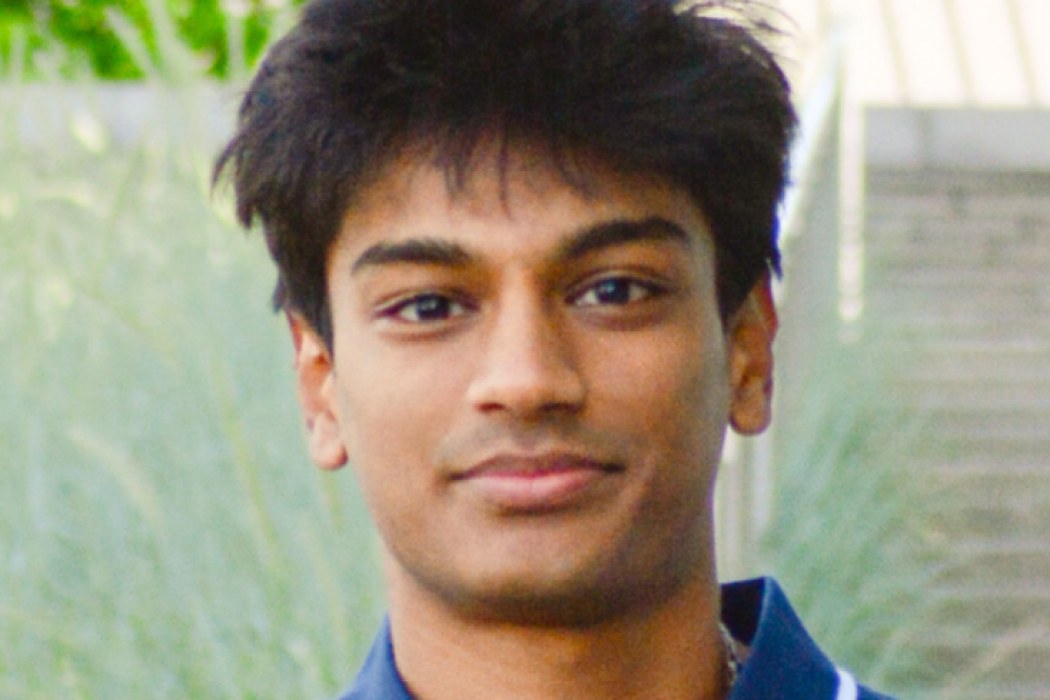
Tarun Batchu
Tarun Batchu is the co-founder and CEO of Vela Energy, a startup building AI execution agents for large-load energy projects - software that reads a project's real records and drafts the procurement, permitting, and engineering work needed to move interconnection queues faster, always stopping for a human to approve. He started chasing energy problems at 12 with a carbon-capture project that reached ExxonMobil, spent his teens in climate policy and community organizing, and studied EECS and business through UC Berkeley's M.E.T. program before raising a $1.3M pre-seed led by a16z Speedrun and Z Fellows.

Alex Grant
Alex Grant is the co-founder and CEO of Magrathea, an Oakland-based startup building a new electrolytic process to make magnesium metal from seawater and brine with near-zero carbon emissions. A chemical engineer who previously founded lithium-extraction company Lilac Solutions and modeled battery supply chains at Minviro, Grant started Magrathea in 2022 to reshore US magnesium production. What began as a climate play turned into a national-security one: after Russia's invasion of Ukraine tightened global magnesium supply, Magrathea won a Defense Production Act partnership with the US Department of Defense. He was a Forbes 30 Under 30 honoree in Energy in 2021.
Niosha Kayhani
Niosha Kayhani is Chief of Staff to the CEO at Muon Space, a Mountain View based end-to-end space systems company building LEO satellite constellations for climate, earth observation, and national security missions. A chartered mechanical engineer trained at the University of Portsmouth with an executive MBA from Warwick, he arrived in Silicon Valley after building innovation programs at Cubic in London and San Diego, a detour through Google in Dublin, and a first job tuning fiber-optic lasers at SPI. He holds ten-plus U.S. patents and, on the side, has founded Taurus Space, a company working on standards-aligned command-and-control for coalition defense networks.
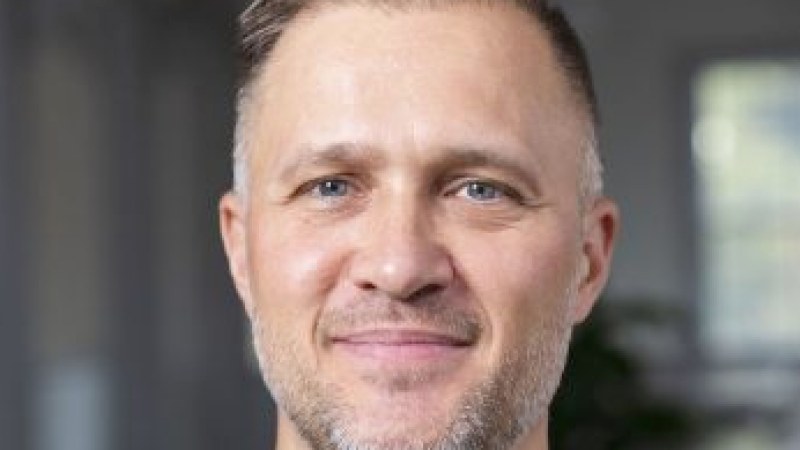
Ryan Begin
Ryan Begin is the co-founder and CEO of Divert, a Concord, Massachusetts impact-technology company that grew from a two-person idea in 2007 into a nationwide network of anaerobic digestion facilities. Divert prevents wasted food across roughly 7,800 retail locations, donates edible surplus, and turns the rest into renewable natural gas. A Maine native and Clarkson-trained electrical engineer, Begin left Raytheon to build the company alongside co-founder Nick Whitman.
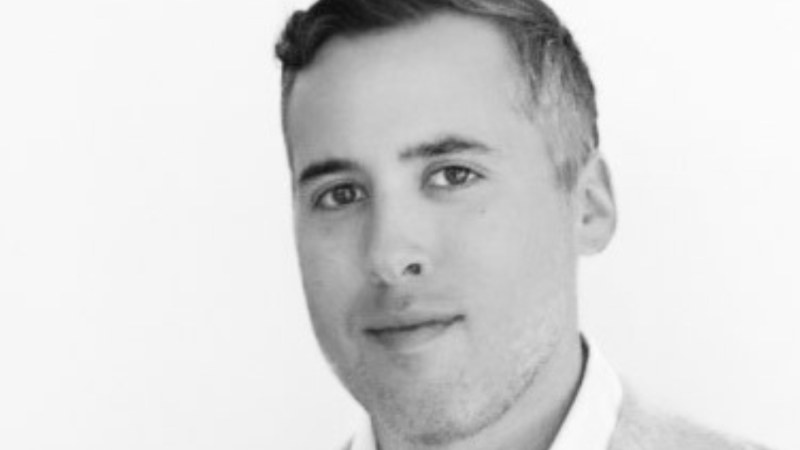
Ben Hernandez
Ben Hernandez is the founder and CEO of Numat, a Chicago deep-tech company that treats chemistry like software. Numat designs metal-organic frameworks (MOFs), nanoscale materials that capture, hold, and even destroy specific molecules with atomic precision. Trained as an engineer with a law degree and an MBA, and a former private equity investor, Hernandez turned a Northwestern lab idea into the world's first industrial-scale MOF manufacturing campus, powering safer hazardous-gas storage for the semiconductor industry through its ION-X product and pushing toward industrial decarbonization.
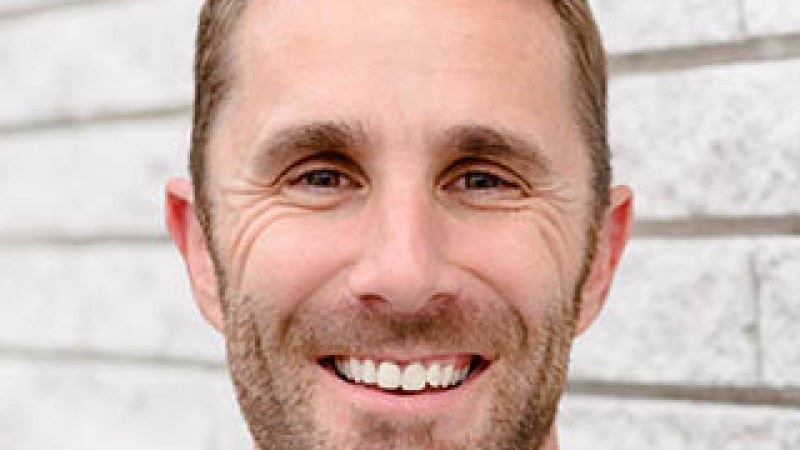
Ben Parry
Ben Parry is the CEO of Compost Crew, a Rockville, Maryland public benefit corporation turning food scraps into soil across the Washington, D.C. region. After more than a decade financing solar and wind projects on five continents, he bought a scrappy three-truck compost hauler in 2018 and grew it into one of the Mid-Atlantic's largest organics recyclers, with more than 20,000 customers, a 40-truck fleet, and a network of local Compost Outpost sites that close the loop between kitchen buckets and nearby farms.
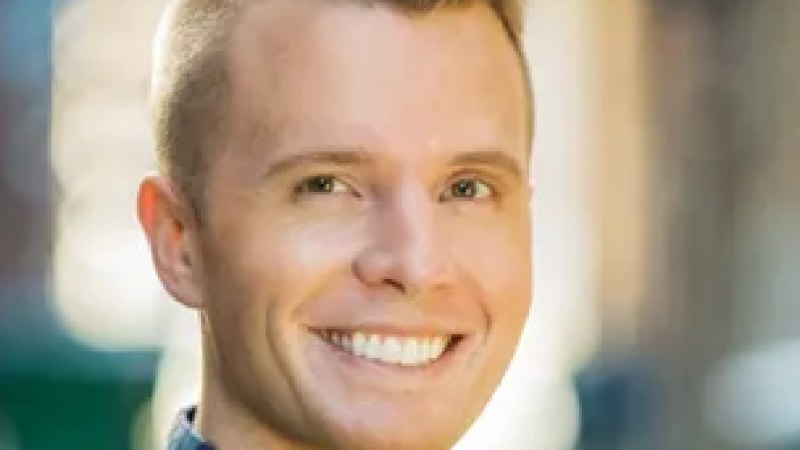
Ricky Ashenfelter
Ricky Ashenfelter is the co-founder and CEO of Spoiler Alert, a Boston-based B2B software company that helps major food and CPG brands sell, discount, and donate excess and short-dated inventory before it becomes waste. He co-founded the company in 2015 with Emily Malina while earning his MBA at MIT Sloan, building on earlier work in sustainability consulting at Deloitte and the U.S. EPA. Under his leadership Spoiler Alert works with global brands like Nestle, Kraft Heinz, and Danone, and has helped keep more than 500,000 tons of product out of landfills. He was named to the Forbes 30 Under 30 Social Entrepreneurs list in 2017.

Jin Lim
Jin-Myoung Lim is the co-founder, CEO, and CTO of ACT-ion Battery Technologies, a Dallas-based deep-tech startup reinventing how cathode active materials (CAM) are made for lithium-ion batteries. A PhD mechanical engineer from Seoul National University with 2,272+ research citations and an h-index of 27, Lim spun ACT-ion out of Hunt Energy Enterprises in 2019 with a bold thesis: that the biggest bottleneck in the battery supply chain isn't the chemistry - it's the manufacturing process. His Hydro4Crystal platform produces coated single-crystal CAMs continuously, with lower energy, cost, and emissions than any incumbent method, and it works across chemistries from LFP to NMC. In 2024, the technology won an R&D 100 Award. By late 2025, ACT-ion had raised $11.5 million from BASF Venture Capital, LG Technology Ventures, Mirae Asset Capital, and Korean institutional investors, and was breaking ground on a pilot plant in Carrollton, Texas.
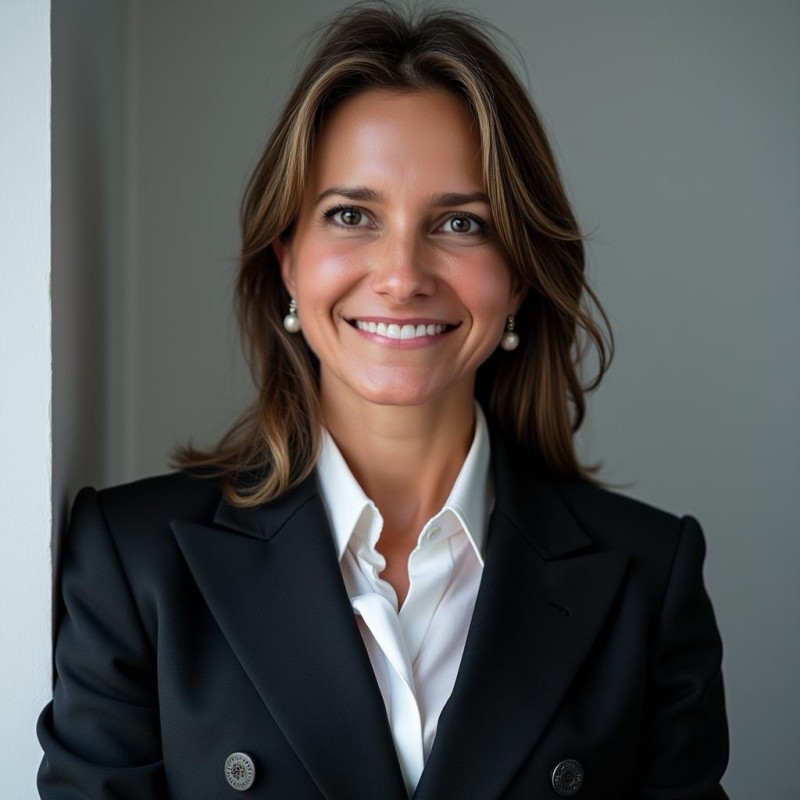
Katie Hanson
Katie Hanson is a strategic operator at the seam between health, AI, and regenerative systems. As Chief Business Officer at Wonder Sciences, she helps move next-generation mental healthcare protocols from research into the real world; as Partner at The Liminal Collective and advisor to organizations from Oceanic Global to Earth 300, she works across the rare overlap of healthspan, climate, and frontier technology.
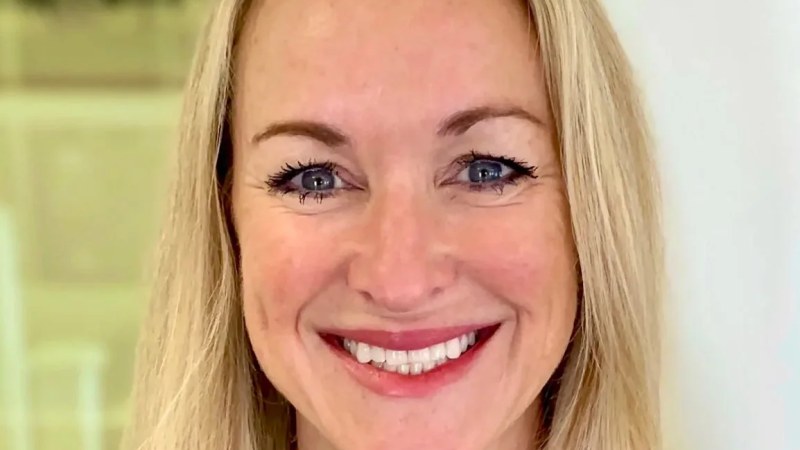
Katy Reynolds
Katy Reynolds is the Co-Founder and CEO of Shibusa Systems, a Monterey, California startup turning home construction into precision on-site assembly. A former Merrill Lynch investment banker turned climate-forward homebuilder, she is rebuilding the way American houses get made - faster, cheaper, all-electric, and out of low-carbon materials.
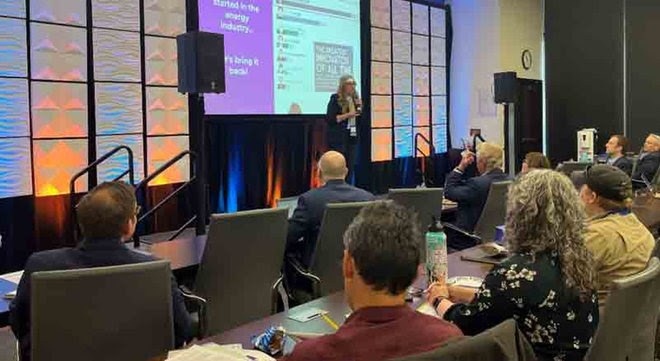
Kim Getgen
Kim Getgen is the founder and CEO of InnovationForce, an AI-powered innovation management platform born in Durham, North Carolina. She bootstrapped the company by moving in with her parents and selling her car, then watched it land on Fast Company's Top 10 Most Innovative Workplace Solutions list and bring 165+ utilities onto a single collaboration platform. Named one of Inc.'s Top 500 Female Founders of 2025, she has spent two-plus decades shoving legacy industries (energy, cybersecurity) toward the future before the future arrives without them.
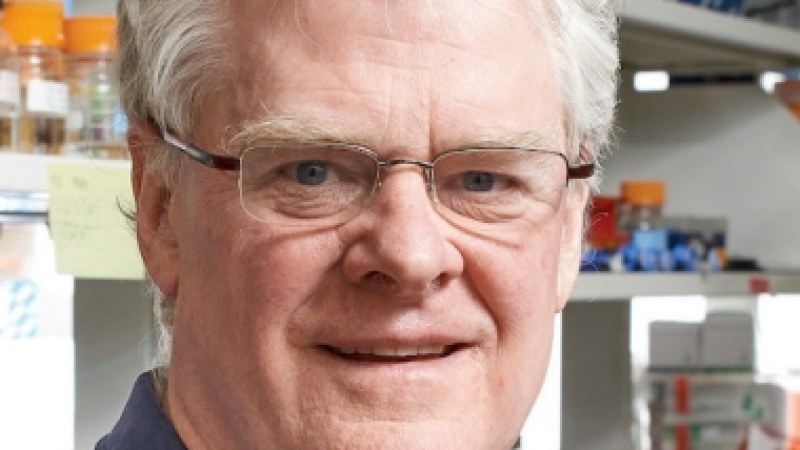
Lee Lynd
Lee Rybeck Lynd is a biochemical engineer and microbiologist who has spent four decades figuring out how to make plants pay for themselves as fuel. He is the Paul E. and Joan H. Queneau Distinguished Professor of Engineering at Dartmouth, co-founder and CTO of Terragia Biofuel, and the scientist most associated with consolidated bioprocessing, the one-pot fermentation idea that uses heat-loving bacteria like Clostridium thermocellum to chew through crop residue and spit out ethanol.

Mango Materials
Mango Materials is a biomanufacturing company that converts waste methane - the same gas that vents from landfills and wastewater plants - into biodegradable polyhydroxyalkanoate (PHA) pellets sold under the YOPP brand. The pellets replace conventional plastics in fibers, films, rigid goods, and 3D-printing feedstock, and they fully biodegrade in soil, freshwater, and marine environments.

Heather Hochrein
Heather Hochrein is the founder and CEO of EVmatch, a peer-to-peer electric vehicle charging network she likens to Airbnb for chargers. What began as a master's thesis project at UC Santa Barbara's Bren School became a venture aimed at the least glamorous corner of the EV revolution: helping renters and apartment dwellers find a place to plug in. A self-described accidental business owner with roots in energy efficiency and workforce development, she has spent over a decade arguing that the clean energy economy only works if it is also a just and equitable one.
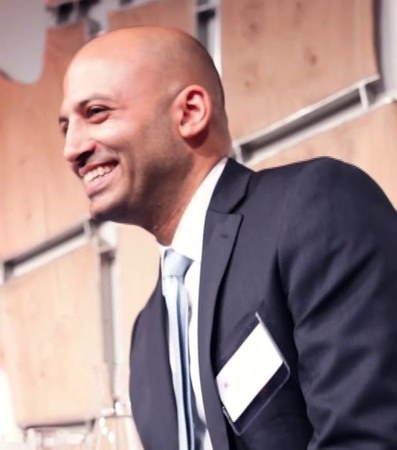
Nick Benavides
Nick Benavides is the cofounder and CEO of Everywhere Apparel, a Los Angeles materials-science company that turns cotton waste into 100% recycled, GRS-certified blank apparel through its CirCot process - no water, no dyes, no microplastics. A Stanford religious-studies grad who went from Bain to helping start the trading app Robinhood, he pivoted from finance to fashion after he and two co-founders, frustrated by the lack of genuinely sustainable band merch for their indie record label, decided to build the supply chain themselves. Everywhere now produces recycled garments for artists like Chappell Roan, Paramore, Wilco and Dead & Co., and was named Counselor's 2025 Sustainability Advocate of the Year.
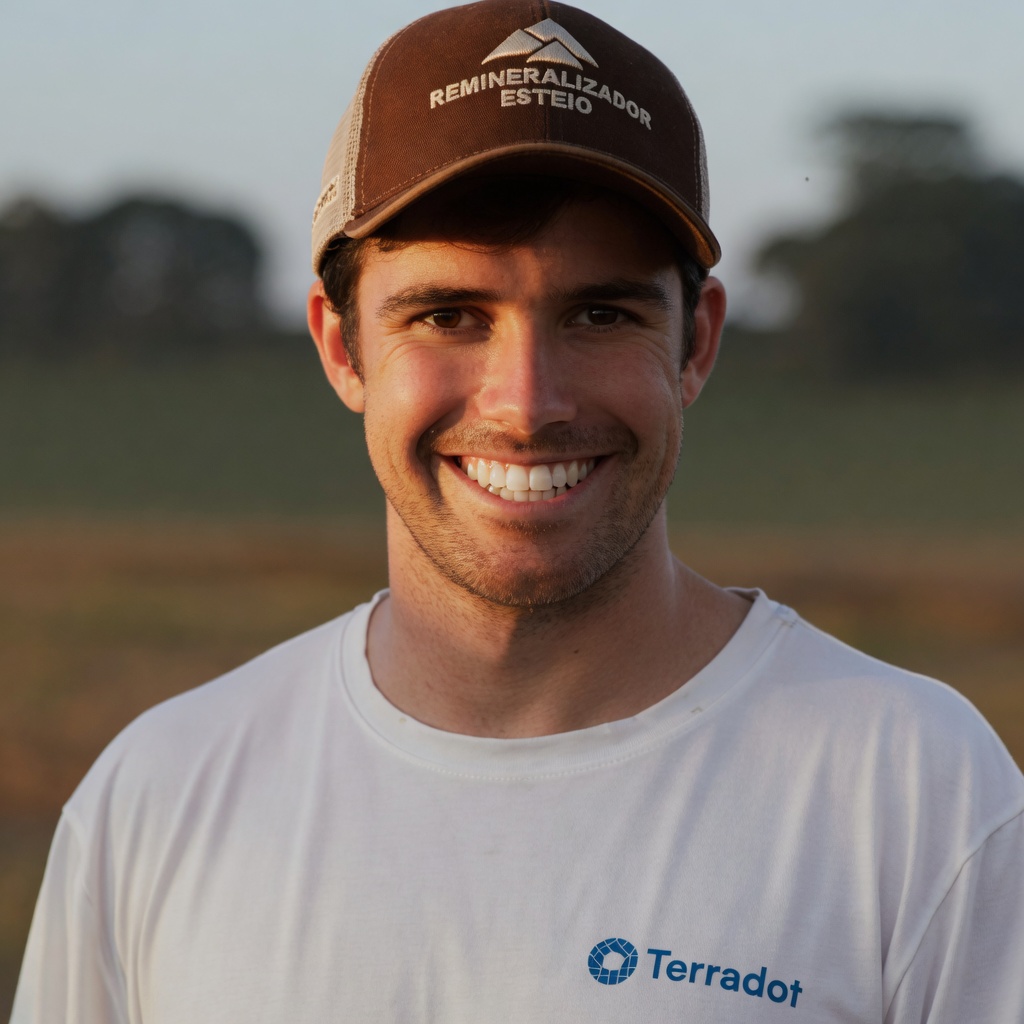
James Kanoff
James Kanoff is the co-founder and CEO of Terradot, a climate company using enhanced rock weathering to pull carbon dioxide out of the atmosphere by spreading crushed silicate rock across farmland. He launched Terradot in 2024 with $58.2M in funding, including a $54M Series A led by Kleiner Perkins and backing from Google, Microsoft, John Doerr and Sheryl Sandberg, and has already signed some of the largest carbon-removal deals in the field's history. Before Terradot, while a Stanford undergraduate sent home during the COVID-19 pandemic, he co-founded The Farmlink Project, a nonprofit that has rescued well over 130 million pounds of surplus food for communities facing hunger.

Harrison Yoon
Harrison Yoon is the CEO of Kula Bio, a Massachusetts agbiotech company turning supercharged nitrogen-fixing microbes into a low-emission alternative to synthetic fertilizer. A chemical engineer by training with a Cornell postdoc and more than 25 years across cell culture, microbial fermentation and bioprocess engineering, he joined Kula Bio in 2020 as President and COO and stepped up to CEO in November 2025 as the company closed its Series A-1 round and launched shelf-stable products into farmers' fields.
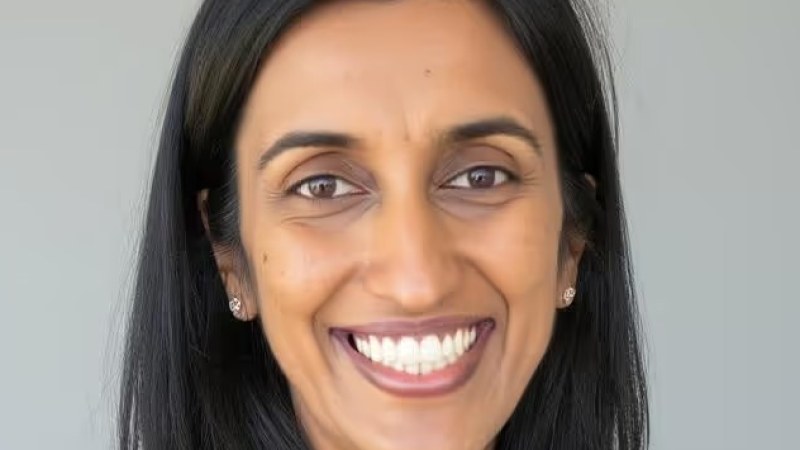
Manika Doshi
Manika Doshi is the CEO of rePurpose Global, the New York-based plastic action platform that has pulled 100 million pounds of plastic waste out of nature across 11 countries and partnered with 500+ brands. A materials science engineer turned operator, she rose from COO to chief executive in January 2026 as the company pivots toward packaging-compliance software and Extended Producer Responsibility. Her brief: make a tangled, regulation-heavy problem simple enough that brands move from intention to action at scale.

Tenet - EV Financing
Tenet is a New York fintech building the first lending platform designed exclusively for electric vehicles. It uses the unique attributes of EVs, chargers, and battery storage to offer lower monthly payments, fast 24-hour funding, and a path to home electrification - increasingly as a lending-as-a-service engine that powers credit unions and other lenders.

Hana Kajimura
Hana Kajimura is the CEO of Trellis Group, the climate media-and-events company behind GreenBiz, Circularity and Trellis Impact. Before running the room, she built it: as Allbirds' first full-time sustainability hire she stamped a carbon footprint on every shoe, open-sourced the methodology so rival brands could copy it, and authored the 'Flight Plan' to halve the company's per-product emissions. A Stanford environmental scientist who chose business over activism because companies 'move much more swiftly,' she now runs the largest gathering of sustainability professionals in North America.
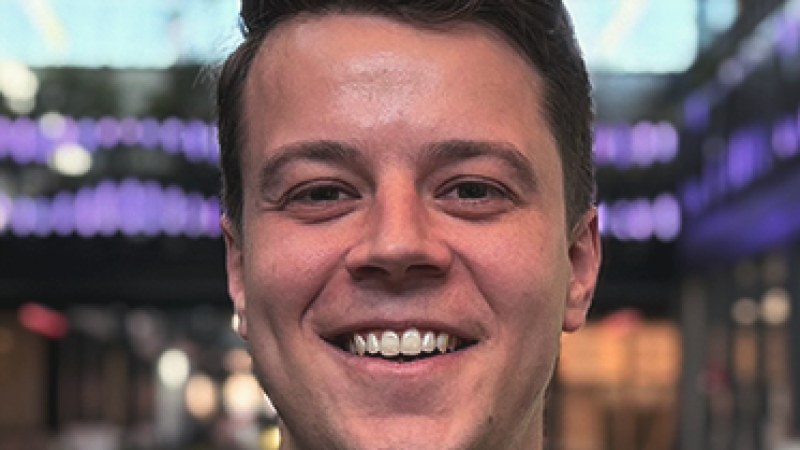
Joachim Katchinoff
Joachim Katchinoff is a Yale-trained biogeochemist who co-founded CREW Carbon to turn ordinary wastewater treatment plants into permanent carbon-removal machines. By dosing treatment tanks with crushed alkaline minerals, CREW converts the CO2 that microbes naturally belch into stable bicarbonate, while cutting chemical costs for utilities. The company became the first in the world to issue certified Wastewater Alkalinity Enhancement carbon credits and raised a $25M Series A in 2026 to scale across the US and Europe.
Ravi Pappu
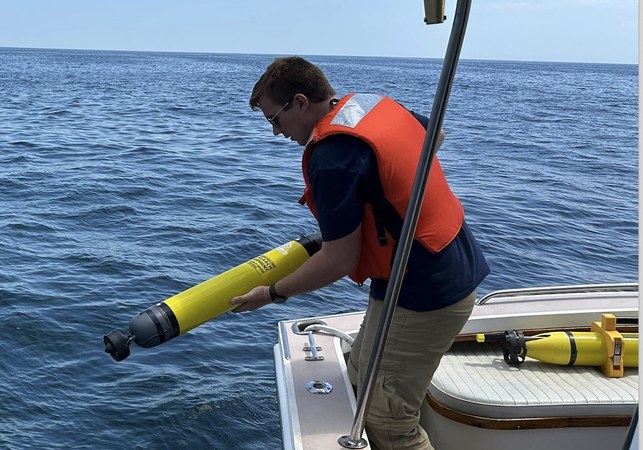
Ravi Pappu is the founder and CEO of Apeiron Labs, a Cambridge, Massachusetts startup building low-cost autonomous robots that drift through the water column to measure the ocean at a scale never attempted. A physicist-turned-serial-founder, he invented Physical Unclonable Functions during his MIT PhD, co-founded the RFID pioneer ThingMagic (acquired by Trimble), and served as CTO of the CIA-linked venture firm In-Q-Tel before deciding the subsurface ocean was the hardest, most under-measured place on Earth and going after it with hardware he calls 'the CubeSat for the ocean.'
Muon Space
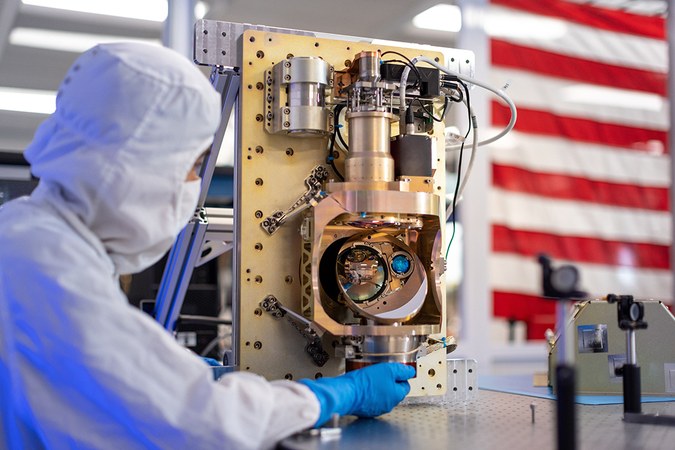
Muon Space is a Mountain View-based end-to-end space systems company that designs, builds, and operates mission-optimized satellite constellations for climate, defense, and Earth intelligence customers. Its Halo platform pairs the modular MuSat spacecraft bus with MuOS middleware and the MuSim digital twin, anchoring high-profile programs like Google's FireSat wildfire constellation and a $44.6M U.S. Space Force environmental monitoring agreement.

Ashwin Cheriyan
Ashwin Cheriyan is the CEO and co-founder of Thistle, a San Francisco-based plant-forward meal delivery company he built from a cold-pressed juice pop-up in 2013 into a nationwide subscription service delivering over 20 million meals. A self-described 'recovering corporate lawyer,' he traded a career at Simpson Thacher & Bartlett doing billion-dollar M&A deals for the chance to fix how Americans eat — driven by his parents' experiences as physicians watching patients suffer from diet-related chronic disease. Thistle, which he runs alongside his wife and co-founder Shiri Avnery, has raised over $20 million and now serves the West and East Coasts with chef-designed, nutritionist-approved meals that are gluten-free and dairy-free by default.
Chris Abbott
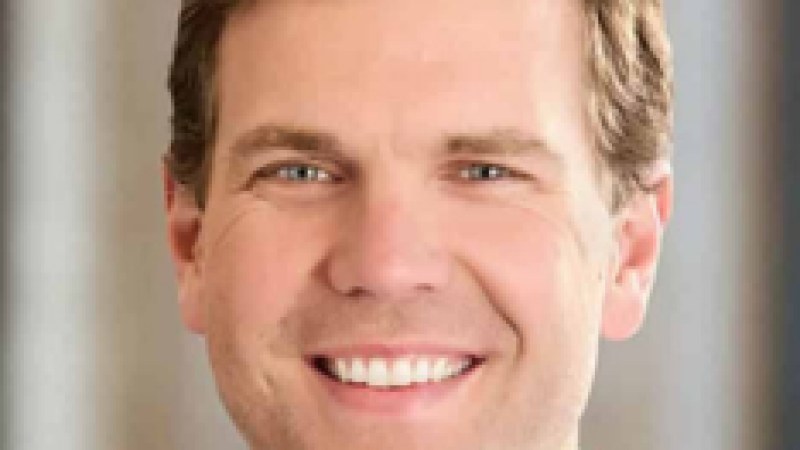
Chris Abbott is the Chief Executive Officer of Pivot Bio, a Berkeley-based agricultural biotechnology company pioneering microbial nitrogen solutions that replace synthetic fertilizers. A Minnesota native and University of Minnesota graduate, Abbott built his career at the intersection of agriculture finance and agtech investing - from Wall Street sell-side research at Piper Jaffray to co-leading Continental Grain's Conti Ventures. He joined Pivot Bio's board in 2018, and in August 2023 stepped up as CEO, guiding the company past $100 million in annual revenue while scaling its gene-edited microbes to over 5 million acres. Under his leadership, Pivot Bio achieved 60% year-over-year revenue growth and has helped farmers reduce synthetic nitrogen use by over 129,000 metric tons.
Eric Faurot
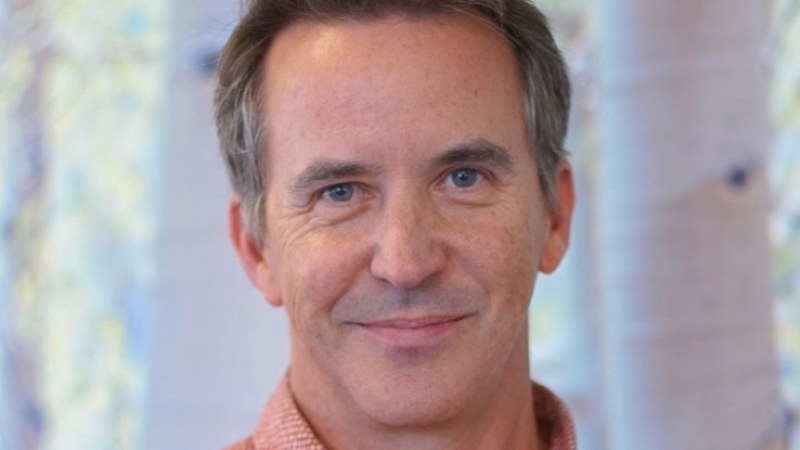
Eric Faurot is the long-serving CEO of Trellis Group (formerly GreenBiz Group), a B2B media company headquartered in Oakland, California that runs flagship sustainability conferences including VERGE, BLOOM, GreenFin, and Circularity. Over 14 years at the helm, he built GreenBiz into a leading platform for sustainability professionals - combining editorial media, peer networks, and live events - before transitioning to a Growth Leader role in July 2024 when Hana Kajimura succeeded him as CEO. His career traces an arc from tech media event production (COMDEX, INTEROP, Black Hat) to climate and sustainability, making him a rare figure who bridged Silicon Valley-era conference culture with the emerging sustainability economy.