insurance-technology
(70)
Patrick Quigley Put a Price Tag on the Waiting Room
A $970 gap between two prices for the same scan gave the engineer and operator a question worth building a company around: what if insurance showed its work?

Switch Software Knows Where the Hours Go
Idle cloud servers. Repeated invoice entry. Timesheets nobody enjoys. The Uruguayan software company has built a business tackling the expensive chores hiding inside banks, insurers and retailers.
Nearmap’s billion-dollar view of your roof
The Australian company turned repeat aerial photography into a subscription business. Now it is following the insurance claim from the first overhead picture to the price of replacement materials.

The Insurance Lab That Never Has to Pitch a Client
Liberty IT has spent nearly three decades turning Belfast engineering talent into software for one enormous customer: its parent, Liberty Mutual. Its best work shows what a captive technology company can do when cloud experiments are expected to survive contact with claims, compliance and millions of policyholders.

Courtney Rains Makes Insurance Software Sound Human
At Applied Systems, Courtney Rains has spent more than a decade translating the machinery of insurance into a language of connection, confidence and growth.

Joseph King Has Spent Three Decades Making Technical Companies Sound Human
From business forms to an AI-first insurance market, Joe King's career is a study in translation: turning complex technology into language that clients, colleagues and classrooms can use.

Tyler Jones Is Selling Insurance a Future It Can Audit
After two decades moving between data, operations and customer experience, Duck Creek's CMO has a precise brief for AI in insurance: make it useful, keep it accountable, and leave judgment where it belongs.

Lisa Khoury Took the Scenic Route to Insurance's AI Rewrite
Before she sold the future of underwriting, Lisa Khoury learned to read balance sheets, build categories, and make complicated products legible. Now the former banker is giving insurance's AI argument a sharper spine.
The 4,000-Person Insurance Specialist Hiding Behind Your Policy
ValueMomentum spent 25 years learning the unglamorous machinery of property and casualty insurance. Its wager is that knowing where policies, claims and customer letters actually jam is more valuable than being the biggest consultant in the room.

Maria Roberti Learned to Read Both the Code and the Room
Before co-founding Ringmaster Technologies, Maria Roberti moved through reinsurance, property and healthcare marketing. Her unusual pairing of computer science and business psychology became a practical way to translate complicated systems into companies people can understand.
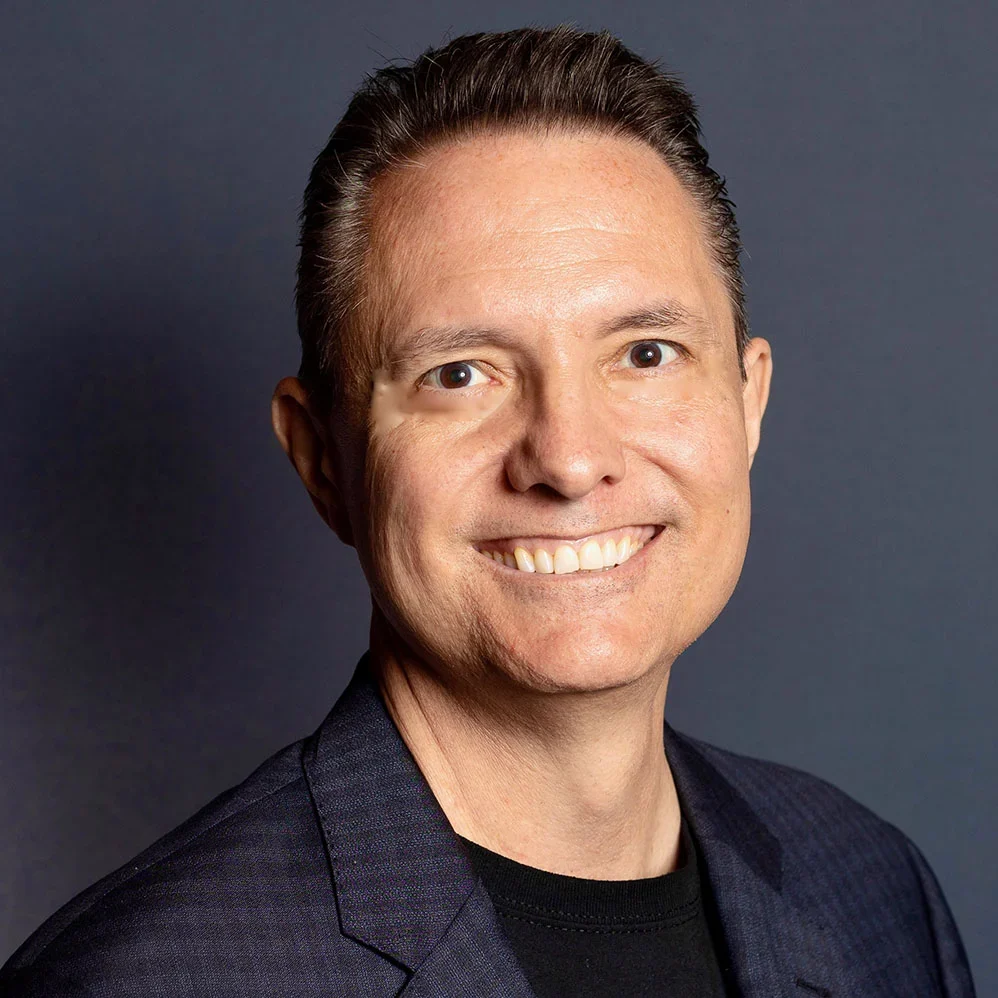
Brendan McLoughlin Has Spent 30 Years Making Messy Businesses Legible
Before insurance software, he launched consumer brands, built a $20 million business and helped remake a medical-education company. At e123, the same instinct has a new target: the spreadsheets, handoffs and blind spots hiding inside distribution.

Two Brothers-in-Law Turned a Birdhouse Into a 3.5-Billion-Image Property Machine
Eagleview began with one roofer trying to avoid a ladder. Eighteen years later, its planes, patents and property models sit inside decisions about claims, construction, taxes, solar panels and disaster response.
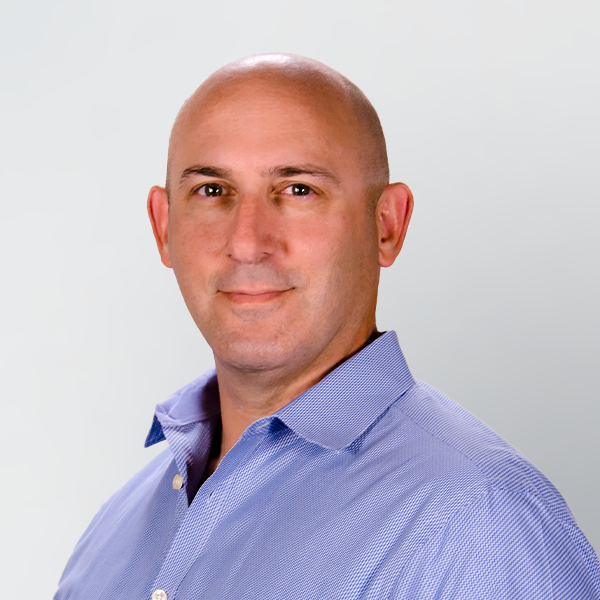
Chris Farfaras and the 32-Year Bet on Boring Infrastructure
Before digital payments became a boardroom slogan, Chris Farfaras was explaining the plumbing of premium finance. Three decades later, his work still turns on the same quiet question: how do you make paying for insurance feel simple?

Jordan Katz Went Looking for a Problem Nobody in Silicon Valley Wanted
He left familiar software behind, learned insurance accounting one reluctant interview at a time, and built Comulate around an unfashionable advantage: paying very close attention.

Steve Chauby Is Making Insurance Behave More Like a Good Teacher
After two decades moving from underwriting spreadsheets to startup experiments and nationwide distribution, Steve Chauby has arrived at a deceptively simple idea: give educators choice, remove friction and show up where their lives actually happen.

Alok Kumar Killed His Bank Startup - and Kept the AI That Worked
A six-week wait for his teenage brother's bank card started one company. A customer-support bottleneck ended it. Between those two moments, Alok Kumar learned that a founder's real job is not to protect the original idea - it is to notice what is actually working.
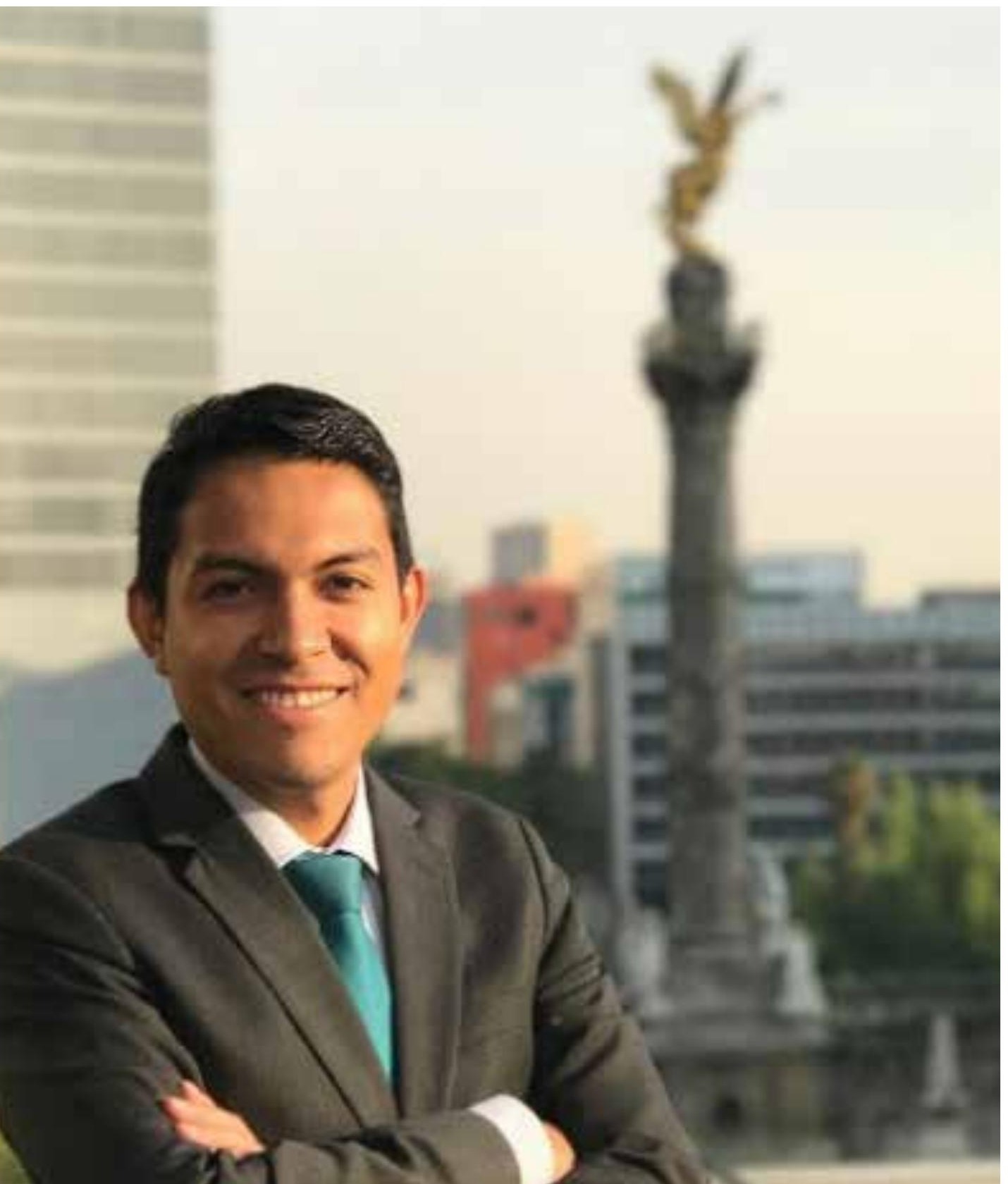
Omar López Tronco Is Teaching Insurance to Notice How People Actually Move
The Clupp founder spent a decade measuring risk before rebuilding mobility insurance around a phone, an odometer and a deceptively simple question: what if the policy adapted to the customer?

Chang Lu Is Turning Insurance Fine Print Into a Price Tag
He entered medical school at 17, met his co-founder at Brown orientation, and found his startup idea behind a pharmacy counter. Now Chang Lu wants the cost of coverage to be computed before the bill arrives.

David Embry Bet Small Businesses Deserved Better Insurance - Then Built the Machine to Prove It
Mylo began with a stubborn question: could software make small insurance accounts worth serving well? A decade later, David Embry's answer is a business built around better recommendations, patient iteration and the enduring value of a human conversation.

Mark Scafaro Found the Insurance Shortcut: Keep the Agent, Delete the Waiting
Life insurance spent years trying to automate away the people who sell it. Mark Scafaro built Afficiency around a more practical idea: preserve the human conversation, then make everything around it move in one sitting.
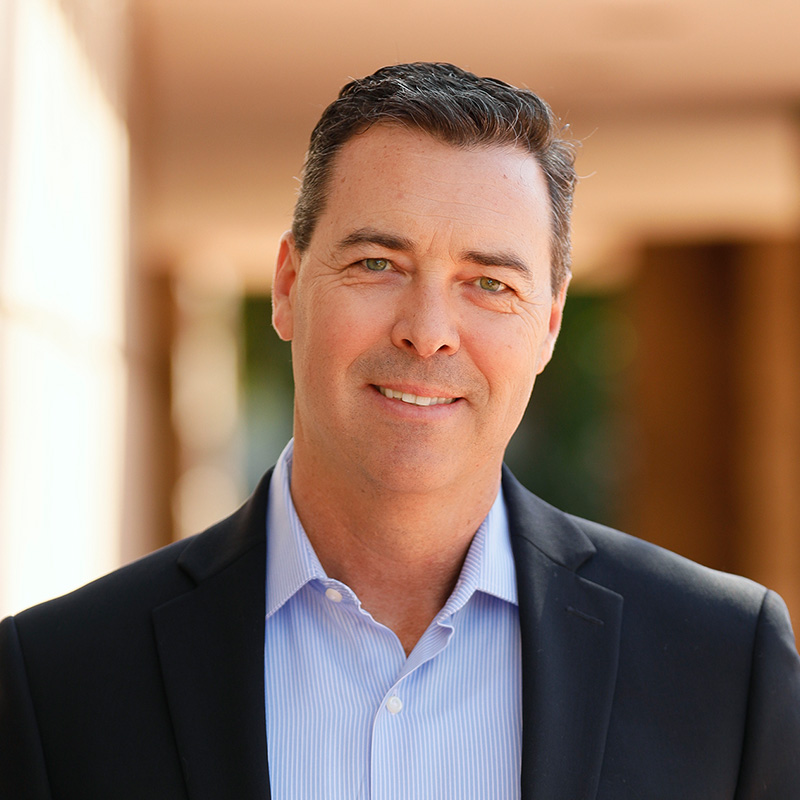
Tyler Van Spanje Built a Career Around the Quiet Machinery of Risk
From cargo paperwork to warehouse liability, the TIMBY founder has spent three decades making obscure risks legible - then turning that expertise into a company built for brokers in a hurry.

Encircle Built a $270-a-Month Insurance Weapon From the One Thing Crews Hate: Paperwork
Property restorers lose margin when the evidence arrives late, incomplete or scattered across five apps. Encircle turned that paperwork problem into a field-first software business used by more than 3,000 restoration shops - and is now teaching the job file to draft the scope.

Clearspeed Bets a Few Seconds of Voice Can Clear the Honest Majority
The risk-screening company does not listen for the right words. It studies how a voice changes when the stakes rise - then helps insurers and government teams decide where human attention belongs.
The $380 Billion Business of Giving Savers Permission to Spend
Corebridge sells a surprisingly emotional product: permission to use the money you spent decades saving. Behind that promise sits an old insurance engine, a young public brand and a pending merger that could erase the name almost as quickly as it arrived.

Hideo Esaka Sells the Data That Runs Every Car You Never Think About
He trained in physics and psychology, then spent 25 years learning to explain complicated software to the people who buy it. At Solera, the product is the data quietly steering the auto and insurance industries.

The Insurance Giant Hiding Behind the Repair Bill
AmTrust built an $8.8 billion premium engine by insuring the businesses and breakdowns bigger carriers can overlook. Its next policy is being written in software, claims data and a network of specialist partners.

Hexaware Technologies
How a spin-off from an Indian computer-training business became a 32,000-person, AI-first services firm - and pulled off the biggest technology-services IPO in over a decade.

Neutrinos
The Singapore startup betting that insurers do not need to replace their aging core systems - they need software smart enough to work around them.
The Hartford
The Hartford has spent 216 years learning how America breaks, rebuilds and gets back to work. Its next act is narrower, more digital and still built around an old-fashioned promise: price risk before trouble arrives, then show up when it does.

Solera Holdings, LLC.
Solera sits behind the moments when a car is claimed, repaired, sold, tracked, or returned to the road. Its advantage is not one famous app, but a deep reservoir of vehicle data wired into the daily work of insurers, shops, dealers, and fleets.