dallas
(190)
Qatalys makes the handoffs work
A health-plan platform needs more than code. Qatalys has built a business around the knowledge, people, and connections that keep complicated software running.
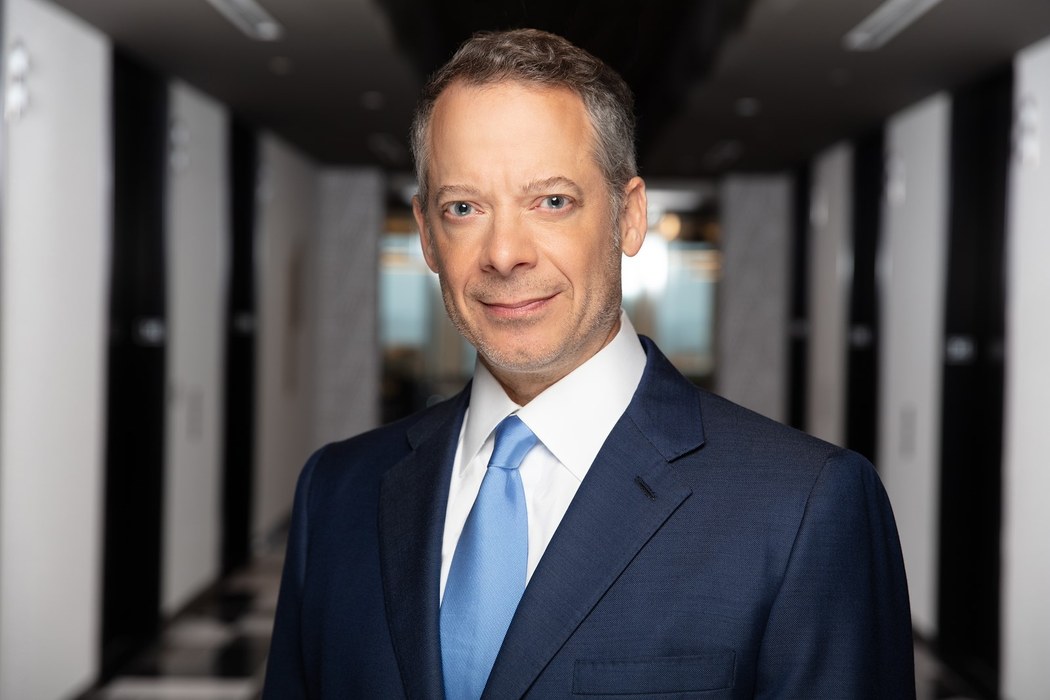
Monty Bennett and the price of staying in charge
From a Cornell MBA and a 100-room Hampton Inn to a family business on Wall Street, Monty J. Bennett built his career around understanding the hotel from every angle. Ownership brought a harder question: who gets the last word?

Matador Resources Knows the Way Out
Finding oil is only half the job. Matador Resources has spent years assembling the acreage, pipes and processing plants that help turn a good well into a paying business.
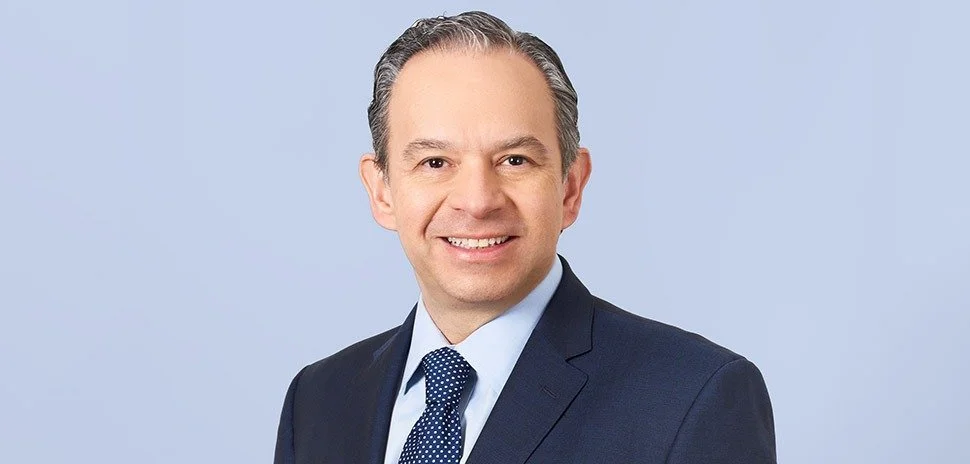
Antonio Carrillo and the art of going back to the factory
After Wharton, Antonio Carrillo chose manufacturing over consulting and banking. At Arcosa, he spent eight years changing what the company owned - a transformation that ended with CRH’s $8.5 billion acquisition.
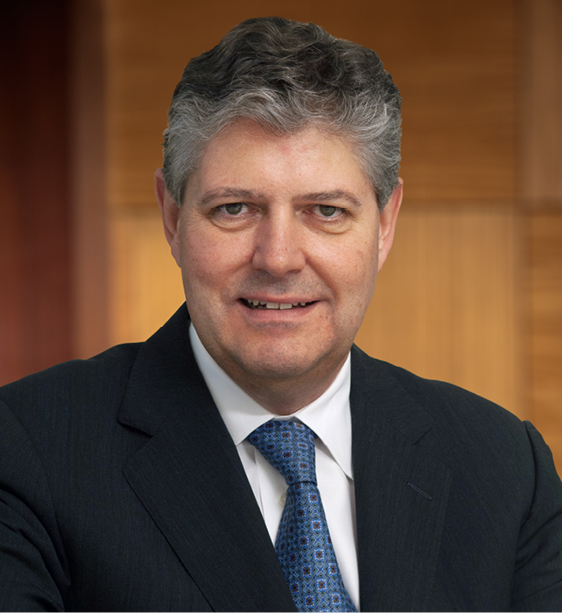
Andy Inglis and the ten-year hurry
He urges governments and companies to move faster, yet his defining Kosmos project took a decade to travel from discovery to its first LNG cargo. Andy Inglis works in the space between those two clocks.

Kosmos Energy found the gas. Then came the hard part.
A discovery can change a country’s prospects. Turning it into a paying business takes ships, partners and a balance sheet that can survive the wait.
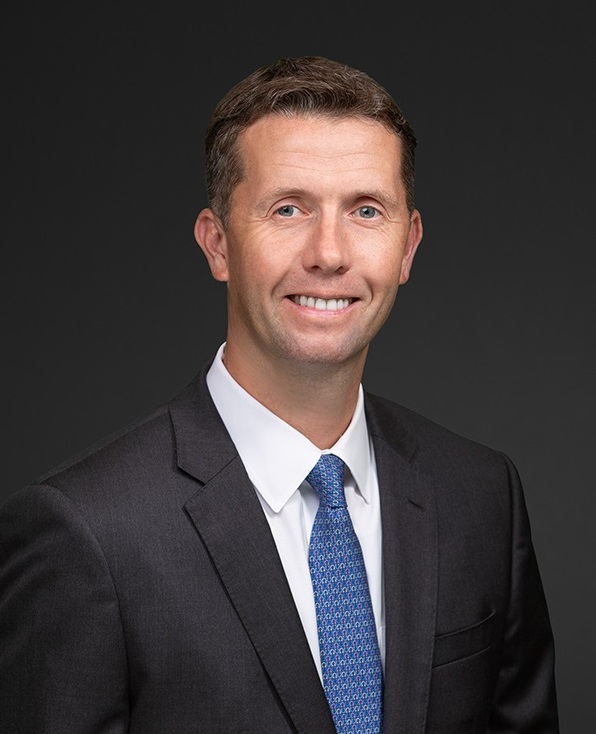
CJ Johnson and the question of what gets built
At Mechanics Bank, CJ Johnson has helped turn acquisitions into a larger banking business. His work with housing partners offers another way to measure what that growth can do.
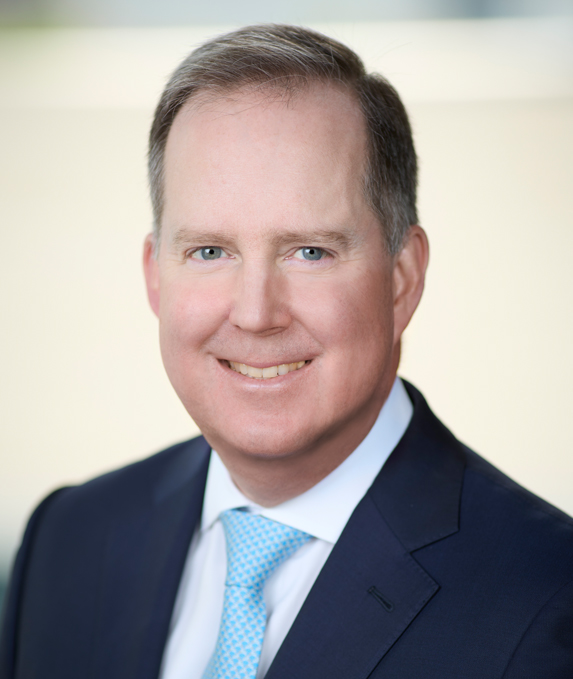
Allen Nye and the education of a utility chief
Before he led Oncor, Allen Nye learned the electricity business from service centers, regulatory hearings and a seven-year ownership ordeal. Now his assignment is to help build the grid for a growing Texas.

Shawn Stewart and the education of a loading dock
He started handling freight in 1995. Three decades later, Shawn Stewart is applying a working knowledge of logistics to Forward Air’s unfinished turnaround.

Joseph Harisson and the Trouble With Choosing
The founder of IT Companies Network keeps returning to the decisions around technology: whom to hire, what to buy and how people learn to use it. Even his Costco shopping has something to add.
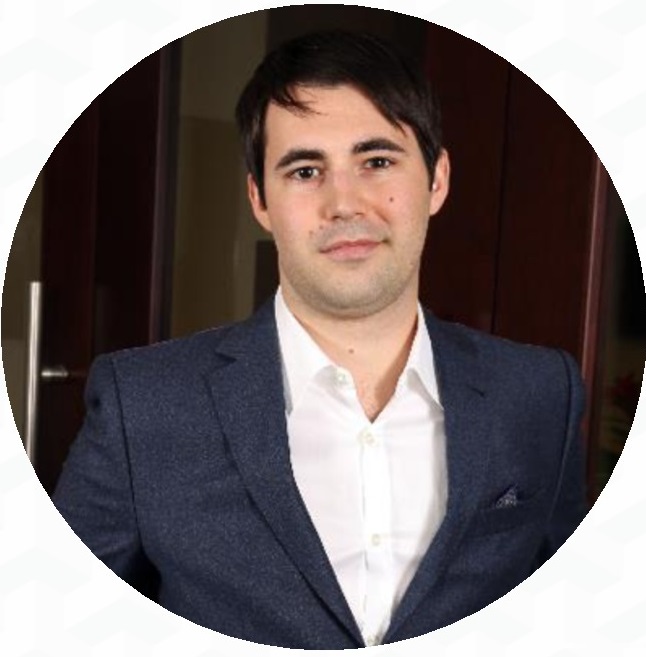
JP La Torre and the business of getting things to work
He built Caylent from a cloud deployment startup into a company of more than 360 people. Now, at Climb, JP La Torre is asking what happens when AI changes the business of consulting itself.
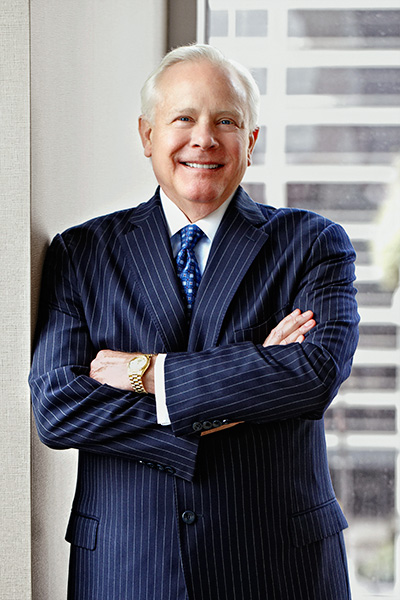
George Jones and the business of starting again
He helped build Texas Capital from a standing start, retired, then took another bank into Dallas. George Jones kept returning to the same work: finding people who could earn someone else’s trust.

Kazim Qazi and the trouble with early success
He helped build KoderLabs from a three-person apartment team into an international software business. The lesson he keeps returning to is why a promising invoice can be a dangerous invitation to grow.
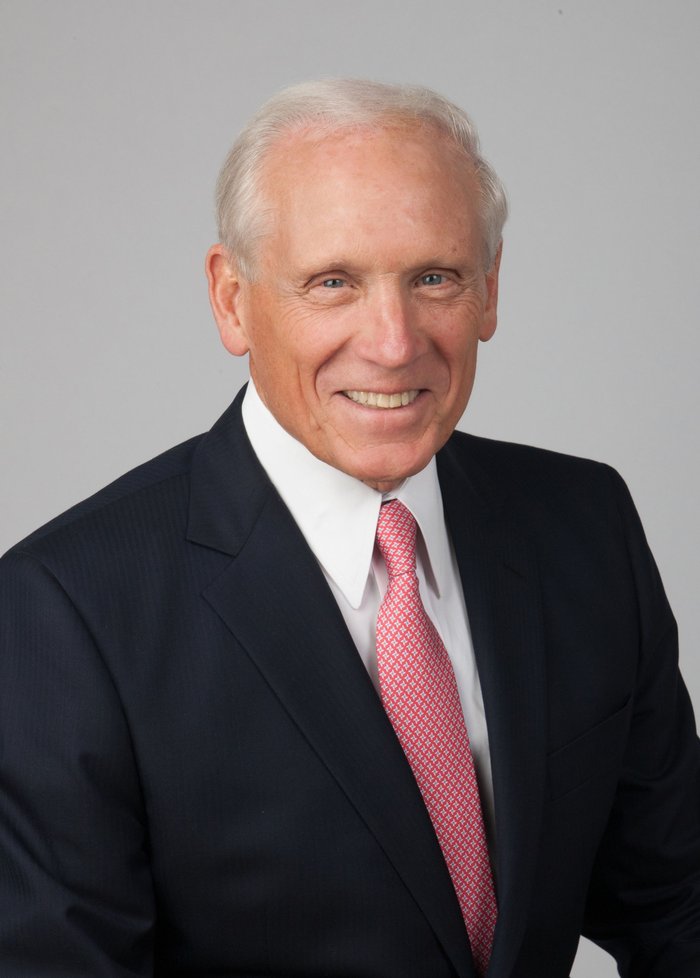
Jody Grant and the case for starting over
He helped build Texas Capital after a banking collapse, then helped Dallas put a park over a freeway. Jody Grant’s second acts tend to require a feasibility study.
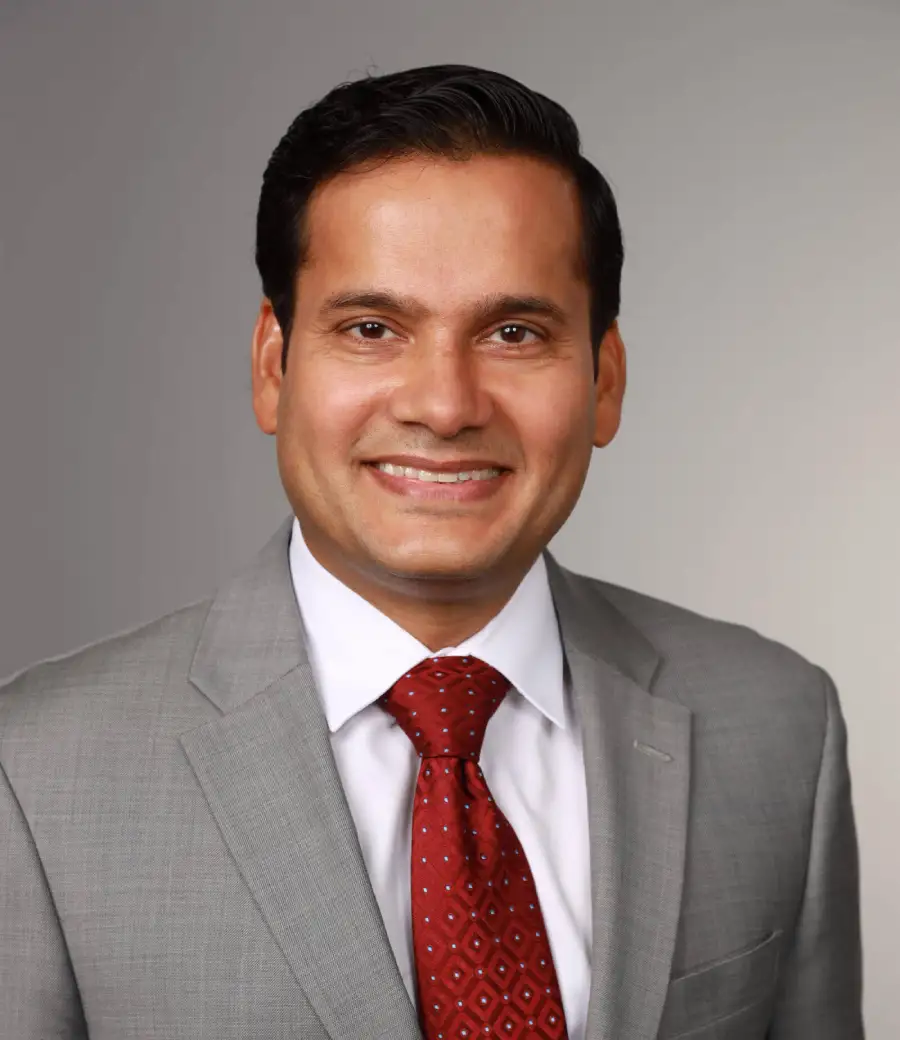
Sapan Bafna and the trouble with almost right
After years inside mortgage technology, Sapan Bafna founded Outamation to tackle the documents, decisions, and handoffs that slow the industry down. His test for automation is what happens when a real person needs an answer.
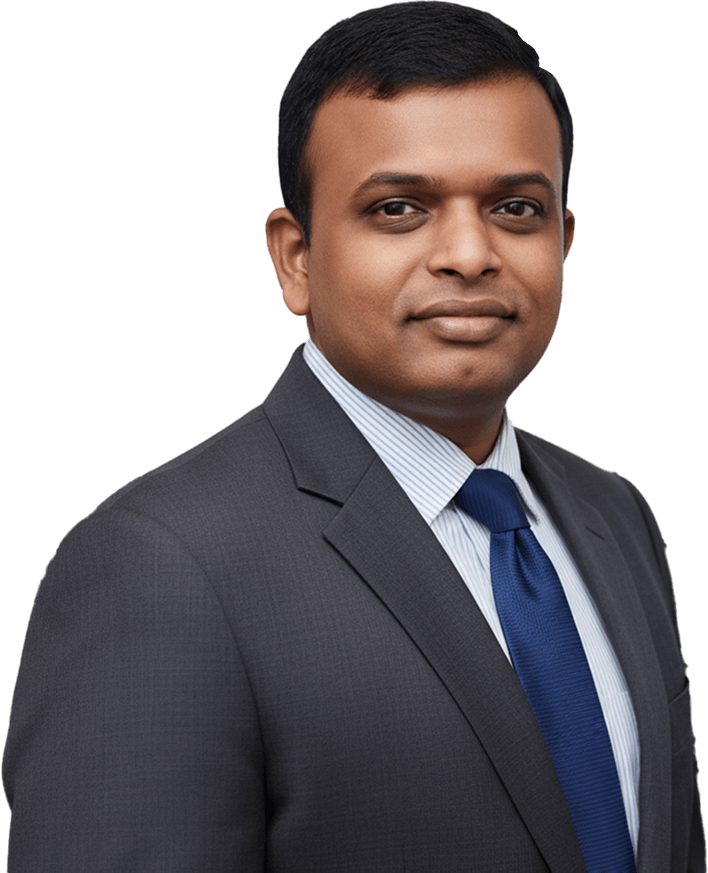
Kumar Kanakamedala and the value of a wider view
Anblicks’s co-founder and CEO has a simple explanation for how judgment grows: exposure. His career puts that idea to work through new colleagues, acquisitions, and an expanding view of what a data business can do.
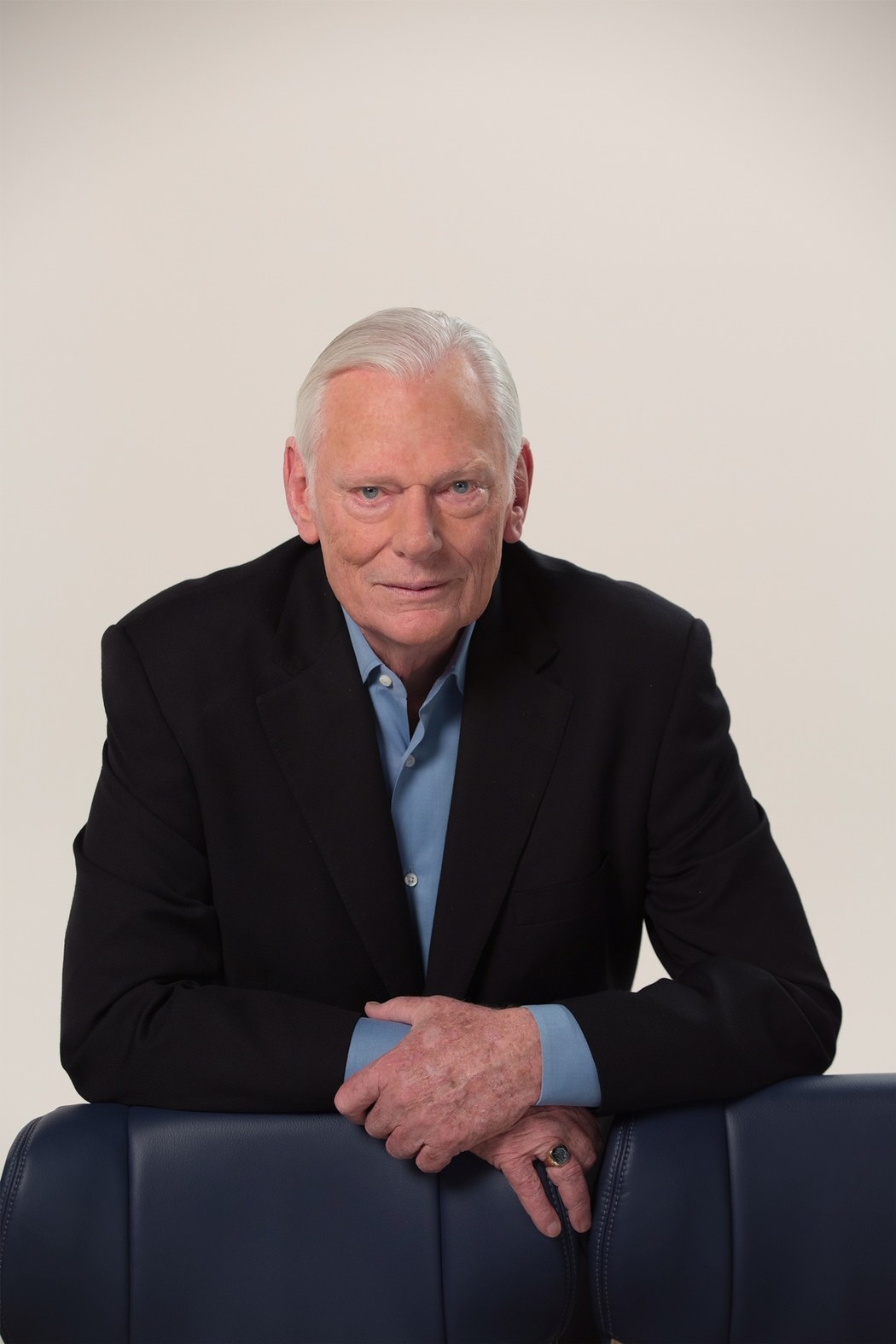
Why Herb Kelleher was willing to lose an arm-wrestling match
Southwest’s co-founder spent years fighting for the right to fly. Then he helped build an airline where a little public foolishness served a serious purpose.
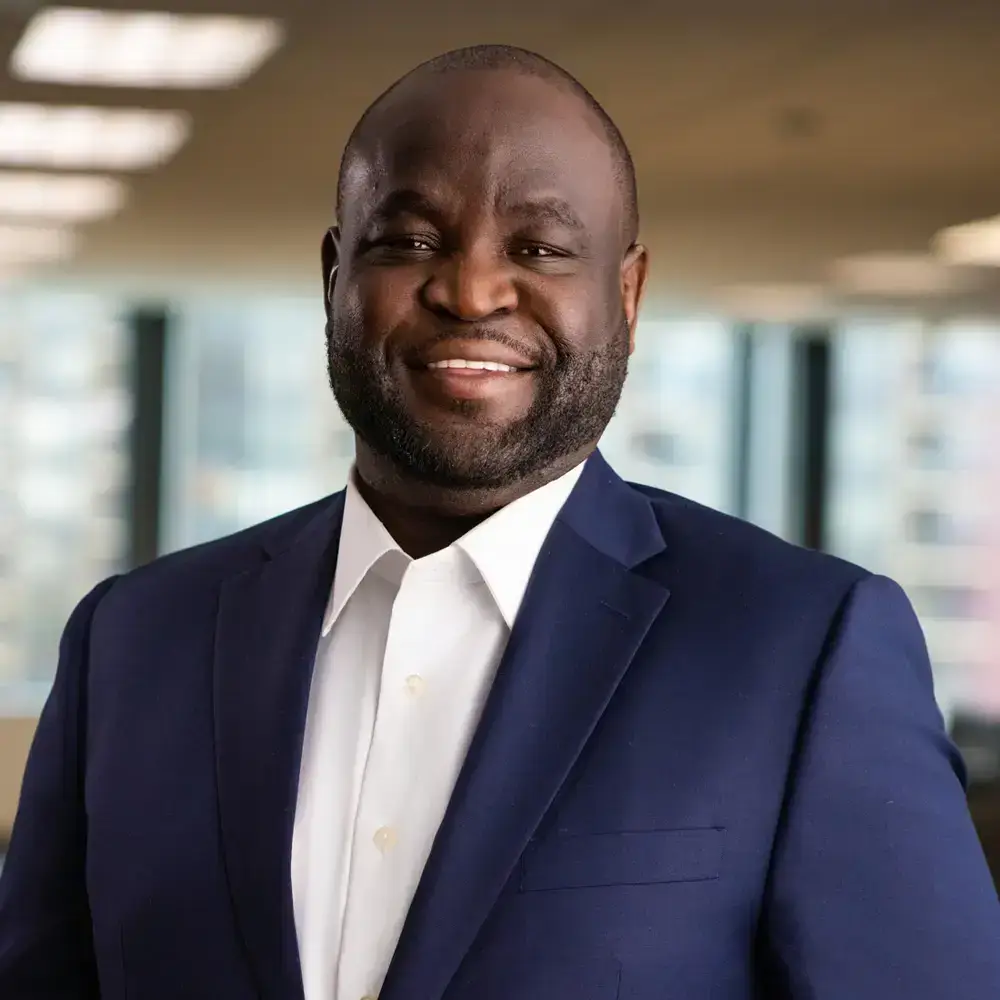
John Olajide and the education of a businessman
Before he founded Axxess, John Olajide learned commerce in his parents’ Lagos business. His route through Dallas, scholarships and investment in Nigeria suggests those early lessons are still earning their keep.
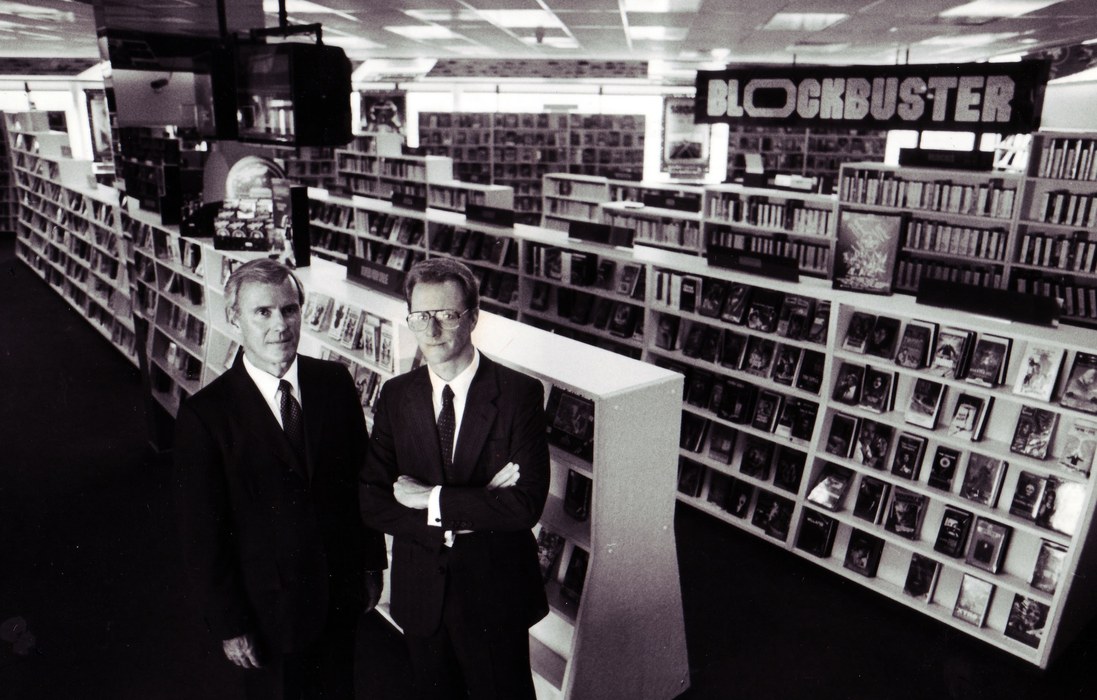
David P. Cook and the machinery behind movie night
Before Zix, David P. Cook put computers behind the video counter and electronic tags on the tollway. His career connects three ordinary transactions with the less ordinary work of making them easier.
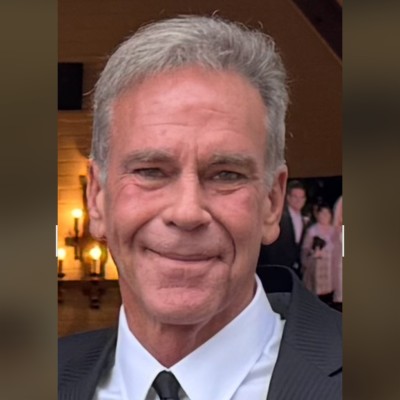
Jeff Blankinship and the business of getting things out of the way
From the paperwork at Surgical Notes to cabins in East Texas and rooms that fold for travel, Jeff Blankinship’s ventures keep circling a practical question: what would make this easier to use?

Muhammad Muzammil Rawjani and the art of building less
From Karachi to Dallas, the Software Orca founder has built a career around turning business ideas into working software. His next question is harder: how much of it should be built at all?

Jan Blanchard’s long route to a shorter checkout
A travel-site contest led Jan Blanchard into airline technology. From Ireland to Dallas and now MOST, his work keeps returning to a practical question: how much simpler can a purchase in the sky become?
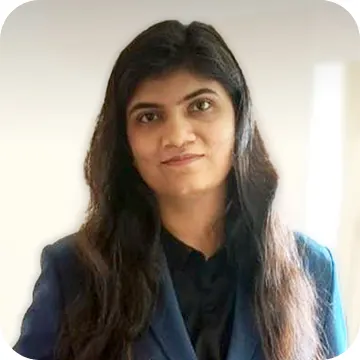
Deval Rathod and the Value of Leaving Things Unbuilt
The IT IDOL Technologies founder has a three-question test for a new feature. It reveals a larger argument about software: judgment matters long before the code arrives.

IT Companies Network makes the shortlist the product
Finding an IT firm is easy. Choosing one is work. IT Companies Network organizes the hunt around services, technologies, and industries - with a business model that makes visibility part of the story.

12 Oaks Senior Living: The case for staying close
Four to six communities. One nearby operations leader. Inside 12 Oaks Senior Living’s bet that better senior housing starts with a smaller management radius.

Software Orca makes the complicated feel simple
A delivery status nobody understands. A property search that asks too much. The Dallas software company works in the gap between what a system can do and what people can actually use.

Texas Capital learned to sell more than money
A failed merger left Texas Capital with a choice. Its answer was a four-year rebuild designed to keep a growing company’s financial life under one roof.
Michael Haack and the patience of a cement plant
After 17 years at Halliburton, Michael Haack brought an industrial engineer’s eye to Eagle Materials. His next test is measured in kilns, quarries, and the years between construction booms.
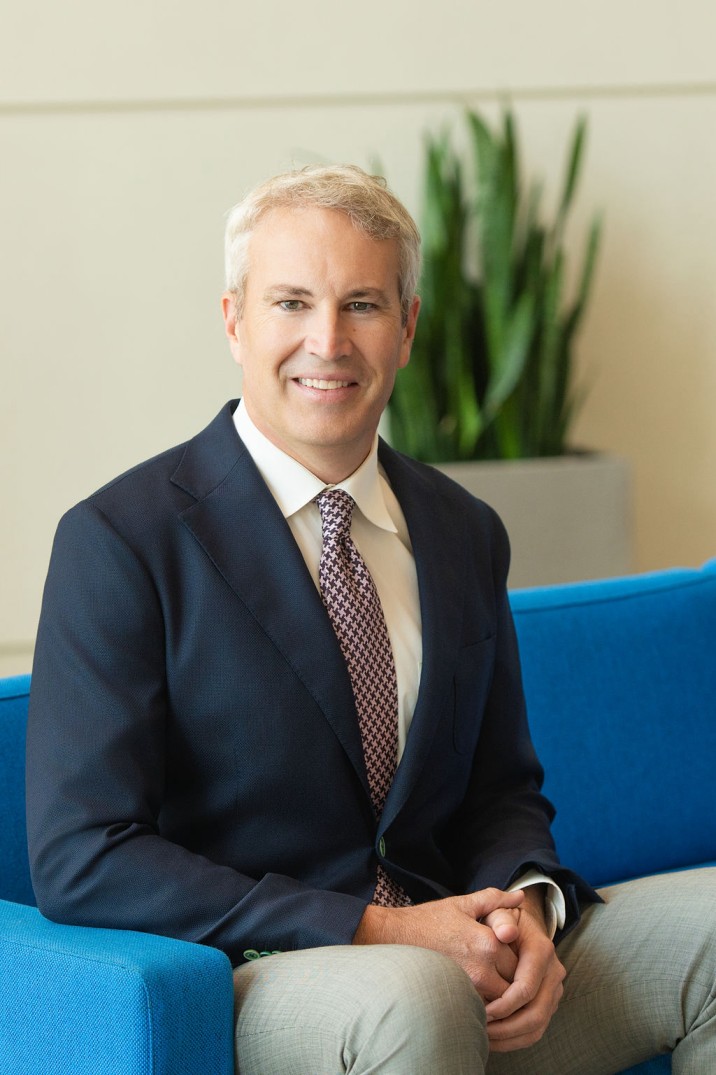
Jed Dolson and the value of getting there early
Before Jed Dolson became co-CEO of Green Brick Partners, he worked on the land beneath its homes. His route from civil engineering to the executive office runs through a peculiarly Texas question: what happens here next?
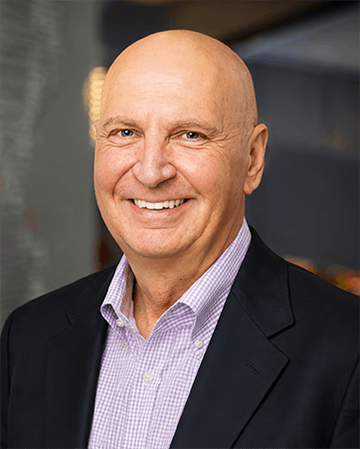
Dirk Wakeham and the trouble with a better ledger
His mother kept the apartment books in a green ledger. Decades later, Dirk Wakeham is back at RealPage, confronting a larger version of the same question: can the people running the buildings trust what the system tells them?