The revealing number at 12 Oaks Senior Living is six. On its management services page, the company says a regional vice president of operations gets a maximum of four to six properties, with a home nearby. In a business that sells attention to residents and accountability to investors, that is a surprisingly concrete promise. Someone has to be close enough to notice.
- 12 Oaks runs senior living communities for owners and investors.
- Nearby regional leaders get backup from an internal consulting team.
- Its expansion now includes property acquisitions with capital partners.
That arrangement is the useful place to begin understanding the company. Senior housing brings together a landlord’s balance sheet, a hospitality operation and the needs of people whose lives may be changing rapidly. An apartment can be available while a family remains unconvinced. A building can look appealing while its managers need help. The distance between those realities is where an operator earns its keep.
A building has two customers
12 Oaks serves owners who need workable operations and residents who need a place to live. Its communities span independent living, assisted living and memory care. Those categories require different levels of support, yet they share a basic difficulty: the property’s financial health depends on people choosing it, staying, and receiving the service they expected.
The family history explains some of that dual perspective. Charles C. Blaylock started the business in 1984. Richard, his son, joined 12 Oaks Retirement Villages in 1987. In 1992, the two formed 12 Oaks Management Services, the company now known as 12 Oaks Senior Living, to provide development, construction and management. Its roots include making buildings and making them work.
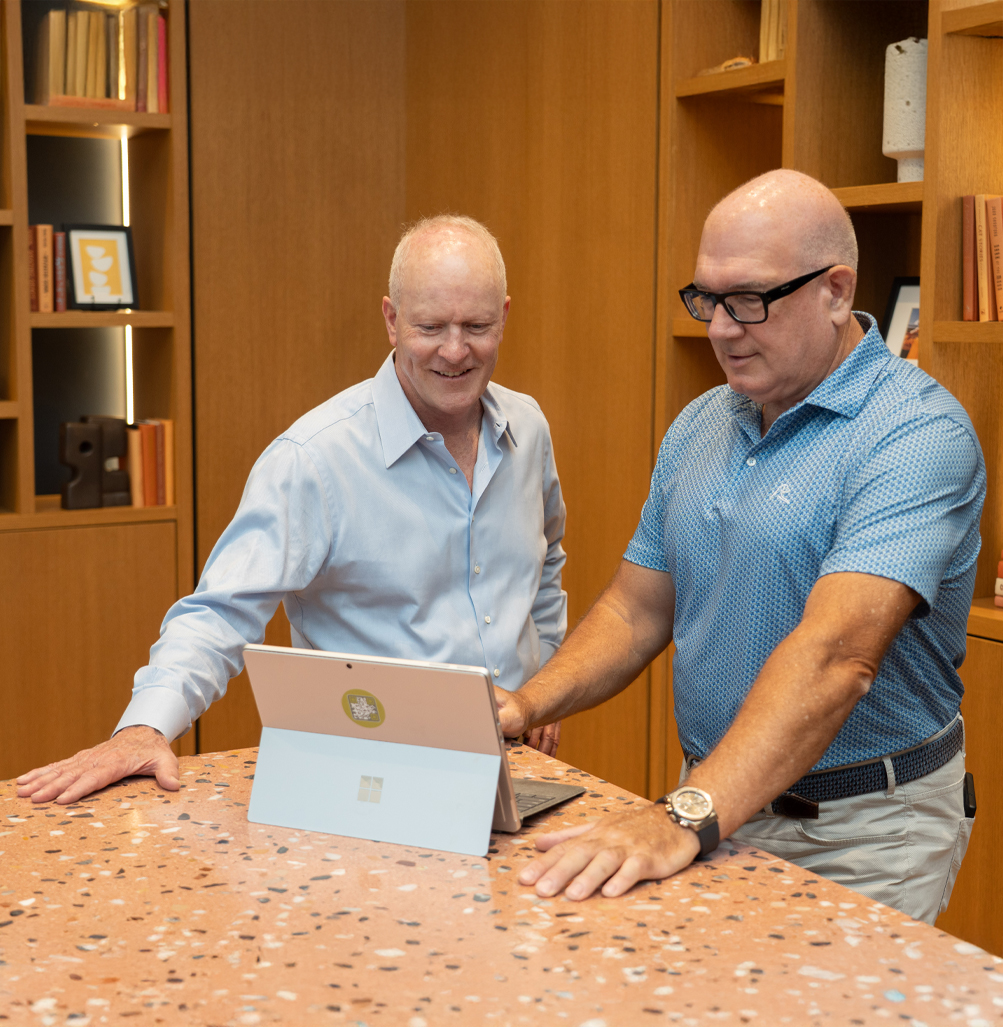
Today, the commercial offer includes third-party management and selected ownership ventures. The firm calls its approach “Fee Manager Plus.” That phrase captures its place in the market: an operating partner for senior housing investors, with the capacity to participate in some investments itself. Owning the real estate and managing the community are separate decisions.
Give the local boss some backup
The regional leader works alongside each community’s executive director. Behind them sits 12 Oaks Solutions, an internal consulting group that handles specialized work and can provide temporary leadership when a position opens. That is a practical answer to an awkward moment: residents still need service while a search committee looks for the next director.
Solutions also covers dining, financial reviews, licensing, training, and marketing and leasing. Its licensing work includes pre-survey inspections and plans of correction; its financial work includes budgets and expense reviews. These are jobs with consequences measured in meals served, shifts covered and paperwork completed. A strategy has to survive the ordinary Tuesday.
Four to six communities
+ Solutions specialists when needed
The training extends beyond technical competence. With Capacity Leadership Center, 12 Oaks developed IMPACT, a program covering job skills and what it calls character: a leader’s ability to handle reality. Regulations, scheduling and hiring belong in the same conversation as the emotional demands of managing people. Its stated values also include stewardship and servanthood.
When the tours stopped working
The company’s pandemic account offers a glimpse of the machinery under stress. In early 2021, inquiries and occupancy fell, access restrictions complicated outreach, and staff showed signs of burnout. Its response included coaching, group calls, revised lead generation and daily occupancy tracking. Leasing teams were also being pulled into caregiving and administrative work. Attention itself had become scarce.
A later example, WoodCreek Bend Memory Care in Katy, makes the approach tangible. A 2023 company account describes combining staff development, First Impressions Training, its CRM and Symphony of Life programming. Reported occupancy rose from 16.7% in April to 39.6% in September and 66.7% in January. These are company-reported results, with several changes happening together; they do not isolate a single winning ingredient.
The shift in thinking was explicit. Instead of concentrating solely on closing a sale, consultants encouraged directors to understand what the community could offer a resident. First Impressions Training reaches housekeepers, maintenance staff and caregivers as well as the front desk. A family’s tour contains many encounters. Each person becomes part of the answer.
The memory behind the music
Symphony of Life is the company’s memory care program. Its name is musical, but the details are wonderfully physical: planting, baking smells, puzzles, music, outdoor walks and memory boxes. Staff work with families on residents’ life stories. The purpose is to arrange daily experiences around people’s abilities, interests and connections.
For families, that makes useful questions possible. Which activities fit this person? How does the team learn their history? How are relatives involved? The program gives those conversations a framework. A brochure becomes more useful when someone can explain what its promises look like during an actual afternoon.
“We like to share in value creation.”
12 Oaks’ description of its investor approach
Patience has a price tag
Consider the company’s Baytown investment account. A venture bought a community for $12.3 million in 2007, then used another $3.6 million in equity for expansion and remodeling. It sold in 2015 for approximately $29.6 million. Those are property-level figures, spanning eight years of work and capital commitments.
The ownership angle remains current. In June 2026, 12 Oaks announced it had acquired the 202-unit Atriums in Kansas with Silver Creek Capital, with acquisition funding from Bloomfield Capital. Plans included exterior renovations and finishing offline apartments. In August it announced Springbrooke, a 145-unit Denver community, marking its first Colorado presence.
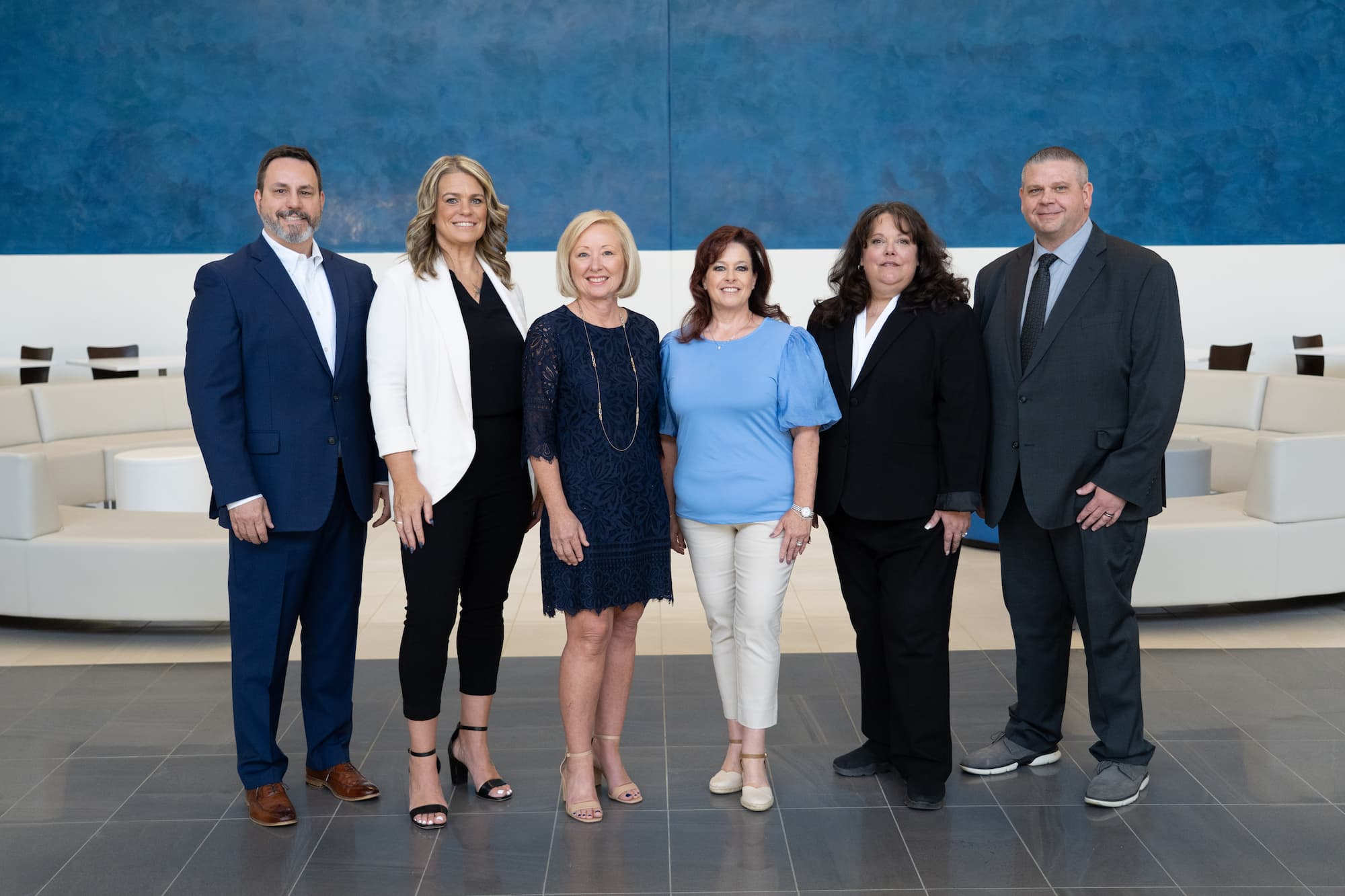
Between those announcements came a leadership handoff: Greg Puklicz became CEO in July, while Richard Blaylock became chairman. Puklicz had joined as CFO in 2018 and become president in 2021. The company reported more than 40 communities during the transition. His stated direction includes selective management engagements, acquisitions and capital alliances.
The transferable lesson is specific: limit the load on local supervisors, give them specialist help, and fund the repairs the operating plan requires. That logic depends on nearby communities and owners willing to commit time and capital. As 12 Oaks grows, the question becomes quite literal: can the person responsible still get there?