ecommerce
(831)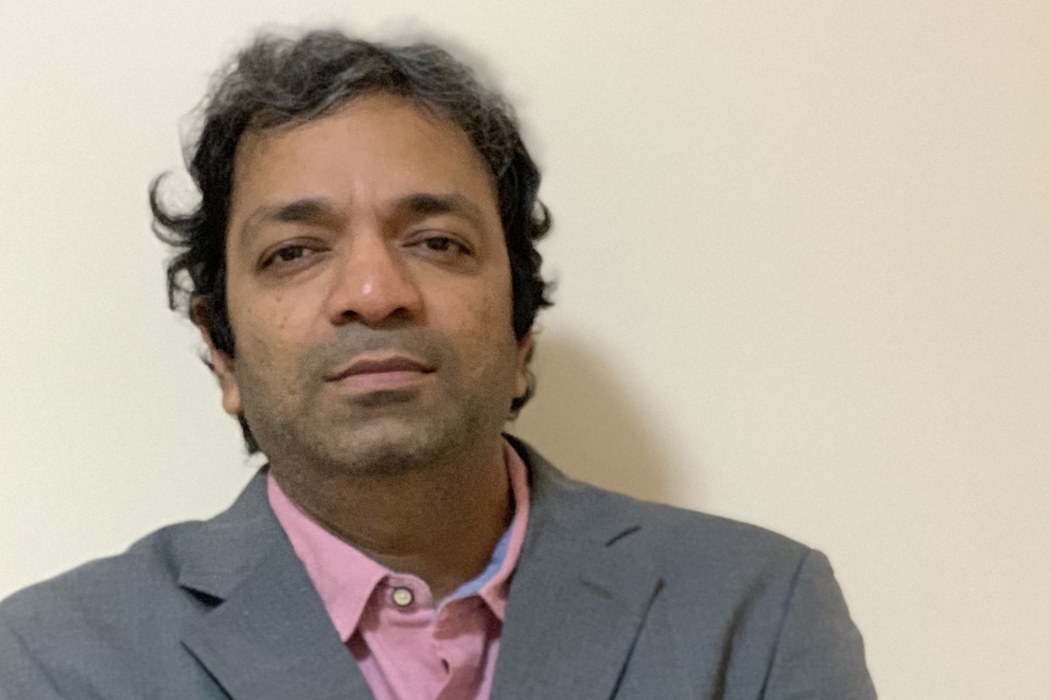
Bharath Sastry and the business of being somebody
From Cadbury brands to custom visiting cards, Bharath Sastry has kept returning to the same question: what makes a product matter to someone? At VistaPrint India, the answer often begins with a name.

Kevin Lyons-Tarr and the value of a handwritten note
A weekend consulting job brought Kevin Lyons-Tarr to the business that became 4imprint. Thirty-five years later, his career offers a practical lesson in making a large company feel personal.
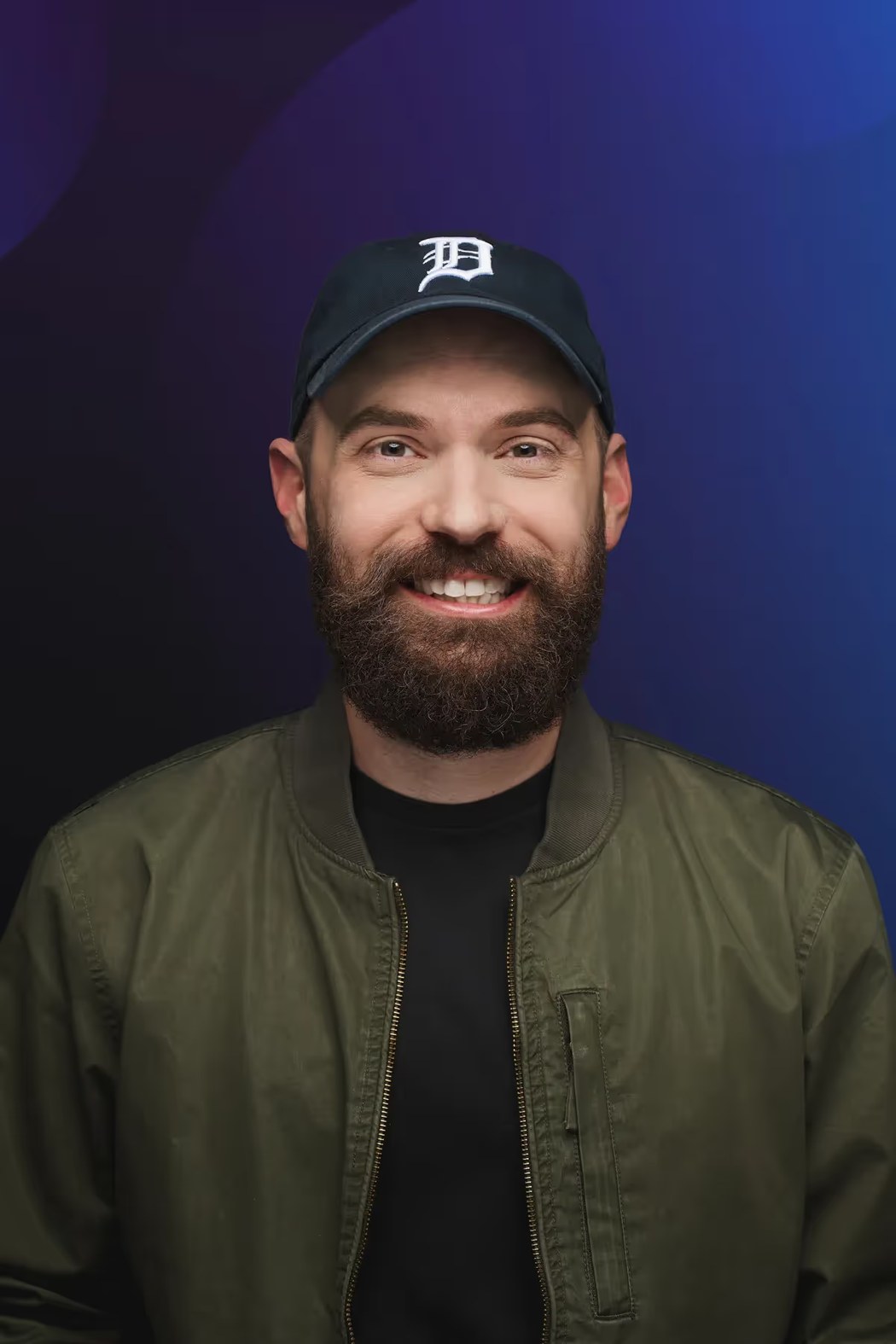
Jason Wells and the art of the third attempt
Before he built Pattern’s software platform, Jason Wells was trying to keep a blog alive. His path from that modest promise to ecommerce AI runs through a surprisingly persistent question: what deserves your attention?

Eddie Wu and the company that had to begin again
He helped build Alibaba’s first systems, then spent years backing other founders. Now Eddie Wu is asking the company he co-founded to think like a startup again - with a very different bill for the equipment.
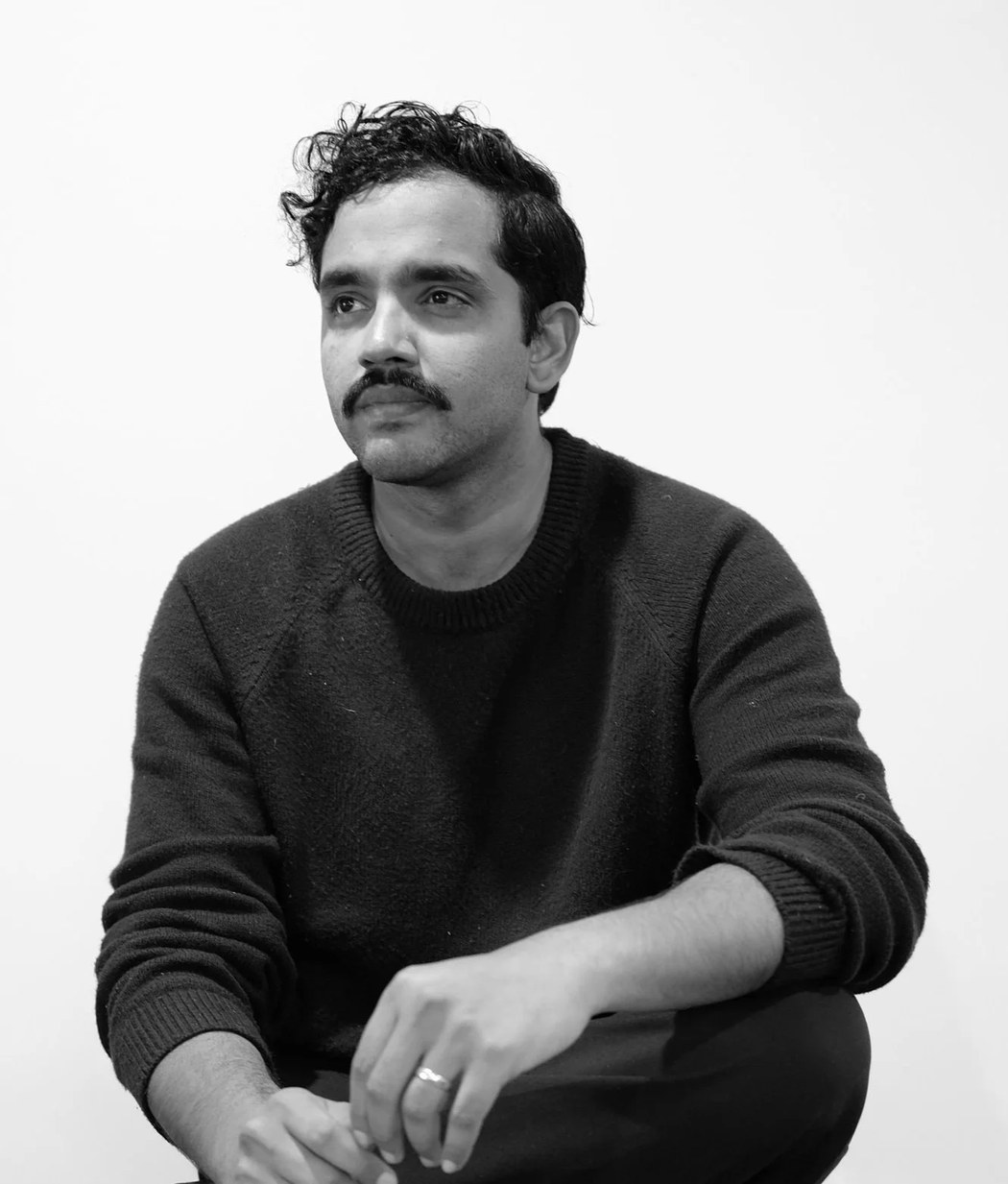
Chai Mishra and the Secret Life of a Price Tag
From factory visits in India to The Essential, Chai Mishra has spent his career asking what happens between the maker and the buyer. Now he is asking the people behind the work.

Domm Holland and the cost of going fast
A forgotten password helped inspire Fast. After $124 million in funding and an abrupt shutdown, its co-founder kept building - from software for tradespeople to a browser-controlled target game.

Mitchell Harper and the business of starting again
A PHP chat room brought Mitchell Harper and Eddie Machaalani together. Listening to merchants helped them build BigCommerce; learning when to hand over the controls shaped what Harper did next.

Mike Zhang and the Art of Choosing Who Gets Your Money
He started by selling video games online to help his parents buy a home. From Airsoft Megastore to Good Money and altHQ, Mike Zhang’s career keeps returning to the people on the other side of a transaction.
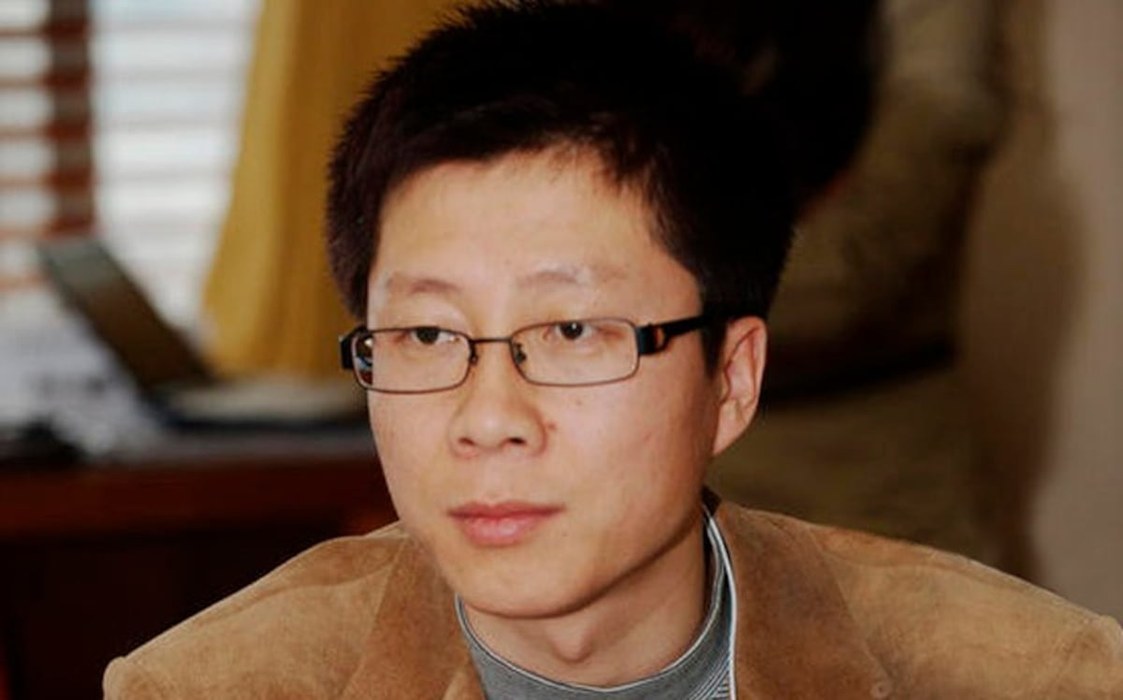
Allen Yang and the business hidden in a lunch interruption
A Paris pavement café helped Allen Yang see an opportunity in Chinese luxury shopping. From VIPStore to Red Harp Union, his career has followed the complicated journey between wanting a product and being able to buy it.
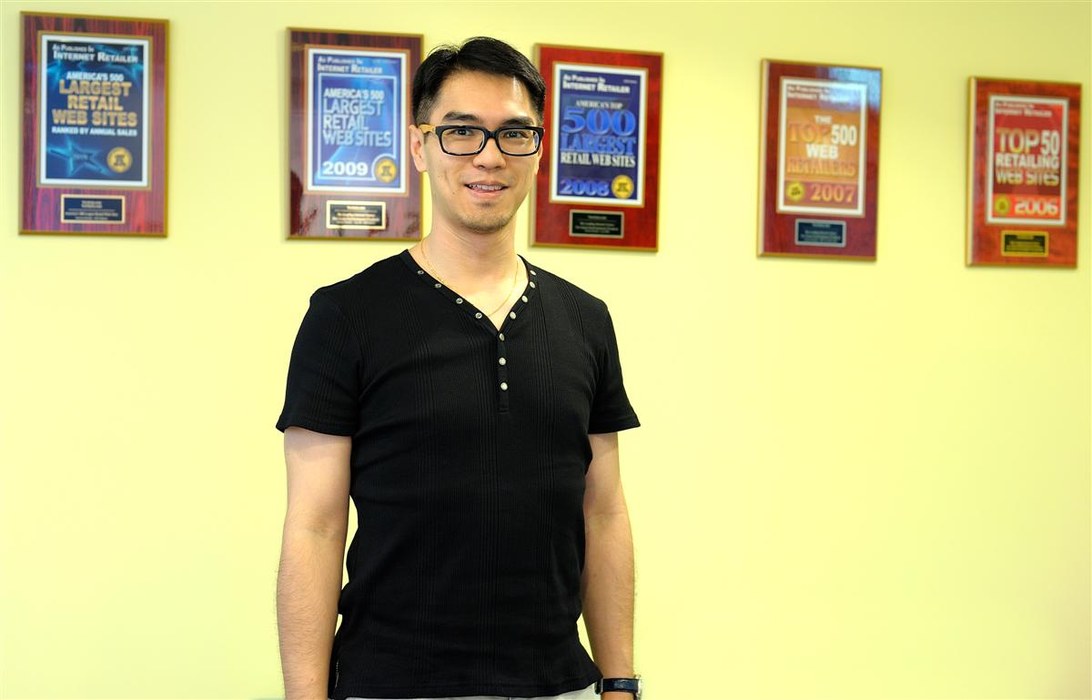
Joshua K. Lau and the long way to the shop next door
A San Francisco basement, Asian pop CDs, and a shopping habit that became YesStyle. Joshua K. Lau has spent nearly three decades making distant products feel a little closer.

Jessica Herrin and the business of starting over
She built Stella & Dot around women who wanted work to fit their lives. Now Jessica Herrin is back in software, asking what a small business should be able to do for itself.

Bill Ready and the customer on the other side of the screen
A Kentucky auto shop taught Bill Ready to face the people affected by his decisions. After Braintree, PayPal and Google, he is applying that lesson to Pinterest - and betting that useful ideas can become a business worth returning to.

Justo Fuentes and the art of getting customers to come back
After decades at Bata, Justo Fuentes took on Payless in Latin America. His next chapter puts a familiar retail promise to a fresh test: affordable shoes, with more reasons to walk through the door.

Nevena Srebreva and the art of getting people to try
From Avon to Thermomix USA to Pampered Chef, Nevena Srebreva has built a career around the demonstration. Now the CEO is helping a business built on cooking parties find its next audience, one screen and one kitchen at a time.

Halil Erdoğmuş and the website that needed a front door
He built ebebek online, then opened shops so parents could try the things they wanted to buy. After a quarter-century in retail, Halil Erdoğmuş is putting the lessons on paper.

Brandon Rochelle plays the long game
A school friendship became Designsensory. Fencing took him around the world. For Brandon Rochelle, both have meant learning how to make complicated things work for other people.

Chris Guggenheim and the five-day deadline that sent parcels into the sky
After years building ecommerce businesses for musicians and brands, Chris Guggenheim went looking for a different way to ship. His answer became ClearJet, a parcel network built around cargo space on passenger flights.

Alexandre de Vigan and the trouble with a perfect picture
Alexandre de Vigan left mergers and acquisitions law to change how people see products online. Building Nfinite led him to a harder question: what does a machine need to know about the world behind the picture?
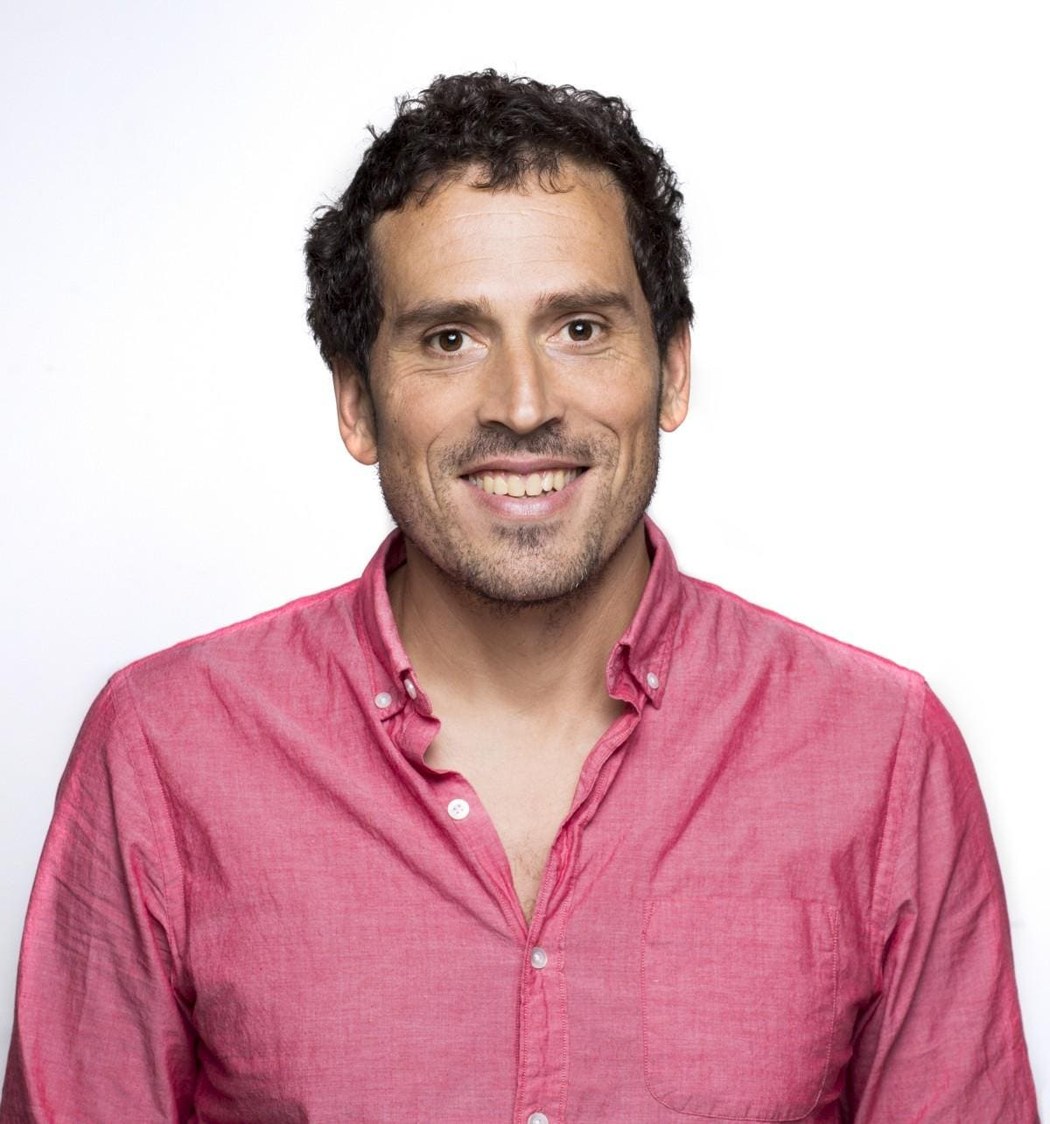
Gunnar Lovelace and the price of belonging
A childhood food co-op gave Gunnar Lovelace an idea he kept taking into bigger rooms: people should share in the value they create. From Thrive Market to Good Money and a troupe of corporate pranksters, the experiment has proved harder to scale than the invitation.
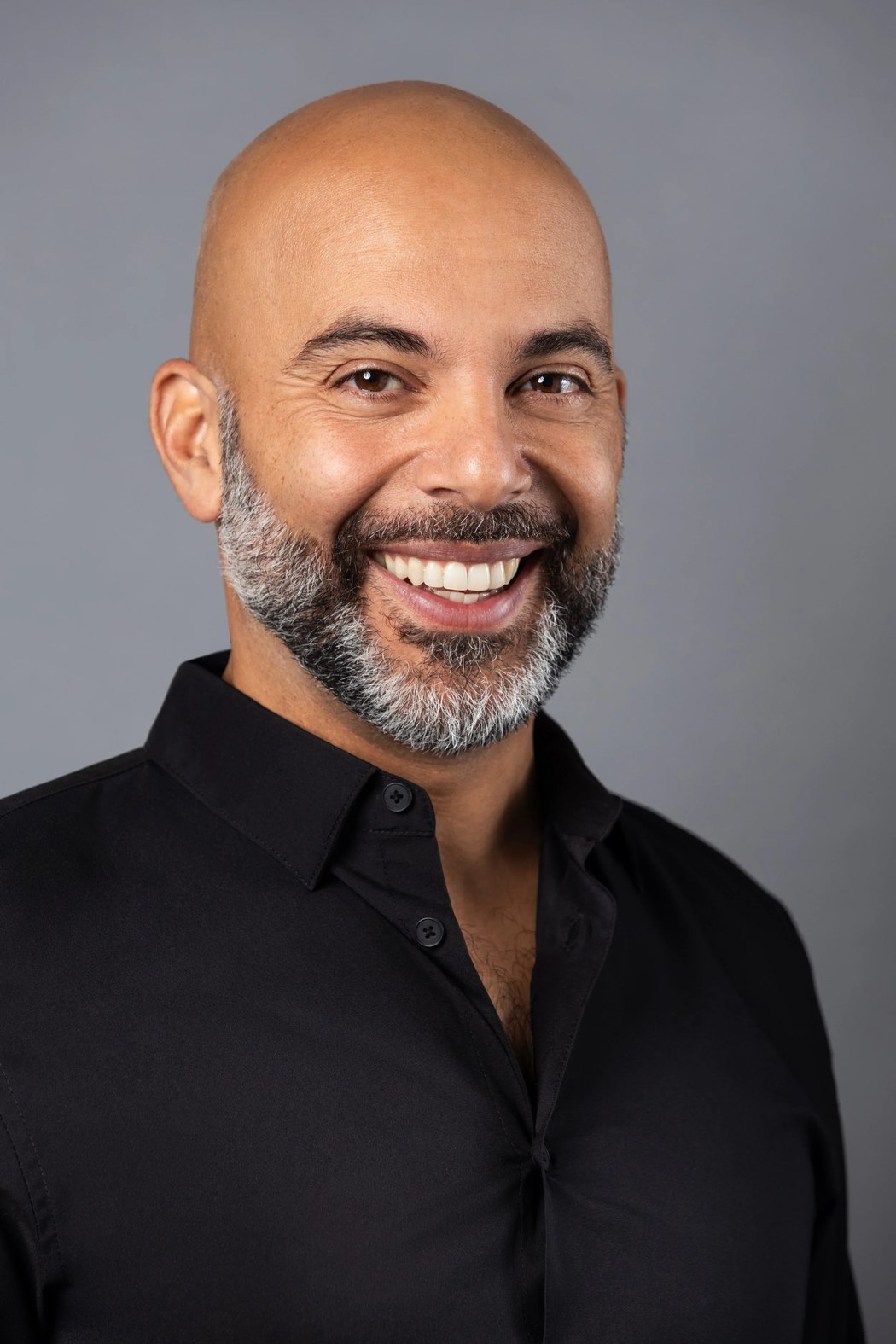
Shaahin Cheyene and the business of getting heard
He spent years learning how products find buyers. With PodcastCola, Shaahin Cheyene turned the same question toward people: how does a story find the room that wants to hear it?

Vivien Garnes and the problem of 1,000 ties
A necktie business left Vivien Garnes with a living room full of stock. The effort to sell it became Upfluence - and a career spent asking what influence is actually worth.

Matt Baer’s future of shopping has a familiar face
He grew up in a furniture family, took a detour through law, and helped build the digital businesses at Walmart and Macy’s. At Stitch Fix, Matt Baer is betting that the future of shopping will feel a little more like being remembered.

Payless knows what a name costs.
A fake luxury boutique made its bargain shoes look expensive. Two bankruptcies exposed a harder problem: making affordable footwear pay.
VistaPrint made small orders a big business
A business card looks simple. Making a few hundred affordable took a different kind of factory - and a company willing to rewrite its own instructions.

Michael Chapin and the long way back to FTD
FTD bought his former employer. He built From You Flowers. Two decades later, Michael Chapin took charge of both businesses - with local florists at the center of his next test.
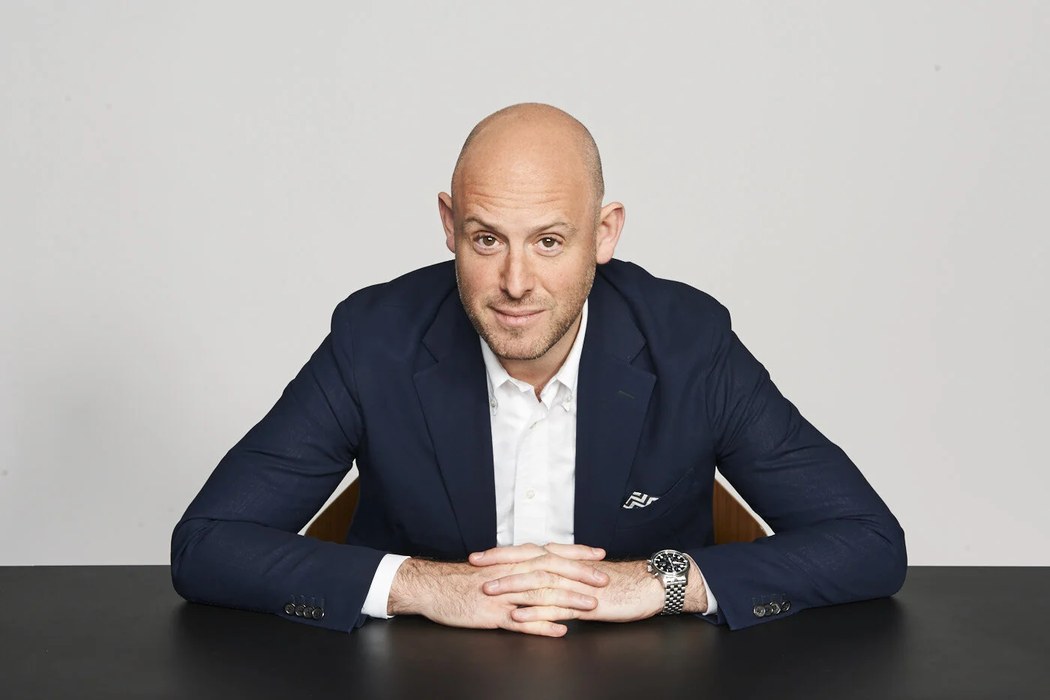
Richard Moross and the curious survival of the business card
Richard Moross built MOO by giving an ordinary business card a little personality. Getting there meant abandoning a dreadful name, listening to people who disagreed with him, and learning which ideas deserved to survive.

Noah Auerhahn and the Price of Saying No
Before Robin Healthcare, Noah Auerhahn helped build a student shopping venture that reached China and joined Ebates. Along the way, he and his co-founder turned down a $300,000 check when they needed the money.

Kevin Gibbon and the box that kept coming back
Shyp made shipping feel easy, then ran out of time to make it pay. Kevin Gibbon has spent the years since getting closer to the machinery behind the promise.
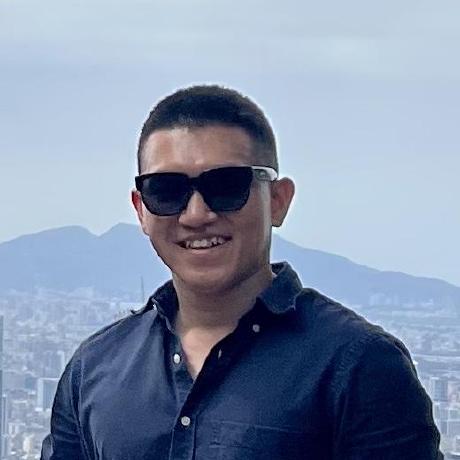
Quan Truong and the trouble with a beautiful website
Quan Truong learned that giving someone a website was only the beginning. From Beeketing to ShopBase, the OpenCommerce Group co-founder has kept following the harder question: how does the merchant actually make a living?
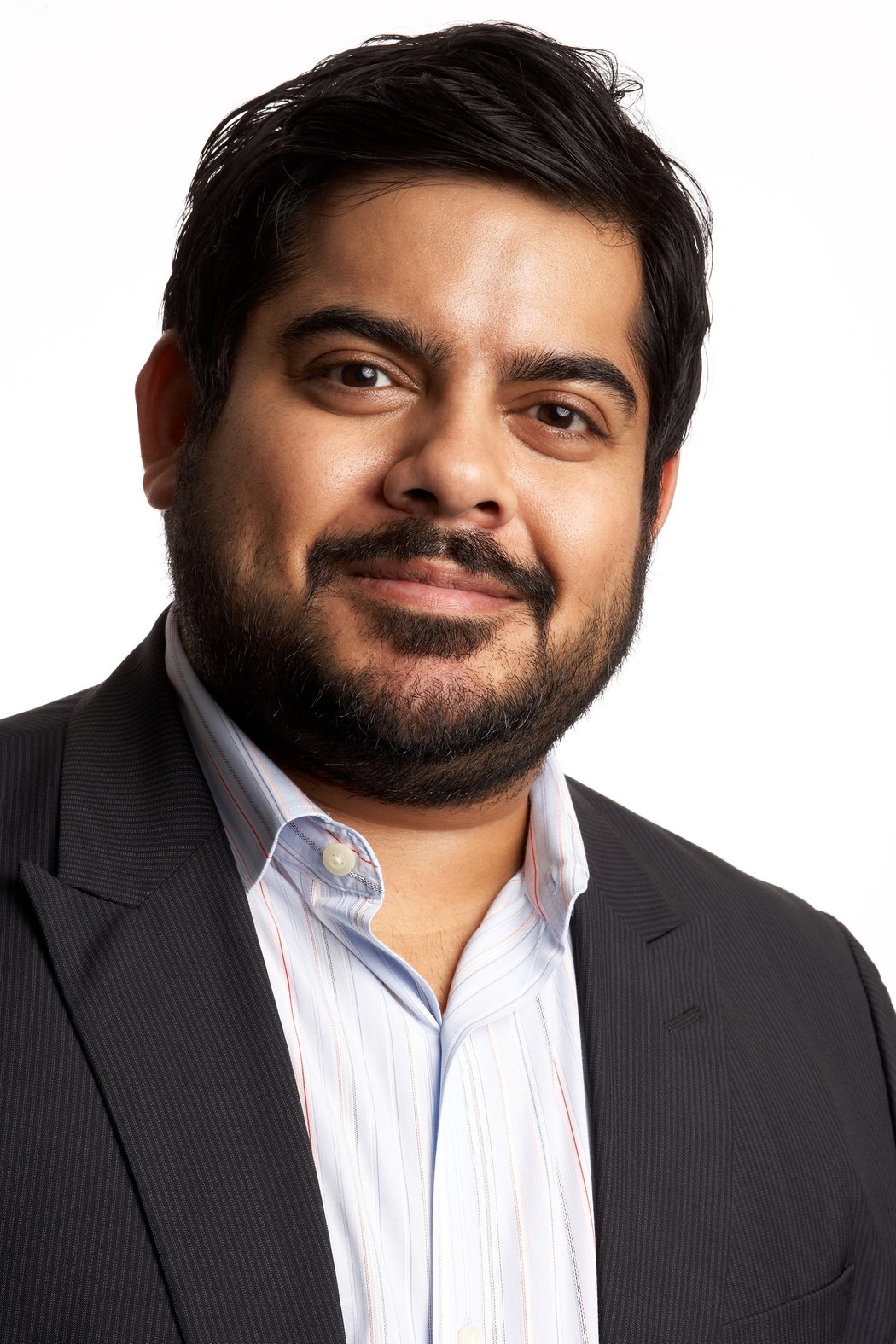
Nick Sheth and the work after the big idea
At Gap, Nick Sheth helped make shopping fit the phone in a customer’s hand. At ScaleCreative, he turned his attention to the creative work piling up behind the screen.