sequoia
(53)
Sequoia Stayed Independent While Zenefits Became TriNet
The old head-to-head no longer exists. For buyers, the useful question is whether they want Sequoia’s advisor-led comp and benefits model or the TriNet platform that absorbed Zenefits.
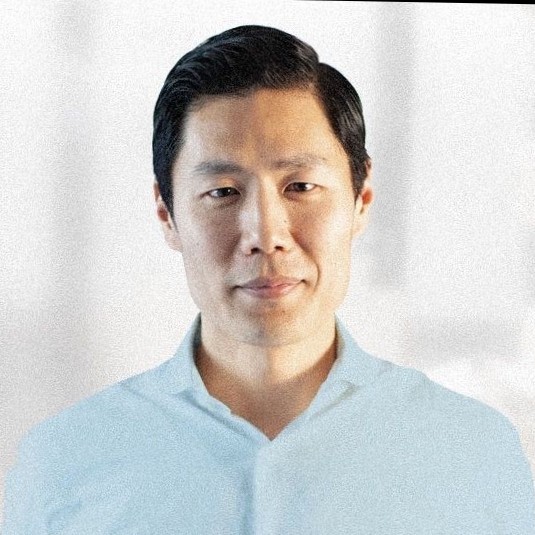
Yong Kim
Yong Kim is the co-founder and CEO of Wonolo, an on-demand staffing marketplace that connects businesses with more than one million frontline workers across the United States. Born in Seoul, he moved alone to a New Hampshire boarding school at 15, graduated as valedictorian, and went on to the University of Chicago and Harvard before a career in tech investment banking at Deutsche Bank. A stint at a Coca-Cola innovation accelerator exposed the broken state of hourly staffing and led him to launch Wonolo in 2014. The company has raised roughly $200 million, including a Sequoia-led round, and Kim has become a prominent voice for treating gig and hourly workers with dignity, flexibility, and fair pay.
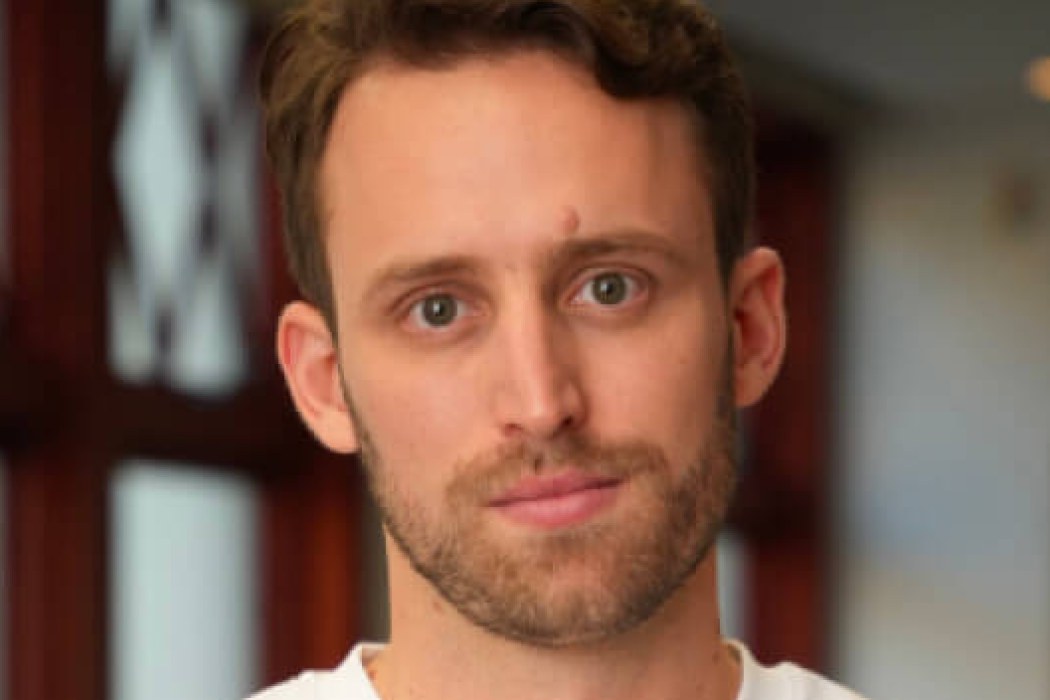
Danny Brickman
Danny Brickman is the co-founder and CEO of Oasis Security, a New York and Tel Aviv-based cybersecurity company building the first enterprise platform for non-human identity management and agentic access management. A former Israel Defense Forces cyber R&D leader with 11 years of service and an Israel Defense Prize to his name, Brickman started Oasis in 2022 with Amit Zimerman to tackle the fast-growing security gap around machine identities, which now outnumber human identities by roughly 20 to 1. The company has raised about $195 million, backed by Sequoia, Accel, Cyberstarts and Craft Ventures.
Ian Krotinsky
Ian Krotinsky is the co-founder and CEO of Fin, a New York based payments company that uses stablecoin infrastructure to move large sums of money instantly across borders. A former quantitative portfolio manager and trader at Citadel, he and co-founder Aashiq Dheeraj first built TipLink, a tool for sending crypto with a link, before rebranding around a broader ambition: to build the payments app of the future for high-value transfers. In December 2025 the company raised a $17 million Series A led by Pantera Capital, with Sequoia and Samsung Next participating.
Jake Cooper
Jake Cooper is the CEO and co-founder of Grow Therapy, a New York based company building the infrastructure that lets therapists and psychiatric providers run insurance-covered private practices. Since 2020 he has grown it into a national network spanning 125+ insurers and tens of thousands of providers, raising $388 million to date, including a $150 million Series D in 2026. A former Blackstone and Apollo private equity investor and summa cum laude Duke graduate, Cooper is focused on making mental health care easier to find, afford, and stick with.
Kareem Amin
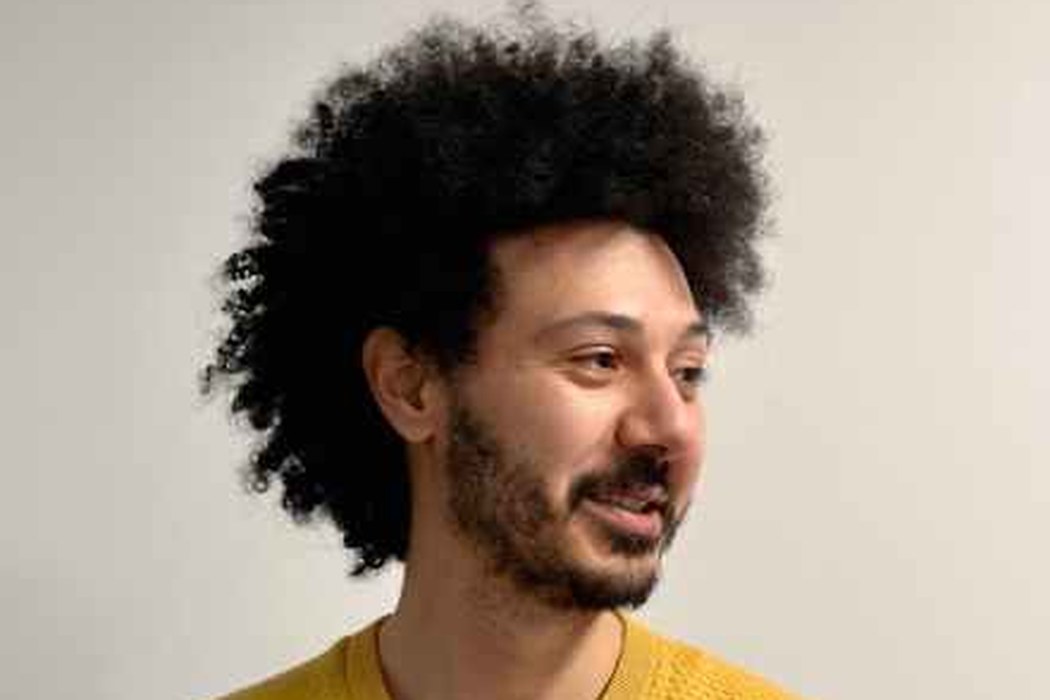
Kareem Amin is the cofounder and CEO of Clay, a New York-based go-to-market platform that lets sales and marketing teams pull data from dozens of sources and run AI-powered personalized outreach at scale. After a seven-year search for product-market fit, Clay crossed $100M in annual recurring revenue and raised a $100M Series C in 2025 at a reported valuation above $3B. A second-time founder and McGill-trained engineer, Amin frames Clay as a creative tool that gives non-programmers the power of code, and talks openly about meditation, founder psychology, and building 'from a place of wholeness.'

Flow Engineering
Flow Engineering builds an AI-native requirements and systems-engineering platform that lets complex hardware teams design, build, test, and iterate at software speed. At its core is a connected 'systems graph' that keeps requirements, CAD, code, simulations, tests, and certification artifacts in one live system of record - with AI agents running impact analysis and keeping everything aligned. Founded by mechanical engineer Pari Singh, Flow is used by companies like Rivian, Joby Aviation, Astranis, Stoke Space, and Figure, and raised a $23M Series A led by Sequoia in October 2025.

Magic
Magic is a San Francisco-founded, remote-first company that matches businesses and busy professionals with dedicated remote assistants backed by an AI layer. Founded in 2015 out of Y Combinator by the team behind Made in Space, it launched as a viral SMS 'text us for anything' concierge service and has since evolved into a platform for full-time and part-time executive, admin, customer-support and bookkeeping assistants, plus an always-on 'Magic 24/7' human-plus-AI service. Every assistant is equipped with Magic AI, an in-browser tool wired to premium models from OpenAI and Anthropic.

Serval
Serval is a San Francisco software company building an AI-native IT service management (ITSM) platform. Founded in 2024 by Jake Stauch and Alex McLeod, it lets IT teams describe workflows in plain English and turns them into executable, auditable automations - handling help desk tickets, just-in-time access, onboarding and offboarding. Customers report automating more than half of their IT tickets, and the company reached a reported $1 billion valuation roughly 18 months after launch, backed by Sequoia, Redpoint, General Catalyst and First Round.
Max Brenner
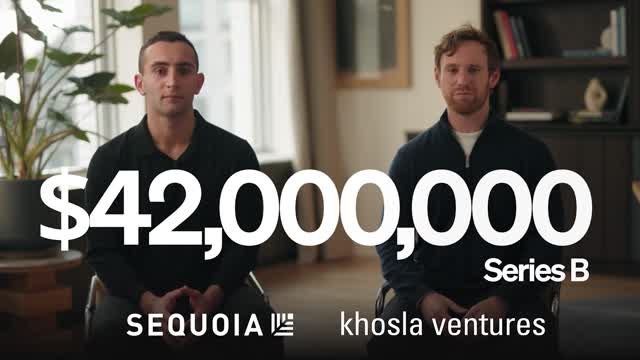
Max Brenner is co-founder and CEO of WithCoverage, an AI-enabled risk management and insurance platform based in New York that raised a $42M Series B in January 2026, led by Sequoia and Khosla Ventures. He was part of the founding team at Compound, the wealth management platform, where he helped scale to its first $1B in AUM before starting WithCoverage with Opendoor co-founder JD Ross to rebuild the commercial insurance broker from scratch.
Oron Afek
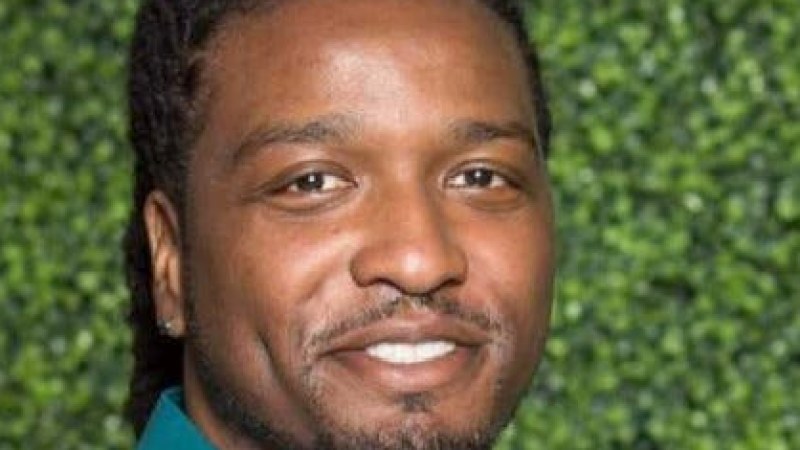
Oron Afek is co-founder and CEO of Vim, a New York-based healthcare technology company that plugs into electronic health record systems to close the gap between insurers and clinicians at the point of care. An Israeli entrepreneur with a background in the IDF's special forces and a summa cum laude degree in law and business from IDC Herzliya, he founded Vim in 2015 with Sequoia Israel as founding investor and has since raised over $100 million from investors including Optum Ventures, Anthem, Walgreens Boots Alliance, and Frist Cressey Ventures.
Sal Sferlazza
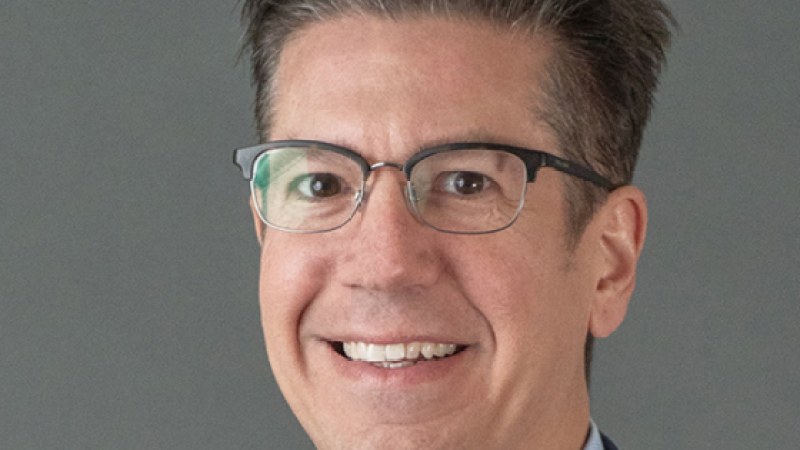
Sal Sferlazza is the co-founder and CEO of NinjaOne, the Austin-based IT and endpoint management platform valued at $12.3 billion in June 2026. A serial entrepreneur, he built and sold four previous companies (Realm Interactive, Lasso Logic, PacketTrap, Anchor) before launching what was originally NinjaRMM in 2013 with his childhood-camp friend Chris Matarese. NinjaOne is profitable, debt-free, and still majority-controlled by its founders.
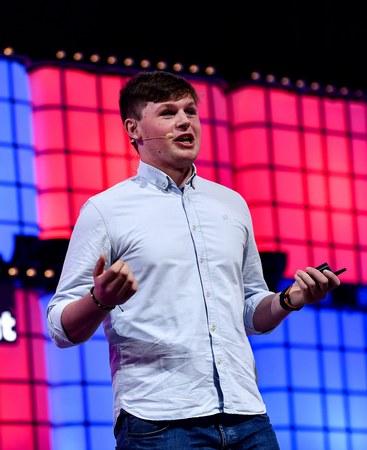
Shane Curran
Shane Curran is the founder and CEO of Evervault, an encryption infrastructure company he started in 2018 after dropping out of University College Dublin three days into a business and law degree. A year earlier, at 16, he had won the BT Young Scientist and Technology Exhibition with a post-quantum encrypted storage project called qCrypt. Evervault sells developer-facing tools that keep sensitive data - card numbers, health records, keys - encrypted while still being processed, running inside AWS Nitro Enclaves. The company has raised $46 million from Sequoia, Kleiner Perkins, Index Ventures and Ribbit Capital, most recently a $25M Series B in March 2026.

QueryPal
QueryPal is a San Francisco-based enterprise AI company building agentic customer-support software that resolves tickets rather than just deflecting them. Founded by Dev Nag - the former founder and CTO of Wavefront (acquired by VMware) - the company turns a company's existing documentation, past tickets and internal systems into an AI layer that drafts email replies, powers self-serve chat and autonomously resolves issues, while keeping SOC 2 Type II and GDPR-grade security. Originally launched as CtrlStack with $5.2M in seed funding co-led by Sequoia Capital and Engineering Capital, QueryPal pitches itself as 'the human knowledge layer for secure AI.'

Sandstone
Sandstone is an AI-native operating system for in-house legal teams. It unifies a company's legal data, workflows, and business context into a single system that lives inside the tools teams already use - Slack, email, Salesforce, Jira - and deploys AI agents to handle intake, triage, drafting, and redlining. Founded in 2025 by ex-McKinsey and practicing-lawyer trio Nick Fleisher, Jarryd Strydom, and Liam Germain, the New York company launched publicly in January 2026 with a $10M Sequoia-led seed and followed with a $30M Series A led by Lightspeed five months later.
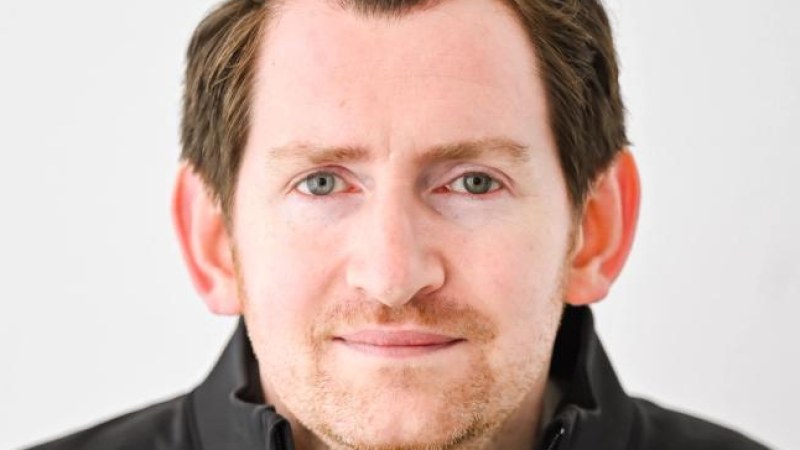
Cameron McCord
Cameron McCord is the co-founder and CEO of Nominal, a defense-tech software company modernizing how the world tests and validates mission-critical hardware. A former US Navy nuclear submarine officer who logged 484 days underwater, he studied physics and nuclear engineering at MIT and earned an MBA at Harvard before building product at Anduril and investing at Lux Capital. Founded in 2022, Nominal reached a $1 billion valuation after raising $155 million in ten months, counting four of the five largest US defense contractors among its customers.

Day AI
Day AI is an AI-native CRM company building CRMx, a customer relationship platform designed for AI agents rather than manual data entry. Founded in 2023 by former HubSpot leaders Christopher O'Donnell and Michael Pici, Day AI automatically ingests conversations, emails and meeting notes to capture the 'why' behind every customer interaction, then answers plain-English questions like 'which accounts are showing churn signals?' in seconds. Backed by Sequoia with $24M total raised, it aims to turn CRM from a system of delayed data entry into a real-time intelligence layer.

JITX
JITX is a Berkeley- and San Jose-based software company building a code-driven, AI-assisted platform for circuit board design. Instead of dragging parts around a canvas by hand, electrical engineers describe what a board must do in code, and JITX selects components, places parts, routes traces, and checks the design against electrical, mechanical, and manufacturing rules. Spun out of UC Berkeley and backed by Y Combinator and Sequoia Capital, the company is used by hardware teams at firms like Honeywell Aerospace, Lockheed Martin, Northrop Grumman, OpenAI, and HP, who report 5-20x productivity gains on complex multi-layer designs.
Christopher O'Donnell
Christopher O'Donnell is the co-founder and CEO of Day.ai, an AI-native CRM that captures customer relationship context automatically so people stop doing manual data entry. He spent roughly a decade as Chief Product Officer at HubSpot, where he led the 'startup within a startup' that turned a marketing tool into a CRM capable of challenging Salesforce. He founded Day.ai in April 2023 with longtime HubSpot colleague Michael Pici, and the company raised a $20M Series A led by Sequoia. Off the clock, O'Donnell is a guitarist, singer and songwriter who fronts the Boston rock band The Providers.
Rowspace
Rowspace is a San Francisco AI company that turns a financial firm's own proprietary data into a compounding edge. Its platform connects structured and unstructured data across a firm's entire history, models how that firm operates and reasons, and delivers that intelligence inside the tools teams already use - Excel, Microsoft Teams, and internal systems. Founded by former Notion CTO Michael Manapat and two-time CFO Yibo Ling, Rowspace launched in February 2026 with $50 million from Sequoia, Emergence Capital, Stripe, and others. Firms managing hundreds of billions to nearly a trillion dollars in assets already use it for portfolio monitoring, multi-decade deal analysis, and credit portfolio optimization.
Gabriel Stengel
Gabriel Stengel is the co-founder and CEO of Rogo, a generative AI platform built for investment banks, private equity firms and hedge funds. A 2020 Princeton computer science graduate who did stints at J.P. Morgan and whose co-founder came from Lazard, Stengel turned a clunky senior-thesis econometrics chatbot into a company that, by April 2026, raised a $160 million Series D at a roughly $2 billion valuation. Rogo's AI agent Felix now serves more than 35,000 finance professionals across 250-plus institutions, automating the grunt work of benchmarking, earnings analysis and pitch decks that once kept junior bankers awake at night.

Telescope
Telescope is an AI-driven lead generation and outreach platform that lets B2B sales teams describe their ideal customer in plain English and instantly surface matching companies and people from a database of 900M+ verified profiles and 50M+ companies. It then automates personalized outreach across email and LinkedIn, warms up mailboxes for deliverability, and consolidates replies into a single inbox - replacing a stack of separate prospecting tools. Founded in 2021 by Dr. Reza Javan and backed by Sequoia Capital and Entrepreneur First, the London-based company says it is used by 20,000+ companies.

Nevis
Nevis is a New York-based startup building the first unified AI platform for wealth management. Founded in 2024 by three former Revolut leaders, it automates the back-office work that eats up to 80% of a financial advisor's day - meeting prep, client follow-ups, account opening and ongoing service - so advisors can spend their time with clients instead of paperwork. The company emerged from stealth in December 2025 with $40M in total funding from Sequoia, ICONIQ and Ribbit Capital, and already supports RIAs managing more than $50 billion in assets.
Reza Javan
Reza Javan is the CEO and co-founder of Telescope, a London-based AI prospecting platform that automates B2B outbound across email and LinkedIn. Before he sold software to salespeople, he was Dr. Reza Rezaei Javan, an Oxford DPhil microbiologist who sequenced thousands of pneumococcal genomes and discovered new families of antimicrobial peptides. He swapped the lab bench for a startup at Entrepreneur First's LD17 cohort, where Telescope was born in 2021. The company is backed by Sequoia Capital, Soma Capital and Entrepreneur First.
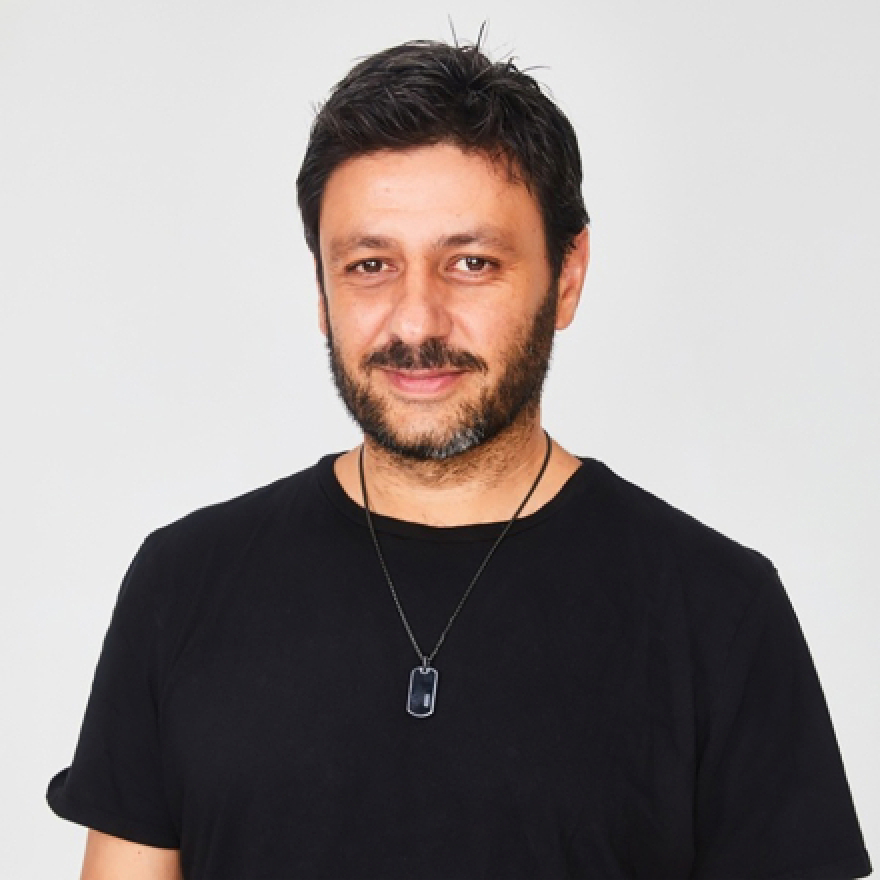
Bobby Farahi
Bobby Farahi is the co-founder and CEO of Dolls Kill, the San Francisco alternative-fashion brand he built with his wife and co-founder Shaudi 'Shoddy' Lynn after the two met at a Los Angeles rave. A serial operator who earlier founded and sold the broadcast-monitoring company Multivision, Farahi turned a stack of foxtail keychains in an apartment into a Sequoia- and Maveron-backed e-commerce label for self-described 'misfits and miss legits.' He also invests as an angel in e-commerce and lifestyle companies.
Ryan Daniels
Ryan Daniels is the cofounder and CEO of Crosby, a hybrid AI law firm that pairs licensed lawyers with proprietary AI agents to review commercial contracts (MSAs, NDAs, DPAs) in under an hour at fixed per-document pricing. A Stanford Law graduate and former startup general counsel who got tired of being the bottleneck on his own company's deals, Daniels built the product he wished he had. Since emerging from stealth in 2025, Crosby has negotiated more than $1 billion in contracts for clients like Cursor and Clay, and raised about $85.8M from Sequoia, Index, Lux Capital and Bain Capital Ventures.
Viraj Bindra
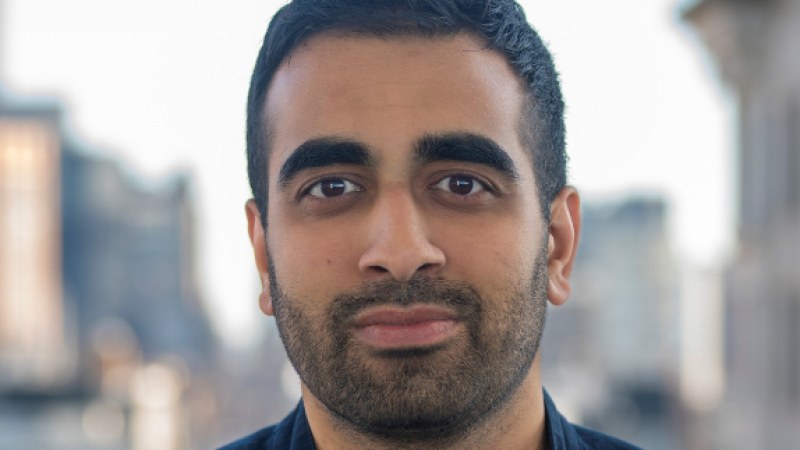
Viraj Bindra is the co-founder and CEO of Finch, a New York-based legal technology company that pairs experienced U.S.-based paralegals with purpose-built AI agents to automate pre-litigation work for personal injury law firms. He spent roughly eight years at DoorDash, joining as its founding designer and growing into senior product roles that scaled new lines of business, before leaving to build Finch in 2024 with longtime friend Benjamin Weems. Finch raised a Seed round led by Sequoia Capital, launched publicly in April 2025, and announced a $20 million Series A led by Redpoint Ventures in October 2025.
Zach Lloyd
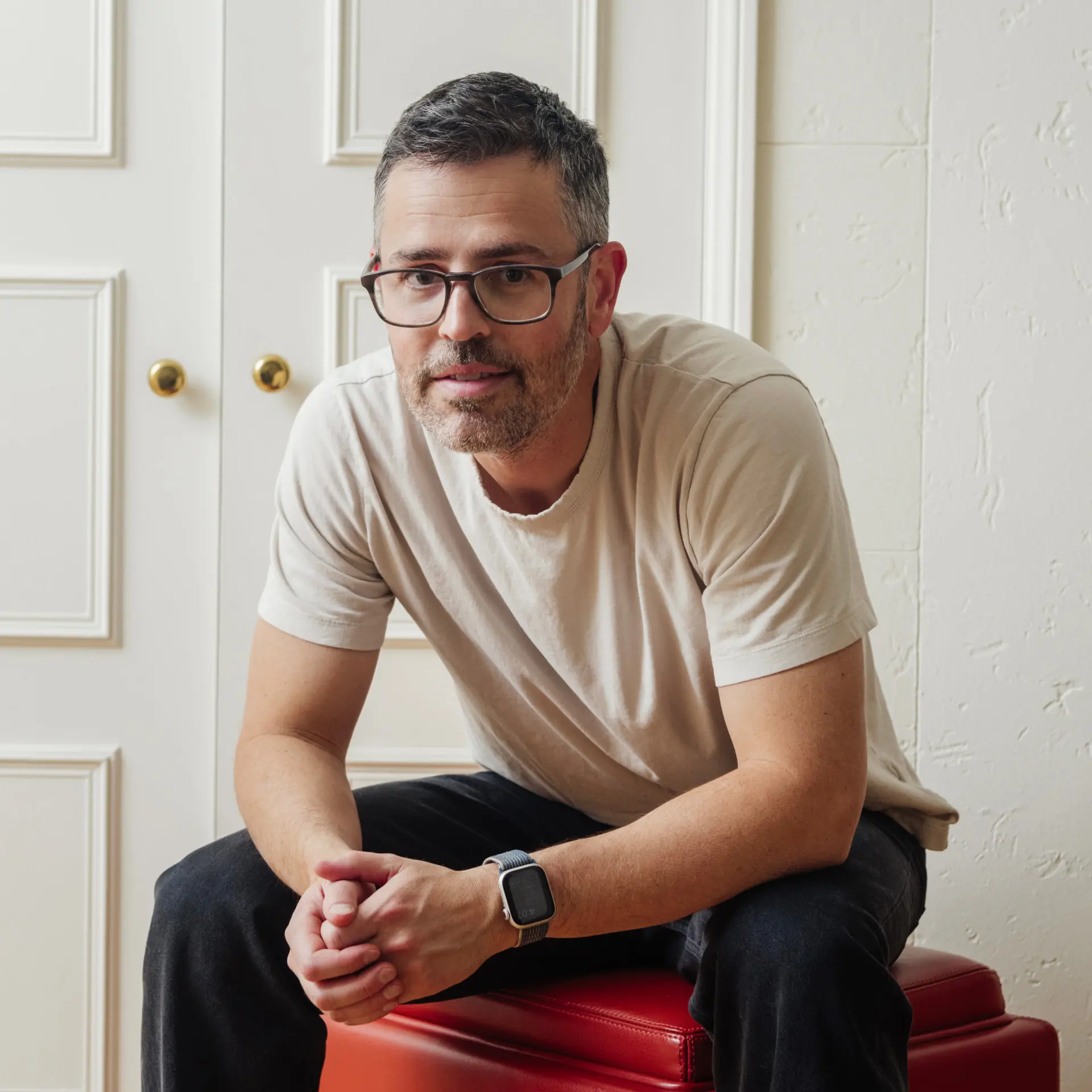
Zach Lloyd is the founder and CEO of Warp, the Rust-based terminal that grew up into an agentic development environment. A former Google principal engineer who led the Docs and Sheets teams, he looked at the one tool every programmer touches and noticed it had barely changed in 40 years. Warp's answer: a command line that reads natural language, runs AI agents, and as of 2025 codes by prompt. The company has raised roughly $73-75M from Sequoia, GV, Dylan Field and Elad Gil, and went from its first $1M of ARR in 300-plus days to adding $1M every few days.

Clipboard Health
Clipboard Health (now branded as Clipboard) is a San Francisco-based two-sided marketplace that matches nurses, CNAs, and allied healthcare professionals with shifts at understaffed hospitals, nursing homes, and post-acute facilities. Founded in 2016 by Wei Deng, the company has grown into a healthcare unicorn with a 1,600-person team and a network of more than a million qualified professionals.
Hevo Data
Hevo Data is a San Francisco-based SaaS company that builds no-code, automated data pipeline infrastructure for modern data teams. Founded in 2017 by Manish Jethani and Sourabh Agarwal, the platform connects 150+ data sources to warehouses like Snowflake, BigQuery, and Redshift in real time - with zero maintenance overhead. Backed by Sequoia Capital India with $43M in total funding, Hevo serves 2,000+ data teams across 40+ countries, processing over 1 petabyte of data monthly. The company had $46.9M ARR in 2024 and is recognized as a G2 Leader in ETL and iPaaS categories.