erp
(84)
Bob Vormittag and the Business of Staying
Buyers brought offers. Customers brought questions. Since founding VAI in 1978, Bob Vormittag has kept choosing the next software release - and the people who will use it.

S4BT and the art of finishing the trip
Booking a room is the easy part. S4BT is assembling the technology that gets a business trip all the way through to a clean set of accounts.

Miles IT and the art of keeping work moving
A paperboard mill, a retiring developer, and a pile of envelopes reveal what this business technology company is really selling: fewer interruptions between an idea and a finished job.

Stridely Solutions makes the handoffs work
A building model, a factory invoice, an energy dashboard. Stridely Solutions works where useful software meets the messy business of getting things done.

ePS and the factory’s missing hours
A packaging plant can buy a faster press. Getting everyone to agree on what it should print next is harder. ePS sells software for that problem.

Corbin Tognoni and the business of staying
After a decade helping build a European software group, Corbin Tognoni founded Mirador with a different promise: buy specialized ERP businesses and keep them. His wager rests on the people, products and customer relationships that take years to build.

Seth Ravin and the expensive habit of starting over
Seth A. Ravin built Rimini Street around a question software buyers rarely get to ask: what if we kept what already works? Two decades, a public listing and a long legal fight later, he is asking it again in the age of AI.

Alexander Solomon and the art of being the person to call
A business graduate entered the technology trade with a service problem in mind. Thirty years after founding Net at Work with his brother, Alexander Solomon is still working on who takes responsibility when the systems stop agreeing.

Advantive sweats the small stuff
A decimal place. A packing list. A part arriving in sequence. Advantive builds software around the details that decide whether a factory or distributor makes money.

Eleven systems. One way to work.
sa.global builds Microsoft-based software for businesses that sell time, expertise, and projects. Its most revealing customer story begins with the retirement of 11 separate systems.

Sage Intacct sells time back to finance.
The cloud accounting company found its opening in the days between a transaction and a useful answer. Its story is about getting those days back.

Himflax Group makes the boring bits work
An online checkout. A hard-to-fill role. A website that needs customers. Himflax Group sells the work between a business idea and a business that runs.
The company behind the SAP switch
ACS Systech Integrators built its business in the gap between buying SAP and making it work. Two acquisitions reveal what that expertise was worth - and why geography mattered as much as code.

The machine behind the machines
VitalEdge Technologies connects the parts counter, the service bay and the balance sheet. Its bet is that equipment dealers grow better when everyone can see the same business.
Savantis Solutions Makes the Back Office Part of the Show
A cinema ticket is the start of a surprisingly complicated chain. Savantis connects the customer-facing moment to the machinery behind it - and sells the expertise to keep that machinery running.

Kevin Samuelson and the business of staying useful
Before he helped assemble Infor, Kevin Samuelson taught in Sofia. His route from English literature to enterprise software leads to a practical question: what happens after the sale?

Datacor knows where the batch went
A chemical business runs on recipes, records and awkward little exceptions. Datacor has spent four decades turning those exceptions into software - and is now buying its way deeper into the plant.

TEAM Software turns the night shift into numbers that add up
A guard clocks in. An invoice goes out. TEAM Software by WorkWave connects the work between those moments - and makes a persuasive case for giving the spreadsheet a night off.

iRely and the expensive art of losing track
A stray item on a store shelf explains the appeal of iRely: software that connects the goods, the trades and the books before small discrepancies become expensive habits.

WADIC makes the software between the software
An order, an invoice, a warehouse, a customer: four versions of the same business. WADIC builds the connections that help them agree.

Spinnaker Support sells the right to wait
Your enterprise software may still work beautifully. Spinnaker Support makes a business of keeping it that way while you decide what deserves to replace it.

BatchMaster knows why a recipe is not an inventory list
A jar of cream and a drum of paint share an awkward secret: counting the ingredients is only the beginning. BatchMaster builds software for the formulas, tests and paper trails that make a batch fit to leave the factory.

DMSi and the secret life of a lumber order
A custom door, a shifting delivery date, a Monday morning report. DMSi has spent five decades making software for the awkward details that building suppliers live with every day.

Secure-24 and the Trouble With a Fast Report
When a business report finishes suspiciously quickly, someone may open a support ticket. Secure-24 built a business around the machinery behind such moments - and NTT bought the company to help run enterprise applications worldwide.

Centre Technologies and the Friday Night Test
An IT company reveals itself when the first fix makes things worse. Centre’s wager is that familiar people, shared responsibility and a broader bench can make the next move count.

SwankTek and the people who keep the machinery running
Oracle applications, cloud migrations, staffing - SwankTek works where enterprise software meets the people who must make it useful. Its most revealing perk once came with a set of car keys.

Vingstech and the art of filling the gap
A recruiter that also speaks the language of vehicle controllers and enterprise systems offers a useful lesson: the missing piece of a technology project is often a person.

The Invoice That Got Away
A customer should not have to discover your billing error. Datricks connects to enterprise systems and watches the financial process unfold, looking for the exceptions a periodic audit may miss.
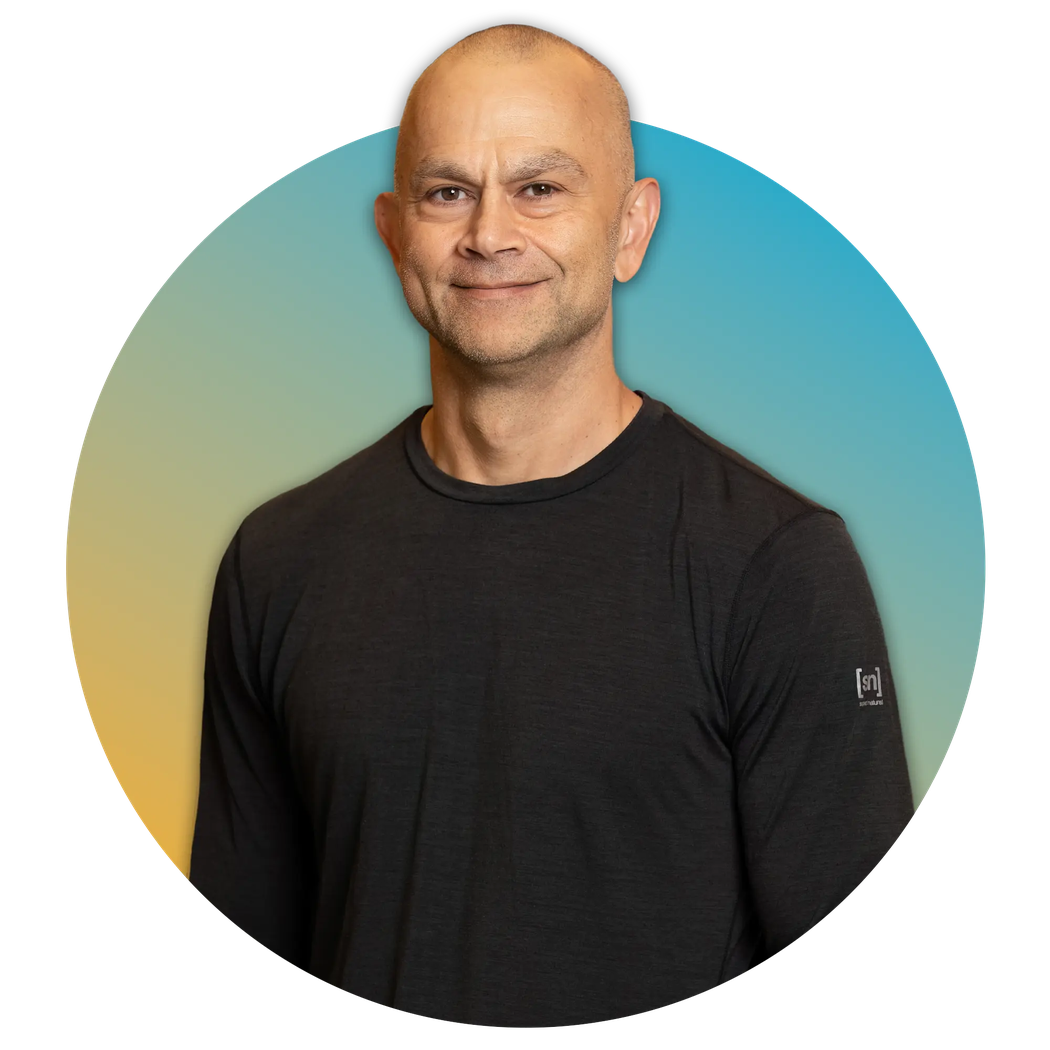
Axel Allgeier and the Second Draft of Enterprise Software
Three decades after helping enterprise software travel across incompatible machines, Axel Allgeier is still chasing the same stubborn idea: complexity belongs in the architecture, not in the user's day.
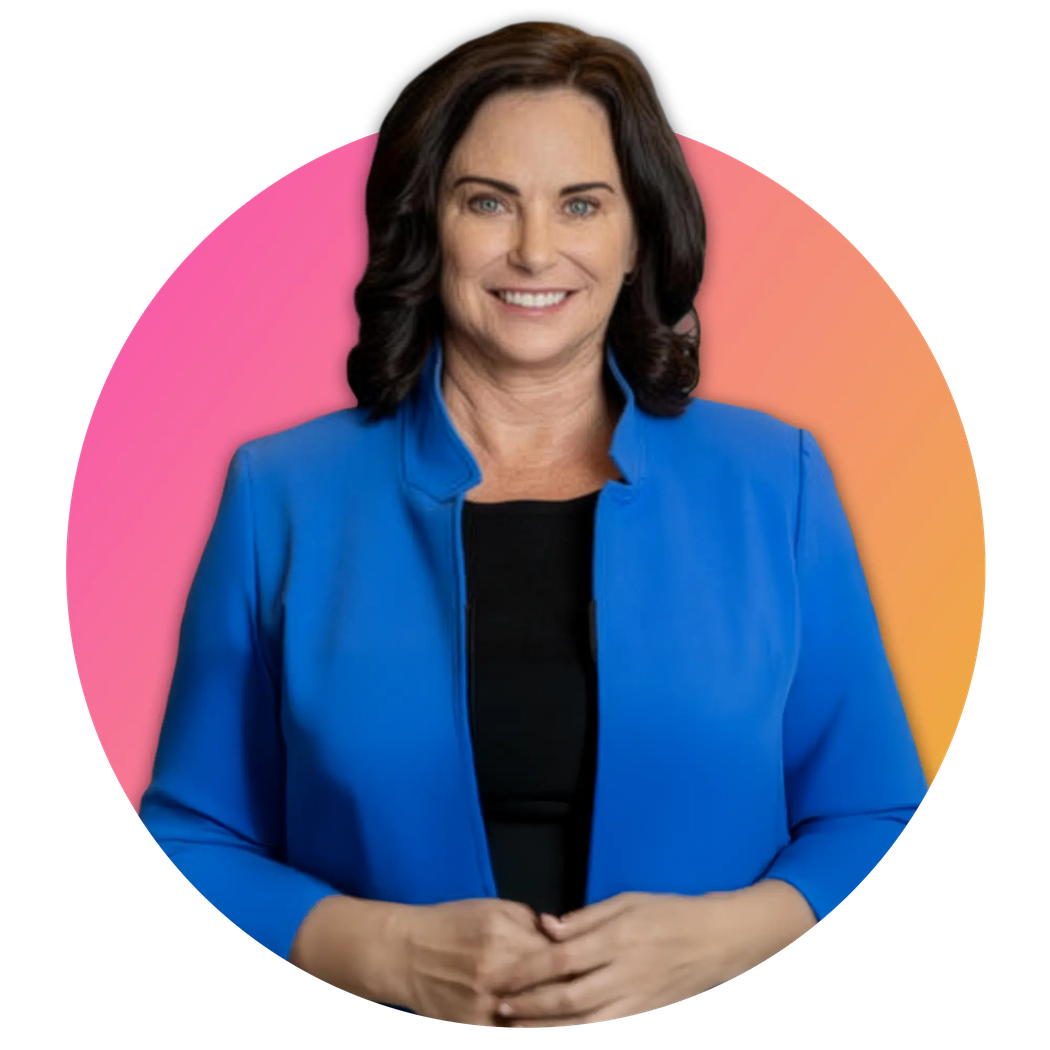
Kylee McVaney Learned Enterprise Software at the Copier - Then Returned to Rewrite It
She grew up inside the machinery of J.D. Edwards, left software to build institutions, and came back with a stubborn idea: enterprise systems should bend without breaking. Her other classroom is a dressage arena, where nerves travel straight down the reins.