oracle
(77)
Luke Hillier and the art of the handoff
Before he helped build Mythics, Luke Hillier learned how government buys. His career has since carried him from Oracle software and military equipment to a more personal question: how do you put opportunity within someone else’s reach?
Charles Phillips and the case for beautiful business software
A former Marine and Wall Street analyst brought a design studio into Infor. His bet was simple: people who use software at work deserve the same care as people who use it at home.
CriticalRiver makes your software earn its keep.
The enterprise already bought the software. CriticalRiver works on the harder part: getting its systems, data, and people to work together. Now it is applying that same approach to AI.
Tijl Vuyk and the Art of Making Work Disappear
He founded Redwood Software in 1993 and spent decades asking why people were still doing the same tasks twice. His answer became a business built around the work most of us would rather forget.
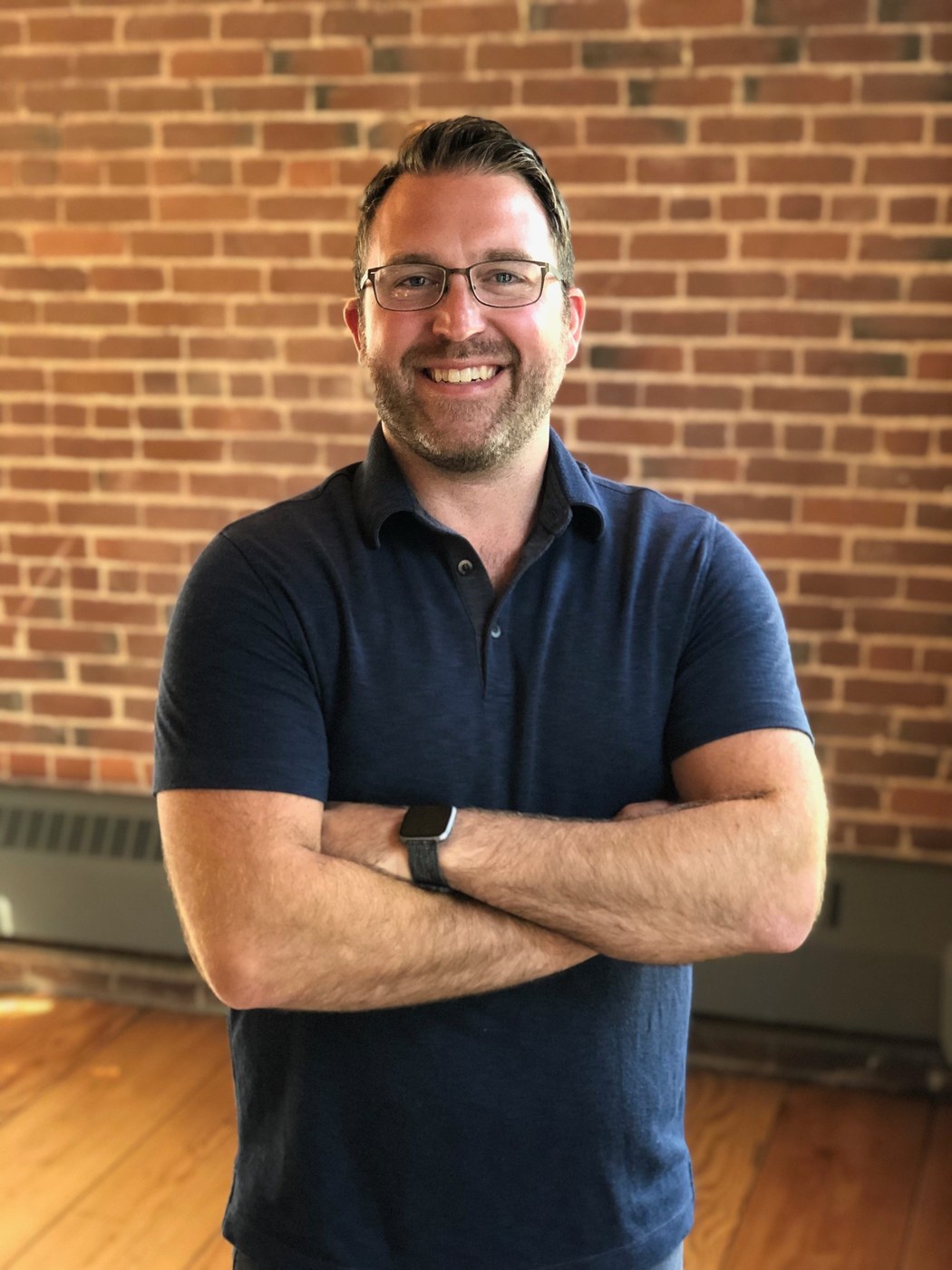
Kyle York and the business hidden inside the sporting-goods store
Before Kyle York helped grow Dyn to $100 million in annual recurring revenue, he learned business in his parents’ Manchester shop. At York IE, those lessons still shape how he backs founders, builds teams and thinks about who gets to keep the upside.
Excelencia and the art of changing less
Moving to the cloud is easy to announce. Excelencia’s more interesting work is deciding which old habits, customizations, and support problems should make the trip.

Data Intensity makes the cloud decision less cloudy
For companies running Oracle, the expensive question is what to keep, what to move, and who will answer when it breaks. Data Intensity has built a business around all three.

Bastin Gerald and the space between getting software and getting somewhere
He helped build software for large corporations, then founded Apptivo for smaller businesses. With Profit.co, Bastin Gerald returned to a familiar puzzle: how to turn a company’s intentions into work that actually moves.
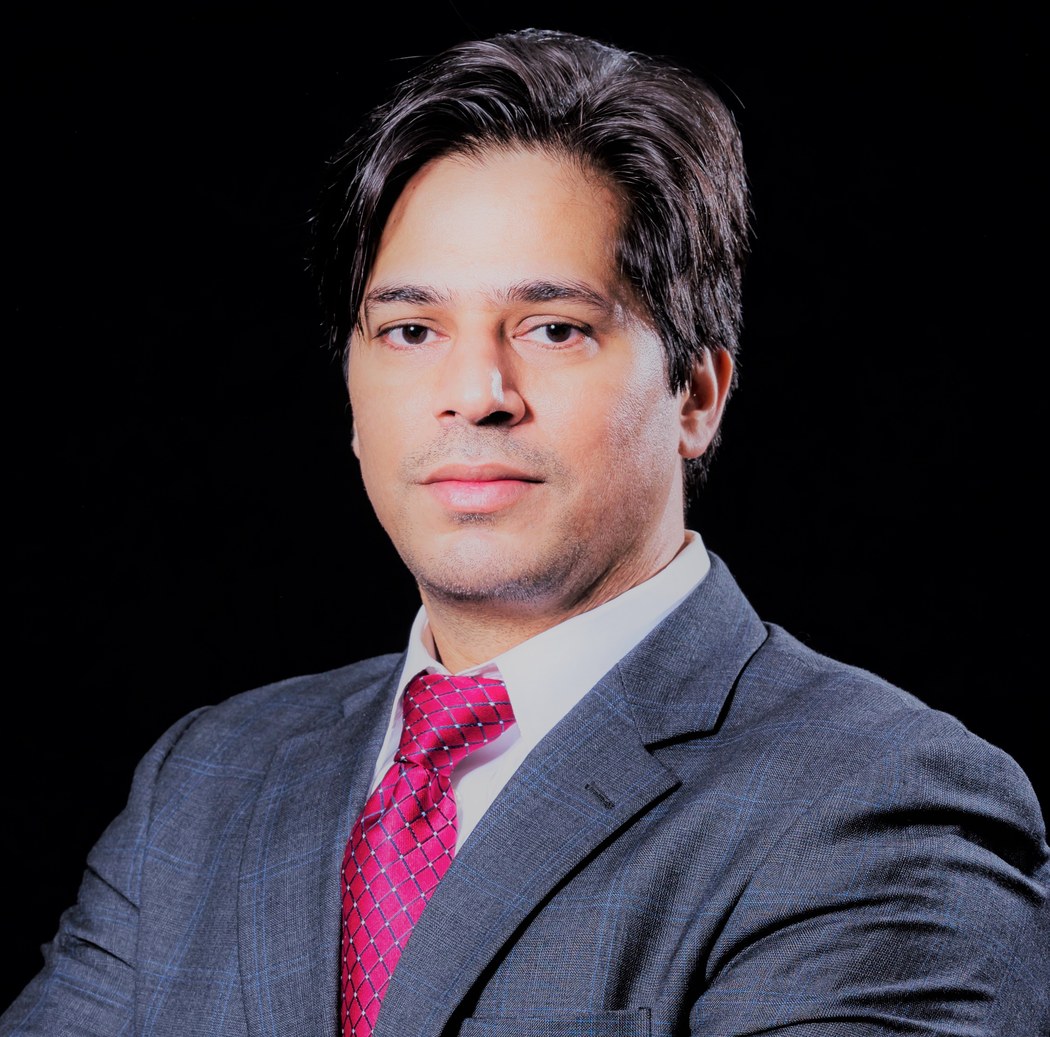
Hamid Farooqui and the Trouble with a Quiet Customer
The Sogolytics co-founder built his career helping people speak up. Now he is paying closer attention to the customers who say nothing at all.

Pythian’s London Oracle Session Puts the Database Before the AI
Oracle, Google Cloud and Pythian are listed for a London session on 19 November 2026. The business at hand is safer database migration, less maintenance and operational data ready for AI.

Larry Ellison and the pleasure of a difficult opponent
A database company, a racing boat, a new cloud wager. Larry Ellison keeps finding contests expensive enough to matter - and opponents worth getting out of bed for.
Codesoft and the art of hiring the missing piece
A nine-month contract can reveal more about an IT company than a page of promises. Codesoft’s story lives in the space between buying technology and finding the people who can make it work.
Dyn and the day the internet lost its address book
A New Hampshire company made a business of helping everyone find everyone else online. Then an attack on its DNS network exposed how many famous websites shared the same front door.
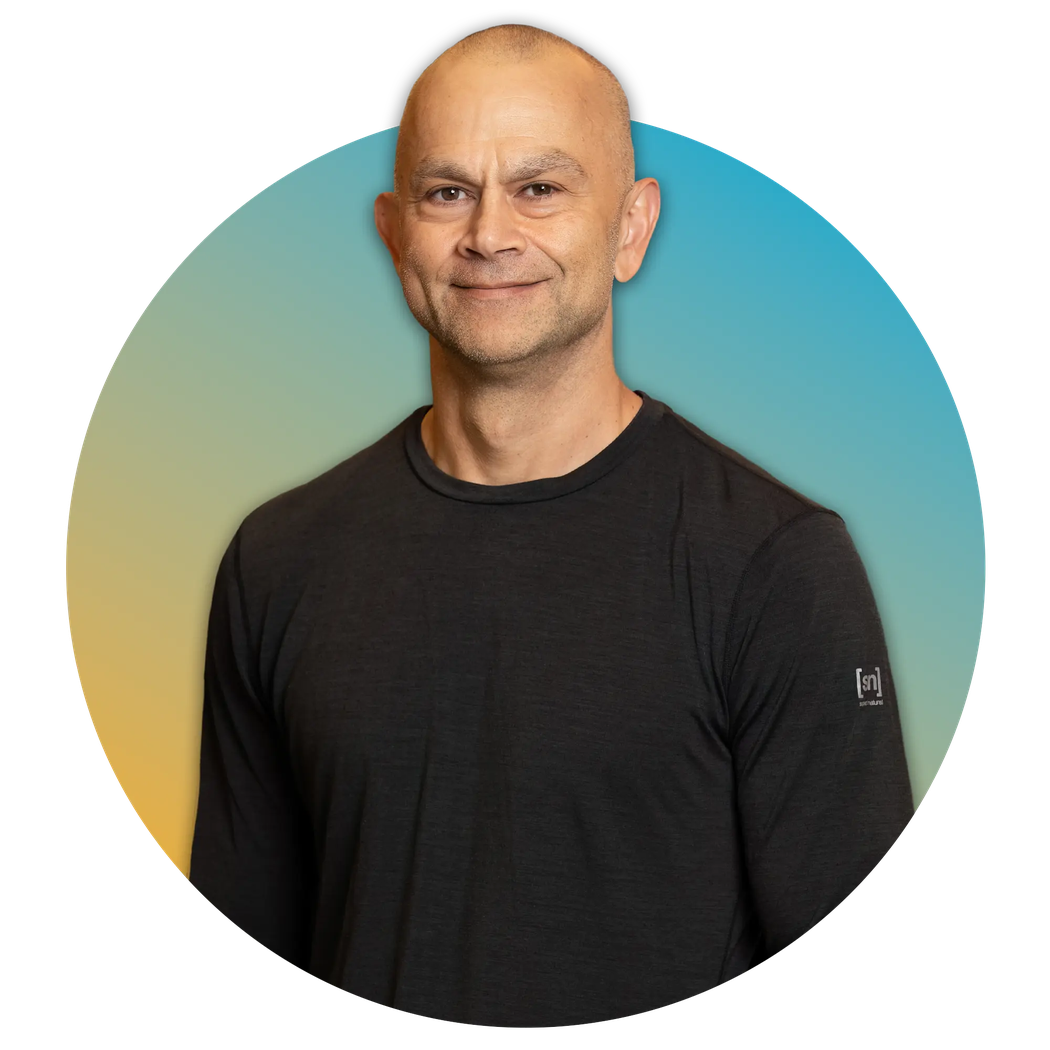
Axel Allgeier and the Second Draft of Enterprise Software
Three decades after helping enterprise software travel across incompatible machines, Axel Allgeier is still chasing the same stubborn idea: complexity belongs in the architecture, not in the user's day.
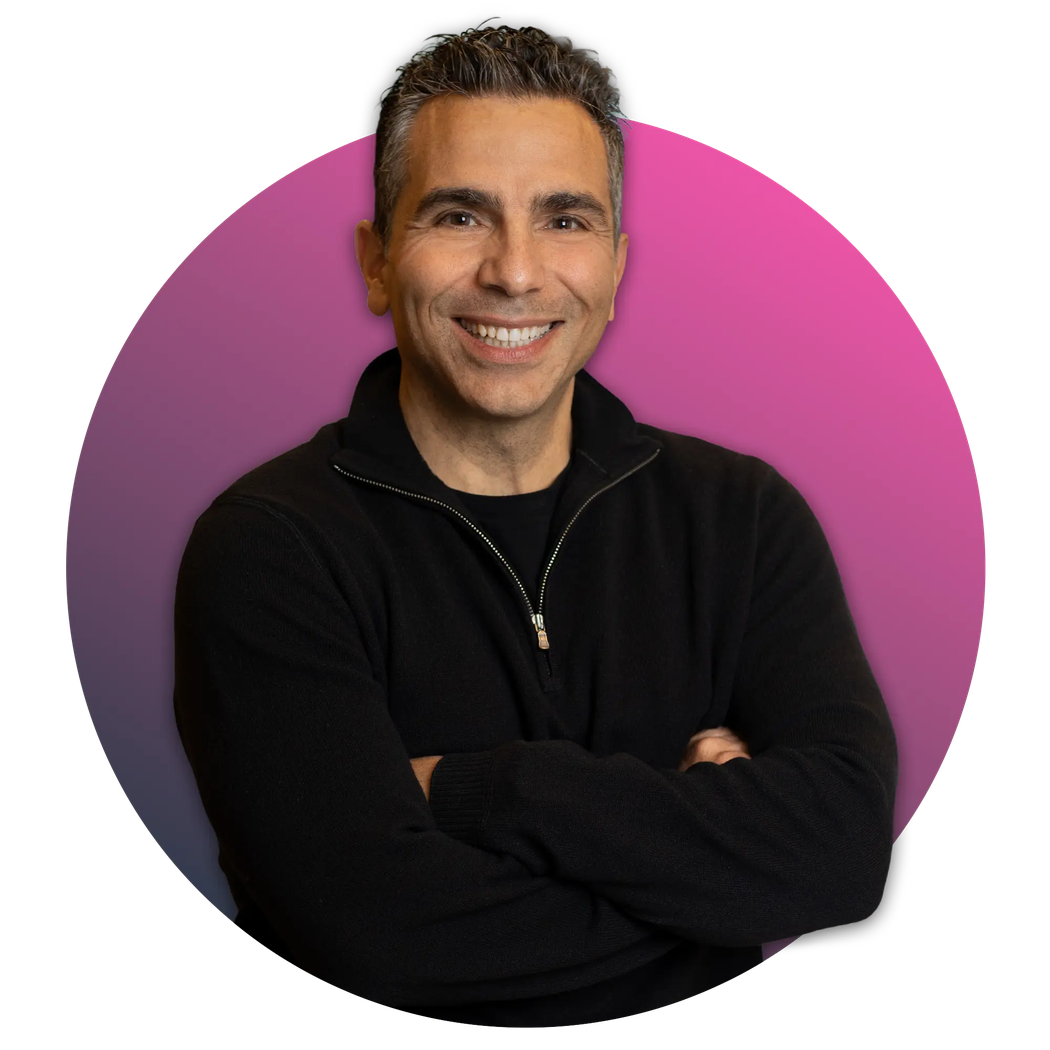
Vito Solimene Built a Career Around What Happens Next
He spent decades inside the machinery of enterprise software. Then he helped start Nextworld to change the one habit the industry never quite shook: making every useful customization a future liability.

Alok Pareek Has Spent a Career Listening to Data Move
From five-o'clock support calls at Oracle to Striim's real-time pipelines, Pareek has followed one durable idea: useful information often begins with the change that just happened.

ICSFS builds the bank behind the balance
From Islamic finance contracts to a five-month core replacement in South Sudan, ICS Financial Systems sells the machinery that makes banking work. Its latest deployments show the appeal - and the demands - of buying a whole banking system.

Chip Coyle Has Spent Nearly 40 Years Making Complicated Software Sound Human
From Oracle's acquisition years to a fresh assignment at AbsenceSoft, Coyle has built a career around a stubborn idea: enterprise technology still has to speak to people.
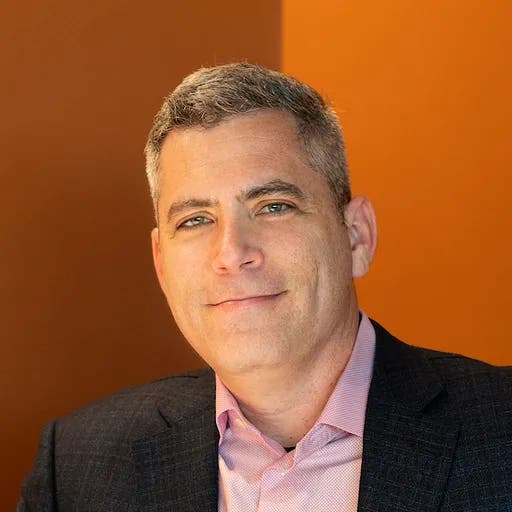
Ariel Kelman Has Spent 25 Years Making Complicated Technology Sound Human
From a startup that did not survive to the cloud platforms that reshaped enterprise computing, Ariel Kelman learned a durable lesson: sophisticated technology only travels when ordinary people can understand why it matters.
Satish Kumar Is Rebuilding Hiring Around Proof
From borrowed physics notes in rural India to a 2026 deal with Findem, the Glider AI co-founder has spent his career turning one stubborn belief into software: opportunity should follow demonstrated ability, not pedigree.
NetSuite Already Has The Controls So Why Bolt On Ramp
NetSuite bakes spend controls and approval workflows straight into its general ledger. So the finance team's real decision is not which tool wins, but whether to run the module they already own or bolt Ramp's card platform on top of it.
The Database Fixers Who Want to Keep Enterprise AI Alive
Pythian spent nearly three decades learning how enterprise data breaks. Now it is using that operational muscle to move AI out of the demo room and into the systems companies cannot afford to lose.
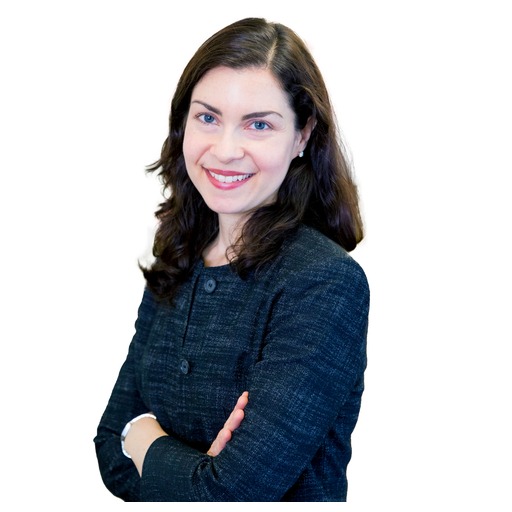
The Political Operative Who Learned to Sell Tax and Insurance
She swapped Capitol Hill for the corner office of marketing, and now she has to make accounting, tax and insurance sound like something worth reading. Here is how a campaign operative became the brand voice of a $2.8 billion firm.
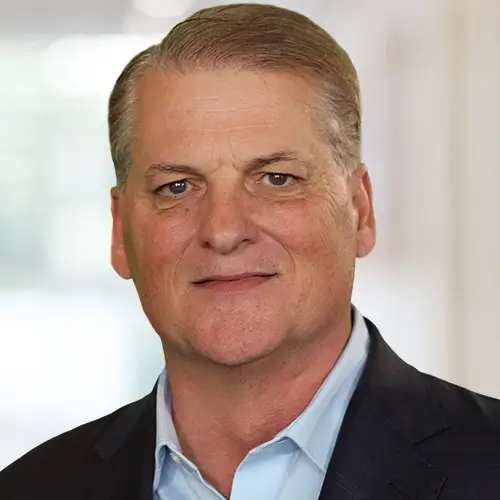
Jim Gargan Has Spent 35 Years Turning Invisible Infrastructure Into a Story
From IBM server rooms to Oracle's cloud portfolio and Riverbed's push for practical AI, Jim Gargan has built a career around making complex technology legible - and tying it to the work people actually feel.

The Software Turf War Behind Every Bill, Alert and Offer
Eight companies - from Crawford Technologies and Oracle to Lob, Bird and Iterable - quietly wire up every statement, alert and offer your bank, insurer and favorite app sends you. Here is the map of a market climbing toward $3.3 billion.
Oracle
The 48-year-old database company reinvented itself as the landlord of the AI boom - and a half-trillion-dollar order book to prove it.

Your Support Inbox Is a Billion-Dollar Battleground
Two enterprise giants and two upstarts are fighting over the same thing - the message a customer sends when something breaks. Here is how SAP, Oracle, Gorgias and Front split a market nobody used to care about.

How Oracle, Groove, SysAid and LiveAgent Split Support
Four companies, four very different bets on how a business should answer its customers - from Oracle's enterprise heft to a bootstrapped help desk built in Slovakia.
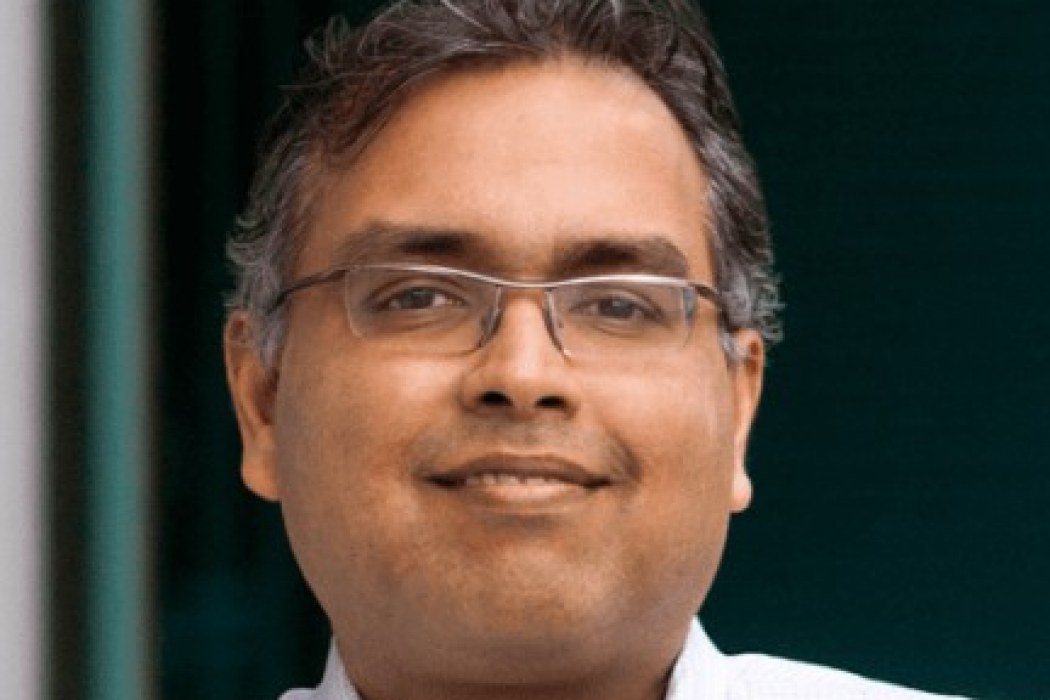
Rohit Gupta
Rohit Gupta is the co-founder and CEO of Auditoria.AI, a Santa Clara startup that builds AI agents for corporate finance teams. A serial entrepreneur with more than 25 years in enterprise software, he previously founded the cloud-security company Palerra (acquired by Oracle in 2016) and ran the Remedy IT Service Management division at BMC Software. He started Auditoria in 2019 to bring automation to the back office of finance, and in 2025 raised a $38M Series B to push the company into the agentic-AI era.
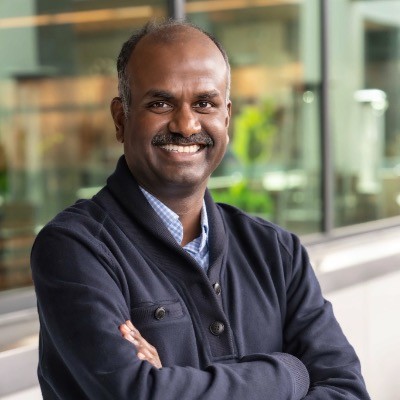
Shiva Nathan
Shiva Nathan is the founder and CEO of Onymos, a Palo Alto software company he started in 2017 to end the endless rebuilding of the same app plumbing. A former head of Intuit's Platform and Services organization who also held engineering leadership roles at Oracle and CA, he built Onymos around a 'Features-as-a-Service' model that lets companies drop in login, payments, notifications and other features without handing over their data. Onymos has since expanded into AI-driven document processing for healthcare and life sciences through its DocKnow platform, including a collaboration with Mayo Clinic.