The Story
Closing the gap between how we live and how we work
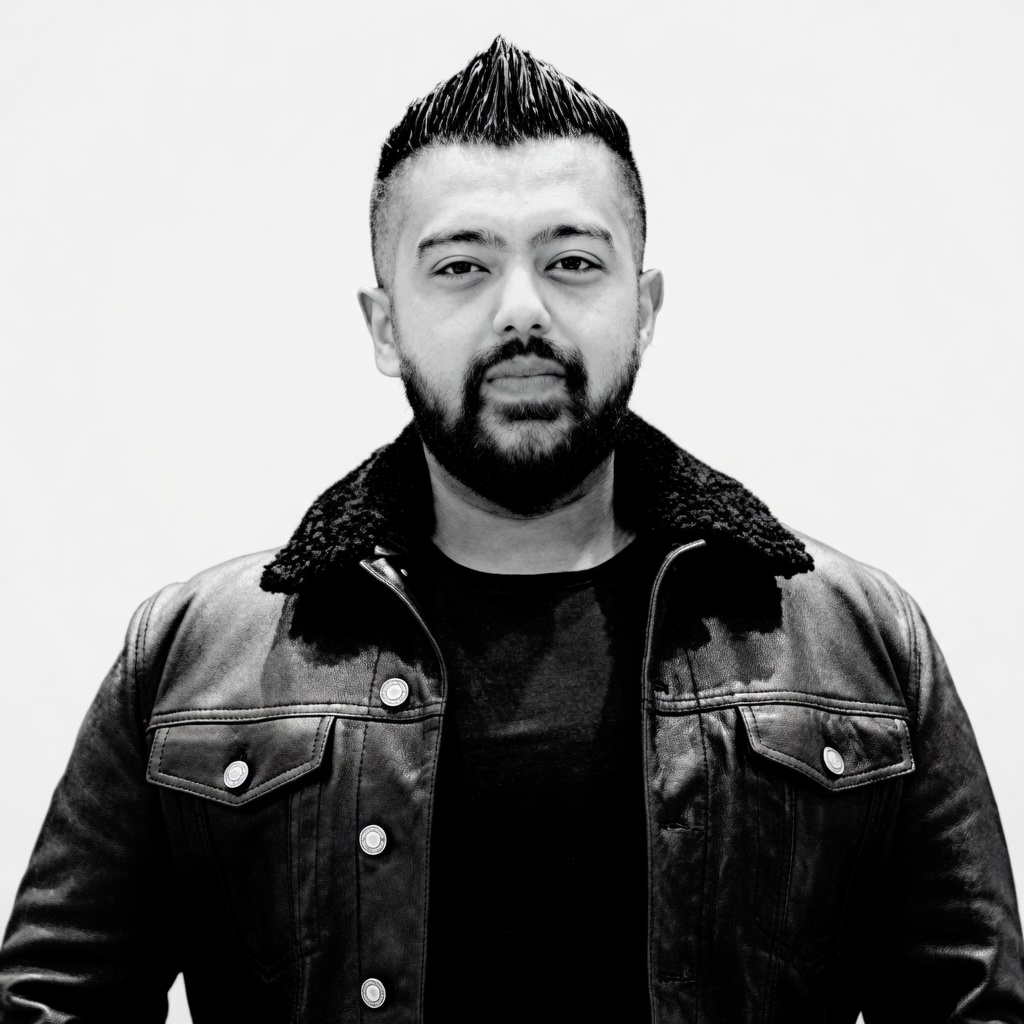
At Yahoo!, during the same years he was finishing a master's degree at MIT, Zain Aziz was watching something that bothered him. The consumer internet was moving fast - seamless, intuitive, always-on. Enterprise software was moving like it was 2003. The people inside big companies deserved tools that worked the way their phones worked. Nobody was delivering that at speed.
It was a specific observation, not a vague complaint. And that specificity - the gap between consumer experience and enterprise reality - became the thesis behind Atom.
He founded the company in 2020, which, in retrospect, looks like either perfect timing or an act of audacity. The pandemic was detonating inside every Fortune 500 IT department. Digital transformation went from boardroom jargon to operational emergency. The CIOs who had spent years pushing transformation roadmaps onto five-year horizons suddenly needed results in months. Atom was ready to deliver them.
"Consumerization of the enterprise - building technology, services, and world-class user experiences that bridge the gap between the way we live and work."
- Zain Aziz, Founder & CEO, Atom
Atom's model is built around what the company calls "living services" - the idea that enterprise technology should adapt continuously rather than lock customers into static implementations. The company organizes its work into five service lines: Atom Cloud (delivering Oracle, Workday, SAP, and Salesforce), Atom Digital (AI, IoT, blockchain, data analytics), Atom M&A (merger and acquisition integration), Atom Living Services (ongoing adaptive support), and Atom Services (assessment, architecture, program management).
The 26-week implementation commitment is the headline, but the mechanism behind it is what's genuinely unusual. Atom combines template-based deployment with rapid prototyping tools, certified specialist teams, and what Aziz describes as modular architecture - the ability to swap in and configure enterprise platforms at a pace that a traditional systems integrator wouldn't consider possible.
The client list runs from startups figuring out their first ERP to Fortune 500 companies rebuilding core finance and HR systems at scale. The fact that Atom can hold both ends of that spectrum simultaneously says something about how they've built the delivery model.
"The future of work is already here. Enterprises just haven't caught up."
- Zain Aziz
Before Atom, Aziz's resume reads like someone who couldn't stop accumulating difficult credentials. United States Marine Corps first. Then Harvard, where he studied computer science. Then MIT's Sloan-affiliated Engineering and Management program - an overlap period that also included a director-level role at Yahoo!, running service engineering and operations. Then Trident Microsystems, then Gilead Sciences.
That combination - military discipline, engineering rigor, enterprise operations from the inside - is what you see in how Atom actually runs. The 26-week promise isn't marketing. It's a delivery architecture. The company doesn't overpromise transformation and underdeliver implementation. The structure is designed so the promise holds.
In October 2022, Atom closed a $6.8 million Series A, bringing total funding to $15.8 million. The raise validated the thesis that enterprise transformation could be done differently - faster, more modular, more user-centric - and that there was a market ready to pay for it.
Aziz runs two ventures simultaneously. While Atom scales toward the autonomous enterprise vision, he also founded Heubee in 2022 - a stealth-mode startup focused on Web 4.0 and consumer and enterprise AI. The combination signals something about how he thinks: the enterprise and consumer worlds aren't two separate markets to optimize separately. They're one problem, approached from both ends.
With roughly 220 employees operating across six continents, Atom is now large enough that the early bets have been validated and specific enough that every technology choice - Oracle Cloud, Salesforce, Workday, SAP Analytics, IoT platforms, blockchain frameworks - reflects the company's read on where enterprise infrastructure is actually going. Not five years from now. Now.