series-c
(223)
The Cardiologist Who Wants to Grow Your Chicken Without the Chicken
A former heart doctor traded the cath lab for the bioreactor to grow chicken from cells. He made history, hit a $1 billion valuation, and then ran straight into state legislatures that would rather ban his product than taste it.
The Company That Turned Corporate Security Into a Single Screen
Corporate security teams drown in tabs, feeds and spreadsheets. Ontic bet that connecting all of it in one place - now with AI - is worth $287 million to investors and the attention of the Fortune 50.
The Korean Startup Trying to Shrink the Grid's Heaviest Box
Crocus wants to replace the hundred-year-old iron transformer with a silicon one that thinks. Its bet: the same box that charges electric cars can also keep an AI data center from browning out.

Touring Capital Is Betting $330 Million on AI After the Demo
The young San Francisco firm is skipping the loudest layer of the AI boom. Its wager is that the durable money will be made by software that fixes costly, stubborn work.

Product-Market Fit Is the Easy Part
Greenfield Partners, a TPG spinout running about $1 billion out of Tel Aviv and New York, invests at the exact moment most startups stall - and treats the climb from Series B to scale as an engineering problem, not a leap of faith.

The Company That Rents You a Sales Team in the Gulf - and the AI That Tells It Who to Call
Selling software into the Gulf usually means hiring locally, learning the market the hard way, and waiting months to get paid. Cadena turns that whole problem into a subscription.

Akash Magoon
He learned how insurers deny claims from the inside. Then he built the machine that fights back for the doctors.

bolttech
A Singapore insurtech quietly turned the checkout button into an insurance counter. Now 230 insurers and 700 partners run through its pipes.
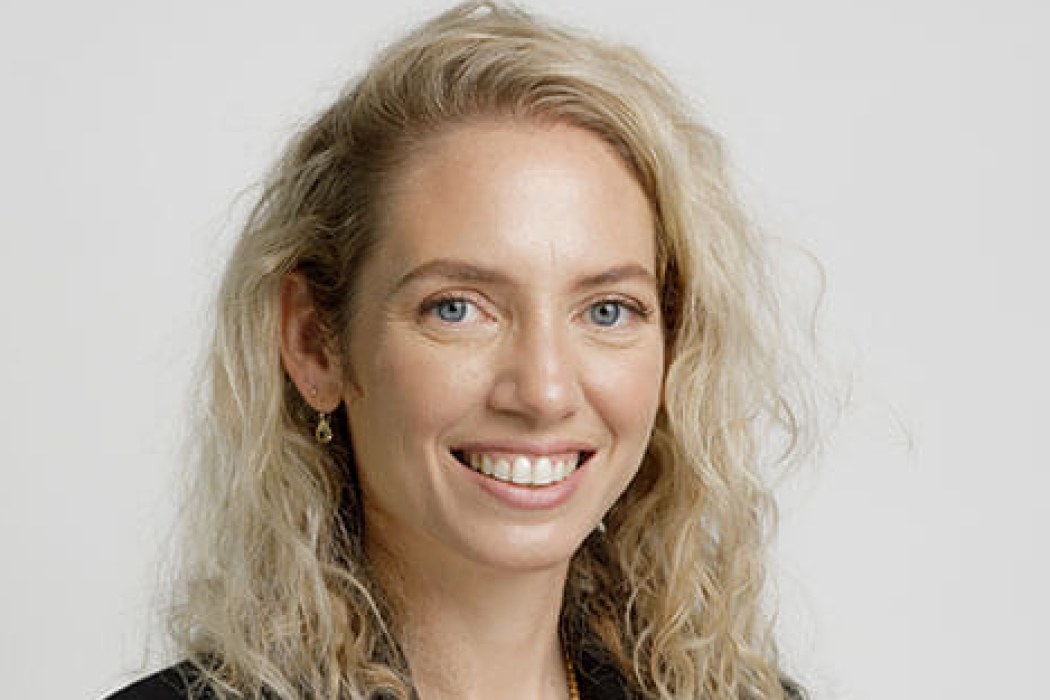
Romi Gubes
Romi Gubes is the co-founder and CEO of Sensi.AI, an Austin-based company that turns ambient audio into around-the-clock care intelligence for seniors aging at home. A former Fortune 500 software engineer, she started the company in 2019 after a personal experience with vulnerability in care redirected her career toward protecting people who can't advocate for themselves. Under her leadership Sensi has raised more than $98 million, grown revenue 400% in a year, and expanded into what she describes as an AI operating system for senior care.
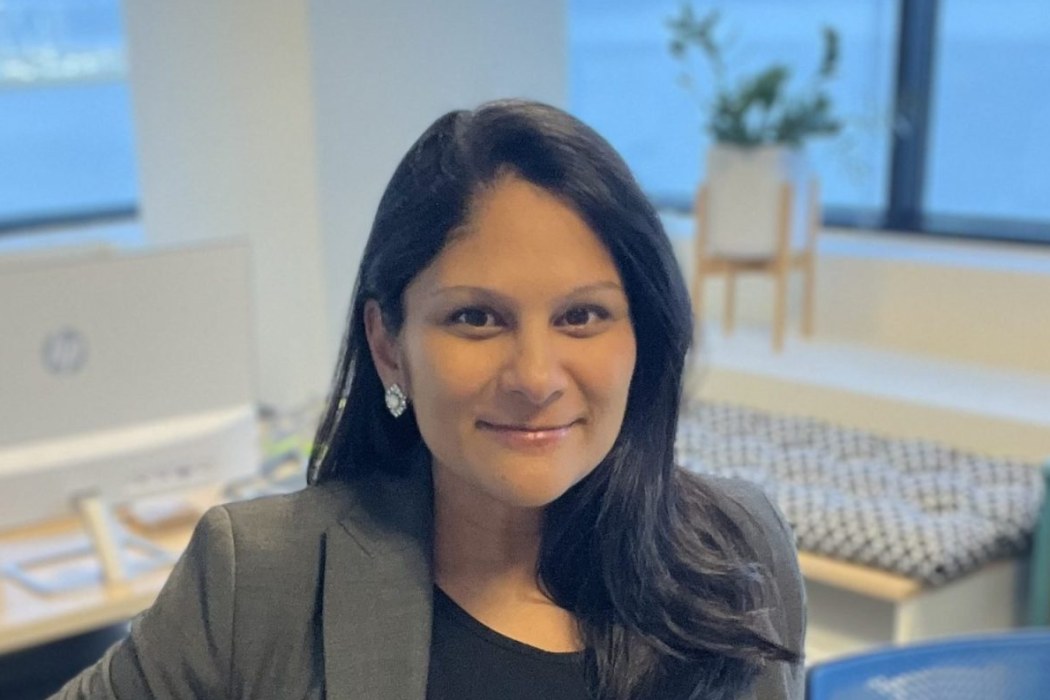
Shreya Mehta
Shreya Mehta is the President and CEO of Zenflow, a South San Francisco medical device company she co-founded in 2014 out of the Stanford Biodesign Innovation Fellowship. A biomedical engineer and former FDA reviewer, she spent a decade building the Zenflow Spring System, a minimally invasive, reversible implant that props open the urethra to relieve symptoms of benign prostatic hyperplasia (BPH). She started as CTO before stepping into the CEO seat, closed a $24M Series C in November 2024, and helped guide the company to FDA approval.

Shubham Mishra
Shubham Mishra is the co-founder and Global CEO of Pixis, a Burlingame, California company building codeless AI infrastructure that lets marketers deploy AI models without writing code. He dropped out of BITS Pilani to build a virtual reality headset with the startup Absentia, then pivoted into AI-driven marketing and grew Pixis from an early bet on AI to roughly $85M in ARR, raising $209M across its funding rounds. His pitch is consistent: strip the friction out of AI so any team can use it in minutes, not months.
Doctor Anywhere
Doctor Anywhere is a Singapore-headquartered, tech-led healthcare company founded in 2017 by Lim Wai Mun. It started as a telemedicine app that put a licensed doctor on a video call within minutes, then deliberately grew downward into the physical world - GP clinics, specialist practices, health screening and imaging suites, home visits, medication delivery and an in-app health marketplace. The company describes the result as a 'Hospital Anywhere' model: one app that carries a patient from a 2am sore throat to a knee surgeon, across Singapore, Malaysia, Thailand, Indonesia and the Philippines. It serves roughly 3 million users, sells to consumers, corporates and insurers, and has raised about US$176 million from investors including Asia Partners, Novo Holdings, Square Peg, EDBI, IHH Healthcare, Philips and Pavilion Capital.

Dan Woods
Dan Woods is the Founder and CEO of Socotra, the AI-native cloud-native insurance core platform he built from scratch starting in 2014. A Stanford AI researcher and former Palantir engineer (employee #20), he left the data-intelligence world to fix insurance technology - an industry he describes as 'a decade behind banking.' Under his leadership, Socotra has raised $87M+ in total funding including a $50M Series C led by Insight Partners, and powers carriers and insurtech MGAs who can now launch insurance products in weeks instead of years.
Yingqi Wang
Yingqi Wang is the founder and CEO of ONES.com, an all-in-one software development and R&D management platform used by teams to plan, track, test, and ship software. A self-taught programmer since fifth grade, he spent seven years at Kingsoft working on WPS and antivirus products, then founded Zhengdian Technology, whose Zhengdian Alarm Clock app reached over 100 million users. After a stint as an entrepreneur-in-residence at Morningside Venture Capital, he launched ONES in 2015 to give engineers and technical managers a single connected toolchain. ONES has raised roughly $100M+ across rounds and serves large enterprises across China and beyond, positioning itself as a direct challenger to Atlassian.
Zack Kanter
Zack Kanter is the founder and CEO of Stedi, an API-first, cloud-native healthcare clearinghouse that routes eligibility checks, claims, and electronic payments between providers and insurers. He started his first company at 16, building a bootstrapped auto-parts wholesaler (Proforged) that he ran for roughly 13 years before selling it to Huron Capital. He then spent years wrestling with electronic data interchange (EDI), the arcane plumbing of business-to-business transactions, rewriting Stedi's codebase about eight times before finding extraordinary traction in healthcare. Along the way he became widely read for essays like 'Why Amazon is eating the world.' In March 2026 Stedi raised a $50M Series C led by Addition, bringing total funding to about $142M.
AcuityMD
AcuityMD is a Boston-based commercial intelligence platform built specifically for the medical device (MedTech) industry. It translates large volumes of healthcare claims and procedure data into intuitive workflows, AI-powered insights, and recommendations that help medical device sales and marketing teams find high-value physicians and care sites, size and segment markets, manage territories, and accelerate product adoption. Founded in 2019 by former MedTech and consulting operators, the company serves hundreds of device makers - including a majority of the largest MedTech firms - and raised an $80M Series C in 2026 at a near-$1B valuation.

Botrista, Inc.
Botrista is a San Francisco-based food-and-beverage technology company that builds an AI-driven automated beverage platform. Its flagship BotristaPro machine lets restaurants, campuses, hospitals, theme parks and other venues serve a wide range of craft cold drinks - boba teas, smoothies, refreshers, cold brew, lemonades and more - from a single compact, self-cleaning unit in seconds, without specialized baristas. Founded in 2017 by former Tesla automation engineer Sean Hsu, the company pairs patented multi-ingredient dispensing hardware with cloud-based analytics and demand forecasting, and has raised roughly $126 million to date, including a Series C led by Jollibee Foods Corporation.

Cloudsmith
Cloudsmith is a Belfast-founded, cloud-native artifact management platform that gives engineering teams a single place to store, secure, and distribute software packages and containers across 30+ formats. It acts as a private, fully managed registry with built-in supply chain controls - vulnerability and malware scanning, policy enforcement, quarantine, and global distribution - increasingly positioned around governing the flood of code produced by AI coding agents.

Diana Health
Diana Health is a women's healthcare company that partners with hospitals to redesign their OB-GYN and labor-and-delivery programs around a midwifery-centered, team-based care model. Certified nurse-midwives work alongside OB-GYNs, therapists, dietitians, and health coaches to deliver longer appointments, integrated mental health, and holistic support across pregnancy, gynecology, menopause, and everyday well-woman care - backed by a digital platform for education and virtual visits. Founded in 2020 and based in New York, the company operates clinics co-located with mid-sized hospitals and serves more than 80,000 women a year.
Kontakt.io
Kontakt.io is an AI-powered real-time location system (RTLS) and care-operations platform for hospitals. Starting in 2013 as a Krakow Bluetooth-beacon maker, it now combines IoT sensors, wearable tags and cloud AI to track the location, status and flow of patients, staff and equipment across health systems - helping hospitals cut wasted time, find assets, protect staff and orchestrate care around each patient's journey. It has deployed 4M+ IoT devices, serves 32,000+ end users, and raised a $47.5M Series C led by Goldman Sachs in 2024.

Ledgebrook
Ledgebrook is a tech-enabled excess and surplus (E&S) lines managing general agent (MGA) that aims to give wholesale insurance brokers the fastest, easiest quoting experience. Founded in 2021 by former actuary Gage Caligaris, the company pairs a next-generation tech stack - which enriches and prefills broker submissions and speeds rating - with experienced human underwriters to write specialty commercial coverages such as general liability, excess liability, professional liability, allied healthcare, and architects & engineers. Having written its first policy in May 2023, Ledgebrook passed a $100M premium run rate and closed an oversubscribed $65M Series C in June 2025, bringing total funding to roughly $119M.
Steno
Steno is a Los Angeles-based legal technology company that combines a nationwide network of certified court reporters with purpose-built litigation software and flexible financing. It handles the logistics of depositions and trials - scheduling reporters, videographers and interpreters, running remote proceedings through Steno Connect for Zoom, deferring payment via DelayPay, and analyzing transcripts with its generative-AI tool Transcript Genius - so litigators can focus on their cases instead of the paperwork behind them.

WeTravel
WeTravel is a fintech and SaaS platform built specifically for multi-day, group and tour travel businesses. It lets operators create branded booking pages, collect deposits and staged installment payments in multiple currencies, manage traveler details, pay suppliers, and build AI-assisted itineraries - all from one dashboard. Founded in 2016 by three immigrant entrepreneurs who met at UC Berkeley, the company has processed trips in 206 countries for more than 1.6 million travelers and raised $126M in total funding, including a $92M Series C led by Sapphire Ventures in September 2025.

Gabriel Pinchev
Gabriel Pinchev is the founder and CEO of FieldPulse, a Dallas-based field service management software company he started in 2015 to help HVAC, plumbing, electrical, and other trade contractors run their businesses from a single app. An outsider to the trades who studied at SMU's Cox School of Business, he built FieldPulse into a platform used by thousands of service businesses, raising roughly $79 million across Series A through C, including a $50 million Series C in August 2025 led by Fulcrum Equity Partners. He is known for staying close to customers, talking with contractors daily, and pushing the company into AI-powered tools like Operator AI and Chat AI.
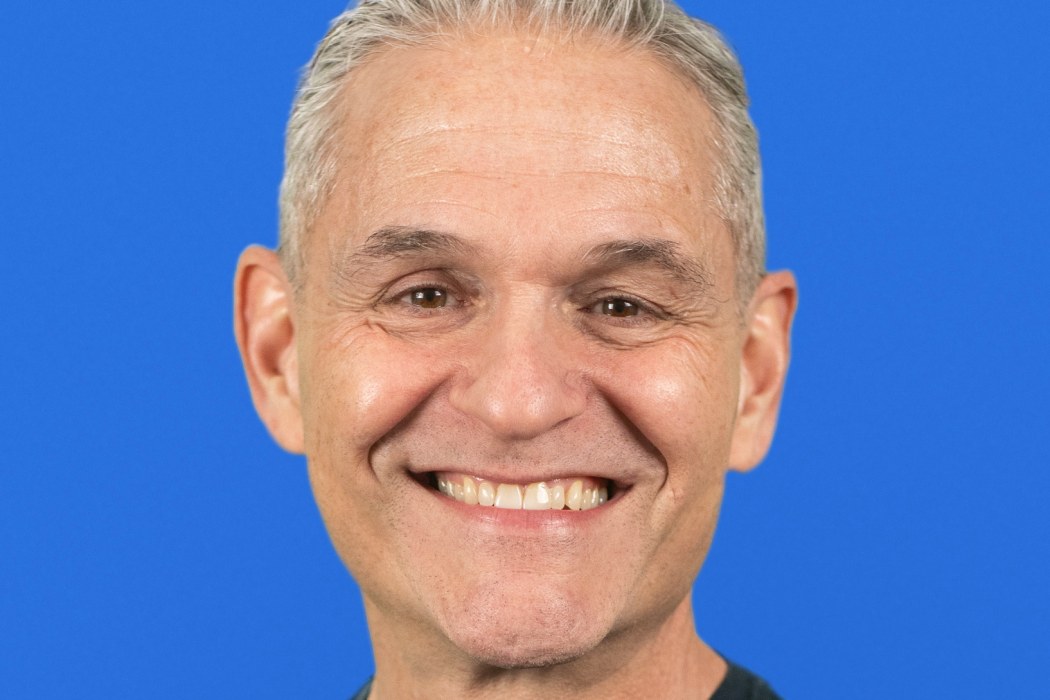
Glenn Weinstein
Glenn Weinstein is the CEO of Cloudsmith, the cloud-native software supply chain platform headquartered in Belfast, Northern Ireland. A U.S. Naval Academy graduate and former naval flight officer who learned to code on a Commodore 64, he co-founded the cloud consultancy Appirio (sold to Wipro for $500M) and spent four years as Chief Customer Officer at Twilio before relocating from New York to Belfast in 2023 to lead Cloudsmith. Under his leadership Cloudsmith raised a $72M Series C in April 2026, positioning the company to secure software supply chains in the age of AI coding agents.
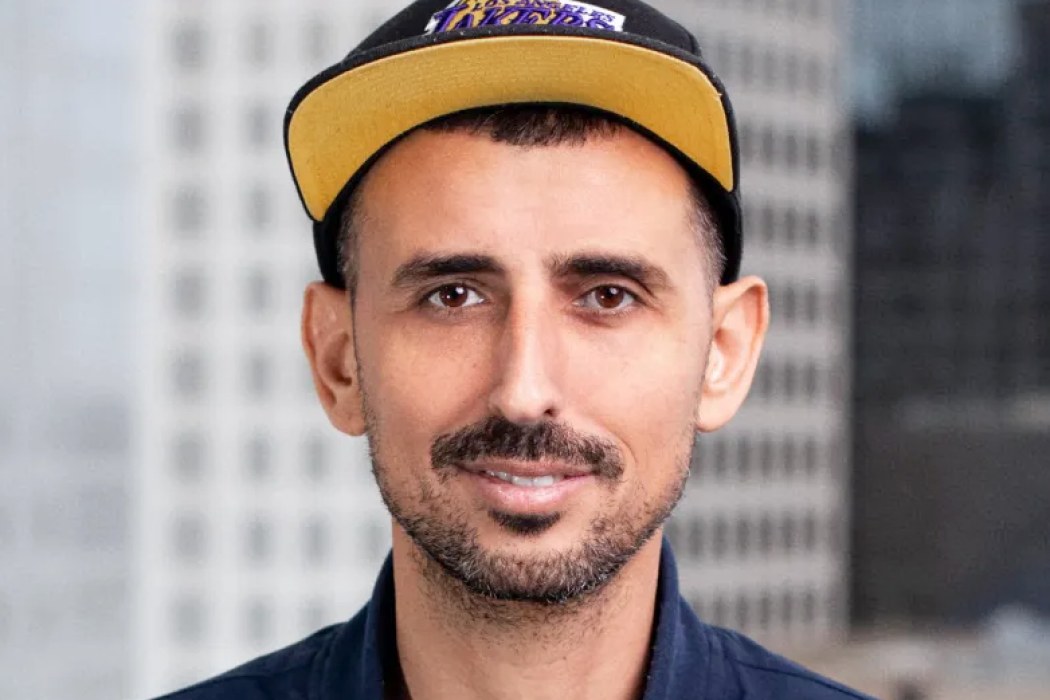
Itzik Malka
Itzik Malka is the co-founder and CEO of 4M Analytics, an Austin- and Israel-based company building what he calls the Google Maps of the underground. Drawing on a decade in an elite Israeli combat-engineering unit clearing buried explosives, he now leads a 130-person team that fuses AI, satellite imagery and public utility records to map the hidden network of pipes, cables and conduits beneath America before crews dig. 4M has raised roughly $119 million to date, including a Series C, and counts firms like AECOM and Stantec and multiple state DOTs among its customers.

Ivan Smolnikov
Ivan Smolnikov is the founder and CEO of Smartcat, an AI-powered language and content platform used by more than 1,000 corporate customers, including roughly 20% of the Fortune 500. A physicist by training, he co-founded ABBYY Language Solutions in 2004 and led it for over a decade before spinning out Smartcat as an independent company in 2016 to replace the slow, manual translation-agency model with software. He is building toward a future of work where human experts collaborate with AI teammates to unlock large productivity gains for global enterprises.

Jonathan Kay
Jonathan Kay is the co-founder and CEO of Apptopia, a Boston-based app intelligence company that turns mobile app data into signals used by investors, brands and developers. He started Apptopia in 2011 as an online marketplace for buying and selling apps, backed early by Mark Cuban and Ashton Kutcher, then rebuilt it into a data business whose forecasts and estimates are relied on by clients including Google, Visa, Target, Microsoft, Zoom and NBC. Kay took over as CEO in 2021 as the company raised a $20 million Series C and doubled down on serving hedge funds and public-market investors with predictive mobile metrics.
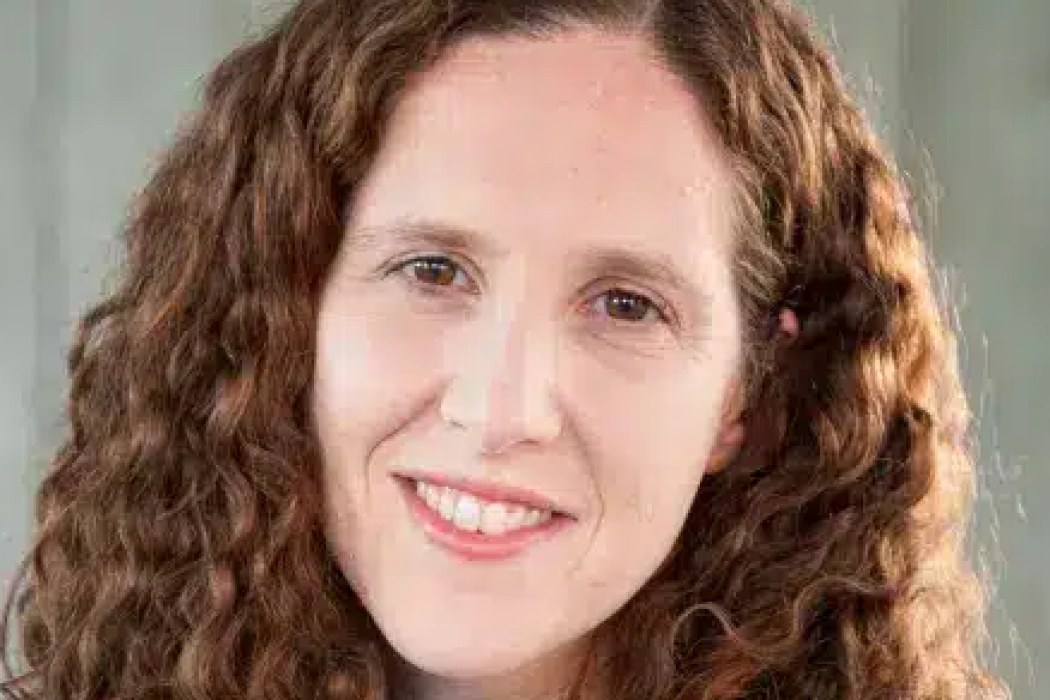
Kate Condliffe
Kate Condliffe is the co-founder and CEO of Diana Health, a network of women's health practices that partners with hospitals to rebuild their maternity and OB/GYN programs around holistic, team-based care. She launched the company in 2020 out of AlleyCorp's healthcare incubator after two decades scaling high-value care models, including roles as COO of the Clinton Health Access Initiative and COO of the birth-center network Baby+Co. Under her leadership, Diana Health has grown to nine locations across Tennessee, Florida, and Texas, cares for more than 80,000 women annually, and has raised roughly $101 million to date, including a $55 million Series C in 2025.
Anrok
Anrok is a San Francisco fintech building a global sales tax, VAT and GST compliance platform for software and AI companies. It monitors sales activity to flag tax obligations across jurisdictions, calculates tax in real time, and automates filing, remittance and reporting. More than 3,000 finance teams - including Anthropic, Cursor and Notion - use Anrok across 100+ countries where digital products are taxable.