startup-founder
(855)
Bhanu Sharma keeps finding better ways to make things
From web conferencing to Maker, Bhanu Sharma has spent his career shortening the distance between an idea and something people can use. His story includes patents, patient tutorials, a book for his children and a secondhand Royal Enfield.

Joe Thomas and the feature that escaped the business plan
With two weeks of money left, Joe Thomas and his co-founders let a small recording tool go its own way. The experiment became Loom, and changed what it could mean to show up at work.

Chris Nguyen and the Business Hidden Inside the Business
A struggling ecommerce startup contained the beginnings of LogDNA. For Chris Nguyen and longtime co-founder Lee Liu, changing the product became part of the job.
Arthur Root and the cost of one more second
Arthur Root set out to make online shopping more personal. The delays his software created sent Nostra toward site speed, bot protection and a closer look at what customers actually needed.
Mark Hughes and the art of changing his mind
He kept the rejection emails, built a second company, and took Solidroad to San Francisco. Then Mark Hughes made a harder call: walking away from a product customers were already buying.
Roee Nahir and the price of thinking ahead
Roee Nahir sold a mobile-data startup, then turned to a question closer to home: how to make the finances of later life work. At Assured Allies, the answer runs through insurance companies, patient partnerships and a different clock.

Eran Baron and the customer nobody asked
After years in finance and operations at XMPie, Eran Baron built Deeto around an overlooked business asset: what customers actually know. His next bet is that AI can help companies hear it.

Edward Tsinovoi and the value of a second route
A rejected job offer became a founding partnership. Now the IO River CEO is working to give online businesses more ways to keep moving when a delivery network fails.
Dror Ginzberg and the work behind ten minutes of video
A childhood computer, a failed venture and an awkward television habit led Dror Ginzberg toward Wochit. His recurring question: how much work can software remove before a story loses its human touch?

Nicolas Orban and the art of changing the plan
He learned sales at Deliveroo and Meero, then co-founded Conduktor with two Kafka specialists. The work since has involved a less glamorous skill: knowing when the plan needs editing.

Jessica Wu and the work hiding between the tabs
Old brokerage software gave Jessica Wu a problem worth leaving MIT for. At Sola, she is building automation for the people who keep businesses moving, one repetitive workflow at a time.

Andreas Åfeldt Franke would like fewer contracts
Before building Telgea, Andreas Åfeldt Franke and Theis Jensen spoke with 100 international IT managers. Their answer to a country-by-country industry began with a very ordinary ambition: less work for everyone else.
Amihai Neiderman and the trouble with being trusted
A city Wi-Fi network gave Amihai Neiderman something to investigate. After co-founding Nym, he is back in cybersecurity, asking who gets the keys when software starts acting on its own.
Cameron Powell and the idea inside the idea
Enflux began by examining social-media audiences. Its next chapter belonged to university data - and to a new CEO. Cameron Powell’s career offers a closer look at what founders build, back and hand over.
Rachit Kataria and the price of a missing name
An account in trouble taught Rachit Kataria how much a team can forget. With his college friend William Wang, he is building Centralize to keep the people behind a deal in view.
Han Wang and the value of a wrong turn
Before Mintlify served millions of readers, Han Wang and Hahnbee Lee built a documentation site its first customer could not edit. The missing features taught them where to go next.
Abinash Tripathy and the advantage of leaving things out
Before Helpshift found its place inside mobile apps, Abinash Tripathy and his team threw away much of what they had built. His career offers a story about choosing a smaller problem, then staying with it long enough to matter.
Itay Bengad and the customers he chose to turn away
At Sensa, Itay Bengad tried to make insurance act sooner. His decisions about rapid growth, customer data and the partners behind a policy reveal the practical demands of that promise.
Eric Martell and the trouble with one more click
A takeout surcharge helped send Eric Martell into startups. From EatStreet to Pear Commerce, he has kept returning to the awkward distance between wanting something and buying it.

Jonty Hirsowitz and the bill that followed him on holiday
A car registration renewal interrupted a surfing trip. Jonty Hirsowitz turned the awkward timing into Deferit, then carried the same question into America: what should an ordinary bill payment make possible?
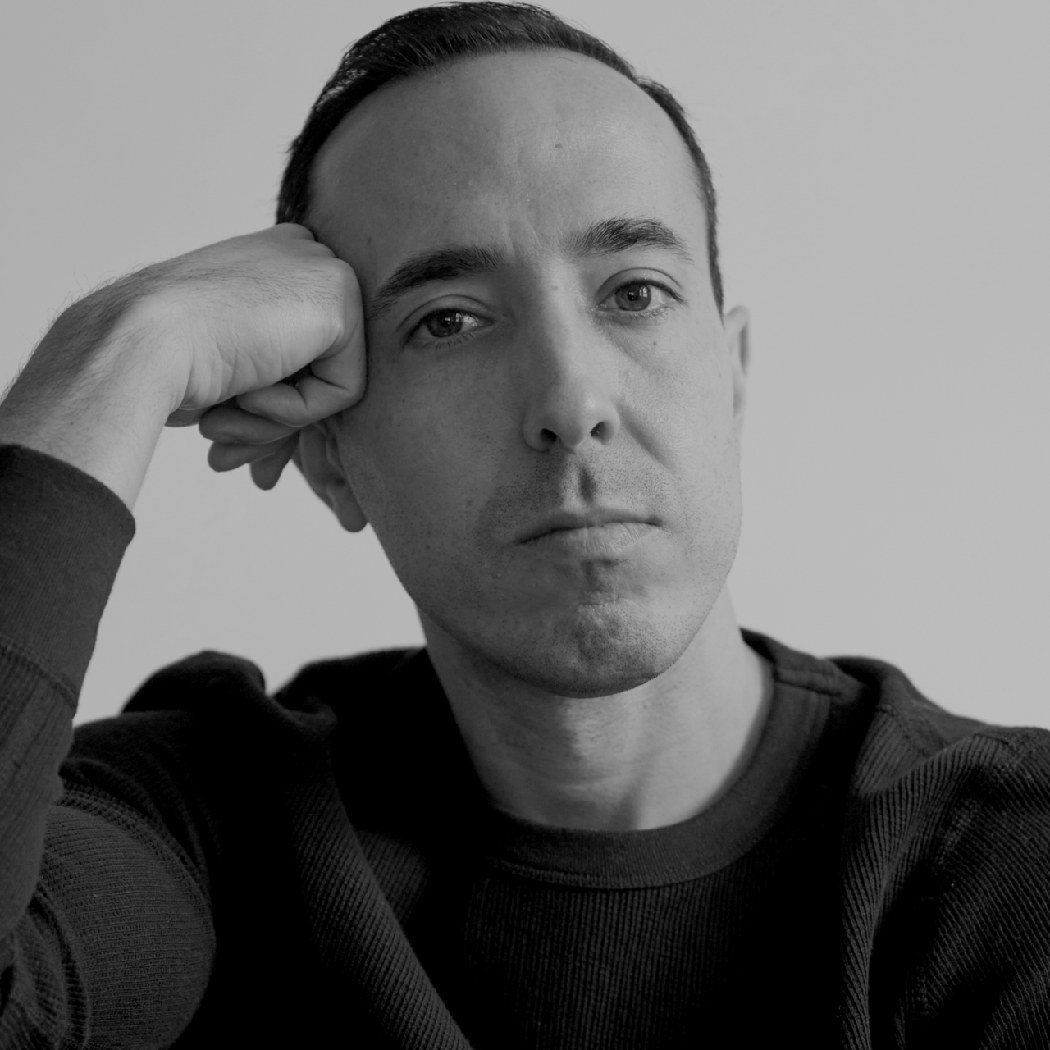
Tom Harari wanted his time back. Then came the laundry.
A Brooklyn laundry problem sent Tom Harari into startup life. After Cleanly, he began asking a more personal question: what did he want all that saved time for?

Tony Huie and the trouble with getting in
At Dropbox, Tony Huie learned what happens when software gets out of the way. At Twingate, he is applying that lesson to the locked doors of working life.

Andy Park and the price of trust
He built software around the idea that buying gets easier when people trust the conversation. The CarNow co-founder’s career also carries a federal conviction for failing to pay over payroll taxes.
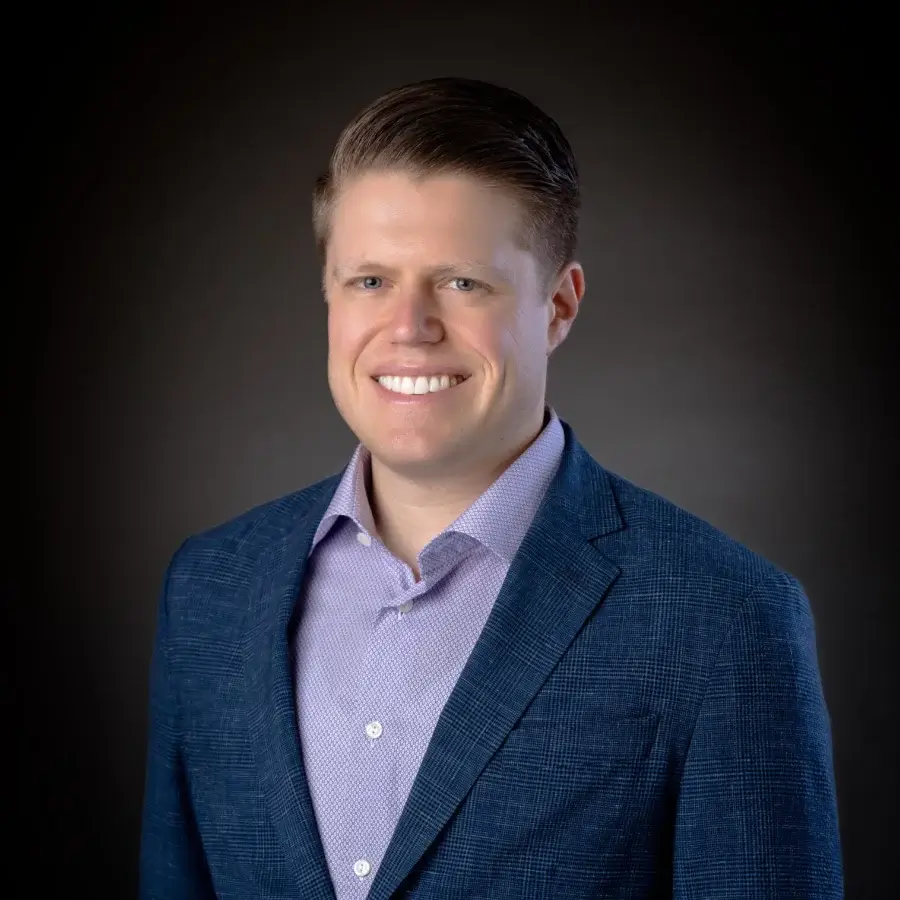
Chuck Gordon’s education in empty space
A ceramics student needed somewhere to leave his furniture. Chuck Gordon turned that inconvenience into SpareFoot, then spent 18 years learning how much business an empty room could hold.
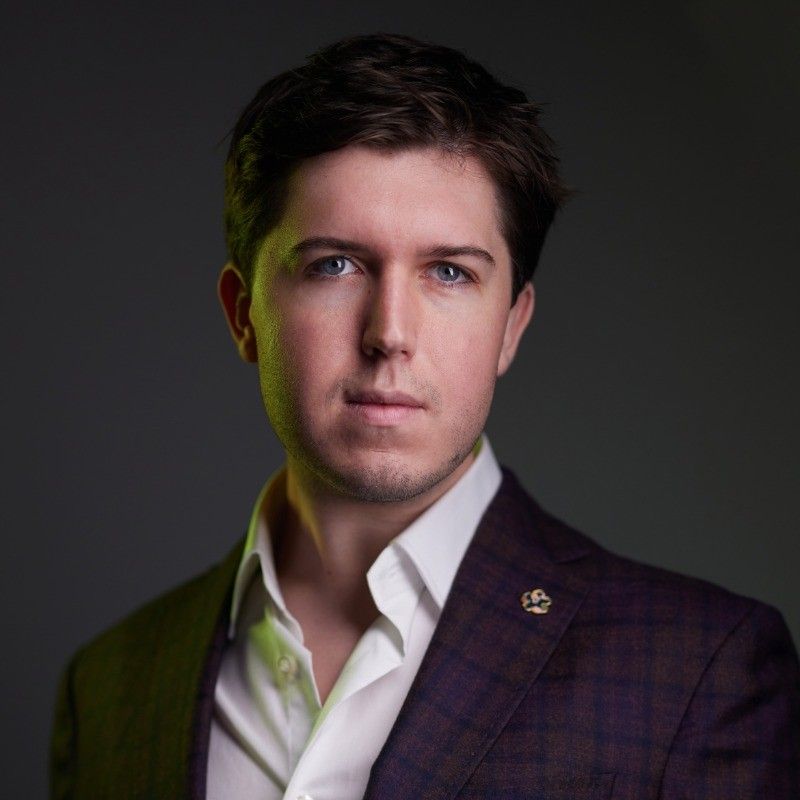
Matthew Parkhurst and the $15,000 lunch
He bought a thousand pizzas to get people talking about Antimetal. The harder task came afterward: persuading engineers to trust a company that wants to take work off their hands.

Itamar Sher and the art of changing less
He began by taking software apart. At Seal Security, Itamar Sher is building a business around a smaller, harder promise: fixing vulnerable code without making its users start over.

Cameron Fink and the people who haven’t answered yet
A school friendship, an unexpected LinkedIn message, and a company built to simulate human decisions. Cameron Fink’s wager at Aaru is that understanding people can begin before asking them a question.
Michael Smith and the value of knowing one city
Michael Smith helped make New York’s apartment market searchable, then sold StreetEasy to Zillow for $50 million. His story turns on a preference that also shaped his office hunt: the details of a place matter.

Ky Nichol and the trouble with everything going to plan
From space programmes to Olympic preparations, Ky Nichol learned to look for the gaps between teams. At Cutover, he has spent a decade trying to make those gaps visible before something falls through them.

John Ackerly and the problem with pressing send
A White House policy adviser became a privacy entrepreneur with his brother. At Virtru, John Ackerly has spent years trying to make one ordinary act - sharing information - come with fewer regrets.