alternative-protein
(21)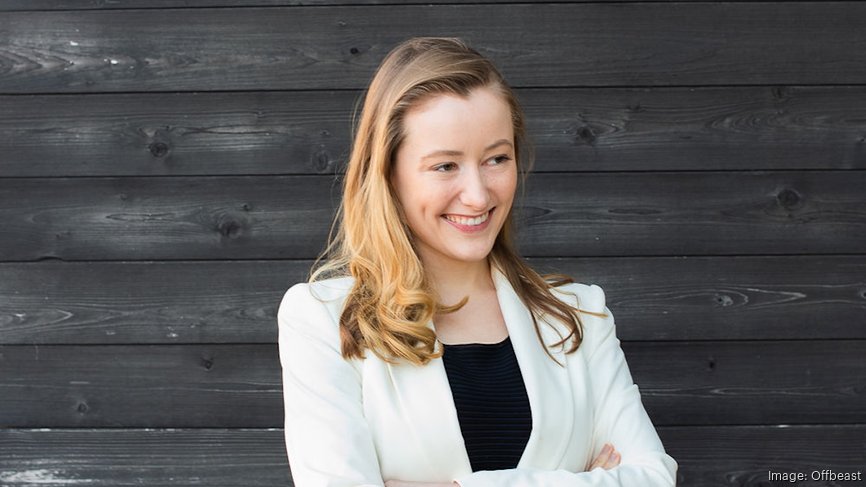
Insa Mohr Is Turning Scrappy Food Tech Into Serious Manufacturing
A German farm-family vegetarian walked away from a linear corporate career and into a Baltimore factory. Her bet is practical: food technology earns its place when texture, cost and manufacturing all work together.
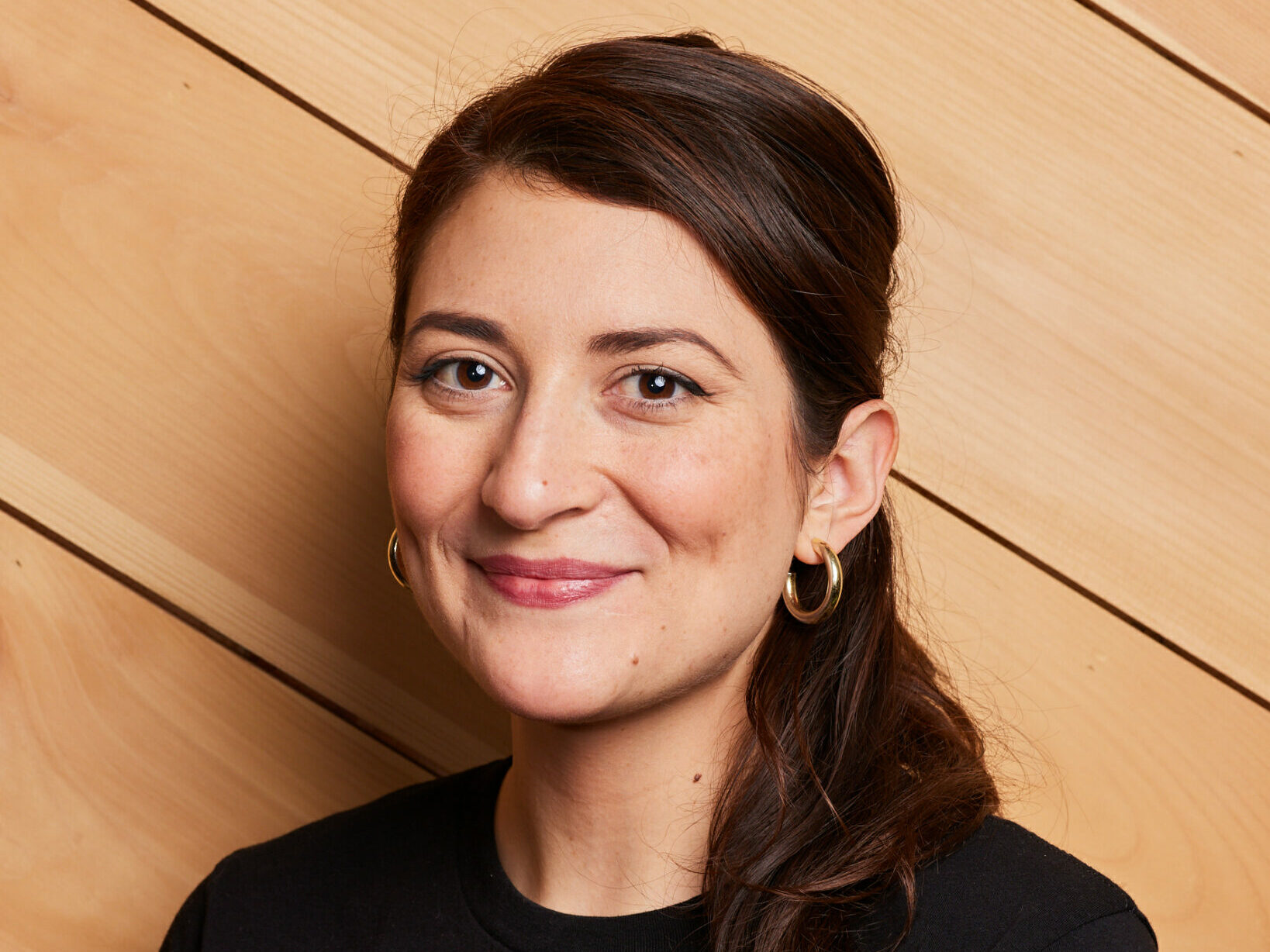
She Grew Dinner From Fungi. Now Isabella Iglesias-Musachio Is Governing Biology’s Stranger Frontier
After six years turning fungal networks into whole-cut food, Isabella Iglesias-Musachio completed Bosque Foods’ acquisition by Infinite Roots. Her next act moves from cultivating biology to helping society reason about where biology should stop.
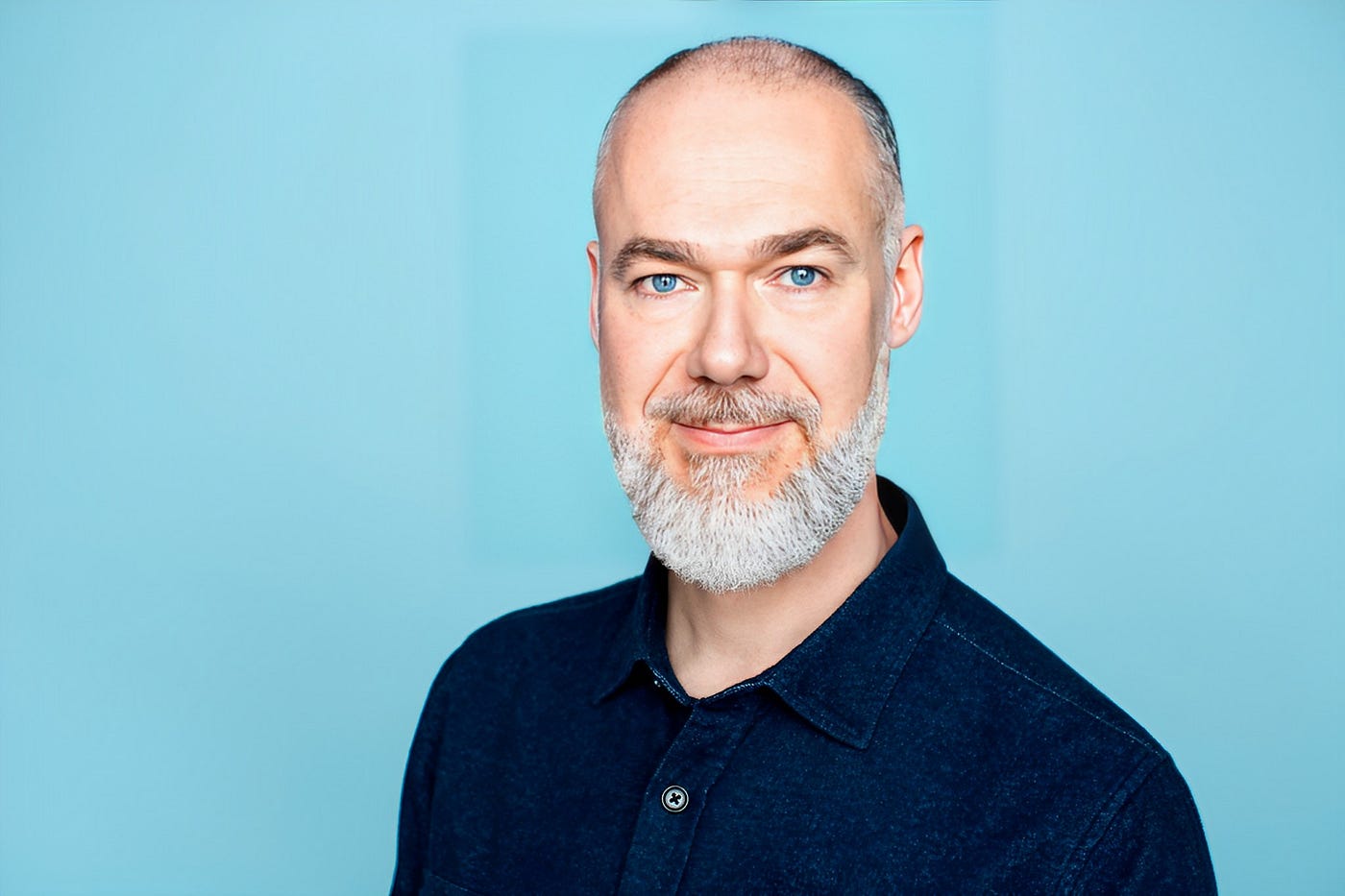
Thomas Jonas Left Plastics for a Fungus That Could Feed Space
A beach encounter led a former packaging executive to a Yellowstone microbe, an old Chicago stockyard and a larger question: how much food can we make with much less?
The Cardiologist Who Wants to Grow Your Chicken Without the Chicken
A former heart doctor traded the cath lab for the bioreactor to grow chicken from cells. He made history, hit a $1 billion valuation, and then ran straight into state legislatures that would rather ban his product than taste it.
Bosque Foods Tried to Grow a Chicken Cutlet. The Hard Part Was Growing the Factory.
The Berlin startup proved fungi could become a convincing whole cut in days. Six years, one insolvency and an undisclosed acquisition later, its real lesson is that food biotech is won on the factory floor.
The Yellowstone Microbe That Wants Your Breakfast Table
A geomicrobiologist scooped a strange fungus out of a Yellowstone hot spring. A decade and half a billion dollars later, it is being sold as cream cheese, yogurt and breakfast patties.
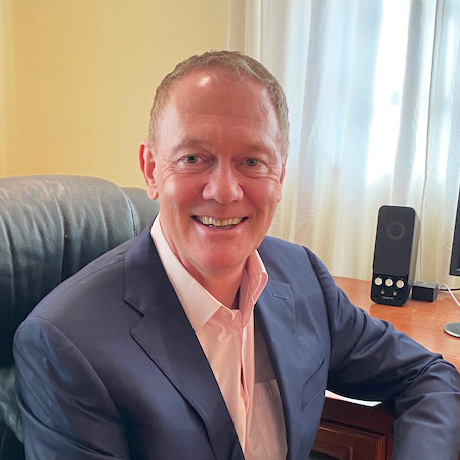
Alan Shaw and the Food-from-Fuel Bet
A chemist who spent years trying to make fuel from plants found a more useful reversal: make protein from methane. Alan Shaw’s second biotech act is a lesson in recognizing the market hiding inside the science.
Big Idea Ventures Wants to Turn Food Science Into Infrastructure
The New York investor does more than write checks. It links scientists, factories, corporations and rural universities in a bid to move food technology from the lab to the loading dock.

The Fund That Runs the Warehouse Before It Writes the Check
Most food VCs write a check and wait. Siddhi Capital shows up with a supply-chain team - and a thesis that the next decade of consumer eating gets rewritten by weight-loss drugs.
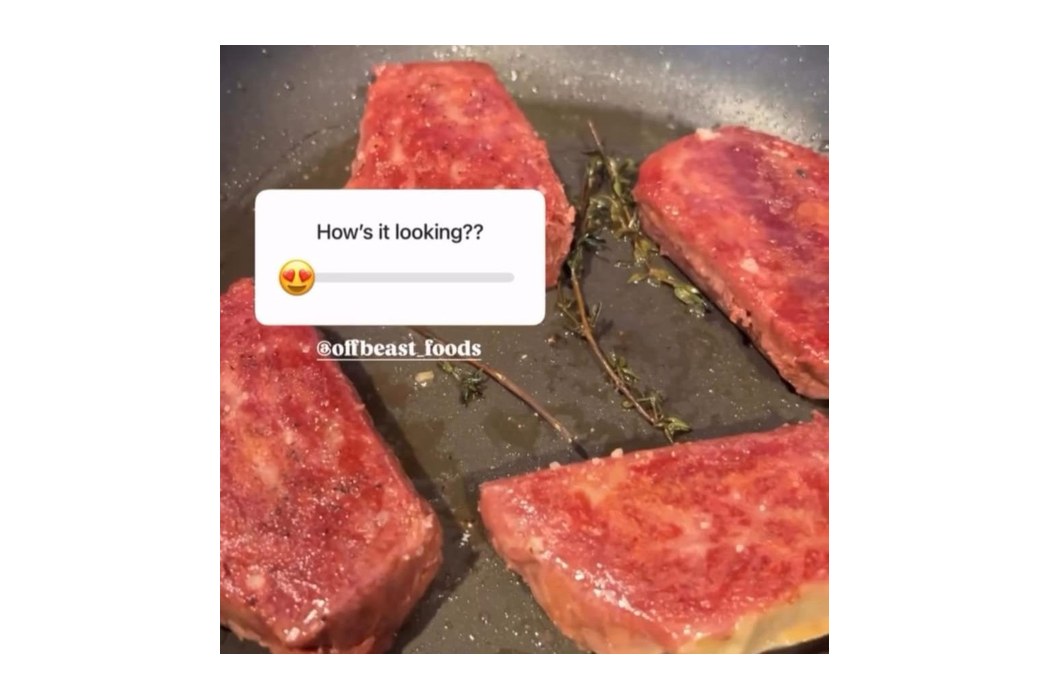
Offbeast
Offbeast is a Baltimore food-tech company making plant-based whole-cut steaks - filet mignon, ribeye and steak bites - that mimic the muscle-fiber texture of real beef. Its proprietary Cross-Fiber Assembly platform bundles plant fibers into steak-like cuts through continuous manufacturing, avoiding the expensive equipment and biological processes rivals rely on. Founded in 2022 (as Mooji Meats) and backed by Y Combinator, the company sells to East Coast restaurants and direct to consumers.
Growthwell Foods
Growthwell Foods is a Singapore-based plant-based protein company building meat and seafood alternatives tailored for Asian palates. Re-founded in 2019 by brothers Justin and Colin Chou on top of their father's 1989 vegetarian food business, it manufactures brands like HAPPIEE! and owns a majority stake in Israeli ingredient maker ChickP, which produces a chickpea protein isolate above 90% purity. Backed by a $22M Series A led by Creadev with Temasek and GGV Capital, the company operates a fully automated R&D and production facility at Senoko and aims to feed a growing region hungry for sustainable, culturally familiar protein.

Calysta
Calysta is a San Mateo, California biotechnology company that uses a patented gas-fermentation platform to turn methane into FeedKind, a single-cell protein for aquaculture, livestock and pet feed - and increasingly human food. Its bacteria eat natural gas instead of arable land, plants or animals, producing protein with a low environmental footprint. Backed by Cargill, BP and Temasek and partnered with Adisseo through the Calysseo joint venture, Calysta opened the world's first industrial-scale single-cell protein plant in Chongqing, China in 2022.

Fengru Lin
Fengru Lin is the co-founder and CEO of TurtleTree, a biotech company making dairy proteins without cows. A former Google account manager who took up cheesemaking as a hobby, she went hunting across Asia for clean raw milk, was horrified by what she found on the farms, and started a company to make milk in a lab instead. TurtleTree pivoted from full cell-cultured milk to precision fermentation, and now produces lactoferrin, a high-value milk protein once called 'pink gold,' using microbes instead of herds. She has raised roughly $44 million and made EDGE's 35 Under 35 and Her World's Young Woman Achiever lists.
Triplebar
Triplebar is an Emeryville, California biotech company that pairs a high-throughput microfluidic screening platform with AI genomic models to run evolution at hyper-speed. By packing tens of millions of picoliter microreactors onto a palm-sized chip and testing thousands per second, it generates matched genotype-phenotype datasets that let partners optimize cell lines and microbial strains far faster and cheaper than conventional lab work. The platform powers products across food (precision fermentation, cultivated meat) and biopharma (biologics, cell-engaging cancer therapies).
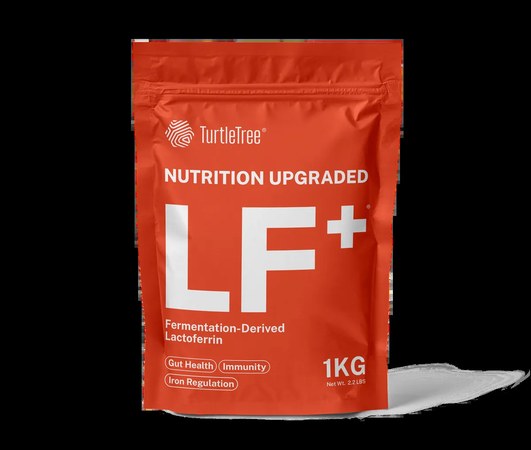
TurtleTree
TurtleTree is a biotech and food-tech company that makes lactoferrin - one of the rarest and most valuable proteins in cow's milk - without the cow. Using precision fermentation, its flagship ingredient LF+ recreates the bioactive milk protein at scale for use in immunity, gut health, sports nutrition and infant nutrition products. In 2025 TurtleTree became the first company in the world to win an FDA 'No Questions' GRAS letter for precision-fermented lactoferrin, clearing it to commercialize in the U.S.
Bettani Farms
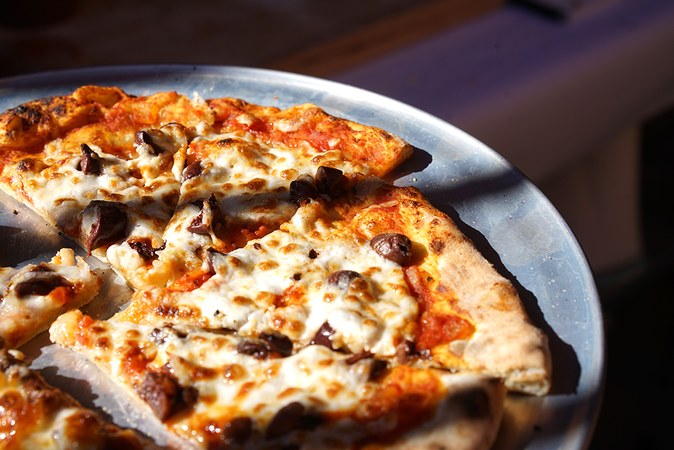
Bettani Farms is a Berkeley, California food company making protein-rich, dairy-free cheese that melts and stretches like the real thing. Its patented Caseed protein, derived from the seeds of regenerative crops, mimics dairy casein without the dairy, nuts, soy, or carbon footprint. Formerly Climax Foods, the company rebranded to Bettani Farms in October 2025, named former Califia Farms CFO Sandeep Patel as CEO, and closed an initial $6.5M of its Series A led by S2G Investments to scale mass-market cheeses like mozzarella and feta.
Fork & Good, Inc.
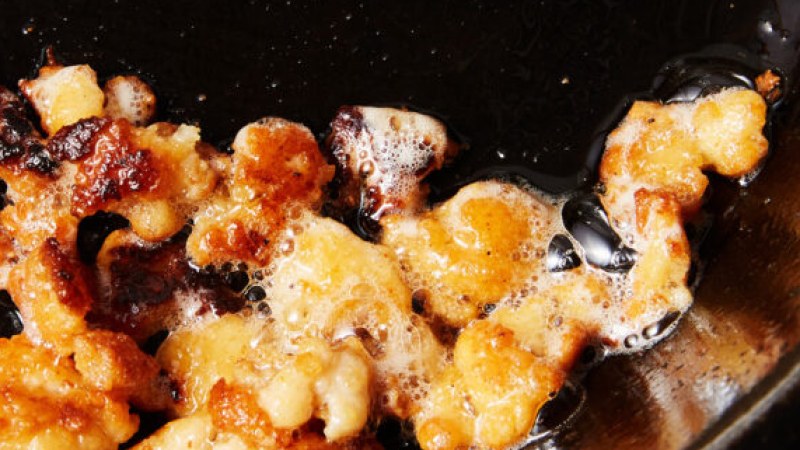
Fork & Good is a Jersey City-based cellular agriculture company growing real meat from animal cells instead of whole animals. Founded by urban-farming entrepreneur Niya Gupta and cultivated-meat pioneer Gabor Forgacs, the company built a pilot factory that produces cultivated pork using a patented bioprocess centered on muscle cells and high-density bioreactors. Its goal is to reach price parity with commodity meat - targeting roughly $2 per pound - while using a fraction of the land and water of conventional farming. In 2025 it acquired California's Orbillion Bio to combine cultivated pork and beef under one global platform spanning North America, Europe, Asia and the Middle East.

Justin Kolbeck
Justin Kolbeck is Co-Founder and CEO of Wildtype, the San Francisco-based cultivated seafood company that became the first to receive FDA regulatory clearance for cell-grown salmon in the United States. A former U.S. Foreign Service Officer who served in Pakistan and Afghanistan, Kolbeck channeled his firsthand experience with global food insecurity into co-founding Wildtype in 2016 alongside cardiologist and microbiologist Aryé Elfenbein. The company has raised over $123 million in funding - including a record $100 million Series B backed by Leonardo DiCaprio, Jeff Bezos, and Robert Downey Jr. - and launched its sushi-grade coho salmon at award-winning restaurants in 2025. Wildtype's salmon, grown in stainless steel bioreactors in a converted San Francisco brewery, was named one of TIME's Best Inventions of 2025.
Eat Just, Inc.
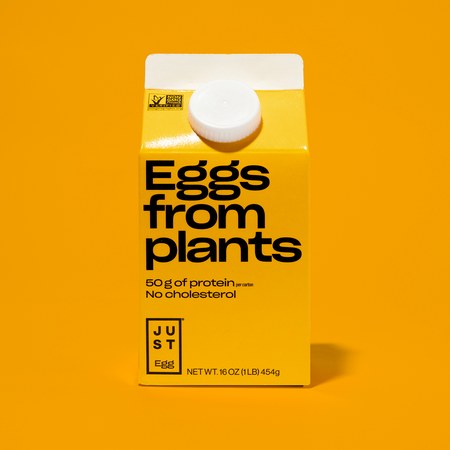
Eat Just, Inc. is a San Francisco-area food technology company best known for JUST Egg, a plant-based scrambled egg made from mung bean protein, and GOOD Meat, the first cultivated meat product cleared for sale anywhere in the world. Founded in 2011 by Josh Tetrick and Josh Balk, the company has raised more than $850 million to push affordable, animal-free protein into mainstream grocery aisles, restaurants, and - now - U.S. retail meat cases under the Just Meat brand.
Wildtype
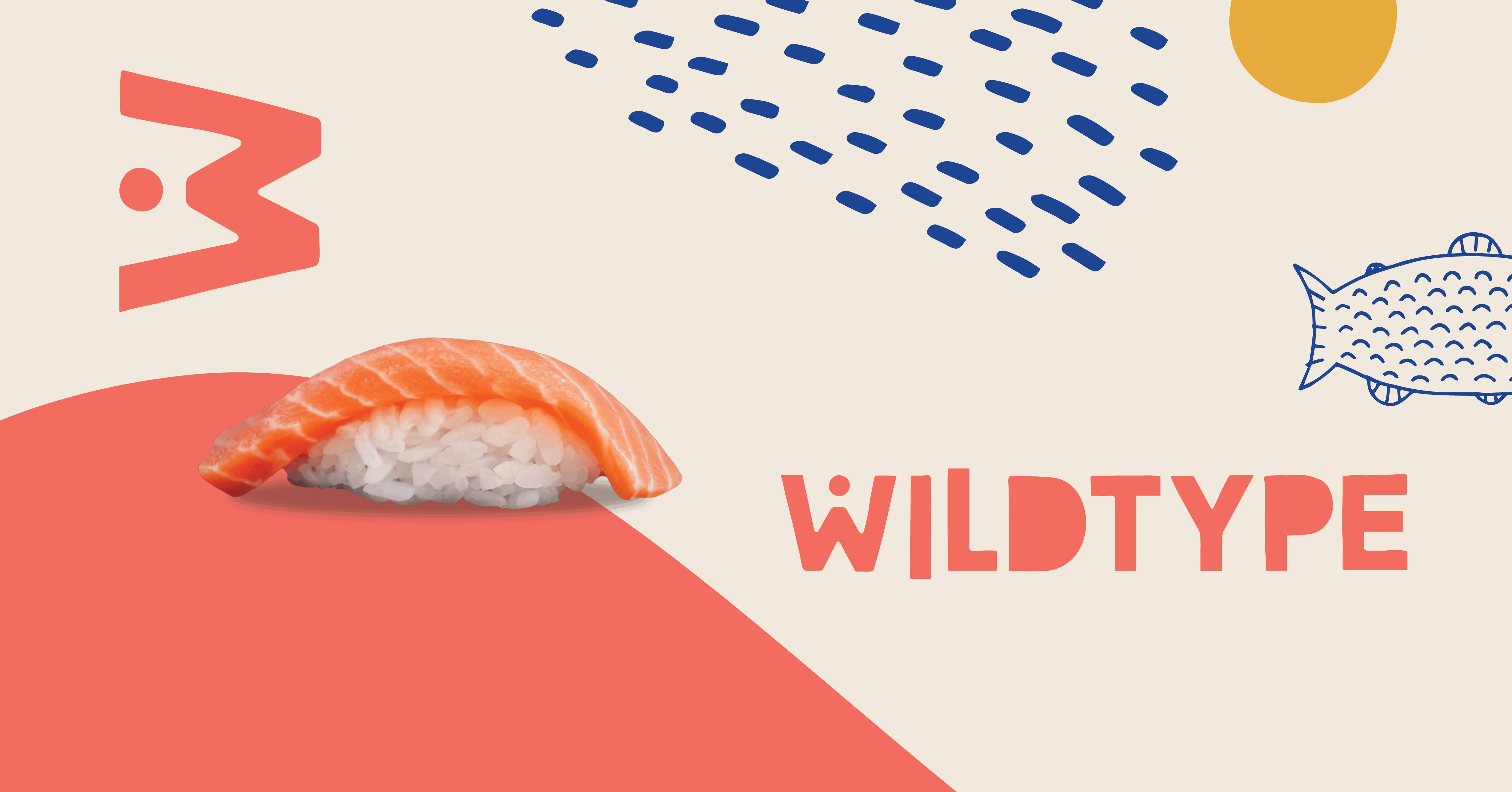
Wildtype is a San Francisco-based cultivated seafood company that grows real salmon from fish cells in stainless steel bioreactors - no fishing, no farming, no ocean required. Founded in 2016 by a cardiologist-turned-food-scientist and a former U.S. Foreign Service officer, the company received FDA clearance in May 2025, making it the first cultivated seafood product approved for sale in the United States. With $123.5M raised and backing from Jeff Bezos, Leonardo DiCaprio, and Cargill, Wildtype is betting that the future of seafood is grown, not caught.
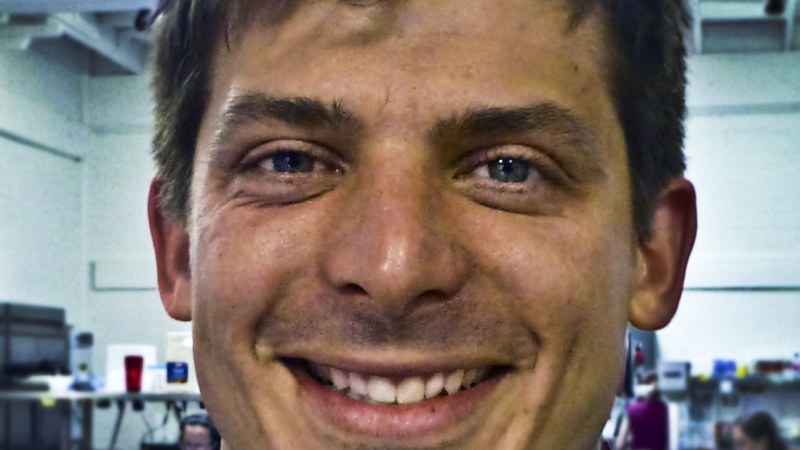
Josh Tetrick
Josh Tetrick is the co-founder and CEO of Eat Just, Inc., the San Francisco-based food technology company behind JUST Egg (a mung bean-based egg substitute) and GOOD Meat (the world's first commercially sold cultivated chicken). Starting with $37,000 of personal capital in 2011, he has raised over $456 million to build a company that simultaneously cracked the plant-based egg market and won the world's first regulatory approval for lab-grown meat in Singapore in 2020. A former Fulbright Scholar, UN initiative leader, and Cornell-educated lawyer turned food disruptor, Tetrick has made it his life's work to prove that removing animals from the food system doesn't mean sacrificing flavor or scale.