payroll
(135)
Kinjiro wants the time clock to care.
The Japanese software company connects attendance, payroll and employee health. Its most revealing lesson comes from the people who still wanted their spreadsheets back.
Springbrook makes the water bill add up.
A water bill is the visible part of a much bigger machine. Springbrook connects the accounting, payroll and payments that keep local government moving - and its customer stories show why those connections matter.
H&R Block sells a second pair of eyes.
The brothers nearly abandoned tax preparation. One newspaper ad changed their minds. Seventy-one years later, H&R Block is still building a business around the moment someone says: can you check this?
Koya Consulting connects the working parts
Schools, payroll, software, and staffing: Koya Consulting works where business processes meet. Its service menu reveals how much digital transformation depends on getting the ordinary details right.
The payroll company that wanted you to stay awhile
Electronic Commerce built software for the necessary business of paying people. As Vibe HCM, it made a bigger bet: the same place could help employees feel part of the company.

Christopher Skinner and the price of a promise
Before TopBloc’s $340 million sale, Christopher Skinner learned the machinery of Workday. Then he helped build a company around a precise offer: a deadline, a fixed fee and fewer repeated tasks.

Jason Lee and the peculiar business of waiting for your own money
A pizza order sent the DailyPay cofounder into the machinery of payroll. His next company, Salt Labs, took up a different question: what should a worker have left after the paycheck is spent?
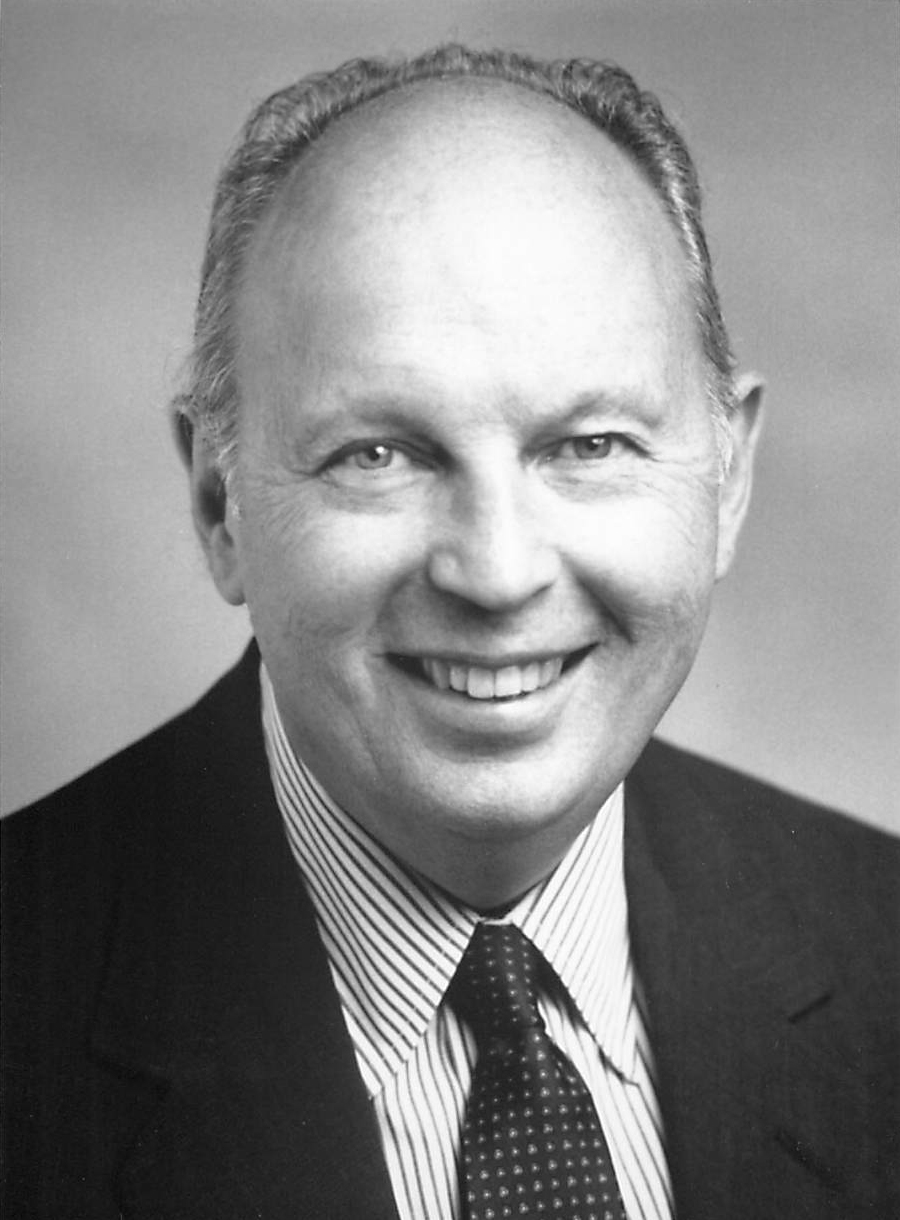
Henry Taub and the business of being on time
He began by delivering payrolls on a Paterson bus. Henry Taub built ADP around the weekly discipline of getting people paid, then carried his attention to education, philanthropy and the New Jersey Nets.
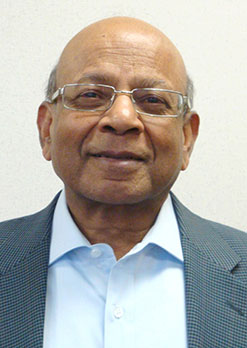
Chandra Bhansali and the question that kept him in business
After selling a tax software business, Chandra Bhansali could have stopped. Instead, he and Sharada Bhansali spent years asking who really controlled an accountant’s working day - a question that now follows him into AI.
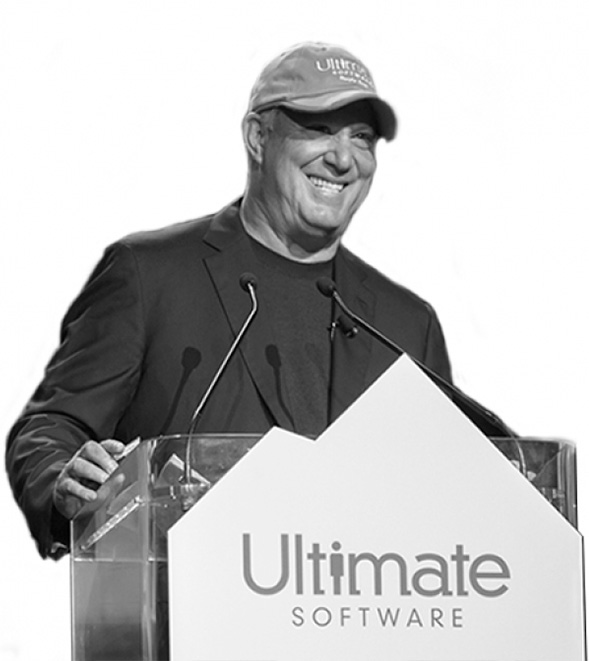
Scott Scherr kept picking the same team
From a borrowed cubicle to an $11 billion sale, the Ultimate Software founder made loyalty a business practice. His route ran through the Bronx, employee ownership, and a basketball book he kept reading.
Green Dot put the bank at the checkout.
Before banking lived in your phone, Green Dot put it beside the cash register. Its next act is helping other companies do the same - while reckoning with the cost of getting banking wrong.

Robert Österlund and the business of an uneventful Friday
Before Worklio, Robert Österlund took his software team on a Mediterranean cruise. His next undertaking would demand a different kind of coordination: getting payday right, under somebody else’s brand.
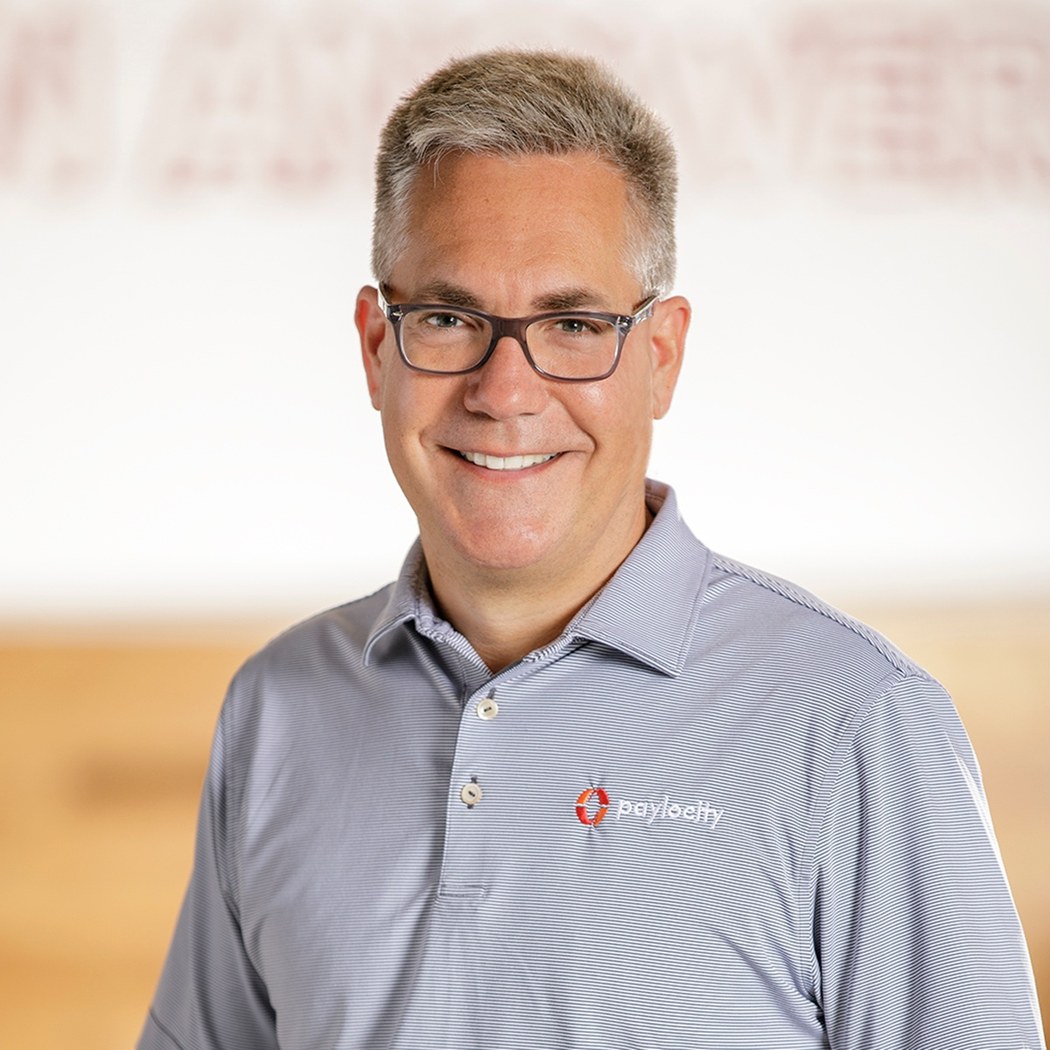
Toby Williams and the art of getting out of the way
From corporate law to the corner office at Paylocity, Toby Williams has spent his career crossing departmental lines. His next test is helping customers spend less of their day doing the same.

Kirti Shenoy and the problem hiding inside payday
A staffing startup sent Kirti Shenoy looking for better payroll software. The search became Zeal - and a career spent untangling what happens between a shift worked and a paycheck received.

TriNet makes small companies think bigger
A small employer has big-employer problems. TriNet sells the infrastructure to handle them - and its own numbers reveal the price of making scale work.

Yousef Shamoun and the business of knowing the local rules
A job board, a card table, a payroll run. Across three businesses, ZenHR co-founder Yousef Shamoun has kept returning to the details that make the Arab world its own market.

John Gibson and the business of showing up
Before John Gibson became Paychex’s fourth CEO, he spent years running the part of the company customers call when something needs fixing. His bet on combining software with human advice now reaches from a $4.1 billion acquisition to the details of payday.
Ultimate Software made payday personal
Payroll is a promise repeated every two weeks. Ultimate Software built a billion-dollar business around keeping it - and made its own employees part of the deal.
NewtekOne bought a bank. Then changed the clock.
A $20 million bank acquisition gave NewtekOne a new way to fund small businesses. The more interesting bet is what happens when lending, payments and payroll start working on the same schedule.
Corestaff Services and the work behind the match
A staffing agency can find a person. The harder job is getting that person screened, scheduled and paid. Corestaff’s move into swipejobs puts that hidden machinery in the spotlight.

Apex Global Solutions finds the money care leaves waiting.
A nursing home can deliver the care and still struggle to collect the bill. Apex Global Solutions works in that gap, connecting claims, cash, payroll and purchasing.
NEOGOV and the art of getting government hired
A public health agency reported cutting its hiring time from 130 days to 61. NEOGOV’s story lives in the paperwork, handoffs, and human habits behind those missing 69 days.
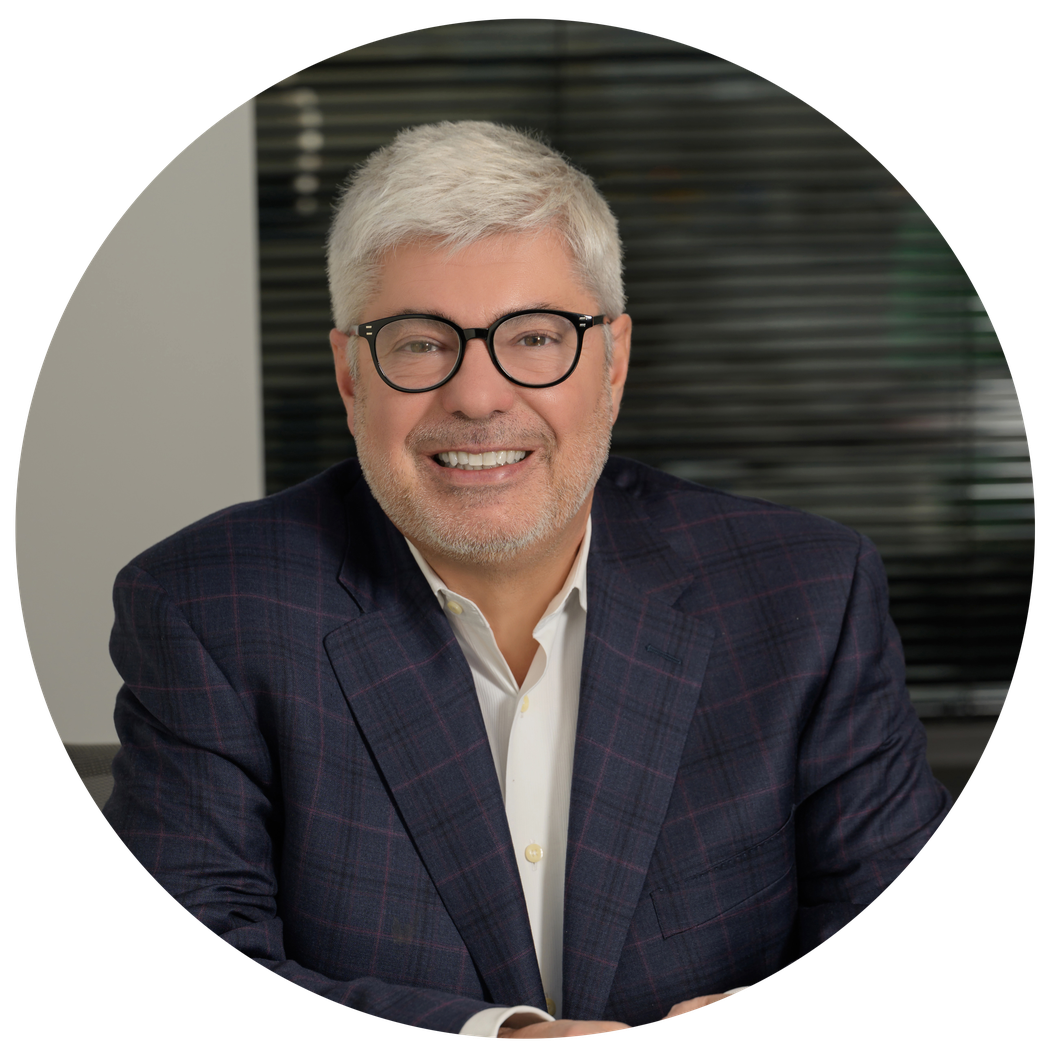
Bill Catuzzi and the Complicated Business of Making Things Simple
He built payroll companies, renamed a benefits business, and learned to put a timetable on his own ideas. For Clarity founder Bill Catuzzi, progress often means giving people one less thing to wrestle with.
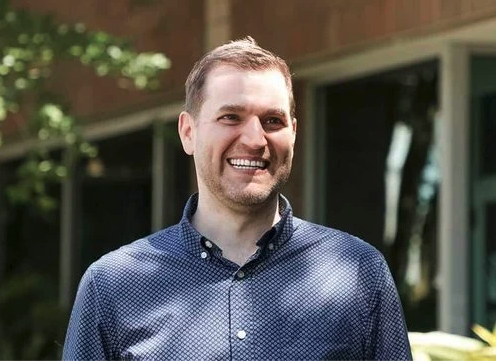
David Rosas and the 23-year promise of payday
He co-founded Greenshades to tackle payroll taxes, then spent 23 years leading its expansion. His next assignment: helping a new CEO take over the company he helped build.

Josh Reeves and the surprisingly long life of payday
After selling his first startup, Josh Reeves wanted work he could care about for decades. He found it in payroll, alongside two friends who thought small businesses deserved a better deal.
HHAeXchange connects the visit to the paycheck.
Home care runs on human relationships. HHAeXchange handles the awkward journey from a caregiver arriving at the door to an agency getting paid.
ADP makes payday look easy
Behind every uneventful payday sits a remarkable amount of work. Automatic Data Processing built a business by taking that work off somebody else’s desk.
Drake Software gives April its time back
A payroll shortcut became a business serving more than 70,000 tax professionals. Now Drake is chasing the minutes lost between the return, the signature, and the payment.

Pascal Henry and the business of getting back to work
A recruitment entrepreneur tired of doing the paperwork helped build HReasily across Asia. Pascal Henry’s story runs through payroll, bank branches and the partnerships that turned a familiar frustration into a regional business.

Christoffer Haraldsson and the art of the handoff
From a three-hour business case in Hong Kong to the everyday complications of payroll, Christoffer Haraldsson has kept moving closer to the point where a good idea has to work for somebody else.