The cloud accounting and e-invoicing platform quietly keeping the books for 10,000+ small businesses across the Gulf - compliance built in, not bolted on.
Wafeq is a cloud accounting and e-invoicing platform built specifically for small and medium businesses in Saudi Arabia and the United Arab Emirates.
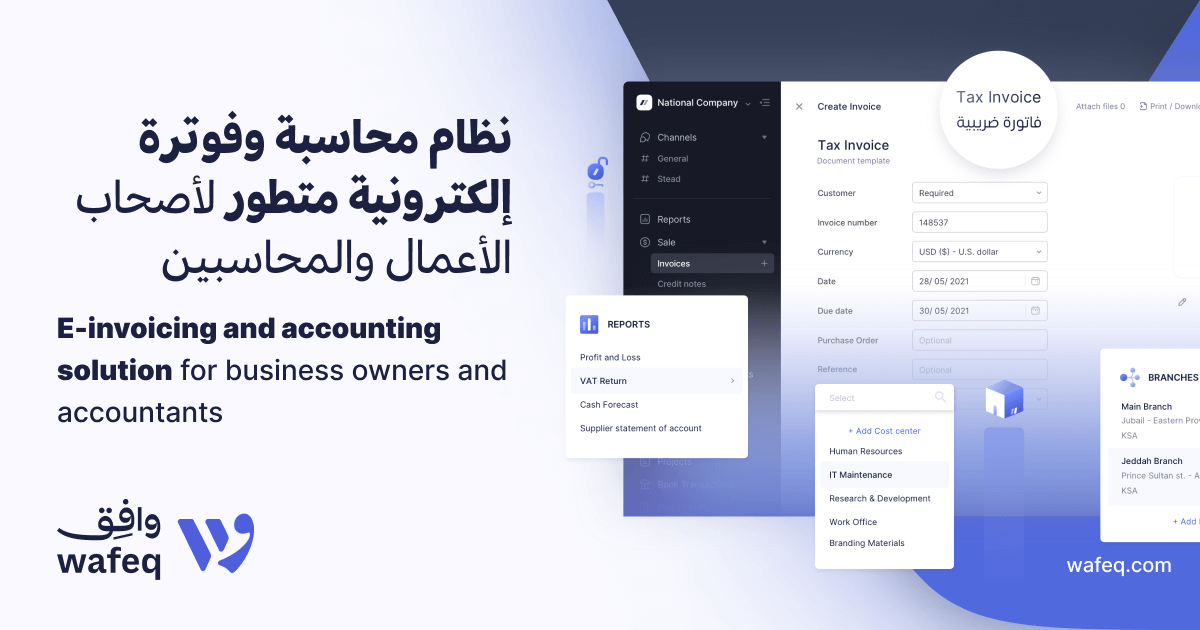
Founded in 2019 by Nadim Alameddine, the company started by offering accounting services before turning that hands-on knowledge into software. In 2021 it launched a scalable SaaS product that folds invoicing, VAT and corporate tax, payroll, inventory, bank reconciliation and more than 40 financial reports into a single bilingual interface - Arabic and English side by side.
The pitch is narrow and practical. In a region where governments have moved quickly to mandate digital tax reporting, most small businesses face a choice between hiring expensive help or risking a compliance slip. Wafeq's answer is software that already knows the rules.
That focus shows up in the numbers. The platform processes roughly 2 million invoices worth about $400 million every month, with close to 90% of that activity flowing through Saudi Arabia. It reached more than 10,000 customers in under two and a half years - names include buy-now-pay-later firm Tabby, event platform Platinumlist, retailer AlManea, corporate-services firm Virtuzone and gift-card company LikeCard.
Wafeq is ZATCA-approved for e-invoicing in Saudi Arabia and compliant with the UAE's Federal Tax Authority. Bank feeds from Saudi Awwal Bank, Al Rajhi Bank, HSBC and Wio flow directly into the ledger, and integrations with Stripe, Foodics and Salla pull in sales and payment data automatically.
"Wafeq is ensuring business owners and accounting firms have the tools to stay compliant and run their businesses better."— NADIM ALAMEDDINE, CEO & FOUNDER
For a Gulf SME, quarter-end used to mean a scramble: reconciling spreadsheets, chasing receipts, and hoping the VAT return matched what the tax authority expected. Wafeq's core value is deleting that scramble. Its e-invoicing and VAT filing are formatted to Saudi (ZATCA) and UAE (FTA) requirements out of the box, so compliance becomes a step in normal workflow rather than a specialist project.
The company's real competition, in practice, is not another app - it is the spreadsheet and the manual bookkeeper. That framing shapes the product: onboarding, bilingual design, and bank-feed automation are aimed at getting businesses off manual books with as little friction as possible.
What sets it apart: Wafeq is built regional-first. Where global incumbents like Xero and QuickBooks localize into the Gulf, Wafeq designs around it - two tax regimes, two languages, and multi-entity, multi-currency consolidation for businesses operating across the region. Notably, one of its angel investors is Gary Turner, the former CEO of Xero's EMEA operations - a signal from someone who scaled a cloud-accounting incumbent that the MENA opportunity is real.
The timing is deliberate too. Saudi Arabia's Vision 2030 digitization drive and mandated e-invoicing turned compliance software from a nice-to-have into a requirement - and Wafeq positioned itself squarely in that current.
Wafeq bundles the small-business finance workflow into a single platform, priced from about $29/month or $180/year.
Invoicing, quotes, purchase orders, bank reconciliation, sub-accounts and 40+ financial reports.
ZATCA-compliant (Saudi) and FTA-compliant (UAE) e-invoices generated inside the platform.
Automated VAT returns and corporate tax filing formatted to Saudi and UAE regulations.
Payroll processing, employee expense claims and reimbursements.
Inventory tracking, fixed-asset management and depreciation.
Bank feeds (SAB, Al Rajhi, HSBC, Wio) plus Stripe, Foodics and Salla.
Nadim Alameddine starts Wafeq, first offering accounting services before building software.
A scalable cloud accounting and e-invoicing product ships for UAE and Saudi SMEs.
Raed Ventures leads, with Wamda Capital participating.
9900 Capital leads; Wafeq crosses 10,000 customers, processing ~$400M in invoices monthly.
Wafeq runs a straightforward B2B SaaS subscription model: tiered monthly and annual plans for SMEs and accounting firms, with higher tiers unlocking multi-entity, multi-currency and advanced features. Revenue scales with seats, entities and invoice volume - and by processing millions of invoices, Wafeq also accumulates a rich, real-time picture of Gulf SME commerce.
Estimated annual revenue sits around $1.5M, with total funding of roughly $10.5M to date and a team of about 72 people working across Saudi Arabia and the UAE.
In the market, Wafeq sits between global cloud-accounting incumbents - Xero, QuickBooks, Zoho Books - and regional players like Qoyod and Daftra. Its edge is being built for the region's compliance reality first, rather than adapted to it. As Saudi Arabia and the UAE continue tightening digital tax requirements, the company that already speaks the regulators' language has a durable place to stand.
The expertise is specific: turning shifting Gulf tax rules into software defaults, in two languages, for owners who never wanted to think about accounting in the first place.
Wafeq is cloud accounting and e-invoicing software for SMEs and accounting firms in Saudi Arabia and the UAE - covering invoicing, VAT and corporate tax, payroll, inventory and financial reporting in one bilingual platform.
Yes. Wafeq is a ZATCA-approved e-invoicing solution in Saudi Arabia and is also compliant with the UAE's Federal Tax Authority (FTA) requirements.
Wafeq was founded in 2019 by Nadim Alameddine, who serves as CEO.
Wafeq raised a $3 million seed round in early 2023 and a $7.5 million Series A in December 2024 led by 9900 Capital - about $10.5 million in total.
More than 10,000 SMEs and accounting firms, with the platform processing roughly 2 million invoices worth about $400 million each month.