financial-inclusion
(207)
Maria Alegre and the business behind the game
At Chartboost, Maria Alegre helped game makers find players and earn a living. At Flori Ventures, the former apprentice entrepreneur is applying that experience to financial access and climate.
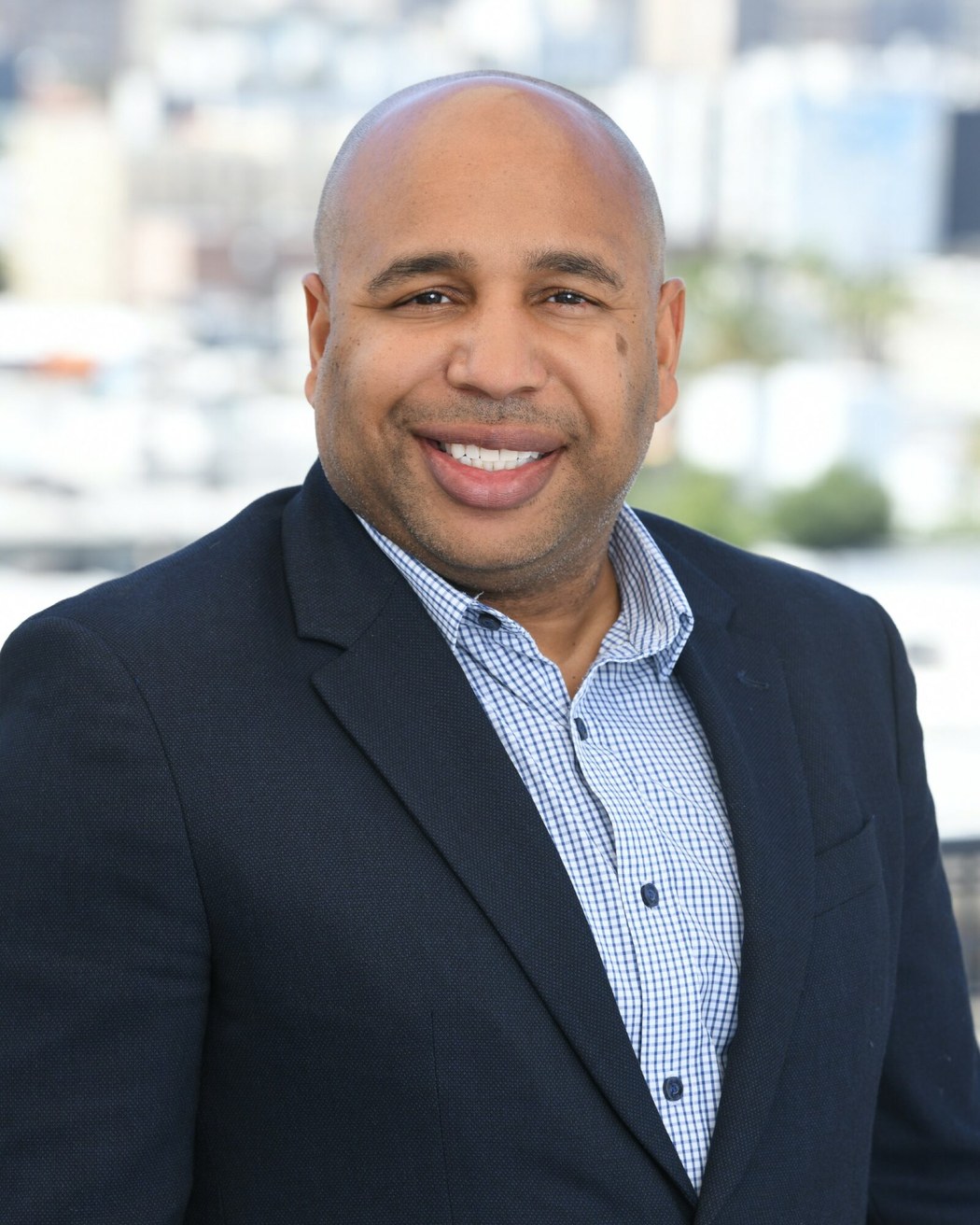
Everett K. Sands never forgot the missing shops
His grandfather’s tailoring business had customers, a trade school, and room to grow. What it lacked helped send Everett K. Sands into banking - and, eventually, into building Lendistry.
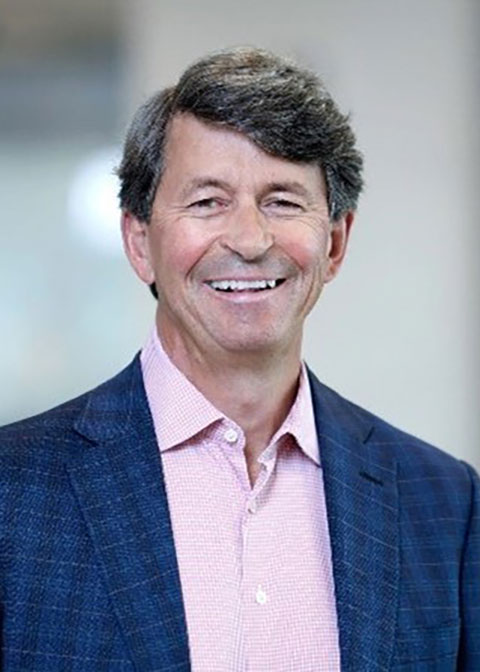
Mark Begor and the business of earning a second look
He spent 35 years at GE before taking charge of Equifax after its 2017 breach. Mark Begor’s next act turns on a difficult bargain: making more use of data while earning the confidence of the people inside it.
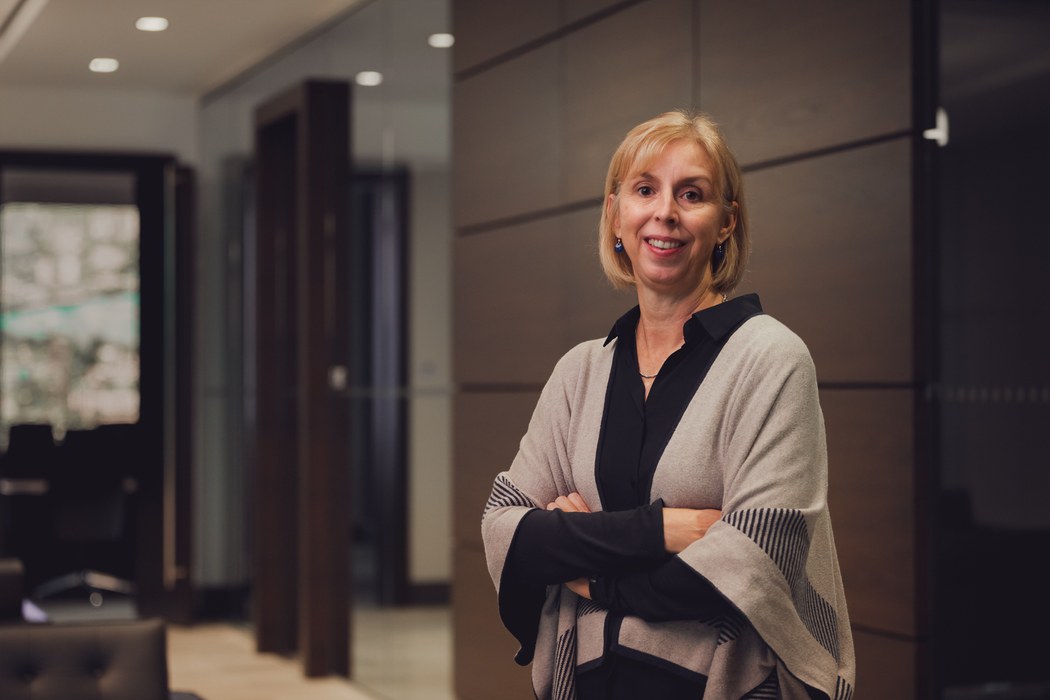
Deanna Strable and the three-times rule
Before she led Principal Financial Group, Deanna Strable-Soethout gave herself a small assignment: speak three times in every meeting. Her rise from actuarial assistant to CEO is a story of learning when to find your voice - and when to leave room for someone else’s.
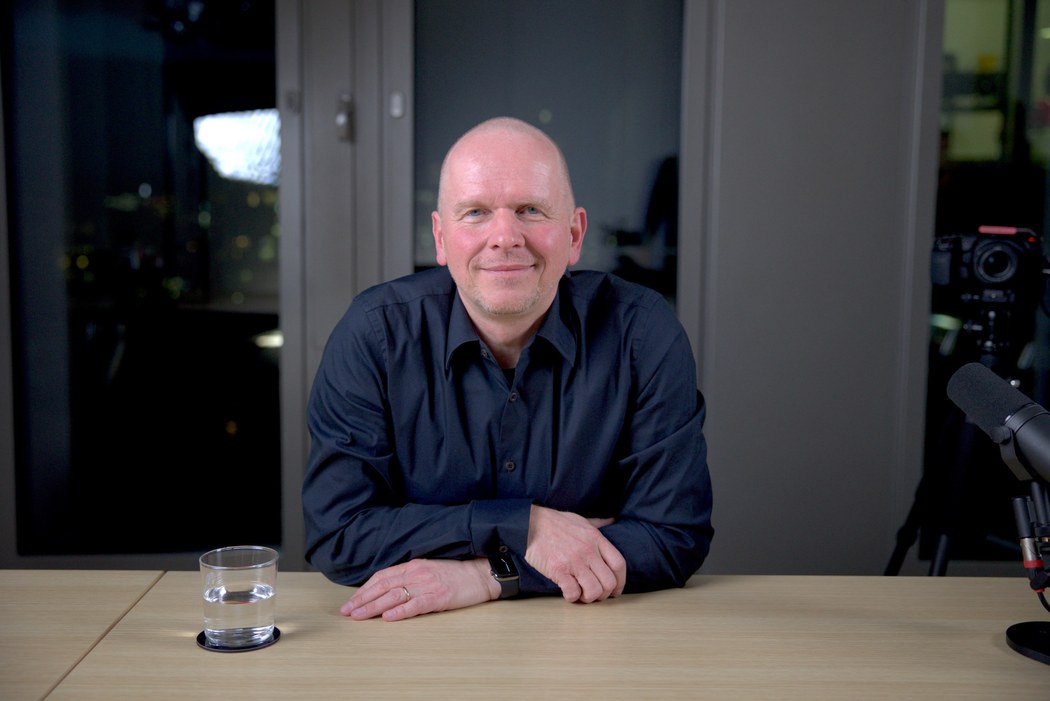
Michael Miebach and the art of being taken for granted
He once thought payments sounded like a rather small job. After a career spent crossing borders, Mastercard’s CEO is trying to make the machinery of money work so well that nobody has to think about it.
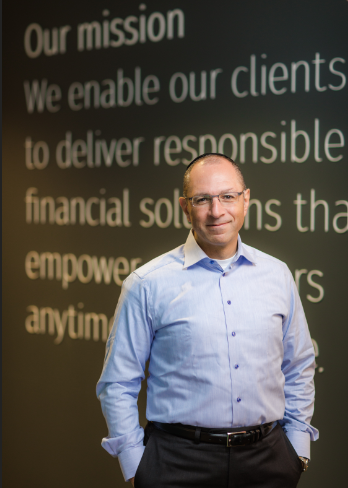
Gilles Gade and the value of starting over
He arrived from Paris with 90 days of cash, collected 250 rejection letters after a career break, and opened a bank in 2008. Gilles Gade has spent the years since making room for companies that banking had trouble accommodating.
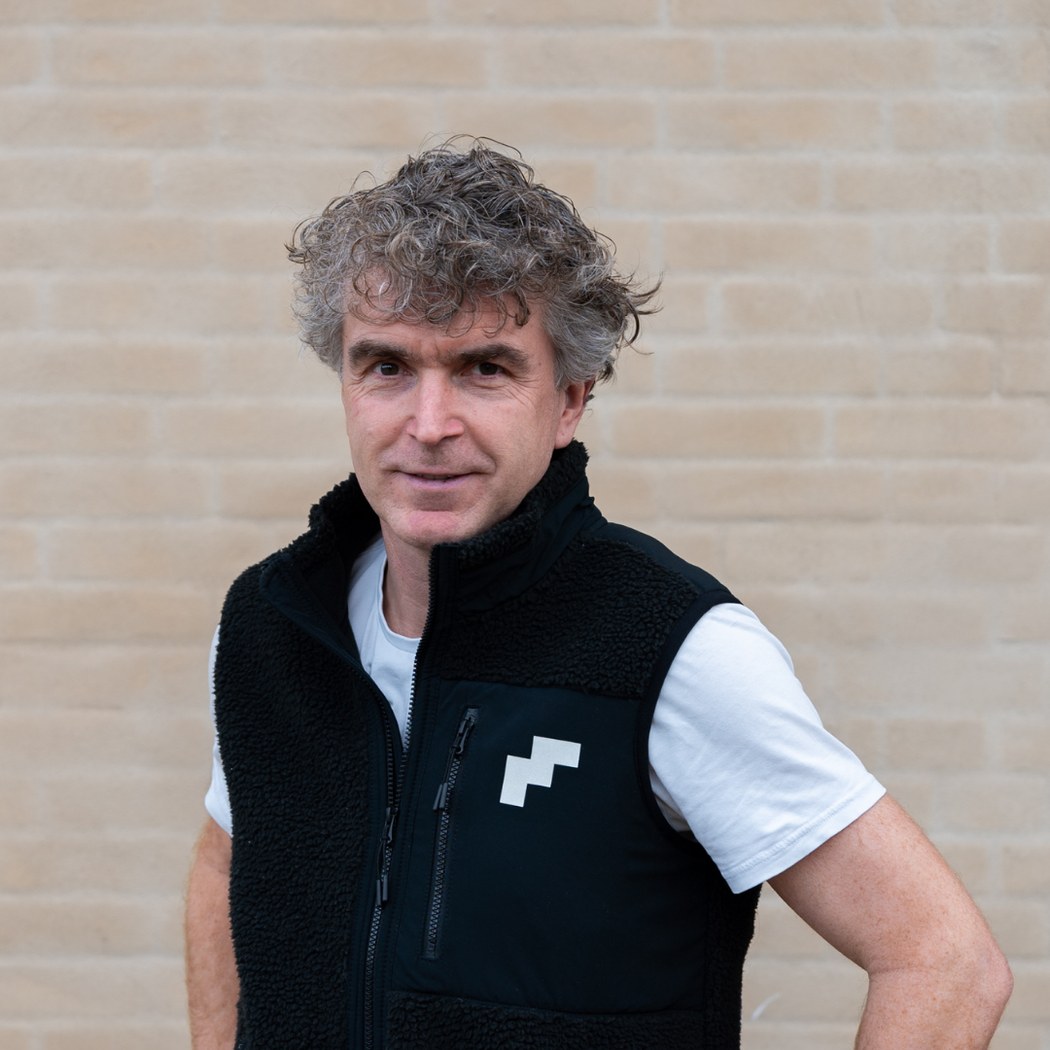
Simon Schou and the curious power of being on the map
A startup map became an invitation. For Copenhagen Fintech co-founder Simon Schou, it was one small example of a larger ambition: help people with new financial ideas find the people who can make them work.
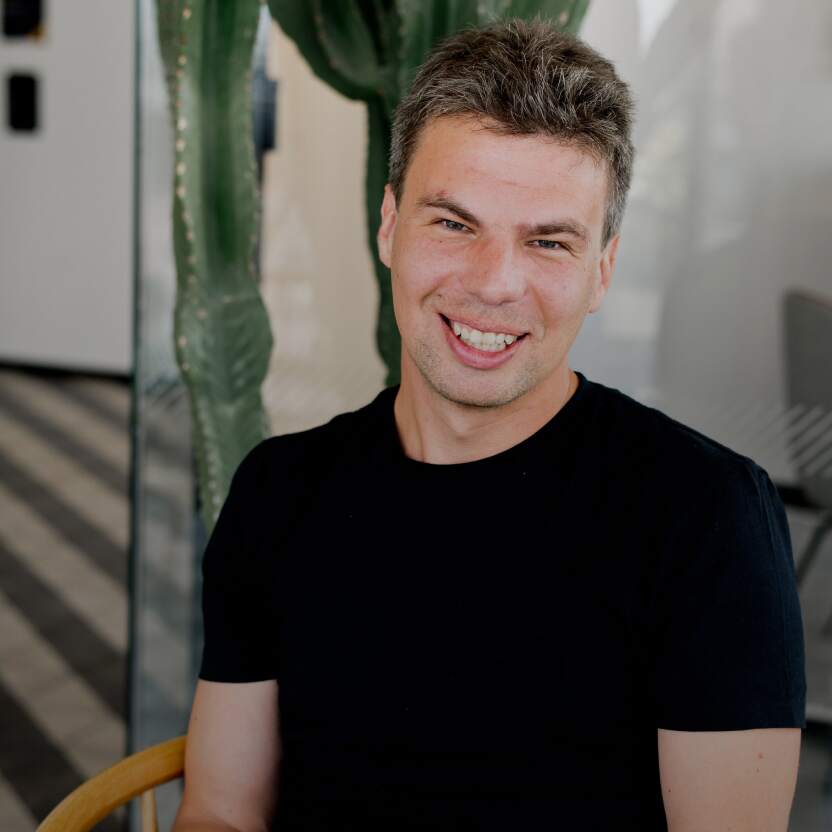
Ivan Zhiznevsky and the four-month wait
A Dutch bank account took four months to open. The former BBC journalist turned that frustration into 3S Money, then set about keeping a growing payments business on speaking terms with its customers.
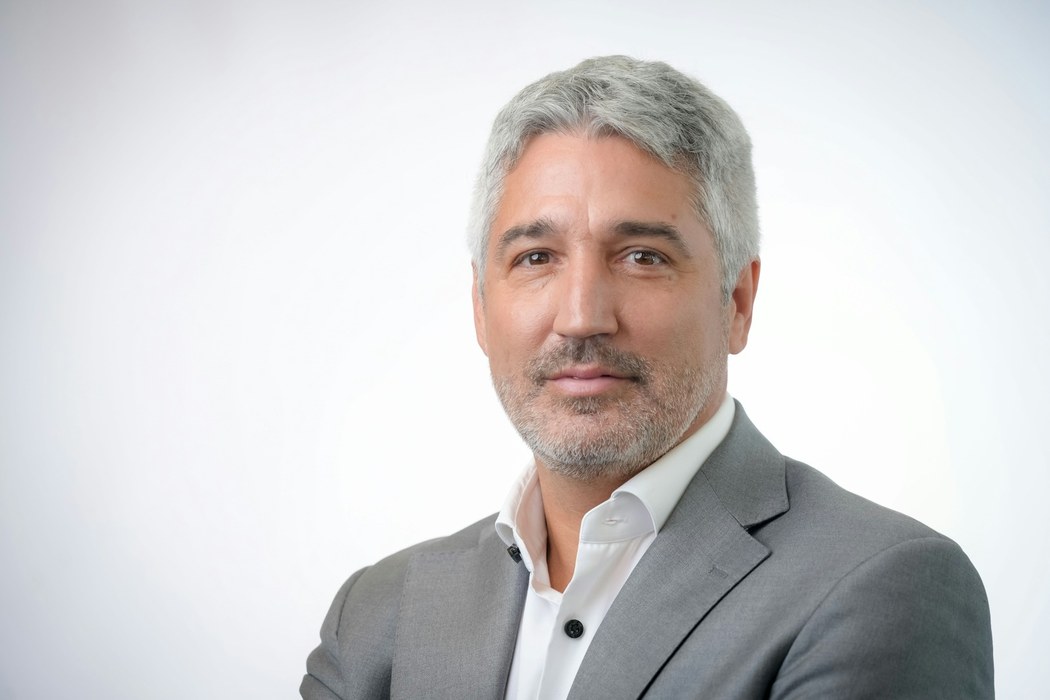
Marcelo González and the art of making the bank disappear
He started with ATM networks and co-founded Veritran before the iPhone arrived. Two decades later, Marcelo González is taking the same interest in everyday friction from banking apps to football stands.
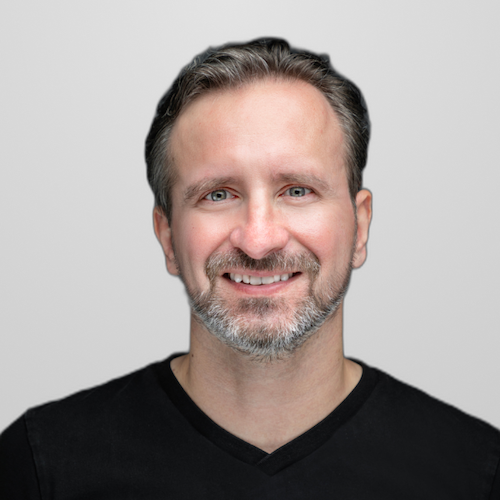
Peter Barcak and the risk of saying no
After two decades making lending decisions, Peter Barcak began questioning the missing information behind them. His next move took him to Singapore, into smartphone metadata, and onto the other side of the risk.
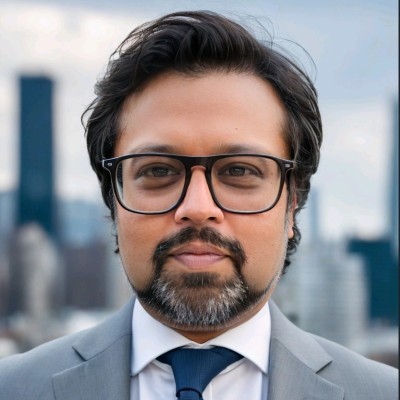
Sunil Madhu and the cost of saying no
His British credit history did not follow him to America. The Socure co-founder has spent years working on the consequences - first by checking identities, then by asking who pays when those checks fail.
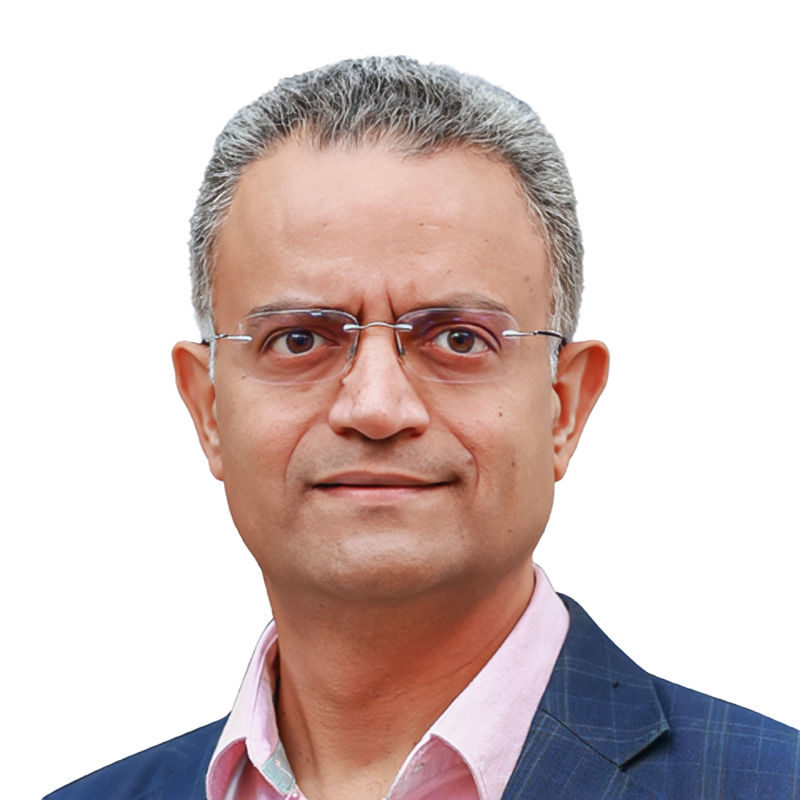
Pankaj Kulshreshtha and the bank that couldn’t see him
He spent years teaching financial institutions to understand risk. Then a bank turned him down. The Scienaptic AI founder has been working on the distance between knowing a customer and recognizing one ever since.

Alliant Credit Union: Less building. More banking.
A credit union born inside an airline learned to serve people wherever they landed. Its branchless model turns an old cooperative idea into a very modern bargain.
C2FO puts a price on waiting.
A million-dollar invoice. A 1% discount. Thirty days bought back. C2FO turned a cash crunch into a marketplace for getting paid sooner.

KOHO wants your money to cost less.
A prepaid card, a credit-building tool and a post-office partnership: KOHO is rebuilding everyday finance around people with little room for error. The interesting part is what it asks them to pay.
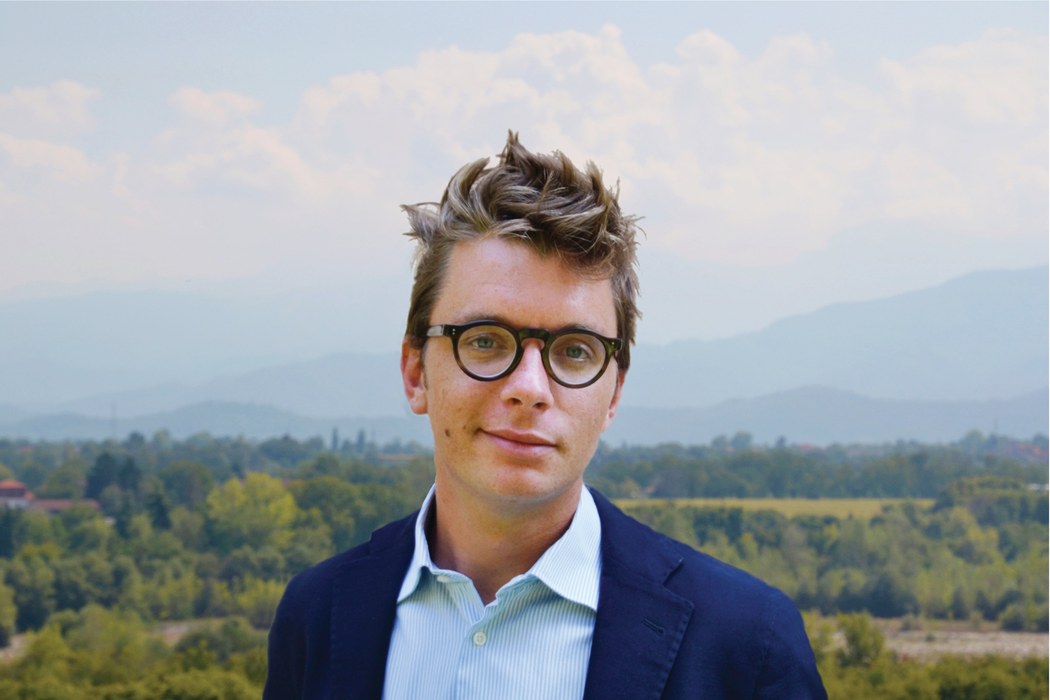
Michele Grosso and the distance between a policy and a person
He learned insurance inside AXA and MetLife. With Democrance, Michele Grosso set out to shorten the journey between an insurer and the people its usual channels never reached.
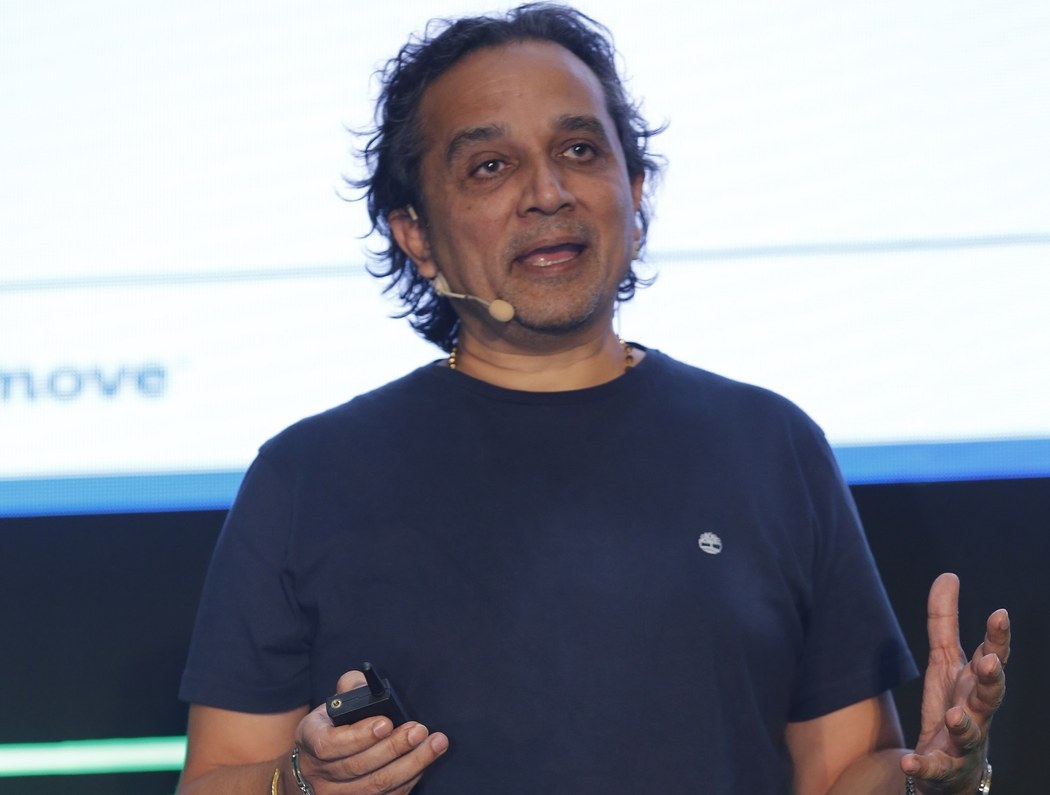
Shailesh Naik found a new business at the checkout
He started with online games. When customers could play but struggled to pay, the MatchMove founder followed the problem into cards, money transfers and the everyday finances of small businesses.
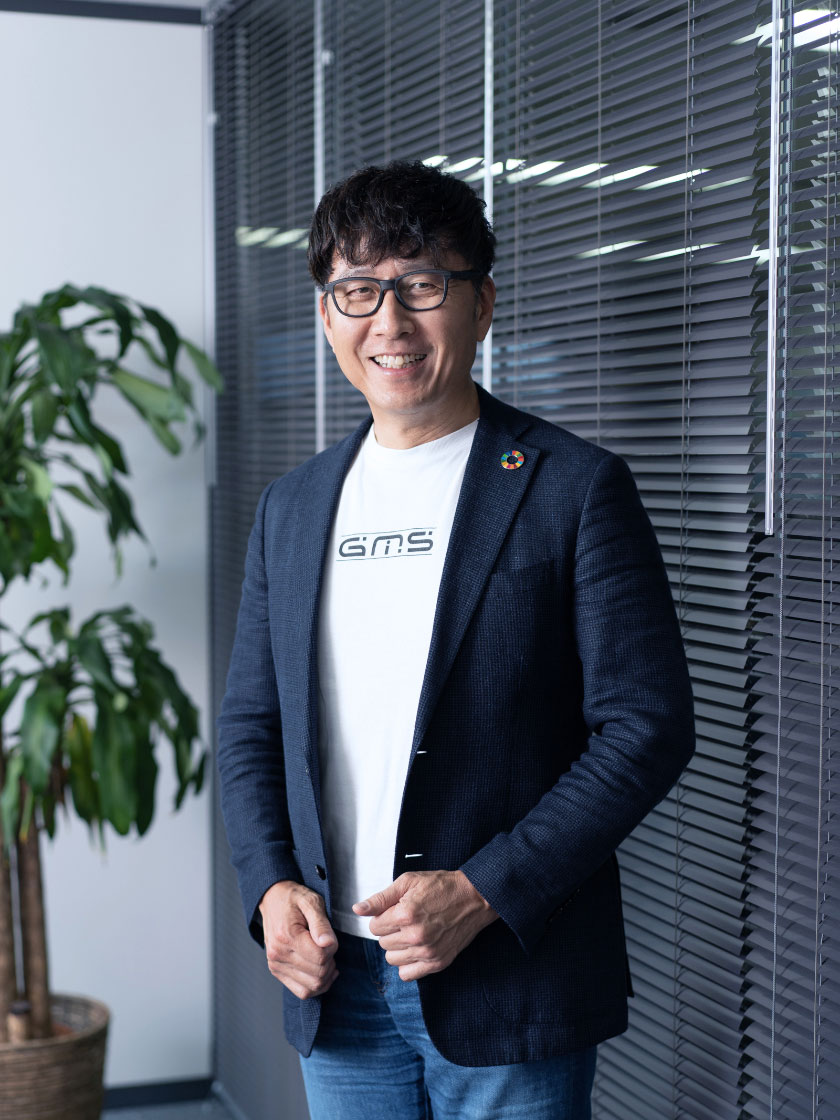
What good is a car you cannot buy?
Tokushi Nakashima went to the Philippines to build electric vehicles. The drivers he met persuaded him to work on a different problem: how to give hard work a credit history.
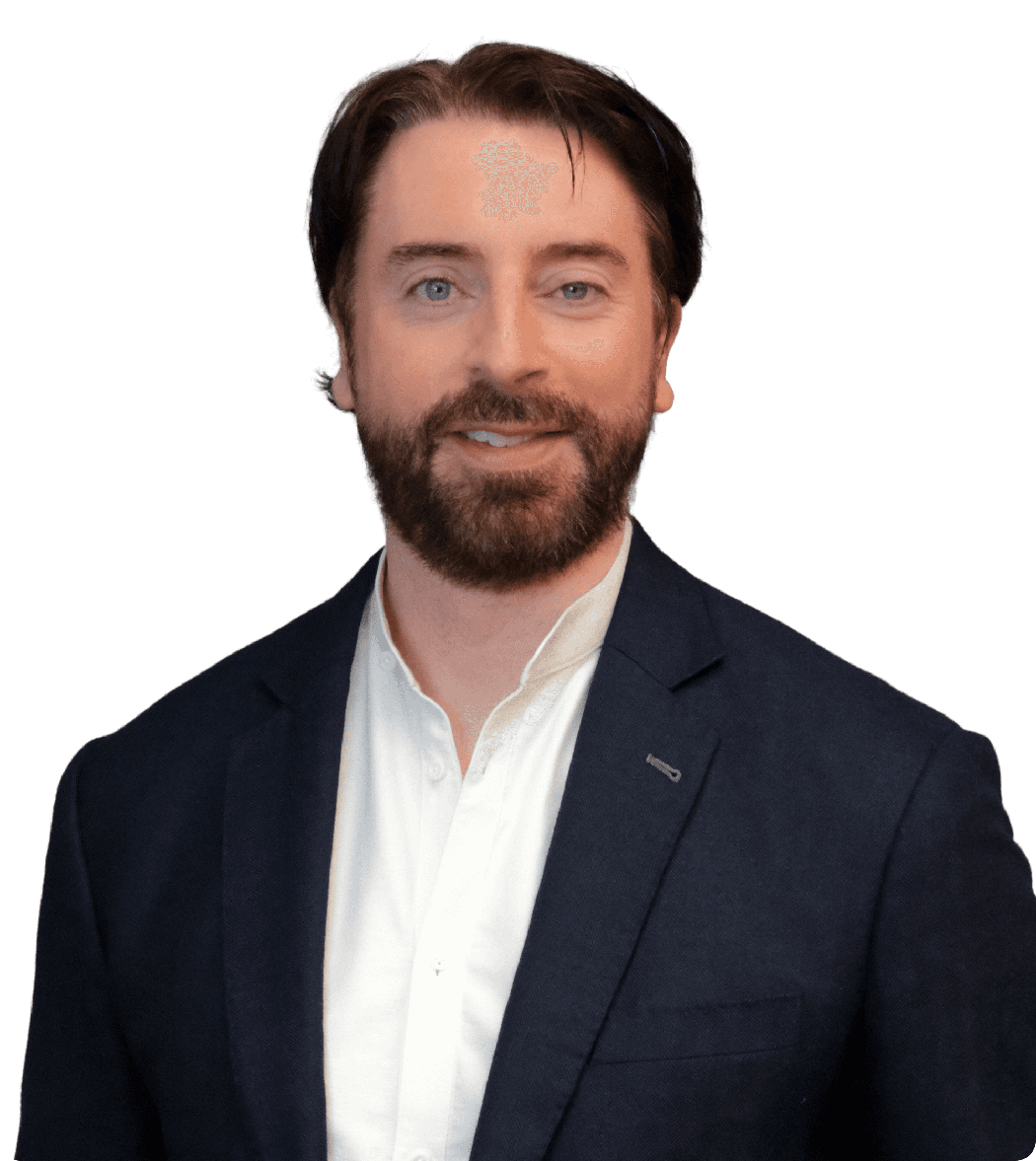
Kevin Kilty and the business of being too early
He came to Dubai looking for work in impact investing and stayed to build Hubpay. The harder lesson was learning how long a good idea can wait for the plumbing to catch up.
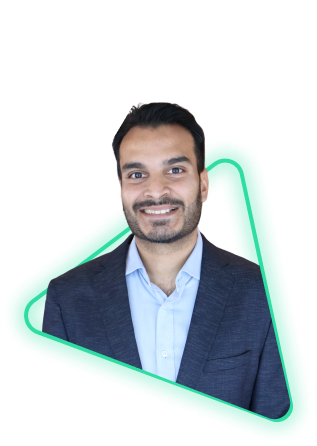
Omair Ansari and the trouble with payday
After fifteen years in finance, Omair Ansari moved to Karachi to build Abhi. His starting question was simple: why should people have to wait for money they have already earned?
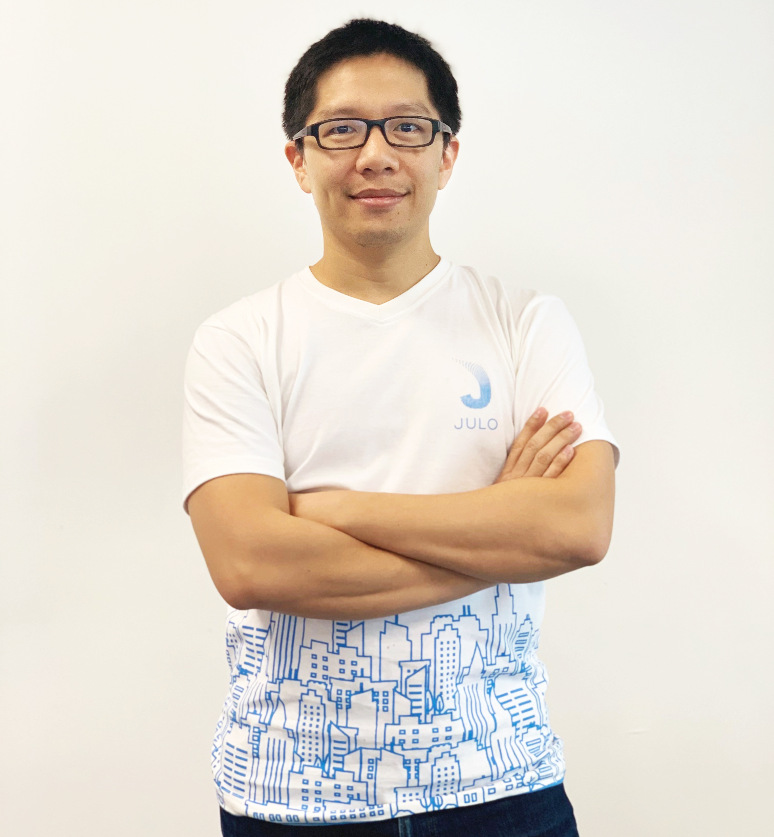
Adrianus Hitijahubessy and the arithmetic of coming home
After 20 years abroad, Adrianus Hitijahubessy returned to Indonesia with a question about who gets credit. JULO became his answer, one lending decision at a time.

Gordon Peters and the bank branch hiding in your chat window
After years in Southeast Asian consulting and banking deals, Gordon Peters co-founded Boost Capital around a familiar habit: sending a message. His work now reaches deeper into the paperwork that decides who gets through the bank’s digital door.
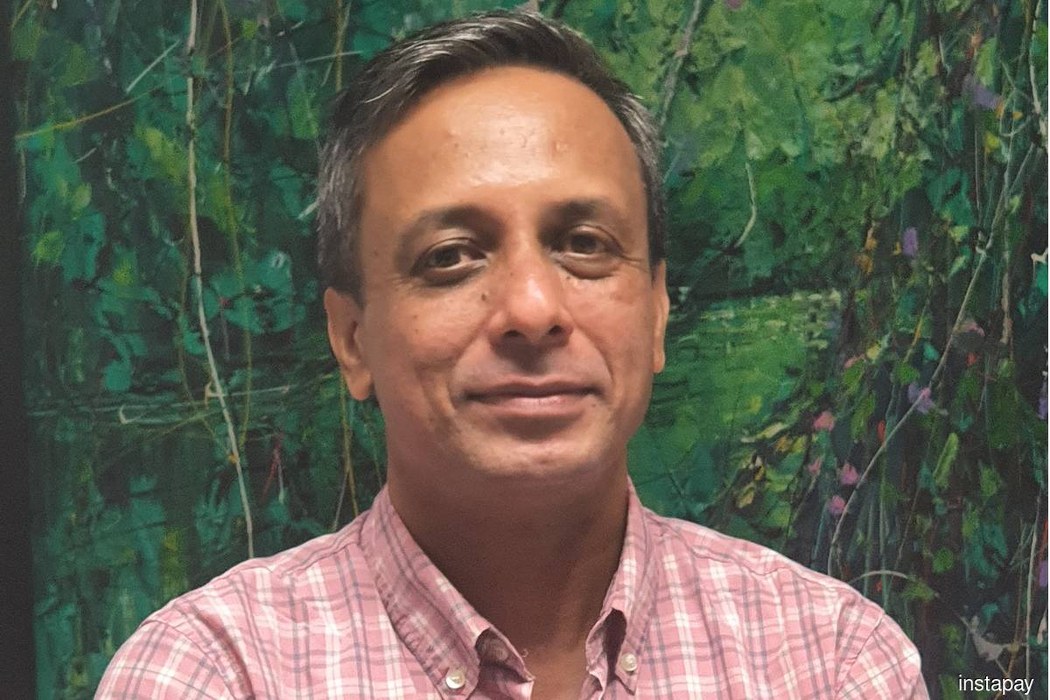
Rajnish Kumar and the distance between payday and home
A drive to a palm oil mill put Rajnish Kumar’s financial inclusion work in human terms. The Instapay co-founder is building salary accounts and remittance services around workers whose money has further to travel than most.
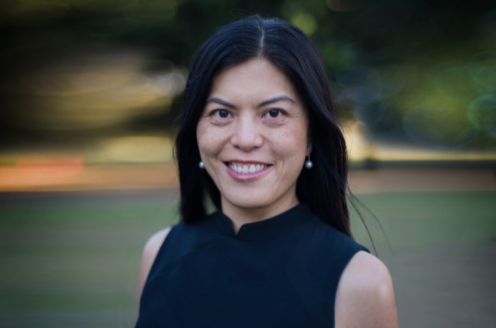
Ada Guan and the bank that asks why
She left a corporate career to help banks understand the businesses they lend to. Ten years into RDC.AI, Ada Guan is still making the case for intelligence that can explain itself.
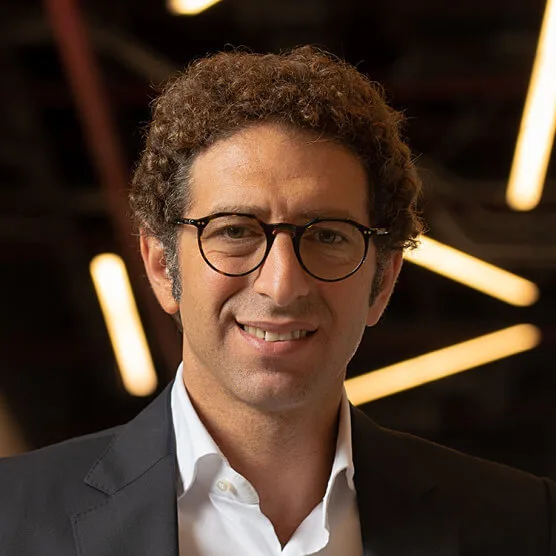
Mounir Nakhla and the economics of a three-wheeled idea
A tuk-tuk could earn its owner a living. Financing it taught Mounir Nakhla how much business lay beyond the bank counter - and eventually led him to rethink the company he had built.
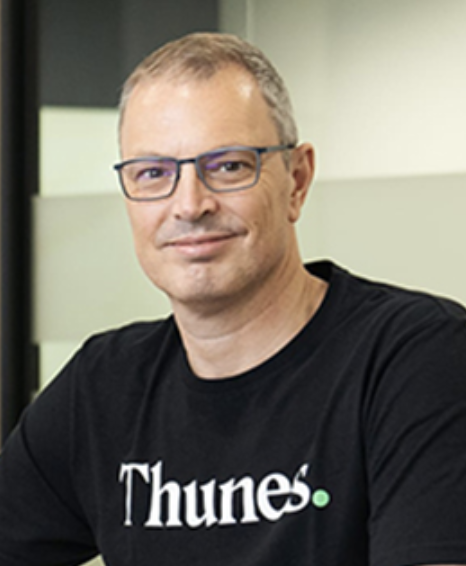
Peter De Caluwe and the two ticks that money is missing
A message can cross the world and tell you it arrived. After Ogone, PayU and a return to the CEO’s chair at Thunes, Peter De Caluwe is working to give money the same courtesy.

Jesse Powell and the price of admission
Before Kraken, Jesse Powell sold virtual swords and gave artists free studio space. His career keeps returning to the same question: who gets to participate, and who holds the keys?
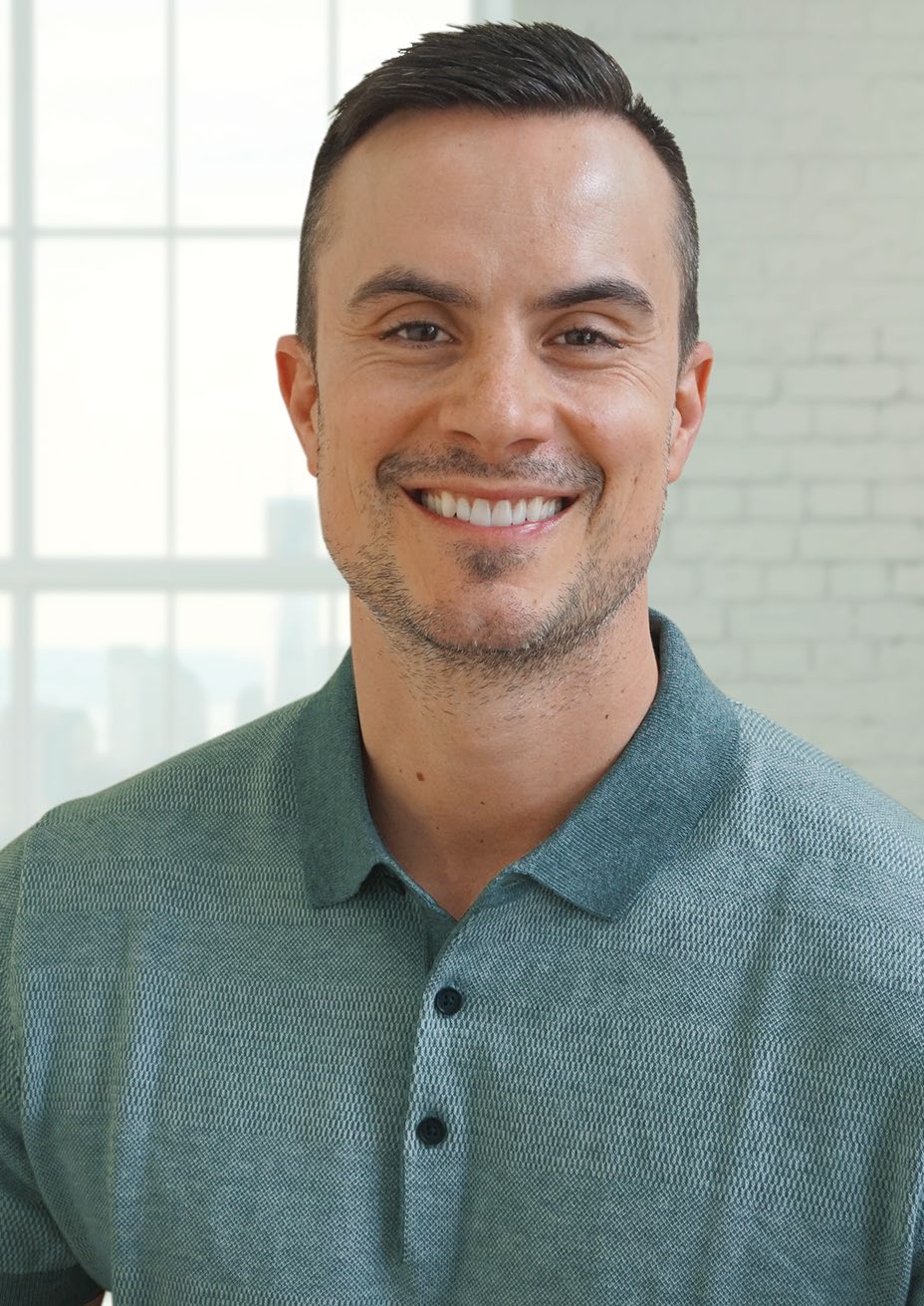
Stephen Ufford and the border that erased his credit
A Canadian credit history did little for Stephen Ufford when he moved south. Four startups later, the Trulioo co-founder had turned that frustration into a career spent helping strangers trust one another online.
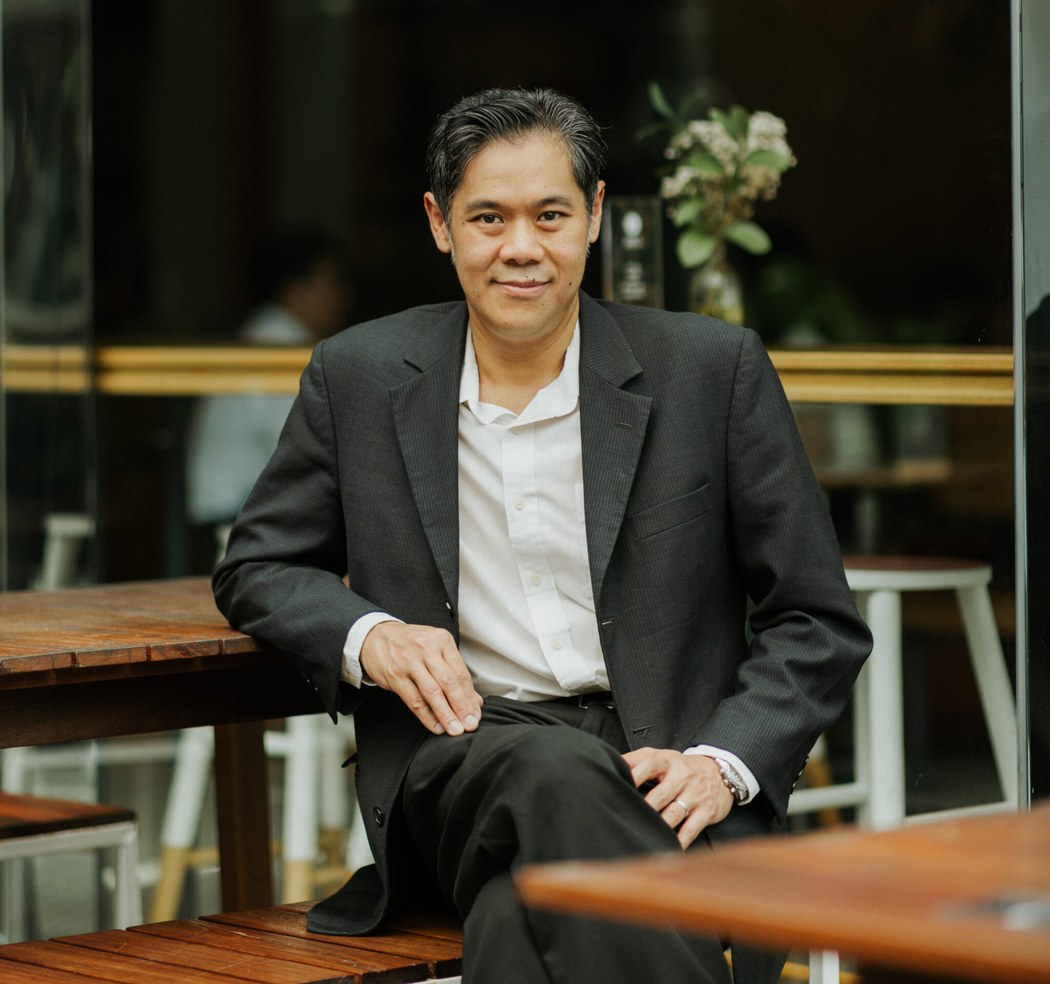
Yen Ming Lee and the trouble with a comfortable job
A banking director took the long way into entrepreneurship. At PolicyStreet, Yen Ming Lee has spent the years since learning how to put insurance where people already are.
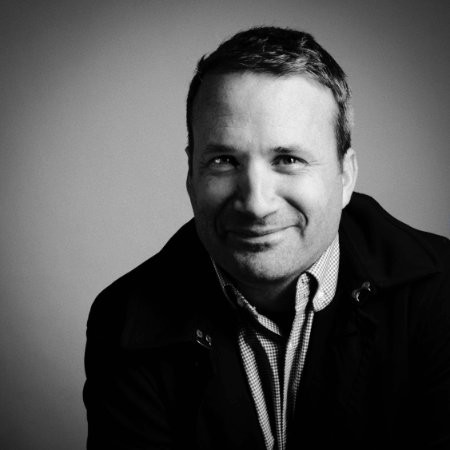
Eric Barbier and the long wait for instant money
A phone-credit exchange in the Philippines helped set Eric Barbier on a path from mobile messaging to global payments. At Triple-A, his latest wager is that money can travel faster if the institutions behind it take their time.