technion
(25)
Aviram Hinenzon Spent 28 Years Learning Why the Calendar Is Never Just a Calendar
The electrical engineer turned go-to-market chief has spent his career translating complex software into useful moments. At OnceHub, that now means teaching AI when to schedule, when to listen, and when to bring in a human.

The founder teaching insurers to read a house from the sky
He runs an intelligence unit's worth of pattern recognition on the roofs of 160 million buildings. The question that started it was not about roofs at all.

Alex Fink
He watched his parents tune into Voice of America at 4 a.m. Decades later he is building the software brain for drone swarms - and an app to clean up the news. The through-line is simpler than it looks.
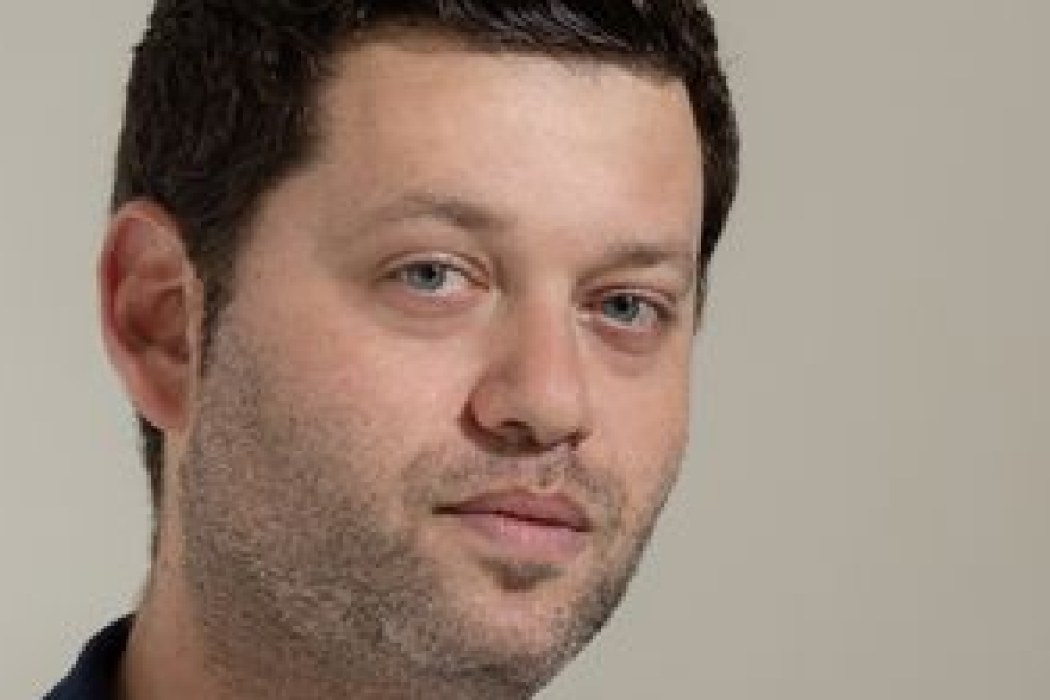
Sagi Rodin
Sagi Rodin is the CEO and co-founder of Frontegg, a customer identity and access management (CIAM) platform for B2B SaaS companies. He started coding at 14, served as a database instructor in the Israeli army, earned a computer software engineering degree from the Technion, and led cloud security work at Check Point before spinning the idea for Frontegg out of a problem he kept hitting: every new app needed the same login, user management, and admin plumbing built from scratch. Founded in 2019 with CTO Aviad Mizrachi, Frontegg has raised roughly $70 million and gives developers plug-and-play identity infrastructure so they can focus on their core product.
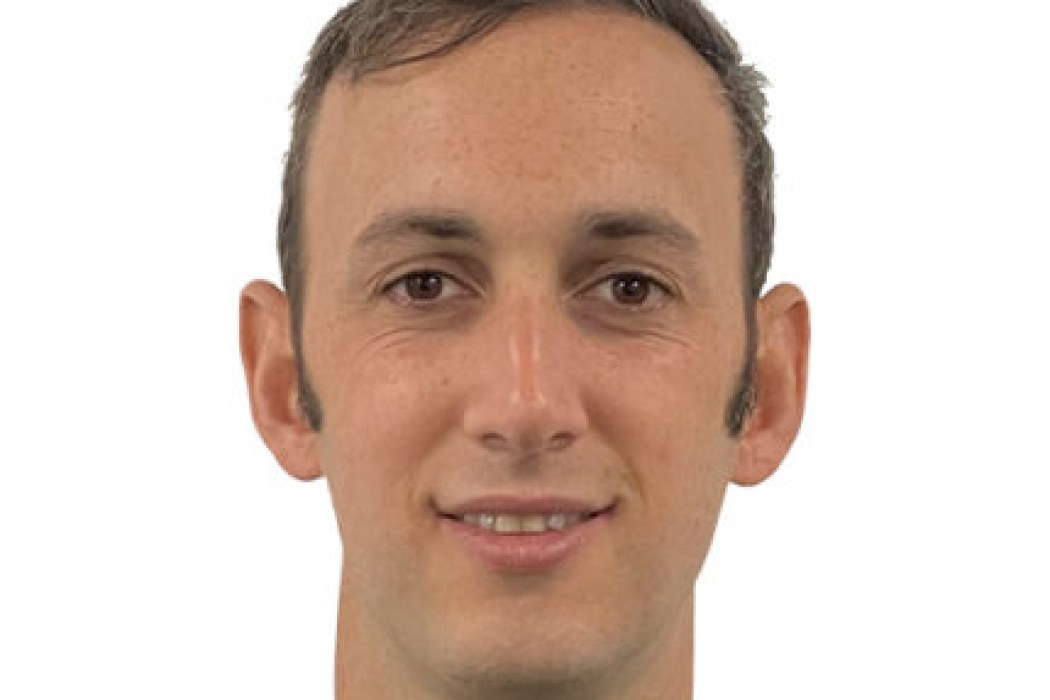
Tom Yeshurun
Tom Yeshurun is the co-founder and CEO of Civ Robotics, a San Francisco construction-technology company building autonomous robots that automate land surveying and site layout. A civil engineer by training who managed a $100 million road project in Israel before founding the company, Yeshurun watched surveyors spend millions marking coordinates by hand in desert heat and set out to automate the task. Civ Robotics' CivDot robots now stake out survey points with roughly 8-millimeter accuracy and mark up to 3,000 points a day, and its technology has been deployed on solar projects representing more than 20 gigawatts of capacity. In July 2025 the company raised a $7.5 million Series A led by AlleyCorp.
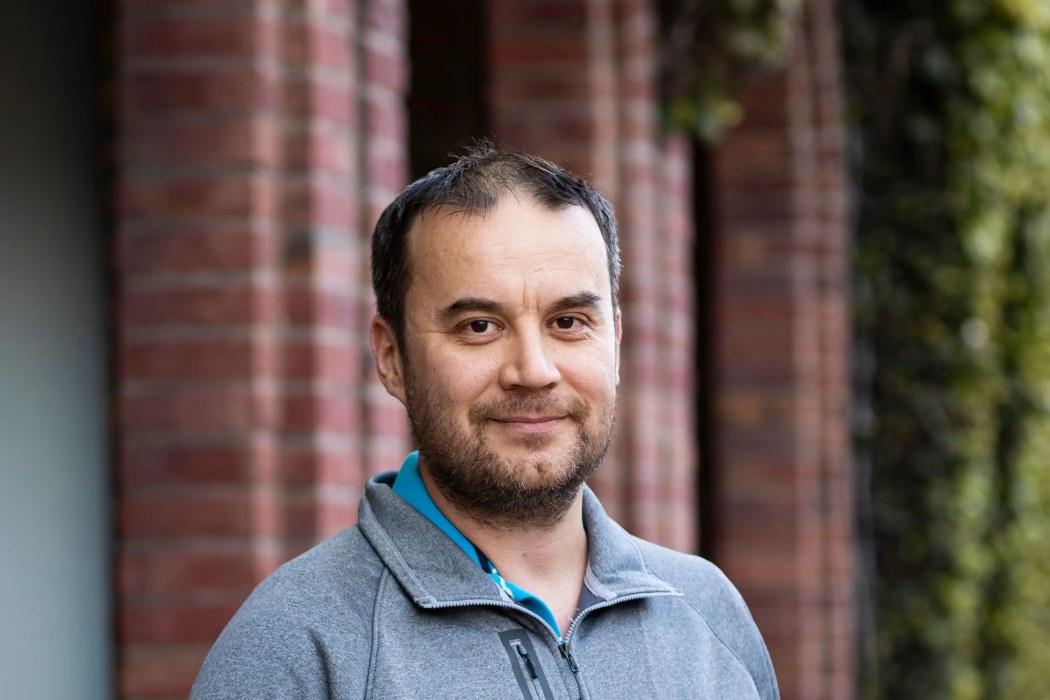
Vitaly Gordon
Vitaly Gordon is the co-founder and CEO of Faros AI, an AI-native engineering intelligence platform he started in 2019 with former Salesforce colleagues. Before Faros, he founded Salesforce Einstein and led it as VP of Engineering and Data Science, scaling it from zero to a platform serving billions of predictions per day. Earlier in his career he was a data science lead at LinkedIn and a data science manager at LivePerson. He now builds tooling that helps engineering organizations measure and improve productivity, and navigate the shift to AI-augmented software development.
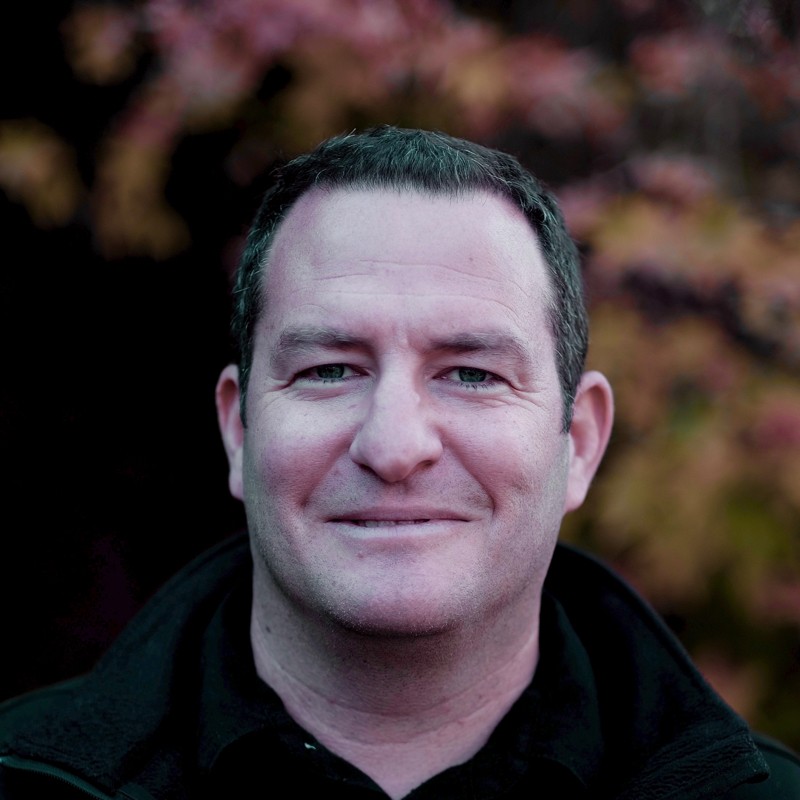
Ziv Attar
Ziv Attar is the co-founder and CEO of Glass Imaging, a California startup building GlassAI, a neural image processing system that corrects optical aberrations and sensor imperfections to pull sharper, more detailed pictures out of small cameras. An optical engineer trained at the Technion, he founded LinX Imaging in 2011 and sold it to Apple in 2015, then led computational photography work at Apple including the Portrait Mode that shipped on the iPhone 7+. In 2025 Glass Imaging raised a $20M Series A led by Insight Partners.
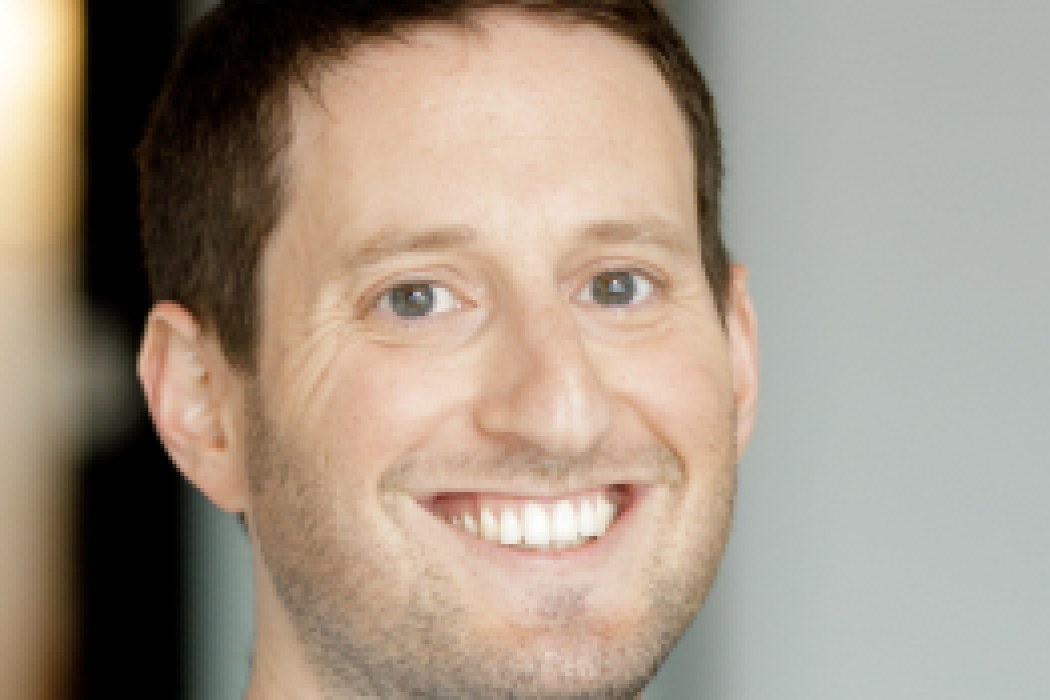
Gilad Tal
Gilad Tal is co-founder and CEO of DualBird, a Boston-based deep tech startup rebuilding the foundation of analytics and AI data infrastructure by running silicon acceleration as cloud-native software. A Technion-trained electrical engineer and physicist with 14 years in ASIC and software development, he previously founded and led TerrainEDA, an EDA startup acquired by Synopsys. At DualBird he and his co-founders use rewritable FPGA hardware to plug into Apache Spark and Iceberg environments, claiming up to 100x faster performance and up to 90% lower cost with no changes to existing workflows.

Itamar Friedman
Itamar Friedman is the co-founder and CEO of Qodo (formerly CodiumAI), an AI platform built to review, test, and govern code so AI-generated software can ship safely. A Technion-trained machine learning engineer, he previously co-founded Visualead (acquired by Alibaba) and led Alibaba's machine vision work in Israel before starting Qodo in 2022. Under his leadership Qodo has raised roughly $120 million, including a $70 million Series B in March 2026, and counts enterprises like Nvidia, Walmart, and Intuit among its users.
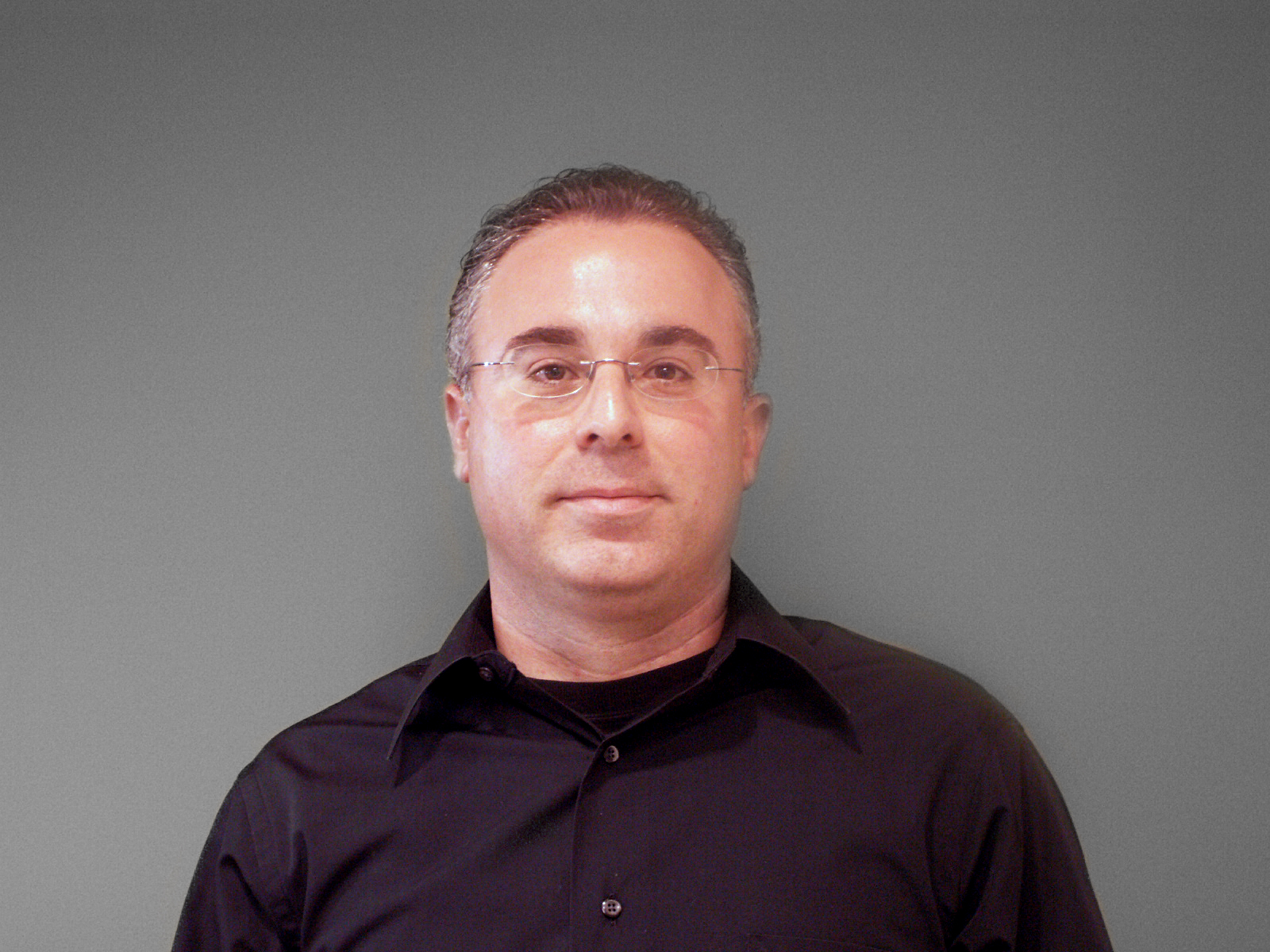
Gilad Shainer
Gilad Shainer is Senior Vice President of Networking at NVIDIA, where he leads the strategy, marketing, and ecosystem development for the company's networking portfolio — including InfiniBand, Ethernet, DPUs, and interconnect technologies that power more than half the world's top 500 supercomputers. A Technion-trained electrical engineer who graduated Cum Laude at both B.Sc. and M.Sc. levels, Shainer spent nearly two decades at Mellanox Technologies before joining NVIDIA via the $6.9 billion acquisition in 2020. He founded the HPC-AI Advisory Council in 2008, which now spans 400+ organizations globally, co-founded the ISC Student Cluster Competition, holds two R&D 100 Awards (2015 and 2019), and has authored or co-authored dozens of papers across IEEE, ACM, and Springer venues. At a moment when AI factories are rewriting the rules of data center design, Shainer is the person making sure the wires — and the protocols running through them — are ready.
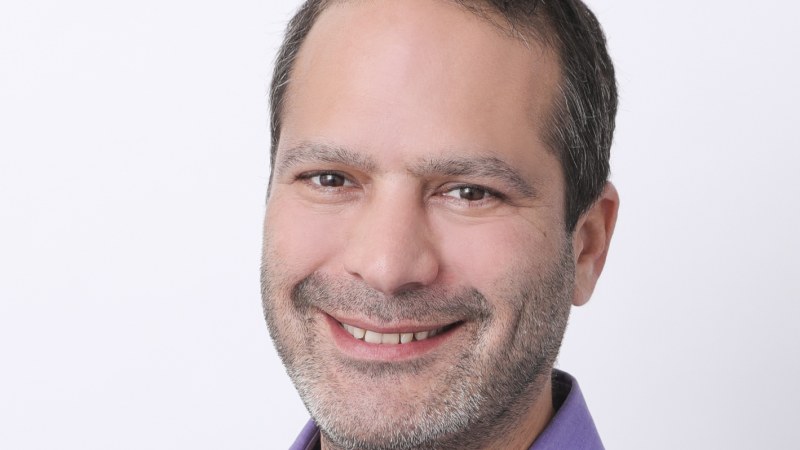
Uri Bettesh
Uri Bettesh is the founder and CEO of Datos Health, a remote care automation company he started in 2015 after a career in retail enterprise software. He spent almost two decades building point-of-sale and merchandising systems at Retalix and NCR before turning to healthcare, inspired by his father-in-law's sudden open-heart surgery. Datos builds a no-code platform that lets hospitals design and automate their own remote care programs across conditions like cardiac care, oncology and chronic disease, and it raised a $7M Series A in 2020 bringing total funding to $9.2M. Bettesh frames the work as building the foundation for the 'bedless hospital' - moving care out of the ward and into the home.
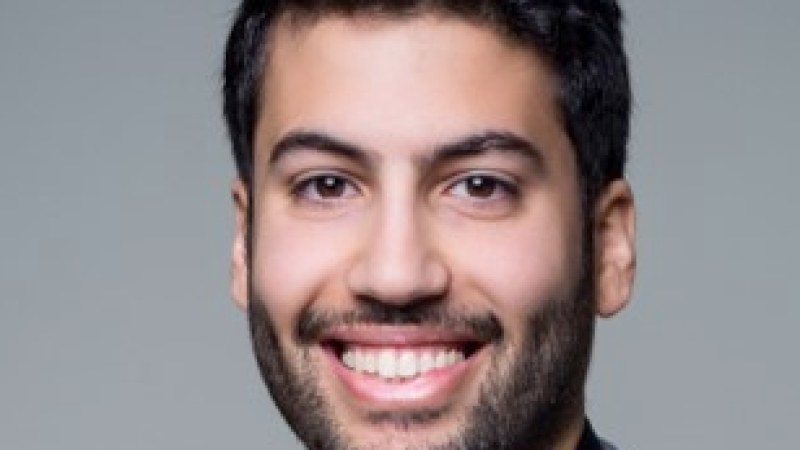
Maor Farid
Maor Farid is the co-founder and CEO of Leo AI, the first AI copilot purpose-built for mechanical engineers. A former Captain in Israel's Unit 8200 intelligence corps and the youngest-ever PhD graduate from the Technion at age 24, he went on to do postdoctoral research at MIT as a Fulbright fellow, studying how to predict catastrophic failures in complex physical systems. He founded Leo AI in 2023 to build what he calls 'the most boring, unsexy AI' - a tool trained on more than a million vetted engineering sources that handles documentation, part searches and calculations so engineers can focus on design. Leo AI raised $9.7M and is used by teams at Toyota, HP, Mobileye, Philips and Scania.

Dan Furman
Dan Furman is a neuroscientist and the co-founder and CEO of Arctop, a company building the software intelligence layer that decodes human brain signals in real time from everyday wearables like headbands, earbuds and VR headsets. A Harvard-trained neurobiologist with a Technion PhD, he once helped adapt a sleep-monitoring device into a brain-computer interface for Stephen Hawking, and his doctoral work showed that non-invasive scalp sensors could control individual neuroprosthetic fingers. In 2023 Arctop raised a $10M Series A to apply its 'Brain ID' and real-time cognition technology across medicine, education, cybersecurity and entertainment.

Alex Bouaziz
Alex Bouaziz is the co-founder and CEO of Deel, the $17.3 billion global HR and payroll platform that allows companies to hire anyone, anywhere. Born in Paris in 1993 and raised between France and Israel, Bouaziz studied civil engineering at Technion and MIT before pivoting to entrepreneurship. He co-founded Deel in 2019 with MIT classmate Shuo Wang after observing glaring pay inequities for international talent and experiencing firsthand the pain of paying overseas workers. Under his leadership, Deel surpassed $1 billion ARR in Q1 2025, raised $300 million in Series E funding at a $17.3 billion valuation in October 2025, and became one of the fastest-growing HR technology companies in history.
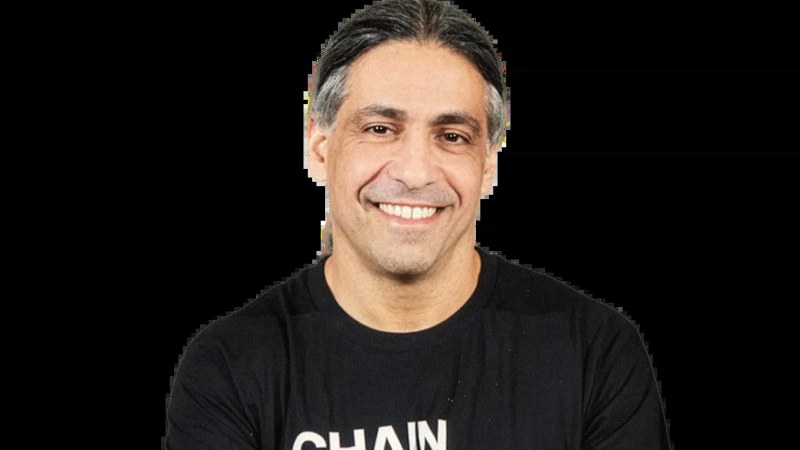
Alon Webman
Alon Webman is the co-founder and CEO of Chain Reaction, an Israeli semiconductor company building purpose-built chips for encrypted computation, Bitcoin mining, and privacy-preserving AI. Before Chain Reaction, he co-founded Mellanox Technologies in 1999 and spent nearly two decades there, rising to VP-level roles before NVIDIA acquired Mellanox for $7 billion in 2020. A Technion graduate, Webman is now betting his second act on making fully homomorphic encryption practical at scale - a technology that would let clouds compute on data they can never see.

Dean Leitersdorf
Dean Leitersdorf is the 27-year-old Co-Founder and CEO of Decart, an AI research lab building real-time world models and ultra-fast inference infrastructure. A Technion PhD graduate at 23 and veteran of Israel's elite Unit 8200, he co-founded Decart in late 2023 with Moshe Shalev. The company went from stealth to unicorn status in under a year, raising over $453M total including a $300M Series C in May 2026 backed by NVIDIA, Radical Ventures, Adobe, Toyota, and angel investors including Andrej Karpathy. Decart's products - DOS (inference stack), Lucy (real-time video transformation), and Oasis (the viral AI-generated Minecraft-like game) - position it as a vertically integrated AI company targeting a billion-user consumer app.
Erez Druk
Erez Druk is the co-founder and CEO of Freed, an AI medical scribe that automates clinical documentation for physicians. A Technion-educated engineer who cut his teeth at Facebook, Druk built Freed after watching his wife - a family medicine physician - spend her evenings buried in patient notes. Since launching in 2023, Freed has grown to over 25,000 paying clinicians across 96 specialties, saved more than 2.7 million hours of documentation time, and raised a $30 million Series A led by Sequoia Capital. Before Freed, Druk co-founded UrbanLeap, a government procurement platform that served 35 municipalities before closing in 2022.

Ofer Feldman
Ofer Feldman is the Co-Founder and CTO of Stampli, a Mountain View-based AI-powered accounts payable automation company he co-founded with his brother Eyal Feldman in 2015. A computer engineer by training from Technion - Israel Institute of Technology, Ofer spent over a decade building software across defense, enterprise, and healthcare sectors before channeling that depth into Stampli. Under his technical leadership, Stampli has grown to process over $100 billion in invoices annually for 1,600+ businesses, raised $145.7 million in total funding including a $61M Series D led by Blackstone in 2023, and pioneered Cognitive AI that brings human-level PO matching to finance teams worldwide.
Oren Kaniel
Oren Kaniel is the CEO and co-founder of AppsFlyer, the world's leading mobile attribution and marketing analytics platform. Starting from a small apartment in 2011, he and co-founder Reshef Mann built a $2 billion company that serves 12,000+ customers including Nike, eBay, and Macy's. AppsFlyer reached $508.4M ARR in 2024, its first profitable year, and is positioning for a potential IPO. A Technion computer science graduate who started coding at age 8, Kaniel is known for spending 1.5 years without salary to build AppsFlyer and for operating the company for six years without a dedicated sales team.

Tomer London
Tomer London is the co-founder and Chief Product Officer of Gusto, a $9.5 billion payroll and HR platform serving 400,000+ small businesses across the United States. Born and raised in Haifa, Israel, where his father ran a clothing store for over 35 years, Tomer taught himself Visual Basic at age 12 to build inventory software for the family business — a founding instinct that never left him. After earning his B.S. from the Technion and pursuing graduate studies at Stanford, he co-founded Gusto (originally ZenPayroll) in 2011 with Josh Reeves and Eddie Kim, going through Y Combinator and building the company into one of the most beloved B2B products in Silicon Valley, known for its unusually high NPS scores and the philosophy that payroll software should feel like a celebration, not a chore.
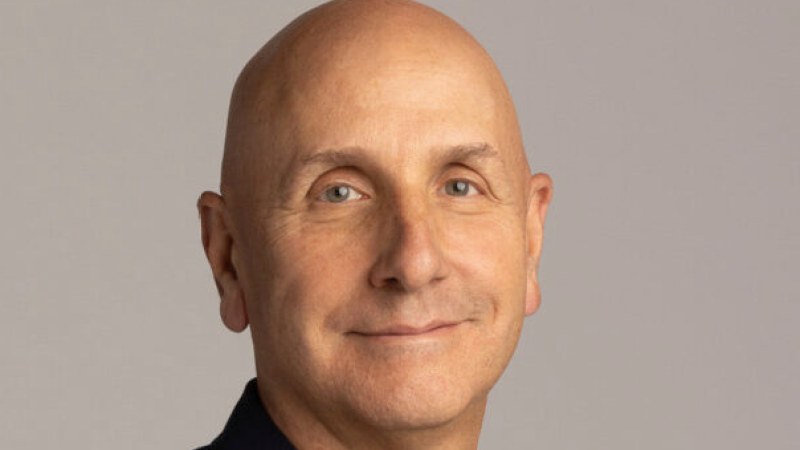
Dror Nahumi
Dror Nahumi is a General Partner at Norwest Venture Partners, a multi-stage global VC firm managing $15.5 billion in assets. Based in Menlo Park, California, he leads Norwest's Israeli investment portfolio - a practice he helped build since the firm established its Israel presence in 2009. A former Bell Labs research engineer who developed the RCELP speech coder (now the CDMA standard for North American cellular), Nahumi transitioned from deep tech to entrepreneurship before landing in venture capital in 2010. He has backed companies that have been acquired by Microsoft, Google, EMC, and Symantec, and has seeded unicorns including Gong.io, VAST Data, and Weka.

Jacques Benkoski
Jacques Benkoski is a General Partner at U.S. Venture Partners (USVP) in Menlo Park, California, where he has invested since 2005 with a focus on cybersecurity, cloud infrastructure, enterprise software, and data services. Born in Belgium, educated at the Technion in Israel and Carnegie Mellon, he built his operational chops founding and running EDA and semiconductor startups before turning to early-stage investing across the U.S. and Israel. He is also the author of 'The Market Entry Strategy,' a book drawn from a seminar he gave to over 5,000 entrepreneurs.
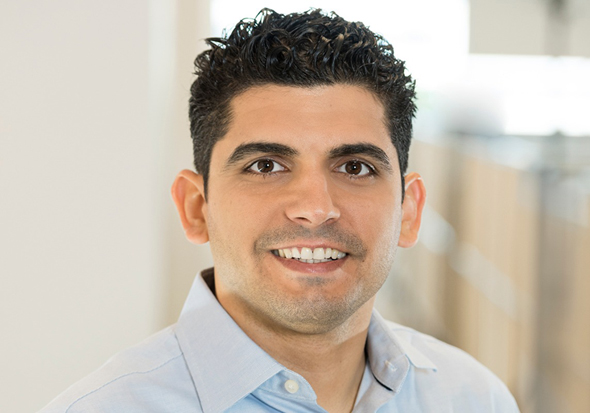
Sagi Ben-Moshe
Sagi Ben-Moshe is the founder and CEO of Lumana, a hybrid-cloud AI video security platform headquartered in Los Gatos with R&D roots in Tel Aviv. A serial entrepreneur and former Chief Incubation Officer at Intel - where he ran the RealSense computer vision division - he is rebuilding video surveillance around AI that perceives context, not just pixels.

Yuval Bachar
Yuval Bachar is the founder and CEO of EdgeCloudLink (ECL), the company building the world's first off-grid hydrogen-powered modular data centers. A 20+ year veteran of hyperscale infrastructure at Cisco, Juniper Networks, Facebook/Meta, LinkedIn, and Microsoft Azure, Bachar co-founded the Open19 open hardware standards project and holds eight U.S. patents. At ECL, he is reimagining what a data center can be - deploying capacity in nine months (vs. the industry's 3-4 years), generating zero emissions, and producing cooling water as a byproduct of hydrogen fuel cells. In May 2024, ECL unveiled the world's first off-grid hydrogen-powered AI data center in Mountain View, California, and Lambda deployed the first hydrogen-powered NVIDIA GB300 NVL72 systems there. ECL's TerraSite-TX1 near Houston is planned as a 1-gigawatt AI factory on 600 acres.

Itzik Gilboa
Itzik Gilboa is the CEO of minds.ai, a Santa Cruz-based AI company applying multi-agent reinforcement learning to semiconductor fabrication. With aerospace and materials science degrees from the Technion and decades of experience at Cypress, SanDisk, and Western Digital, he bridges the gap between chip-floor pragmatism and cutting-edge AI research. Under his leadership, minds.ai secured a multi-year partnership with GlobalFoundries to deploy its Maestro(R) platform across global fab operations, aiming to reduce cycle times, improve on-time delivery, and help fabs run at peak efficiency in a world where every nanosecond of lost throughput costs millions.