logistics
(306)
Wabash wants to sell you uptime.
The trailer maker built its reputation on tougher walls. Its next bet is that fleets will pay for fewer headaches - and more time on the road.

Covenant found its edge in the difficult loads
A truck is easy to compare on price. A fleet that knows your factory, your deadline, or your chickens is a different proposition. Covenant has spent years buying and building that distinction.
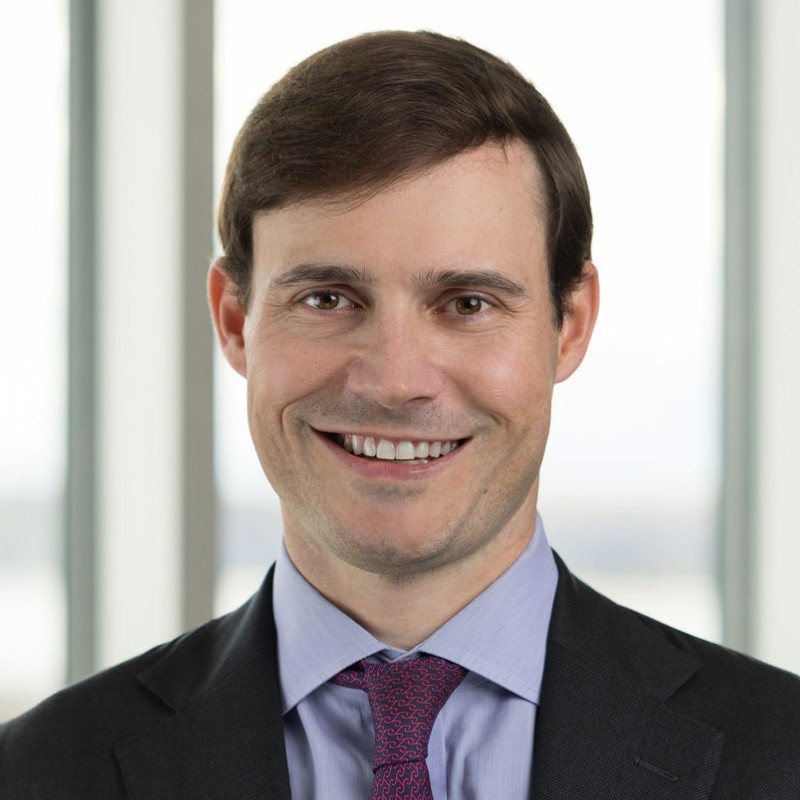
Frank Lonegro and the view from the passenger seat
A lawyer turned railroad executive, Frank Lonegro arrived at Landstar with a career spent crossing departments. Leading a network of independent business owners has given him another place to learn: beside the driver.

Jesse Buckingham and the art of starting over
He helped grow a logistics software business from $2 million to more than $20 million in recurring revenue. Then Jesse Buckingham gave up the established operation to tackle the work still hiding in freight brokers’ inboxes.
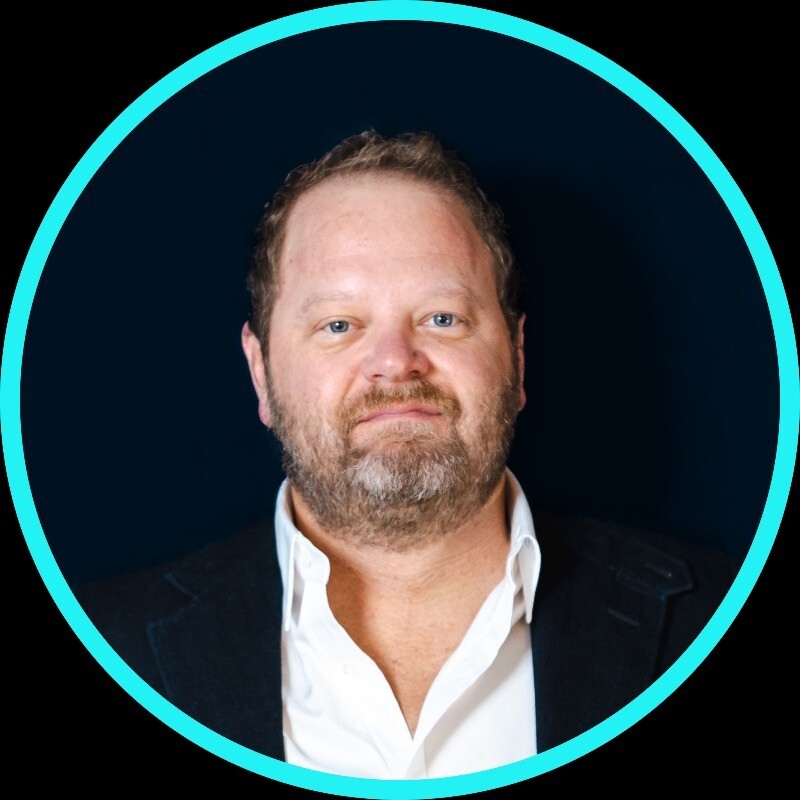
Chris Guggenheim and the five-day deadline that sent parcels into the sky
After years building ecommerce businesses for musicians and brands, Chris Guggenheim went looking for a different way to ship. His answer became ClearJet, a parcel network built around cargo space on passenger flights.

Kevin Gibbon and the box that kept coming back
Shyp made shipping feel easy, then ran out of time to make it pay. Kevin Gibbon has spent the years since getting closer to the machinery behind the promise.
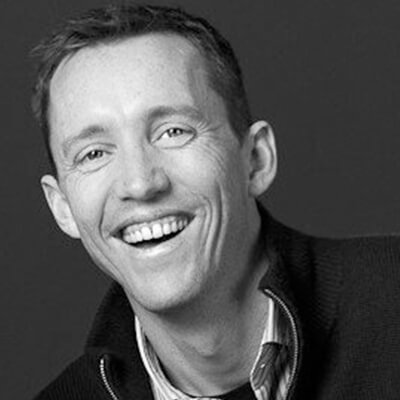
Neil Watson and the art of arriving too early
He started selling computers online in 1999, then found a better business helping other companies sell theirs. After two decades at Digital Planet, Neil Watson took those lessons to the other side of the investment table.
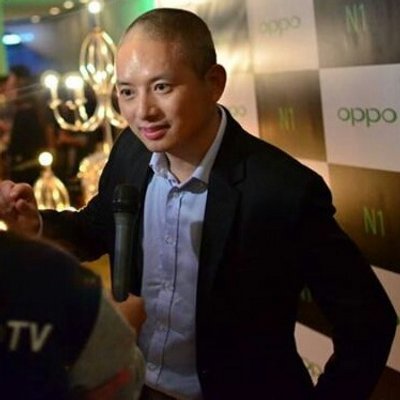
Jet Lee and the business of getting there
Before J&T Express, Jet Lee built a career getting phones into people’s hands. His next business took on everything else that could fit inside a parcel.

Norfolk Southern and the price of a handoff
A freight railroad makes its money connecting things. Norfolk Southern’s next chapter turns on what happens between them: a container transfer, a warning signal, and an $85 billion merger still under review.
Eric Williams and the Business Hidden in a Missing Tag
Before co-founding eJOOV, Eric Williams spent two decades in operations and distribution. His next opportunity arrived with the merchandise customers sent back.
Ivan Tsybaev and the trouble with an empty parking space
Trucker Path’s founding CEO helped drivers find somewhere to stop. After a complicated sale and an education startup, he is back in freight, working on the conversations that keep it moving.
Jeff Milgram and the Four-Dollar Detour
A cheaper way to ship educational software sent Jeff Milgram into the mailbox business. His route to iPostal1 ran through a blocked franchise deal, a New York warehouse and six stores he trained himself.
Greg Price and the trouble with knowing where everything is
At McKinsey, Greg Price saw companies with money, talent and surprisingly little idea where their freight was. Ten years into Shipwell, he is still working on what happens between knowing about a problem and getting it fixed.
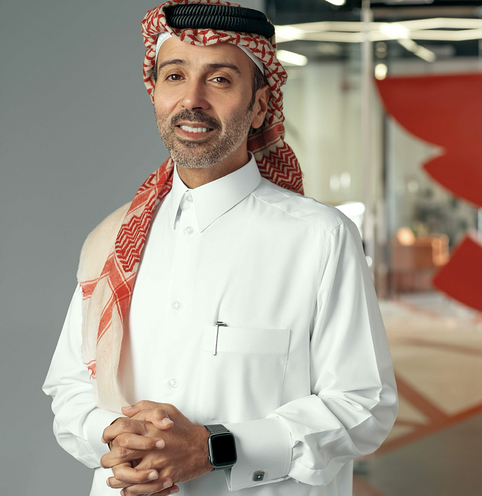
Hamad Al-Hajri's homework got out of hand
A project at HEC Paris became Snoonu, the Qatari super app in which Jahez acquired a majority stake for $245 million. Hamad Mubarak Al-Hajri is taking its technology across the Gulf - and putting money behind the founders coming after him.
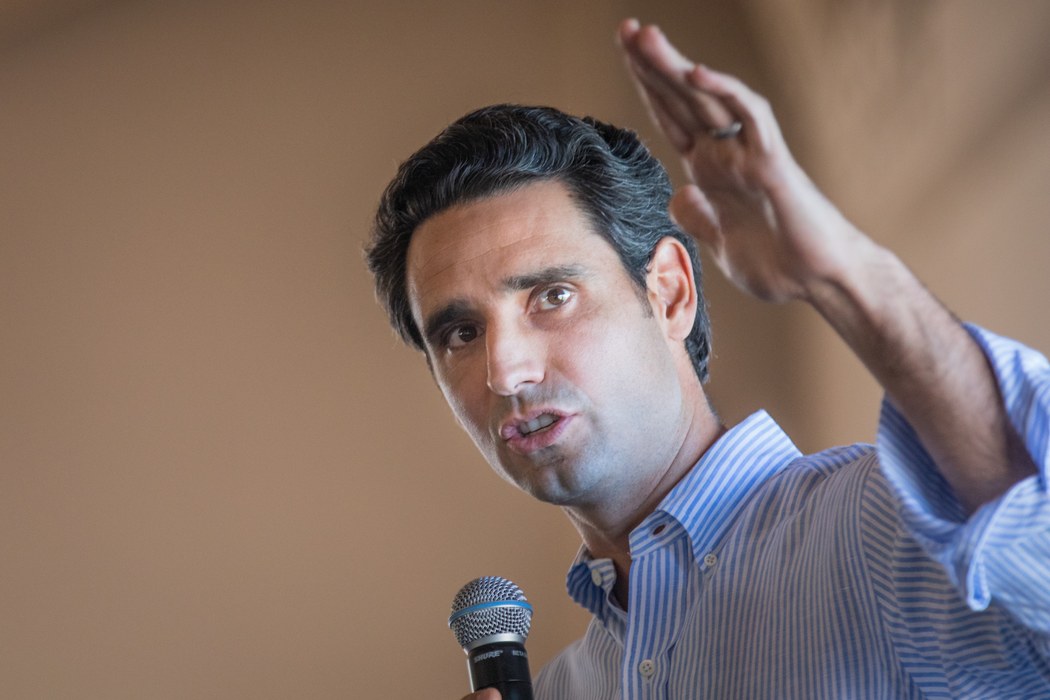
Ernie Garcia and the price of making car buying simple
A coin-operated car tower made Carvana memorable. Ernie Garcia’s harder task was building the business behind it, then keeping it running through a 99 percent stock-price collapse.
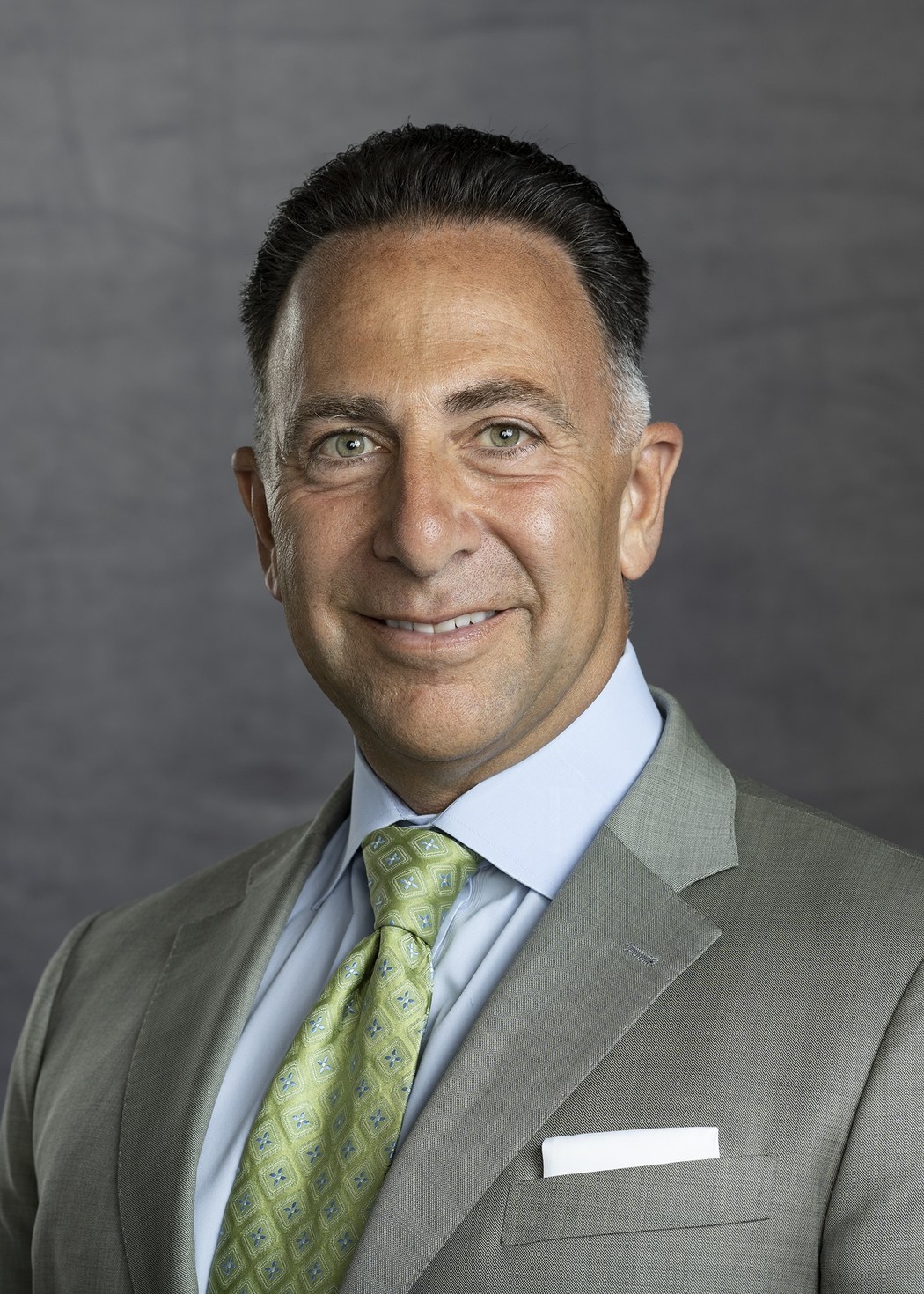
Mark George and the trouble with changing trains
He began by finding ways to automate the work he disliked. Now Norfolk Southern’s CEO is trying to remove a much larger inconvenience: the handoff between two American railroads.
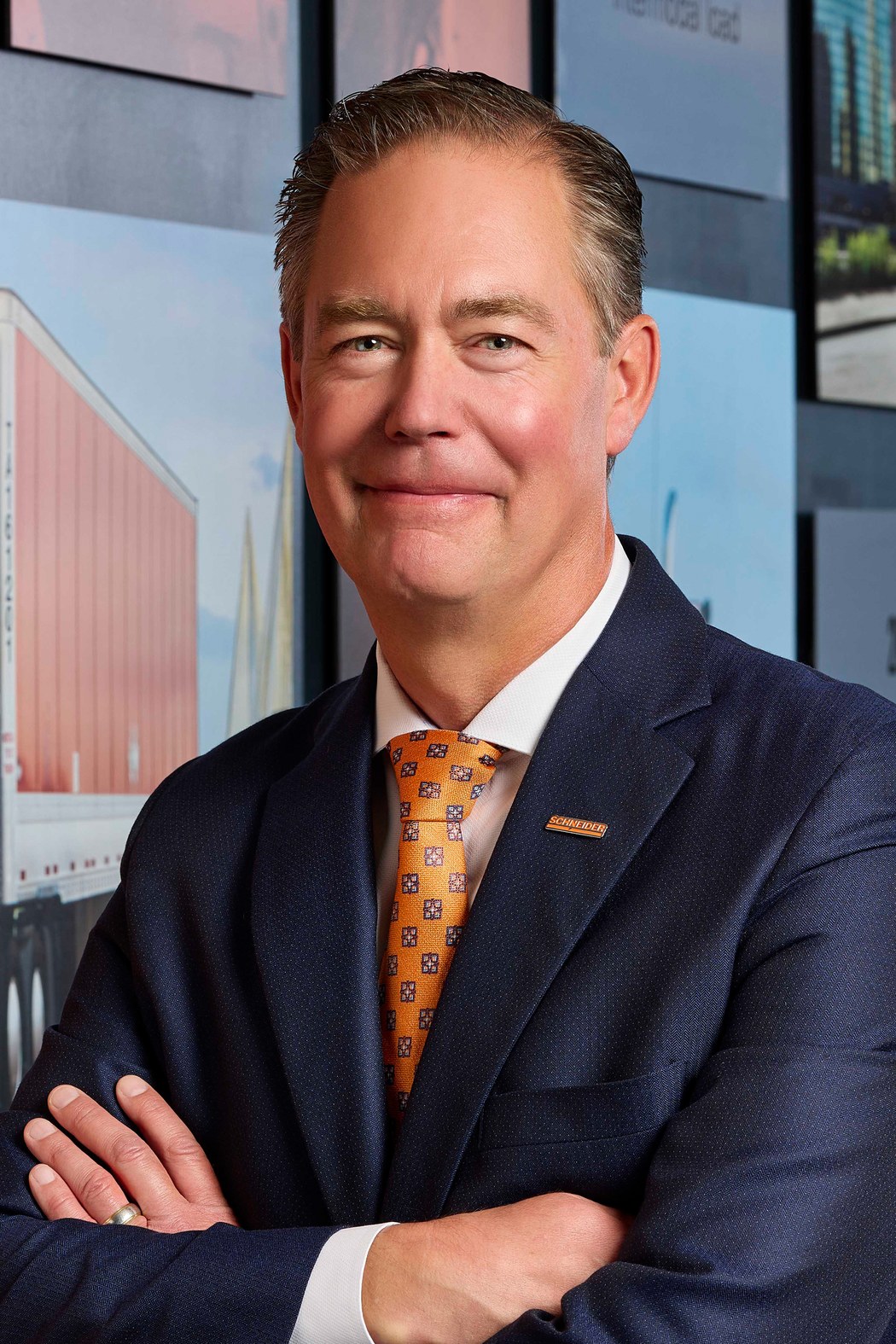
Jim Filter and the education of a freight CEO
He joined Schneider in a Green Bay maintenance shop in 1998. Twenty-eight years later, Jim Filter took the top job with a working knowledge of the places where a delivery promise can come apart.
Avigal Soreq and the art of coming back
He left Delek US to run an airline, then returned to lead the energy company. Avigal Soreq’s second stint has become a study in what to keep, what to sell and how to make the pieces work.
Shelley Simpson and the summer job that lasted 30 years
She joined J.B. Hunt for a summer and stayed to build a freight brokerage, help launch a digital marketplace and become CEO. Shelley Simpson’s career has involved learning the business from more than one end of the desk.
Greg Lehmkuhl and the business between the buildings
At Lineage, Greg Lehmkuhl has spent a decade connecting warehouses, technology and people. His most revealing ranking put employee awards ahead of a $4.4 billion stock market debut.
Carol Tomé and the value of changing your mind
She planned to run her father’s bank, nearly passed on Home Depot and retired before UPS came calling. Carol Tomé’s career keeps turning on the moment a settled plan becomes an open question.
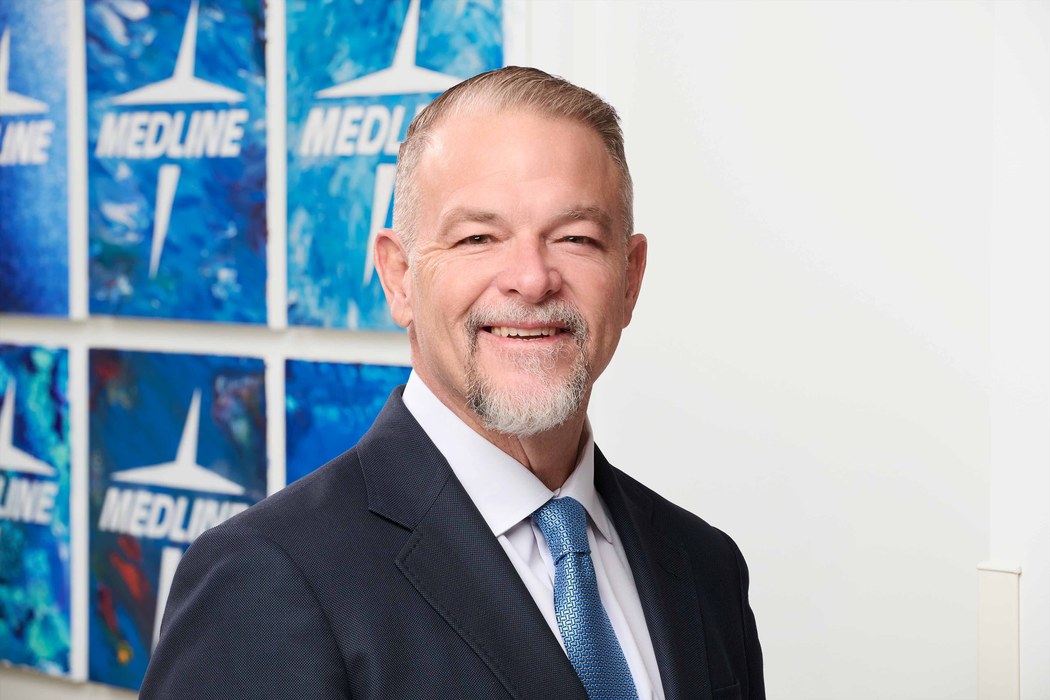
Jim Boyle and the 27-year job interview
Jim Boyle joined Medline as a sales representative in 1996. Twenty-seven years later, he took charge of the company - bringing a seller’s attention to promises, people and delivery.
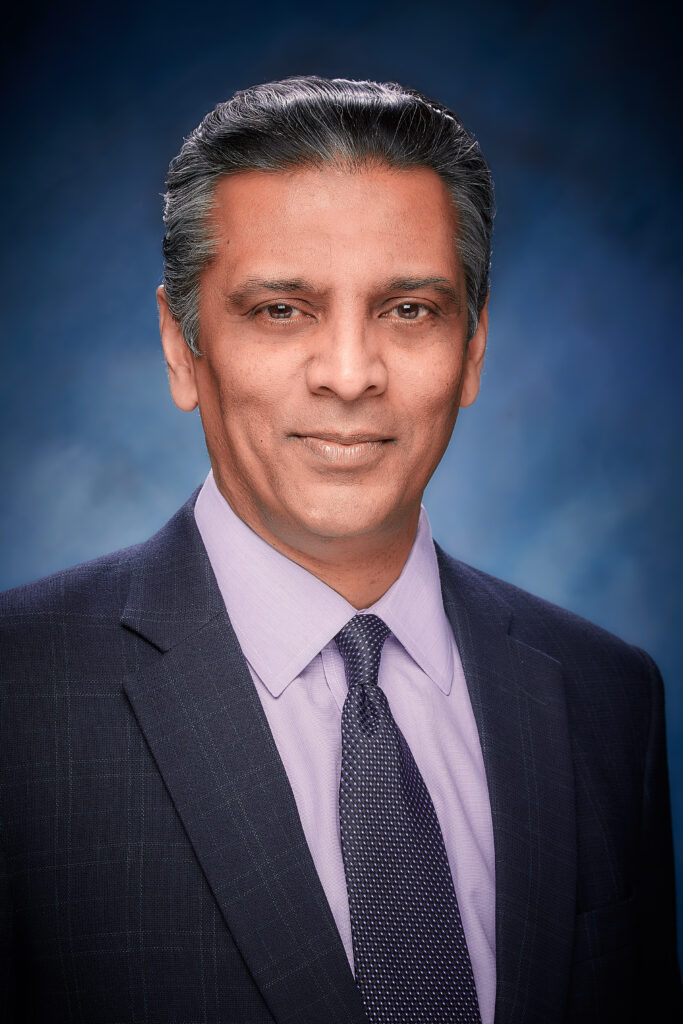
Raj Subramaniam and the art of changing the route
He joined FedEx as an associate marketing analyst in 1991. Three decades later, the chemical engineering graduate inherited Fred Smith’s job - and the task of rethinking how the company connects the world.
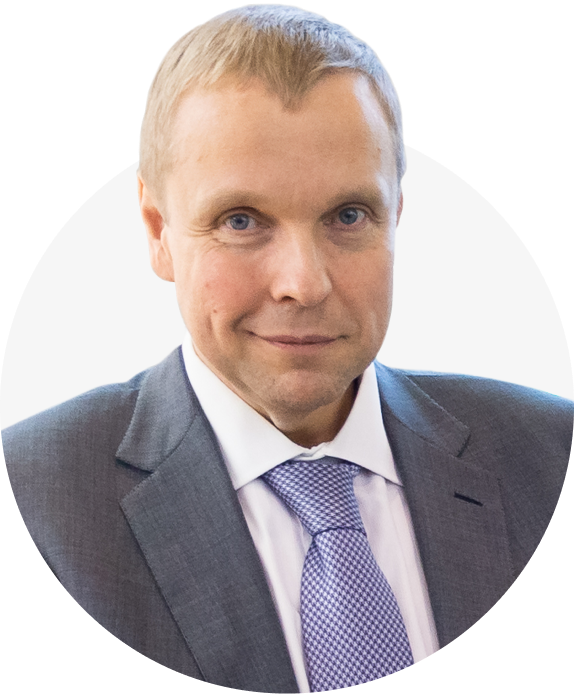
Sergey Pronin and the distance between a factory and a field
From Russian distribution depots to Brazilian crop tours and Baltic ports, Sergey Pronin’s career follows the practical business of getting fertilizer to the people who use it. In March 2026, he became First Deputy CEO of PhosAgro.
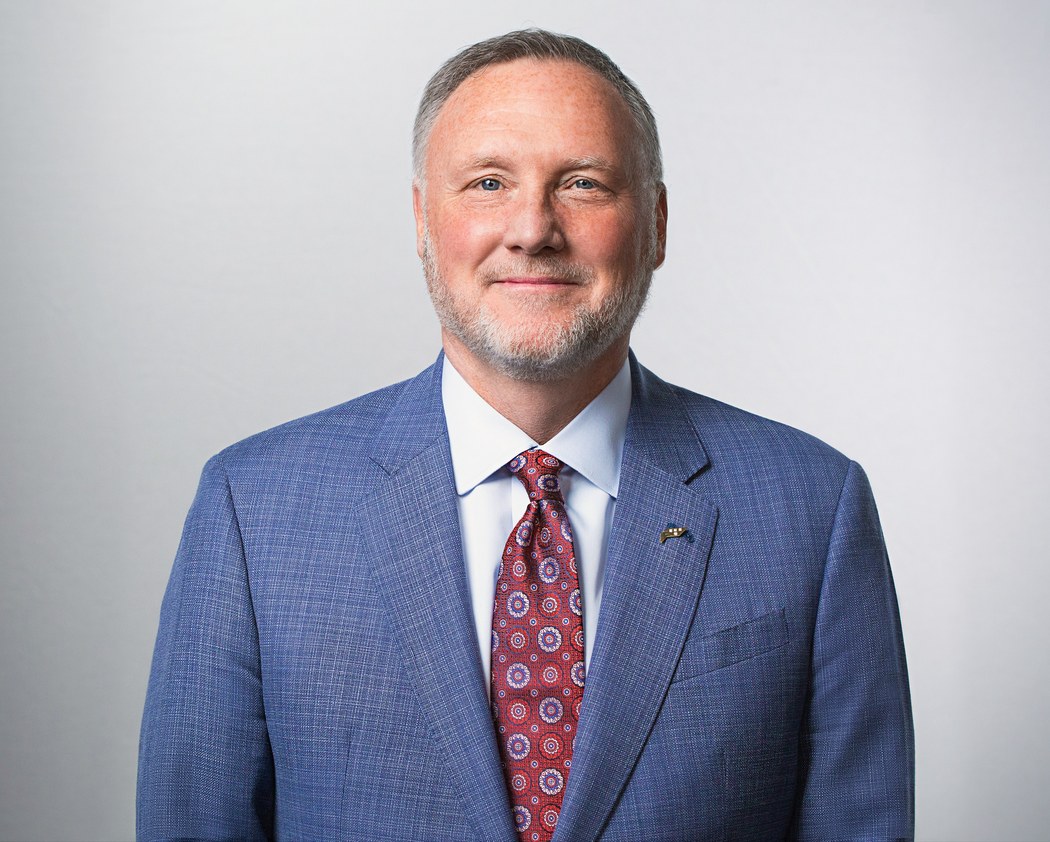
Dan Wall and the interview that almost ended his career before it began
He joined Expeditors to earn a paycheck until he could drive a truck. Thirty-eight years later, Dan Wall became CEO - and the second chance that started his career had become a program for hundreds of young people.
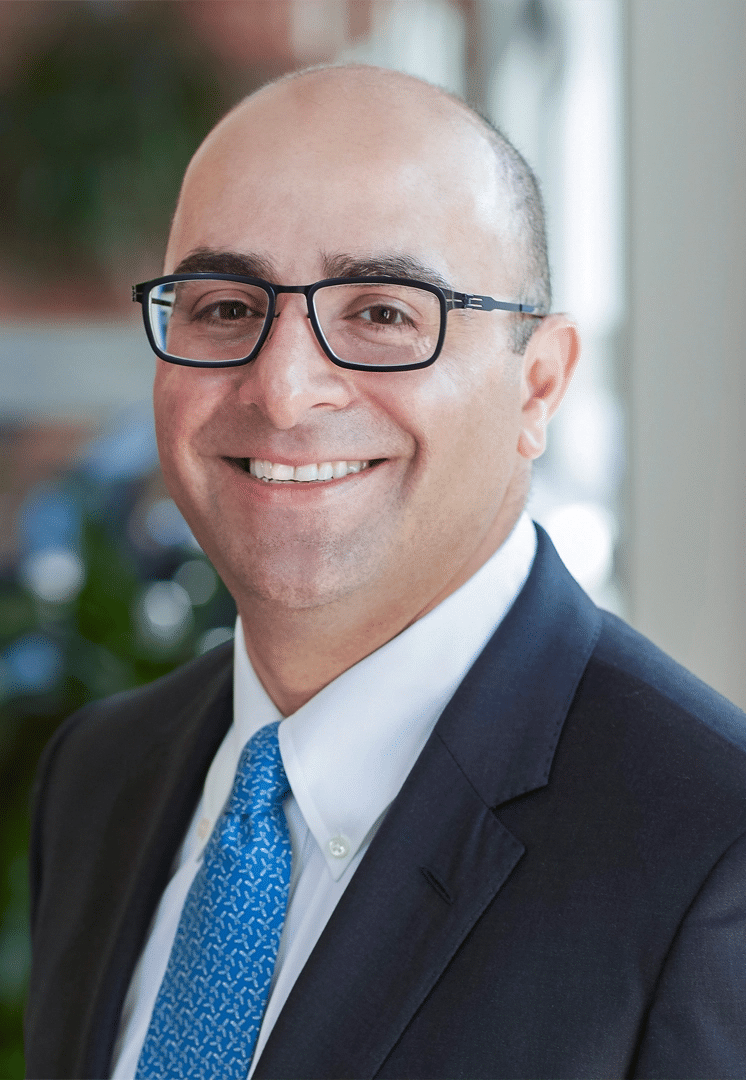
Mario Harik and the art of moving the pieces
XPO’s chairman and CEO began by building software. His education in freight has taken him from Brad Jacobs’s living room to the loading dock, where a good idea still has to survive the next shipment.
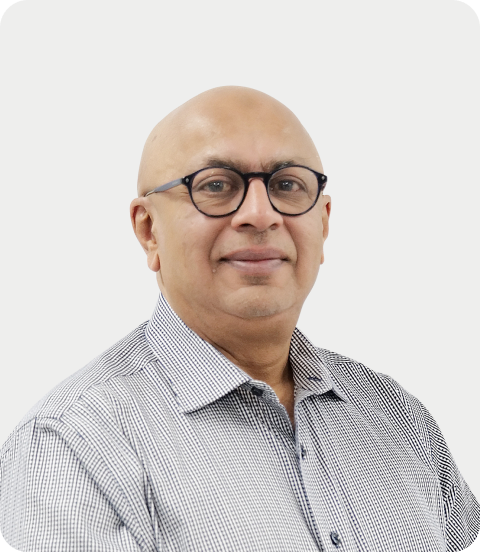
Rizwan Kermalli and the arithmetic of a small parcel
He began as a courier driver in New York. With eShipper, Rizwan Kermalli built a business around a useful proposition: small merchants become harder to overlook when their parcels travel together.
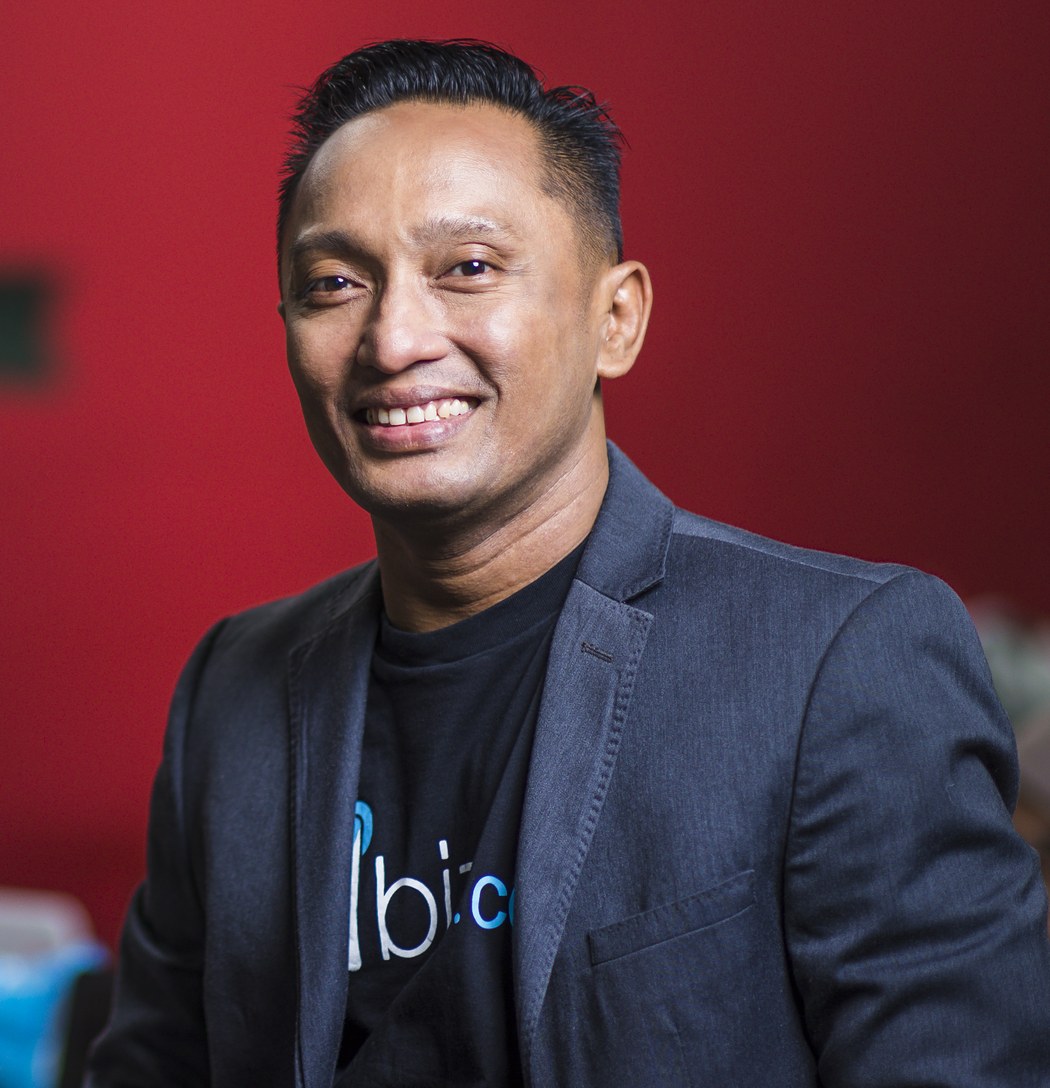
Ryn Hermawan and the business of getting unstuck
Before he became Mbiz’s CEO, Ryn Hermawan helped build the machinery behind Indonesian online shopping. His next assignment: the paperwork, people and payments that decide whether a business can buy anything at all.
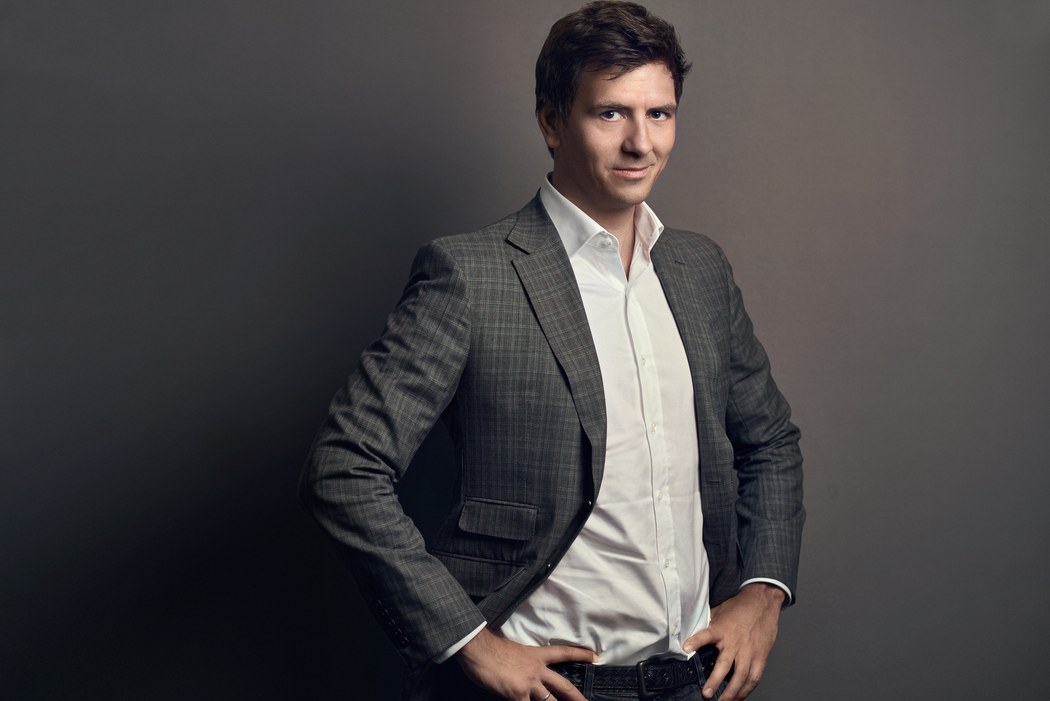
Florian Jansen and the value of waiting fifteen minutes
At Lamoda, a courier could wait while you tried on your clothes. Florian Jansen’s career follows the less glamorous question behind that courtesy: what must a business build to keep its promises?
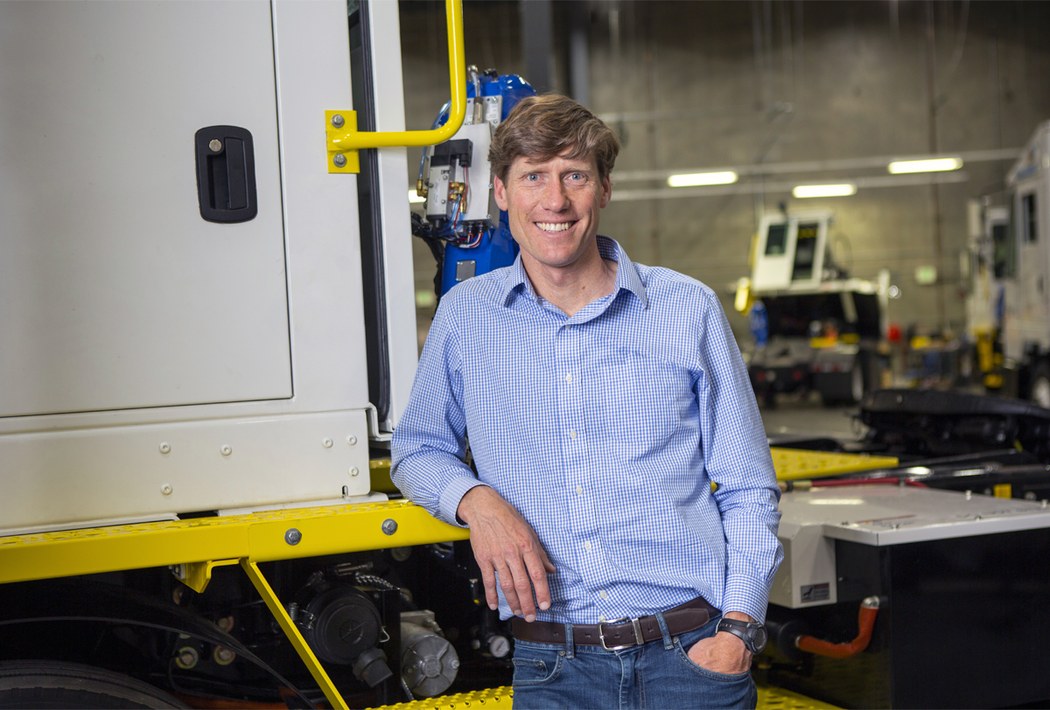
Andrew Smith and the art of going nowhere
He grew up dreaming of Ferraris. He built a business around trucks that stay in the yard. For Outrider founder Andrew Smith, the short trip between a parking space and a loading dock is a place to change how freight moves.