storytelling
(129)
Wayne M. Stanley’s Customers Already Owned the Goods
As a child, he sold his grandparents’ belongings back to them. Years later, the founder of Bowe Digital built a national marketing business around a more lasting exchange: understanding people well enough to help them be understood.
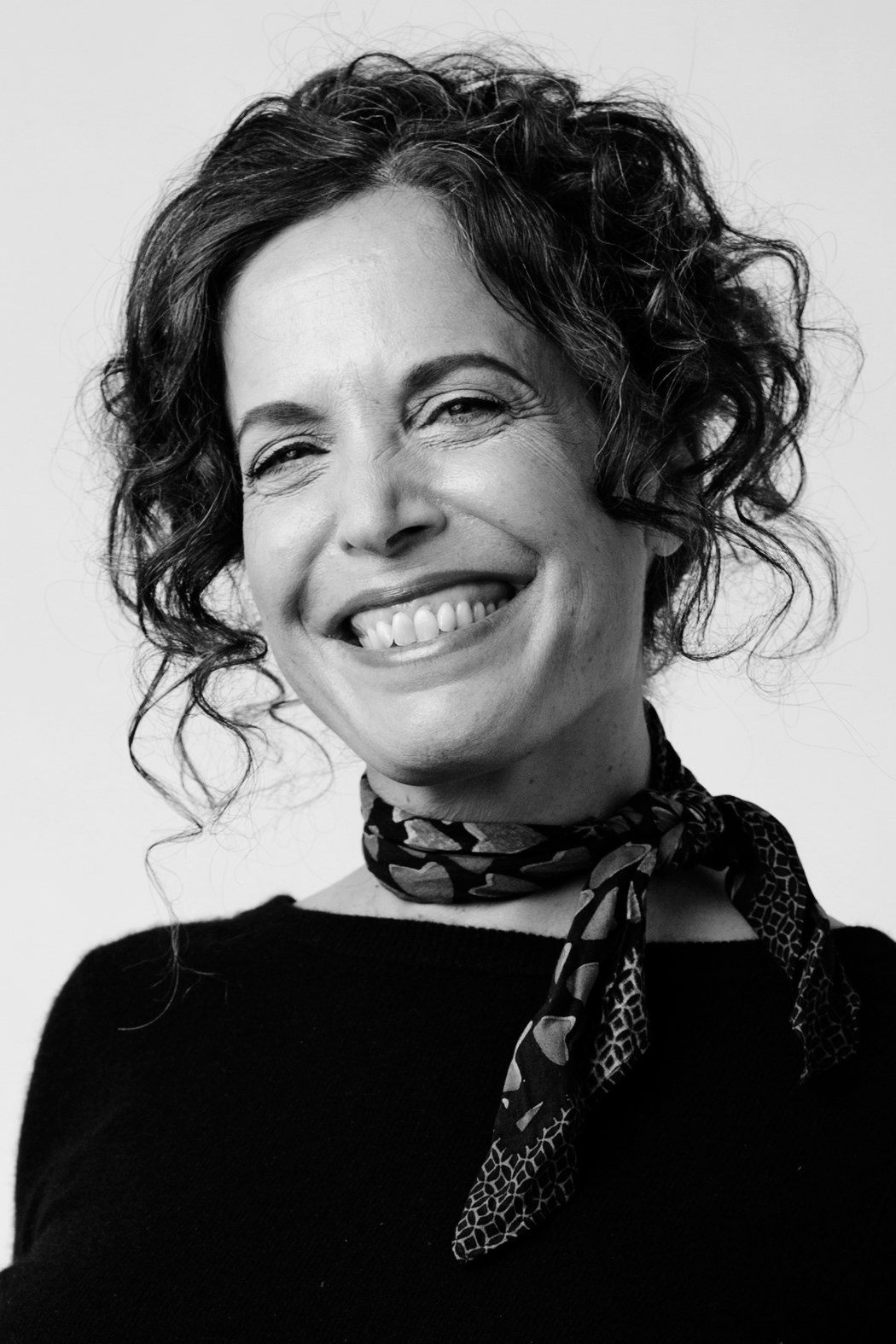
June Cohen and the art of letting an idea escape
She helped take TED from a conference room to the open web, then co-founded WaitWhat. June Cohen’s career turns on a deceptively simple question: who else should get to hear this?

Lux Narayan and the art of hearing everyone else
He helped brands read the room at Unmetric. A book, 2,000 obituaries and a few dozen online classes led Lux Narayan to a different question: what happens when the room gets to answer back?
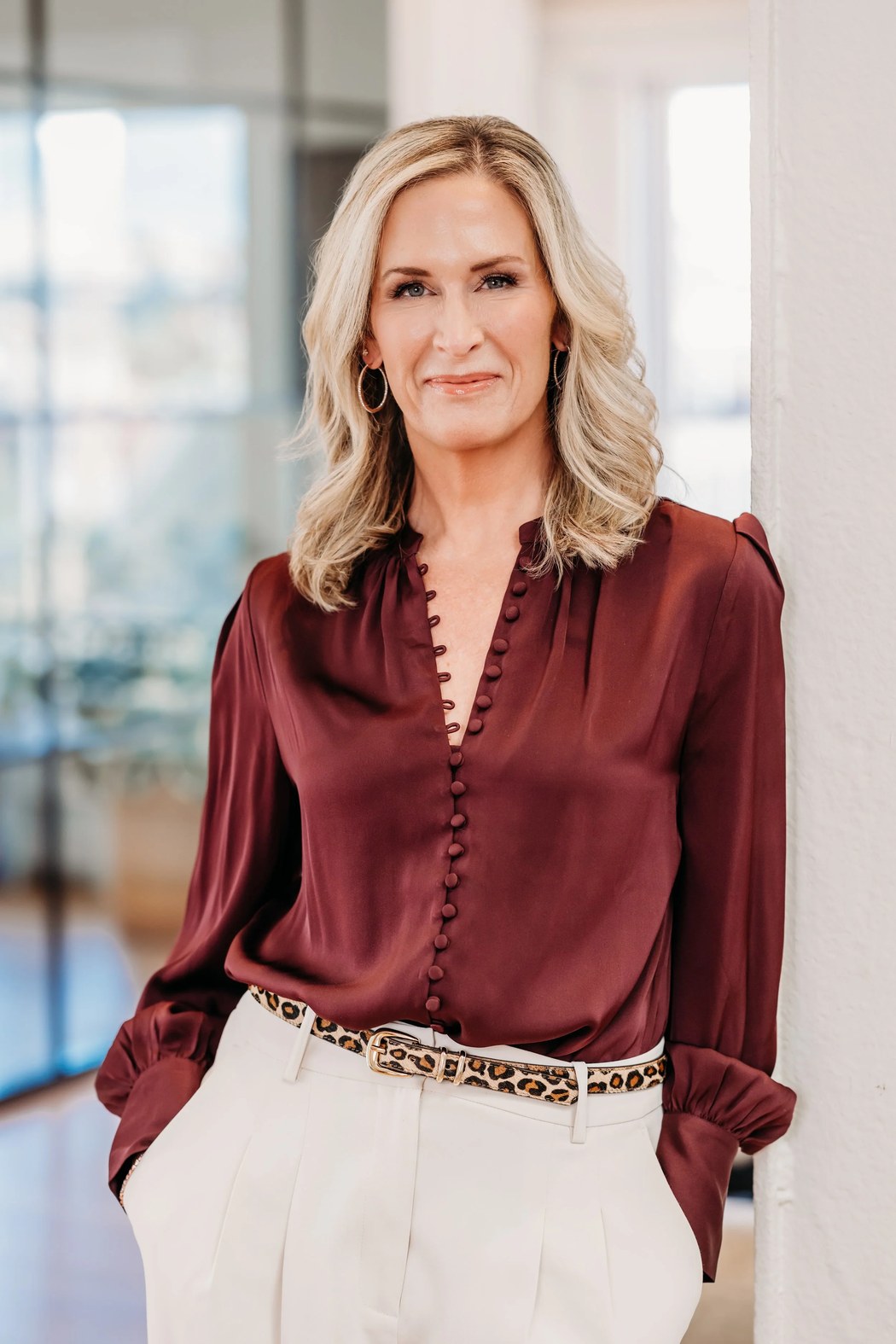
Laura Evans Manatos and the story after the story
She spent 26 years telling viewers what had happened. With Laura Evans Media, the former Washington news anchor turned her attention to the people trying to change what happens next.
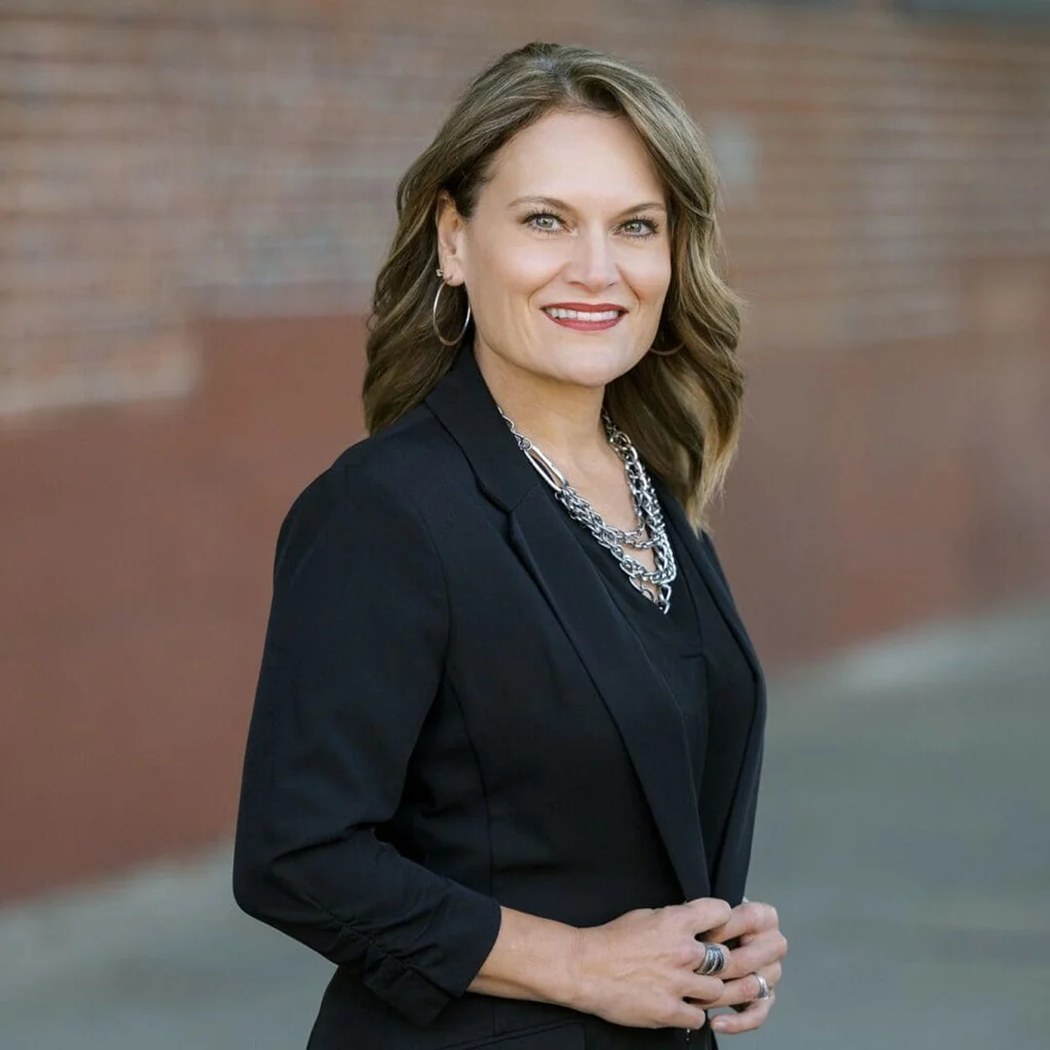
Debi Hammond and the Long Memory of a Good Manager
Before she founded Merlot Marketing, Debi Hammond worked nights and weekends at Taco Bell. Twenty-five years into running an agency, her story keeps coming back to the people who show up.
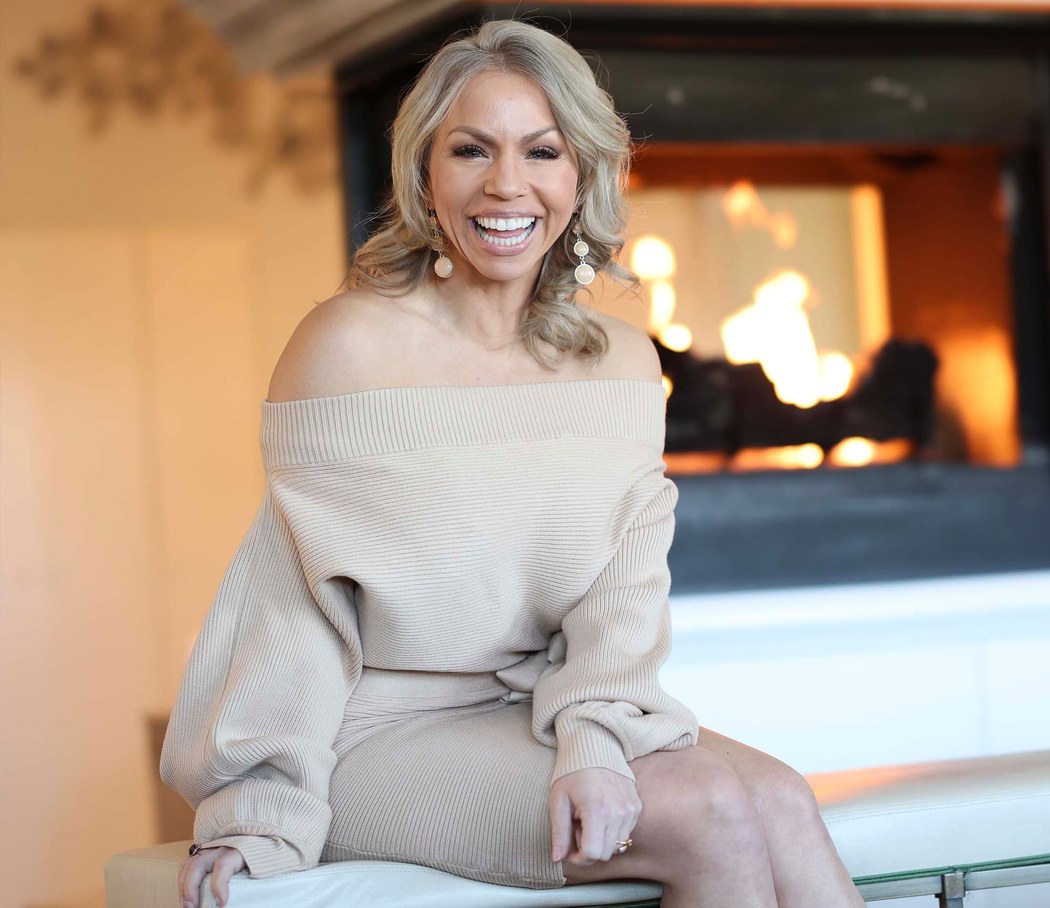
Serena Mastin and the Business Her Mother Talked Her Into
Her mother supplied the nudge, and the name. Serena Mastin built Pulse Marketing around a belief that still shapes her work as a founder and author: people need to feel heard before they will listen.
Martha Shaughnessy and the advantage of keeping the mess
Before she founded The Key PR, Martha Shaughnessy studied how stories change the way people see facts. Then she turned that question on agency life, building a business with room for ambition, children and a former goalkeeper’s idea of teamwork.
Keith Peiris and the trouble with 25 million users
Tome made Keith Peiris a familiar name in AI presentations. Walking away from it forced him to ask a harder question: what would customers actually miss?
Tomás Puig and the question that wouldn’t go away
A late-night call from a CFO exposed the problem Tomás Puig would build Alembic to solve. His route to the answer ran through NASA, Bollywood and a rather different kind of storytelling.
Pablo González wanted Bitcoin to feel ordinary
Before co-founding Bitso, Pablo González made films and videogame advertising. His route through cryptocurrency and back to storytelling reveals a designer interested in what people can actually do with an idea.
Julio Rodríguez Díaz and the business of passing it on
The founder of Red de Mentoring de España has built a career around connecting people who have something to learn from one another. His latest publishing project brings that same instinct home to Asturias.
Beth Monaghan’s experiment in going home
Beth Monaghan built Inkhouse around a wager: people could do ambitious work and still have lives of their own. The agency grew, the employees wrote books, and eventually its co-founder made room for a different kind of work herself.
Shaahin Cheyene and the business of getting heard
He spent years learning how products find buyers. With PodcastCola, Shaahin Cheyene turned the same question toward people: how does a story find the room that wants to hear it?

Nathan Imperiale and the Business of Making People Feel Welcome
His grandfather crossed the world to get to know his clients. Nathan Imperiale brought that lesson to Washington, building a creative agency where the work and the welcome belong together.

Danielle Finck and the business of being heard
She built Elle Communications for people with something at stake. A recession, a Hollywood deal, and a shelf of children’s books help explain her approach to attention.
Justin Nassiri and the Trouble With Looking Successful
He raised venture money, sold companies, and still called the decade a failure. At Executive Presence, the former submarine officer is building a business around the stories a polished résumé leaves out.
Daria González and the business of being understood
Before Wunderdogs, Daria González worked across architecture, journalism and venture capital. Her career keeps returning to one problem: how to get a good idea out of its own way.

Sarah Segal and the art of getting out of the way
She spent years learning which stories deserved attention. Building Segal Communications brought a harder assignment: creating a business that could carry on without her in every conversation.
Elena Favilli and the bedtime story that outgrew Silicon Valley
After years of making children’s apps, Elena Favilli and Francesca Cavallo asked readers to help publish a book about real women. The answer changed the business, and the cast of characters at bedtime.
Mauricio Curts and the run that became an invitation
A 90-kilometer journey through the Sonoran Desert helped Mauricio Curts turn a private love of running into Aire Libre. His work asks what happens when a route leads to people, rather than simply to a finish line.
Daniel Jacobs and the price of believing in someone
A wrestling coach gave Daniel Jacobs something money could not measure. Years later, the Thrive Protocol founder is building a business around the question that followed: how do you reward people for the value they create?
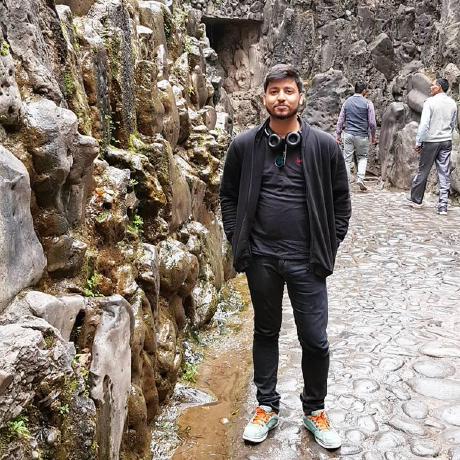
Vaibhav Rai and the distance between a poem and a stadium
A Gurgaon software engineer has credits in immersive Olympic broadcasting and a venture built around words. Vaibhav Rai’s work moves between the machinery of entertainment and the stories people tell each other.

David Parkinson and the advantage of having been the client
Before he co-founded Method Communications, David Parkinson knew what it felt like to hire an agency and be disappointed. His answer began in Salt Lake City and grew through writing, relationships, and partnerships across borders.
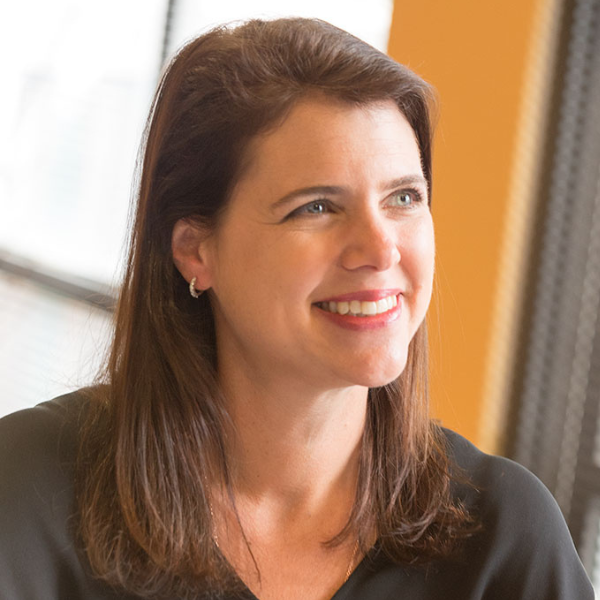
Bethany Andell and the two-year deal that outlasted Hollywood
She came home to Houston for an MBA and a two-year commitment to the family business. Bethany Andell stayed to work on a harder question: how a company makes its story believable.

Kriste Goad and the Business of Starting Over
She trained to report other people’s stories. Then a lost job, an agency of her own and a difficult rebuild gave the Nashville founder a story she could no longer cover from a distance.
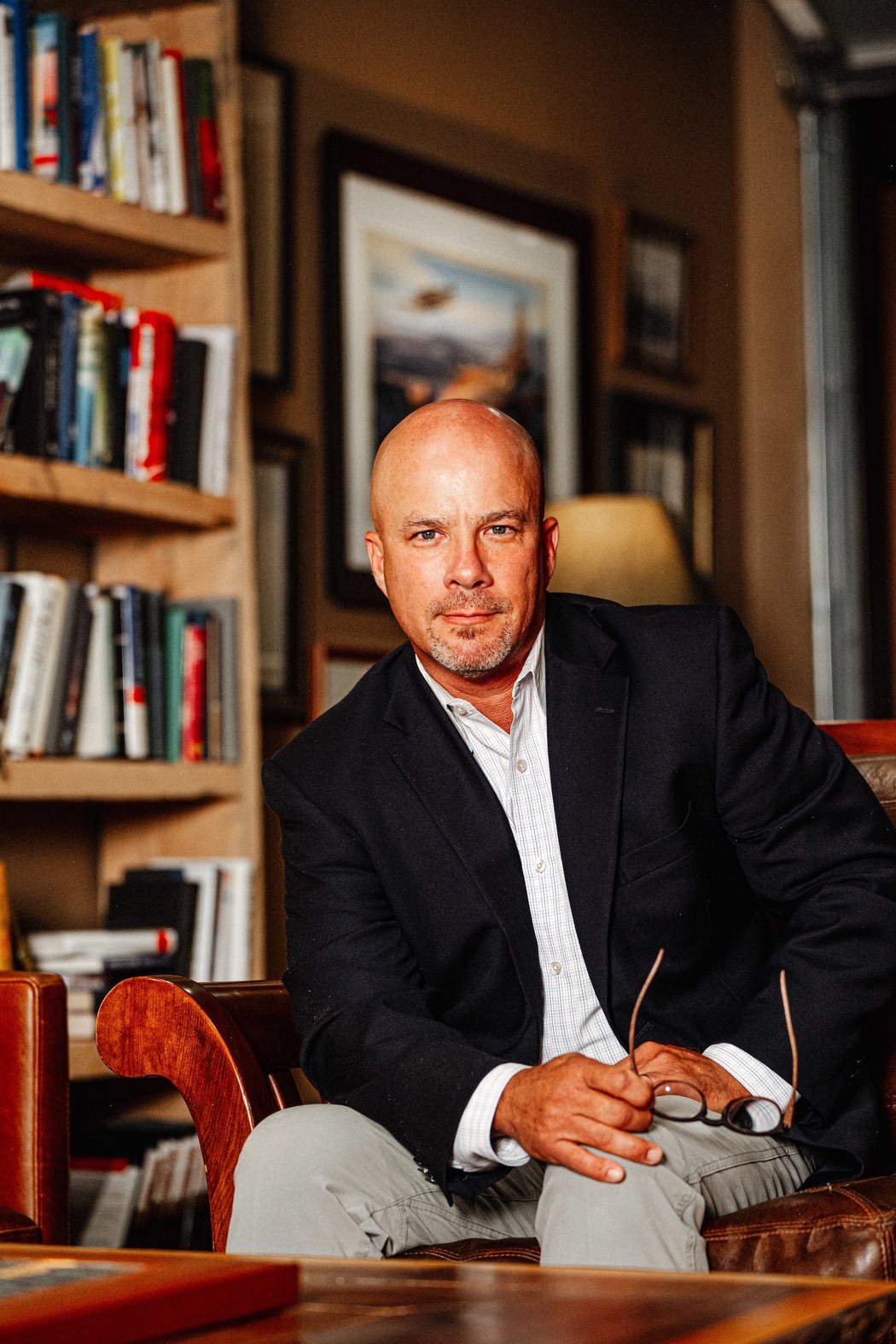
Jeff Tolle and the value of getting your boots dirty
At Idea Ranch, Jeff Tolle’s move from chief creative officer to CEO puts a hunter, angler and longtime agency colleague in charge. His working philosophy begins with knowing the people on both sides of the brief.

Jenny Hoyos Spent Eight Years Learning What One Minute Can Do
She started posting at eight, waited years for an audience, then found a character, a question and a clock. Now Jenny Hoyos is testing whether a million-view Short can become a lasting relationship.

Daniel Kraft Learned to Play the Long Game
Before Daniel Kraft began opening conversations for Clay, he learned to recover a round, carry a team and make a story land. His route from a California golf course to Brooklyn sales is a study in useful range.
The Publicist Who Wanted a Seat Before the Table Was Built
Derris built its reputation by entering the room before the press release existed - helping founders decide what their companies meant, then making that meaning travel. Its wager was simple: the best publicity begins as a business decision.

The Ad Agency That Put the Commercial on the Spreadsheet
FIG built a creative agency around a stubborn question: if ads are measured so obsessively, why is the ad itself still a mystery? Its answer is a small senior team, a large appetite for stories, and a machine that turns creative choices into data.