government-technology
(80)
Richard Schwartz and the business of knowing people
Before co-founding Clearview AI, Richard Schwartz worked in New York City government, welfare-to-work consulting and newspaper opinion. His route into facial recognition runs through a career spent connecting public institutions with private enterprise.

Concept Plus changes the engine while it runs
Government software rarely gets a clean slate. Concept Plus has built its business around a harder assignment: modernize the systems people already depend on, while keeping them working.

DataHouse and the art of staying useful
Schools, banks, and hospitals cannot pause for a software upgrade. Hawaii’s DataHouse has built a business around that inconvenient fact.

Sentinel Offender Services: The bracelet is only the beginning
An ankle monitor can tell you where someone went. Sentinel built a business around what happens next - and who pays for it.

Resultant makes the hard part work
A career tool inside an unemployment claim. A factory migration that finishes before Monday. Resultant builds its consulting business around the awkward distance between a good idea and a working system.

cBEYONData + SMX: Follow the money. Fix the machinery.
Government money moves through enormous systems. cBEYONData + SMX works in the awkward space between recording a transaction and understanding what it means.
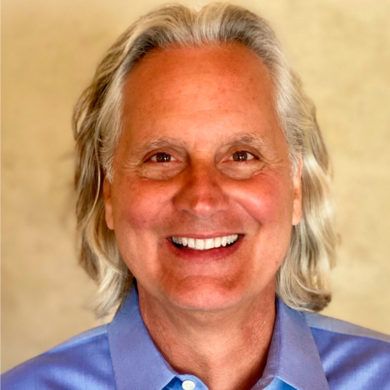
Robert Bonavito and the business of getting everyone on the same page
He founded iTradeNetwork, the food-industry software business acquired for $525 million. His later work at JAGGAER and Springbrook followed a familiar problem: helping people and systems exchange information that matters.

David Phelps and the long way to an open door
A Navy port call helped shape his view of Israel. Decades later, Merlin’s founder is working on another kind of passage: getting cybersecurity companies into the U.S. government market.

Tim Hwang’s Washington education began before graduation
At 17, Tim Hwang won a seat on a school board. Four years later, he co-founded FiscalNote to make government easier to read. The distance between those two jobs is smaller than it looks.
MERP makes the paperwork move.
A pesticide application, a laboratory audit, a gambling license. MERP Systems connects the records and decisions behind public services - with Microsoft software and a taste for the administrative weeds.

Felix Ruano and the problem of getting in
A scholarship helped Felix Ruano reach Harvard. With Subject, he built a route to accredited courses. Now he is taking the same question of access to local government.

Chini Krishnan and the art of removing a step
From digital credentials to government software, the GetInsured co-founder keeps returning to a practical question: what gets between a person and a finished task?
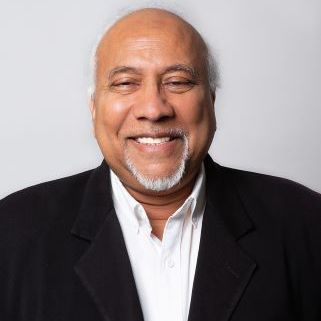
Shyam Salona and the Case for Staying Small
He started REI Systems in a townhouse basement with Veer Bhartiya in 1989. Decades later, Shyam Salona is still working on the same question: how do you grow a company without losing the small teams that made it worth building?
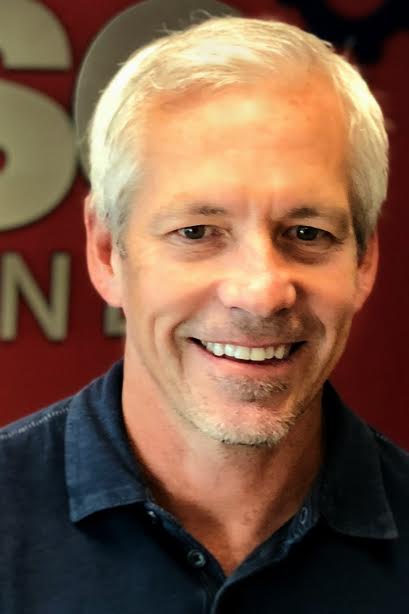
Don Armstrong and the Distance Between a Car and Its Paperwork
From campaign-finance software to digital vehicle titles, Vitu’s co-founder has spent a career connecting people with government systems. In 2026, he added a doctorate to the undertaking.

Ward Komers and the things that have to fit
He co-founded NEOGOV, moved into municipal finance, and spends time rebuilding old Porsches. Across those pursuits, Ward Komers keeps returning to the practical business of making things work.
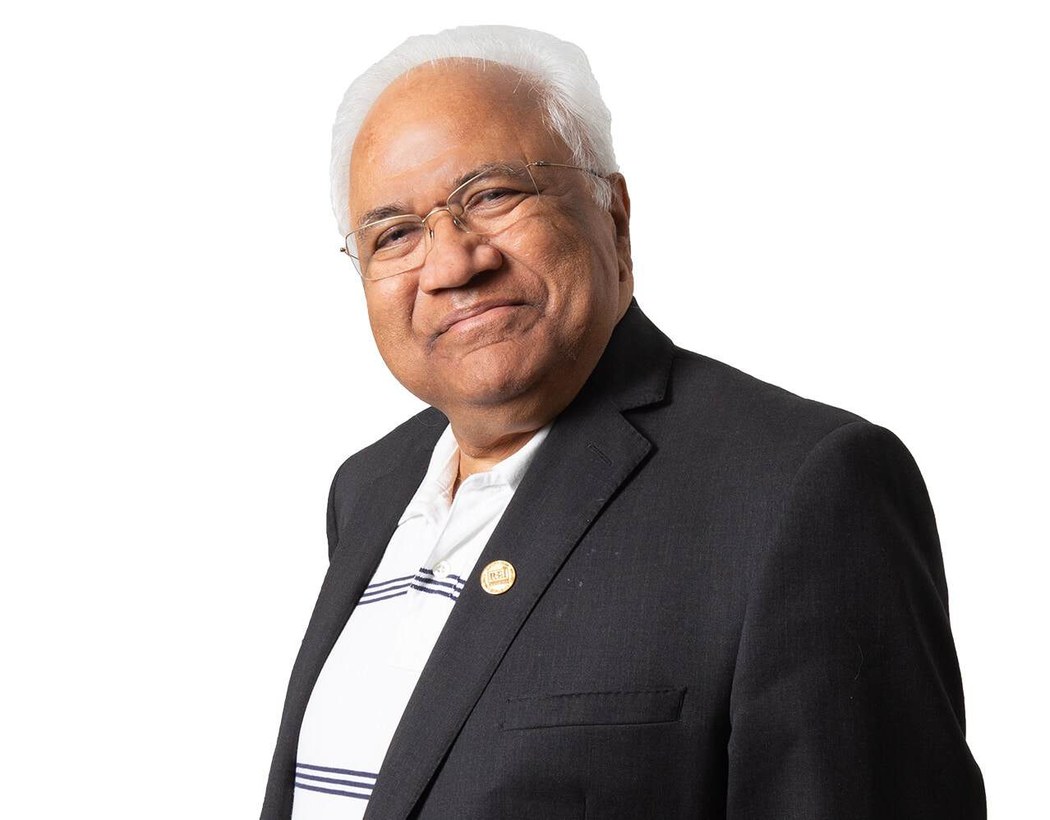
Veer Bhartiya knew when to say no
A contract could have tripled his young company. He and his co-founder passed. The decision helps explain how an engineer from India built a working life around keeping promises.

Vassar Labs connects the dots before the water rises
A reservoir, a farm and a city pipe share the same water. Vassar Labs builds software to help the people managing them see the same picture.

AstreaX: The DMV without the detour
The Arizona software company helps governments put motor vehicle services in citizens’ hands. Its most interesting idea is giving states control of the code - and its hardest lesson is that free code still needs a budget.

SGS Technologie makes the paperwork move
A $396,840 county website contract reveals the business behind SGS Technologie: turning the slow, awkward machinery of organizations into software people can actually use.

John Wasson and the art of staying curious
He joined ICF in 1987 and kept finding reasons to stay. Nearly four decades later, John Wasson’s interests run from government technology to coffee science and California art.

Dakin Sloss and the things a spreadsheet cannot fix
He helped start OpenGov, took physics into the oil field, and built a venture firm for scientific founders. Dakin Sloss keeps returning to the same practical question: what will it take to make an ambitious idea work?

Botan Osman and the Trouble Between the Systems
From government IT in Kurdistan to Restrata’s security software, Botan Osman has spent his career connecting things that struggle to talk to one another. His approach leaves room for a decidedly human ingredient: getting people together.

CGI built a business on staying
The technology industry loves a launch. CGI makes its living in the years that follow, when banks, utilities and governments need the machinery to keep working.
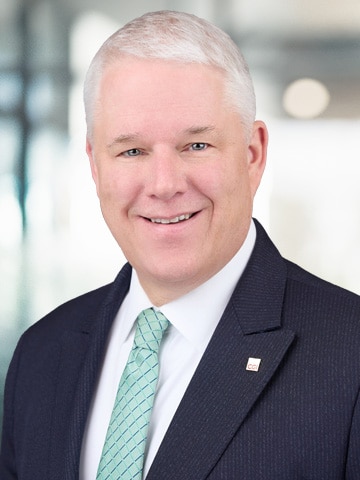
Tim Hurlebaus and the education of a payday
His first assignment helped pay 32,000 people around the world. Now CGI’s CEO, Tim Hurlebaus faces a new test: making the promises of artificial intelligence work where the consequences are real.

Horacio Rozanski and the forty-five-day clock
He arrived in Wisconsin looking for an education and joined Booz Allen as a summer intern. Three decades later, Horacio Rozanski is trying to make a century-old institution move at the speed of the technology it builds.
Synapse ITS and the trip you never take
A traffic signal breaks. Before a technician turns the ignition, Synapse ITS wants them to know why. Its bet on connected roadside hardware puts the humble maintenance call at the center of smarter streets.
NEOGOV and the art of getting government hired
A public health agency reported cutting its hiring time from 130 days to 61. NEOGOV’s story lives in the paperwork, handoffs, and human habits behind those missing 69 days.
Career Team works on the space between jobs.
A job opening is only the beginning. Career Team runs workforce programs and builds the software that helps people move from an application to a working life.

Scott Burns and the trouble with knowing everyone
He built GovDelivery to help government reach people. Then a binder full of employee photographs sent Scott Burns looking for a better way to connect the people inside a company.

SCRAM Systems and the hours between tests
A bracelet that checks for alcohol every 30 minutes changed what courts could see. The harder question is what they do with the information.