A dot on a map is an oddly modest thing to build a business around. It says someone was here, then there. It cannot explain why they missed an appointment, whether their battery needs charging, or what an officer should do next. Sentinel Offender Services occupies that gap between a recorded movement and a human decision. The ankle bracelet is the part everyone recognizes. Much of the work happens elsewhere.
- Sentinel sells agencies a combination of devices, software and staffed supervision.
- Its services extend from home confinement to alcohol testing and community programs.
- Participant fees and public accountability are central to understanding the business.
01 / The signal needs a response
Founded by Robert Contestabile in 1993, Sentinel serves courts, probation and parole departments, and corrections agencies. These customers need ways to supervise people outside custody, document compliance and respond to possible violations. Sentinel offers equipment, the SentinelDNA software platform and a National Monitoring Center that operates around the clock. The agency buys a service; the person under supervision lives with its requirements.
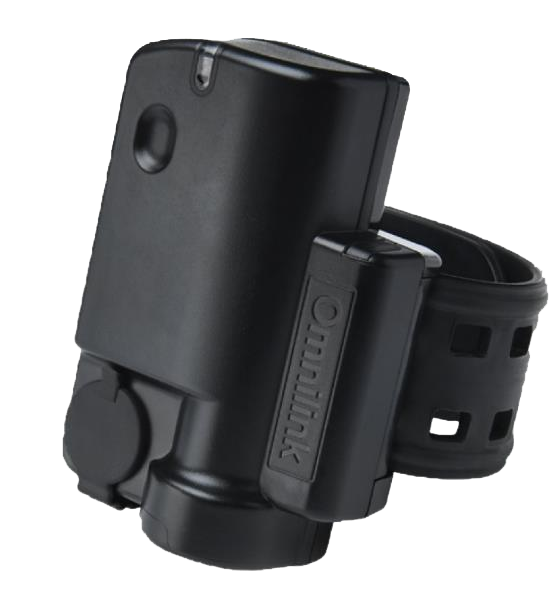
Consider its OM500. The ankle-worn device combines GPS, Wi-Fi and cellular location technologies. It can deliver voice messages, vibrations, lights and tones to the participant. Radio-frequency equipment serves a different purpose: checking presence at home against a curfew. Remote breath testing and transdermal alcohol monitoring address another condition altogether. The catalog reflects the many things a court might require someone to do.
SentinelDNA gathers location records and supervision tasks in one interface. Officers can record payments, drug test results and court documents, while field verification captures contacts outside the office. Monitoring center operators review alerts under agency guidelines and notify officers by message or live call. This is Sentinel’s practical pitch: fewer handoffs between the hardware, the case file and the person answering the phone.
- 01DeviceLocation and status
- 02SentinelDNARecords and alerts
- 03Monitoring staffReview by protocol
- 04AgencySupervision decision
For an agency comparing suppliers, that means asking very ordinary questions. Who installs the equipment? Who handles an unexplained alert overnight? Who updates a changed curfew? Sentinel’s monitoring center describes help with schedules, location zones and participant records. These details are easy to overlook beside a device specification. They determine how much work stays on an officer’s desk.
02 / Someone still gets the bill
There are two very different ways to admire an alternative to incarceration. An agency can appreciate the budget relief. A participant can appreciate being able to remain in the community. Whether both benefit depends partly on the bill. Sentinel offers participant-funded programs, with fees it says reflect a financial assessment and an agency-approved schedule. Shifting an expense away from taxpayers does not make that expense disappear.
A public proposal makes the numbers concrete. In August 2025, Sedgwick County’s procurement minutes listed Sentinel’s remote breath alcohol service at $4.50 per day and continuous SCRAM alcohol monitoring at $5.50. These were prices for that procurement, not a national consumer tariff. Over 30 days, the first rate becomes $135. Contract scope and who pays still matter.
Sentinel’s 2025 Sedgwick County proposal. Illustrative multiplication, not a participant invoice.
The county chose Greenfeather Monitoring, the incumbent, following a scored evaluation. BI Incorporated and Securus Monitoring also submitted proposals. Here is a useful correction to the gadget story: vendors compete on the service surrounding the device. Enrollment, installation, troubleshooting and availability count. A low price in one line of a proposal does not settle the purchasing decision.
03 / The court order matters
The funding model also has a legal history. In 2016, two women in White County, Georgia, sued Sentinel over alleged unauthorized drug testing and coercive payment practices. The 2017 resolution required written court authorization for drug screening and barred threats of jail solely for nonpayment. It also required hardship information and made an $80,000 reimbursement fund available, plus $25,000 in attorneys’ fees.
That settlement records changes to conduct, rather than an internal conversion story. For buyers, it offers concrete safeguards to copy: written authority for requirements, clear hardship procedures and training for staff collecting money. Sentinel itself states that it cannot arrest people or issue warrants. The boundary between contractor and court needs to survive every interaction with a participant.
04 / A place to go, not just a place to stay
In Las Vegas, Sentinel’s work takes a less familiar form. Its day reporting center, opened with Nevada’s Division of Parole and Probation in October 2017, brings supervision and support into one location. A participant can meet an officer, complete testing and attend classes without crisscrossing town. The company describes transit vouchers, employment help and even clothes for job interviews. Logistics becomes part of rehabilitation.
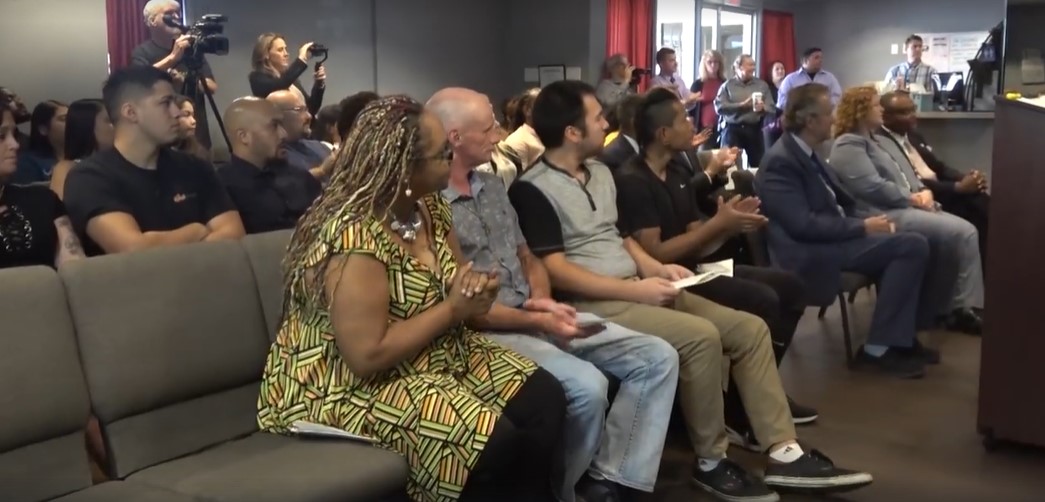
UNLV researchers tested the Nevada program by randomly assigning 404 people to day reporting or traditional supervision. Their 2019 brief found significantly less absconding in the day reporting group. Differences in new charges and technical violations were not statistically significant. Graduates showed stronger results on several measures, but graduates are a selected subset. Those distinctions matter before promising the same outcome somewhere else.
“Support Available When You Need it”Sentinel’s monitoring center promise
The distinction also changes what an agency should measure. Completing a course, keeping housing and avoiding a new charge answer different questions. Counting devices in use tells a buyer little about any of them. A supervision program needs evidence tied to the result it actually seeks.
05 / Buying the missing pieces
Sentinel has expanded through acquisitions. Bison Capital invested alongside its 2012 purchase of G4S Justice Services. In 2022, Sentinel Advantage bought Sierra Wireless’s Omnilink business for $37.6 million in cash. That brought the OM500 business into the group after a supplier relationship lasting more than a decade. The seller said it would continue supplying connectivity and embedded modules.
Then the buyer became the acquisition. Allied Universal announced its purchase of Sentinel on July 6, 2026; a later company update gives July 2 as the closing date. It plans to combine Sentinel with its existing electronic monitoring operation. The stated rationale is broader products, support and technology investment. Integration is the next test of that promise.
The lesson travels beyond corrections: connect a signal to someone responsible for responding, then test the outcome. In supervision, the conditions are demanding. Reliable communications, lawful requirements, affordable payment arrangements and agency follow-through all matter. A location record cannot supply a home, a job or sound judgment. Sentinel’s business is most interesting where those limits force the technology to meet the rest of a person’s life.