government-technology
(33)
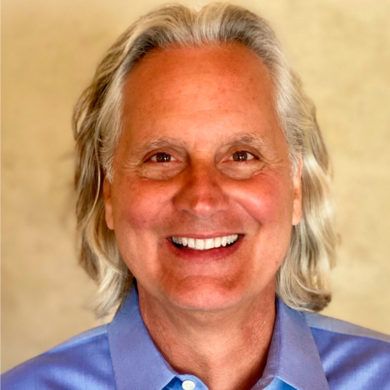
Richard Schwartz and the business of knowing people
Before co-founding Clearview AI, Richard Schwartz worked in New York City government, welfare-to-work consulting and newspaper opinion. His route into facial recognition runs through a career spent connecting public institutions with private enterprise.
Robert Bonavito and the business of getting everyone on the same page
He founded iTradeNetwork, the food-industry software business acquired for $525 million. His later work at JAGGAER and Springbrook followed a familiar problem: helping people and systems exchange information that matters.

David Phelps and the long way to an open door
A Navy port call helped shape his view of Israel. Decades later, Merlin’s founder is working on another kind of passage: getting cybersecurity companies into the U.S. government market.

Tim Hwang’s Washington education began before graduation
At 17, Tim Hwang won a seat on a school board. Four years later, he co-founded FiscalNote to make government easier to read. The distance between those two jobs is smaller than it looks.

Felix Ruano and the problem of getting in
A scholarship helped Felix Ruano reach Harvard. With Subject, he built a route to accredited courses. Now he is taking the same question of access to local government.
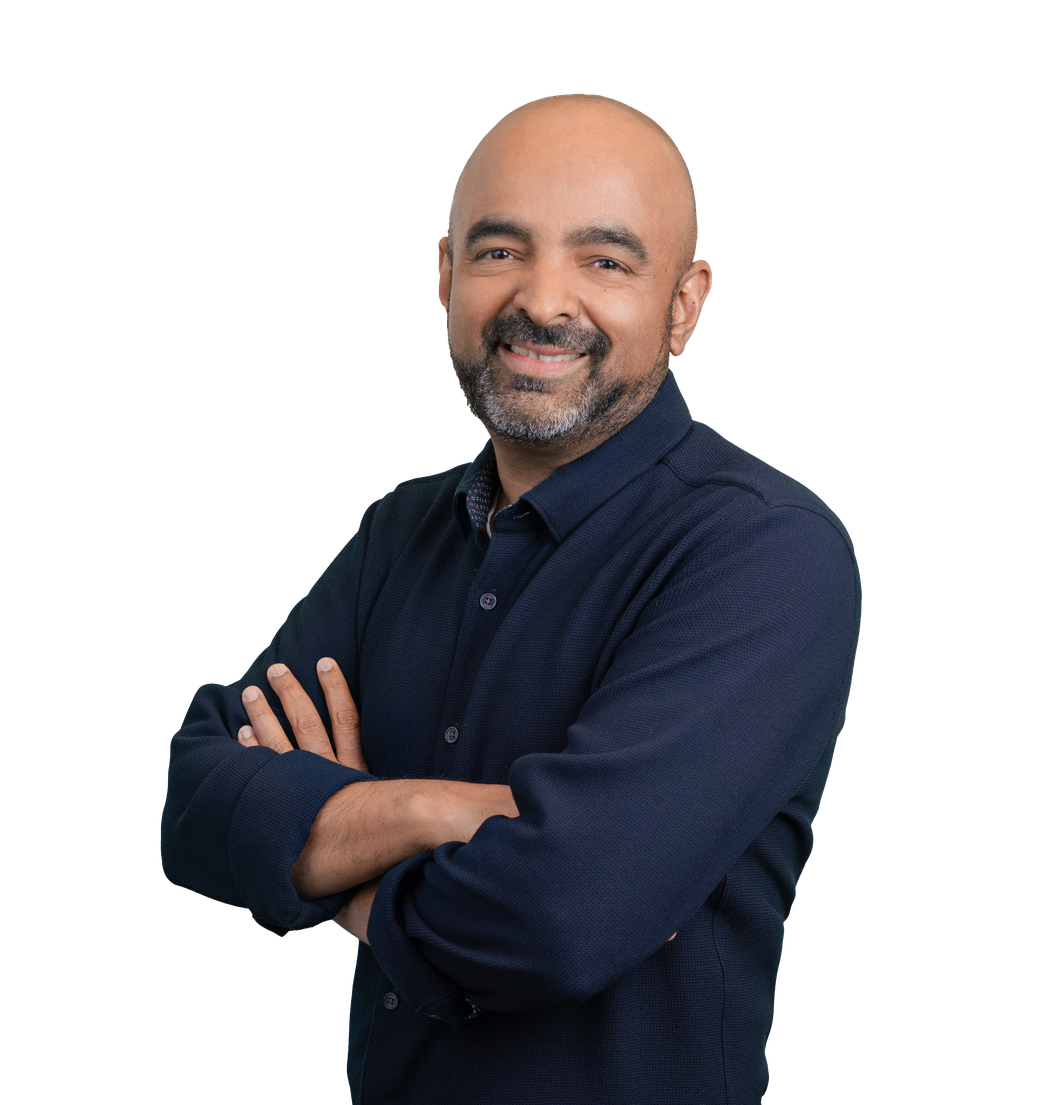
Chini Krishnan and the art of removing a step
From digital credentials to government software, the GetInsured co-founder keeps returning to a practical question: what gets between a person and a finished task?
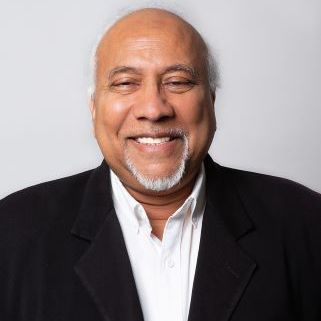
Shyam Salona and the Case for Staying Small
He started REI Systems in a townhouse basement with Veer Bhartiya in 1989. Decades later, Shyam Salona is still working on the same question: how do you grow a company without losing the small teams that made it worth building?
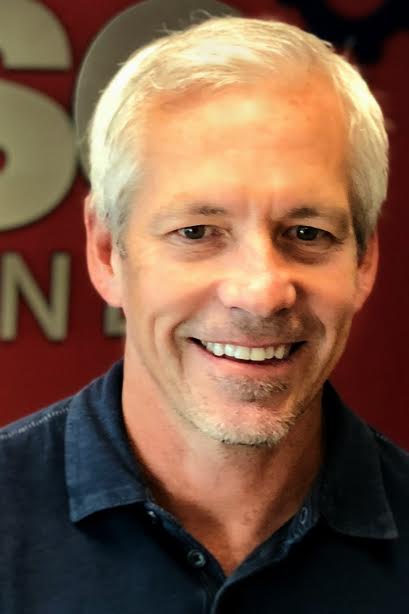
Don Armstrong and the Distance Between a Car and Its Paperwork
From campaign-finance software to digital vehicle titles, Vitu’s co-founder has spent a career connecting people with government systems. In 2026, he added a doctorate to the undertaking.

Ward Komers and the things that have to fit
He co-founded NEOGOV, moved into municipal finance, and spends time rebuilding old Porsches. Across those pursuits, Ward Komers keeps returning to the practical business of making things work.
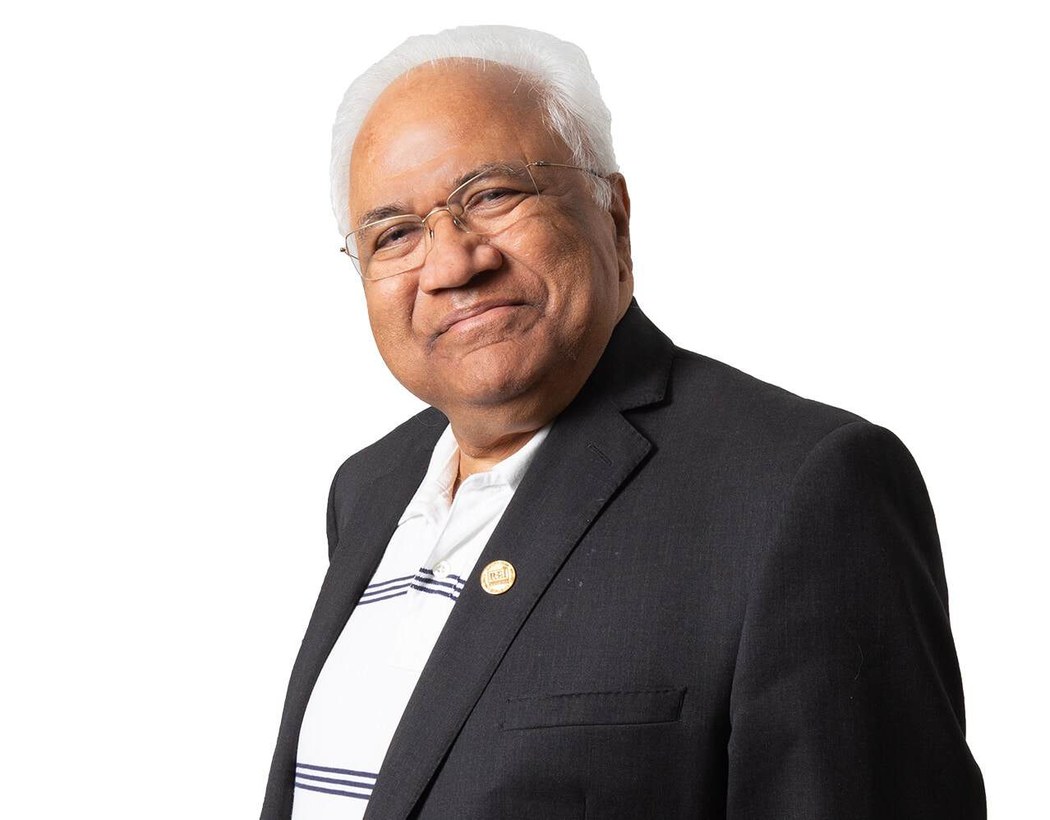
Veer Bhartiya knew when to say no
A contract could have tripled his young company. He and his co-founder passed. The decision helps explain how an engineer from India built a working life around keeping promises.

John Wasson and the art of staying curious
He joined ICF in 1987 and kept finding reasons to stay. Nearly four decades later, John Wasson’s interests run from government technology to coffee science and California art.

Dakin Sloss and the things a spreadsheet cannot fix
He helped start OpenGov, took physics into the oil field, and built a venture firm for scientific founders. Dakin Sloss keeps returning to the same practical question: what will it take to make an ambitious idea work?

Botan Osman and the Trouble Between the Systems
From government IT in Kurdistan to Restrata’s security software, Botan Osman has spent his career connecting things that struggle to talk to one another. His approach leaves room for a decidedly human ingredient: getting people together.
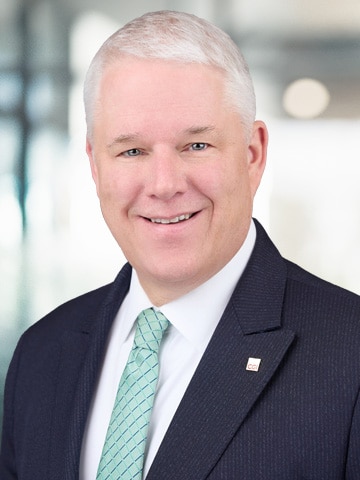
Tim Hurlebaus and the education of a payday
His first assignment helped pay 32,000 people around the world. Now CGI’s CEO, Tim Hurlebaus faces a new test: making the promises of artificial intelligence work where the consequences are real.
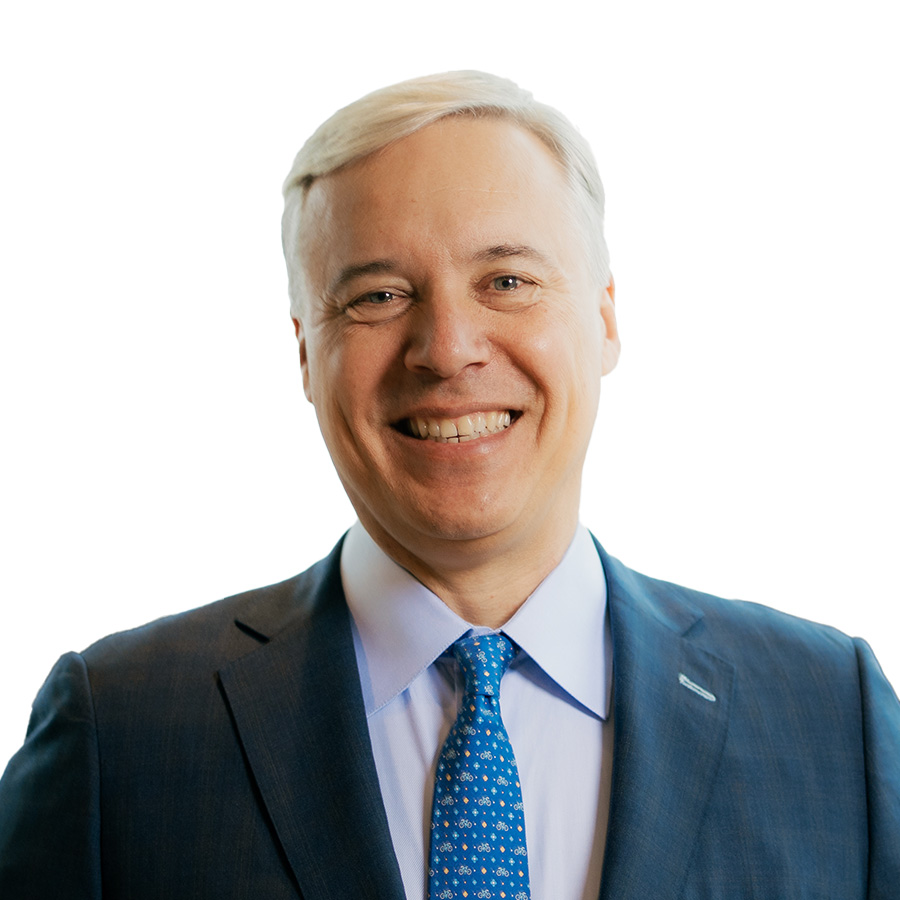
Horacio Rozanski and the forty-five-day clock
He arrived in Wisconsin looking for an education and joined Booz Allen as a summer intern. Three decades later, Horacio Rozanski is trying to make a century-old institution move at the speed of the technology it builds.

Scott Burns and the trouble with knowing everyone
He built GovDelivery to help government reach people. Then a binder full of employee photographs sent Scott Burns looking for a better way to connect the people inside a company.

John Parris and the Plan That Grew Too Small
John Parris helped turn a small electronics venture into Smartronix, the business behind SMX. His next chapter at Parraid returns to an ambition that was there at the beginning: making products.
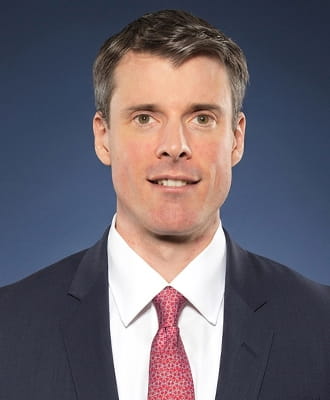
Matt Norton and the business of making technology work
After more than two decades at Madison Dearborn Partners, Matt Norton is building Watch Point Capital. His path runs through government software, space cybersecurity and the practical work of helping technical companies grow.
Todd Stottlemyer and the company he keeps
A freshman roommate, a research assignment, a circle of mentors. The Acentra Health CEO’s career shows how relationships can outlast job titles - and change what a leader chooses to do with them.

Joe Benavides and the work before the growth
Before OceanSound could help other businesses grow, Joe Benavides had to build his own. His approach to ownership starts with the unglamorous things that make ambitious plans possible.
Varun Tandon and the work before the road
Before a city can change a street, someone has to make a plan. Varun Tandon, co-founder and CEO of Waypoint Transit, is bringing his Microsoft AI experience to that long, consequential prelude.

Lauren Knausenberger and the Fine Art of Making Government Software Move
A teenage cryptography internship led to a bar-napkin pitch, a $17 billion technology portfolio and a career-long campaign against software that arrives after the moment has passed.

Chris Riotta Learned to Read Washington’s Threat Model
He started in internet culture, spent three years watching American politics up close, and now edits coverage of the systems beneath both. Chris Riotta’s beat has narrowed even as its consequences have widened.

LaRel Rogers Knows the Government Market Is Not a Side Quest
From a federal marketing fellowship to the knotty business of getting commercial software into government, Rogers has built a career translating between two worlds that rarely share a dictionary.
Lisa Hasen Is Making Government Software Easier to Understand
After nearly two decades marketing specialized software, Lisa Hasen has arrived at Catalis with a deceptively difficult brief: explain the technology behind everyday government, then build a team that can make the explanation matter.

Suzanne Behrens Spent 30 Years Making Government Technology Feel Human
She helped scale Microsoft's public-sector business from $100 million to more than $3 billion, then spent her final CMO chapter replacing mass marketing with precision. Her enduring idea is simpler than the software: sales and marketing should share the work, the numbers, and the consequences.

Kelsey Hersey Markets the Moment Between a Screen and the Outdoors
The Brandt CMO has built a career around an unusual brief: use data, design and government technology to help more people step away from their screens and into the outdoors.

Zhensen Huang Spent a Decade in the Quiet Part of Building
Before the awards, the contracts and the AI workshops, Precise Software Solutions was a two-person company with a long runway and no obvious breakthrough. Huang's useful lesson is what happened during the wait.

Doug Layne
Doug Layne is the President and CEO of ClearCube Technology, a Cedar Park, Texas manufacturer of secure endpoint devices for virtual desktop infrastructure. He joined ClearCube in 2001 and rose through general management and global sales leadership before taking the top job. He now steers the company's focus on US-built zero clients, thin clients, blade PCs and secure KVM hardware serving government, military, healthcare and enterprise customers.

Chris Foreman
Chris Foreman is the co-founder and CEO of Marketplace.city, a Chicago-based govtech platform that helps local governments find, validate, and buy new technology with the help of real pricing, contract, and outcome data. Before building Marketplace.city, he scaled AvePoint's Americas business from a small team to more than 1,200 employees across 15 countries and launched its public-sector subsidiary, where the company won three straight Microsoft Partner of the Year awards. A Northwestern political science graduate, he has spent 15-plus years in enterprise software and now spends his days trying to drag government buying out of the PDF era.