wellness
(150)
EverybodyFights sells the training camp. You can skip the title fight.
A boxing gym with yoga, treadmills and a cold plunge sounds like a committee’s idea. EverybodyFights built it around a simpler observation: most people want a fighter’s routine without a fighter’s career.
Heyday made the facial a date worth keeping
A New York skincare company took the facial out of the special-occasion drawer. Its real wager is that a familiar esthetician can make a monthly appointment feel more useful than another bottle of serum.
Veracity found its next business in a bottle
Veracity began by asking what hormones could reveal about skin. A metabolic supplement changed the answer - and the direction of the company.

RepeatMD makes the second visit the main event
A restaurant rewards idea found a new home in medical aesthetics. RepeatMD now puts treatments, memberships and financing in patients’ pockets - and gives practices a shop that stays open after the lights go out.

Pager Health found the real house call: helping people find care
Pager began by sending doctors to Manhattan apartments. Its bigger wager is that healthcare needs someone to connect the appointments, benefits and people already there.

Vi and the expensive art of showing up
A $249 running coach became an AI business for health enterprises. Vi’s wager: the valuable prediction is the one that gets someone to act.

The Newsletter That Had to Learn Its Readers' Names
InsideHook built a business by telling busy men where to go next. Fourteen years later, it decided the more useful question was who they wanted to hear it from.
The Company That Put a Meditation Retreat on the Internet
A California education company turned spiritual curiosity into a repeatable publishing business: free gatherings, paid classes, and a roster of teachers whose audiences travel with them. Then its founder decided that some lessons still require a room.
House of 1212 knows what comes after the sponsored post
A beauty founder sells shoes. A podcast host helps shape a dating app. Inside the talent agency turning a familiar face into something a brand can build around.

Glo Wants You to Keep Your Yoga Teacher. Lose the Commute.
Glo began with three filmed yoga classes and a familiar Los Angeles problem: traffic. Eighteen years later, its paid library faces a harder test - giving people a reason to return when so much wellness content is free.
The Family That Sold You a $30 Sonic Toothbrush on QVC Built an 800-SKU Empire on 28th Street
A New York distributor that has been putting brand-name electronics on American shelves since 1971 quietly built its own affordable wellness label - and it is still run by the same family.
Beuhi Built a Home Candy Factory for the Edibles Generation
A New Jersey team wants a machine that presses out infused gummies, chocolates, and hard candies - your botanicals, your dose, about forty minutes - in every kitchen. Here is the pitch, and where it gets complicated.
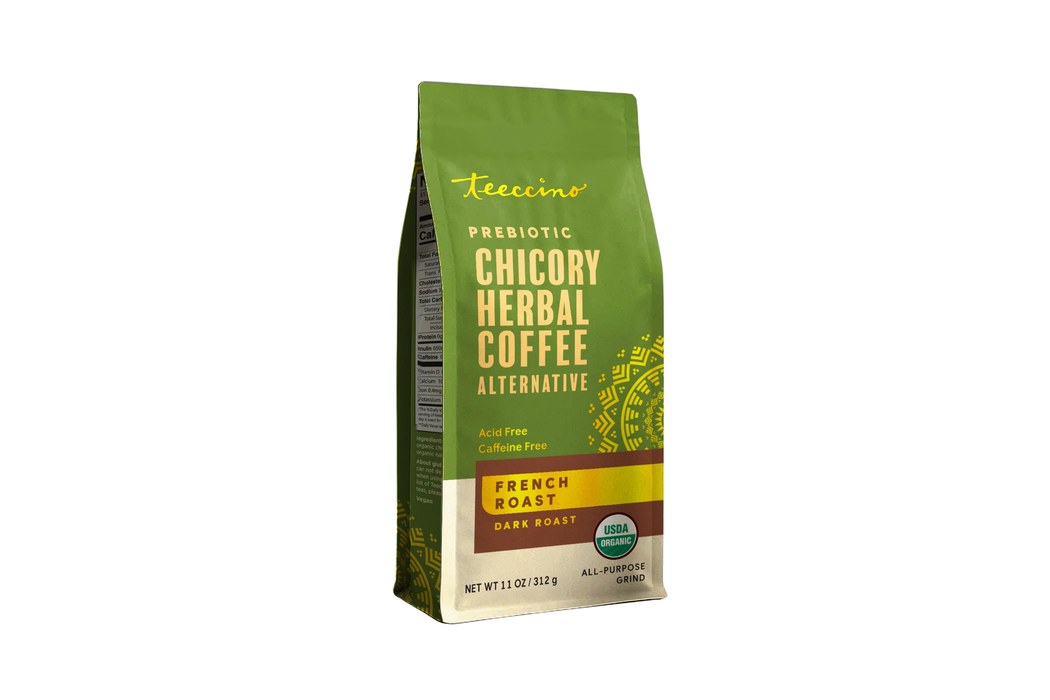
The Woman Who Sold America a Coffee With No Coffee In It
Caroline MacDougall couldn't drink coffee but loved the taste. So she roasted chicory, carob and figs into a caffeine-free brew - and built the best-selling coffee alternative in America.
The Brothers Who Turned a Free Newsletter Into a $200-a-Box Empire
Daniel and Michael Broukhim started with a free lifestyle email and a hunch that people would pay for a box of full-size stuff four times a year. A decade later, millions of members and a quiet pet-box acquisition suggest the hunch was right.
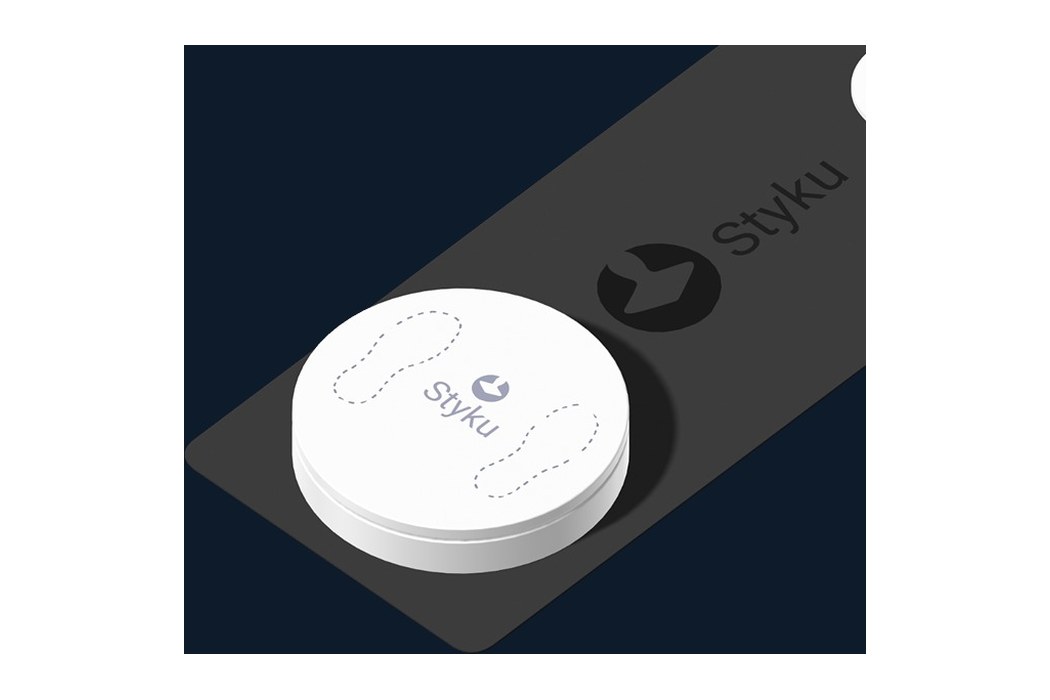
The Scale Lies. Styku Built a Spinning Camera That Doesn't.
A physicist who once worked on NASA's human spaceflight program bet that people quit diets because a bathroom scale can't show progress. His answer: a rotating infrared camera that turns your body into data - and, lately, a health screen.
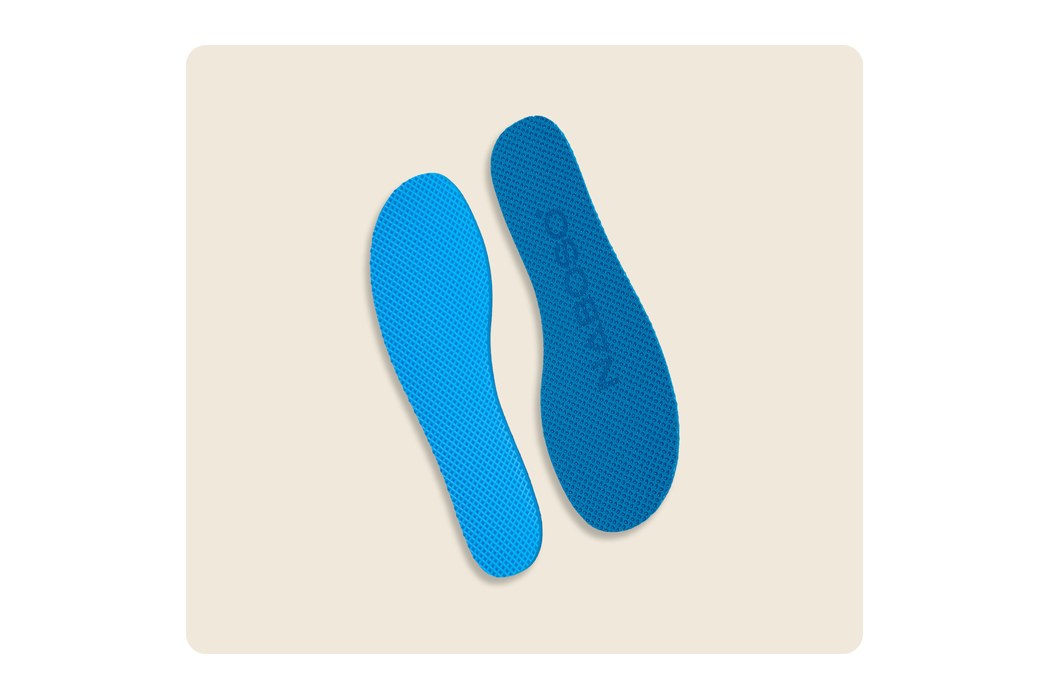
The Podiatrist Who Bet Your Feet Are Sensory Organs, Not Just Shock Absorbers
Dr. Emily Splichal treats the foot like a keyboard for the nervous system. Her company, Naboso, sells the textured surfaces that press the keys.

The Coder Who Built a Best Friend for 15 Million People Because She Couldn't Afford Therapy
Andrea Campos taught herself to code to fight her own depression. The chatbot she built now fields billions of late-night messages across Latin America - and is quietly testing where an app should stop and a doctor should start.

Longevity Science Left the Clinic. Lifespanning Put It in a Shopping Cart.
A Miami media company spent two decades inside biohacking's inner circle. Now it grades 1,000+ longevity products against a 72-point rubric - and only sells the ones that survive.
The Man Who Sold Two Drinks to Coca-Cola Is Now Buying Snacks, Sneakers and a Football League
Mike Repole spent two decades turning drinks into billion-dollar exits for Coca-Cola. Impact Capital is where he does it again - this time as the buyer, backing snack brands, Tom Brady's wellness empire and a football league.
The Billionaire Quietly Rebuilding Charleston, One Hotel and Tennis Court at a Time
Ben Navarro made his fortune lending to Americans the banks turned away. Now his family office is spending it on hotels, tennis stadiums and schools in one Southern city - and treating Charleston itself as the portfolio.
The Company Betting Your Cleaning Spray Can Fight the Plastic Crisis
Grove Collaborative turned a frustration with plastic-wrapped soap into a plastic-neutral retailer. The turnaround since is a lesson in what it costs to actually mean it.
The $7.3 Billion Company You Can't Buy Stock In
Two friends from Michigan turned a biodegradable cleaner and a handshake into the world's biggest direct-selling company. Seven decades later, Amway still refuses to sell a single share.
The Company Behind the Stretchy Band Every Physical Therapist Owns
One rubber band changed how the world does rehab. Performance Health has spent the decades since turning recovery into an inventory - roughly 2,000 employees, $700 million in revenue, and a catalog that reaches from the training table to the VA hospital.
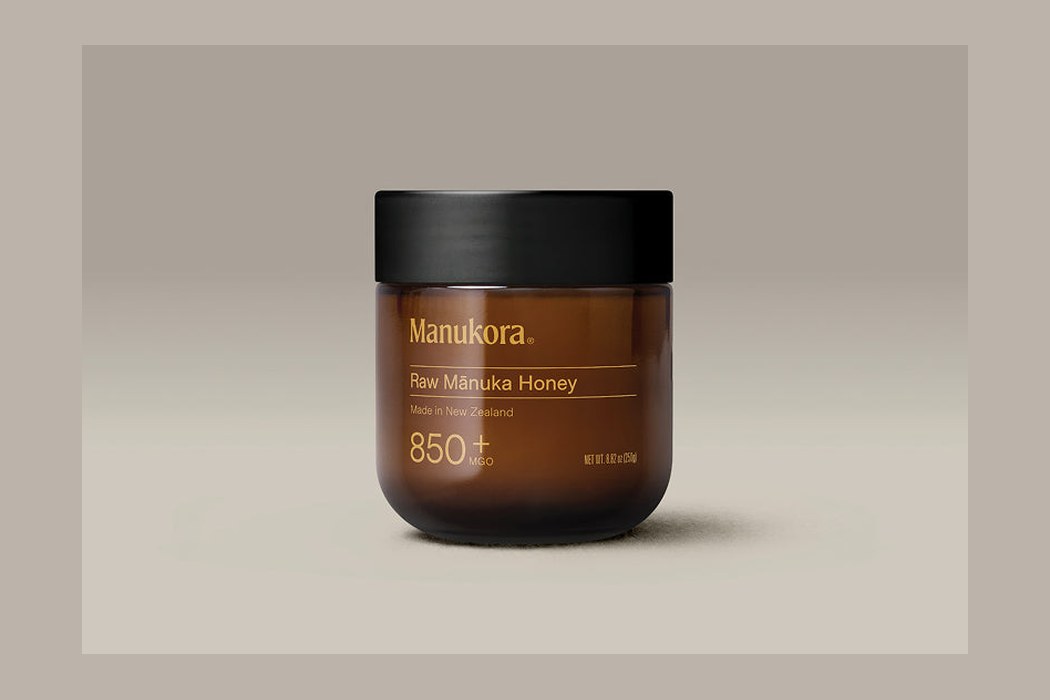
Manukora Turned a Spoonful of Honey Into a Daily Wellness Ritual
A New Zealand founder, a blind master beekeeper and a scannable jar built a premium food brand around one unusually potent spoonful. Now Manukora is stretching mānuka honey from pantry staple into wellness platform.
The Idaho Company That Sells $2 Billion of Soap Without a Single Store
Frank VanderSloot built one of Idaho's largest private companies on a simple bet: skip the store shelf, mail the detergent, and pay customers to tell their friends.
The 90-Year-Old Vitamin Shop That Refuses to Sit on the Shelf
From a Depression-era yogurt counter in Pittsburgh to a global supplement empire of roughly 14,000 people, GNC keeps rewriting the same question: what does a vitamin store look like when the customer shops on their phone?
The Diet That Invented Group Therapy Now Writes Prescriptions
It taught a generation to count points and lean on each other. Then a weekly shot changed the math - so WeightWatchers went to the doctor.
Planet Fitness
Planet Fitness built a 21.5-million-member business by treating intimidation as the real barrier to exercise. Its low-price, franchise-powered model turned the people traditional gyms overlooked into the center of the fitness market.
AG1
AG1 built a reported $600 million business by turning a scoop of green powder into a morning ritual. Now the company that preached one product, one channel and one flavor is testing how far that ritual can stretch.
GT's Living Foods
GT Dave started bottling fermented tea in his parents' kitchen as a teenager. Three decades later he owns 100% of the company that created America's kombucha aisle - and has turned down every buyer who came knocking.