Sleep Wire
FOUNDED 2014  Menlo Park, California 500,000+ families have used Hatch Rest RESTORE 3 launches Jan 2025 with phone-free controls ~270 employees SHARK TANK alum, class of 2016 HATCH+ subscription unlocks the full sleep library SERIES A backed by the Amazon Alexa Fund FOUNDED 2014  Menlo Park, California 500,000+ families have used Hatch Rest RESTORE 3 launches Jan 2025 with phone-free controls ~270 employees SHARK TANK alum, class of 2016 HATCH+ subscription unlocks the full sleep library SERIES A backed by the Amazon Alexa Fund
Company Dossier · Sleep Technology

Hatch & the
Business of a
Good Night's Sleep

Two exhausted parents built a bedside company that light, sound and routine - not screens - power to sleep. This is how Hatch grew up alongside its customers.

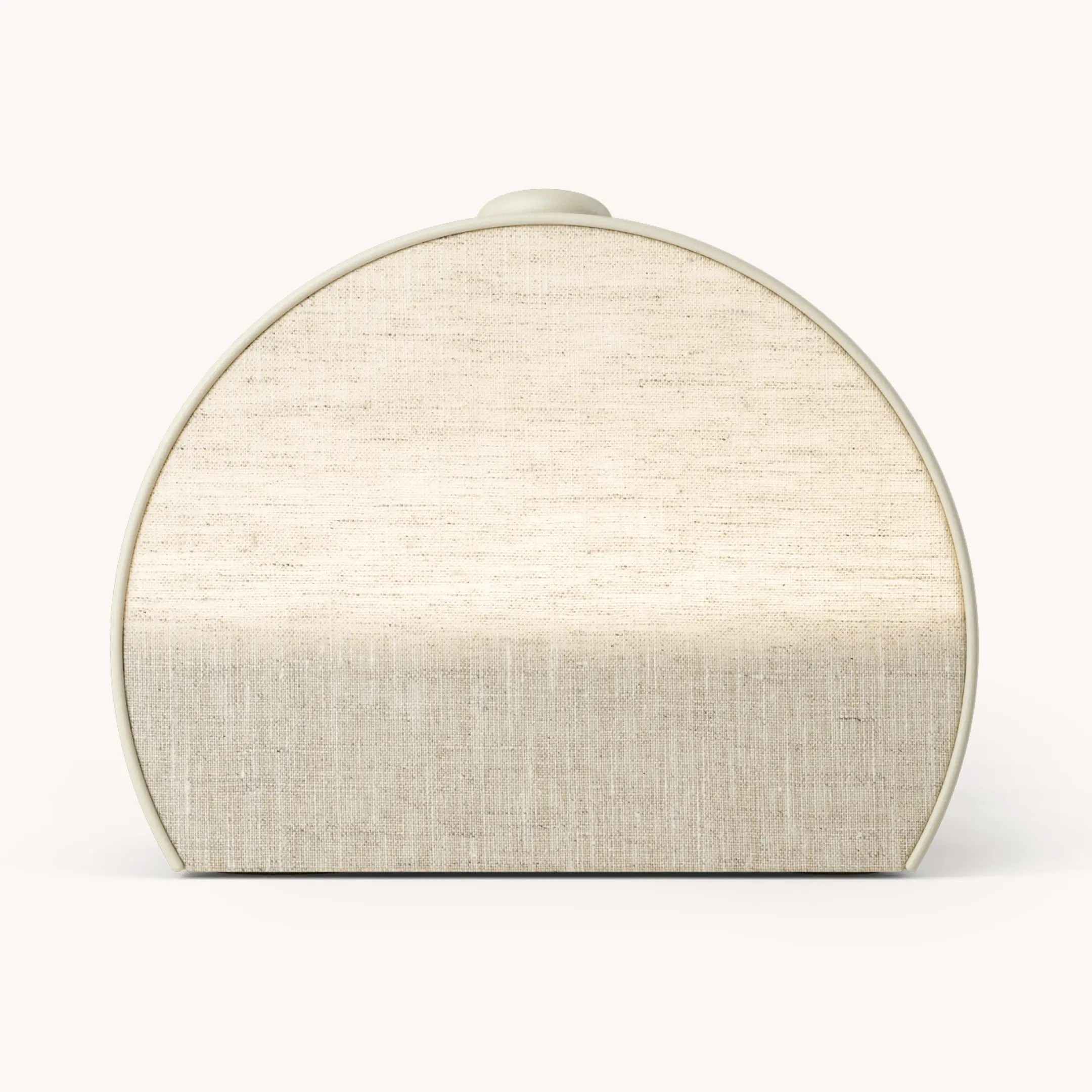
Hatch Restore bedside sleep device

THE OBJECT: A Hatch Restore on the nightstand - sunrise alarm, sound machine and reading light folded into one device built to keep phones out of bed.

2014
Founded
500K+
Families reached
~270
Employees
$13.5M
Total funding
3
Restore generations
The Story

A company born at 3 a.m.

Hatch sells a deceptively simple promise: that better sleep can be designed. Its founding, though, came from the opposite - the disorganized exhaustion of a house that could not sleep.

Ann Crady Weiss and Dave Weiss met at BabyCenter, married, and then ran headlong into the problem that would become their company. Ann spent long nights awake with a newborn. Dave lived with chronic insomnia. The two experiences pointed at the same gap: sleep was something everyone needed and almost no one had good tools for.

They founded Hatch - then called Hatch Baby - in 2014. The first product was not the glowing orb people now recognize on nightstands; it was a smart changing pad and baby scale meant to help parents track a newborn's health. In 2016 the couple pitched on ABC's Shark Tank. The company did not walk away with the outcome founders dream about, but it walked away with something more durable: a sharper read on what parents actually wanted.

That read produced Hatch Rest, an all-in-one sound machine, night light and time-to-rise indicator for babies and toddlers. It became the product the company is known for, spreading by word of mouth through parenting circles until more than 500,000 families had used one.

Then Hatch did the thing most kids'-product companies never manage. It grew up. In 2020 it launched Restore, a bedside device for adults that combined a sunrise alarm, a sound machine and a reading light. The audience that had bought Rest for their children could now buy Restore for themselves. Hatch had followed its customers into the next stage of their lives.

"Ann's sleepless nights with her newborn and Dave's chronic insomnia sent them on a quest to make sleep easier." - Hatch founding story, hatch.co
What It Does

Hardware you keep, content that changes

What Hatch does: It designs bedside sleep devices and pairs them with an app and a subscription library. The hardware handles light and sound - a sunrise that eases you awake, a soundscape that covers a noisy street, a soft glow for a 2 a.m. feed. The software handles routine: wind-down sequences, sleep stories, meditations and alarms that you build once and repeat every night.

Who its customers are: New and expecting parents were the first market, and families with babies and toddlers remain a core audience. The Restore line widened that to adults who simply want to fall asleep and wake up better - and, increasingly, people trying to get their phones out of the bedroom.

The problem it solves: Sleep is fragmented across a drawer of gadgets - a white-noise machine here, a phone alarm there, a nightlight, a meditation app. Hatch consolidates those into one device and one routine, and treats sleep as a skill you can practice rather than a stroke of luck.

"Take proven, science-backed approaches to sleep - and make them simple enough to use every single night." - The Hatch design philosophy
Products & Services

A line that ages with you

Hatch's product names track a customer's life stage - Rest for babies, Rest+ for toddlers, Restore for adults - with an app and subscription tying it all together.

2016

Hatch Rest

All-in-one baby and toddler device: sound machine, night light, time-to-rise indicator and full app control.

2018

Hatch Rest+

Portable, rechargeable upgrade adding an audio monitor and two-way talk-to-child.

2024

Rest Go

Screen-free, portable sound machine built for naps, travel and on-the-go quiet.

2020

Hatch Restore

The first adult device: sunrise alarm, sound machine and reading light in one customizable unit.

2023

Restore 2

Second-generation adult device with a better display, sleep stories, guided rest and sunset/sunrise light.

2025

Restore 3

Adds physical "Big Button," Swap and pause controls to encourage phone-free sleep. Retails at $169.99.

2016

Hatch Sleep App

Companion app to control devices, build wind-down routines and fine-tune light and sound.

2023

Hatch+

Subscription ($4.99/mo or $49.99/yr) unlocking the full library of sounds, stories, meditations and routines.

The Differentiator

Designing people away from the screen

In a market full of smart-alarm gadgets, Hatch's clearest signature is a counter-intuitive one.

The headline feature of the 2025 Restore 3 is not a screen or a sensor - it is a large physical button. Where much of consumer tech optimizes for engagement, Hatch redesigned its flagship to pull your phone out of bed: a "Big Button" for volume and snooze, a Swap button to toggle routines, and a dedicated pause. Reviewers noted the phone-free intent while also flagging that the subscription is doing real work; the routine-building features that make the device compelling sit behind Hatch+.

Versus the field: Loftie and Casper Glow compete on the smart-alarm hardware; Philips and Google Nest overlap on wake-up light and smart-home; Calm and Headspace compete on the content side. Hatch's position is the bundle - one device plus an evolving library - anchored by a decade of trust built in the parenting market that few rivals share.

Life-stage ladder. Rest, Rest+, Restore - the line grows with the customer instead of chasing a new one.

Phone-free by design. Physical controls make screen-free bedtime the default, not a setting.

Habit over hardware. The real product is the nightly routine the content sustains.

Timeline

From changing pad to nightstand staple

2014

Hatch Baby is founded

Ann Crady Weiss and Dave Weiss launch the company to make family sleep and health easier.

2016

Shark Tank and the pivot to sleep

The company appears on Shark Tank and introduces Hatch Rest, its breakout kids' sleep device.

2018

Rest+ broadens the kids' line

A portable, battery-powered Rest+ adds an audio monitor and two-way talk.

2019

Series A led by strategic investors

Hatch raises a $6.5M Series A with backing that includes the Amazon Alexa Fund.

2020

Restore enters the adult market

Hatch expands beyond parenting with the Restore sunrise alarm and sound machine.

2023

Hatch+ and Restore 2

A subscription content library formalizes recurring revenue alongside a refined second-gen device.

2025

Restore 3 goes phone-free

New physical controls aim to keep smartphones out of the bedroom while preserving app customization.

People & Backing

Who built it, who funded it

CO-FOUNDER & CEO

Ann Crady Weiss

Former SVP of consumer experience at BabyCenter; leads Hatch and is its most public voice on the science of rest.

CO-FOUNDER

Dave Weiss

Ann's husband and co-founder, whose own chronic insomnia helped shape the company's focus on adult sleep.

SERIES A · 2019

$6.5M Round

Backed by the Amazon Alexa Fund, True Ventures and Next Play Ventures; ~$13.5M raised in total.

RECOGNITION

Great Place to Work

Certified in 2024, reflecting a product-led culture organized around the idea that sleep is a skill.

FAQ

Questions people ask about Hatch

What does Hatch make?
Connected sleep devices - sound machines, night lights and sunrise alarm clocks for babies, kids and adults - plus a companion app and the Hatch+ subscription content library.
Who founded Hatch and when?
Hatch (originally Hatch Baby) was founded in 2014 by married co-founders Ann Crady Weiss, its CEO, and Dave Weiss, both former BabyCenter executives.
What's the difference between Hatch Rest and Hatch Restore?
Rest and Rest+ are sleep devices for babies and children, while the Restore line is designed for adults as a bedside sunrise alarm, sound machine and reading light.
Do I need a Hatch+ subscription?
Basic functions like sunrise/sunset light and a handful of sounds work without it, but Hatch+ ($4.99/month or $49.99/year) unlocks the full library of sounds, sleep stories, meditations and wind-down routines.
Where is Hatch based?
Hatch is headquartered in Menlo Park, California, and employs roughly 270 people.
Link copied to clipboard