Open the cabinet under most American kitchen counters and you will find them, even if you cannot name the company that made them. The air purifier humming in the bedroom. The air fryer that finally killed the deep fryer. The little glass scale that judges your groceries and, occasionally, you. Three different logos, three different shelves at Target, three different Amazon listings - and one parent company that almost nobody outside the industry can name. That is VeSync, and the anonymity is not an accident. It is the strategy.
VeSync is the consumer-electronics company behind Levoit, Cosori and Etekcity, a trio of small-appliance brands that sit in tens of millions of homes. It was founded in 2011 by Yang Lin, who started - the origin story that gets repeated because it happens to be true - by selling small appliances out of a basement, long before "smart home" was a category anyone shopped for. The first product line went live on Amazon in 2012. Within a few years the company was not selling one gadget; it was quietly taking the house room by room.
The setupA company that would rather you love the brand than notice the parent
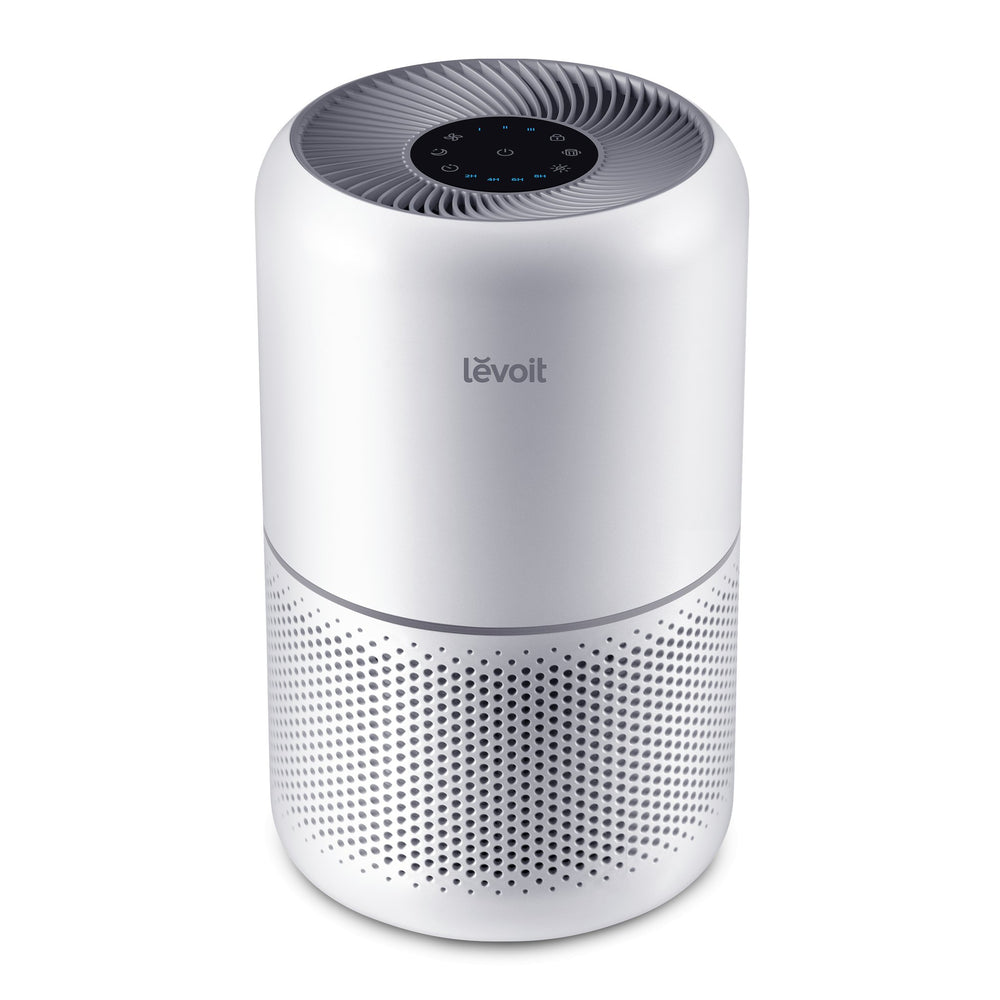
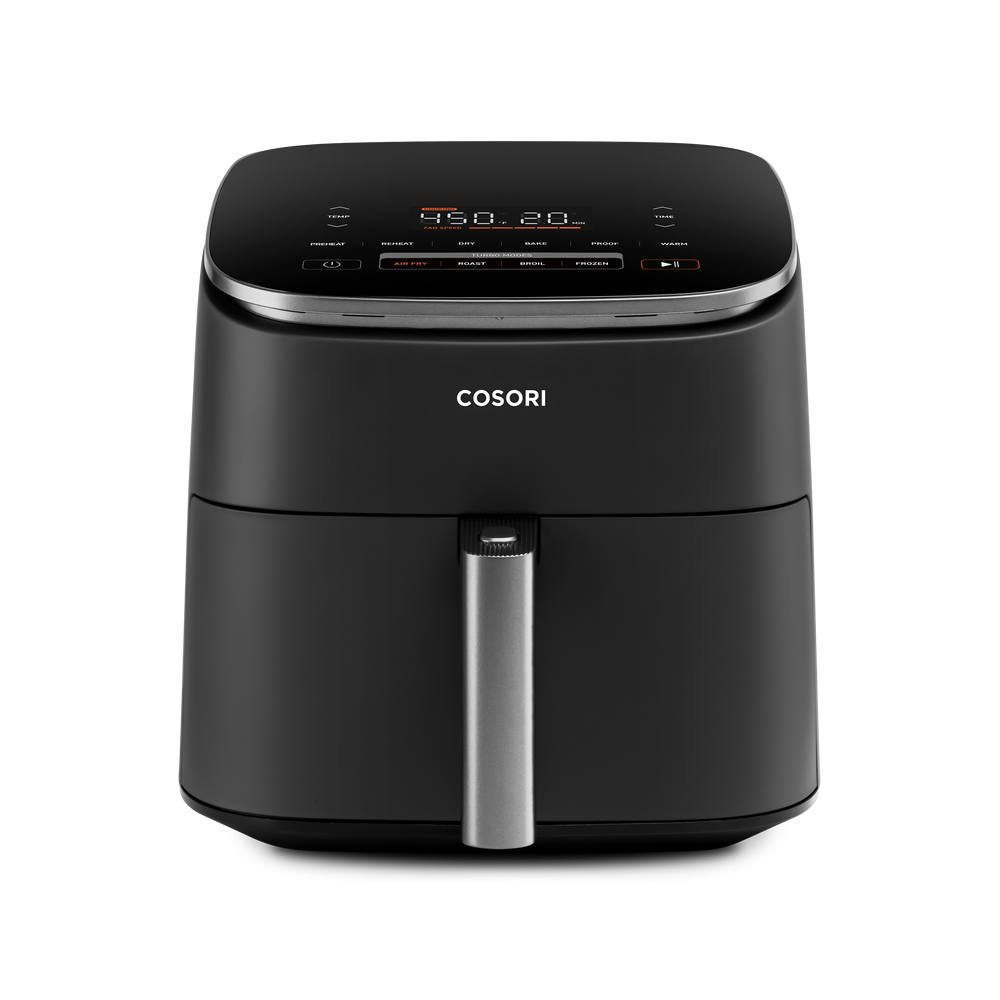
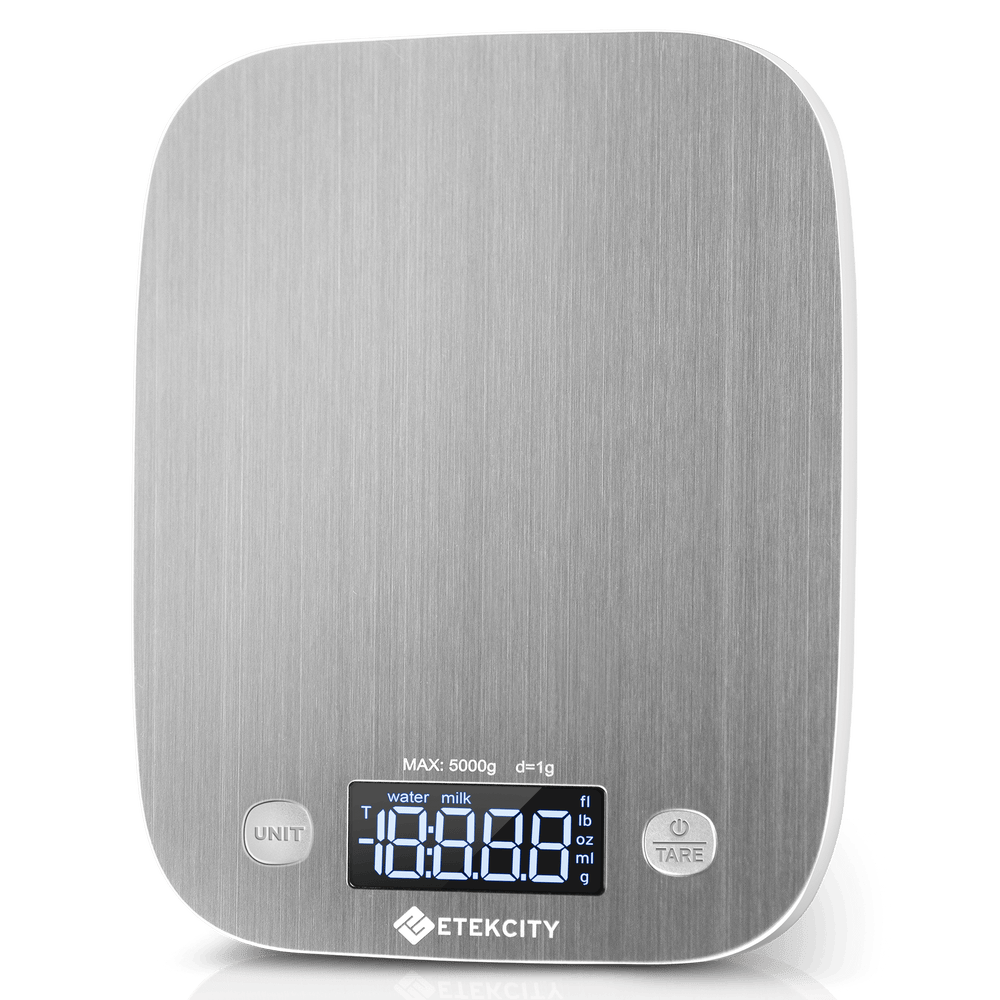
Most companies spend fortunes trying to make their corporate name mean something. VeSync did the opposite, on purpose. Rather than stretch a single label across air purifiers, air fryers and bathroom scales, it built distinct brands for distinct rooms and let each one earn its own trust. Levoit took the air - purifiers, humidifiers, cordless vacuums. Cosori took the kitchen - air fryers, coffee machines, cookware. Etekcity, the original brand, kept the odds and ends: nutrition scales, smart plugs, health and outdoor gear.
Air purifiers, humidifiers, cordless vacuums. The #1 selling air purifier brand in the US.
Air fryers, coffee machines, cookware. Its Iconic air fryer won a 2025 Red Dot Design Award.
Smart nutrition scales, plugs, health monitors and outdoor gear. The brand it all started with in 2012.
The thread tying them together is not the logo - it is the VeSync app, launched in 2015. Buy a Levoit purifier, then a Cosori fryer, and the same app quietly onboards both, tracks your air quality, runs automation scenes and nudges you toward the next device. It is a modest-looking piece of software doing an immodest job: turning three separate purchases into one connected relationship. More than 5.5 million devices now phone home to it.
From a basement scale to a $650 million business
The breakthrough product was reportedly a smart body-fat scale that climbed to the top of its Amazon category within about three months of launch. That single win taught VeSync the pattern it would run for the next decade: pick a specific category, out-design and out-value the incumbents, win the Amazon page, then use that beachhead to fund the next category. Repeat until you have a floor plan instead of a product.
VeSync annual revenue (approx.)
Bars are illustrative and scaled to the ~$650M 2024 figure; not exact prior-year totals.
Public in 2020, private again by 2025
In December 2020, VeSync listed on the Hong Kong Stock Exchange under ticker 2148. It looked like the standard trajectory: build, list, ring the bell, grow in public. The years after were bumpier than the headline - the company posted a net loss of about $16 million in 2022 before the results turned - but by 2024 it was firmly profitable, with roughly $650 million in revenue and $93 million in net profit.
Then it did the thing that usually signals distress but here read more like conviction: it left. In late 2024 the founders proposed taking the company private through Victory III, an entity they controlled. Shareholders approved overwhelmingly - the resolutions passed with 99.77% and 97.95% in favor - and on 7 May 2025 VeSync delisted from the Hong Kong exchange. A profitable, growing company paid to stop being measured by the quarter.
The unglamorous truth about the smart home
The smart home was sold to us as robots and talking fridges. What people actually bought was air purifiers, humidifiers and air fryers. VeSync bet on the boring, connected version of everyday objects and let the flashier categories fight over the future. That bet put it in a crowded but lucrative middle: cheaper and more accessible than Dyson, more focused than the everything-stores, and more brand-forward than the sea of unbranded marketplace sellers it grew up alongside.
Its real rivals now look like SharkNinja - another multi-category appliance machine turning air fryers and vacuums into a portfolio - along with Dyson, Blueair and Coway in air care, and Instant and Philips in the kitchen. The difference is architecture. Where a Dyson leans on one loud brand, VeSync spreads its bets across three quiet ones and stitches them together in software. When one category cools, another can carry the quarter.
What a founder can actually steal from this
The copyable part is the sequence, not the products. Start on a marketplace where distribution is a solved problem and win a single, specific category on design and value. Use that cash and that credibility to launch an adjacent category under a name customers can trust on its own. Add owned direct-to-consumer storefronts so you are not renting your whole business from Amazon. Then wrap the lot in an app that makes the second purchase easier than the first. Each step lowers the risk of the next.
Where it would not work: if you cannot actually out-design the incumbents, the marketplace beachhead never forms, and the whole ladder collapses at step one. The model needs genuinely good, genuinely cheaper hardware and the operational muscle - VeSync runs product development out of Shenzhen and offices across three continents - to keep shipping it. Anonymity only pays off when the products underneath are worth loving. Otherwise you are just a company nobody has heard of, for the ordinary reason.
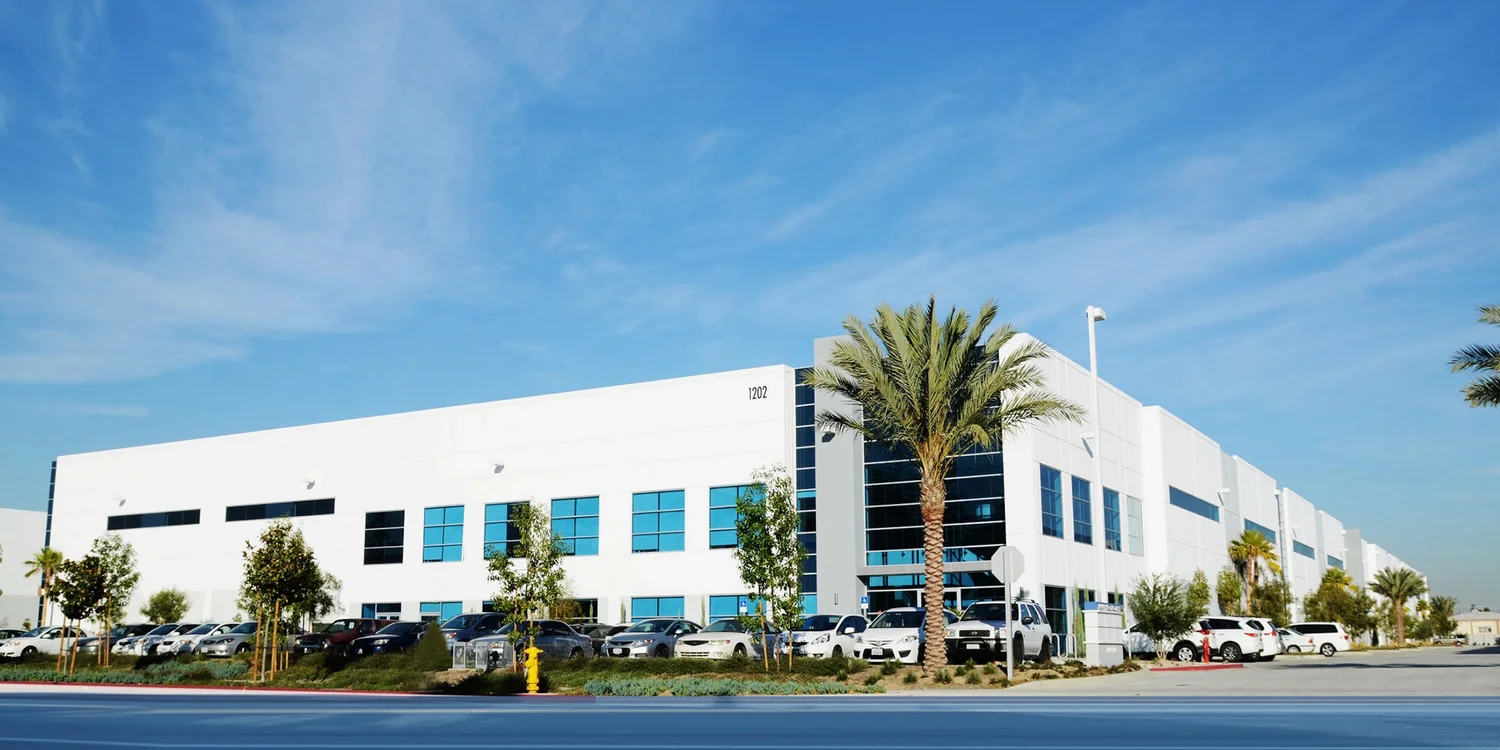
Fifteen years on, VeSync is a roughly $650-million company with 15-plus international design awards, a stack of iF and Red Dot trophies, around 1,500 employees, and a founder who just bought back the right to think in decades. Most of its customers still could not pick the name out of a lineup. Given how the strategy has worked out, that is probably fine with everyone in Tustin.