smart-home
(97)
Xiaomi sold you the phone. Now it wants the driveway.
The bargain-phone business became a sprawling bet on connected living. Cars have made that bet bigger, costlier and much harder to get wrong.

Elina Vives Left the CMO Track - and Came Back With the Whole Business in View
After years selling beer, wearables, and light, Elina Vives chose operating responsibility over the tidy marketing ladder. At Chamberlain Group, that detour has become her advantage.
Tuya Put the Cloud in 1.2 Million Device SKUs - Then Learned the Price of Being Everywhere
Tuya became the invisible plumbing behind a crowded smart-device aisle. When the pandemic boom snapped, it stopped chasing every customer and rebuilt around larger accounts, software-rich hardware and AI that can finally do more than switch on a bulb.

Adam Smithline Built a Smart Door. The Hard Part Was Learning When to Listen.
A ski-trip complaint became a smart pet door, then a long lesson in hardware, humility, and the expensive distance between a clean idea and a dependable product.

Derek Richardson Spent Six Weekends Rewiring His House. Then He Rewired the Business of Light
A fiddly home project gave an electrical engineer a useful obsession: make the light switch easier to install, easier to upgrade and almost boring to use. Eleven years later, Derek Richardson is still chasing the same elegant click.

Eric Adler Put a Speedometer on the Water Meter
A drought, three engineering students and one stubborn household mystery became Flume. Eric Adler's decade-long bet is that water changes when people can finally see it.

Sunny Han Has Spent 13 Years Making Strange New Light Feel Familiar
Before Nanoleaf’s panels became a familiar backdrop for gaming rooms and smart homes, Sunny Han had to explain a light bulb that looked like folded paper. Her career is a lesson in translating unfamiliar hardware into something people can picture in their own lives.

Nanoleaf's Solar Idea Had Nowhere to Sell - Then It Turned Light Into Lego
Three engineers began with a solar product nobody knew how to buy. Their escape route - a homemade Kickstarter video, a $35 origami-like bulb and, eventually, modular panels - offers a practical lesson in turning efficient hardware into something people can see, share and want.

The Quebec Heater Company That Survived Two Crises - Then Built an 18-Brand HVAC Machine
Innovair Solutions grew from a backyard workshop into a 1,300-person HVAC group by making an unfashionable choice: buy specialists, keep their names, and let the plumbing behind them do the merging. A C$230 million capital package now puts that Quebec playbook under its biggest test.
Deako Put a $12 Backplate in the Wall - and Built a Smart-Home Beachhead in 350,000 Houses
Most smart-home companies sell gadgets one homeowner at a time. Deako persuaded builders to hide its upgrade path inside the wall - then made the humble light switch the front door to a much larger platform.

Eero Made Wi-Fi Boring - and Built a Hardware Playbook Worth Stealing
The San Francisco startup survived a year-long shipping stumble by making the router feel less like equipment and more like an appliance. A decade later, its real product is not the white box - it is fewer reasons to think about Wi-Fi.

The Alarm Company That Grew by Making High-Tech Security Feel Old-Fashioned
John Loud left an airline cockpit for an alarm panel, then built a nearly 13,000-customer company around an unfashionable idea: answer the phone, know the customer and make the machinery work.
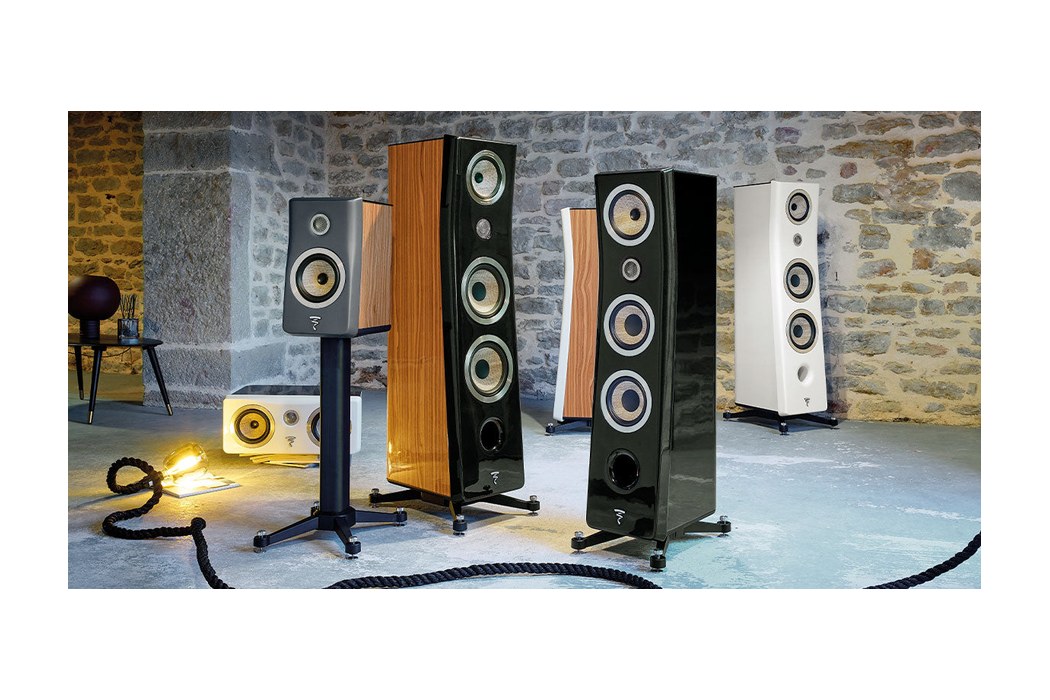
How World Wide Stereo Survived the Big Boxes - and Turned $18,000 Into a 47-Year Retail Playbook
A failed franchise, an oil embargo and a competitor across the street should have killed Bob Cole's little hi-fi shop. Instead, World Wide Stereo built a durable hybrid of theater, workshop and online store - a useful playbook for any independent retailer trapped between Amazon and the luxury market.

The $3.7 Million Smart-Home Shop That Wins by Making Expensive Technology Disappear
Advanced Integrated Controls puts theaters in attics, televisions in ceilings and dozens of systems behind one button. Its real product is not hardware - it is the absence of technological fuss.

How Silica Dropped the Hardware - and Built a 104-Year Moat Around the Hard Part
Silica For Your Home outlived its original hardware-store identity by owning the awkward work national chains often hand off: advice, delivery, installation, integration, and repair. Its most useful lesson is not nostalgia - it is how a local retailer makes the last mile the product.
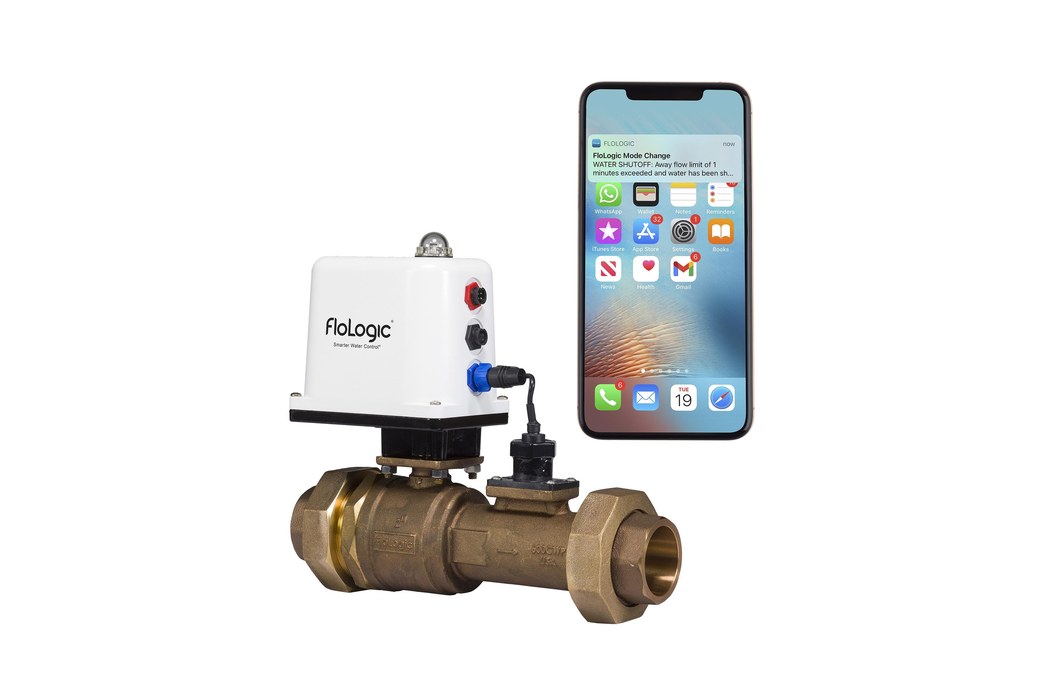
FloLogic Bet $2,190 That Your House Should Know When to Turn Off Its Own Water
Cheap sensors tell you the floor is wet. FloLogic installs a bronze valve in the main line, watches every ounce, and can stop the water itself - a costly, stubborn bet that prevention belongs in the plumbing.

Soundvision’s Quiet Trick: Turn Installer Frustration Into a Five-Brand Hardware Company
Soundvision spent years inside walls, racks and living rooms before it began manufacturing the gear. Its useful playbook is simple: let installers reveal the friction, build products around that friction, then keep the channel close enough to tell you what breaks next.
The Home-Theater Company That Built Its Best Room Inside a Bank Vault
A former GM operating-systems engineer turned an old Boca Raton bank into a smart-home laboratory - vault theater included - and now sells the finished picture before the first cable is run.

The Texas Tech Company That Put 130 Customers on One Radio - and Made Rural Broadband Pencil Out
VGI spent years working around the limits of rural wireless. Then a skeptical pilot hit 600 Mbps, one water-tower radio carried more than 130 customers, and a granite-bound Texas community finally got a credible alternative to slow broadband.

Reolink Built the Security Camera Aisle for People Who Hate Subscriptions
The 17-year-old camera maker found a valuable gap between cheap cloud gadgets and professional surveillance: serious local storage, lots of hardware choices, and no required monthly bill. The catch is that freedom asks the buyer to do some homework.
Abt Built One Store. Then It Outlasted Everyone Who Built a Thousand.
A family-owned retailer in the Chicago suburbs has spent nearly 90 years betting everything on one store - dancing fountain, saltwater shark tank and all - while national chains opened, expanded, and disappeared around it.
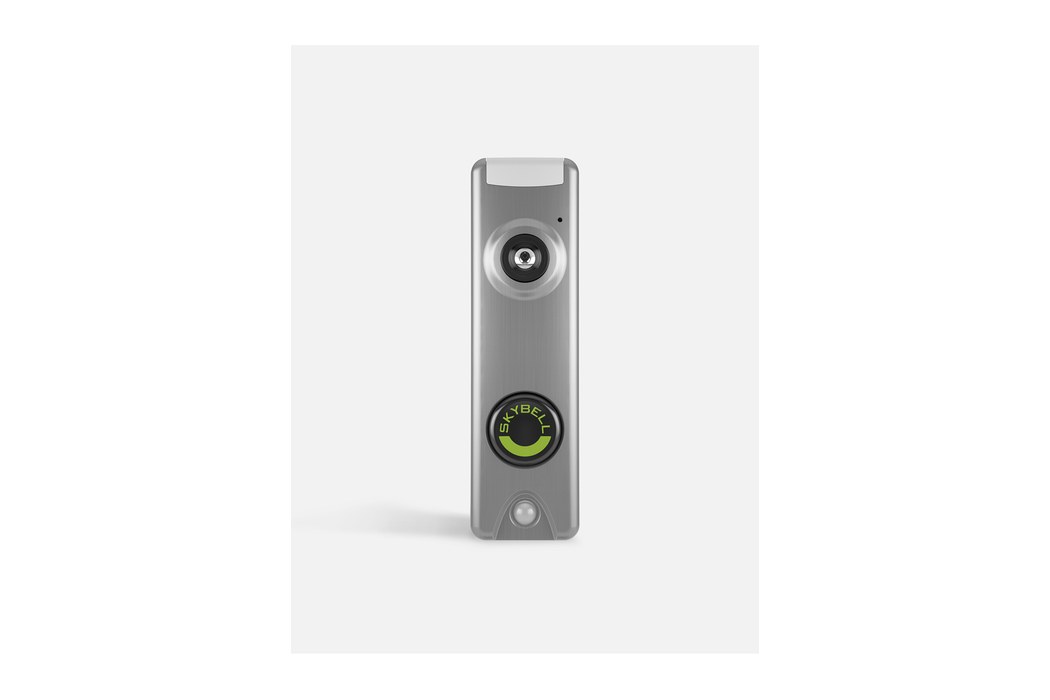
The Doorbell That Rang Before Ring
It crowdfunded $600K, out-patented its rivals, and put two million cameras on America's doorframes - then Amazon bought Ring and everything about the doorbell wars got louder.

Leviton Turned a Light Socket Into a 120-Year Hardware Empire - Here’s the Expansion Playbook
The family-owned manufacturer began with a part for gas lamps. Its real trick was learning when to abandon the product category - without abandoning the customer, the channel, or the wall.
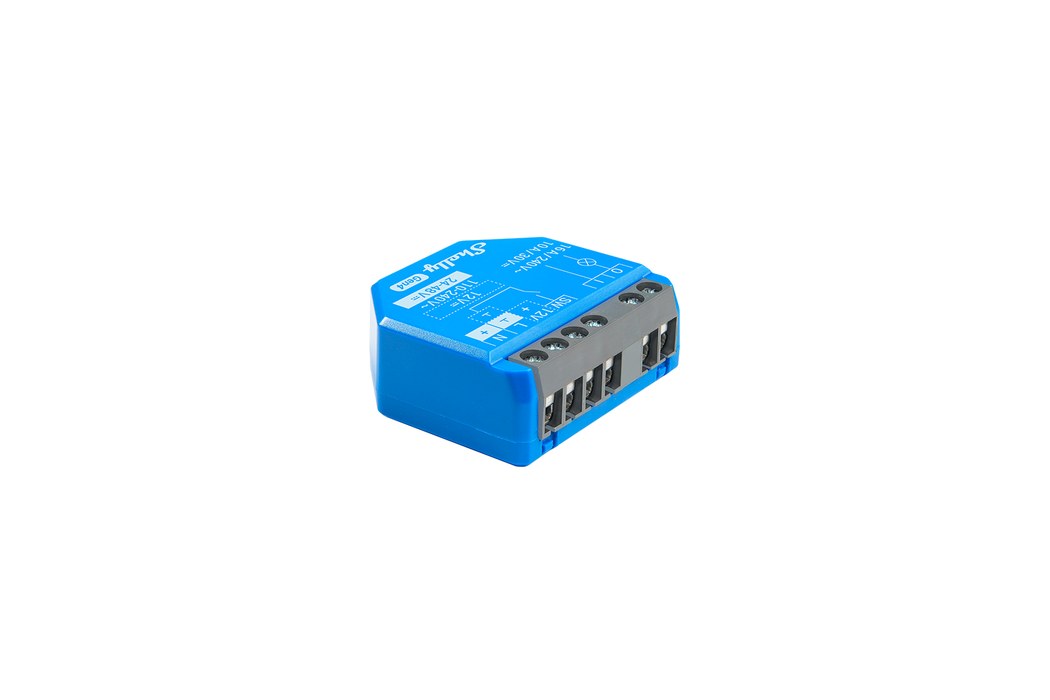
The $12 Relay That Wants to Run Your Whole House
Shelly's tiny relays slip behind the switches you already own and quietly automate the house - no hub, no subscription, and a following of DIY installers who treat local control like a religion.
How the Company That Made Korea's First Radio Quietly Became a Software Business
It started by building Korea's first radio in a country still rebuilding from war. Nearly 70 years later, LG's fastest-growing money comes from the software inside the TV, not the TV itself.
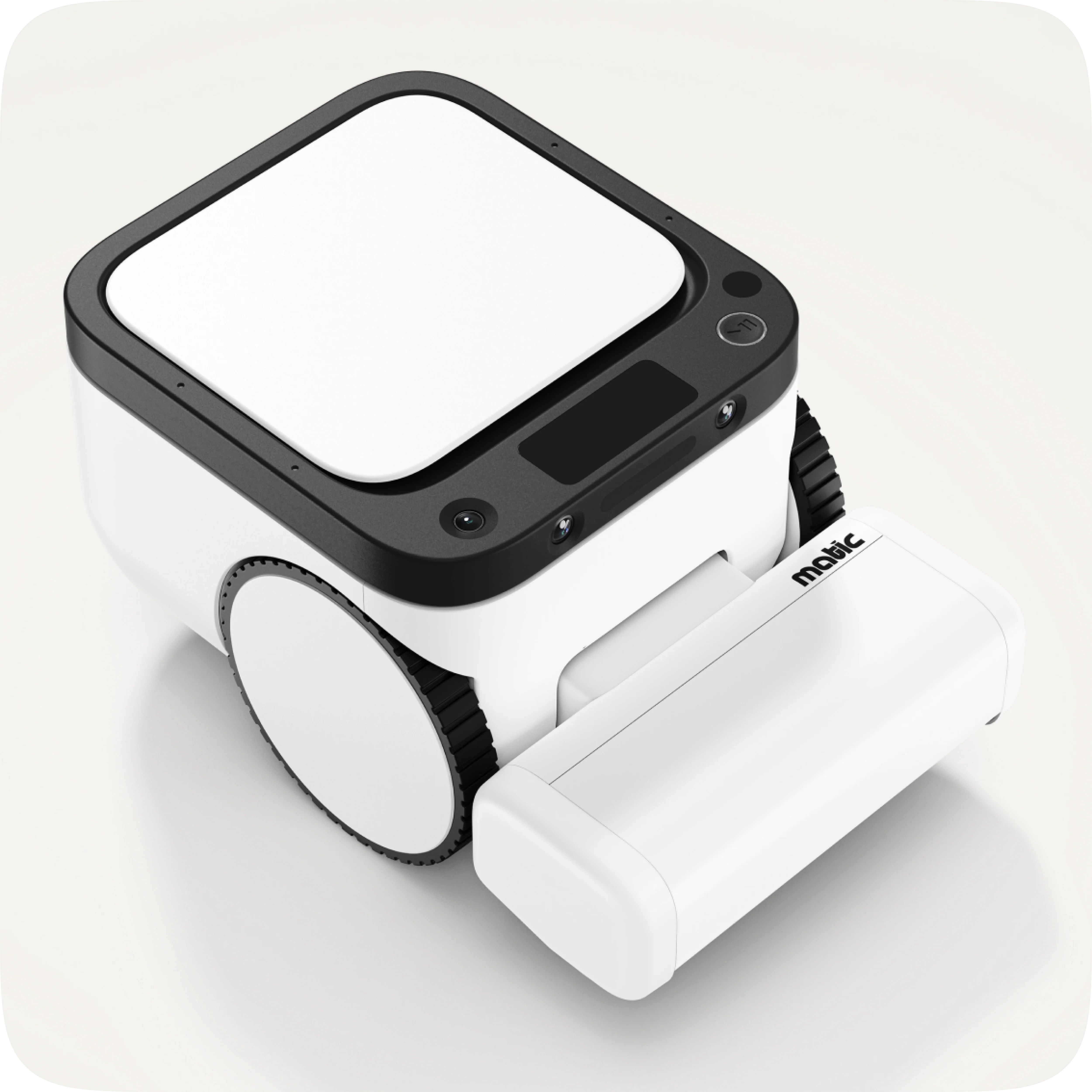
The Vacuum That Watches Your Whole House and Tells Nobody
Two ex-Google engineers ditched the lidar puck, skipped the cloud, and built a robot that maps your home with five cameras - and keeps every frame on the device. Here is why families say it hands them their weekends back.

The Basement Startup That Quietly Owns Your Air and Your Air Fryer
You have probably bought one of their products without ever hearing their name. Inside VeSync, the quiet operator behind Levoit, Cosori and Etekcity - and how a basement Amazon seller became a household fixture.
The Basement Catalog That Taught America to Wire Its Own Car Stereo
Fifty years ago Bill Crutchfield sold car stereos by explaining, in exhausting detail, how to install them. That habit of over-explaining became the whole business.

A Baby Monitor Failed Overnight. Harbor Turned That Panic Into a $499 Bet on Boring Reliability
Kevin Lavelle's phone app crashed while his infant slept upstairs. Seven years later, Harbor is selling parents an unusually concrete promise: a dedicated screen, local video, and fewer ways for the nursery to go silent.

The Smart Speaker Grew a Mind of Its Own
OpenHome wants to be the operating system for every device that talks back - open source, running on your own hardware, with 10,000 developers already building the abilities.