defense-tech
(162)
Defense Unicorns makes software work off the grid
A fighter jet can carry modern software and still be hard to update. Defense Unicorns is building the delivery system for the places the internet cannot follow.
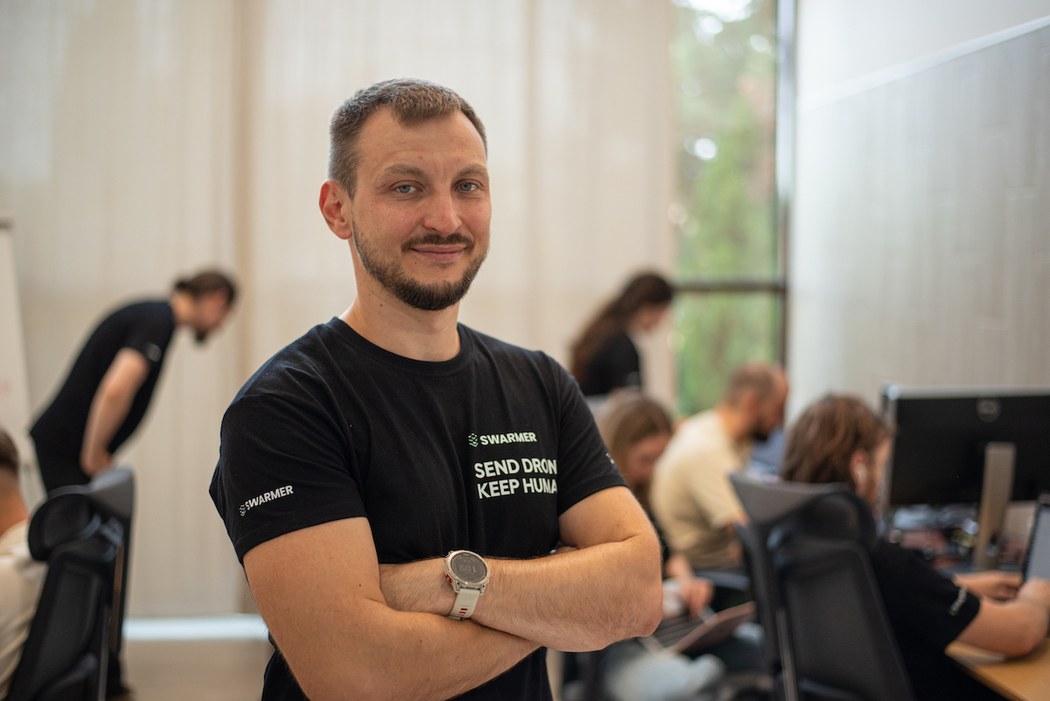
Serhii Kupriienko and the art of letting go
He spent years teaching cameras to see. At Swarmer, Serhii Kupriienko turned to a harder question: how do you let machines work together while keeping people responsible?
Second Front sells the government a shorter wait
Useful software can spend longer waiting for permission than being built. Second Front turns that queue into a business, with an accredited platform that helped one Air Force supplier get through in 58 days.

Govini and the expensive art of finding a missing part
A missile can outlive the company that made its components. Govini built a business tracing those hidden dependencies - and, as Air, is taking on the larger problem of keeping defense ready.
Vermeer taught drones to frame a shot. Then to find their way.
A Hollywood drone business became a supplier of GPS-free navigation. The revealing part is how a tool for getting the picture right found a customer who needed to get the aircraft home.

Ametrine makes camouflage for eyes that do not blink
A soldier can disappear into the landscape and still stand out on a thermal camera. Ametrine builds fabrics, covers and platform coatings for that uncomfortable difference.

Darkhive wants the drone to be the easy part
The San Antonio company builds tactical aircraft. Its more revealing bet is on everything that makes them useful: familiar controls, secure updates and factories that can keep up.
The Internet Has a Moving Problem
Aalyria took the useful machinery from a failed balloon network and gave it a harder job: keep satellites, aircraft, ships and ground stations talking while everything moves.
The Satellite That Had to Wait for a Phone Call
Hedron bet that the most valuable part of a satellite image might be the minutes saved getting it to Earth. Its proposed relay network made a sharp promise: let orbiting sensors keep their radios, then give their data a faster way home.

Dino Mavrookas and the Case for a Thousand Boats
He left the SEAL teams for private equity, then left private equity to build boats. At Saronic, Dino Mavrookas is testing a blunt idea: an autonomous fleet matters only if a country can actually make it.

Gundbert Scherf and the New Machinery of European Defence
A former German defence official is building Helsing across drones, aircraft and maritime systems. Gundbert Scherf's career traces a shift in European defence from buying technology to making it.

Torsten Reil and the Long Walk from Oxford to Helsing
A creature took its first steps in an Oxford computer simulation. Decades later, the biologist who built it is helping Europe put artificial intelligence into aircraft and other defense systems.
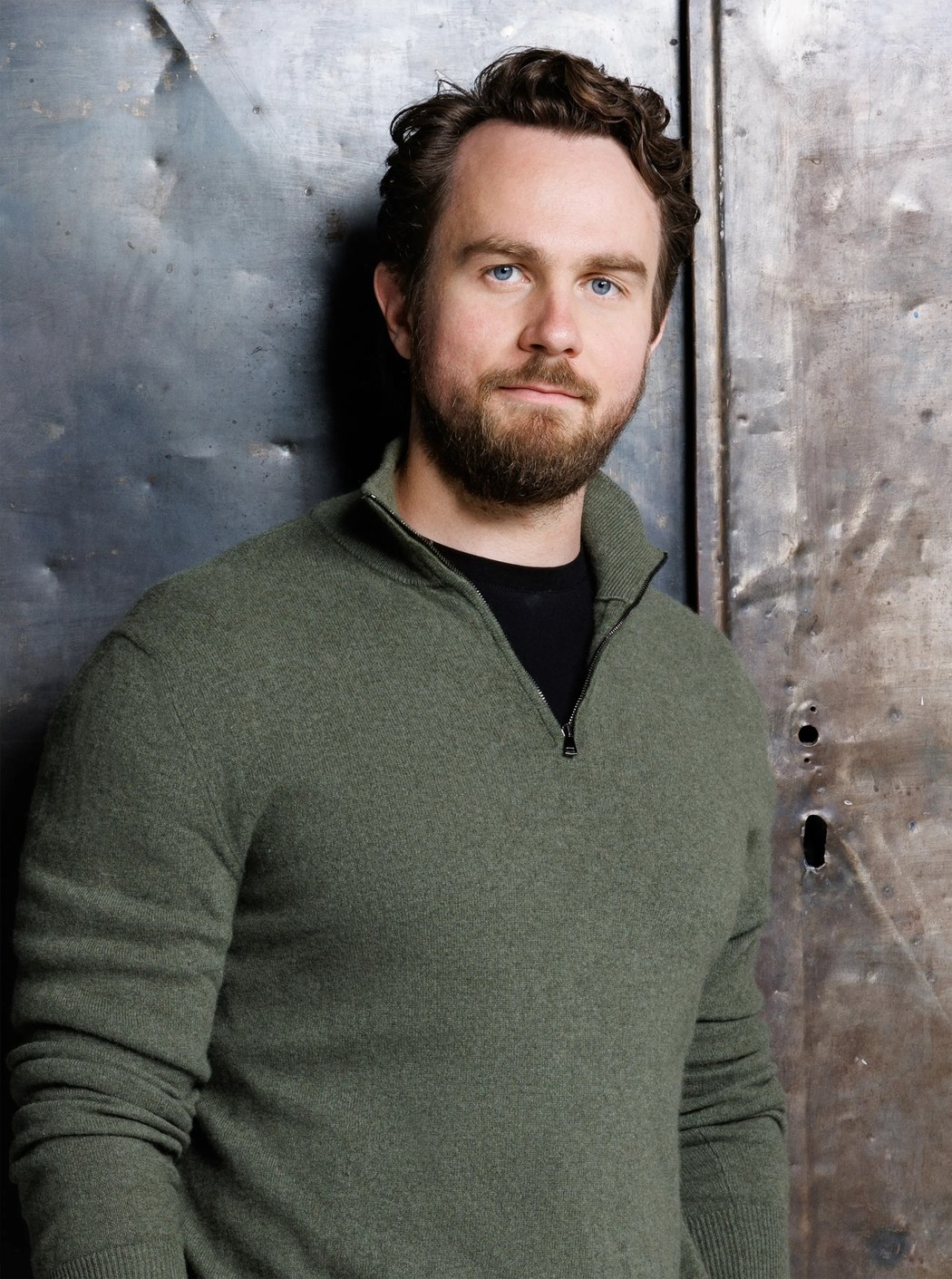
Niklas Köhler and the Bet Before the Turning Point
Before Europe’s defense debate changed, Köhler joined two unlikely partners to build Helsing. The physicist brought a machine learning company, a product instinct and questions about the industry he was entering.
The $25,000 Search Box That Taught the Pentagon to Buy Software
Vannevar Labs began with an Arabic OCR project nobody urgently needed. Then two engineers built one useful search box - and discovered that in defense technology, relevance beats polish every time.

Robert Slaughter Found the Pentagon's Missing Update Button
An Air Force physicist watched a promising AI project get stranded between a spreadsheet and an aircraft. His answer was Defense Unicorns - an unusually cheerful company built to make military software move at operational speed.

Tyler Sweatt Is Trying to Give the Pentagon Its Time Back
A West Point cadet on 9/11 became an Army officer who learned that urgency and equipment do not always arrive together. Now he runs Second Front by treating government software’s most expensive problem as a problem of time.

Brett Granberg Learned to Stop Adding Features
The Vannevar CEO spent months polishing an Arabic OCR tool nobody wanted. Forty or fifty quiet sales meetings later, a weekend Mandarin model taught him the lesson that now organizes his company: begin with the mission problem, then earn the technology.

The Most Expensive Word in Government Is ‘Why?’
ConductorAI began with a forbidden Slack message and a policy nobody could produce. Its answer is software that turns institutional rules into decisions people can inspect, challenge, and finally move forward.

LaRel Rogers Knows the Government Market Is Not a Side Quest
From a federal marketing fellowship to the knotty business of getting commercial software into government, Rogers has built a career translating between two worlds that rarely share a dictionary.

The Bulleit Group finds the story hiding in the machinery
Parking lots, hydrogen forklifts, enterprise AI: The Bulleit Group makes complicated technology legible. Its work offers a useful lesson in earning attention before asking for it.

The Startup Fund That Had to Rewrite Its Pitch Overnight
Ukraine built a public fund to write the first check for young tech companies. War stopped the familiar pitch-day machine - then forced it to become something broader, faster and far more international.
The Norfolk Startup Hub That Charges Founders Nothing - Then Walks Them Toward Capital
757 Collab has turned a downtown Norfolk address into a startup relay race: free desks, hard questions, Navy access and, for a select few, angel checks. The handoffs are the whole idea.

Tech7 Wants the Next Startup Meeting to Happen in the Negev
Born from a shortage of local tech meetups, Tech7 now connects southern Israel’s founders with climate partners, defense customers and international teams. Its proposition is practical: get the right people into the room, then give them something to work on.
Outpost Ventures Checkmate Wants to Win the Contract After the Contract
A first Pentagon award can keep a startup busy. Outpost Ventures Checkmate helps founders pursue what comes next: a government customer, a bigger contract and a business that can survive between the two.

Outpost Ventures Wants Uncle Sam on the Cap Table’s Side
The Alexandria investor backs technology with two potential buyers: business and government. Its bet is that public funding can help private capital carry expensive inventions further.

Sherry Lowe Still Looks for the Story Before She Sells the Software
She learned headlines on NFL sidelines, built marketing through an IPO and an acquisition, and now explains autonomous systems. The subject changed. Her first question did not: where is the story?
The Navy Wanted Thousands of Robot Boats. HavocAI Built the Brain That Lets One Person Run the Fleet
Two Navy veterans started with Python, borrowed-looking boats and a blunt thesis: the hull is replaceable; coordination is the product. Two years, dozens of military deliveries and roughly $196 million later, HavocAI is testing whether one software stack can turn sea, air and land robots into a useful team.

Slingshot Quit Watching Earth to Build Air Traffic Control for Space
The Austin-born startup cast too wide a net, killed its original geospatial business, then bought the eyes and memory needed to make orbit legible. Now its software helps satellite operators dodge debris and Space Force Guardians rehearse a conflict that has not happened yet.

Grégoire Chomette Looked Up at Asteroids. Then He Took the Hard Problem Underwater
After MIT research and NASA asteroid-risk work, Grégoire Chomette built an energy company with paying customers - then chose to start over beneath the surface. His wager at AICE is that Europe’s next layer of maritime defense will be modular, autonomous and built in the water, not on a slide.

Darcy Zhang Is Betting on the Signal Before the Drone
A commerce graduate and former infanteer is building Greypoint Industries around a severe test: would he trust the hardware with his own life?