defense-tech
(84)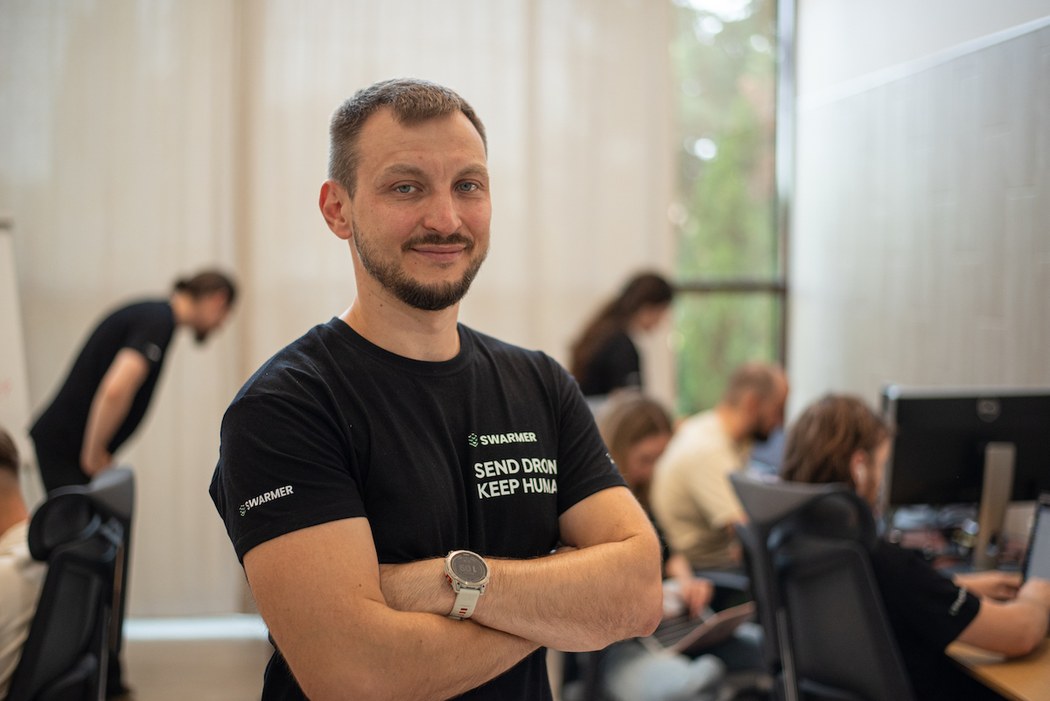
Serhii Kupriienko and the art of letting go
He spent years teaching cameras to see. At Swarmer, Serhii Kupriienko turned to a harder question: how do you let machines work together while keeping people responsible?
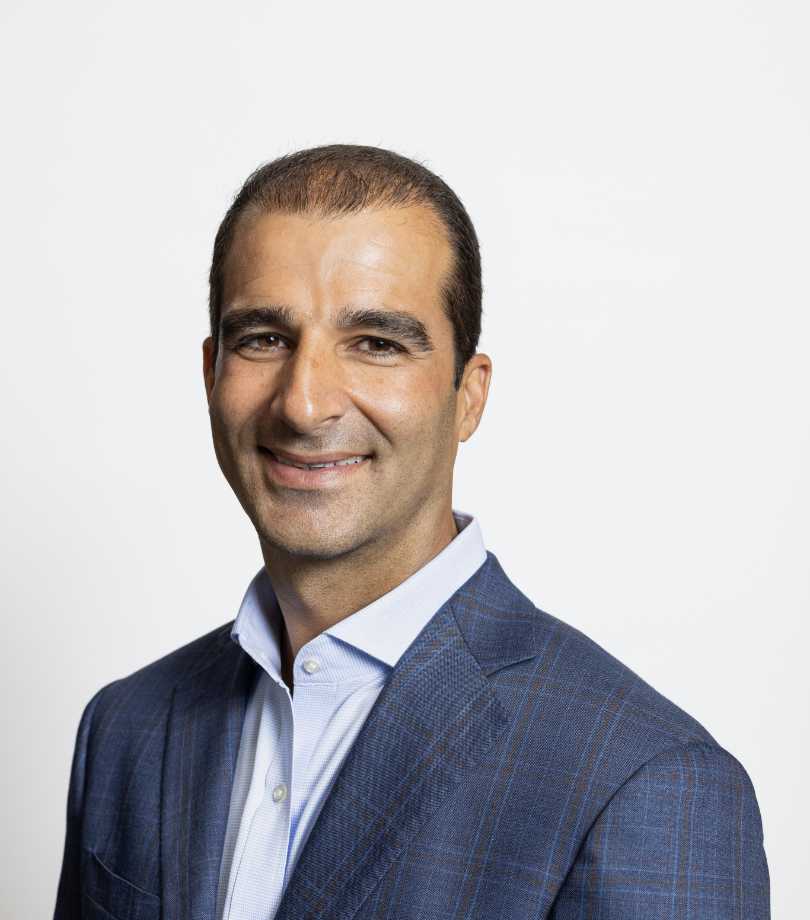
Dino Mavrookas and the Case for a Thousand Boats
He left the SEAL teams for private equity, then left private equity to build boats. At Saronic, Dino Mavrookas is testing a blunt idea: an autonomous fleet matters only if a country can actually make it.
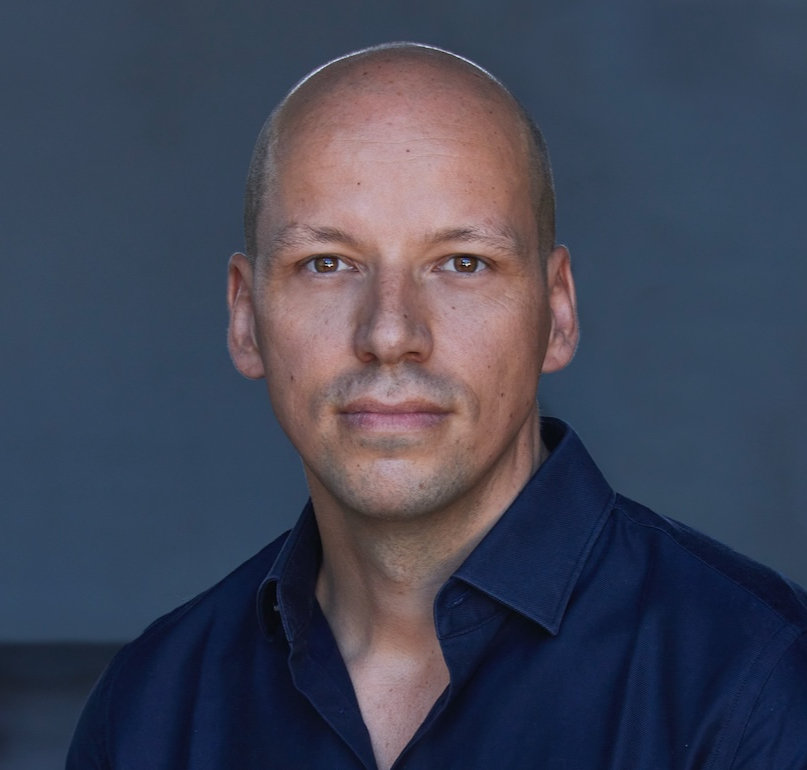
Gundbert Scherf and the New Machinery of European Defence
A former German defence official is building Helsing across drones, aircraft and maritime systems. Gundbert Scherf's career traces a shift in European defence from buying technology to making it.
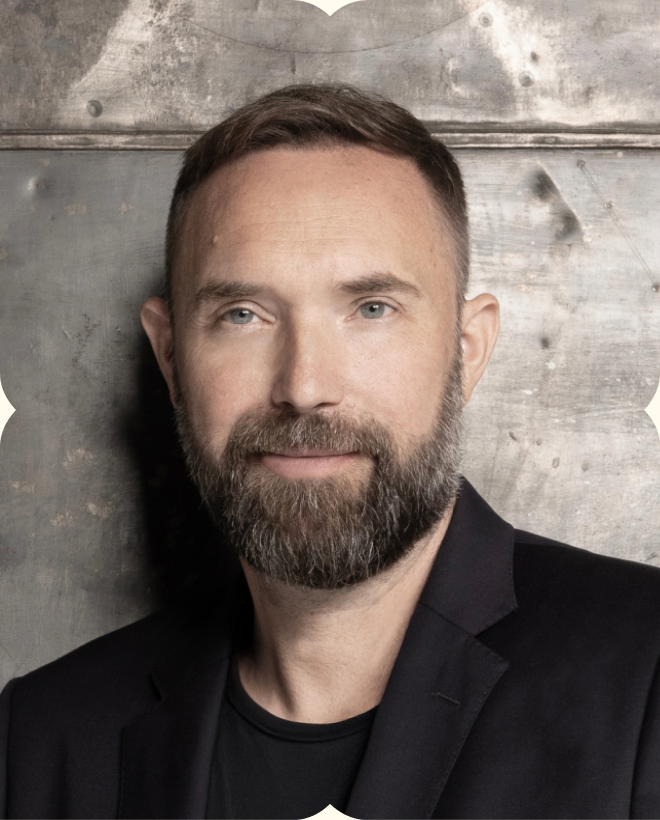
Torsten Reil and the Long Walk from Oxford to Helsing
A creature took its first steps in an Oxford computer simulation. Decades later, the biologist who built it is helping Europe put artificial intelligence into aircraft and other defense systems.
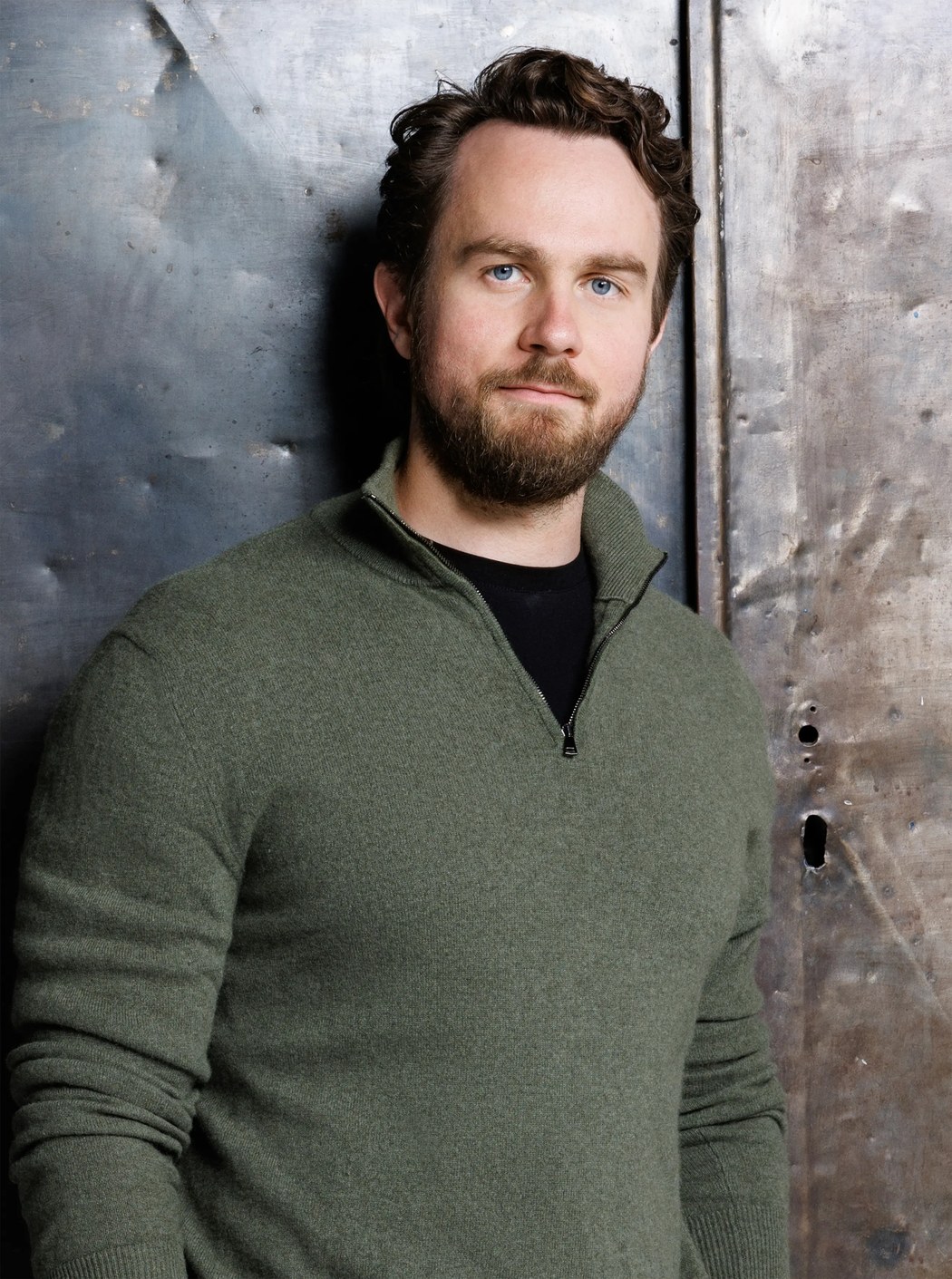
Niklas Köhler and the Bet Before the Turning Point
Before Europe’s defense debate changed, Köhler joined two unlikely partners to build Helsing. The physicist brought a machine learning company, a product instinct and questions about the industry he was entering.

Robert Slaughter Found the Pentagon's Missing Update Button
An Air Force physicist watched a promising AI project get stranded between a spreadsheet and an aircraft. His answer was Defense Unicorns - an unusually cheerful company built to make military software move at operational speed.
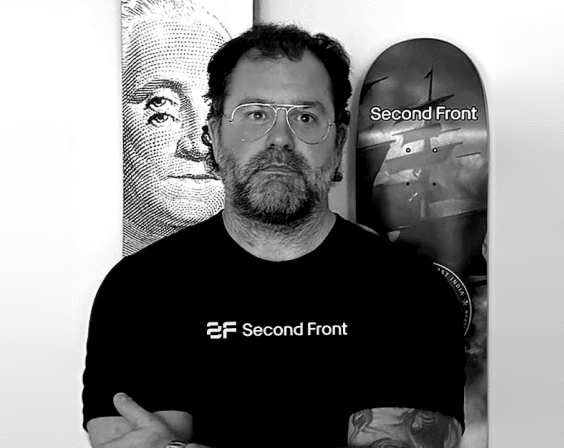
Tyler Sweatt Is Trying to Give the Pentagon Its Time Back
A West Point cadet on 9/11 became an Army officer who learned that urgency and equipment do not always arrive together. Now he runs Second Front by treating government software’s most expensive problem as a problem of time.
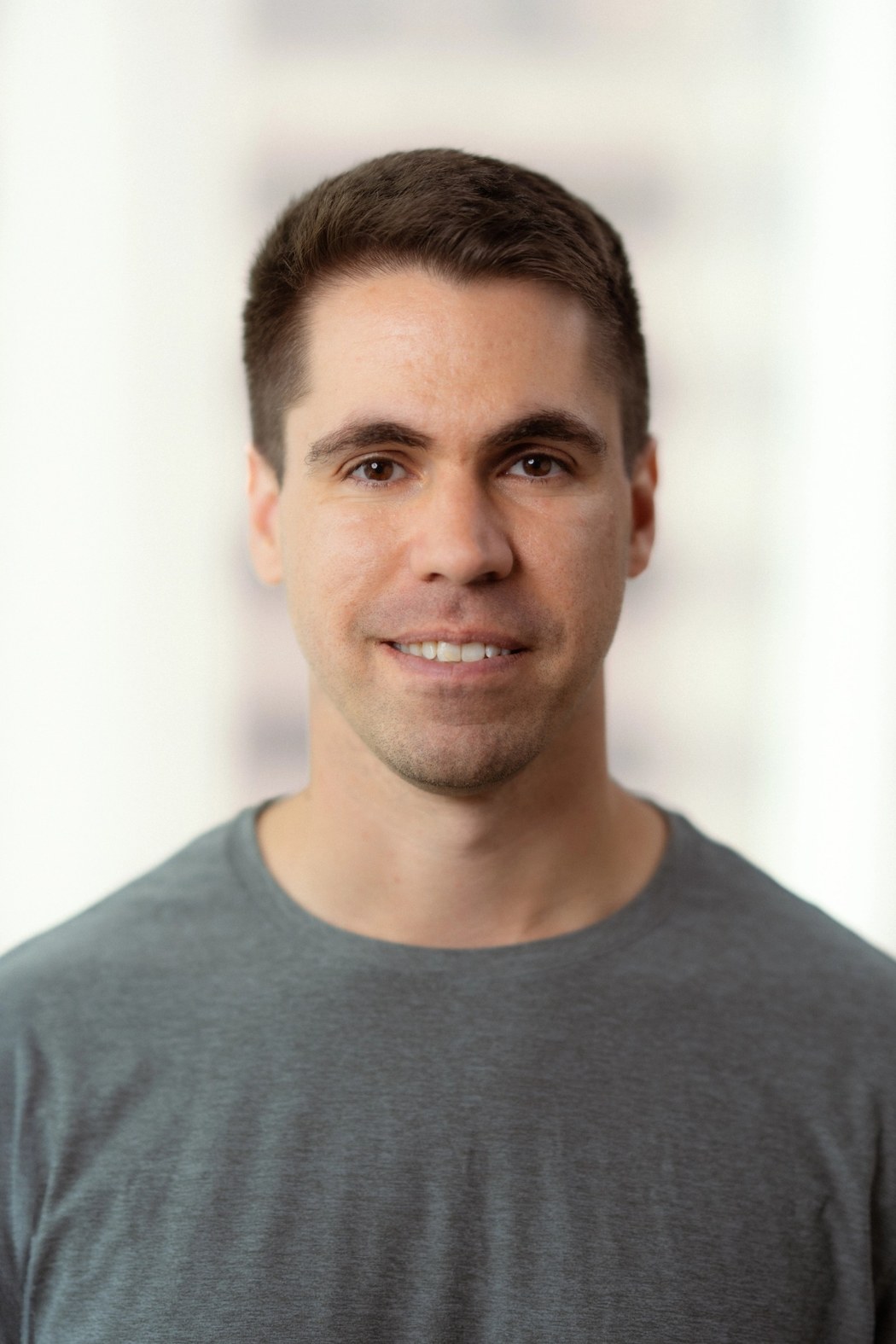
Brett Granberg Learned to Stop Adding Features
The Vannevar CEO spent months polishing an Arabic OCR tool nobody wanted. Forty or fifty quiet sales meetings later, a weekend Mandarin model taught him the lesson that now organizes his company: begin with the mission problem, then earn the technology.

LaRel Rogers Knows the Government Market Is Not a Side Quest
From a federal marketing fellowship to the knotty business of getting commercial software into government, Rogers has built a career translating between two worlds that rarely share a dictionary.
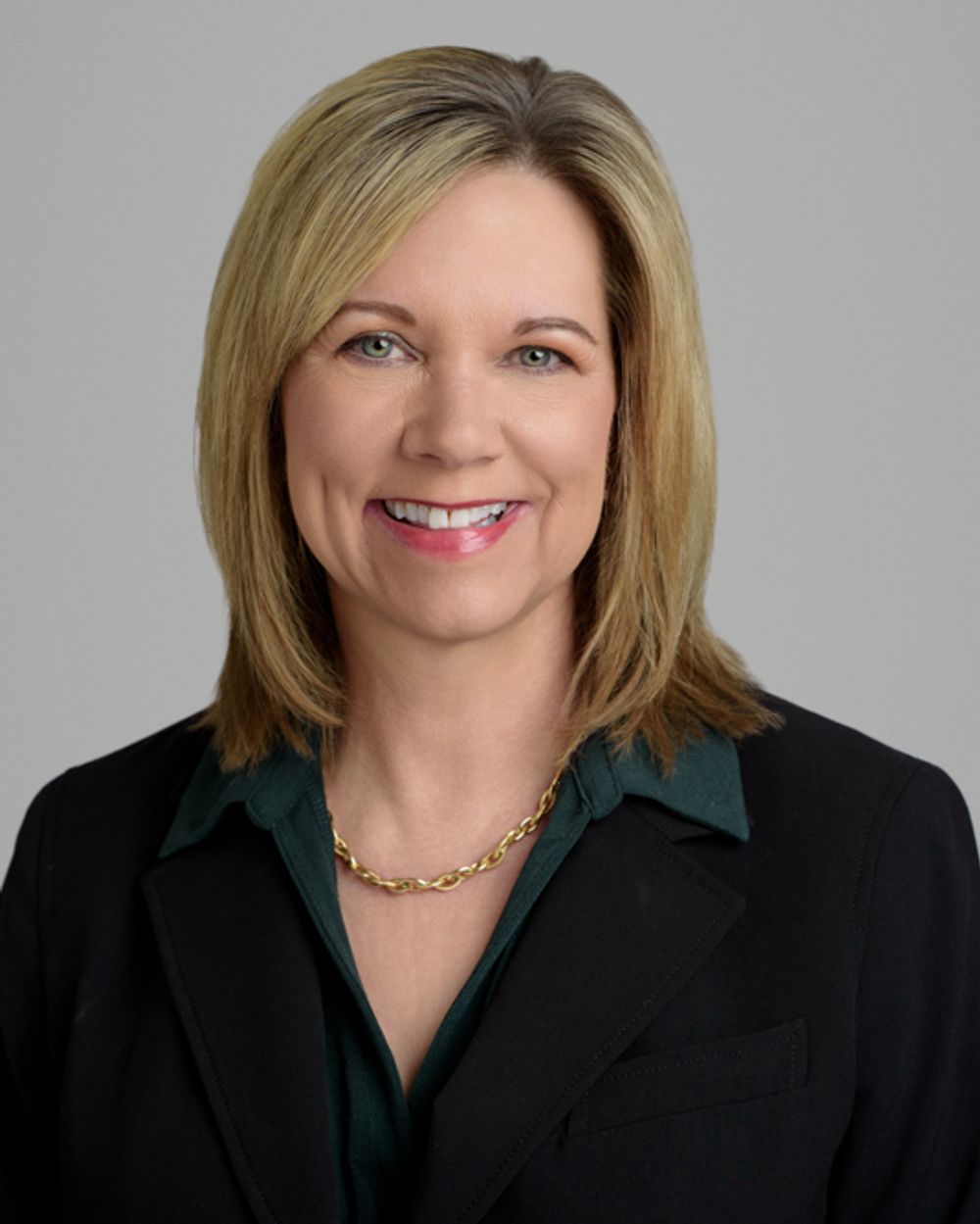
Sherry Lowe Still Looks for the Story Before She Sells the Software
She learned headlines on NFL sidelines, built marketing through an IPO and an acquisition, and now explains autonomous systems. The subject changed. Her first question did not: where is the story?

Grégoire Chomette Looked Up at Asteroids. Then He Took the Hard Problem Underwater
After MIT research and NASA asteroid-risk work, Grégoire Chomette built an energy company with paying customers - then chose to start over beneath the surface. His wager at AICE is that Europe’s next layer of maritime defense will be modular, autonomous and built in the water, not on a slide.
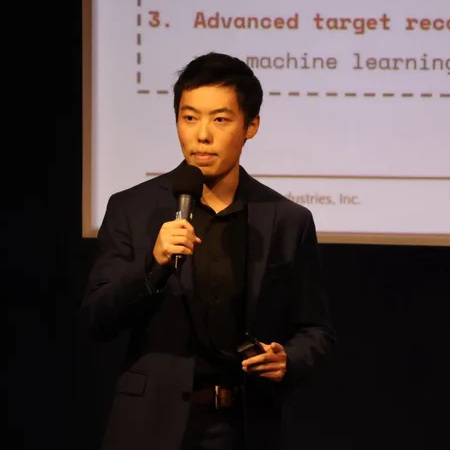
Darcy Zhang Is Betting on the Signal Before the Drone
A commerce graduate and former infanteer is building Greypoint Industries around a severe test: would he trust the hardware with his own life?
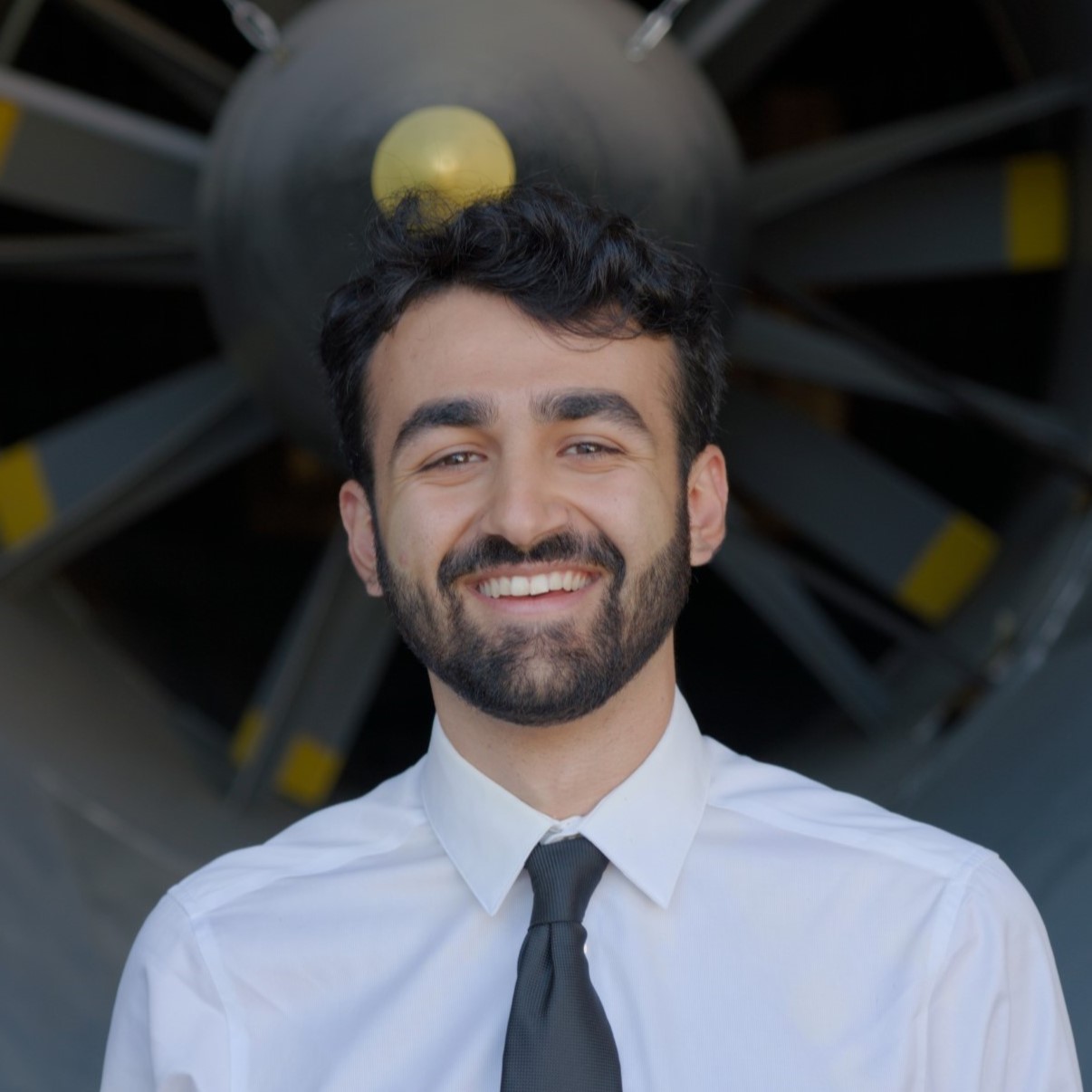
Geourg Kivijian Is Teaching Drones to Pass for Birds
His master's thesis became a flying prototype, his middle-school friend became his co-founder, and a stubborn aerospace curiosity became Ornadyne's bet on low-signature reconnaissance.
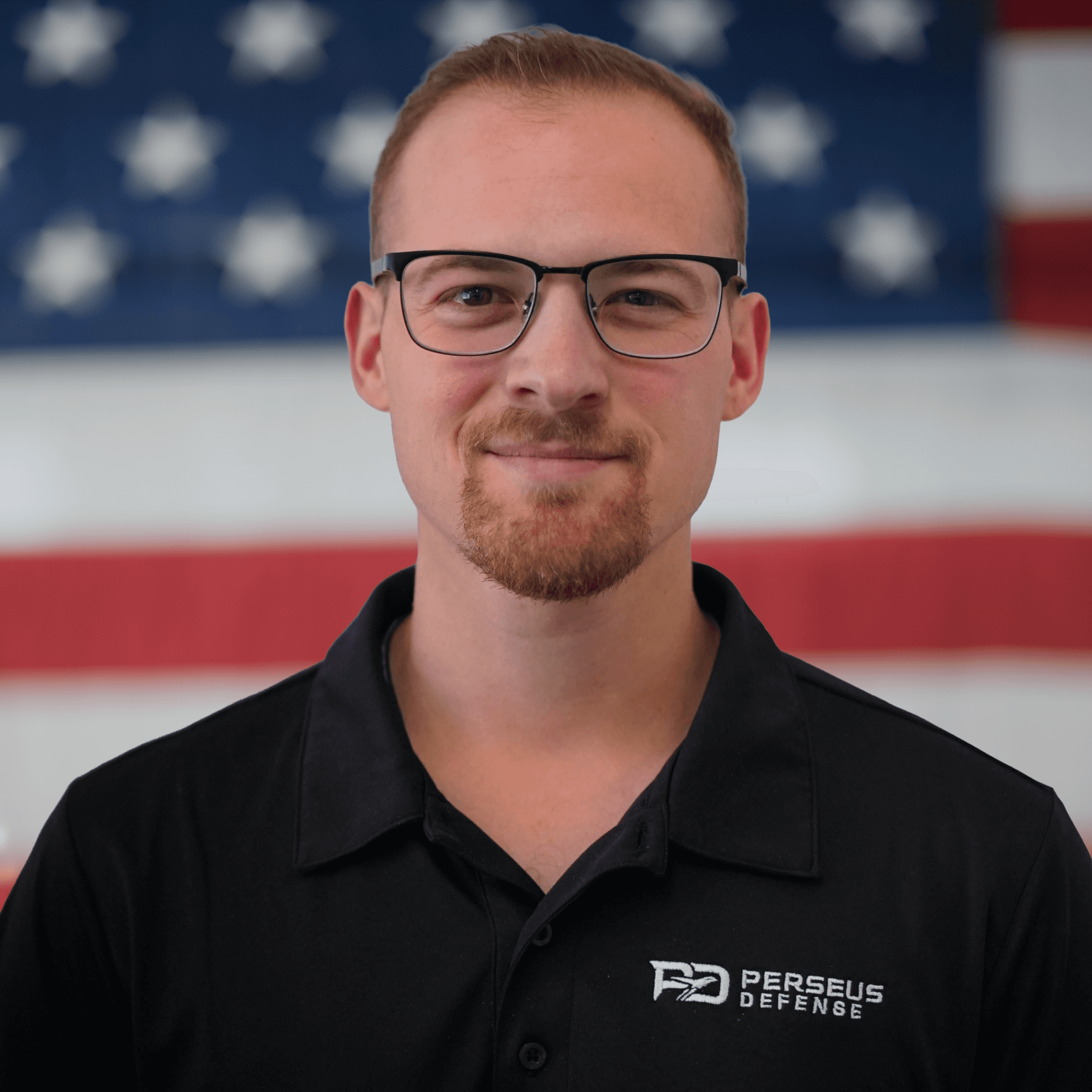
Jason Cornelius Left Space Helicopters for a Two-Foot Answer to Drone Warfare
After helping design a rotorcraft for Titan, the Penn State engineer traded interplanetary patience for two-week build-test cycles. His new problem is brutally terrestrial: making drone defense cheap enough to use at scale.

Anshul Ahluwalia Wants Drone Defense to Speak One Language
After building aircraft autonomy at Shield AI, the Georgia Tech computer scientist found his startup idea in defense technology's least glamorous corner: getting incompatible machines to cooperate.
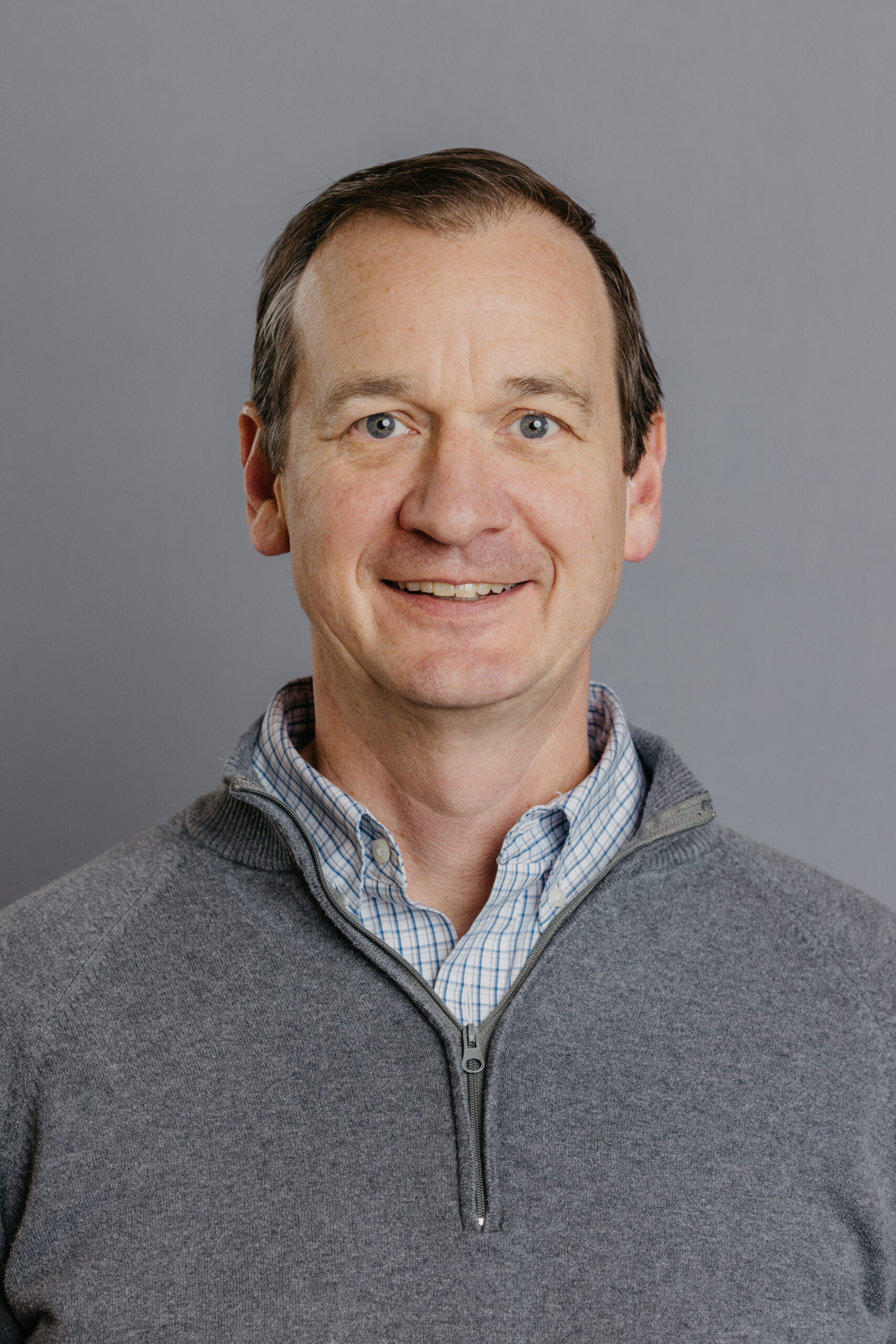
Bret Boyd Is Building the Missing Switchboard for American Manufacturing
After four Iraq deployments and a career spent watching organizations wrestle with change, the Sustainment co-founder has chosen an unglamorous but consequential target: the friction keeping 250,000 American manufacturers apart.

Will Edwards Found Rocketry's Slowest Part - Then Put It on Fast-Forward
A software founder walked into defense conferences carrying something like Lego plastic. Six years later, his company is betting that the bottleneck inside America's missile supply chain can be printed in hours instead of cured for weeks.

Grant Demaree Turned a Three-Month Planning Lag Into Onebrief
In Liberia, the virus moved faster than the planning process. The former Army officer built Onebrief around a stubborn question: how much better could military decisions become if the software finally kept up?

Vadym Melnyk Built a Drone That Knows When to Come Home
A teenage exchange year, an unfinished degree and one stubborn engineering question led from Ukraine to Poland to North Carolina. Along the way, Melnyk learned that the useful robot is the one that can finish the boring job without asking for applause.
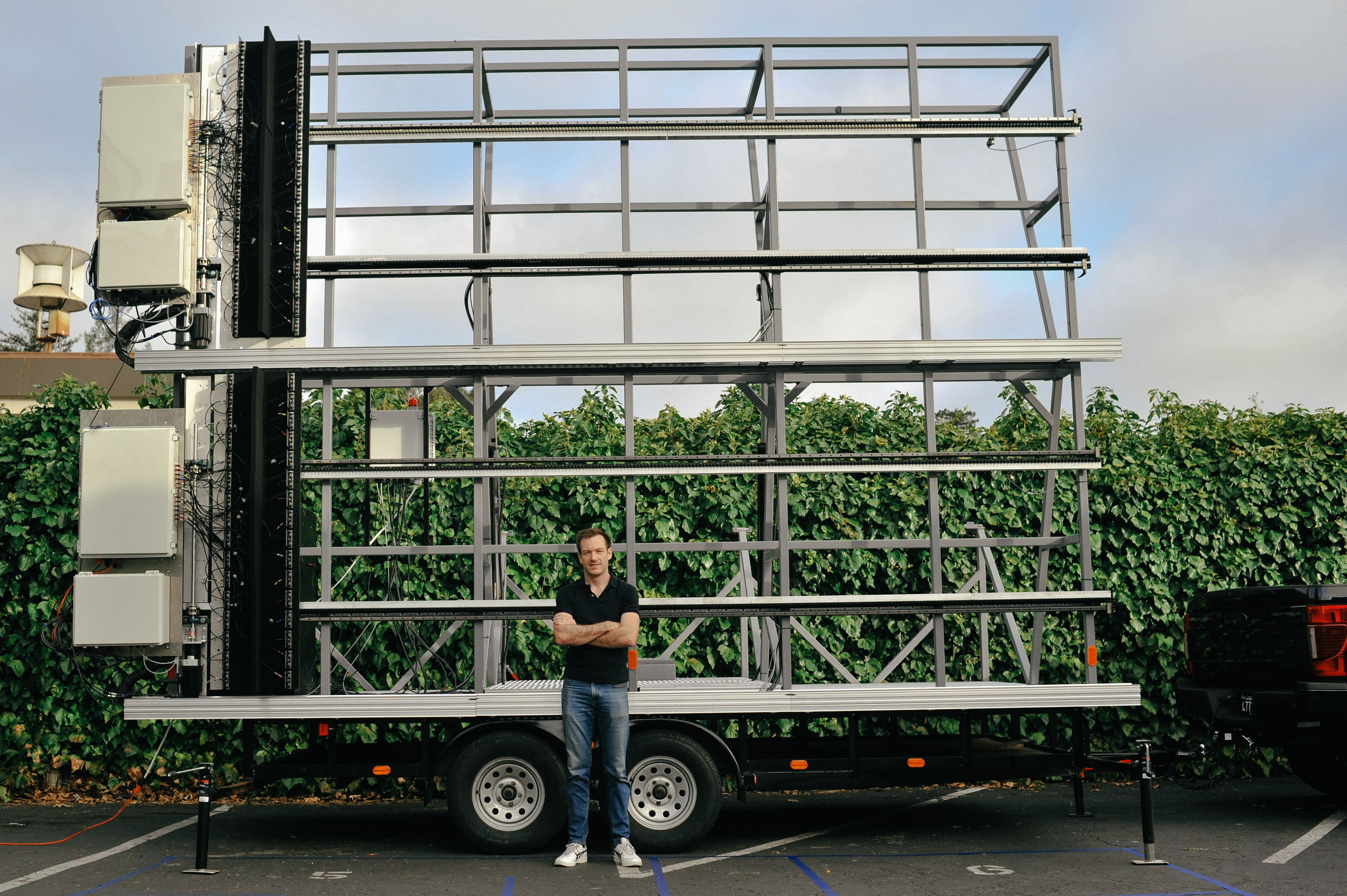
Andrew Peterson Is Turning Radar Satellites Into a Team Sport
The aerospace engineer behind Array Labs wants clusters of modest satellites to see more than one exquisite machine ever could. His bet is equal parts radar physics, manufacturing discipline and a founder’s reluctant conversion to sales.

Akhil Voorakkara Is Building the Ocean Company One Hard Lesson at a Time
The Ulysses co-founder began with a leaking seed-planting prototype, learned what salt water does to confidence, and returned with a broader plan for autonomous work at sea.
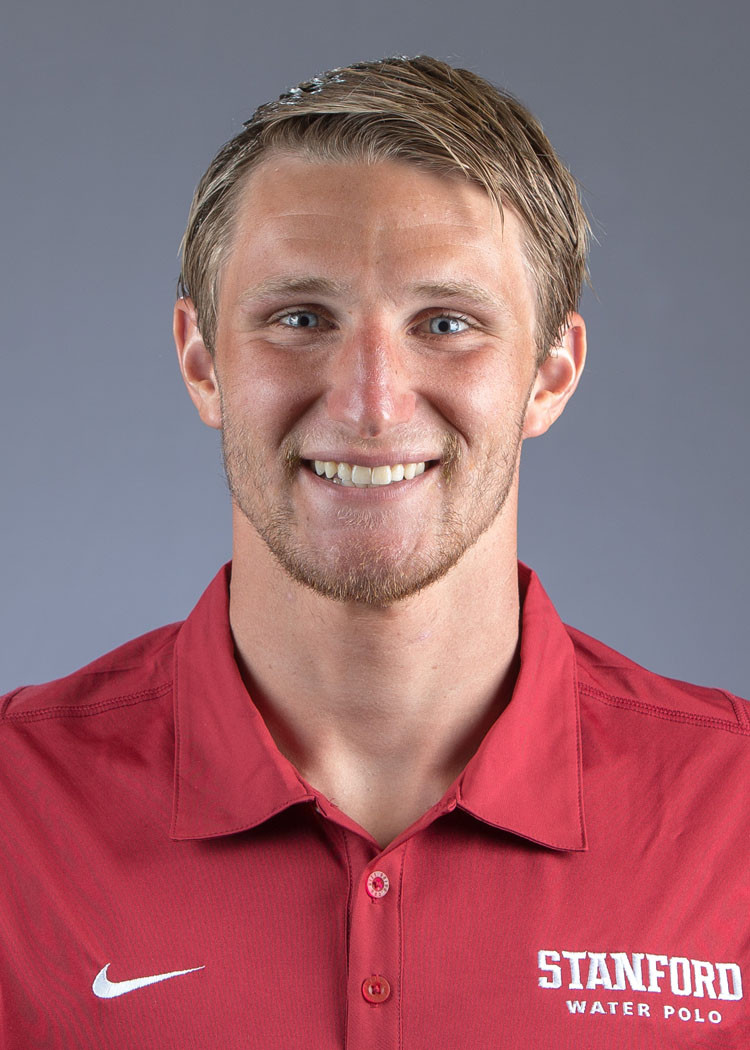
Adam Warmoth Is Rewiring the Battlefield From the Power Up
After electric aircraft and counter-drone systems, Adam Warmoth found his company in a less glamorous bottleneck: the electricity every modern military system quietly needs.

Alex Fink
He watched his parents tune into Voice of America at 4 a.m. Decades later he is building the software brain for drone swarms - and an app to clean up the news. The through-line is simpler than it looks.
Joe Wolfel
Joe Wolfel is the co-founder and CEO of Terradepth, a Cedar Park, Texas company building an ocean data ecosystem that pairs autonomous underwater robots with a cloud platform to turn fragmented subsea readings into decision-ready intelligence for commercial and government customers. A U.S. Naval Academy graduate and former Navy SEAL, Wolfel started the company in 2018 with fellow SEAL Judson Kauffman after concluding that humanity's ignorance of the ocean was a solvable data problem. He frames Terradepth less as a robotics maker and more as an 'Ocean Operating System,' shifting the maritime industry from buying platforms to buying the intelligence those platforms generate.

Joel Anderson
Joel Anderson is the founder and CEO of ZeroMark, a New York defense-technology startup building an AI-and-robotics fire control system that turns ordinary infantry rifles into auto-aiming counter-drone weapons. A U.S. Navy veteran who went on to help scale MongoDB from a small team to a public company as a senior technical and security leader, Anderson founded ZeroMark in 2022 after an 'epiphany' driving his Tesla to a shooting range: consumer machines could aim and track better than a soldier could. Backed by Andreessen Horowitz's American Dynamism fund and Ground Up Ventures, ZeroMark markets what it calls a 'handheld Iron Dome' - a motorized buttstock and sensor pod that make hitting a small drone at 200 yards, in Anderson's words, 'as easy as hitting a 60-foot-diameter circle.'
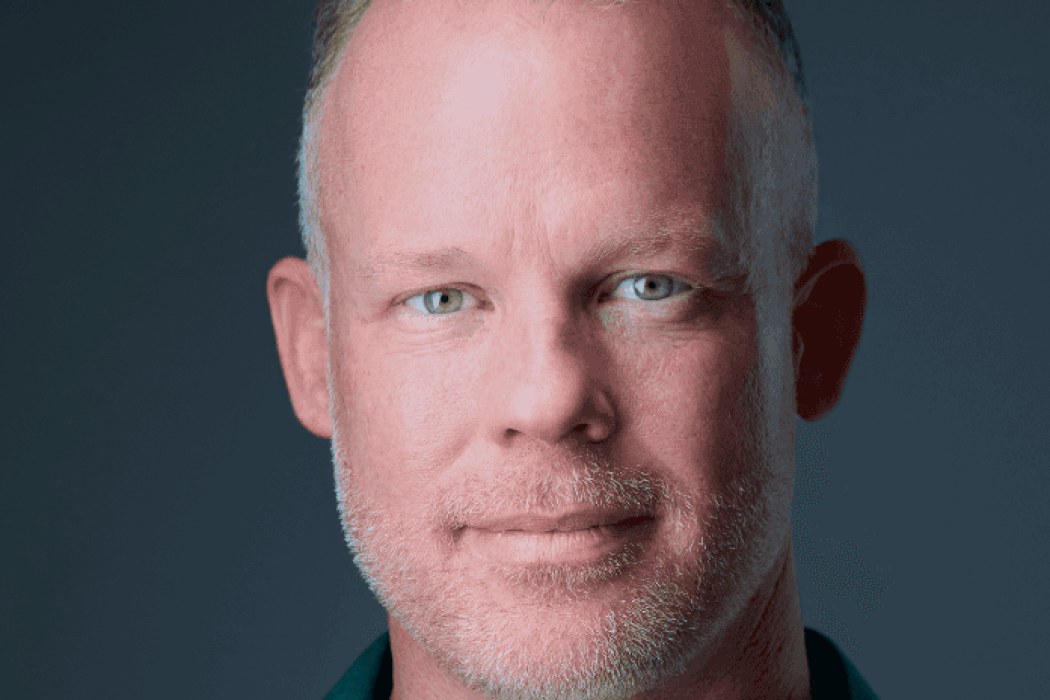
Luke Fischer
Luke Fischer is the co-founder and CEO of SkyFi, an Austin-based Earth intelligence platform that lets businesses and governments order satellite imagery and analytics on demand, the way you'd hail an Uber. A former U.S. Army Special Operations aviator with 16 years on active duty, Fischer went on to lead flight operations at Uber and government operations at Joby Aviation before becoming an entrepreneur-in-residence at Shield Capital. He teamed up with investor Bill Perkins, who was frustrated that buying satellite imagery could take three to six months, and together they built a marketplace connecting more than 50 imagery providers. In January 2026 SkyFi raised an oversubscribed $12.7 million Series A to push deeper into AI-driven analytics.
Mike Wior
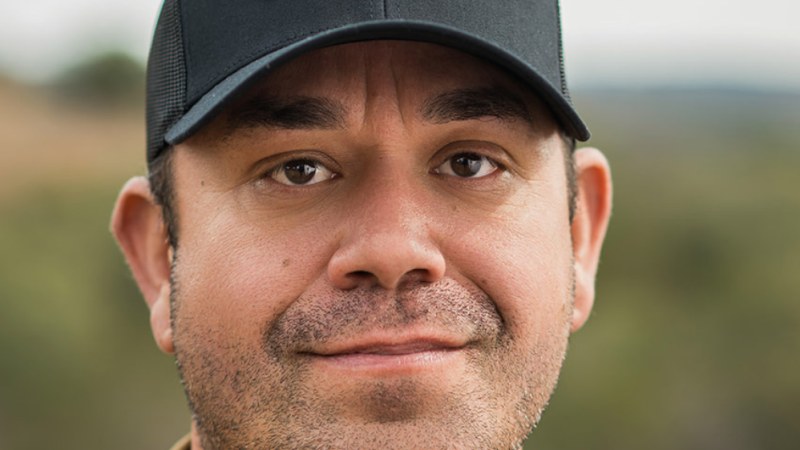
Mike Wior is the CEO and co-founder of Allen Control Systems, an Austin-based defense company building Bullfrog, an autonomous AI-powered gun turret designed to shoot down small drones with rifle rounds instead of missiles. He previously founded Omnivore, a restaurant POS transaction network acquired by Olo in 2022, then took over the top job at ACS from co-founder Steve Simoni, and in mid-2026 closed a $200 million Series B at a $2.2 billion valuation.

Philong Duong
Philong Duong is CEO and co-founder of NODA AI, an Austin-based defense technology company building an AI-native orchestration platform (Urza) that acts as the 'chess player' coordinating heterogeneous unmanned and manned assets across vendors. A Marine Corps veteran, former CH-46E and MV-22B pilot, and JTAC on multiple Middle East deployments, he was C3.ai's first Federal Product Manager, helping scale its federal ARR from under $1M to nearly $100M. NODA closed a $25M Series A in February 2026 led by Bessemer at a $125M valuation.
Cameron McCord
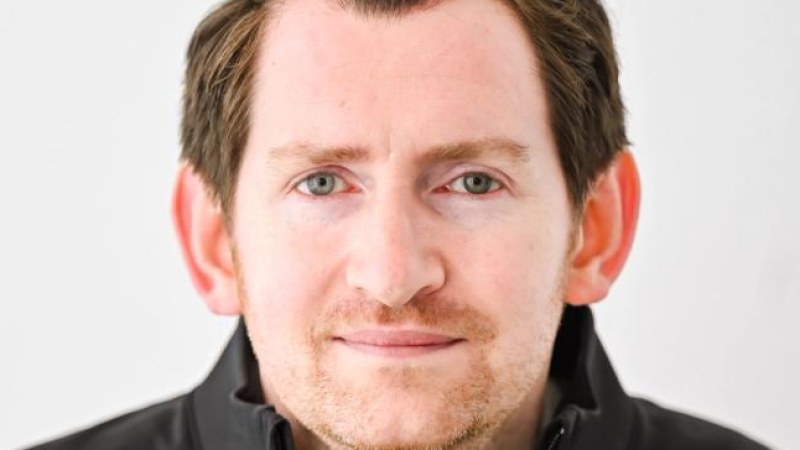
Cameron McCord is the co-founder and CEO of Nominal, a defense-tech software company modernizing how the world tests and validates mission-critical hardware. A former US Navy nuclear submarine officer who logged 484 days underwater, he studied physics and nuclear engineering at MIT and earned an MBA at Harvard before building product at Anduril and investing at Lux Capital. Founded in 2022, Nominal reached a $1 billion valuation after raising $155 million in ten months, counting four of the five largest US defense contractors among its customers.

Garrett Smith
Garrett Smith is the founder and CEO of Reveal Technology, a Bozeman, Montana defense-tech company that turns drone video into offline 3D maps and runs mobile biometrics on a phone at the tactical edge. A former U.S. Marine Corps infantry and intelligence officer who still serves in the reserves, Smith built the company he wished he had in combat, where he was making high-stakes decisions off pen-and-paper maps in a digital war. Reveal's Farsight and Identifi platforms are used by U.S. Special Operations, the Army, the Marines, and allied forces in Ukraine, the UK, and Israel. In July 2025 the company closed a $30 million Series B led by Ballistic Ventures.