amazon
(66)
Mark Britto and the art of getting paid
From an Amazon acquisition to the founding of Boku, Mark Britto has spent decades working on the moment a customer becomes a buyer. His career follows the money - and the connections that let it move.

Ashraf Alkarmi and the art of choosing five things
Before becoming Dropbox's co-CEO, Ashraf Alkarmi spent years making video easier to create, find and use. His next assignment begins with a familiar discipline: deciding what deserves attention.

Peter Chen and the education of a robot
A Berkeley friendship led Peter Chen from AI research to warehouse floors. His bet at Covariant, and now Amazon, is that useful robots learn by getting to work.
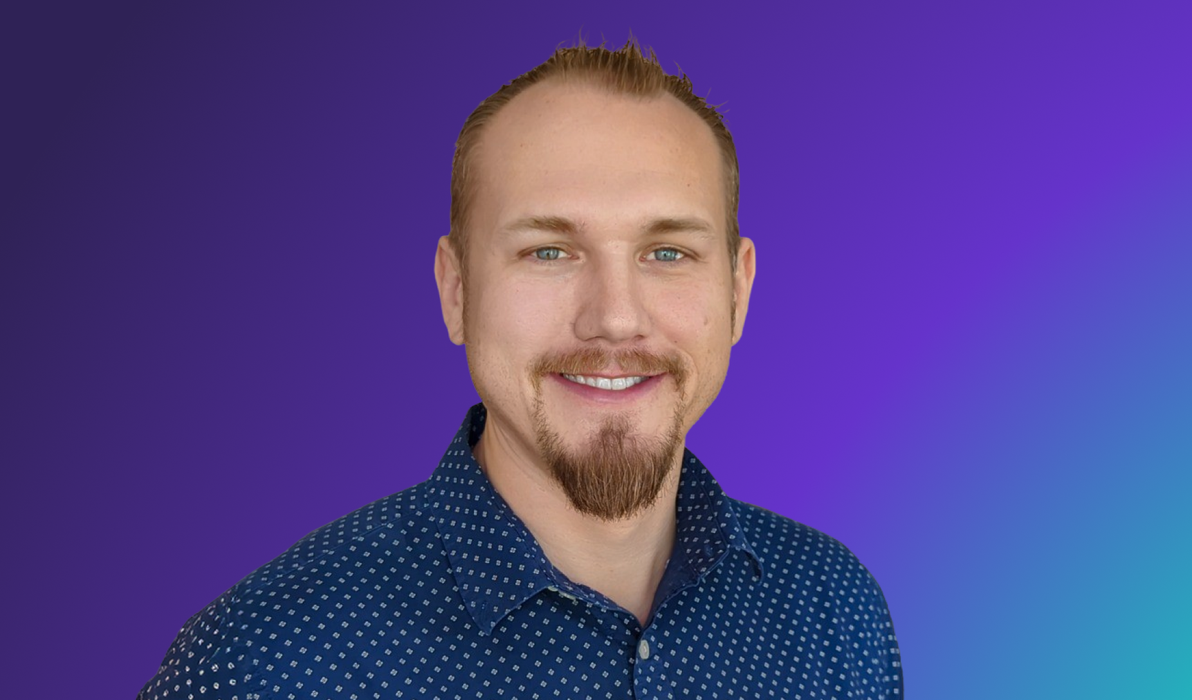
Kolton Andrus and the art of an uneventful day
After years of managing outages at Amazon and Netflix, Kolton Andrus built Gremlin to rehearse them. His ambition is a quieter internet - and fewer emergencies for the people who keep it running.
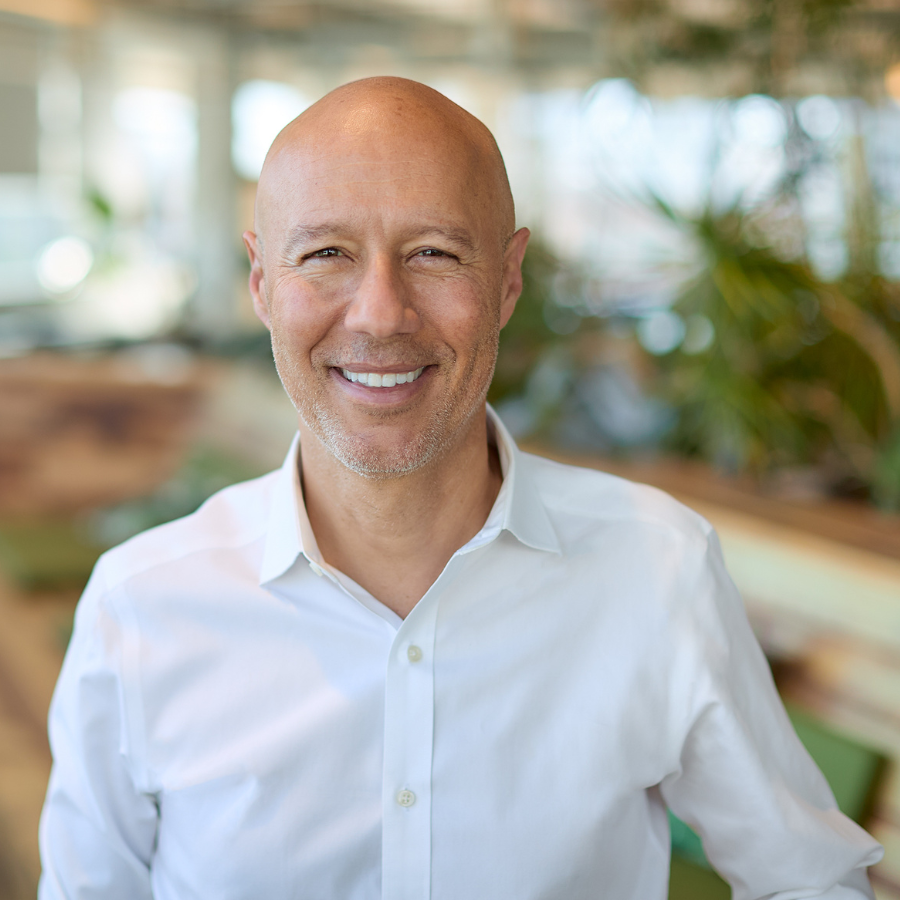
David Risher and the trouble with good enough
A paper route, a locked library and a cancelled ride help explain Lyft’s CEO. David Risher has spent his career asking why things that almost work still let people down.
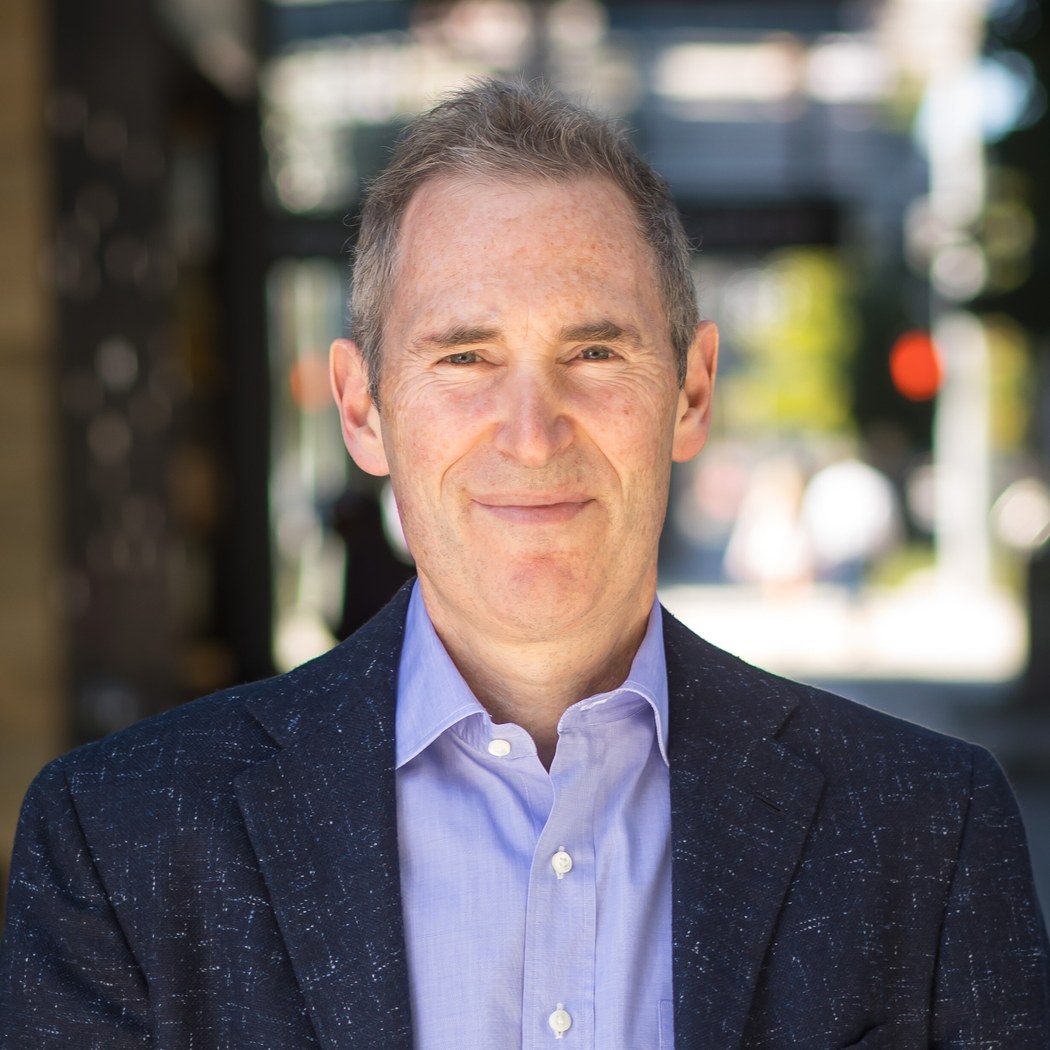
Andrew Jassy’s very long short stay
He came to Seattle with a plan to leave. Nearly three decades later, the Amazon CEO is still finding reasons to stay - and asking everyone around him to move faster.
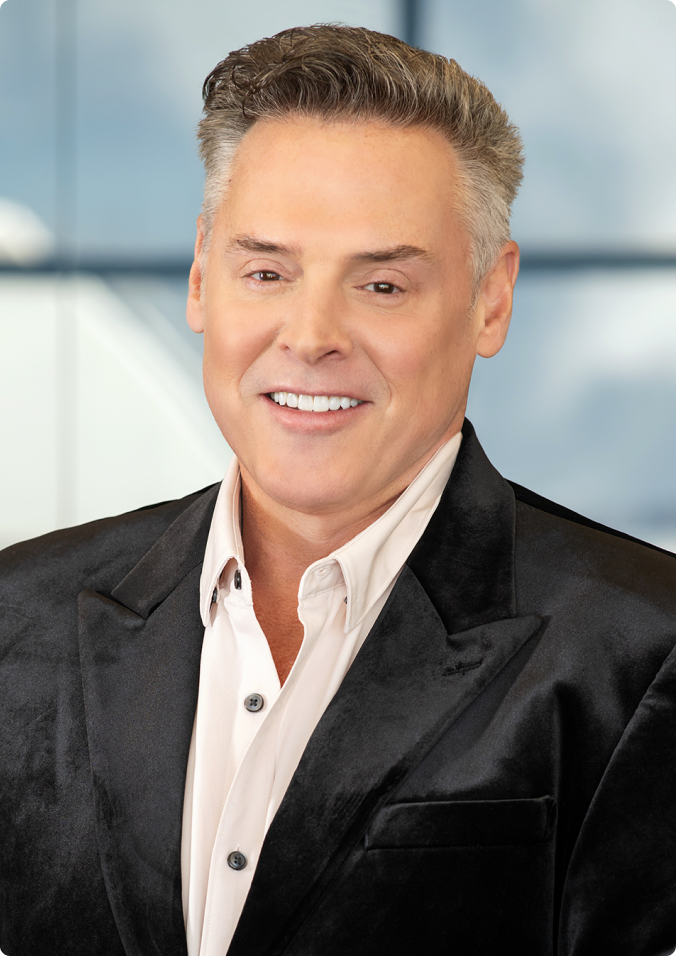
Mark Stewart and the business of coming full circle
His father worked in tires. His grandfather repaired cars. After a career through auto parts, Amazon and Stellantis, Mark Stewart arrived at Goodyear with a family connection - and a company to reshape.
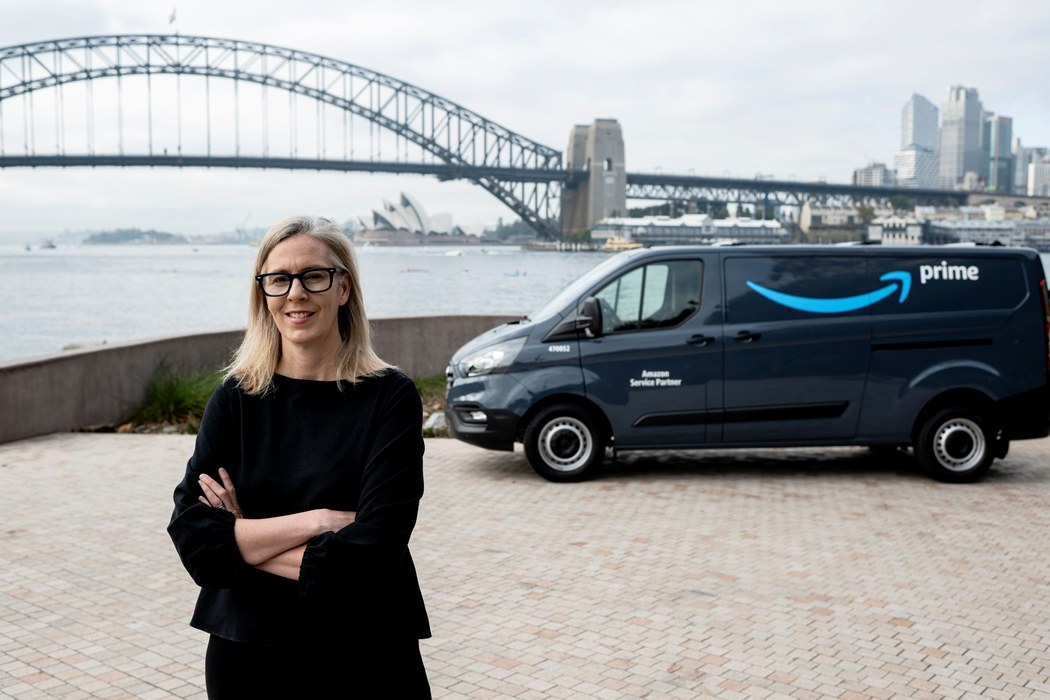
Janet Menzies and the value of a quiet room
Before Janet Menzies became technical adviser to Amazon’s Worldwide Stores CEO, she had to learn how to sit in silence. Her route from McDonald’s to Seattle is a story about listening, introductions and the work behind a promise.
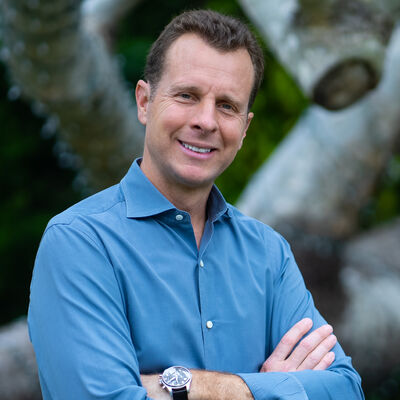
Jamie Siminoff and the trouble with answering the door
He built a video doorbell because he couldn’t hear visitors from his garage. Then Jamie Siminoff discovered how much could happen on the other side of a front door.
Yoda Yee and the ten-percent rule
At Amazon, Yoda Yee learned to watch for dangerous dependencies. At Threecolts, he has applied that lesson to the software, the customers and the marketplace his business grew up around.

Profitero+ and the art of being there
A missing tub of cream cheese can be a marketing opportunity. Profitero+ helps brands spot the opening, fix the shelf and decide what to do next.

Harish Abbott and the trouble with getting there tomorrow
He helped bring fast delivery to merchants outside Amazon, then sold Deliverr to Shopify for $2.1 billion. At Augment, Harish Abbott is working on the quieter obstacle to moving goods: getting people, messages and systems to agree.
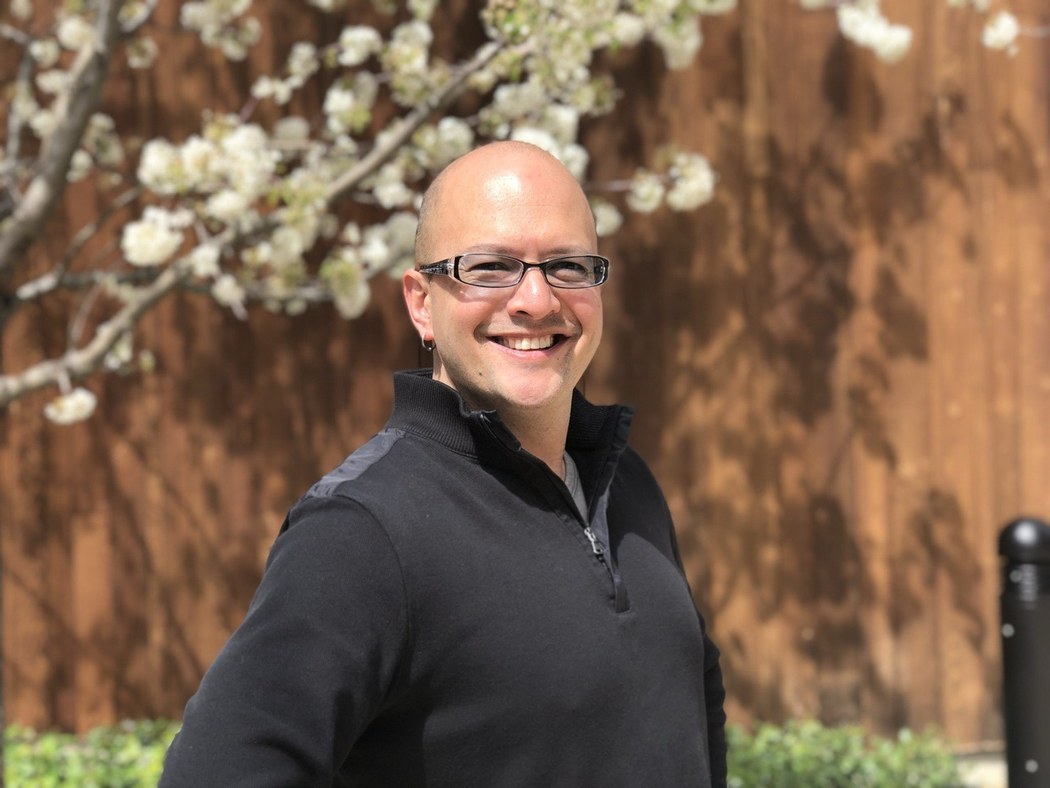
David Selinger and the minutes a camera misses
After Amazon, Redfin, and RichRelevance, David Selinger turned to a problem close to home: a security camera could record a crime while nobody interrupted it. Deep Sentinel puts a human voice into that gap.

Raunak Nirmal and the experiment that became a career
An Amazon selling experiment led Raunak Nirmal into brands, reimbursement software, and finally Acquco. His wager: knowing how a business works is a useful place to start before buying it.

Tyler Moore and the business of starting again
After a year traveling through 22 countries, the former Amazon reliability leader joined Brydon to acquire and grow small businesses with a friend who knew him long before the deal search.

TJ Parker and the trouble with arriving
He sold PillPack to Amazon, found a ski town, and discovered that finishing a company did not finish his appetite for building. Now TJ Parker is back in the CEO chair, with familiar collaborators and a different sense of what the work is for.
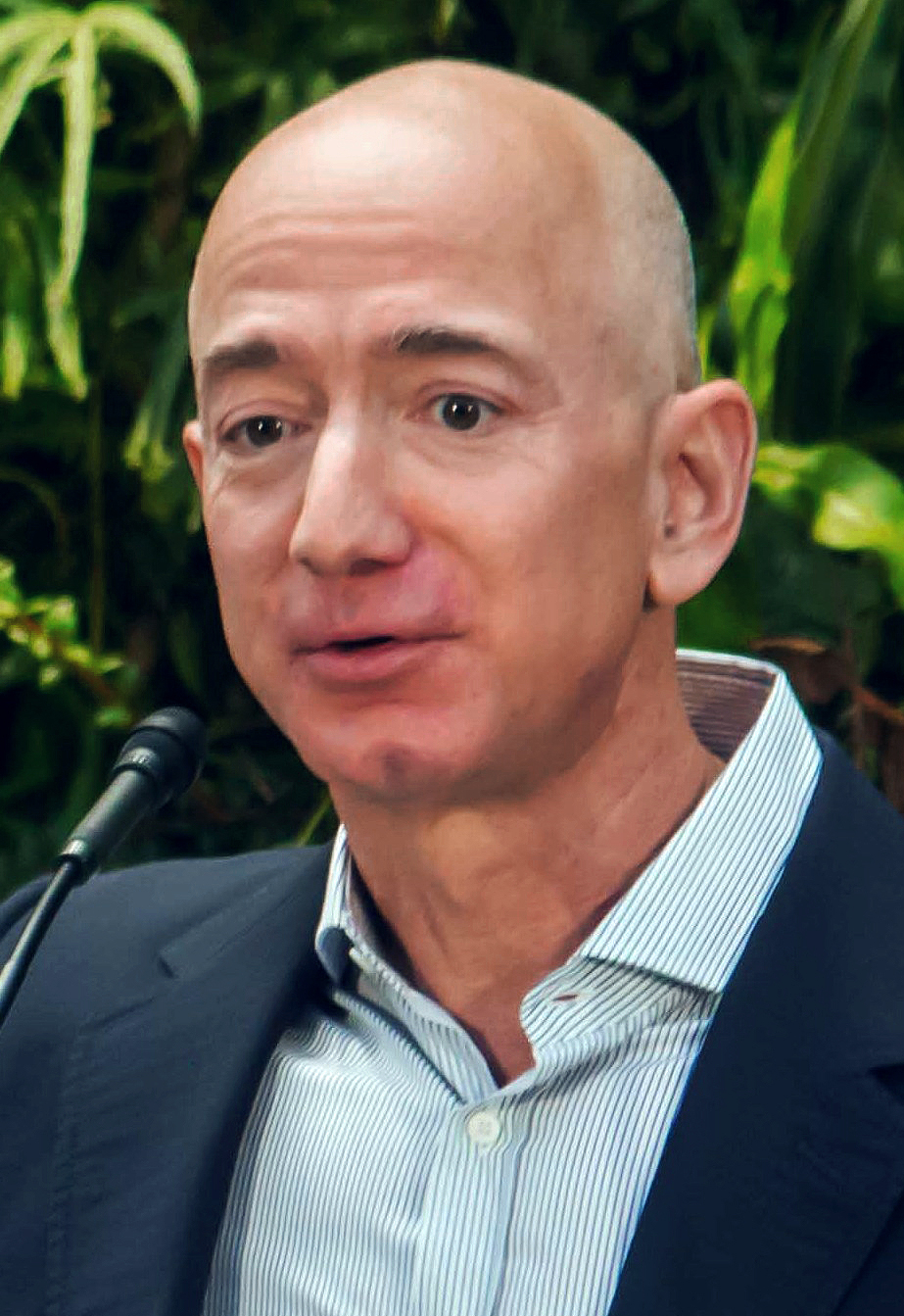
Jeff Bezos Wants to Shorten the Distance Between an Idea and an Object
After building a store that rewired shopping and a rocket company that reached orbit, Bezos has returned to the CEO chair. At Prometheus, he and Vik Bajaj are trying to give engineers a new kind of tool for the physical world.
Zexpa Apparel and the Business of Getting Your Name Right
A personalized gift starts with a name or a date. Zexpa Apparel’s public footprint reveals the design work, printing decisions and holiday schedules behind that small act of recognition.
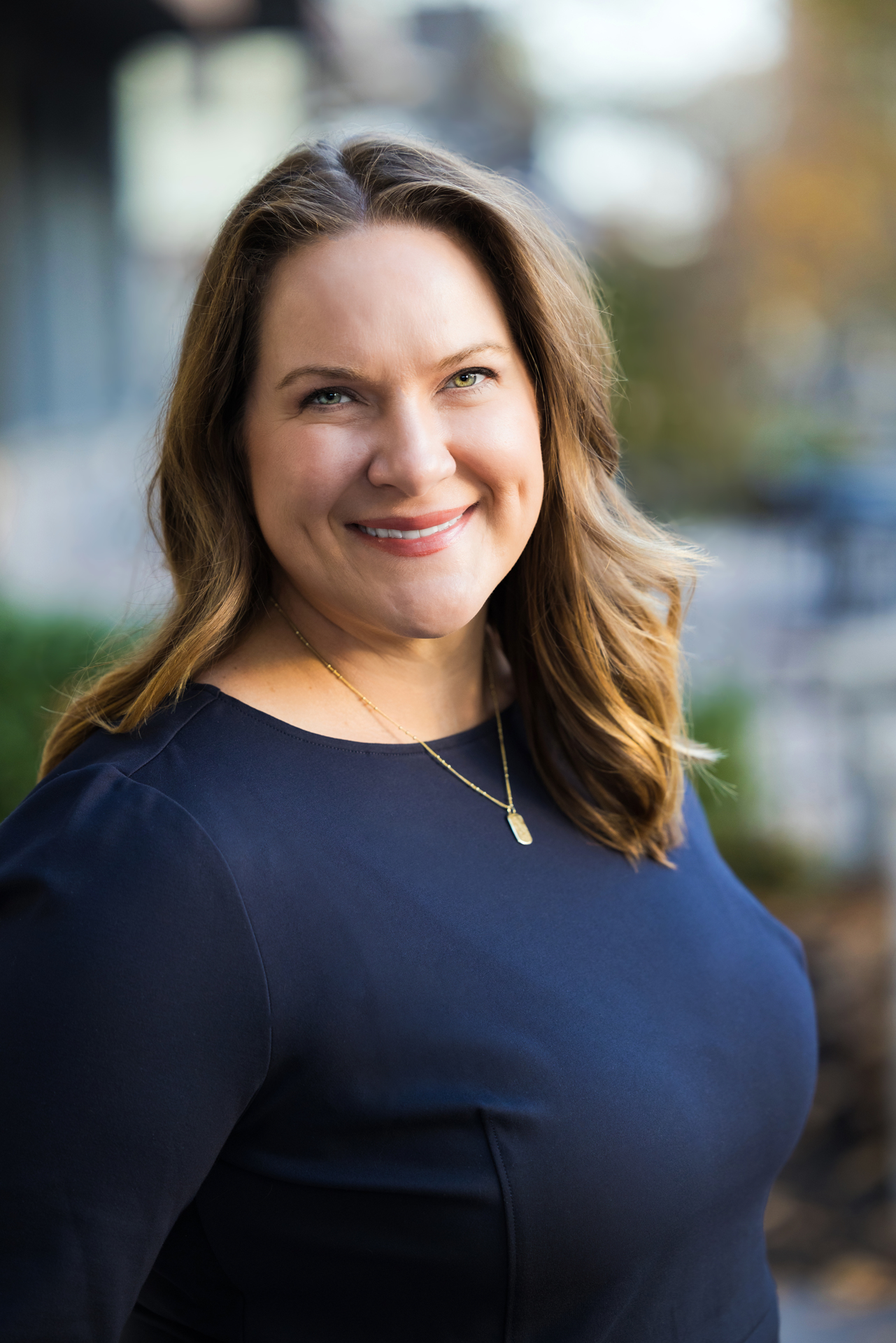
Marcy Comer Wants Marketers to Look Up From the Dashboard
The EagleView CMO has spent 26 years turning technical products into human stories. Her current prescription for the AI era is unexpectedly analog: talk to customers, consume art and keep the decision committee small.

Amazon
From a garage bookstore in 1994 to a $200 billion quarter: how Amazon turned customer obsession into the operating system of modern commerce, computing, and now AI.
Alephee
Alephee is an Argentine cloud platform that helps automotive aftermarket brands, wholesalers and distributors sell parts online across Latin America. It standardizes fragmented product catalogs, adds vehicle-fitment data, keeps prices and inventory in sync, and connects the entire distribution chain to marketplaces like Mercado Libre and Amazon so an offline reseller network can be replicated online.

Harish Abbott: Building the AI Teammate Rewiring Global Logistics
On Joe Lonsdale's American Optimist podcast, serial entrepreneur and billionaire Harish Abbott, co-founder and CEO of Augment, explains how his AI teammate 'Auggie' is transforming the fragmented $10 trillion global logistics industry. Abbott, who previously built Deliverr (sold to Shopify for roughly $2.1 billion) and helped build Amazon's fulfillment network, argues that AI's reasoning models and expanding context windows finally make it possible to automate the endless emails, phone calls, and texts that move freight. Auggie already helps manage roughly $25 billion in freight, works 24/7 across email, phone, Telegram and WhatsApp, and follows written workflows like a human employee. Abbott lays out a massive opportunity: not just tens of billions in productivity gains, but a $300 billion U.S. (nearly $1 trillion global) chance to cut waste from an industry hobbled by low-bandwidth, asynchronous communication.

MarketLeap
MarketLeap is an AI-driven ecommerce accelerator that helps consumer brands launch and scale on global marketplaces such as Amazon, Walmart, eBay, OTTO, BOL and TikTok Shop. Founded in 2022 by former Amazon and Jumia executives Mamoun Benkirane and Mekki Mouaddeb, the platform combines automation, analytics and hands-on operations - including listing optimization, dynamic pricing, marketing, inventory forecasting and VAT/tax compliance - under a 'skin in the game' model that absorbs marketing costs and runs on 30-day rolling contracts. The company raised an $8M Series A in February 2025, bringing total funding to about $10.7M.

Goodreads
Goodreads is the world's largest social platform for readers, letting people track what they read, rate and review books, get personalized recommendations, and connect with a community of more than 150 million members. Founded in 2006 by Otis Chandler and Elizabeth Khuri Chandler and acquired by Amazon in 2013, it pairs a vast book database with tools for shelving, discovery, reading challenges, and the annual reader-voted Goodreads Choice Awards.
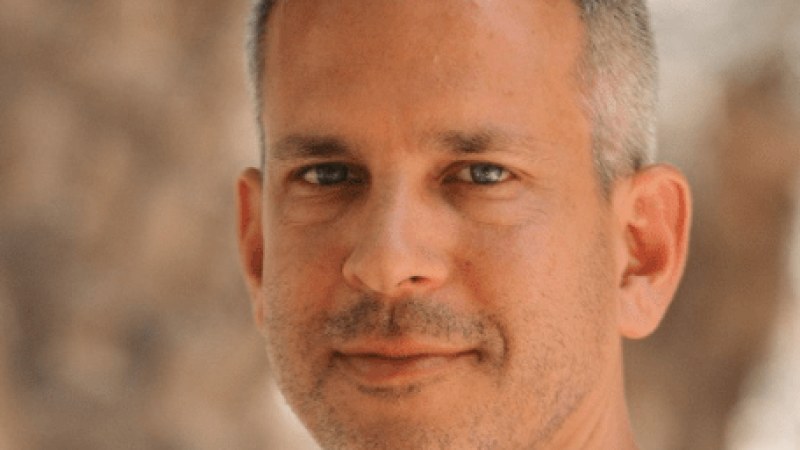
Ohad Rozen
Ohad Rozen is the co-founder and CEO of Tymely, a New York and Israel based startup building an AI agent that resolves complex e-commerce customer service tickets end-to-end. A former NLP research scientist at Amazon and Yahoo with a PhD from Bar-Ilan University, Rozen previously ran the guided-onboarding startup Toonimo. Tymely has raised roughly $15.25M across seed and Series B rounds, backed by Hetz Ventures, DESCOvery (D.E. Shaw's venture studio), and 97212 Ventures.

ProductWind
ProductWind is a Seattle-based retail influencer marketing platform that helps enterprise brands ramp new product launches in days instead of months. Founded in 2020 by former Amazon product lead Jason Kowalski and ex-Uber engineer Tom Hirschfeld, the company mobilizes thousands of retail-native creators to drive social content, reviews, SEO and sales velocity on marketplaces like Amazon and Walmart. Its core idea - 'marketing to the algorithm' - treats retailer AI systems as a second customer alongside human shoppers, coordinating waves of creator activity to push products from page five to page one.
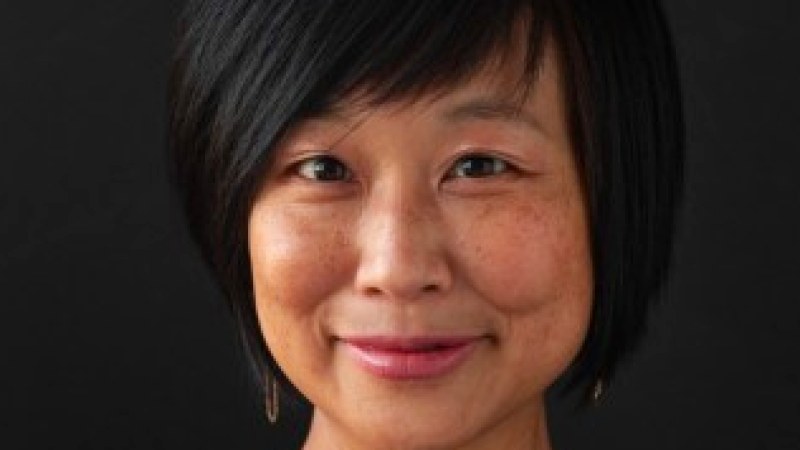
Elizabeth Liu
Elizabeth Liu is the CEO of Crowd Cow, the Seattle-based online marketplace that connects independent farms and fisheries directly with people who want to know where their meat and seafood comes from. She has been with the company since its earliest days, rising from category and operations roles to VP of Marketing before taking the top job in February 2023 when co-founder Joe Heitzeberg stepped down. Before Crowd Cow she spent roughly 15 years in direct-to-consumer and marketplace commerce, including marketing director at Wayfair, payments product manager at Amazon, and business development at Zulily. She holds an MBA from Northwestern's Kellogg School of Management and mentors early-stage founders through Techstars.

Jason Kowalski
Jason Kowalski is the co-founder and CEO of ProductWind, an influencer technology platform built for brands that sell on online retailers like Amazon and Walmart. A former Amazon product lead who built the retailer's self-service marketing platform, Kowalski started ProductWind in 2020 on a contrarian idea: brands should market to retail algorithms, not just shoppers. The company coordinates thousands of micro-influencers to move e-commerce metrics that matter to those algorithms - sales velocity, reviews, organic placement, and Best Seller Rank - rather than chasing likes and reach. Bootstrapped and profitable from day one, ProductWind grew revenue tenfold before raising a total of roughly $5.17M in seed funding.
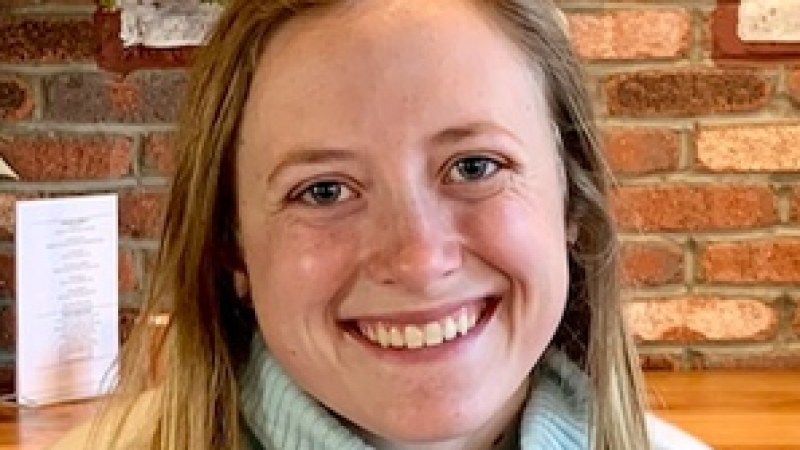
Emily Choi-Greene
Emily Choi-Greene is the co-founder and CEO of Clearly AI, a Y Combinator (S24) startup in Seattle that automates the slow, paperwork-heavy security and privacy reviews enterprises dread. She spent five years at Amazon leading Alexa AI Security and later owned data security and privacy at Moveworks, performing hundreds of reviews by hand before building the tool she wished she had. A Dartmouth computer scientist who graduated with High Honors, she runs the company alongside her husband and CTO Joe Choi-Greene, whom she met in 2019 over an Alexa security review. Clearly AI has raised roughly $8.4M and counts Fortune 500s and global brands among its early users.

Penny Chen
Penny Chen is the co-founder and CEO of Pax, the Y Combinator (S24) startup rebuilding duty drawback - the U.S. program that refunds import tariffs - as an AI-native brokerage. An MIT PhD and former research scientist at Amazon and Flexport, she stumbled on duty drawback while building supply-chain algorithms and saw a math problem hiding inside a bureaucratic one: each year roughly $10-15 billion in eligible refunds go unclaimed because legacy brokers take 10-20% and won't touch claims under $100k. Pax turns the rulebook into algorithms and LLM data extraction, promising a TurboTax-style experience that cuts filing from 9-12 months to a few weeks. The company raised $4.5M in seed funding led by Initialized Capital in April 2025.