network-security
(74)
BTC Broadband has a plan for the next severed cable
The Bixby telephone company grew into a fiber, voice and managed IT provider. Its next test is keeping Oklahoma customers connected when something goes wrong.

DNSFilter has to block the bad stuff. And let the work through.
An early customer walked away because the filtering was not ready. His return explains the appeal of DNSFilter - and the balancing act behind its expansion into a broader security platform.
Palo Alto Networks wants fewer tools on your security bill
The firewall maker is buying and building its way across corporate cybersecurity. Its pitch is less busywork for defenders - with a bigger share of the budget flowing to Palo Alto.

Purple Sold the Broadband Business. Then It Made the WiFi Login Pay.
The Manchester company stopped selling broadband and began selling what happens after people connect. Its software now turns an ordinary utility into consented customer data, indoor directions and a measurable line on the profit-and-loss statement.

Brian Gladstein Learned to Sell Security by Following the Customer
An MIT-trained engineer followed a product marketer into customer meetings and found his real craft: turning technical complexity into stories people can use. Two decades later, that habit still shapes how he builds brands, teams and trust in cybersecurity.

Abby Strong Learned the Pipes Before She Sold the Promise
Before she led markets and customers at Cribl, Abby Strong spent years inside the machinery of enterprise networks. That technical apprenticeship still shapes how she hires, explains, and listens.
The Firewall Grew Up. Now Check Point Wants It to Police AI
Check Point built a $2.7 billion business by remembering what crossed the network. Its next act is harder: governing prompts, agents and cloud traffic without making security teams buy another pile of tools.

Kanaiya Vasani Is Rebuilding the Security Operations Center Around Context
After three decades turning network machinery into products, ExtraHop's product and marketing chief is making a precise bet: AI will not rescue the security operations center unless it can see the evidence underneath the alerts.

The Khan Brothers Sold the Network Once. Then They Rebuilt It for the Cloud.
Alkira turned the least cloud-like part of cloud computing - the network - into an on-demand service. Eight years, $176 million in funding and one $475 million acquisition later, its biggest test is whether software and fiber can finally behave like one product.

The $48 Million Bet That Your Security Stack Already Missed Something
Lumu built a cybersecurity company around an unfashionable question: what if the intruder is already inside? Its answer is to read the trail in network metadata, confirm the compromise, and make the security stack respond.
GreyNoise Built a Business by Telling Security Teams What to Ignore
Most cyber vendors sell more alarms. GreyNoise built thousands of patient decoys, learned the rhythm of indiscriminate attacks, and made a business out of the far more useful answer: not this one.

Tufin’s Bet: The Firewall Is Fine. The Policy Sprawl Is the Problem.
Big companies do not have one firewall; they have a small parliament of them. Tufin built the policy layer that gets Cisco, Palo Alto, Fortinet, Check Point, cloud controls and SASE tools to follow the same rules.

Elisity’s Bet: Make the Switches You Already Own Stop the Next Breach
Hospitals and factories have thousands of devices they cannot patch, reboot or even name. Elisity’s answer is to identify them, limit where they can talk and make the existing network do the enforcing.

Versa Networks Is Selling Less Network - and That’s the Point
The Santa Clara company built one operating system for the jobs enterprises once handed to a small army of routers, firewalls and cloud-security tools. The bet works when consolidation beats specialization - and when the migration team does the unglamorous teaching.
Netskope Bet the Firewall Would Move to the Cloud. Now It Has to Keep AI From Eating the Office
A decade before every board wanted an AI policy, Netskope built a cloud checkpoint for data on the move. The bet worked - but winning SASE now means fighting familiar giants, funding a private network, and making security feel faster than doing nothing.

Alex Bender Makes Cybersecurity Marketing Sound Like the People Who Actually Do the Work
After two decades selling complex security ideas, FireMon's CMO is putting practitioner stories, operational fundamentals and plain language ahead of polished vendor mythology.
Appgate Escaped the VPN Bottleneck - Then Had to Escape Its Own Balance Sheet
Its direct-routed Zero Trust software promised to remove the chokepoints created by legacy VPNs. After a public-market detour ended in Chapter 11, Appgate is testing whether a cleaner balance sheet can do the same for the business.
FireMon Built a Business Cleaning Up the Firewall Rules Nobody Wants to Touch
Every enterprise wants zero trust. First, someone has to explain the 10-year-old firewall rule labeled “temporary.” FireMon sells the control plane for that unglamorous, expensive job.

A Customer Was Hacked. Hitesh Sheth Turned the Postmortem Into Vectra AI
A state-backed breach, an unfashionable bet on machine learning, and two years of stubborn experimentation shaped Hitesh Sheth’s approach to cybersecurity: find the signal after attackers get in.

Abdullah Shah Builds for the Moment After the Demo
Before reliability became a boardroom word, Abdullah Shah was measuring controllers, engineering failure recovery and turning infrastructure into code. Now, at Xgrid, he is applying the same instinct to cloud platforms and durable AI workflows.

Benny Czarny Built a Cybersecurity Company Around One Annoying Question
He began by translating the unruly dialects of antivirus software. Twenty-four years later, Benny Czarny is still asking an unfashionable question: why let a suspicious file in at all?

TenPlus Systems Built a 34-Year Business Around the Moment Your Laptop Stops Cooperating
The Raleigh company sells the shiny machines, fixes the broken ones, and offers to run the network in between. Its durable idea is simple: the least glamorous parts of technology are often the parts customers will keep paying to make disappear.
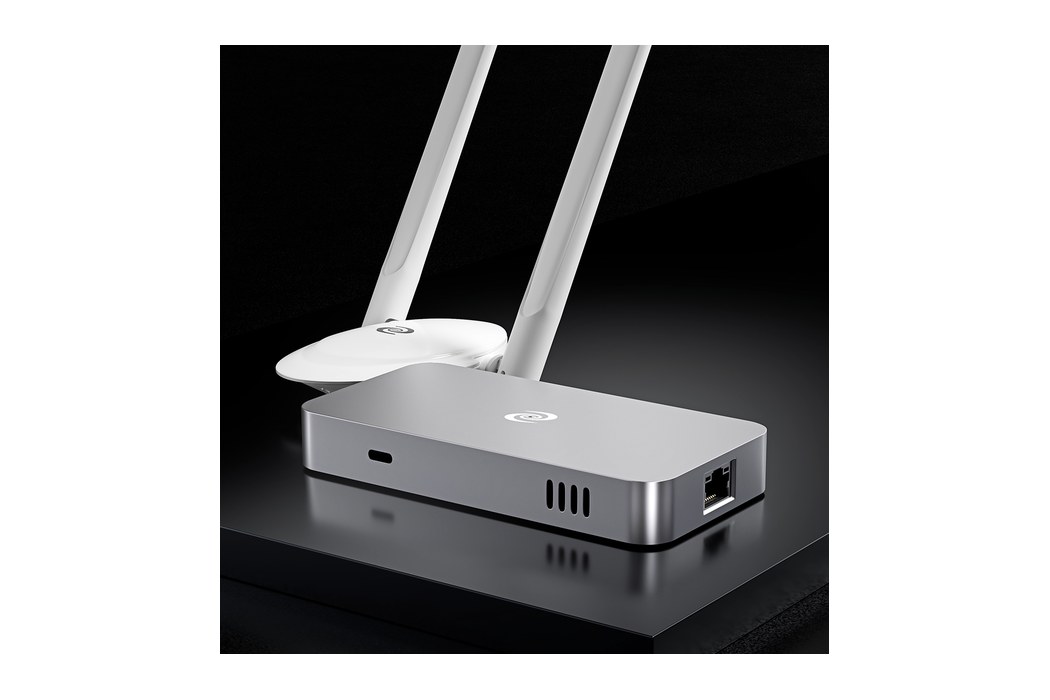
The Box That Pays You Back for the Bandwidth You Already Waste
No app, no monthly bill, no login screen. Deeper Network sells a matchbox-sized router that guards your whole home network and turns your leftover bandwidth into crypto - and it is one of the few DePIN projects with a product you can actually hold.

The Pentest That Never Clocks Out
A solo hacker in Madison got tired of writing the same annual report twice. So he built software to run the test all year - and turned continuous penetration testing into a business.
The Firewall Company That Bet Everything on the Middle
For 30 years, WatchGuard has sold security to the companies too small for Palo Alto and too serious to go without - and built its whole business around the partners who install it.

Aeris
Aeris spent three decades making machines talk over cellular networks. Now, with 104 million devices in its orbit, it wants to make sure nobody dangerous is listening - or speaking back.

A10 Networks, Inc.
A10 Networks built a durable business in the least glamorous place on the internet: the traffic choke point. Now the same machinery that kept telecom networks moving is being recast for APIs, AI models and agentic software.
Nile
Nile is a San Jose-based Network-as-a-Service (NaaS) company founded in 2018 by former Cisco leaders Pankaj Patel and John Chambers, along with Suresh Katukam and Sri Hosakote. It replaces the traditional buy-and-manage model for enterprise wired and wireless LANs with a cloud-delivered subscription that bundles hardware, software, zero-trust security, AI-driven automation, and performance guarantees. Nile designs, deploys, monitors, and continuously optimizes campus networks so IT teams no longer have to, targeting the roughly $75B enterprises spend each year running networks.

Sixscape Communications
Sixscape Communications is a Singapore-based cybersecurity vendor specializing in Public Key Infrastructure (PKI) automation and post-quantum readiness. Founded in 2014 by cryptography veteran Lawrence Hughes, the company builds digital certificate-based products for secure email (S/MIME), password-less authentication, IoT device identity and unified communications. Its patented Identity Registration Protocol (IRP), assigned IANA port 4604, automates the request, issuance and management of X.509 certificates so enterprises can deploy trusted digital identities in seconds rather than weeks. Sixscape sells through a 100% partner-centric model spanning system integrators, resellers and certificate authorities, and positions its IDcentral platform for certificate lifecycle management and cryptographic posture management in a market bracing for shorter TLS certificate lifespans and the migration to quantum-safe algorithms.

Aerwave
Aerwave is a Texas-based proptech company that designs, deploys and operates next-generation managed Wi-Fi for multifamily residential communities. It delivers property-wide, gigabit-speed internet that is secure and always on, paired with 24/7 domestic support, an owner analytics dashboard, and a capital program that lets property owners deploy infrastructure with no upfront cost. Aerwave works exclusively with real estate owners, developers and operators across the multifamily, build-to-rent, single-family rental and student-housing markets.