oxford
(72)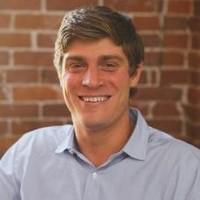
Jacob Sattelmair and the art of starting again
He rowed for Harvard and Oxford, spent thirteen years building Wellframe, and then stepped away. Jacob Sattelmair’s next chapter begins with a familiar choice: finding the right people to build with.
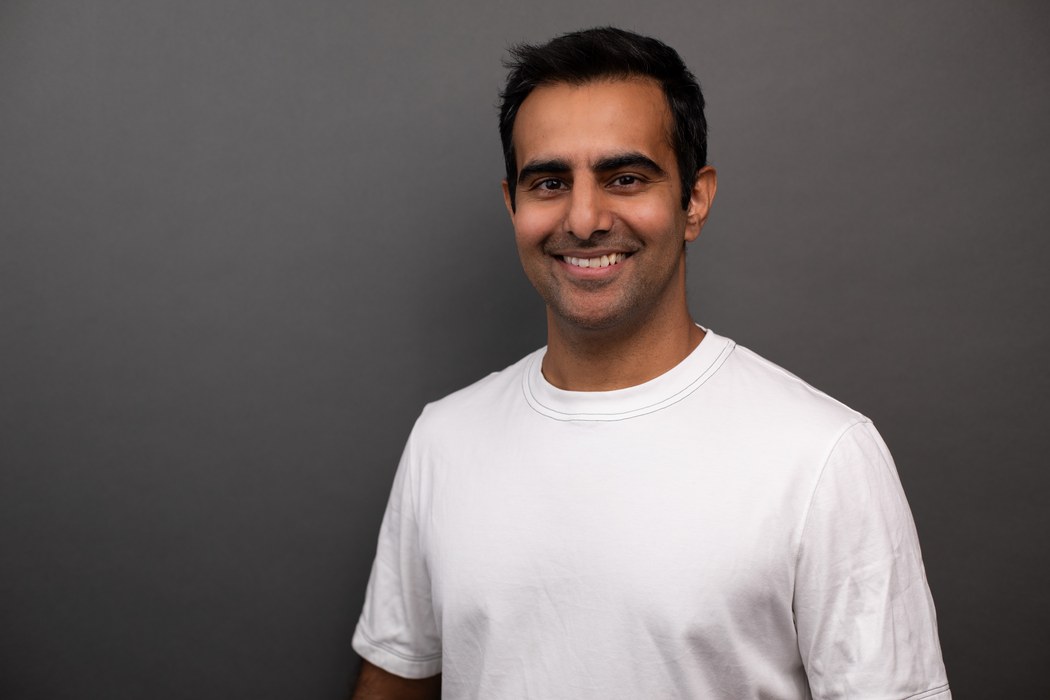
Kulveer Taggar and the twenty-year question
He sold Auctomatic at 24, spent years building Zeus Living, and returned to Y Combinator on the other side of the table. Kulveer Taggar’s career keeps coming back to how long a good idea deserves.
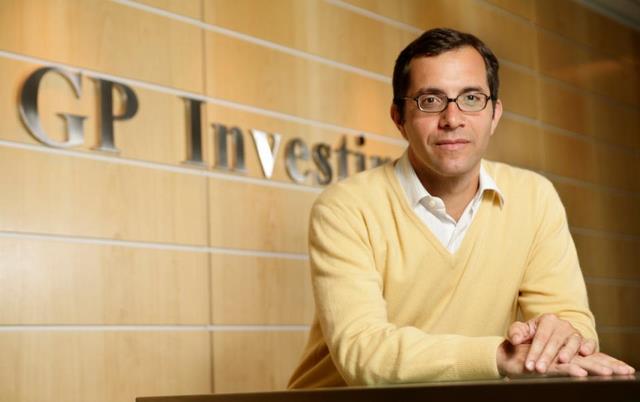
Antonio Bonchristiano and the long life of a good idea
He helped build Submarino, took the helm at GP Investments and backed Akad Seguros. A rare Shelley poem offers another way into Antonio Bonchristiano’s story: what happens after you spot something worth keeping?
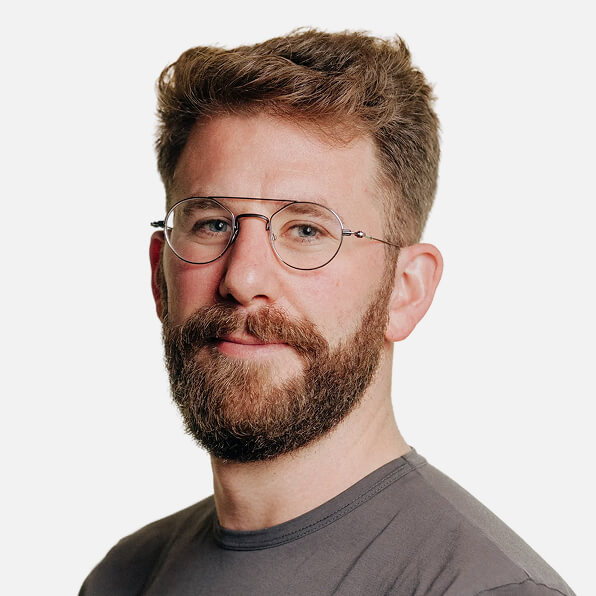
Jonathan Levin and the trouble with invisible money
An Oxford pub conversation sent Jonathan Levin into Bitcoin. A decade of following the money made the Chainalysis co-founder a translator between crypto, banks and the people with badges.
Will Marshall and the trouble with yesterday’s Earth
An Oxford physicist helped turn small satellites into a daily record of a changing planet. Now Will Marshall wants to make that record answer questions.
Phelim Bradley and the Question Behind Every Answer
He built Prolific to help researchers find people they could trust. Now Phelim Bradley is taking the same problem into AI, where the identity of the person behind an answer matters more than ever.
William Polkinghorn and the education of a second-time founder
A Rhodes scholar, a former pitcher, and the co-founder of Driver, William Polkinghorn has learned that building a company asks different questions from earning a degree. At Need, he is building again.
Richard Price and the three-year journey of a single idea
A philosophy paper took three years to reach print. Richard Price went from Oxford to San Francisco to make sharing research easier - after a few lessons in selling banana cakes.
Kiryl Chykeyuk and the Business of Making You Look
A childhood friendship, a bicycle wheel and a decision to turn down the Dragons. How HYPERVSN’s founder built a career around the moment someone stops walking.
Martyn Millwood Hargrave and the second life of the underground
He built Ikon Science around reading the rocks beneath our feet. Now, through Oxford and EnergyPathways, Martyn Millwood Hargrave is working on what those rocks might hold next.
Stuart Rowland and the case for a stranger kind of company
An Oxford physics graduate in Indonesia saw a problem in the way forests were financed. At Revalue, Stuart Rowland is bringing ecologists, data scientists and investors together to make carbon credits earn their claims.
Eamon Jubbawy and the price of proof
He helped turn identity checks into a technology business. At Isometric, Eamon Jubbawy is asking what it takes to make a carbon claim worth believing - and taking that question into the wider industrial economy.
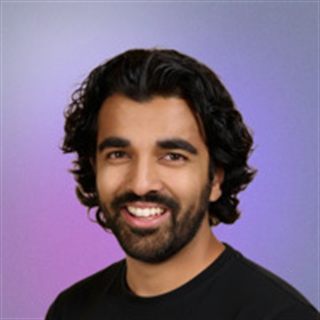
Ben Jacob and the missing working day
Before co-founding Zymbly, Ben Jacob taught in Britain and Japan, worked on airline operations, and led Applied AI at Multiverse. His next assignment is close to the aircraft: giving maintenance technicians more time to do the work they trained for.
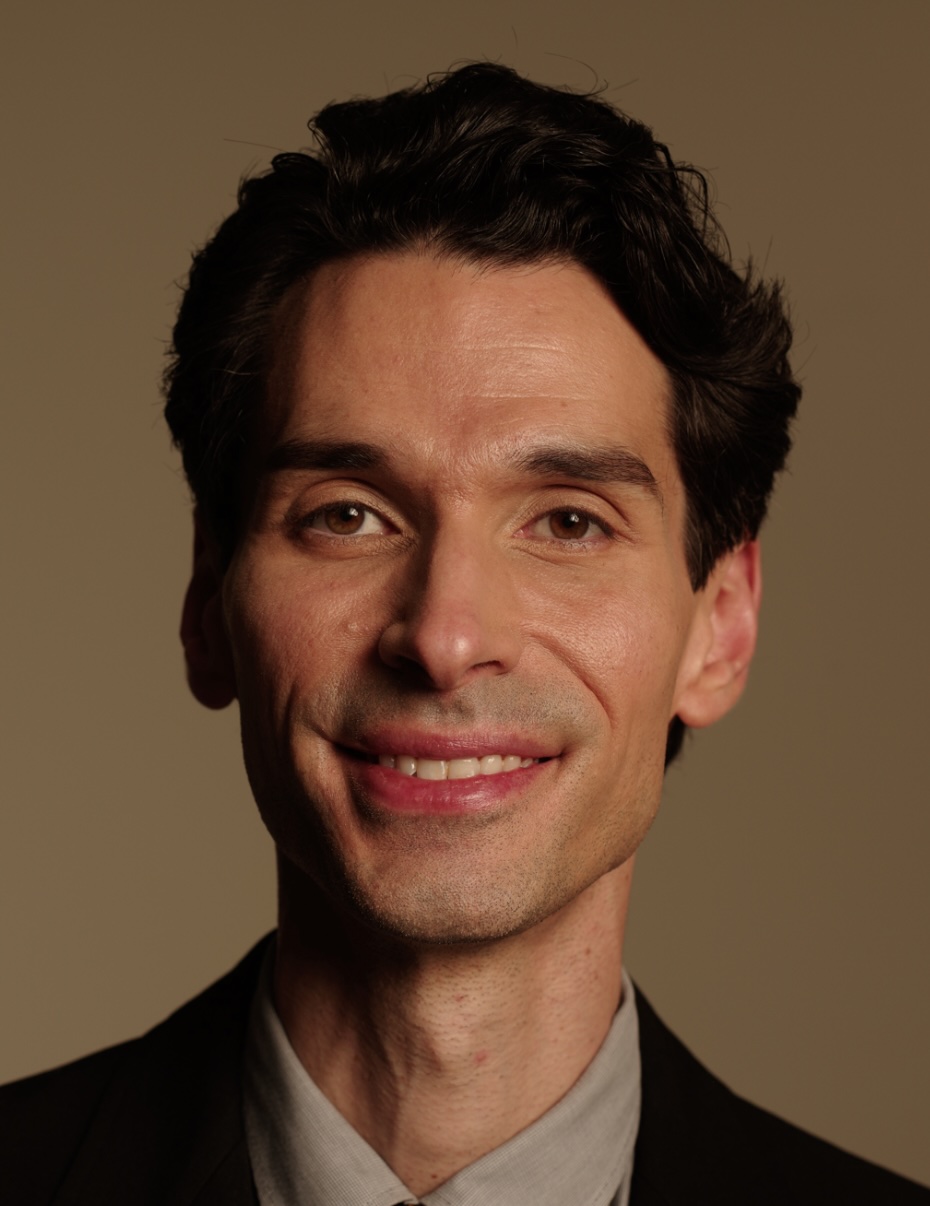
Matthew C. Levy and the art of choosing the next experiment
Before founding NobleAI, Matthew C. Levy studied what powerful lasers could make matter do. His next questions took him into scientific software, fusion investing and public life - with an unexpected place for artists along the way.
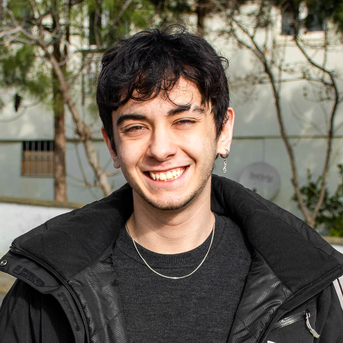
Ege Kaan Duman and the art of letting other people build
A Rhodes Scholar, poet, and Orca co-founder follows a stubborn question from Oxford to Minecraft: how much work should stand between an idea and the people who want to try it?
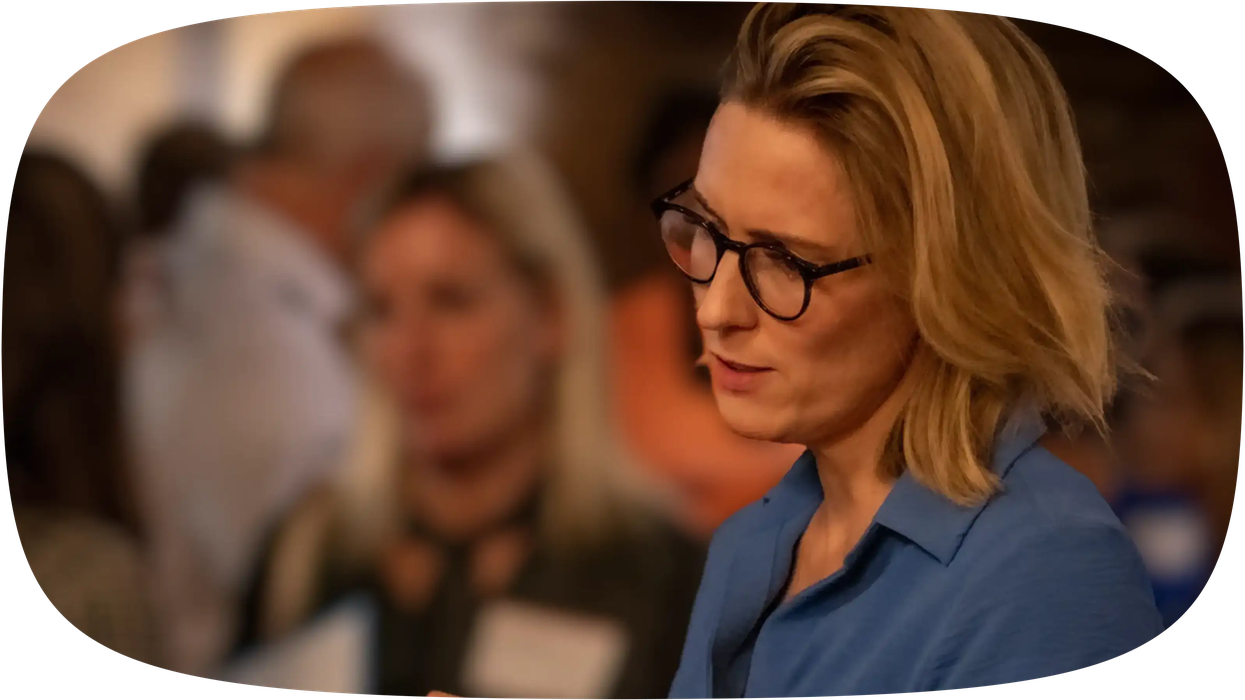
Kate Jillings and the art of keeping in touch
A missed exam question, a business-school news site and a second company built with the same partner. Kate Jillings’s career keeps returning to one practical question: how do you help people stay connected after they leave?
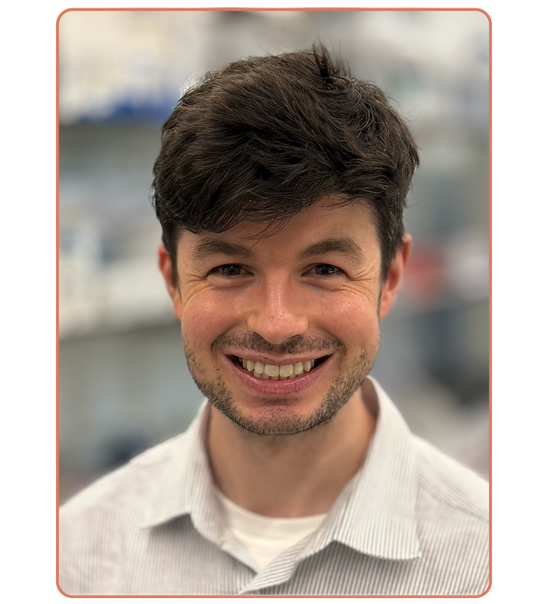
Joshua Blight and the long route from school friend to co-founder
An Oxford researcher, a colleague from the lab and a friend from secondary school built Baseimmune together. Joshua Blight’s story is about the people, persistence and practical thinking behind a science company.
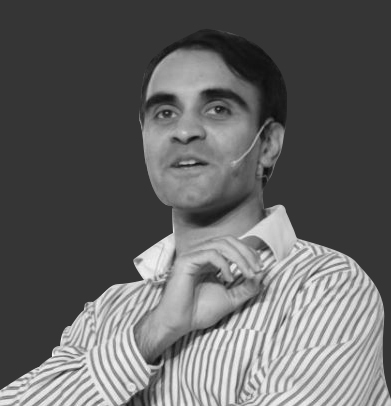
Avi Patchava and the art of making better bets
From philosophy and poker to algorithms and American credit card bills, Bright Money’s co-founder has kept returning to one question: how do you make a sound decision before you know everything?
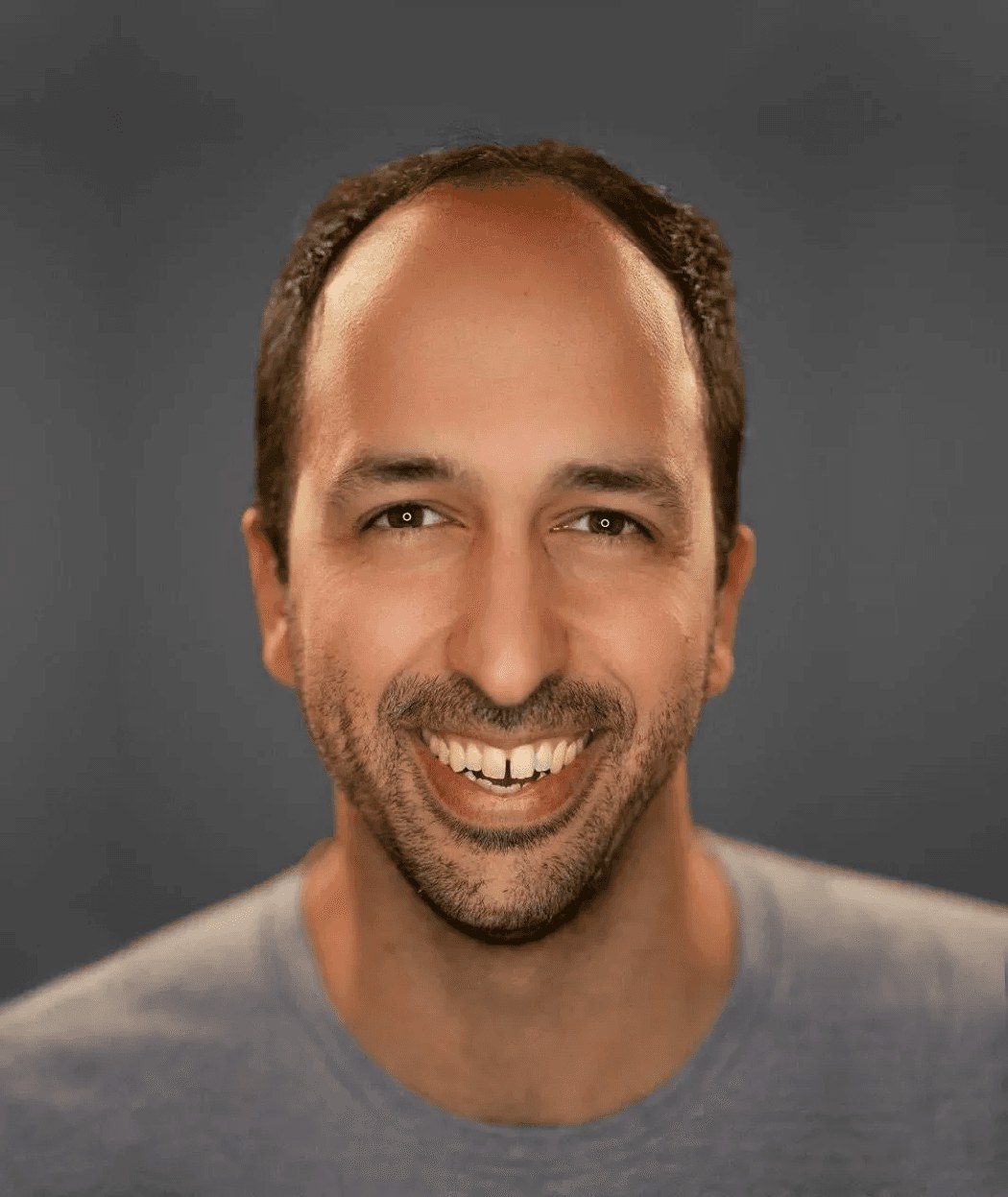
Dan Vahdat and the unfinished degree
He left a PhD to start Huma. The harder education came afterward: getting people to buy, learning what to refuse, and building a company that gives others room to lead.
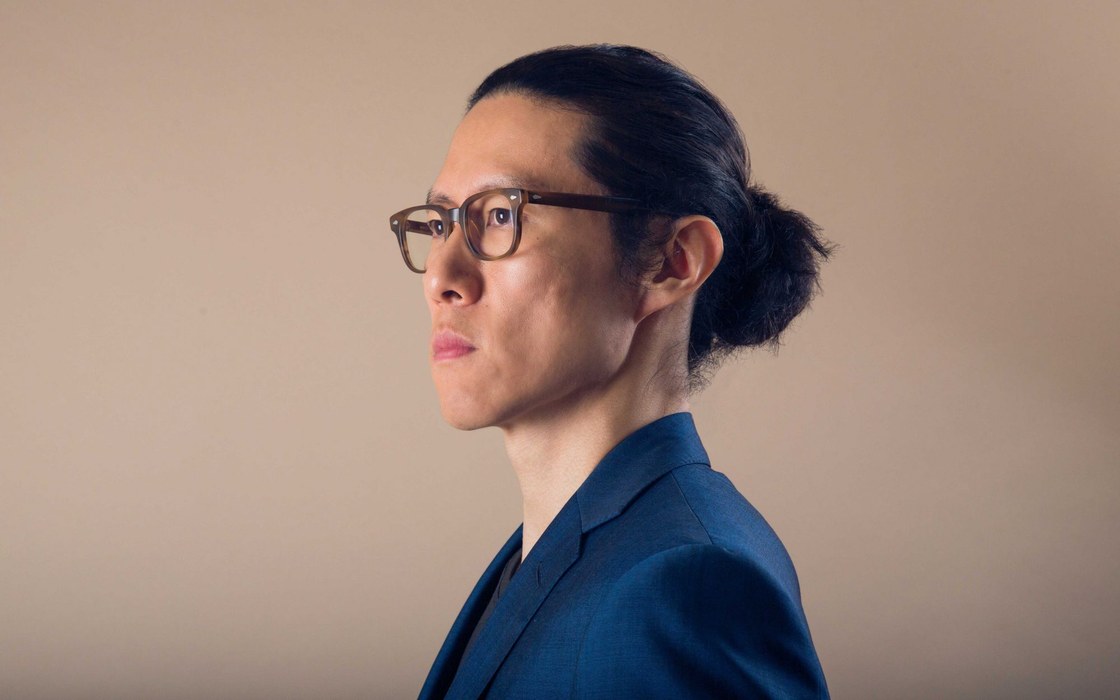
Yuen Tuck Siew and the trouble after the click
He came home from London with a simple expectation: financial services should work online. The gap between choosing a product and actually getting it became the business of his life.
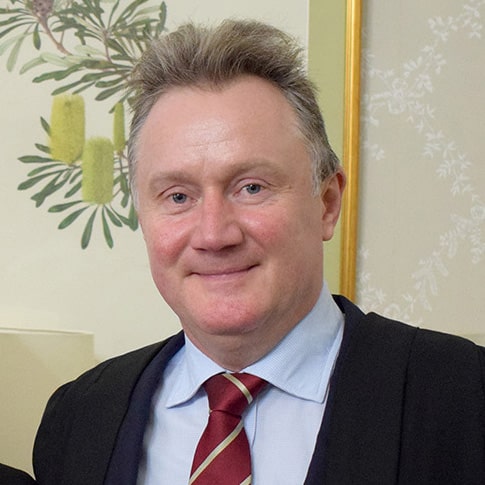
Chris Ashton and the business that outgrew the bathtub
Before Fetch became a business with 200,000 subscribers, Chris and Natasha Ashton kept its files in a bathtub. Their next challenge was getting America to make room for an unfamiliar idea.
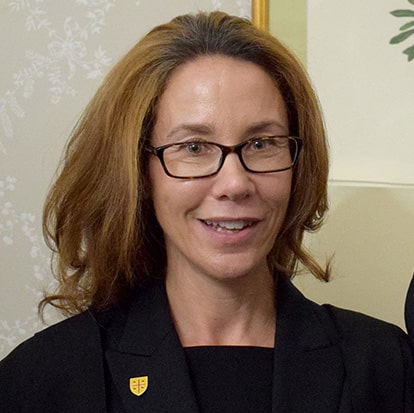
Natasha Ashton wanted more competition
Most founders would prefer fewer rivals. Natasha Ashton saw them as a way to make Americans understand pet insurance - and built a brand that gave them something to talk about.
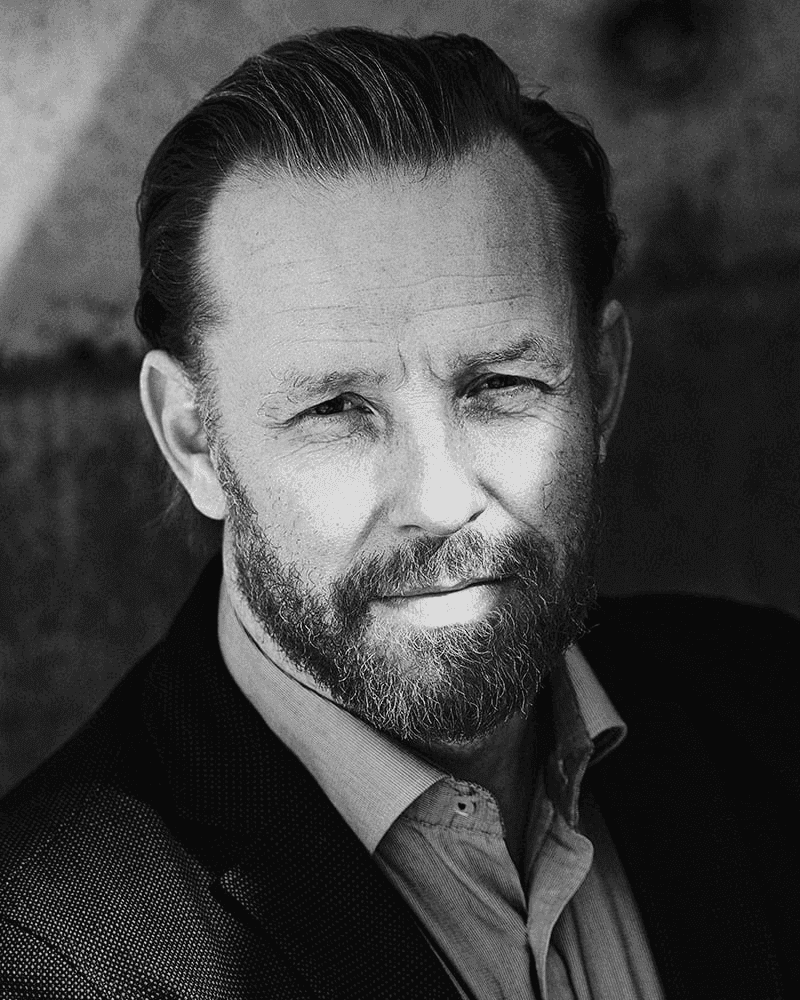
Thomas Lars Andresen and the art of changing course
A broadcast programmer became a chemistry professor, then a founder working across Denmark, Boston and Oxford. Thomas Lars Andresen’s career keeps returning to the same question: when is it time to begin again?
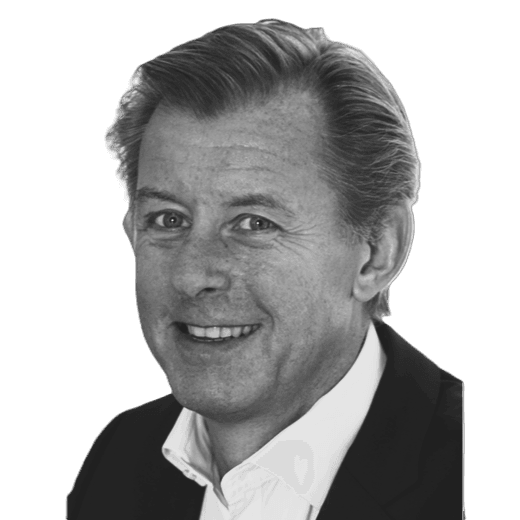
John Beadle and the business of starting again
A sale to Pfizer, a merger that created PsiOxus, and a second act in the boardroom. John Beadle’s career follows the work that begins after an idea has found its first believers.
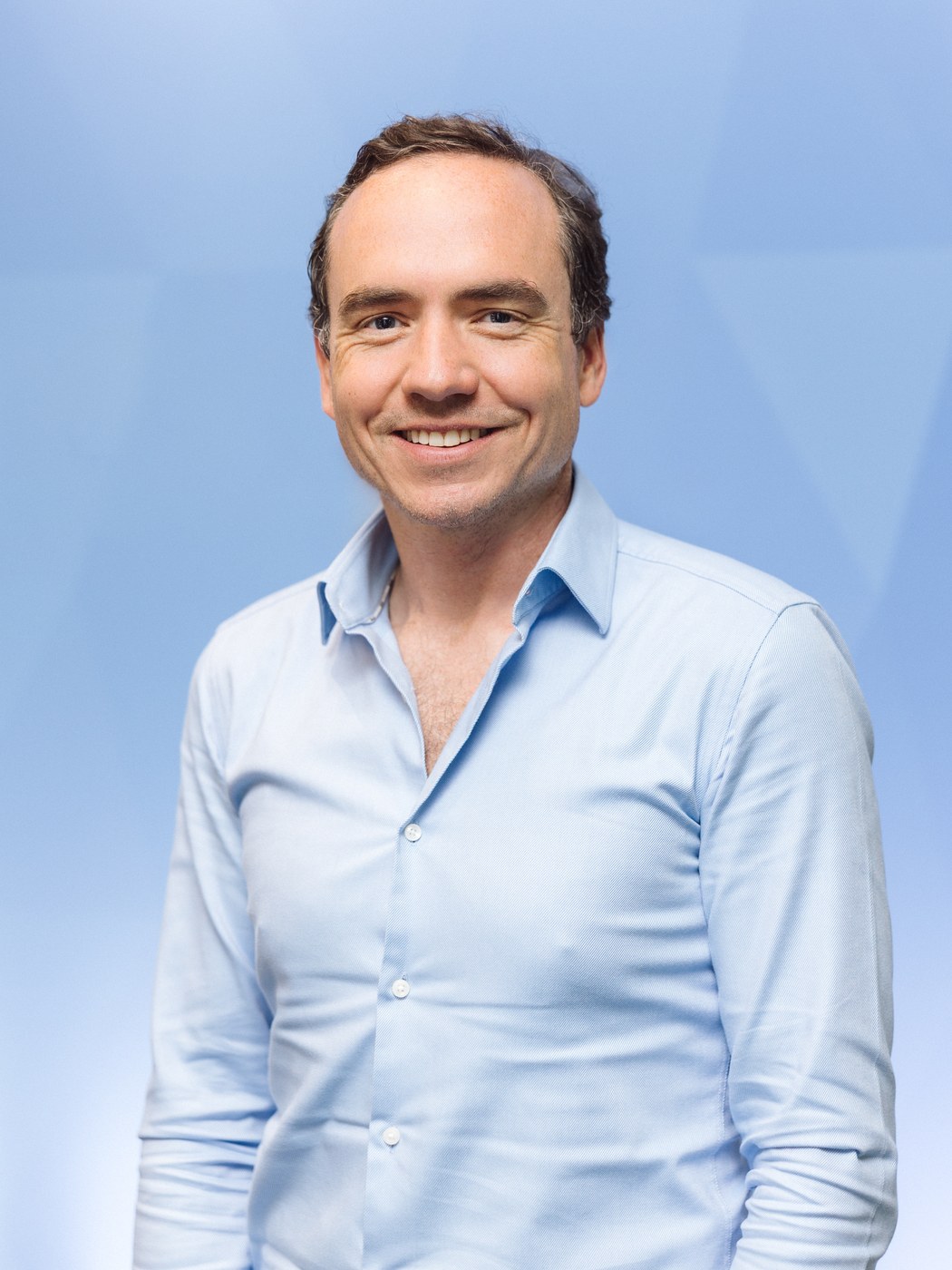
Christopher Padfield and the price of getting back to the product
Deskpro began in an Oxford university room. More than two decades later, Christopher Padfield brought in $25 million and handed over the CEO role to make more room for the work that started it all.
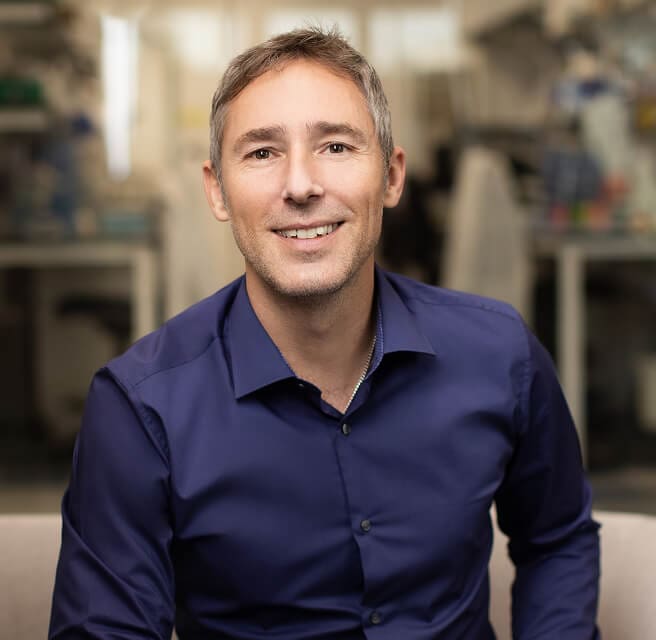
Philip Chamberlain and the problem of people saying yes
Before Neomorph had a team, Philip Chamberlain worried that nobody would join. Then came the more interesting worry: what happens if they do?
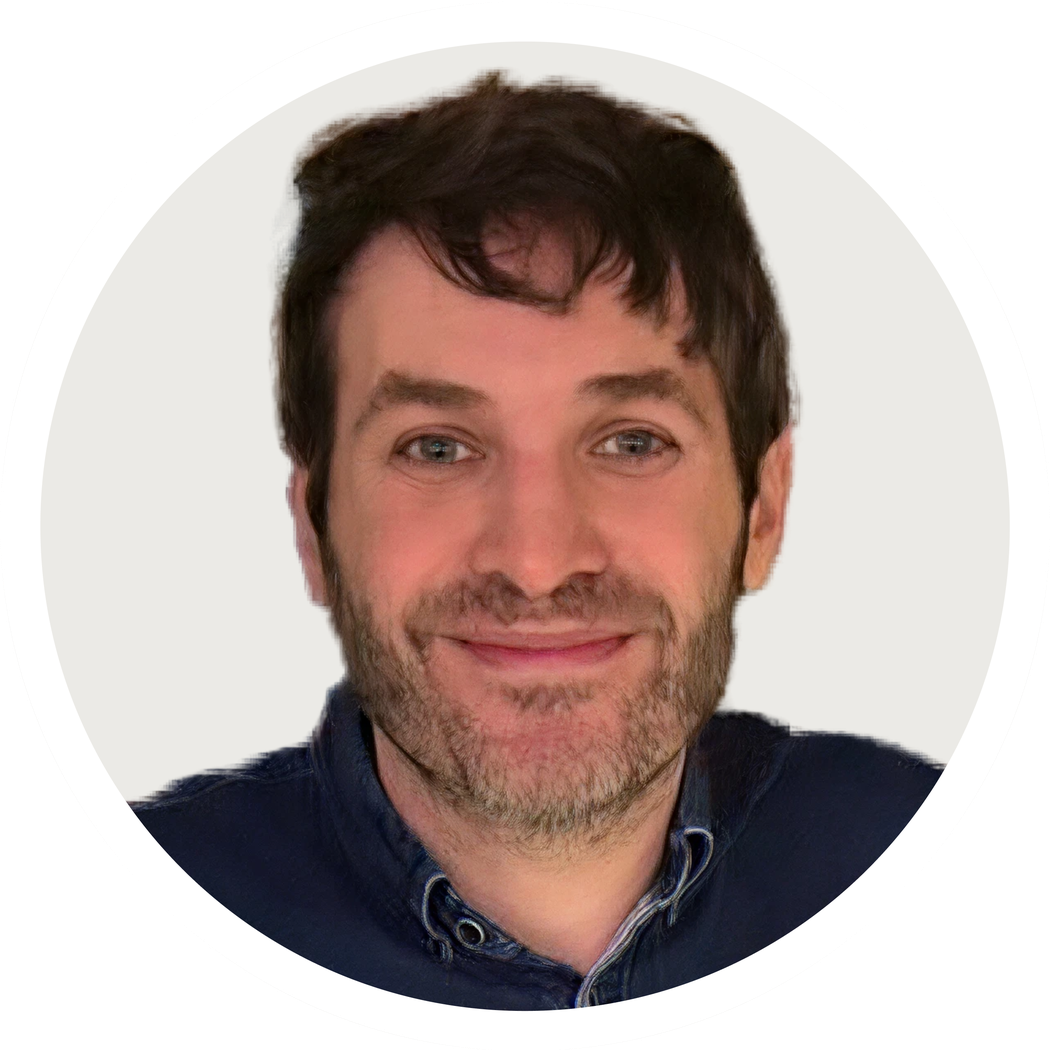
Anthemos Georgiades and the long wait for a book button
A frustrating apartment hunt sent an Oxford classicist into the rental business. Fourteen years after co-founding Zumper, Anthemos Georgiades has handed over the CEO role while the search for a simpler move enters its AI chapter.
Sensyne Health’s £60 Million Bet on NHS Data
Sensyne offered hospitals a share of the proceeds from AI research. A cash crisis forced a rescue, a new name and a smaller business - while its pregnancy-diabetes app found a life of its own.
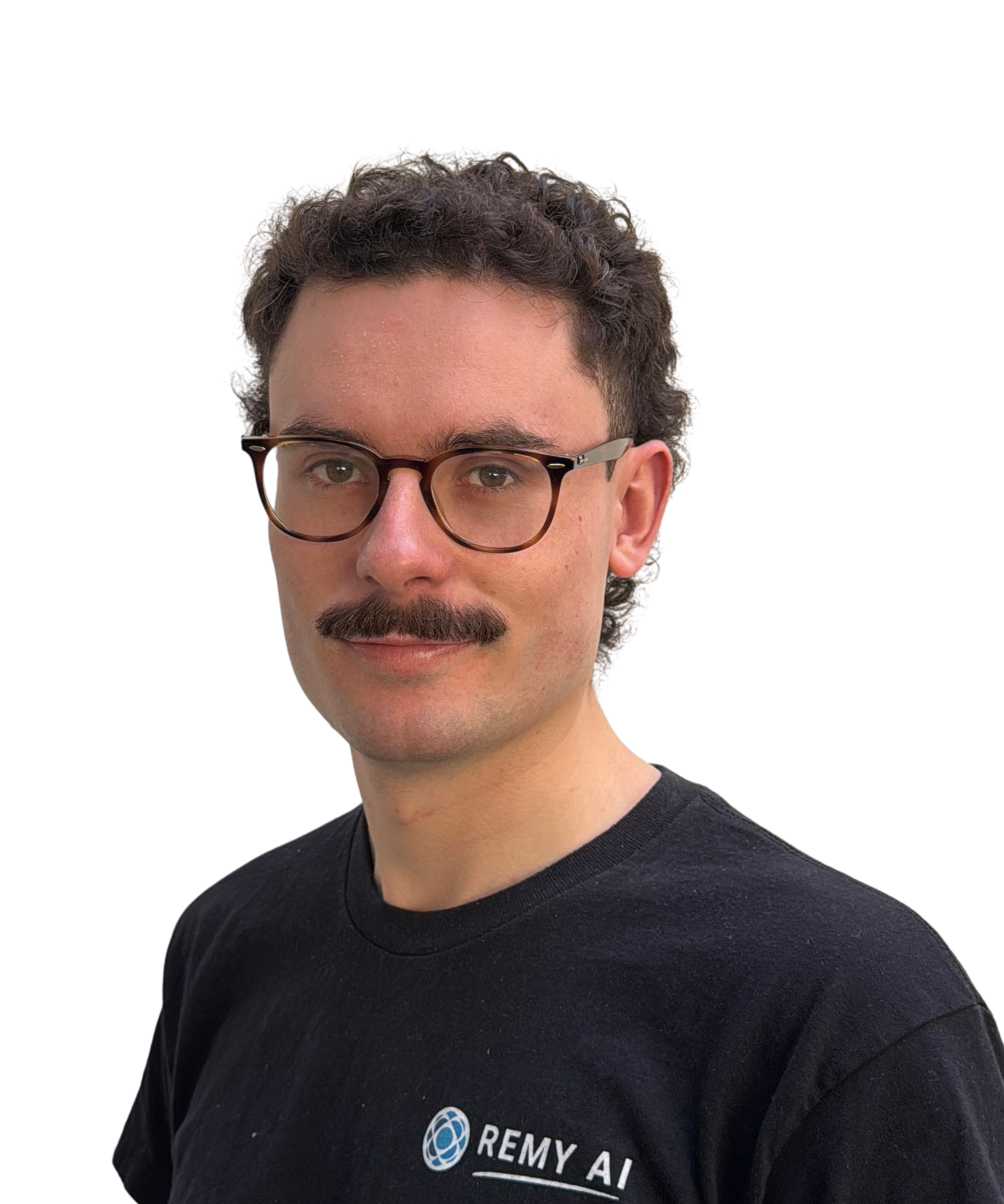
Oscar Brisset Spent 18 Vacation Days Learning to Code. Then He Built a Robot Company.
At Oxford, Oscar Brisset planned on diplomacy. A glimpse of GPT-3, a home-built coding curriculum and an inconvenient warehouse problem sent him somewhere less ceremonial - into the messy work of teaching robots to handle the real world.
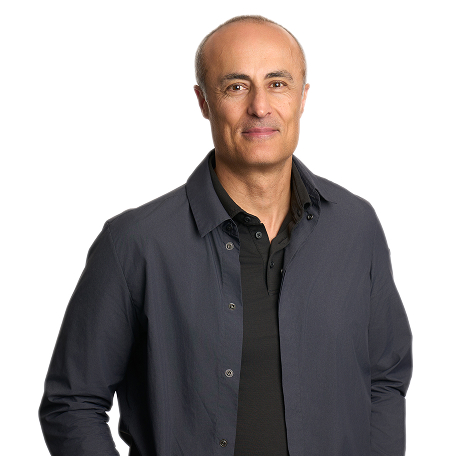
Ali Diab Is Building the Operating System Behind the Benefits Card
After a career spent making maps, messaging, mobile ads, and marketplaces easier to use, Ali Diab chose a harder interface: the machinery behind employer benefits. His playbook is patient, product-minded, and built around making complexity legible.